Stories

October 26, 2026

SHARE:

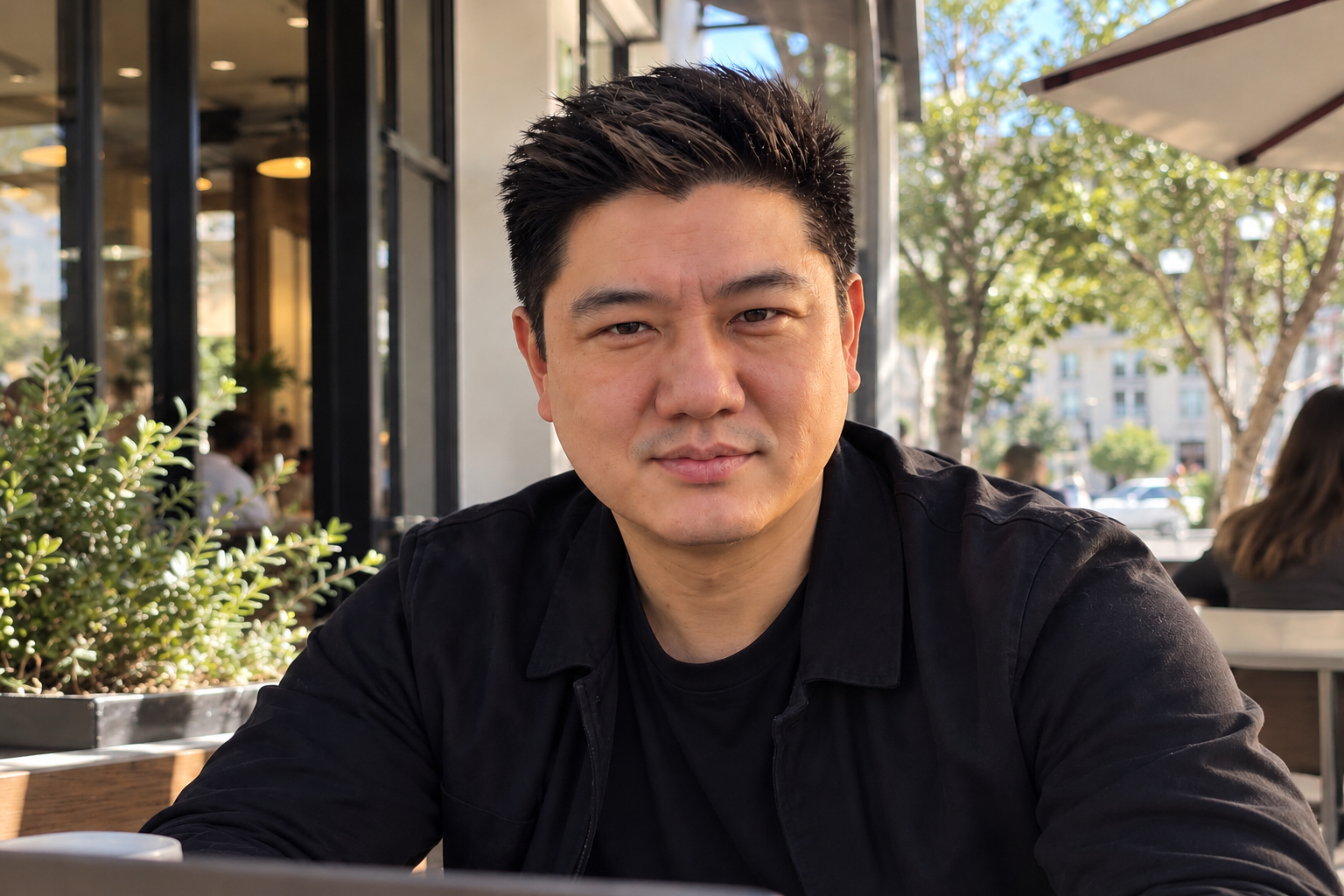
From producing shows with major artists to leading product design at Amazon and Palo Alto Networks, Steve Liu knows a thing or two about bringing people together.

With TRI3E, he’s using what he’s learned to help people, creators, businesses, and organizations build stronger communities.
Understanding What Brings People Together

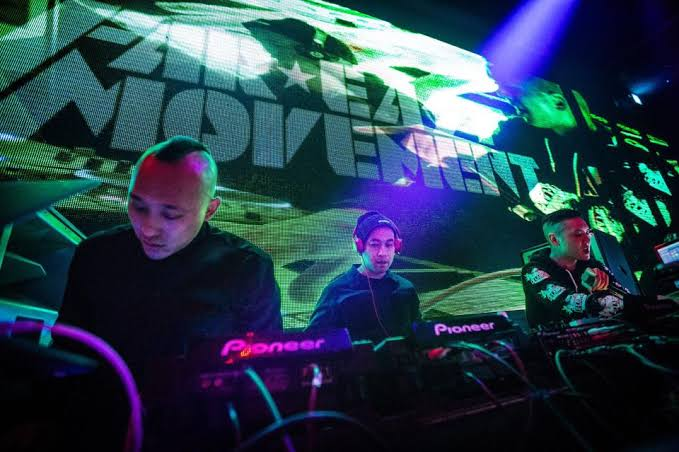
Filling a venue is one thing. Getting people excited enough to bring their friends is another. Steve Liu learned that firsthand in San Francisco’s nightlife scene.

As a nightclub promoter and event producer, he helped organize shows featuring The Chainsmokers, Far East Movement, MC Jin, and comedian Ali Wong.

What stood out to Steve wasn’t just how people discovered events, but what happened when they came together. Friends brought friends, new connections formed, and people found a sense of belonging through shared experiences.

He realized that the most meaningful part of bringing people together wasn’t filling a room. It was creating experiences people genuinely enjoyed, felt part of, and wanted to share with others.
A Different Way of Looking at Problems

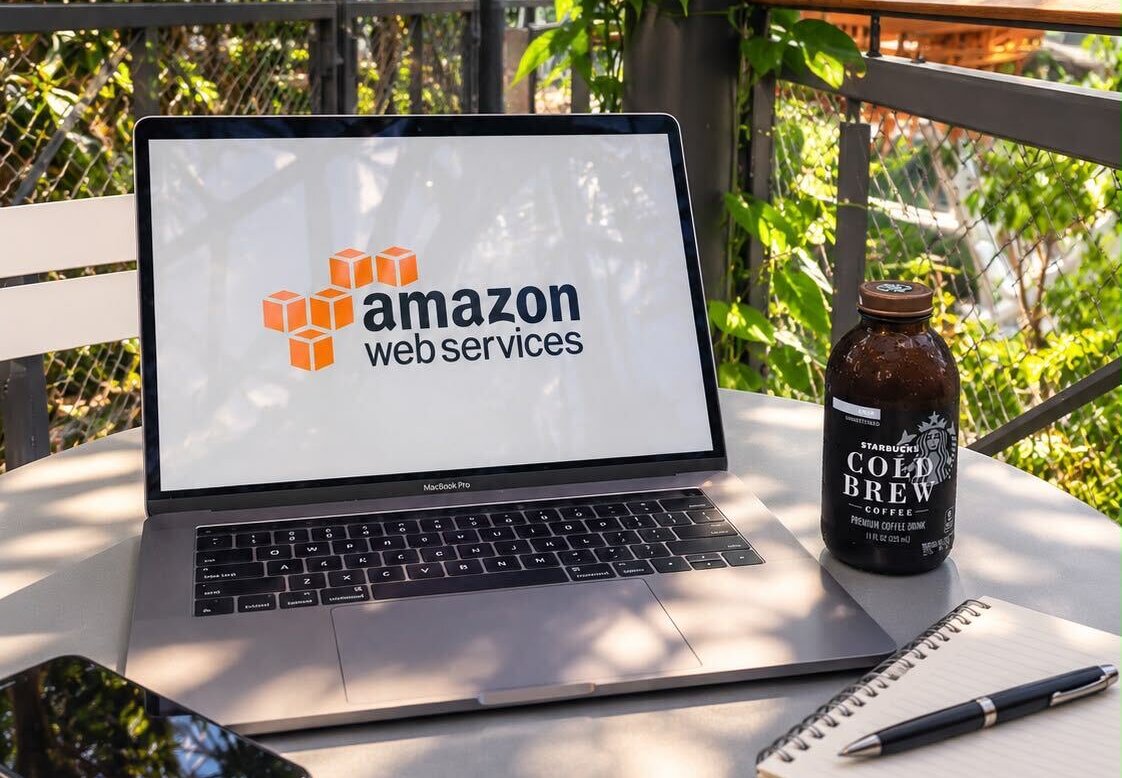
Outside entertainment, Steve was building a career in technology. He eventually led product design teams at Amazon and Palo Alto Networks, working on products involving cloud computing, global supply chains, and cybersecurity.

The work was different from organizing events, but it taught Steve how to approach complex, multidimensional problems. Working across technology, business, and human needs, he learned to connect different perspectives, navigate competing priorities, and turn complicated challenges into practical solutions.

His experience as an entrepreneur also gave him a firsthand understanding of how difficult it can be to grow a business, reach the right people, and keep them engaged.

Over time, those experiences started to come together. He had seen how people brought others into events and communities, and he understood how technology could help make those connections easier.

That got him thinking about what better community-building tools could look like.
Helping Communities Do More Together

Think about a restaurant planning an event, a creator looking to bring supporters together, or a community organizer trying to reach more people.

They already have people interested in what they do. The challenge is finding ways to get those people involved, keep them connected, and encourage them to bring others along.

That’s the thinking behind TRI3E (Tribe), the platform Steve is building.

TRI3E aims to help individuals, creators, businesses, and organizations build and grow their communities. Through the platform, they can share events and opportunities, invite others to participate, and give members more ways to stay involved.

For a restaurant, that could mean inviting regular customers to an event and encouraging them to bring friends. For a creator, it could mean sharing a new project with supporters. For an organization, it could mean helping members discover opportunities and meet others with similar interests.

The goal is to make it easier for people to stay involved, bring others along, and create more opportunities within their communities.
Building What’s Next

For Steve, TRI3E is an opportunity to bring together years of experience in technology, entrepreneurship, and entertainment around an idea with much broader potential.

Whether it’s a neighborhood restaurant, an independent creator, or a network like Asian Hustle Network, communities already have people who want to see them succeed.

What if those people had better ways to make that happen?

That’s the vision behind TRI3E: helping people turn their existing connections into more opportunities for their communities.

Join TRI3E

Build your community. Activate your network. Grow together.
Explore TRI3E | Connect with Steve

Related Articles

image-png

Stories

How Stephanie Lau Jensen Turned a Personal Identity Journey Into CULTR, a Marketplace for Cultural Brands

Stephanie Lau Jensen grew up between Hawaii and California. Like many Asian American kids raised in predominantly non-Asian communities, she learned early how to move between worlds. Parts of her culture stayed in the background, not because she pushed them away, but because the environment made it easier to leave them there.

She later returned to Hawaii for college, where her father is originally from. Being there placed her in a community where Asian culture was woven into daily life through food, language, and family traditions. It was not a rediscovery, it was a reminder of what had always been hers.

Years later, as a mother of three and a founder with a background in commercial real estate investing, she built CULTR, short for Created for Culture. A curated marketplace for AAPI  and third-culture families raising kids between cultures, one that makes cultural products easy to find and part of everyday life, not just special occasions.

A Birthday Conversation That Changed Everything

The idea for CULTR took shape at one of Stephanie’s birthday gatherings. She was talking with a close friend about identity and culture when a childhood friend overheard the conversation and joked that Stephanie used to be one of them before she moved to Hawaii and really leaned into her Asian side.

Everyone laughed. Stephanie included. But the comment stayed. It put words to something she had been sitting with for years. Culture is not something that automatically transfers to the next generation. It has to be lived daily. If it is not in the house on a regular Tuesday, it probably is not there at all.

When she became a mother and started looking for books, clothing, and toys that reflected her culture, she saw the problem clearly. The products existed. The founders were there, but their work was scattered across small websites and Instagram pages, invisible to most families who needed them.

The Platform She Wished Had Existed

Stephanie’s background in real estate investing trained her to look closely at markets and recognize opportunity gaps. As she continued discovering founder-led cultural brands online, she saw a clear problem: families who wanted these products had no easy way to find them.

That realization led her to build CULTR, a curated marketplace that brings modern cultural brands from around the world into one central destination. The platform highlights independent founders, many from Asian and immigrant communities, whose products carry culture through everyday objects, from children’s books to home goods, apparel, even everyday products you would have never known were made by AAPI makers. With a refined, modern aesthetic, CULTR presents these brands in a way that feels contemporary, approachable, and deeply connected to heritage.

Building CULTR came with its own challenges because the platform did not fit neatly into an existing category. It sits somewhere between a retail marketplace and a cultural storytelling platform, which meant Stephanie had to develop the platform while also helping people understand the vision behind it.

Bringing Culture Into Everyday Family Life

For Stephanie, culture often lives in the smallest everyday objects. A children’s book written in the language your grandparents spoke, a toy tied to tradition, or a piece of clothing that carries a story can shape how the next generation understands identity and belonging.

Alongside CULTR, she is also building PenPals Collective, a project designed to spark global curiosity and connection for children, and launching a podcast called Series M that explores career, motherhood, and identity. Each project reflects her interest in connecting people across culture, family, and generation.

Through each project, and while raising three young children, Stephanie continues working toward the same goal: creating spaces where culture is not something people rediscover later in life, but something families live with every day.

Learn more about CULTR here:

📍Website

2

Stories

Billionaire Heir Enters Wall Street’s Hottest Trade With $480B in Assets

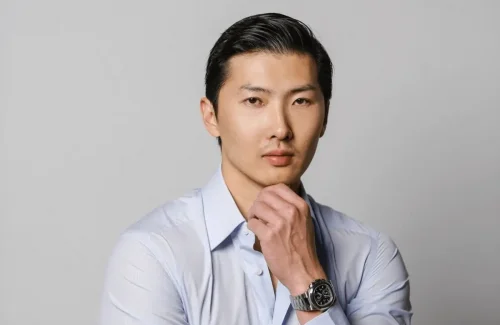
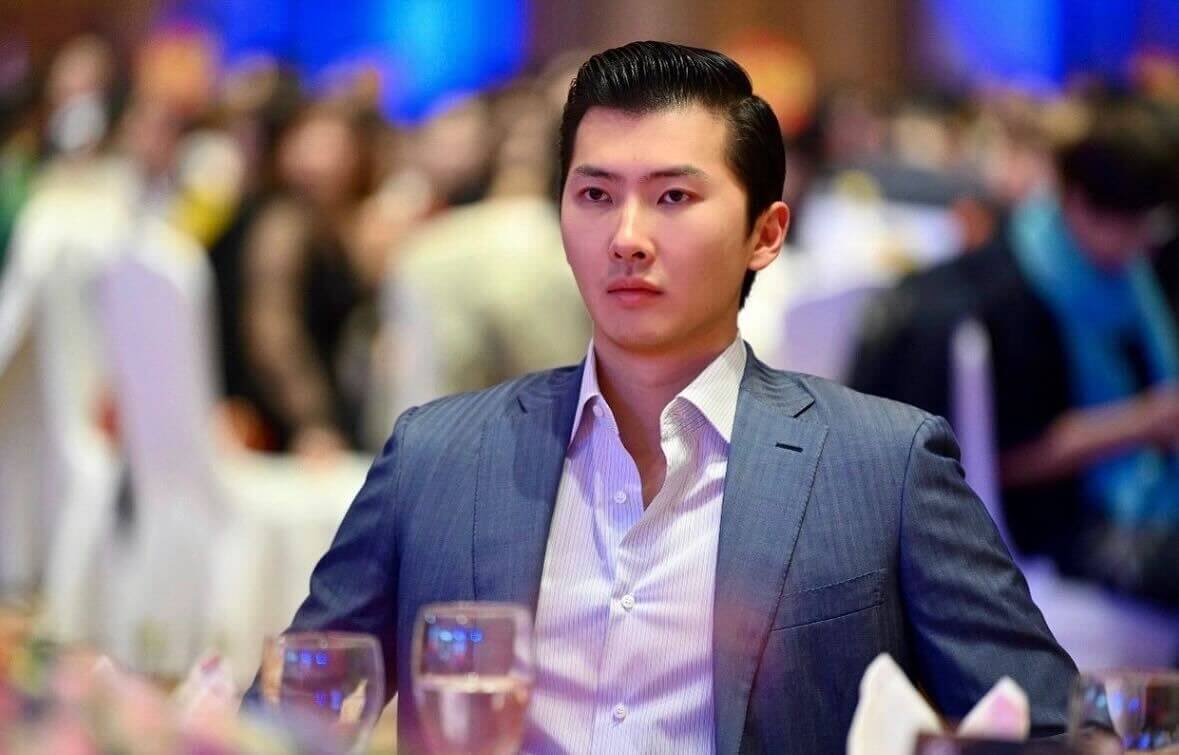
Andre Koo Jr. isn’t just inheriting a financial empire, he’s also reshaping what it looks like in a new era of investing. 

From Taiwan to New York, his latest move brings a centuries-old legacy into one of Wall Street’s fastest-growing spaces. 

With K8 Capital, he’s betting that the future of wealth lies in doing more than just one thing well.

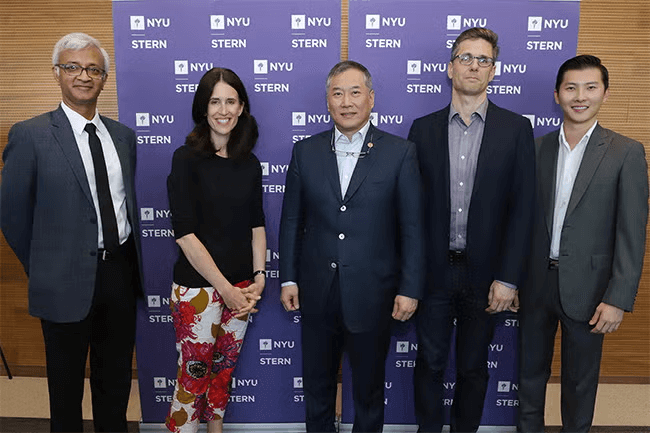
Image Source: NYU Stern

Building on a Financial Legacy

Andre Koo Jr. grew up in one of Taiwan’s most influential banking families, where scale and stability defined success. Today, that legacy spans a $16 billion family fortune and control of $480 billion in assets. But instead of staying within that system, he’s building something that looks very different.

K8 Capital, his new firm based in New York, is designed to be more flexible and forward-looking. It’s launching with a debut fund of at least $50 million, with a $500,000 minimum that signals who it’s built for. The focus is on US companies, along with early bets on AI and enterprise software, areas where growth is still taking shape.

Image Source: Sally Ride Science

A Dual Investment Approach

K8 is a fully integrated hybrid private credit and venture capital firm, combining short-duration, high-yield credit investments with long-term venture growth. Its dual strategy is designed to deliver both liquidity and capital appreciation, giving investors access to predictable income while still capturing venture upside.

What sets K8 apart is how it brings two distinct investment styles into one platform. It focuses on short-term credit deals that can generate returns relatively quickly, while also investing in startups that may take years to mature but offer strong long-term potential. This allows investors to earn steady income today while staying exposed to the companies shaping the future.

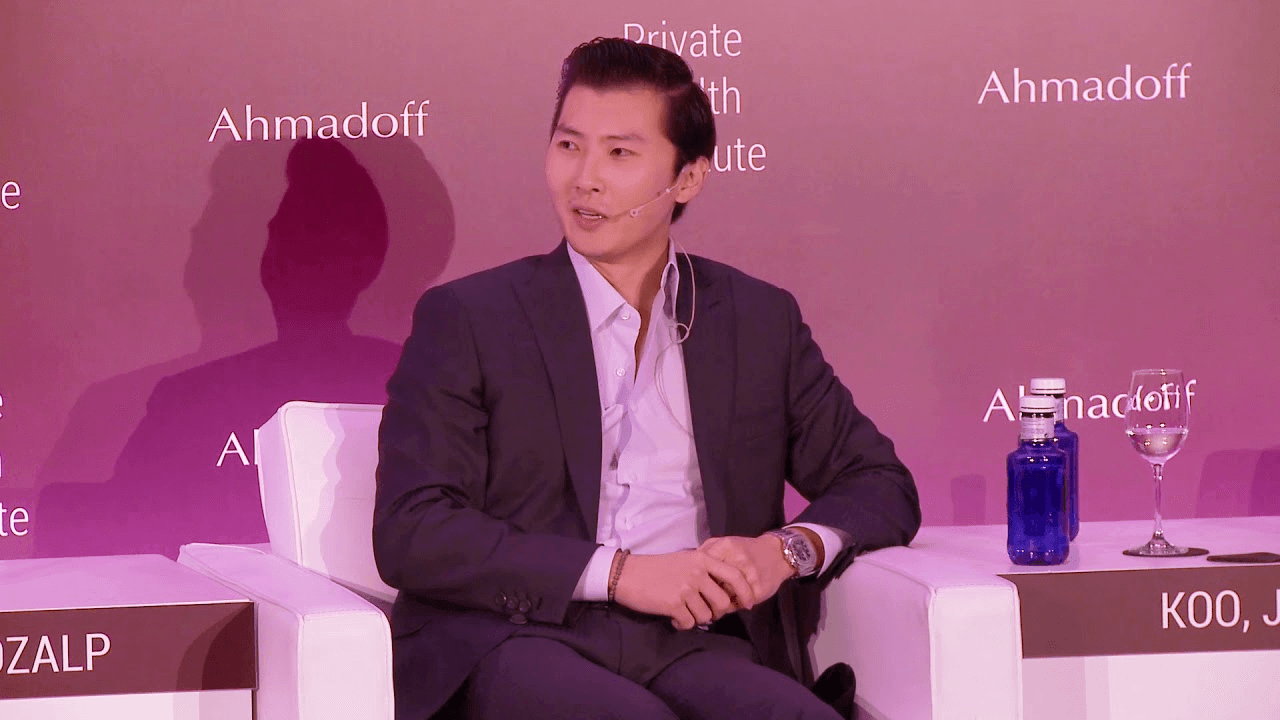
Image Source: @andrejrkoo (Instagram)

Entering a Rapidly Growing Market

Private credit has quietly grown into a market worth more than $1.5 trillion, as companies look beyond traditional banks for funding. Wealthy families like the Koos are moving in, seeing an opportunity to lend directly and capture higher returns.

K8 is already showing early signs of traction, with reported returns of at least 50 percent from short-term loans to US businesses. But for Andre, this isn’t just about performance. It’s also about carrying forward a legacy that began nearly 200 years ago with his ancestor Koh Lay Huan, while making sure it still matters in a very different financial world.

Learn more about K8 Capital here:

📍Website

IMG_0192-jpeg

Stories

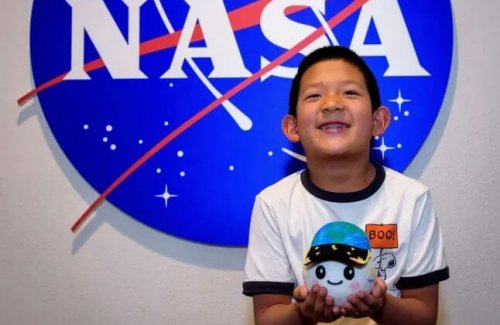
8-Year-Old Lucas Ye Designed a Mascot That Travels to Space With NASA’s Artemis II Crew

An eight-year-old in California turned a simple drawing into something that will travel beyond Earth.

Lucas Ye entered a global NASA contest and watched his idea rise above thousands of entries from around the world.

Now, his creation is not just a sketch, but a real mascot preparing to float alongside astronauts in space.

Image Source: NewsBytes

From Sketchbook to Spacecraft

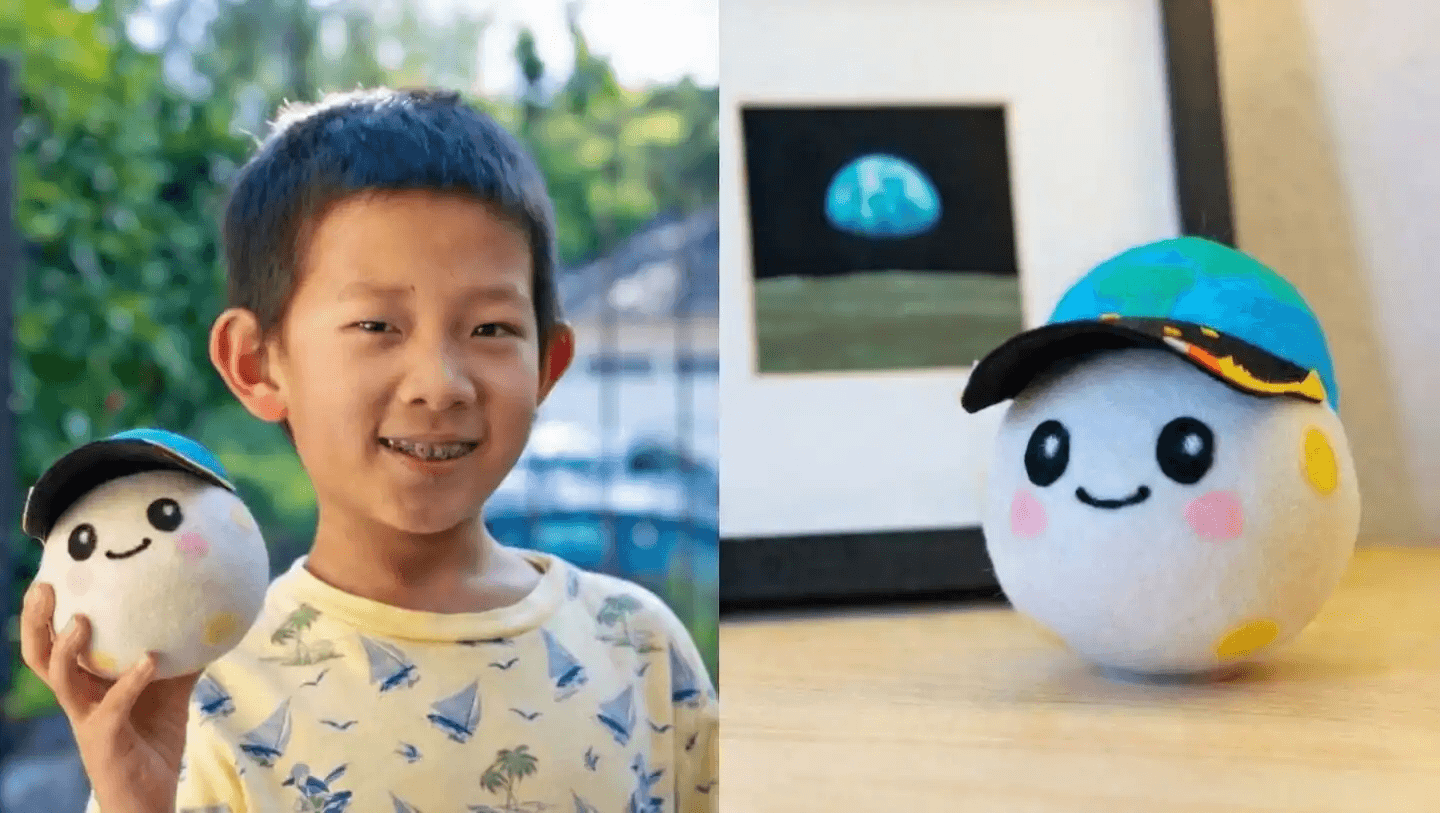
Lucas Ye was just eight years old when he decided to draw a mascot for the Artemis II mission, not knowing it would become something much bigger. His design stood out in a global competition, eventually winning and being transformed into a plush named Rise. What started as a simple idea on paper quickly earned a place inside a real spacecraft.

The journey from drawing to physical mascot shows how ideas can move fast when they resonate. NASA took Lucas’s concept and turned it into something tangible, something that could sit beside astronauts on a real mission. It is a reminder that creativity does not need years of experience to matter, it just needs a starting point.

Image Source: Sally Ride Science

A Small Toy With a Big Role

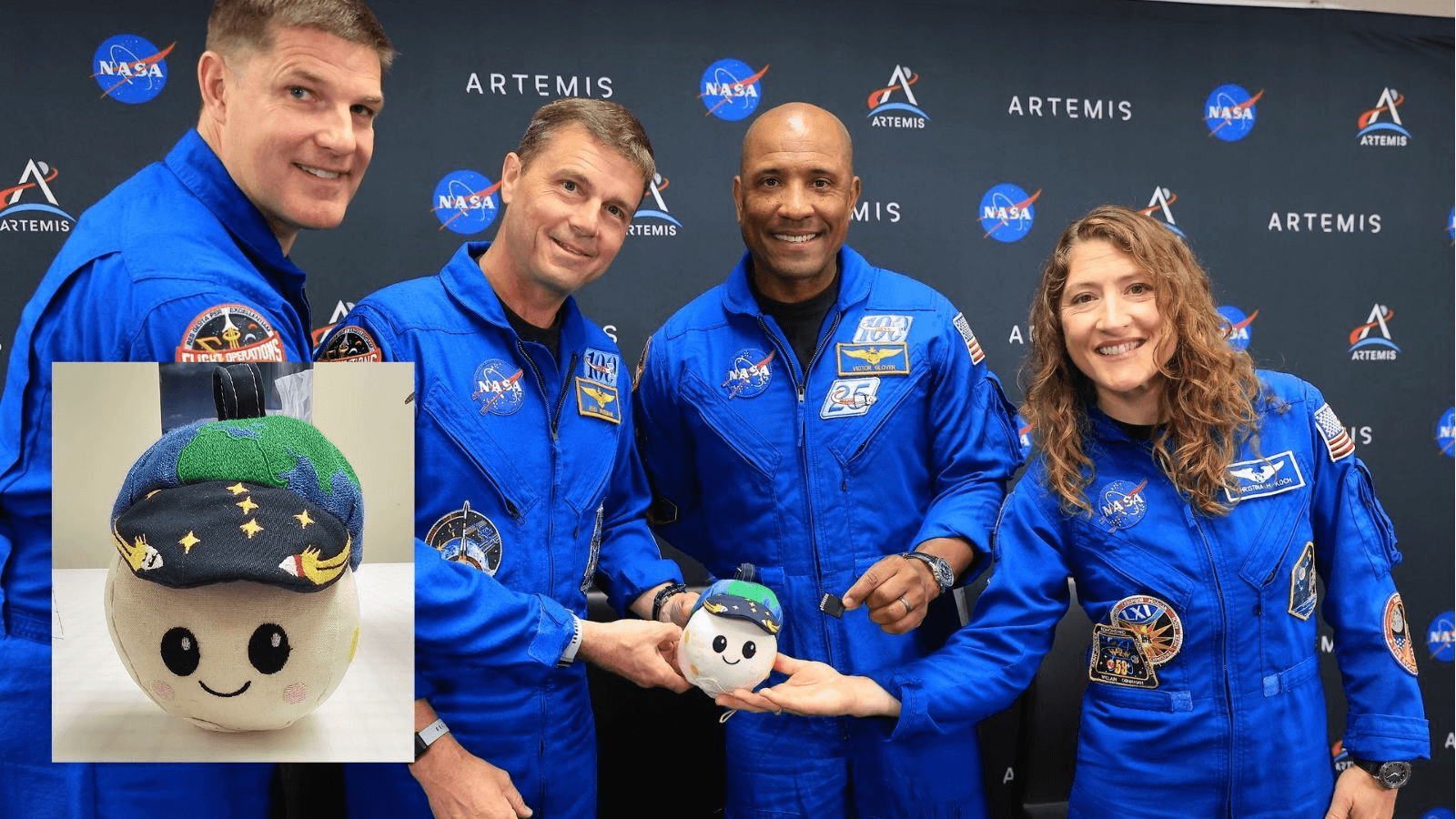
Rise is not just there for the ride, it plays a meaningful role inside the cabin. As the spacecraft reaches orbit, the plush will begin to float, signaling that the crew has entered zero gravity. It is a simple but powerful way to show a major moment in the mission.

NASA has a long tradition of using mascots like this, but this one carries a different kind of weight. It represents a child’s imagination becoming part of a real scientific journey, blending emotion with exploration. Lucas now joins a legacy of space mascots, showing that even the smallest ideas can make it all the way to space.

6060_Simone Portraits_2259_01_Edited-jpg

Stories

The Mission of Award-Winning Author Simone Heng and How Let’s Talk About Loneliness Expands Its Message Through Its Chinese Launch

Loneliness is often seen as a personal feeling, but for Simone Heng, it became a question worth exploring on a global scale.

Now, with the upcoming Chinese translation of her 2023 book, Let’s Talk About Loneliness, her message is reaching a new audience and entering a new chapter.

What began as a deeply personal experience has grown into a wider mission to make conversations about loneliness more accessible across cultures.

From Personal Isolation to a Written Voice

Simone Heng’s book Let’s Talk About Loneliness was born from a period of deep emotional isolation. After leaving her broadcasting career to care for her paralyzed mother, she found herself cut off from her social world. While others were building families and careers, she was navigating caregiving, grief, and isolation.

Before that chapter, her life had always been shaped by movement. She was born and is based in Singapore, grew up in Australia, studied in Switzerland, and worked in the UAE. Her background reflects a mix of cultures, even reflected in her DNA, which shows 11 different ethnicities.

But the defining moments were not just about where she had been, but what she had gone through. She lost her father at 19, and 10 years later, along with her sister, became the main support to her mother. Those experiences reshaped her priorities and slowly pulled her away from the life she was chasing.

In that quieter, more difficult season, she began asking questions she could not ignore. Why does loneliness feel so heavy, even when you are not physically alone? Why is it so hard to talk about?

Over time, Simone realized something that became central to her work. Loneliness is not simply about being alone. It is the gap between the kind and amount of connection a person wants and what they are actually experiencing.

A Book That Challenges Cultural Assumptions

Let’s Talk About Loneliness explores an idea many people overlook. Loneliness can exist even in collectivist societies. Simone highlights how cultural expectations, emotional restraint, and unspoken pressures can make it harder to express isolation. This perspective brought a diverse lens to the dialogue on loneliness often dominated by Western viewpoints.

She points out that in cultures where people are expected to always be surrounded by family, saying “I am lonely” can carry stigma. At the same time, many connections are shaped by obligation rather than genuine emotional closeness. These kinds of relationships do not always meet deeper emotional needs, and can leave people feeling alone even when they are not physically isolated.

Retitled in Chinese as “Anyway, I Am Just as Lonely,” it will be available in Xinhua, Sisyphus, and Yanijou bookstores in China. The book blends research with lived experience, making it both informative and deeply personal. With the release of the Chinese edition, the focus is on reaching Chinese-speaking communities where conversations around loneliness are often less visible.

Building a Mission Around Human Connection

Beyond the book, Simone Heng’s work continues to focus on one idea. Human connection is not just something we hope for, but something we absolutely must learn and build, particularly in the era of AI.

After spending 15 years in broadcasting, she chose to step away and start again in 2019. It was not an easy decision, and she built her career without financial backing, relying on persistence and clarity in what she wanted to create.

Today, she is a global speaker who works with leading organizations such as Google, Meta, Harvard University, and JPMorgan. She teaches audiences how to build meaningful connections both in and beyond the workplace.

Her message continues to resonate because it speaks to something many people are quietly experiencing. Without a sense of belonging and psychological safety, it becomes harder to think clearly, create, and show up fully.

At its core, her work is a reminder that connection is not about how many people are around us. It is about how understood we feel. And sometimes, putting that feeling into words is the first step toward changing it.

Learn more about Simone Heng here:

📍Website