Stories

July 11, 2023

SHARE:

Whether you’re planning a wedding, considering starting a side hustle, or simply looking for some inspiration to pursue your passions, this story is one you won’t want to miss.

Weddings are supposed to be one of the most memorable moments in a couple’s life, but the reality is that the cost of making that dream a reality can be overwhelming, especially for Asian weddings – with the elaborate customs and traditions, and the pressure of inviting every distant relative, including aunts you may not even know.

This is why last year, Lavinia Doan (Bao Nhu) decided to start LAV SUSHI, shortly after getting engaged. She wasn’t sure how to come up with funds for her wedding, and as a daughter of refugees, she had to start from scratch.

In a year of engagement, Lav achieved a milestone: she was able to save up $100K from this side hustle that she used to pay for her wedding. From being a one-woman team, her husband has now joined her in her sushi journey.

FOR THE LAV OF SUSHI

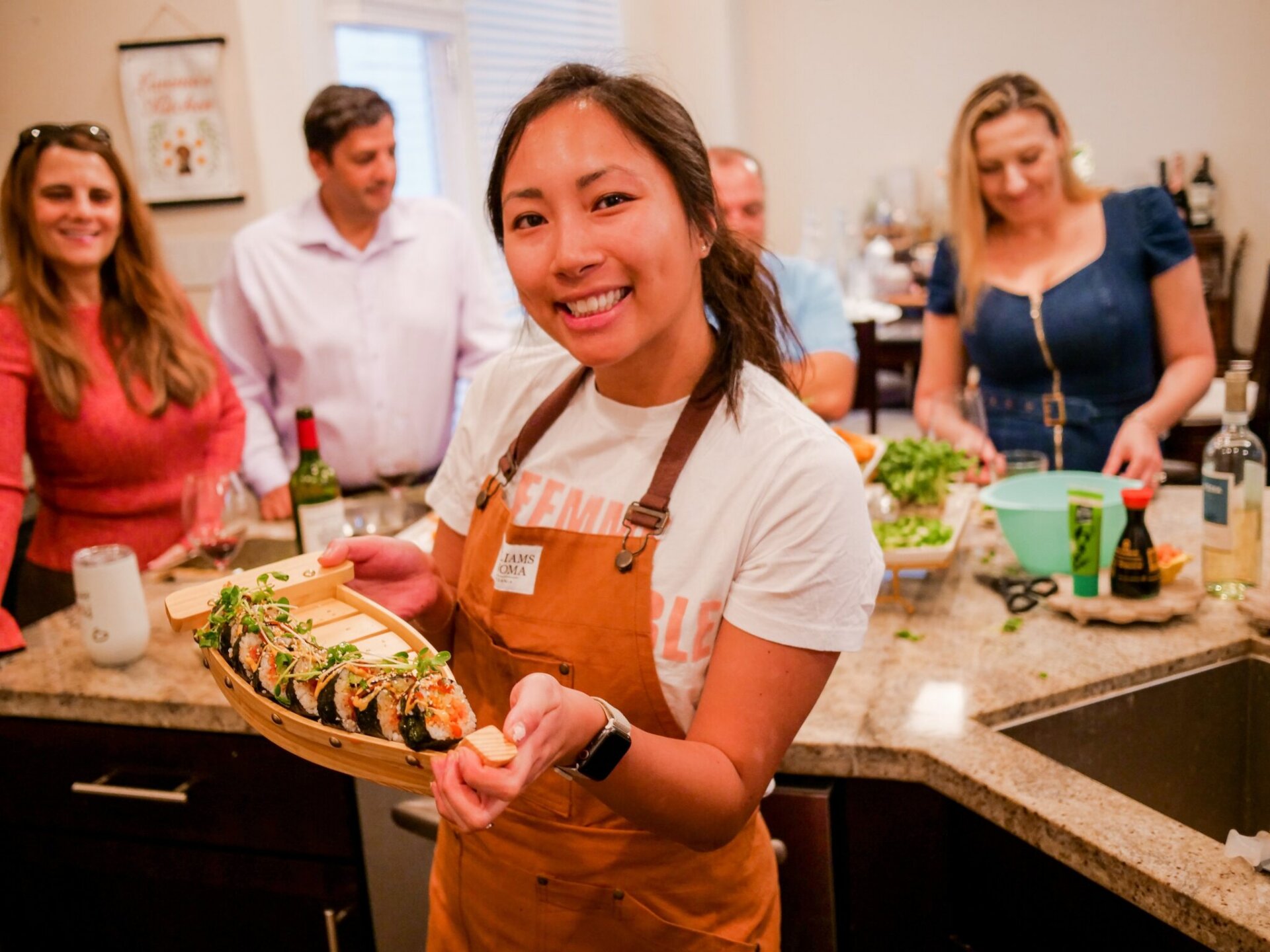
Lav is originally from DC, but she moved to Texas about 5 years ago for a job in oil and gas. She was supposed to work off-shore as an engineer in South America, but due to COVID, she was sent to various places like Midland, Carlsbad, and West Virginia. Although not the most exciting places, she tried to make the most of it by expensing meals, specifically sushi, which she loved. However, she found that the sushi in those places was terrible, so she started making her own.

Lav enjoyed making sushi, but there was a lot of prep work involved, so she started inviting friends over for sushi-making parties to share her passion with them. For her, having friends and family over for a meal was a way to show that she cared for them. Eventually, she left her job in oil and gas and started working in tech, where she was fully remote. Missing the human interaction from her previous job, she began seeking out ways to meet new people.

Being an extroverted person, Lav decided to list sushi classes on Airbnb Experiences as a way to meet people and share her passion with them. What started as a passion project soon turned into a side hustle when she got engaged and needed to find a way to pay for her wedding.

They started with sushi classes which are still their bread and butter, but have since expanded into catering, and homakases (omakase at home).

CHALLENGES OF STARTING HER BUSINESS

It was only two months after the first few classes when Lav got engaged.

Lav and her partner, Dan, started the wedding planning process and quickly realized that the cost of their dream wedding was almost triple what they had planned for. Post-COVID backups and inflation made for an expensive wedding. She knew that they had to either sacrifice their vision for the wedding or find another way to save up.

For them, the wedding was more than just a party to celebrate their marriage; it was an opportunity to give back to their friends, family, and colleagues and treat them to a fun weekend. They felt positively impacted by the people around them and wanted to return the favor at their wedding.

Starting her own business posed the biggest challenge for Lav as she struggled to manage and prioritize her time. In addition to working full time and planning their wedding in the US and Vietnam, she also wanted to maintain a semi-normal social life. She enjoyed spending time with friends, family, her partner, and even alone time. The business was a one-woman show for a long time until she realized that it wasn’t sustainable.

“I would joke with my partner that we would be able to afford the wedding we wanted but wouldn’t have anyone to invite because I hadn’t been able to find time to spend time with friends and colleagues, even my dog and partner were feeling the neglect!” Lav shared. She sacrificed sleep, workouts, and nutrition.

Many nights, after a long day of work and sushi-making, she questioned if it would all be worth it.

EFFECTIVE TIME MANAGEMENT WHILE RUNNING A BUSINESS AND PLANNING A WEDDING

In terms of time management, Lav admits that she is still learning how to do it well.

“I am a normal person and sometimes find myself spending too much time on my phone mindlessly scrolling, forgetting tasks that need to be done, and inefficiently bouncing from one task to the other. But I think it’s okay!” Lav said, and shared a few strategies that have helped her become more productive:

  • Waking up early – She wakes up early every morning at 6 am to work out at a pilates studio that charges her if she misses a class. This incentivizes her to start the day early and avoid the temptation to stay in bed and scroll through her phone.
  • Blocking off hours – She blocks off hours in her schedule to focus on specific tasks, which helps her prioritize and manage her time more effectively.
  • Outsourcing – She has learned to outsource tasks that don’t bring her joy or are too time-consuming. This includes hiring people to help with her sushi business and outsourcing tasks in her personal life.
  • Knowing your worth and what your time is worth – This helps her weed out opportunities that aren’t worth pursuing from a time, profitability, and brand standpoint.
  • Never compromising the mission – Her mission is to bring the joy of sushi into people’s homes and educate them along the way. She refuses to sacrifice the quality of ingredients or cut costs to increase profitability because the joy and fulfillment of bringing this experience to people’s homes are more important to her than money.

MEMORABLE MOMENTS AND EXPERIENCES

Most of Lav’s friends know that she really likes a challenge, so much so that she feels like being purposefully unprepared presents its own challenge.

Lav signed up for the Houston Marathon, her second marathon ever at that point in time, which she had not trained at all for. She also accidentally overbooked a public sushi class for that same evening in her home. It was her biggest class so far.

So she ran the Houston Marathon, walked to a bar to get some drinks with friends, and then went home to start prepping for her sushi class. LAV SUSHI was still very young at this point, so procedures weren’t very optimized at that point. “The class went well, but there were definitely moments where I thought I would drop the rice pot because my legs were quivering, and I could definitely tell that some guests were uncomfortable by how full the class was. Let me tell you, I never overbooked a class again,” she shared.

That’s not the end of it. After class, Lav cleaned up and started packing for a 2-month ski trip in Colorado. She couldn’t remember if she slept or not, but she did manage to catch her 5 am redeye the following morning.

“Sometimes I think about that day, and get tired just thinking about it. But I really did show myself what I can get done in a day. There are countless amazing experiences I have had with clients that I could write a novel. I have made so many friends and connections through the business, and am thankful to have gotten to know these people!” she adds.

EXCITING NEWS FOR LAV SUSHI

Despite all the challenges that Lav faced in running her business, she was able to generate $100K in one year for her wedding.

Lav and Dan got married just a month ago and they are now taking a break from their Houston-based business to focus on personal matters and other projects. They will soon embark on a six-week expedition to Asia to celebrate their second wedding and honeymoon adventure.

Their dedicated team will be taking care of LAV SUSHI in their absence, ensuring the city continues to enjoy the sushi experiences they offer.

In the meantime, they have some exciting news to share:

“We have been working on launching LAV SUSHI in Atlanta and it is fully operating and ramping up. We would LOVE some AHN support in ATL!”

WHAT MAKES LAV SUSHI UNIQUE AND WELL-LOVED

Lav thinks that the reason why clients of 2000+ love LAV SUSHI could be due to the personalized experience that is tailored to their taste preferences, with each menu being curated to suit their needs.

LAV SUSHI also offers unique catering menus that include a live chef and unlimited sushi, which always brings a “wow” factor to the guests. “People love that they can watch the chef’s roll the sushi right in front of them, and that they can make any requests on demand,” Lav said.

Another highlight of LAV SUSHI is their omakase concept, where they curate a surprise menu within the clients’ budget, which they can enjoy in the comforts of their own home.

CONNECT WITH LAV

Instagram: @lavsushi

Facebook: @lavsushi

Tiktok: @lavsushimaking
Related Articles

1-png

Stories

ChargerGoGo’s Next Chapter: GoGoSpark Brings AI-Powered Entrepreneurship to the Future of Work

ChargerGoGo built its nationwide phone charging network by betting on everyday entrepreneurs.

That bet is paying off. In 2026, ChargerGoGo landed at No. 744 on the Inc. 5000 (top 15%), No.5 in Las Vegas, and No.41 in AI and Data industry, the annual ranking of the fastest-growing private companies in America, after reporting 467% revenue growth over three years.

Led by founder and CEO June Zhu, the company has spent years helping local operators build businesses through its charging network. With GoGoSpark, it’s bringing AI into the picture.

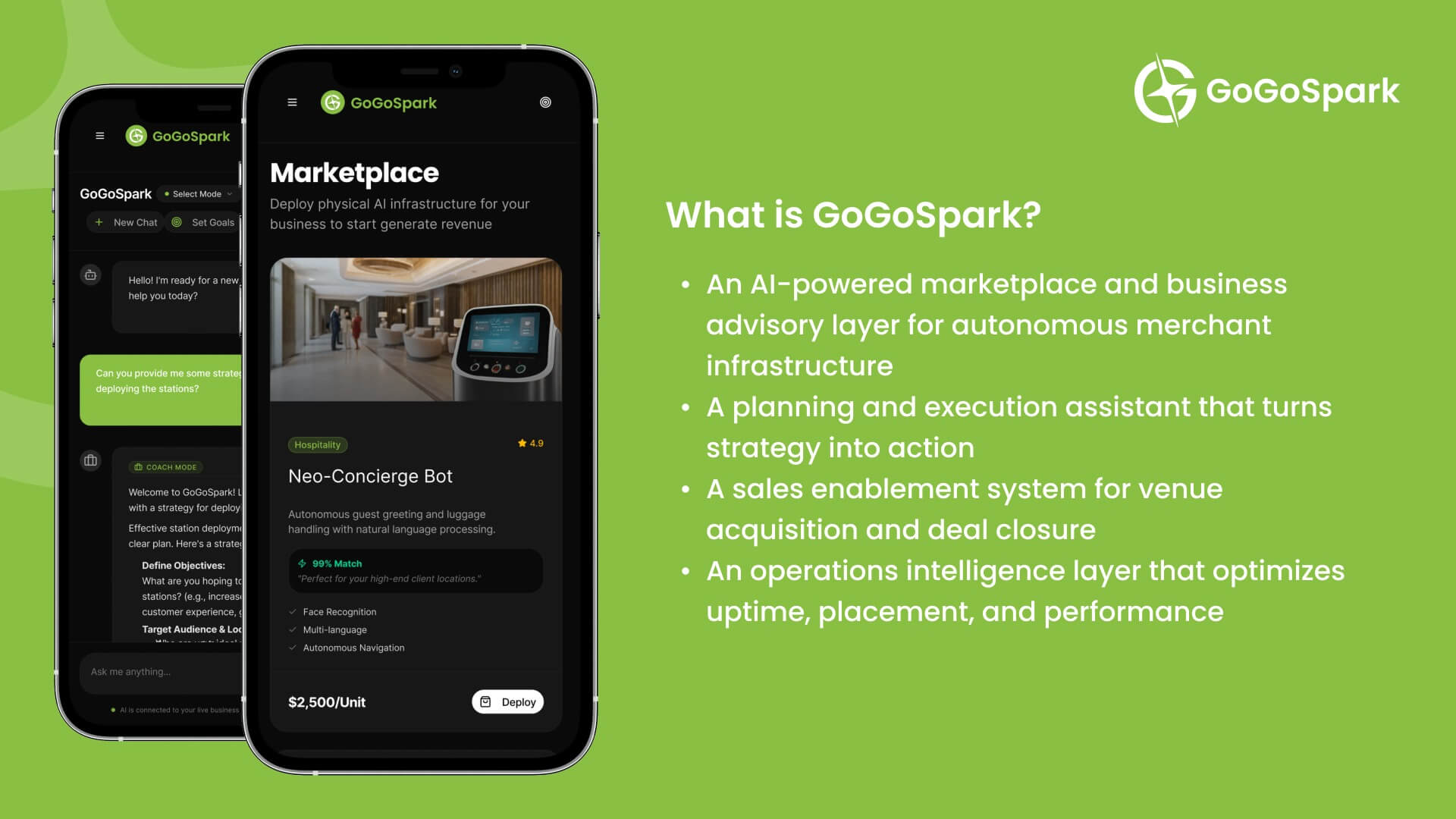
Launched at CES 2026, GoGoSpark is ChargerGoGo’s AI-powered business copilot and operations assistant, built to help operators handle the day-to-day work of running and growing their businesses.

What Does GoGoSpark Actually Do?

As AI reshapes the workforce, the next economic opportunity is not only about making employees more productive, it is about giving more people the tools to become business owners.

GoGoSpark was built around that mission.

ChargerGoGo believes the future of work will include a growing number of people, across both white-collar and blue-collar professions, who want to build independent income, own productive assets, and operate businesses of their own. But becoming an entrepreneur requires far more than capital or a good idea. New business owners need help with sales, operations, financial decisions, technology, strategy, and the hundreds of decisions that come with running a company.

GoGoSpark is designed to put that capability in their pocket.

Serving as an AI-powered COO and business mentor available 24/7, GoGoSpark can help entrepreneurs analyze performance, identify opportunities, improve sales, troubleshoot operational issues, understand financial decisions, and determine what actions to take next.

The vision extends beyond operating ChargerGoGo stations. ChargerGoGo is building GoGoSpark as an intelligent business platform that can lower the barriers to entrepreneurship and help everyday people transition from employees into capable, technology-enabled business owners.

In an economy increasingly shaped by AI and automation, ChargerGoGo believes AI should not simply replace work. It should help more people create, own, and participate in the businesses of the future.

GoGoSpark does not replace the entrepreneur. It gives the entrepreneur a COO, an advisor, and a mentor in their pocket—so they can make better decisions and build with greater confidence.

Five Years in the Making

GoGoSpark came out of five years of working directly with thousands of operators, partners, and small business owners.

Over that time, ChargerGoGo saw the same kinds of questions come up again and again: How do I sell this better? Why is one location outperforming another? What should I focus on next? How can I run this more efficiently?

Those real-world questions helped shape what GoGoSpark became.

Rather than building AI for the sake of having AI, ChargerGoGo built a tool around the work its operators were already doing.

As Zhu said when the platform launched, “GoGoSpark is built to be a business co-pilot, helping operators learn faster, operate smarter, and participate in the post-work economy.”

The Bigger Goal Behind GoGoSpark

The Inc. 5000 ranking is a milestone for ChargerGoGo, but Zhu has been clear that she wants the company’s growth to reach beyond ChargerGoGo itself.

When the ranking was announced, she pointed to a bigger goal: giving ChargerGoGo’s Distribution Partners the technology, infrastructure, business model, and support to grow companies of their own.

She even said she hopes to one day see those entrepreneurs make the Inc. 5000 themselves.

GoGoSpark is one way ChargerGoGo is trying to make that happen.

As AI becomes part of how companies sell, analyze data, plan, and operate, smaller business owners risk being left with fewer resources to compete. GoGoSpark brings some of those capabilities directly to the people running businesses on the ground.

ChargerGoGo’s acceptance into the NVIDIA Inception Program also marks another step in that direction as the company continues developing its AI technology.

“The future belongs to those who engage with their AI,” Zhu said at CES 2026. “Our mission is to make sure everyone has that chance.”

ChargerGoGo made the Inc. 5000 this year. If its operators eventually start appearing on that list too, GoGoSpark may have played a part in getting them there.

Discover how GoGoSpark is helping entrepreneurs grow smarter.

📍Website

image-png

Stories

The Day a Las Vegas Slot Machine Changed June Zhu’s Vision for Entrepreneurship

When June Zhu immigrated to the United States, she wasn’t chasing certainty.

She was chasing the possibility.

Like millions of immigrants before her, she believed in something uniquely American: that regardless of where someone came from, if they worked hard, solved real problems, and created value for others, they could build a better future.

That belief led her to found ChargerGoGo.

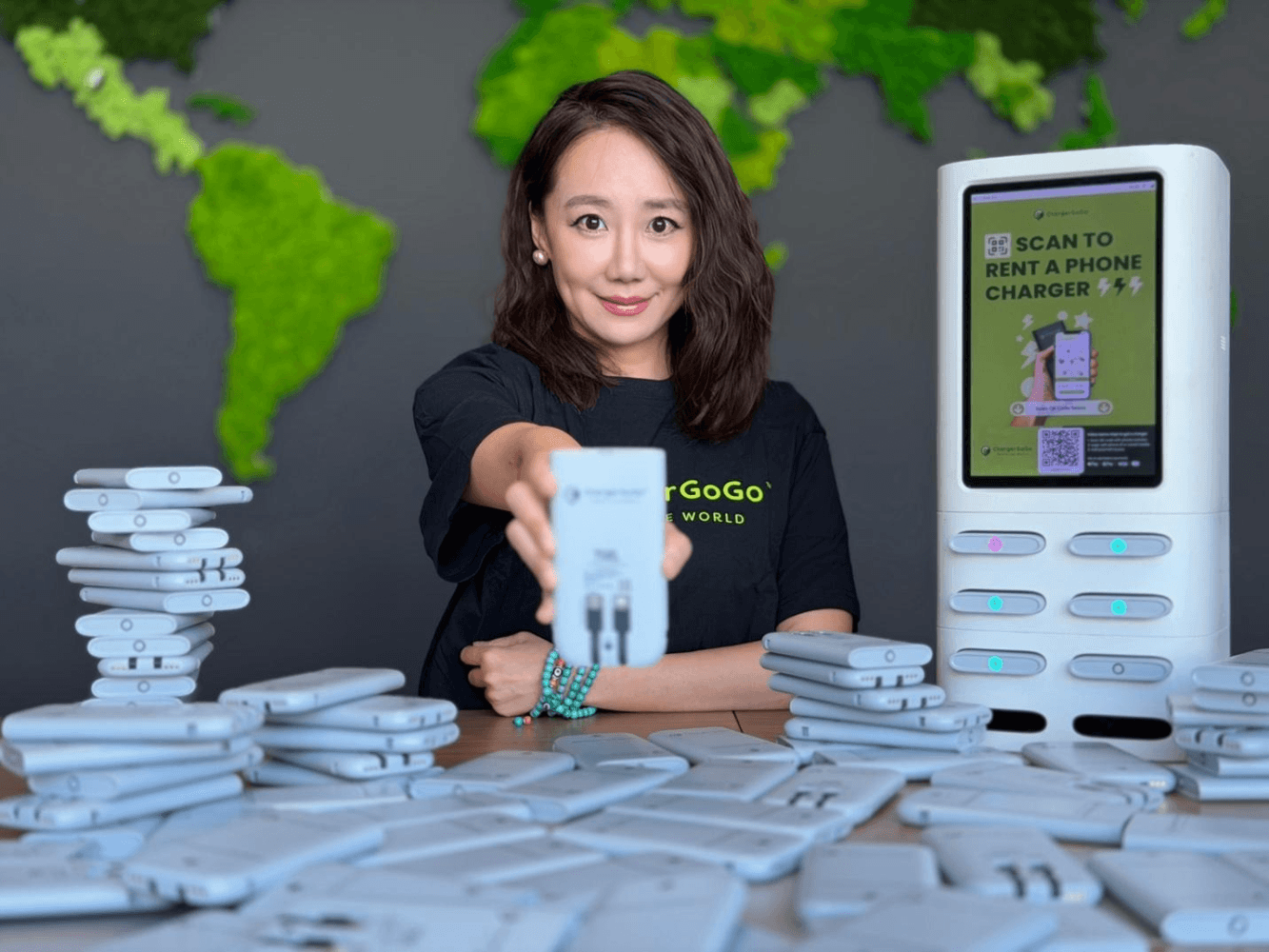
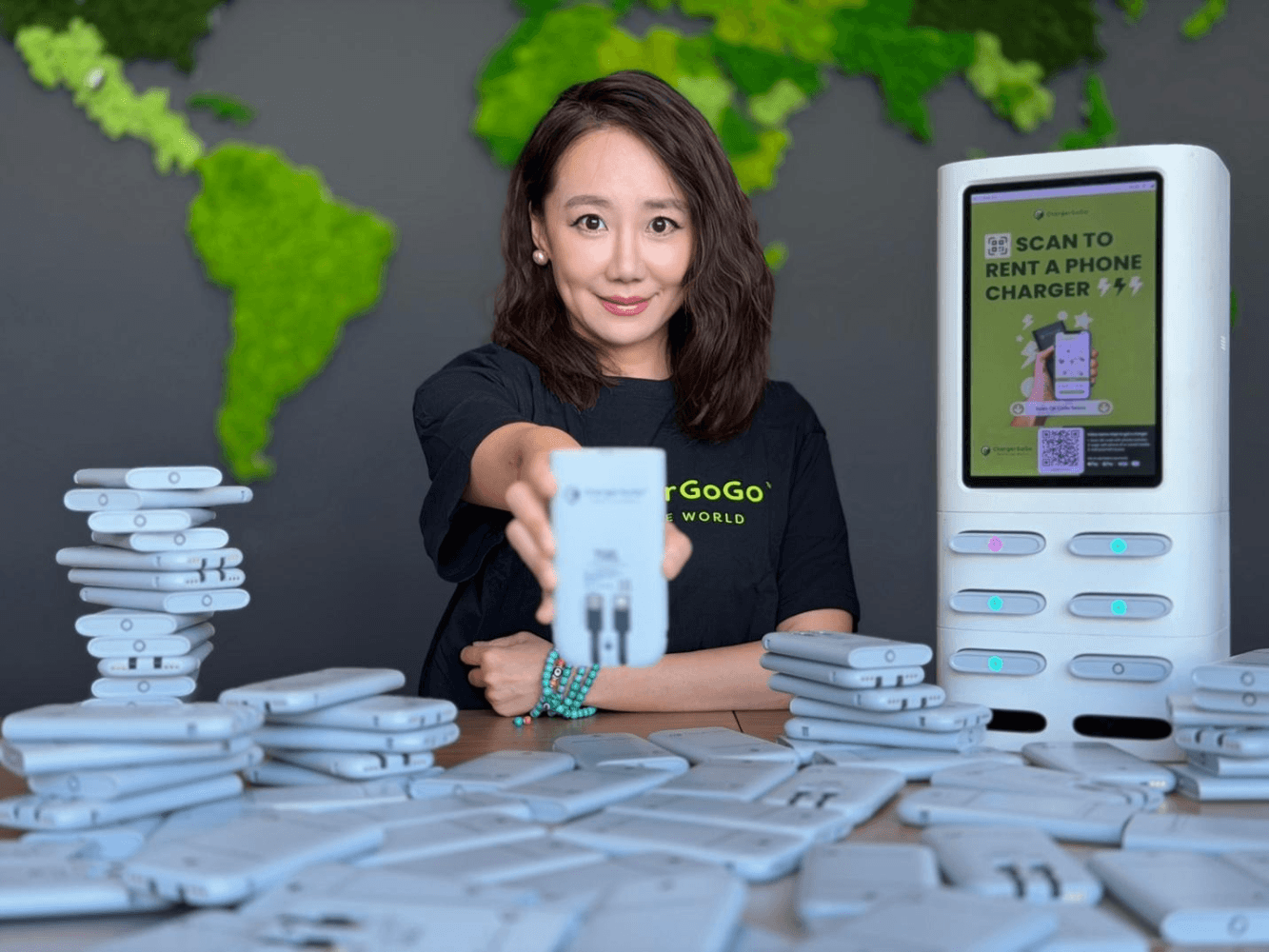
At first glance, ChargerGoGo looks like a portable phone charging company. Today, its network spans more than 6,000 locations across all 50 states, serving more than one million users.

But ask June what business she’s really building, and her answer is unexpected.

“I’m not trying to just build the biggest charging network,” she says. “I’m trying to build one of the largest entrepreneurship platforms.”

The Question Every Founder Faces

That vision wasn’t obvious in the beginning.

Like countless founders, June spent years trying to answer the same question that keeps entrepreneurs awake at night:

How do you build something nationally without billions of dollars from venture capital?

Every new market required more equipment.

Every new customer required more investment.

Growth always seemed tied to raising more capital.

The Las Vegas Moment

Then one ordinary afternoon in Las Vegas, while talking with her team, she witnessed something that unexpectedly gave her a new perspective.

A few teammates each pulled a small amount of cash from their wallets and decided to play a slot machine together.

Nobody risked very much.

If they lost, the downside was limited to a few hundred dollars each. But if they won, everyone shared in a prize far greater than they could have won individually.

“It wasn’t about the slot machine,” June recalls with a smile. “It was about the ownership.”

She watched people willingly contribute because everyone had a stake in the outcome.

At that moment, the question in her mind changed.

Instead of asking, “How can I raise enough money to own every charging station?”

She started asking, “Why should I own them all?”

What if every charging station could become an income-producing asset for a local entrepreneur?

That idea transformed ChargerGoGo.

Rather than building a company that owned every charging station, June built a platform where local entrepreneurs could own, operate, and grow businesses under a shared brand.

Every charging station became more than hardware. It became an opportunity for someone to build recurring income and grow a business within their own community.

Building an Entrepreneurship Platform

For June, that model reflects something she has admired since arriving in America.

“The greatest strength of this country isn’t just innovation,” she says. “It’s that ordinary people have the opportunity to become builders.”

Instead of measuring success solely by the size of the network, she measures it by how many entrepreneurs it helps create.

Through ChargerGoGo’s distribution partner model, local business owners can build recurring income while expanding the company’s nationwide footprint. As the platform grows, so does the number of entrepreneurs building businesses of their own.

Why Ownership Matters More Than Ever

That belief feels even more relevant as artificial intelligence reshapes the global workforce.

While much of the conversation focuses on jobs disappearing, June believes the more important conversation is about creating more owners.

“The future shouldn’t belong only to companies with the most capital or the most powerful AI,” she says. “Technology should lower the barriers for everyday people to own businesses, generate wealth, and create opportunities for their families.”

That’s why she believes entrepreneurship is becoming more important, not less.

Her vision extends far beyond portable charging.

She imagines a future where platforms, AI, and connected infrastructure allow millions of people to own income-producing businesses that once required millions of dollars to build.

Redefining the American Dream

For June, that’s what the American Dream has always meant.

Not that success is guaranteed.

But that ownership is possible.

Today, when people ask what ChargerGoGo does, she could talk about charging stations, technology, or nationwide expansion.

Instead, she prefers a simpler answer.

“We’re building a platform that helps more people become entrepreneurs.”

Because in the end, June Zhu isn’t trying to build a billion-dollar company.

She’s trying to help build thousands of million-dollar entrepreneurs.

Perhaps that’s the most powerful way to measure success: not by how much one person owns, but by how many owners they help create.

Learn more about ChargerGoGo here:

📍Website

image-png

Stories

How Stephanie Lau Jensen Turned a Personal Identity Journey Into CULTR, a Marketplace for Cultural Brands

Stephanie Lau Jensen grew up between Hawaii and California. Like many Asian American kids raised in predominantly non-Asian communities, she learned early how to move between worlds. Parts of her culture stayed in the background, not because she pushed them away, but because the environment made it easier to leave them there.

She later returned to Hawaii for college, where her father is originally from. Being there placed her in a community where Asian culture was woven into daily life through food, language, and family traditions. It was not a rediscovery, it was a reminder of what had always been hers.

Years later, as a mother of three and a founder with a background in commercial real estate investing, she built CULTR, short for Created for Culture. A curated marketplace for AAPI  and third-culture families raising kids between cultures, one that makes cultural products easy to find and part of everyday life, not just special occasions.

A Birthday Conversation That Changed Everything

The idea for CULTR took shape at one of Stephanie’s birthday gatherings. She was talking with a close friend about identity and culture when a childhood friend overheard the conversation and joked that Stephanie used to be one of them before she moved to Hawaii and really leaned into her Asian side.

Everyone laughed. Stephanie included. But the comment stayed. It put words to something she had been sitting with for years. Culture is not something that automatically transfers to the next generation. It has to be lived daily. If it is not in the house on a regular Tuesday, it probably is not there at all.

When she became a mother and started looking for books, clothing, and toys that reflected her culture, she saw the problem clearly. The products existed. The founders were there, but their work was scattered across small websites and Instagram pages, invisible to most families who needed them.

The Platform She Wished Had Existed

Stephanie’s background in real estate investing trained her to look closely at markets and recognize opportunity gaps. As she continued discovering founder-led cultural brands online, she saw a clear problem: families who wanted these products had no easy way to find them.

That realization led her to build CULTR, a curated marketplace that brings modern cultural brands from around the world into one central destination. The platform highlights independent founders, many from Asian and immigrant communities, whose products carry culture through everyday objects, from children’s books to home goods, apparel, even everyday products you would have never known were made by AAPI makers. With a refined, modern aesthetic, CULTR presents these brands in a way that feels contemporary, approachable, and deeply connected to heritage.

Building CULTR came with its own challenges because the platform did not fit neatly into an existing category. It sits somewhere between a retail marketplace and a cultural storytelling platform, which meant Stephanie had to develop the platform while also helping people understand the vision behind it.

Bringing Culture Into Everyday Family Life

For Stephanie, culture often lives in the smallest everyday objects. A children’s book written in the language your grandparents spoke, a toy tied to tradition, or a piece of clothing that carries a story can shape how the next generation understands identity and belonging.

Alongside CULTR, she is also building PenPals Collective, a project designed to spark global curiosity and connection for children, and launching a podcast called Series M that explores career, motherhood, and identity. Each project reflects her interest in connecting people across culture, family, and generation.

Through each project, and while raising three young children, Stephanie continues working toward the same goal: creating spaces where culture is not something people rediscover later in life, but something families live with every day.

Learn more about CULTR here:

📍Website

2

Stories

Billionaire Heir Enters Wall Street’s Hottest Trade With $480B in Assets

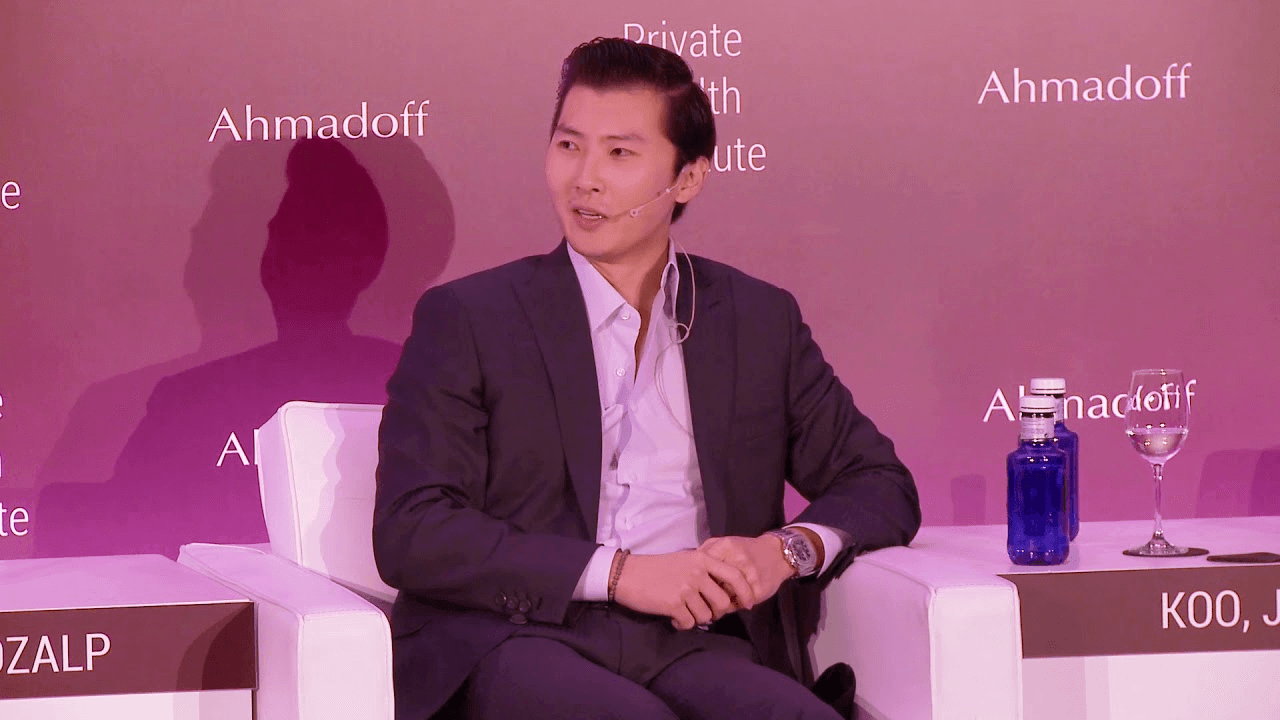
Andre Koo Jr. isn’t just inheriting a financial empire, he’s also reshaping what it looks like in a new era of investing. 

From Taiwan to New York, his latest move brings a centuries-old legacy into one of Wall Street’s fastest-growing spaces. 

With K8 Capital, he’s betting that the future of wealth lies in doing more than just one thing well.

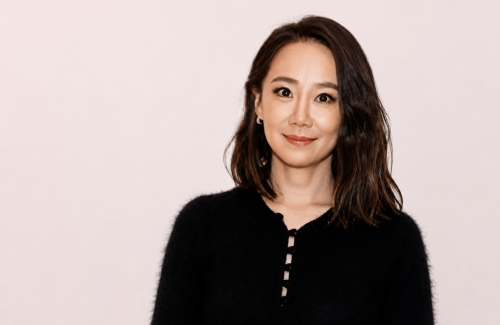
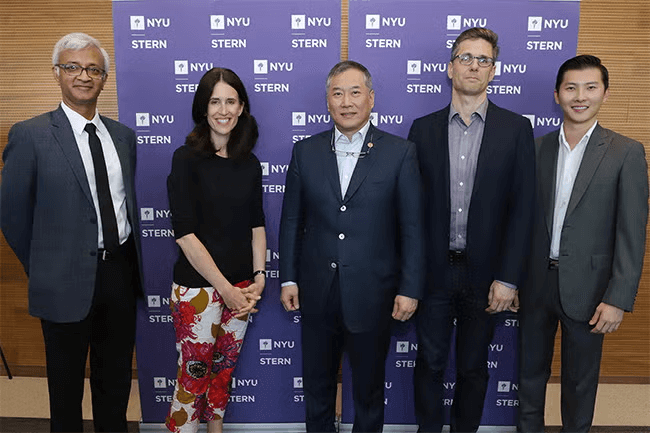
Image Source: NYU Stern

Building on a Financial Legacy

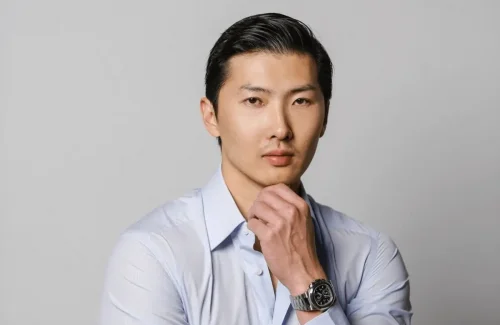
Andre Koo Jr. grew up in one of Taiwan’s most influential banking families, where scale and stability defined success. Today, that legacy spans a $16 billion family fortune and control of $480 billion in assets. But instead of staying within that system, he’s building something that looks very different.

K8 Capital, his new firm based in New York, is designed to be more flexible and forward-looking. It’s launching with a debut fund of at least $50 million, with a $500,000 minimum that signals who it’s built for. The focus is on US companies, along with early bets on AI and enterprise software, areas where growth is still taking shape.

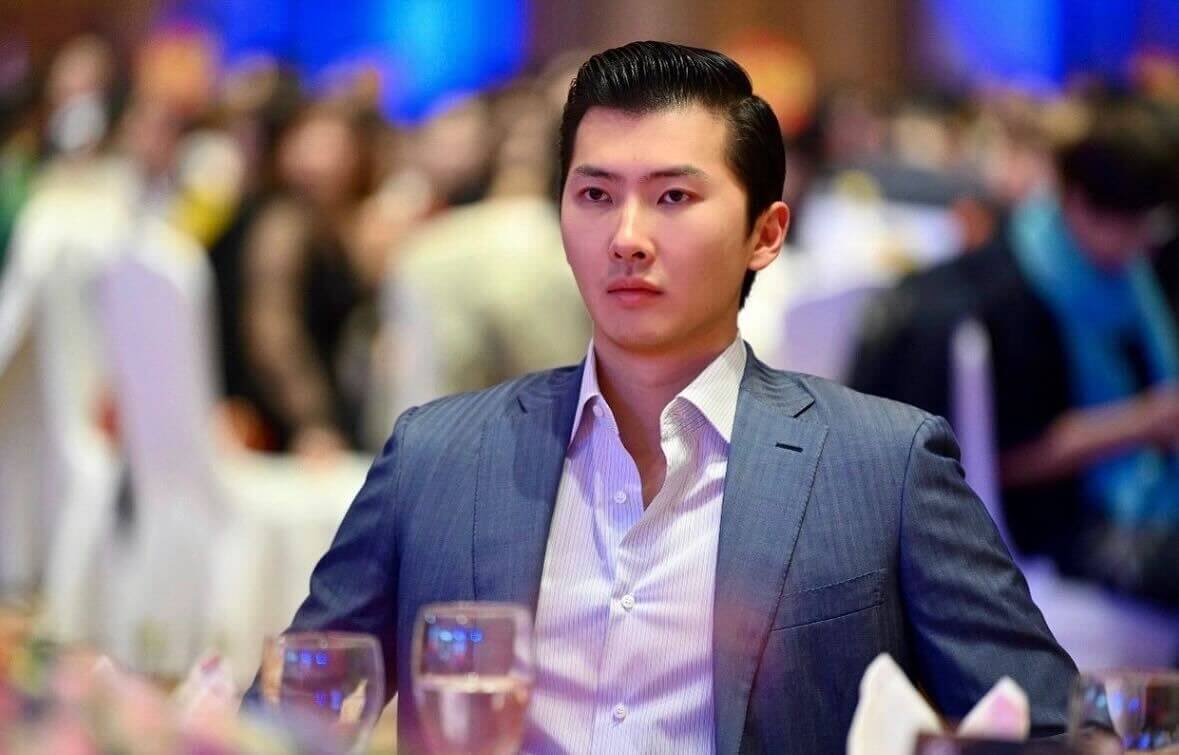
Image Source: Sally Ride Science

A Dual Investment Approach

K8 is a fully integrated hybrid private credit and venture capital firm, combining short-duration, high-yield credit investments with long-term venture growth. Its dual strategy is designed to deliver both liquidity and capital appreciation, giving investors access to predictable income while still capturing venture upside.

What sets K8 apart is how it brings two distinct investment styles into one platform. It focuses on short-term credit deals that can generate returns relatively quickly, while also investing in startups that may take years to mature but offer strong long-term potential. This allows investors to earn steady income today while staying exposed to the companies shaping the future.

Image Source: @andrejrkoo (Instagram)

Entering a Rapidly Growing Market

Private credit has quietly grown into a market worth more than $1.5 trillion, as companies look beyond traditional banks for funding. Wealthy families like the Koos are moving in, seeing an opportunity to lend directly and capture higher returns.

K8 is already showing early signs of traction, with reported returns of at least 50 percent from short-term loans to US businesses. But for Andre, this isn’t just about performance. It’s also about carrying forward a legacy that began nearly 200 years ago with his ancestor Koh Lay Huan, while making sure it still matters in a very different financial world.

Learn more about K8 Capital here:

📍Website