Stories

February 2, 2024

SHARE:

Dolls have been with us for many centuries now, evolving from wooden dolls, clay dolls, and paper dolls, to plastic dolls, but the message that they send us has always been the same. They are often imbued with symbolism about what is acceptable and desirable in our society.

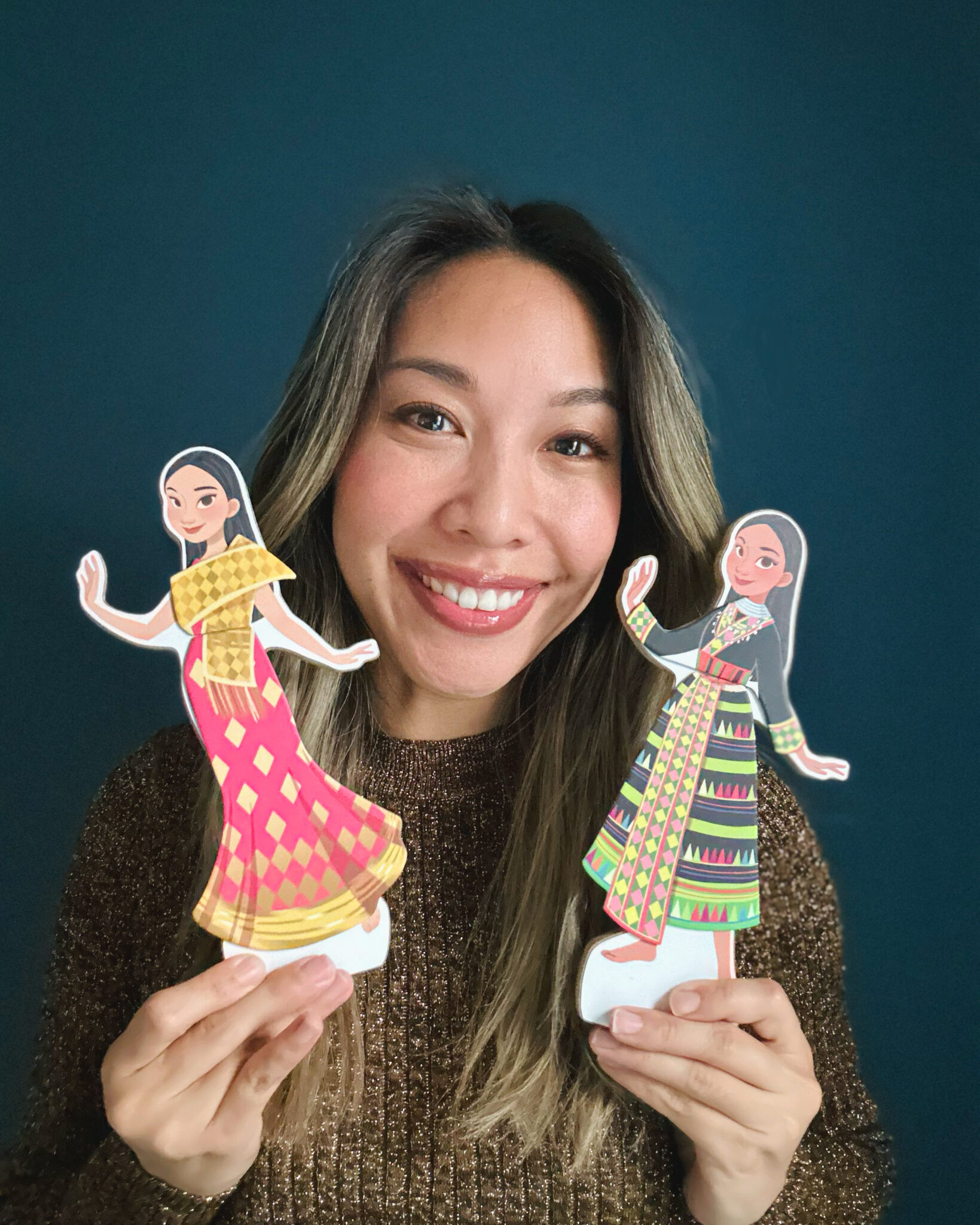
For children, dolls can mean a lot of different things, but most importantly, dolls can help them build their creativity, imagination, individuality, and even self-esteem. For this reason, Eunice Chen launched the World’s Very First Asian Heritage Wooden Magnetic Dress-Up Dolls.

Read through as we learn more about the journey that led Eunice to create Stay Curious Toys, all of which she shared through an exclusive interview with Asian Hustle Network.

THE CREATION OF STAY CURIOUS DOLLS

When Eunice first embarked on her project of designing an Asian princess and giving her many traditional Asian clothing, it was purely for her own enjoyment and fulfillment of one of her childhood wishes. She wanted to share her designs as a free resource to the Asian community, so she created paper doll versions and posted them online.

“I wasn’t expecting much response, but it BLEW UP!” Eunice said. She got thousands of likes and hundreds of comments from people thanking her and asking her to turn it into a real toy product.

Months passed and people were still asking her to make the dolls into a wooden toy. She did not know where to begin and literally just Googled and researched online. Somehow, she stumbled across a factory that she (later on) discovered also makes wooden toys for big brand names such as Disney, Fisher-Price, and Melissa and Doug! One thing led to another, and now she owns her own toy company called Stay Curious Toys, with her first products being magnetic dress-up dolls. 

PIVOTING FROM BEING AN ELEMENTARY TEACHER TO A FULL-TIME DESIGNER

Before becoming a designer, Eunice was an elementary school teacher. In December 2020, she decided to do a complete career pivot to become a designer, and had a dream of working as a designer in the animation industry. Growing up though, Eunice also wanted to become a fashion designer.

Little did she know that all of her dreams would come true, and that she would have the opportunity and enjoy designing her own toys and their clothes too.

Despite having no formal education in art and no connections in the art industry, Eunice worked hard, took art classes and learned to ask for help. She is now working as a full time designer on a Disney TV show, has illustrated four books, and designed toys.

OVERCOMING CHALLENGES

Just like everyone, Eunice faced some challenges along the way, one of which was fear of failure, and a lot of self-doubt.

“I still don’t know the best way to deal with it and I haven’t overcome it, but I just continue to push through. I know that if I take small steps towards my goal or dreams daily, then one day I will get to the destination,” she said.

CULTURAL ROOTS AND MODERN FLAIR

Eunice’s multicultural upbringing in Canada/US and Taiwan plays a significant role in shaping her dolls. Infusing Eastern and Western influences, she creates designs that celebrate Asian heritage while offering a modern and fresh perspective.

In Taiwan, Eunice had a lot of Asian role models to look up to and instill within her a lot of pride in her identity. It showed her more diversity in the types of careers and interests an Asian person could pursue.

In the US/Canada, Eunice experienced what a lot of Asian Americans go through, how they always feel like an outsider and constantly having to be perfect or prove themselves. But she also witnessed the grit behind every immigrant and stories of their families.

However, in both places, she hadn’t seen Asian dolls that truly represented the richness and diversity of Asian Culture. And in some way, her creation is something that she wished she had when she was a girl.

WORKING ON A DISNEY TV SHOW

“I knew I had limited time and a lot of catching up to do, and since I was starting from the very bottom, I had no ego (or no shame). So I just kept putting myself out there and tried to learn from everyone and everything. I also developed thick skin and learned to take rejection lightly. Eventually, after countless applications, I got an art test for Pupstruction to design a bus for the show. They liked my design and hired me!” Eunice shared.

Eunice uses the same lessons she learned from landing her Disney job now with Stay Curious Toys: “keep a clear goal, continue to learn, don’t let rejections or setbacks deter you from your goal, and make friends!”

LIFE-ALTERING PERSPECTIVE

A near-death experience shaped Eunice’s outlook on life. 

“It made me realize that life was too short to be lived for other people’s approval. And so I started making choices for myself…and through that process, I discovered that when I was making things that I truly enjoyed, it resonated with people and people responded,” she shared.

ADVICE FROM EUNICE

For those who want to pivot their career – “Be clear in what you want–even if you can’t see the final, ultimate goal, you have to know and believe what your next steps are. And in any change, risk is involved, so you have to know when to take that risk/jump. It is also important to filter out the noise/feedback you get from your friends and family–listen to them and then make your own assessment with the information you got from them. Each person and situation is different, so I am only sharing what has worked for me. But ultimately, the most important thing is to make or do what you love, and not what others want you to do.”

For those who want to pursue a career in art – “Make sure you develop a strong set of foundational art skills and learn those from good artists and references. Think about which field in the art industry you’d like to be in and curate your art portfolio to match the type of job you’d like. Stay humble and hungry, and surround yourself with peers and mentors by reaching out to them and asking questions. Keep putting yourself and your art out there, and know that even the best artists experience imposter syndrome.”

CONNECT WITH EUNICE CHEN / STAY CURIOUS TOYS

IG: @eunicesketches / @staycurioustoys

Website: eunicesketches.com / staycurioustoys.com

*Pre-order at staycurioustoys.com, starting February 1, 2024. The first 100 customers will receive an exclusive tote bag designed by Eunice.
Related Articles

1-png

Stories

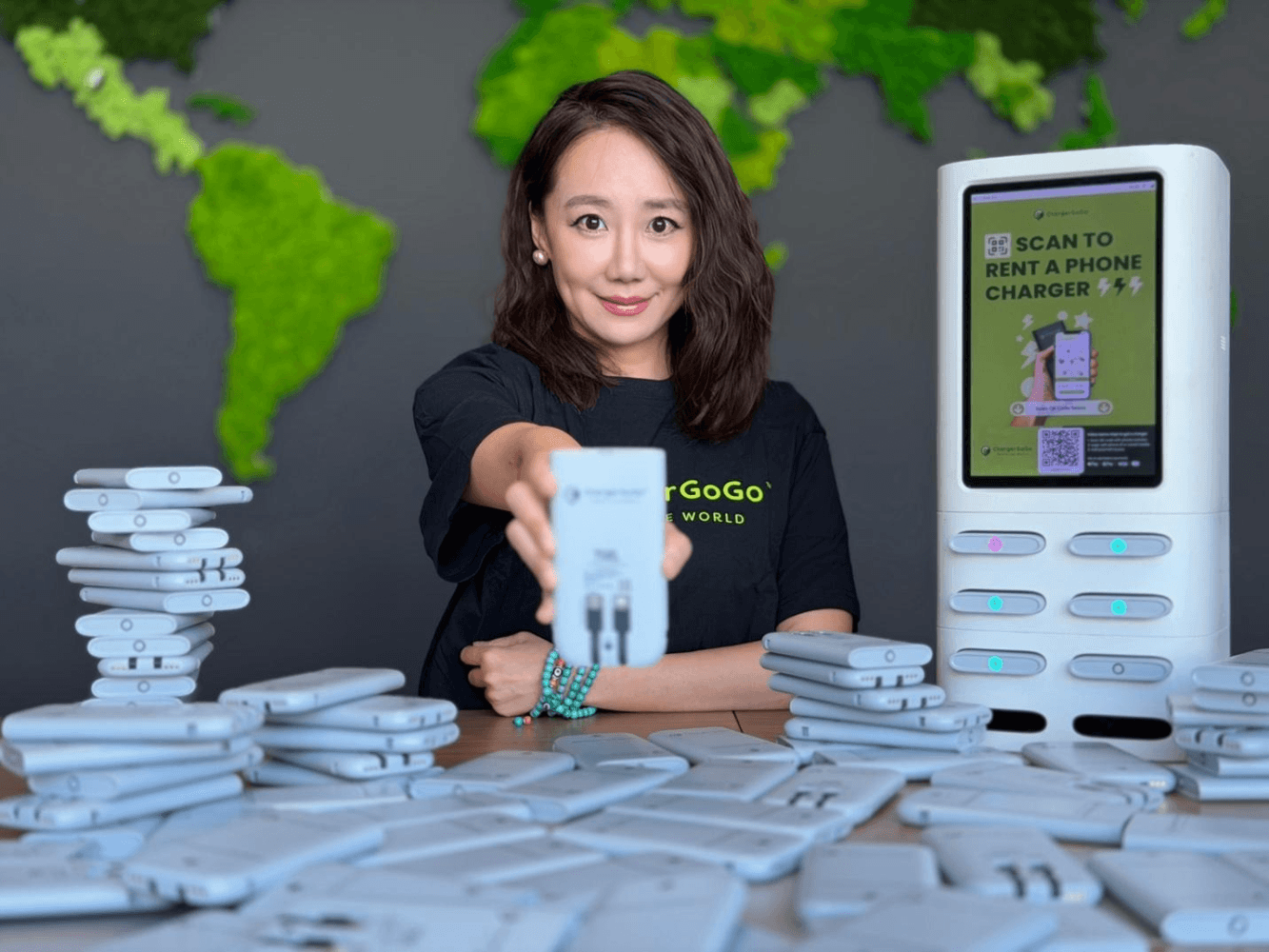
ChargerGoGo’s Next Chapter: GoGoSpark Brings AI-Powered Entrepreneurship to the Future of Work

ChargerGoGo built its nationwide phone charging network by betting on everyday entrepreneurs.

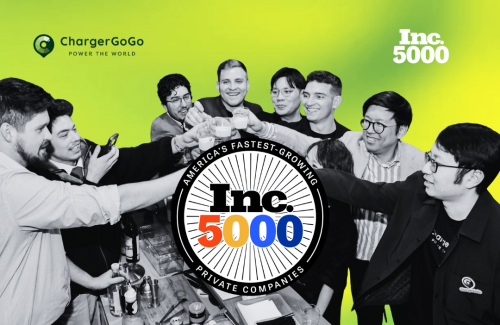
That bet is paying off. In 2026, ChargerGoGo landed at No. 744 on the Inc. 5000 (top 15%), No.5 in Las Vegas, and No.41 in AI and Data industry, the annual ranking of the fastest-growing private companies in America, after reporting 467% revenue growth over three years.

Led by founder and CEO June Zhu, the company has spent years helping local operators build businesses through its charging network. With GoGoSpark, it’s bringing AI into the picture.

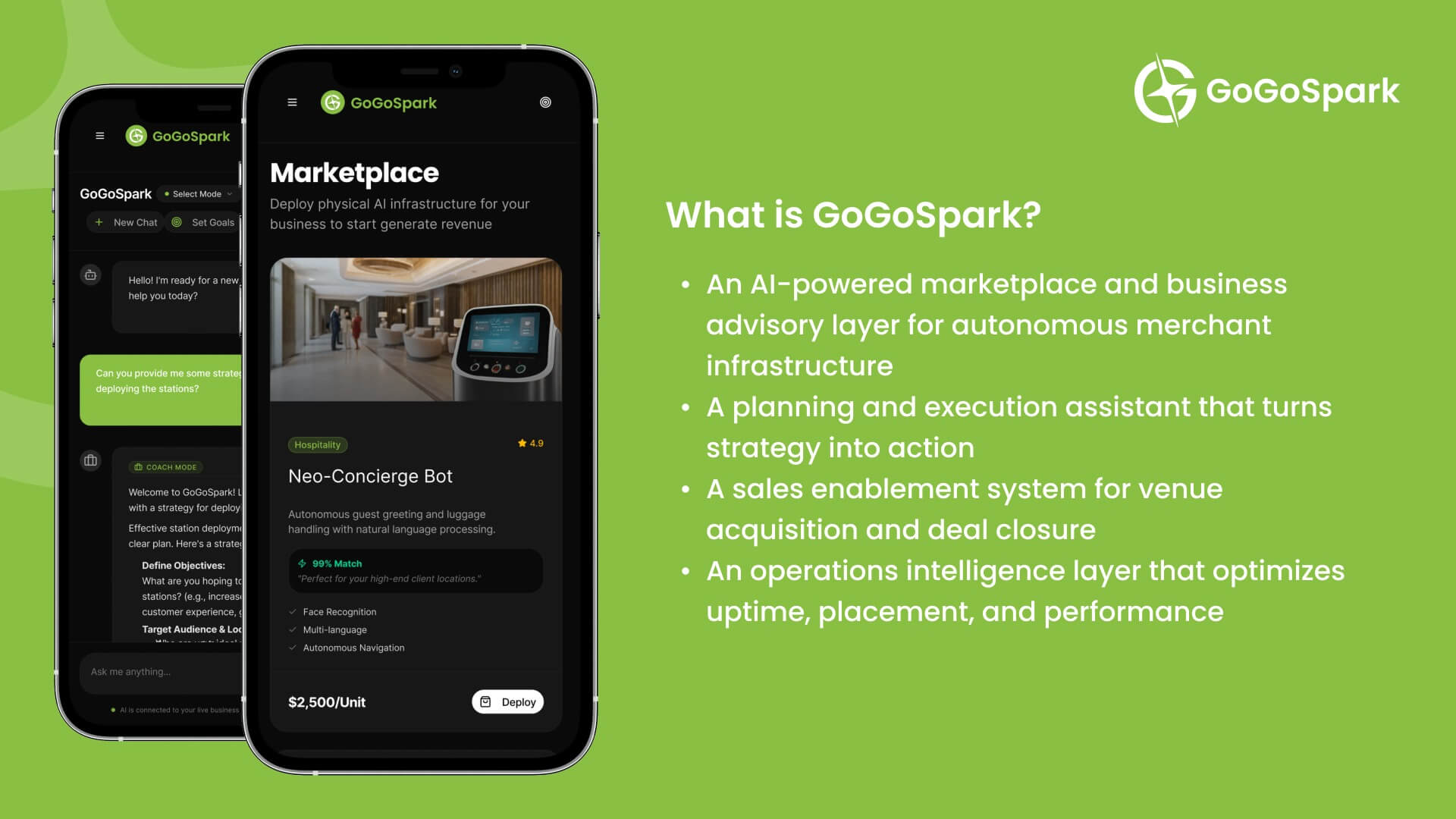
Launched at CES 2026, GoGoSpark is ChargerGoGo’s AI-powered business copilot and operations assistant, built to help operators handle the day-to-day work of running and growing their businesses.

What Does GoGoSpark Actually Do?

As AI reshapes the workforce, the next economic opportunity is not only about making employees more productive, it is about giving more people the tools to become business owners.

GoGoSpark was built around that mission.

ChargerGoGo believes the future of work will include a growing number of people, across both white-collar and blue-collar professions, who want to build independent income, own productive assets, and operate businesses of their own. But becoming an entrepreneur requires far more than capital or a good idea. New business owners need help with sales, operations, financial decisions, technology, strategy, and the hundreds of decisions that come with running a company.

GoGoSpark is designed to put that capability in their pocket.

Serving as an AI-powered COO and business mentor available 24/7, GoGoSpark can help entrepreneurs analyze performance, identify opportunities, improve sales, troubleshoot operational issues, understand financial decisions, and determine what actions to take next.

The vision extends beyond operating ChargerGoGo stations. ChargerGoGo is building GoGoSpark as an intelligent business platform that can lower the barriers to entrepreneurship and help everyday people transition from employees into capable, technology-enabled business owners.

In an economy increasingly shaped by AI and automation, ChargerGoGo believes AI should not simply replace work. It should help more people create, own, and participate in the businesses of the future.

GoGoSpark does not replace the entrepreneur. It gives the entrepreneur a COO, an advisor, and a mentor in their pocket—so they can make better decisions and build with greater confidence.

Five Years in the Making

GoGoSpark came out of five years of working directly with thousands of operators, partners, and small business owners.

Over that time, ChargerGoGo saw the same kinds of questions come up again and again: How do I sell this better? Why is one location outperforming another? What should I focus on next? How can I run this more efficiently?

Those real-world questions helped shape what GoGoSpark became.

Rather than building AI for the sake of having AI, ChargerGoGo built a tool around the work its operators were already doing.

As Zhu said when the platform launched, “GoGoSpark is built to be a business co-pilot, helping operators learn faster, operate smarter, and participate in the post-work economy.”

The Bigger Goal Behind GoGoSpark

The Inc. 5000 ranking is a milestone for ChargerGoGo, but Zhu has been clear that she wants the company’s growth to reach beyond ChargerGoGo itself.

When the ranking was announced, she pointed to a bigger goal: giving ChargerGoGo’s Distribution Partners the technology, infrastructure, business model, and support to grow companies of their own.

She even said she hopes to one day see those entrepreneurs make the Inc. 5000 themselves.

GoGoSpark is one way ChargerGoGo is trying to make that happen.

As AI becomes part of how companies sell, analyze data, plan, and operate, smaller business owners risk being left with fewer resources to compete. GoGoSpark brings some of those capabilities directly to the people running businesses on the ground.

ChargerGoGo’s acceptance into the NVIDIA Inception Program also marks another step in that direction as the company continues developing its AI technology.

“The future belongs to those who engage with their AI,” Zhu said at CES 2026. “Our mission is to make sure everyone has that chance.”

ChargerGoGo made the Inc. 5000 this year. If its operators eventually start appearing on that list too, GoGoSpark may have played a part in getting them there.

Discover how GoGoSpark is helping entrepreneurs grow smarter.

📍Website

image-png

Stories

The Day a Las Vegas Slot Machine Changed June Zhu’s Vision for Entrepreneurship

When June Zhu immigrated to the United States, she wasn’t chasing certainty.

She was chasing the possibility.

Like millions of immigrants before her, she believed in something uniquely American: that regardless of where someone came from, if they worked hard, solved real problems, and created value for others, they could build a better future.

That belief led her to found ChargerGoGo.

At first glance, ChargerGoGo looks like a portable phone charging company. Today, its network spans more than 6,000 locations across all 50 states, serving more than one million users.

But ask June what business she’s really building, and her answer is unexpected.

“I’m not trying to just build the biggest charging network,” she says. “I’m trying to build one of the largest entrepreneurship platforms.”

The Question Every Founder Faces

That vision wasn’t obvious in the beginning.

Like countless founders, June spent years trying to answer the same question that keeps entrepreneurs awake at night:

How do you build something nationally without billions of dollars from venture capital?

Every new market required more equipment.

Every new customer required more investment.

Growth always seemed tied to raising more capital.

The Las Vegas Moment

Then one ordinary afternoon in Las Vegas, while talking with her team, she witnessed something that unexpectedly gave her a new perspective.

A few teammates each pulled a small amount of cash from their wallets and decided to play a slot machine together.

Nobody risked very much.

If they lost, the downside was limited to a few hundred dollars each. But if they won, everyone shared in a prize far greater than they could have won individually.

“It wasn’t about the slot machine,” June recalls with a smile. “It was about the ownership.”

She watched people willingly contribute because everyone had a stake in the outcome.

At that moment, the question in her mind changed.

Instead of asking, “How can I raise enough money to own every charging station?”

She started asking, “Why should I own them all?”

What if every charging station could become an income-producing asset for a local entrepreneur?

That idea transformed ChargerGoGo.

Rather than building a company that owned every charging station, June built a platform where local entrepreneurs could own, operate, and grow businesses under a shared brand.

Every charging station became more than hardware. It became an opportunity for someone to build recurring income and grow a business within their own community.

Building an Entrepreneurship Platform

For June, that model reflects something she has admired since arriving in America.

“The greatest strength of this country isn’t just innovation,” she says. “It’s that ordinary people have the opportunity to become builders.”

Instead of measuring success solely by the size of the network, she measures it by how many entrepreneurs it helps create.

Through ChargerGoGo’s distribution partner model, local business owners can build recurring income while expanding the company’s nationwide footprint. As the platform grows, so does the number of entrepreneurs building businesses of their own.

Why Ownership Matters More Than Ever

That belief feels even more relevant as artificial intelligence reshapes the global workforce.

While much of the conversation focuses on jobs disappearing, June believes the more important conversation is about creating more owners.

“The future shouldn’t belong only to companies with the most capital or the most powerful AI,” she says. “Technology should lower the barriers for everyday people to own businesses, generate wealth, and create opportunities for their families.”

That’s why she believes entrepreneurship is becoming more important, not less.

Her vision extends far beyond portable charging.

She imagines a future where platforms, AI, and connected infrastructure allow millions of people to own income-producing businesses that once required millions of dollars to build.

Redefining the American Dream

For June, that’s what the American Dream has always meant.

Not that success is guaranteed.

But that ownership is possible.

Today, when people ask what ChargerGoGo does, she could talk about charging stations, technology, or nationwide expansion.

Instead, she prefers a simpler answer.

“We’re building a platform that helps more people become entrepreneurs.”

Because in the end, June Zhu isn’t trying to build a billion-dollar company.

She’s trying to help build thousands of million-dollar entrepreneurs.

Perhaps that’s the most powerful way to measure success: not by how much one person owns, but by how many owners they help create.

Learn more about ChargerGoGo here:

📍Website

image-png

Stories

How Stephanie Lau Jensen Turned a Personal Identity Journey Into CULTR, a Marketplace for Cultural Brands

Stephanie Lau Jensen grew up between Hawaii and California. Like many Asian American kids raised in predominantly non-Asian communities, she learned early how to move between worlds. Parts of her culture stayed in the background, not because she pushed them away, but because the environment made it easier to leave them there.

She later returned to Hawaii for college, where her father is originally from. Being there placed her in a community where Asian culture was woven into daily life through food, language, and family traditions. It was not a rediscovery, it was a reminder of what had always been hers.

Years later, as a mother of three and a founder with a background in commercial real estate investing, she built CULTR, short for Created for Culture. A curated marketplace for AAPI  and third-culture families raising kids between cultures, one that makes cultural products easy to find and part of everyday life, not just special occasions.

A Birthday Conversation That Changed Everything

The idea for CULTR took shape at one of Stephanie’s birthday gatherings. She was talking with a close friend about identity and culture when a childhood friend overheard the conversation and joked that Stephanie used to be one of them before she moved to Hawaii and really leaned into her Asian side.

Everyone laughed. Stephanie included. But the comment stayed. It put words to something she had been sitting with for years. Culture is not something that automatically transfers to the next generation. It has to be lived daily. If it is not in the house on a regular Tuesday, it probably is not there at all.

When she became a mother and started looking for books, clothing, and toys that reflected her culture, she saw the problem clearly. The products existed. The founders were there, but their work was scattered across small websites and Instagram pages, invisible to most families who needed them.

The Platform She Wished Had Existed

Stephanie’s background in real estate investing trained her to look closely at markets and recognize opportunity gaps. As she continued discovering founder-led cultural brands online, she saw a clear problem: families who wanted these products had no easy way to find them.

That realization led her to build CULTR, a curated marketplace that brings modern cultural brands from around the world into one central destination. The platform highlights independent founders, many from Asian and immigrant communities, whose products carry culture through everyday objects, from children’s books to home goods, apparel, even everyday products you would have never known were made by AAPI makers. With a refined, modern aesthetic, CULTR presents these brands in a way that feels contemporary, approachable, and deeply connected to heritage.

Building CULTR came with its own challenges because the platform did not fit neatly into an existing category. It sits somewhere between a retail marketplace and a cultural storytelling platform, which meant Stephanie had to develop the platform while also helping people understand the vision behind it.

Bringing Culture Into Everyday Family Life

For Stephanie, culture often lives in the smallest everyday objects. A children’s book written in the language your grandparents spoke, a toy tied to tradition, or a piece of clothing that carries a story can shape how the next generation understands identity and belonging.

Alongside CULTR, she is also building PenPals Collective, a project designed to spark global curiosity and connection for children, and launching a podcast called Series M that explores career, motherhood, and identity. Each project reflects her interest in connecting people across culture, family, and generation.

Through each project, and while raising three young children, Stephanie continues working toward the same goal: creating spaces where culture is not something people rediscover later in life, but something families live with every day.

Learn more about CULTR here:

📍Website

2

Stories

Billionaire Heir Enters Wall Street’s Hottest Trade With $480B in Assets

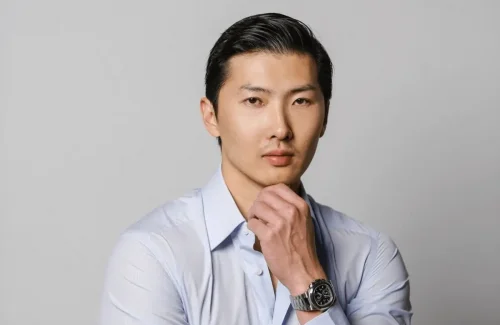
Andre Koo Jr. isn’t just inheriting a financial empire, he’s also reshaping what it looks like in a new era of investing. 

From Taiwan to New York, his latest move brings a centuries-old legacy into one of Wall Street’s fastest-growing spaces. 

With K8 Capital, he’s betting that the future of wealth lies in doing more than just one thing well.

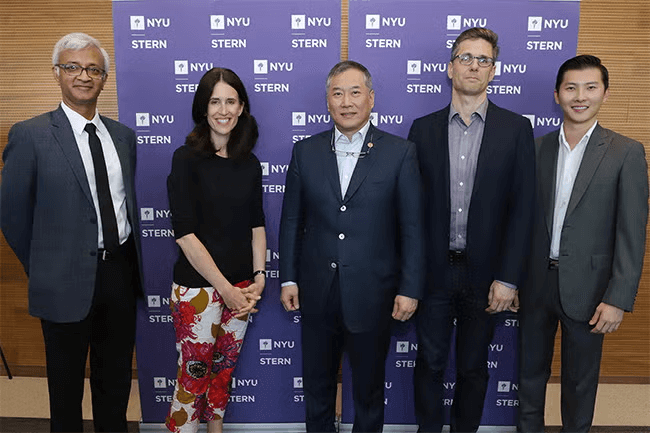
Image Source: NYU Stern

Building on a Financial Legacy

Andre Koo Jr. grew up in one of Taiwan’s most influential banking families, where scale and stability defined success. Today, that legacy spans a $16 billion family fortune and control of $480 billion in assets. But instead of staying within that system, he’s building something that looks very different.

K8 Capital, his new firm based in New York, is designed to be more flexible and forward-looking. It’s launching with a debut fund of at least $50 million, with a $500,000 minimum that signals who it’s built for. The focus is on US companies, along with early bets on AI and enterprise software, areas where growth is still taking shape.

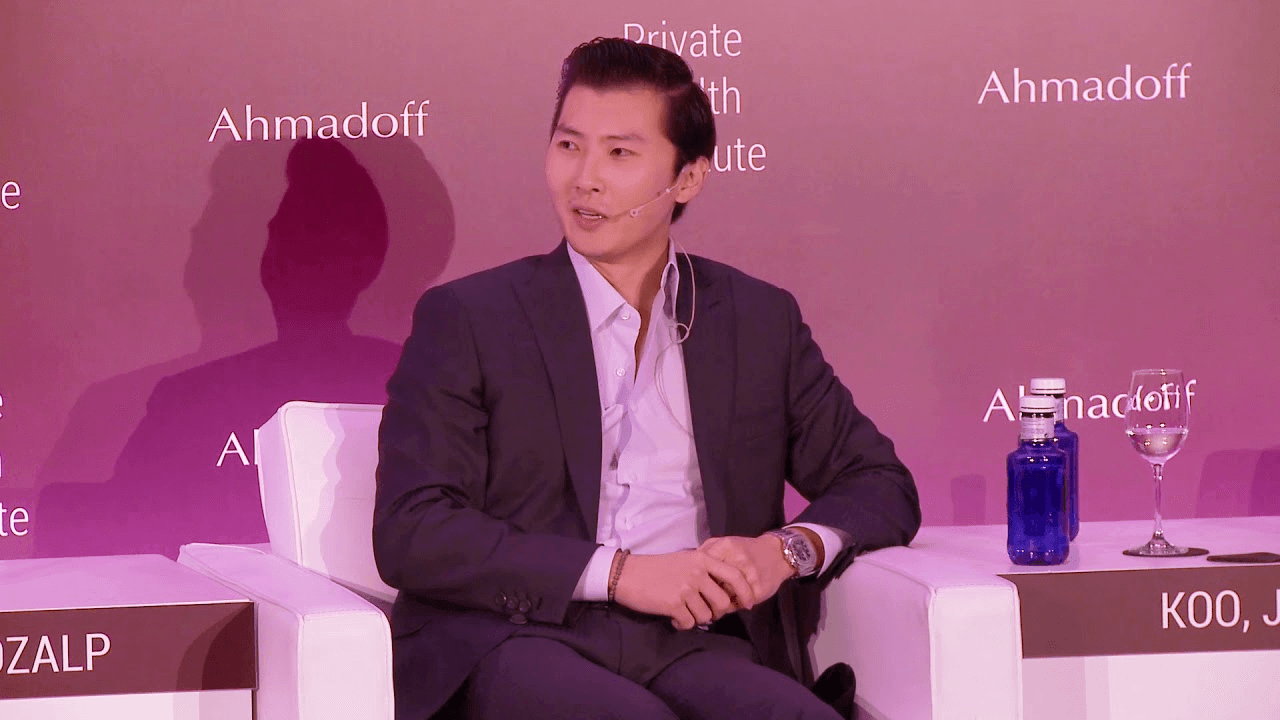
Image Source: Sally Ride Science

A Dual Investment Approach

K8 is a fully integrated hybrid private credit and venture capital firm, combining short-duration, high-yield credit investments with long-term venture growth. Its dual strategy is designed to deliver both liquidity and capital appreciation, giving investors access to predictable income while still capturing venture upside.

What sets K8 apart is how it brings two distinct investment styles into one platform. It focuses on short-term credit deals that can generate returns relatively quickly, while also investing in startups that may take years to mature but offer strong long-term potential. This allows investors to earn steady income today while staying exposed to the companies shaping the future.

Image Source: @andrejrkoo (Instagram)

Entering a Rapidly Growing Market

Private credit has quietly grown into a market worth more than $1.5 trillion, as companies look beyond traditional banks for funding. Wealthy families like the Koos are moving in, seeing an opportunity to lend directly and capture higher returns.

K8 is already showing early signs of traction, with reported returns of at least 50 percent from short-term loans to US businesses. But for Andre, this isn’t just about performance. It’s also about carrying forward a legacy that began nearly 200 years ago with his ancestor Koh Lay Huan, while making sure it still matters in a very different financial world.

Learn more about K8 Capital here:

📍Website