Awaken* newsletter

March 15, 2024

SHARE:

Edwin Ong

2024.03.06

翻译:田头草

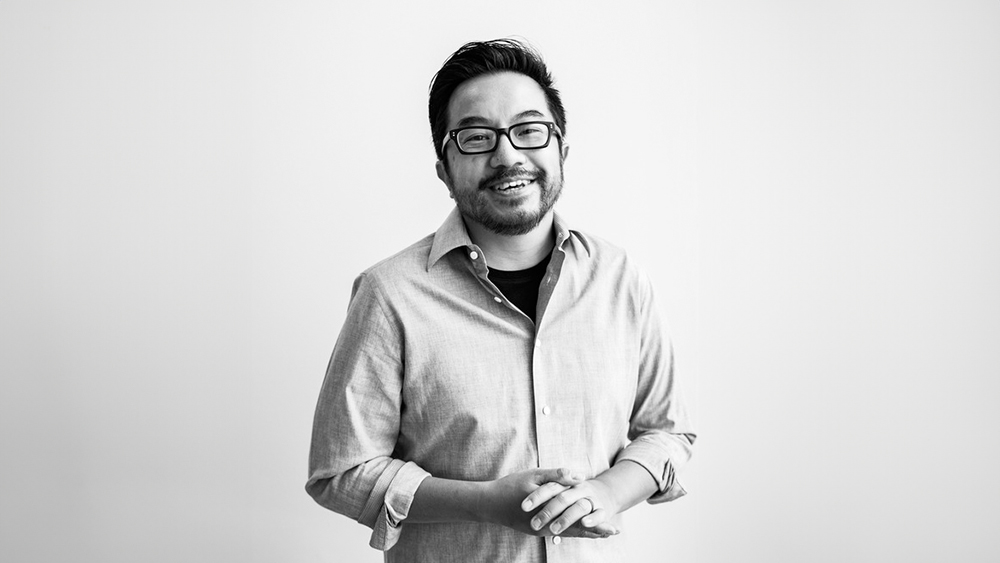
在硅谷,极少有人能像 Y Combinator 的总裁兼首席执行官 Garry Tan (陈嘉兴) 那样高调。Garry在其辉煌的职业生涯中担任过许多不同的职务。

除了领导世界上最成功的创业加速器(Y Combinator) 之外,Garry 是 Palantir (帕浪)的第 10 名员工,共同创立了 Posterous(最早的博客网站之一),创立了 Initialized Capital(管理规模超过 32 亿 美元的风险投资基金),甚至还由投资而步入政界,成为旧金山当地政治的杰出活动家。

(译者注;Palantir 帕浪公司基本上没有中文的介绍,帕浪服务的用户牛气冲天)

(译者注:Posterous 被Twitter 于2012 年收购)

我有幸有机会了解Garry 的亚裔身份如何影响他的生活,我希望他的答案能够帮助和启发我们的读者。言归正传:

一、克服有害的心态

1. 因稀缺环境而诱发稀缺的粘性心态

Ong: 

我的经验是,工薪阶级父母(尤其是亚洲移民)的孩子往往有一种因稀缺环境而诱发稀缺的粘性心态——即使他们的社会经济地位已经有所提高。加里此前曾谈到过他的“价值 2 亿美元的错误”。也就是说,他拒绝了 Peter Thiel 成为 Palantir 创始成员的邀请。对我来说,这似乎是这种心态的体现,所以我问Garry他是如何克服的:

(译者注:Peter Thiel,“奇葩的牛人,自由穿梭于法律、金融、投资及创业之间。”)

(译者注:当时Garry 是微软高薪稳定的员工)。

Tan: 

我能够意识到这些东西是双向门。以良好的条件退出一家大型科技公司实际上意味着你可以随时回去。有单向门和双向门之分。

对于与我们一样环境长大的人来说,一切都感觉像是一扇单向门。但如果你什么时候能意识到这是错误的,那么你就改造了那些有钱人默认拥有的一些特权。

Ong: 

亚马逊创始人杰夫·贝索斯(Jeff Bezos)多次谈论单向门与双向门框架。你可以在这里听到他更深入的阐述。https://m.youtube.com/watch?v=VFwCGECvq4I&ab_channel=LexClips

(译者注:单向门VS双向门,贝佐斯认为决策有两种。一种决策是单向门(one-way door),不可逆转而且非常重要。另一种决策是双向门(two-way door),90%以上的决策都属于此。也就是说,可以制定决策并执行,一旦事实证明决策错误,马上可以推倒重来,损失不大。)

2. 亚裔社区对心理健康的耻辱感

Ong: 

亚裔社区对心理健康的耻辱感,是另一种越来越受到关注的心态。就我个人而言,因为我的移民父母为了生存而拼尽全力,我觉得我没有权利抱怨我的心理健康,因为我的生活相对安逸。我问Garry这是否引起他的共鸣以及他如何克服这种心理障碍:

Tan: 

我假装自己没有任何问题,花了很多时间试图融入其中。但最终,有关我童年的事情或不寻常的留下创伤的反应,会在我的职业生活中突然出现。在某个时候,我开始单独接受治疗,这对我帮助很大。

所有这些我无法控制的事情突然变成了我可以整合和意识到的事情,并做出更好的选择。卡尔·荣格说:你未觉察到的潜意识决定着你的人生,你却将其称之为“命运”。(译者注:荣格是瑞士心理学家、精神科医师,分析心理学的创始人。)

3. 第三种常见心态是低着头,避免搅局

Ong:

我在亚裔美国人中看到的第三种常见心态是低着头,避免搅局,即使这意味着抑制自己的想法。鉴于Garry是一个非常直言不讳的人,我问他是如何培养自信的:

Tan:

我记得在高中时,我是校报的编辑,注意到我们在比较贫困高中的学生因为同样的违规行为而受到严厉的判决和开除,而在富人区的学校则仅会受到不痛不痒的轻罚。我对此非常生气,我写了一篇文章揭露它,但被我的高中指导报纸的老师审查(没过)了。我已经快毕业,并已被斯坦福大学录取了,所以我就顺其自然了。

但在我内心深处,有一种对被压制的愤怒,我永远不会忘记。

在出报纸之前,我会使用 Pagemaker (译者注:一款页面排版软件)出版“地下”报纸,而我的英语老师会为班级复印报纸 – 这给了我一种我永远不会忘记的力量。因为否则我就是角落里骨瘦如柴的亚洲书呆子,但是当我可以传达我社区的声音,我有了立足点。我从未忘记过这一点。

二、关于亚裔社区

Ong:

关于社区的话题,我问Garry 是什么促使他成为亚裔社区的积极倡导者:

Tan: 

我对旧金山的亚裔美国人社区有强烈的团结感。我们是这座城市的重要组成部分,但我们却没有被看到。我们没有被听到。

当地领导人甚至会诋毁我们为确保亚裔美国长辈安全所做的努力。现在我知道我需要为那些没有发言权的人而战。

我发现的最酷的事情之一是一个名为“亲爱的社区”的非营利组织,它将刚新到旧金山的亚裔美国人(通常是年轻的专业人​​士)以及传统的旧金山唐人街社区联系起来。看到聪明的人们聚集在一起,为这座城市的人民而战,真是太棒了。

(译者注:了解旧金山的严重的社会现状的读者,就能更深入理解Garry 的这段话)。

Ong:

我还提到他最近去新加坡参加一个名为SWITCH的创业活动,并问他对亚洲国家涌现的创业场景有何感想:

Tan:

初创公司正在世界各地涌现。您可以从 YouTube 和网络上学习。 YC 校友遍布世界各地。我很高兴看到从湾区开始的事情现在已经成为一种全球现象,而且还在不断增长。

三、亚裔创始人经验

Ong:

在朋友的建议下,我问Garry:“我可以向哪些非技术性的亚洲创始人榜样学习?对于在初创公司作为非技术员工而言,最有价值去学习的技能是什么?” Garry的回答有点挑战了我问题的前提:

Tan:

在初创公司和技术领域,技术是关键优势。如果可以的话,请更重于科技。然后成为一名博学者:科技人员掌握软技能比反过来要容易得多。

Ong:

事后看来,我承认,如果你不愿意付出努力来成为技术人才,那么期望在科技行业获得优异成果似乎很愚蠢。他给我上了一课。

四、如何看待自己的亚裔身份

Ong:

最后,我问了Garry,和我问所有受访人的问题一样——作为创始人,他如何看待自己的亚裔身份:

Tan:

直到很晚我才想到这一点。坦白说,我试图假装这不是问题,虽然绝对存在“竹制天花板”- 既使对我来说。我没有获得晋升和/或人们认为我没有能力做我所做的事情。我会愤怒地辞掉工作,这是解决问题的一种方式,但我看到事情可以有不同的解决方式。

作为一名创始人,我发现我需要提高自己畅所欲言的能力,尤其是当我知道自己绝对正确时,要尽可能自信。

我有一种隐而不发的心理,我甚至没有意识到这是为了和谐。在没有意识到的情况下,我有时会自我放弃,然后又被动地攻击它。我不再这样做了,这是我作为领导者发展的关键一步。我希望我早点发展这种能力,这都是因为我童年时无意识的编程。

(译者注:Garry 在 14 岁时开始编程,他通过制作网页和网站的互联网部分获得每小时 7 美元的报酬。这笔收入帮助他的父母支付了买房的第一笔首付。)

Ong:

我从这次采访中得到的最大收益是,“永远正确、直言不讳”的 Garry Tan 并不总是如此,而且在某一时刻,他非常像典型的亚裔孩子。Garry 的故事证明,只要有自我意识和决心,任何人都可以实现巨大的成长并成为行业领导者。

呼吁

Ong:

如果您有一个雄心勃勃的创业想法,并希望成为一个令人惊叹的创始人社区的一部分,请申请 Y Combinator! Y Combinator 每年运行两次批次——冬季和夏季。 

2024年夏季批次的申请已开放,您可以通过 https://www.ycombinator.com/apply 进行申请

感谢Garry 接受采访!

照片来源:Y Combinator

英文采访链接

Garry Tan on Startups, Advocacy, and Overcoming Cultural Mindsets

附:福布斯中国对陈嘉兴的介绍
https://www.forbeschina.com/billionaires/61673

Related Articles

unnamed-jpg

Stories

The Spirit of a Fighter: How Stepping Into a Muay Thai Ring Changed the Way Alice Shikina Works as a Mediator and Negotiation Trainer

The first time Alice Shikina stepped into a Muay Thai ring, the moment felt bigger than the fight itself. The gloves were heavy, but what weighed more was everything she had been carrying in the months before.

She was in her late thirties, newly divorced, and raising two young children on her own. Her kids were just two and five years old, and the life she had carefully built no longer looked the same.

At the same time, she was trying to establish herself as a mediator and build her own business from the ground up. She didn’t know it yet, but the self-trust she was about to forge in that ring would become the foundation of how she led others through their own conflicts.

The Fight Before the Fight

Kickboxing began as a way to cope during a season that felt completely overwhelming. It gave Alice a physical outlet when her thoughts wouldn’t quiet down and her emotions felt too heavy to carry.

A few months later, Alice’s coach asked if she would consider competing. The idea unsettled her because she had never fought before and had never faced someone trained to strike back. For two months, she wrestled with the decision. What frightened her most was not losing, but the possibility of doubting herself under pressure.

When she finally committed, her routine became disciplined and demanding. She trained three hours a day, carving out time in the early mornings and late evenings while continuing to care for her children and grow her work.

The night before her first fight in Iowa, a coach told her that the real fight was already over because it happened during the grueling months of preparation. Once she realized that, her nerves calmed and a quiet steadiness took over. Even as she approached the ring to step in and fight, she felt unusually calm. She didn’t win that match, but she stayed on her feet until the final bell, and for a woman rebuilding her life, that was more than enough.

What the Ring Taught Her About Pressure

Alice went on to fight three more times. Afterwards, Alice turned her sights to competing in triathlons and even placed first in her age group at the Alcatraz Duathlon. While the medals were nice, the real reward was the quiet discipline she built through the discomfort of training.

She came to understand that fear does not simply fade with time. It softens only when you decide to move toward it.

She also learned that preparation changes how you carry yourself in difficult moments. When you put in the work, you stand differently, breathe more steadily, and think more clearly under pressure.

Today, those lessons shape how she sits with couples navigating divorce and teams facing workplace conflict. When emotions rise and conversations begin to unravel, she remains steady, drawing on the same discipline that once kept her composed in the ring.

Building Her Practice on Her Own Terms

Alice now runs Shikina Mediation and Arbitration full-time, helping divorcing couples, families, and organizations reach agreements they once thought were out of reach. Most clients come to her when communication has broken down and trust feels fragile.

Early in her career, she tried building her business by networking with attorneys, but quickly saw the bias against non-attorney mediators in a field long dominated by older white men. Instead of forcing herself into a system that did not fully welcome her, she shifted her focus to working directly with couples and workplace clients, growing her practice into a thriving full-time business over the past decade. In 2025, Alice was awarded the prestigious Raymond Shonholtz Visionary Peacemaker Award by San Francisco’s Community Boards.

Her work has expanded beyond the mediation room. She hosts the podcast, Negotiation with Alice, now over 100 episodes strong. She authored the book Negotiating with Your Kids, and continues to teach communication and conflict resolution to executives and C-Suite staff. As a second-generation Okinawan American whose parents survived the Battle of Okinawa as children, resilience runs deep in her story. 

Nothing in business, she says, will ever feel as intimidating as stepping into a ring to face an unknown opponent. In that ring, she rebuilt her confidence. At the mediation table, she now helps others rebuild their lives with clarity, courage, and peace.

Discover more from Alice Shikina here:

📍LinkedIn

Learn more about Shikina Mediation and Arbitration here:

📍Facebook

📍Website

99-jpg

Stories

From a Childhood Dream to the Red Carpet: How Elenor Mak’s Two-Year Mission to Give Michelle Yeoh a Personalized Doll Finally Happened

What started as a small tribute from a mother turned into a two year journey filled with patience, rejection, and hope.

Elenor Mak simply wanted to honor Michelle Yeoh and show her daughter that Asian girls can be the hero of the story too.

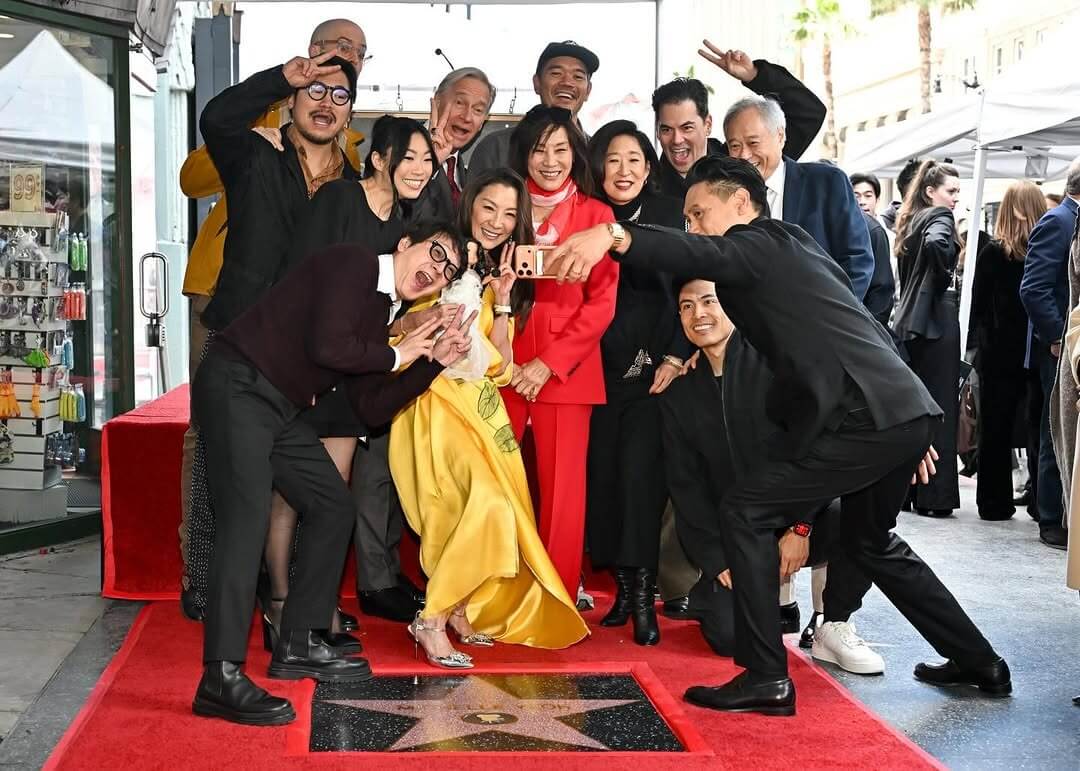
No one expected that the journey would end on the red carpet at the Hollywood Walk of Fame.

Image source: Elenor Mak

The Childhood Inspiration

Elenor Mak grew up watching Michelle Yeoh on Cantonese VHS tapes at home. Seeing an Asian woman lead films and command the screen made a deep impression on her as a child. It showed her that someone who looked like her could be strong, fearless, and at the center of the story. That belief stayed with her for years.

When Michelle Yeoh won the Academy Award for Best Actress, Elenor listened closely to the speech. Michelle spoke about being a beacon of hope for children who were waiting to see themselves represented. The moment felt personal to Elenor. That was when she decided to create a doll that captured that historic win.

Image source: Elenor Mak

A Two Year Mission

Creating the doll was a careful process that took five months. A professional stylist in Los Angeles helped shape the look, while a supporter in Hong Kong hand sewed the detailed feathery gown. Each part was made slowly and thoughtfully. Everyone involved wanted the doll to reflect Michelle Yeoh’s iconic Oscar moment.

At the center of it all was Elenor’s mother. She sat at the kitchen table attaching the final accessories with crazy glue and steady hands. When the doll was finished, the real challenge began. For two years, Elenor tried to find a way to get the doll into Michelle Yeoh’s hands.

Image source: @jonmchu (Instagram)

The Hollywood Moment

When Michelle Yeoh’s Hollywood Walk of Fame ceremony was announced, Elenor knew she had to try again. She flew to Los Angeles with her friend Dion Lim, an Emmy Award winning journalist, hoping for one last chance. They waited behind barricades for hours as the crowd gathered. After hearing no from security several times, they almost gave up.

Then something unexpected happened. Janet Yang, a producer and former head of the Academy, stepped in and helped make the moment possible. Soon after, Michelle Yeoh lifted the doll on the red carpet while Sandra Oh and Awkwafina cheered nearby. For Elenor, the moment meant more than giving a gift. It was for the little girl who once watched Michelle Yeoh on old VHS tapes and believed she could belong too.

IMG_9529-jpeg

Stories

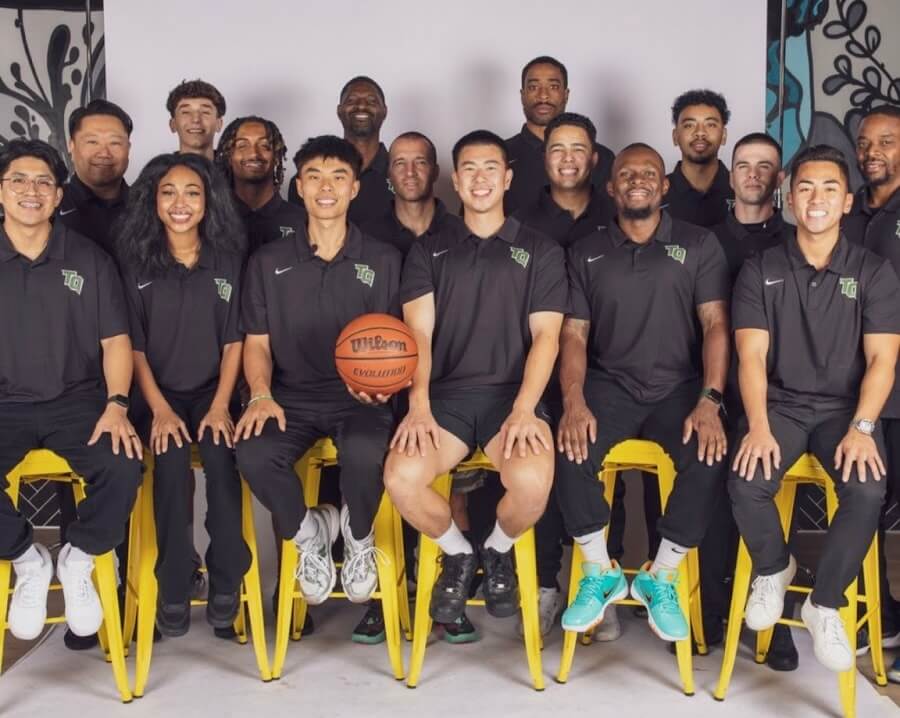
Jonathan Quach Was Told He Was Too Young and Too Asian to Lead—Now He’s Built Team Quachro Into One of California’s Largest Youth Basketball Platforms

At 19 years old, most people are still trying to figure out who they want to become. Jonathan Quach, who also goes by Johny, was already thinking about how he could create space for others to grow.

He did not have investors backing him or access to elite facilities. What he had was a deep love for basketball and a growing frustration with how many talented kids were being left out of high-level programs simply because they lacked money, connections, or visibility. 

The name Team Quachro (TQ) was originally created just to enter his first eight kids into a local youth league. What started as a play on words from his last name, ended up becoming a staple in the Orange County Basketball community, competing with the other heavy hitters in the industry.

Starting at 19 with Nothing but Belief

Starting a program at 19 meant stepping into rooms where almost everyone was older. Johny had to lead coaches and speak with parents who had decades more life experience than he did. When he had only 50 kids in the program, a handful of larger, established programs recognized the early growth and tried to buy him out from the start.

As Team Quachro began gaining attention and players began leaving other programs to join his team, some competing coaches sent negative emails to others behind his back. Instead of responding with arguments, Johny chose to respond with action. He focused on developing his athletes and strengthening the culture of the program.

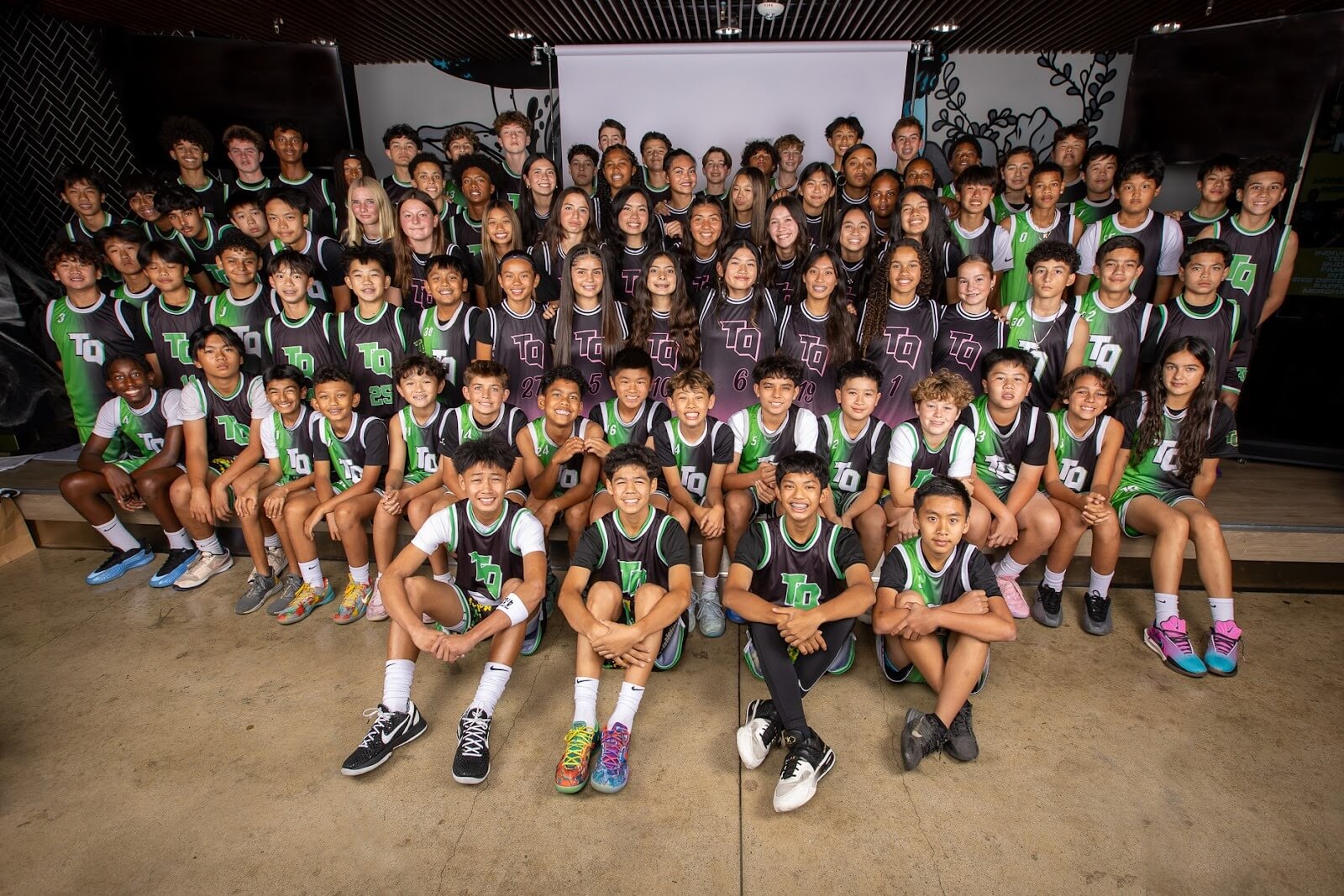
Now 26 years old, Johny has built one of the largest basketball programs and tournament operations in California. By remaining consistent and treating every family with respect, he gradually turned early skepticism into long-term trust. Team Quachro now serves more than 300 athletes, with thousands of families having come through the program over the years.

Carving a New Lane for Asian Leadership

Building one of California’s largest platforms by age 26 is a feat in itself, but doing so as an Asian founder carries even more weight. In the youth basketball world, Asian founders are rarely seen in leadership roles. Johny understood that reality and wanted younger players to see someone who looked like them leading from the front.

Representation, for him, was not about making statements. It was about building something real and lasting that could create opportunity for others. Every partnership and every opportunity had to be earned through persistence and relationship building.

Over time, that work transformed a small training group into one of the most respected sports organizations in California. Johny proved that leadership is not determined by age, background, or stereotype. It is shaped by commitment, integrity, and care for the people you serve.

Leaving a Legacy Bigger Than Trophies

What began as a handful of local training sessions has grown into a thriving ecosystem of teams, tournaments, and mentorship. The results of that dedication are visible at the next level, with TQ athletes playing at the Division I college level, as well as at JUCO and NAIA programs.

Despite that growth, Johny has worked intentionally to keep the heart of the program intact. He continues to cover costs for athletes who cannot afford to participate and organizes free clinics to make the game more accessible. He believes that financial limitations should never be the reason a child cannot pursue their potential.

Johny did not inherit a platform, and he did not receive a head start. Today, the program stands as more than a basketball organization. It stands as a family built on loyalty, mentorship, and shared belief. For him, that culture is the greatest achievement of all, far greater than any trophy or tournament win.

Discover more from Johny Quach here:

📍Instagram

Learn more about Team Quachro Basketball here:

📍Website

image (1)-png

Stories

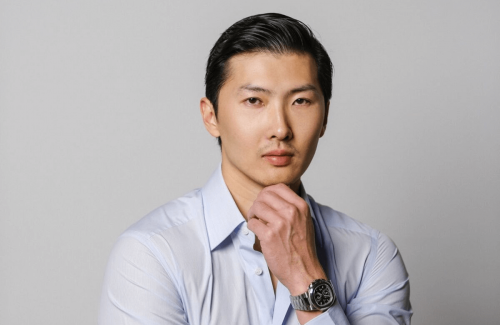
Taiwan Heir Andre Koo Jr. Steps Beyond a $6.3B Dynasty to Build the Future of AI in New York City

Andre Koo Jr. was born into one of Taiwan’s most influential business families, where legacy and leadership have shaped industries for more than a century.

As a fifth-generation heir to a $6.3 billion empire, he had every reason to remain within the comfort and stability of an established dynasty.

Yet instead of staying home, he chose to build something new in New York, placing a focused bet on the future of artificial intelligence.

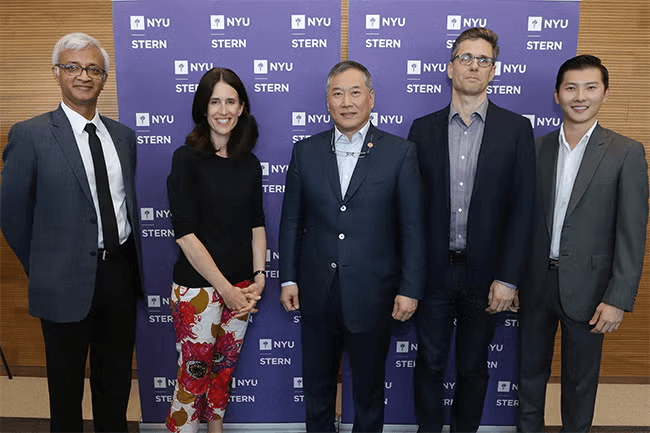
Image Source: NYU Stern

Honoring a 130-Year Legacy While Charting His Own Path

For generations, the Koo family has played a defining role in Taiwan’s business landscape, building institutions that span finance, infrastructure, and beyond. Growing up within that environment meant understanding both the privilege and the responsibility tied to the family name. Legacy, in this case, was not just inherited wealth but a long-standing commitment to growth and impact.

Still, Andre Koo Jr. believed that honoring tradition did not require standing still. While remaining actively involved in the Koo Family Office, he set his sights on expanding the family’s global footprint. His move to Manhattan marked a deliberate step toward independence, signaling a desire to test his vision in one of the world’s most competitive markets.

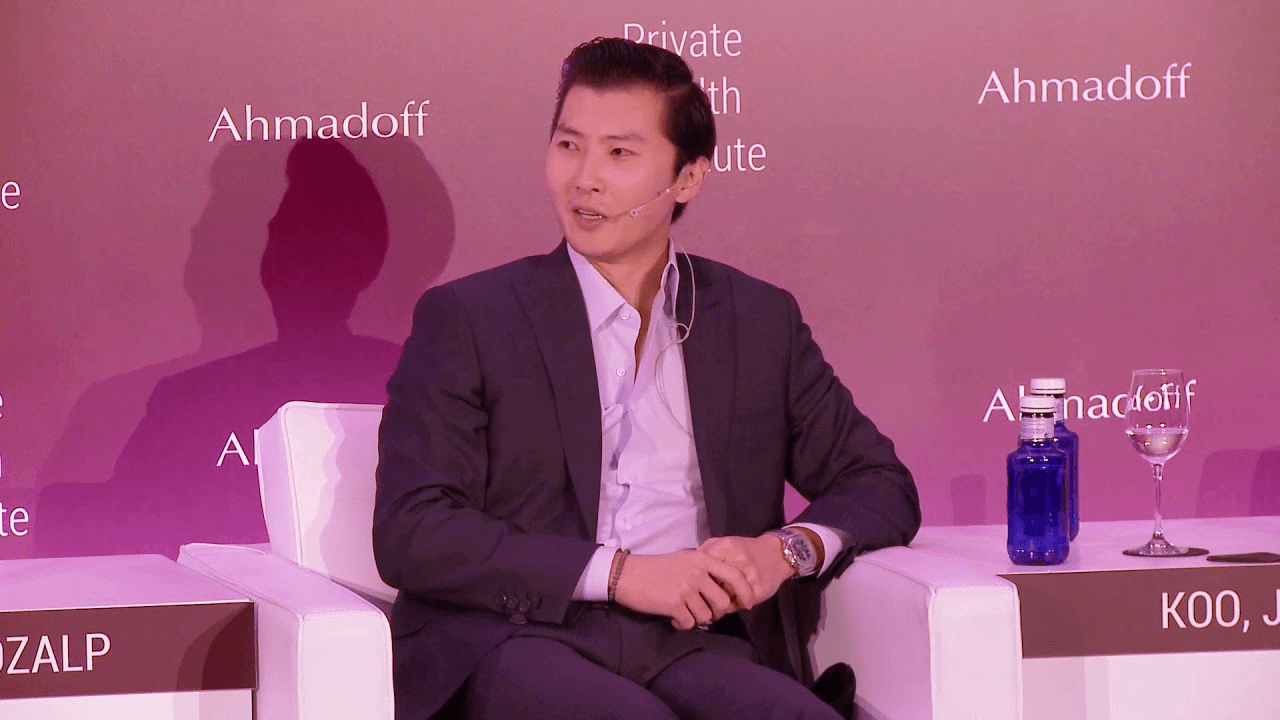
Image Source: Private Wealth Institute

Building K8 Capital for the AI Era

That vision took shape through K8 Capital, a firm designed to invest in artificial intelligence and enterprise software. Rather than following typical venture capital models, Andre structured a hybrid strategy that blends private credit with venture investments. This approach allows him to pursue innovation while maintaining disciplined risk management.

The strategy is already delivering results, with gains of over 50 percent achieved through carefully structured short-term loans. K8 Capital has secured five major investors and is actively deploying capital into promising technology companies. By combining the prudence of established wealth with the speed of modern tech investing, Andre Koo Jr. is building a bridge between a historic dynasty and the next generation of innovation.