Awaken* newsletter

March 15, 2024

SHARE:

Edwin Ong

2024.03.06

翻译:田头草

在硅谷,极少有人能像 Y Combinator 的总裁兼首席执行官 Garry Tan (陈嘉兴) 那样高调。Garry在其辉煌的职业生涯中担任过许多不同的职务。

除了领导世界上最成功的创业加速器(Y Combinator) 之外,Garry 是 Palantir (帕浪)的第 10 名员工,共同创立了 Posterous(最早的博客网站之一),创立了 Initialized Capital(管理规模超过 32 亿 美元的风险投资基金),甚至还由投资而步入政界,成为旧金山当地政治的杰出活动家。

(译者注;Palantir 帕浪公司基本上没有中文的介绍,帕浪服务的用户牛气冲天)

(译者注:Posterous 被Twitter 于2012 年收购)

我有幸有机会了解Garry 的亚裔身份如何影响他的生活,我希望他的答案能够帮助和启发我们的读者。言归正传:

一、克服有害的心态

1. 因稀缺环境而诱发稀缺的粘性心态

Ong: 

我的经验是,工薪阶级父母(尤其是亚洲移民)的孩子往往有一种因稀缺环境而诱发稀缺的粘性心态——即使他们的社会经济地位已经有所提高。加里此前曾谈到过他的“价值 2 亿美元的错误”。也就是说,他拒绝了 Peter Thiel 成为 Palantir 创始成员的邀请。对我来说,这似乎是这种心态的体现,所以我问Garry他是如何克服的:

(译者注:Peter Thiel,“奇葩的牛人,自由穿梭于法律、金融、投资及创业之间。”)

(译者注:当时Garry 是微软高薪稳定的员工)。

Tan: 

我能够意识到这些东西是双向门。以良好的条件退出一家大型科技公司实际上意味着你可以随时回去。有单向门和双向门之分。

对于与我们一样环境长大的人来说,一切都感觉像是一扇单向门。但如果你什么时候能意识到这是错误的,那么你就改造了那些有钱人默认拥有的一些特权。

Ong: 

亚马逊创始人杰夫·贝索斯(Jeff Bezos)多次谈论单向门与双向门框架。你可以在这里听到他更深入的阐述。https://m.youtube.com/watch?v=VFwCGECvq4I&ab_channel=LexClips

(译者注:单向门VS双向门,贝佐斯认为决策有两种。一种决策是单向门(one-way door),不可逆转而且非常重要。另一种决策是双向门(two-way door),90%以上的决策都属于此。也就是说,可以制定决策并执行,一旦事实证明决策错误,马上可以推倒重来,损失不大。)

2. 亚裔社区对心理健康的耻辱感

Ong: 

亚裔社区对心理健康的耻辱感,是另一种越来越受到关注的心态。就我个人而言,因为我的移民父母为了生存而拼尽全力,我觉得我没有权利抱怨我的心理健康,因为我的生活相对安逸。我问Garry这是否引起他的共鸣以及他如何克服这种心理障碍:

Tan: 

我假装自己没有任何问题,花了很多时间试图融入其中。但最终,有关我童年的事情或不寻常的留下创伤的反应,会在我的职业生活中突然出现。在某个时候,我开始单独接受治疗,这对我帮助很大。

所有这些我无法控制的事情突然变成了我可以整合和意识到的事情,并做出更好的选择。卡尔·荣格说:你未觉察到的潜意识决定着你的人生,你却将其称之为“命运”。(译者注:荣格是瑞士心理学家、精神科医师,分析心理学的创始人。)

3. 第三种常见心态是低着头,避免搅局

Ong:

我在亚裔美国人中看到的第三种常见心态是低着头,避免搅局,即使这意味着抑制自己的想法。鉴于Garry是一个非常直言不讳的人,我问他是如何培养自信的:

Tan:

我记得在高中时,我是校报的编辑,注意到我们在比较贫困高中的学生因为同样的违规行为而受到严厉的判决和开除,而在富人区的学校则仅会受到不痛不痒的轻罚。我对此非常生气,我写了一篇文章揭露它,但被我的高中指导报纸的老师审查(没过)了。我已经快毕业,并已被斯坦福大学录取了,所以我就顺其自然了。

但在我内心深处,有一种对被压制的愤怒,我永远不会忘记。

在出报纸之前,我会使用 Pagemaker (译者注:一款页面排版软件)出版“地下”报纸,而我的英语老师会为班级复印报纸 – 这给了我一种我永远不会忘记的力量。因为否则我就是角落里骨瘦如柴的亚洲书呆子,但是当我可以传达我社区的声音,我有了立足点。我从未忘记过这一点。

二、关于亚裔社区

Ong:

关于社区的话题,我问Garry 是什么促使他成为亚裔社区的积极倡导者:

Tan: 

我对旧金山的亚裔美国人社区有强烈的团结感。我们是这座城市的重要组成部分,但我们却没有被看到。我们没有被听到。

当地领导人甚至会诋毁我们为确保亚裔美国长辈安全所做的努力。现在我知道我需要为那些没有发言权的人而战。

我发现的最酷的事情之一是一个名为“亲爱的社区”的非营利组织,它将刚新到旧金山的亚裔美国人(通常是年轻的专业人​​士)以及传统的旧金山唐人街社区联系起来。看到聪明的人们聚集在一起,为这座城市的人民而战,真是太棒了。

(译者注:了解旧金山的严重的社会现状的读者,就能更深入理解Garry 的这段话)。

Ong:

我还提到他最近去新加坡参加一个名为SWITCH的创业活动,并问他对亚洲国家涌现的创业场景有何感想:

Tan:

初创公司正在世界各地涌现。您可以从 YouTube 和网络上学习。 YC 校友遍布世界各地。我很高兴看到从湾区开始的事情现在已经成为一种全球现象,而且还在不断增长。

三、亚裔创始人经验

Ong:

在朋友的建议下,我问Garry:“我可以向哪些非技术性的亚洲创始人榜样学习?对于在初创公司作为非技术员工而言,最有价值去学习的技能是什么?” Garry的回答有点挑战了我问题的前提:

Tan:

在初创公司和技术领域,技术是关键优势。如果可以的话,请更重于科技。然后成为一名博学者:科技人员掌握软技能比反过来要容易得多。

Ong:

事后看来,我承认,如果你不愿意付出努力来成为技术人才,那么期望在科技行业获得优异成果似乎很愚蠢。他给我上了一课。

四、如何看待自己的亚裔身份

Ong:

最后,我问了Garry,和我问所有受访人的问题一样——作为创始人,他如何看待自己的亚裔身份:

Tan:

直到很晚我才想到这一点。坦白说,我试图假装这不是问题,虽然绝对存在“竹制天花板”- 既使对我来说。我没有获得晋升和/或人们认为我没有能力做我所做的事情。我会愤怒地辞掉工作,这是解决问题的一种方式,但我看到事情可以有不同的解决方式。

作为一名创始人,我发现我需要提高自己畅所欲言的能力,尤其是当我知道自己绝对正确时,要尽可能自信。

我有一种隐而不发的心理,我甚至没有意识到这是为了和谐。在没有意识到的情况下,我有时会自我放弃,然后又被动地攻击它。我不再这样做了,这是我作为领导者发展的关键一步。我希望我早点发展这种能力,这都是因为我童年时无意识的编程。

(译者注:Garry 在 14 岁时开始编程,他通过制作网页和网站的互联网部分获得每小时 7 美元的报酬。这笔收入帮助他的父母支付了买房的第一笔首付。)

Ong:

我从这次采访中得到的最大收益是,“永远正确、直言不讳”的 Garry Tan 并不总是如此,而且在某一时刻,他非常像典型的亚裔孩子。Garry 的故事证明,只要有自我意识和决心,任何人都可以实现巨大的成长并成为行业领导者。

呼吁

Ong:

如果您有一个雄心勃勃的创业想法,并希望成为一个令人惊叹的创始人社区的一部分,请申请 Y Combinator! Y Combinator 每年运行两次批次——冬季和夏季。 

2024年夏季批次的申请已开放,您可以通过 https://www.ycombinator.com/apply 进行申请

感谢Garry 接受采访!

照片来源:Y Combinator

英文采访链接

Garry Tan on Startups, Advocacy, and Overcoming Cultural Mindsets

附:福布斯中国对陈嘉兴的介绍

https://www.forbeschina.com/billionaires/61673

Related Articles

1

Stories

A $38M Startup Exit That Rarely Happens in Vietnam: How Skinetiq Founder Hannah Nguyen Built a Trust-First Beauty Brand and Landed a Deal with Marico

Big exits in Vietnam’s startup scene are rare, but Hannah Nguyen proved they’re possible with the right foundation.

Long before Skinetiq became a multi-million-dollar brand, her journey started with a simple curiosity for beauty.

What followed was a business built not just on products, but on trust, community, and systems that scale.

Image Source: The Business Times

Starting With Trust

Hannah Nguyen’s story began on a rural coffee farm, where she experimented with making lipstick from berries using whatever she had on hand. That early curiosity grew into a strong passion for beauty, shaping how she approached products and people. It became the foundation of how she would later build her brand.

As she shared her journey online, she built a loyal community that trusted her voice. In a market like Vietnam where counterfeit products are common, that trust became her biggest edge. Instead of following trends, she focused on being real, which helped her turn followers into customers.

Image Source: Vietnam Investment Review

Growing Into a Real Business

Rather than continuing to sell other brands, Skinetiq chose to create its own skincare line. By solving real customer problems, the brand reached $16.5 million in revenue and proved strong demand. This step helped shift the business from content-driven sales to a product-focused company.

At the same time, Skinetiq built systems that allowed the business to run without relying on Hannah every day. This made the company more stable and easier to scale over time. That independence attracted Marico, leading to a majority stake deal at a $38 million valuation and showing how creators can build businesses that last.

1-jpg

Stories

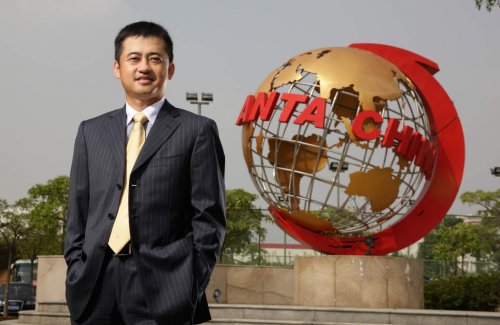
How China’s Anta Became Puma’s Largest Shareholder and the World’s No. 3 Sportswear Giant Behind Nike and Adidas

China’s Anta Sports is making a bold global move, stepping beyond its home market with a major investment in Puma.

The company acquired a 29 percent stake in the German sportswear brand in a $1.8 billion deal, becoming Puma’s largest shareholder.

This signals Anta’s growing ambition to compete head-to-head with the biggest names in the global sportswear industry.

Image Source: Yicai Global

From Small Workshop to Global Brand

Anta’s journey began in 1986 when founder Ding Shizong, a high school dropout from Fujian, borrowed 10,000 yuan from his father to start reselling shoes. After quickly turning a profit, he reinvested his earnings and built a small manufacturing workshop. This early hustle laid the foundation for what would become one of China’s biggest sportswear companies.

By 1991, Anta had officially launched its own brand and began expanding across China. Over time, the company focused on scaling production, improving product quality, and building strong local distribution. These efforts helped Anta grow from a small business into a global brand with a strong foothold in the sportswear market.

Image Source: CGTN

Competing With the World’s Biggest Brands

Today, Anta controls around 23 percent of China’s sportswear market, surpassing both Nike and Adidas within the country. Its dominance at home has helped fuel its rise on the global stage, where it now ranks as the third-largest sportswear company. This growth reflects both strong local demand and strategic expansion beyond China.

Founder Ding Shizong has made it clear that Anta’s vision goes beyond being a regional leader. Rather than becoming the “Nike of China,” he aims to build what he calls the “Anta of the world.” With its recent investment in Puma, the company is taking a major step toward that goal and solidifying its place among the industry’s global giants.

image-png

News

Why Bhutan is the Smartest Place for Founders and Entrepreneurs to Reset in 2026

Most founders today are running on packed schedules but feeling mentally drained, and burnout is quietly becoming part of the routine.

When everything feels urgent, there is barely any space left to think — and decisions made from pressure rarely lead anywhere worth going.

That is exactly where Bhutan comes in. Its slower pace and untouched stillness create the kind of environment that gives ambitious minds the room to pause, reflect, and return with sharper focus.

The Philosophy That Reframes Success

Bhutan approaches progress differently, placing equal importance on well-being and growth. Through its Gross National Happiness framework, the country measures success beyond economic output, and recent data shows that over 93% of the population falls within the happiness gradient. This perspective is not theoretical, it is reflected in how people live and make decisions every day.

You start to notice it in small but meaningful ways, like how conversations are not rushed and how people are fully present. There is a steady rhythm to daily life that feels intentional rather than pressured. That alone creates a different kind of mental space.

For founders and entrepreneurs, being in that environment naturally raises questions about what really drives their decisions. It becomes easier to see how much of leadership is shaped by urgency rather than purpose. That shift in awareness is often where real clarity begins.

The Travel Model That Guards Your Headspace

Bhutan keeps tourism at a manageable level, which helps protect both the experience and the environment. In 2025, the country welcomed nearly 210,000 visitors, a number that is intentionally kept low compared to other destinations. As a result, places feel calm and never overcrowded.

There is also a Sustainable Development Fee of about USD 100 per night, which supports conservation and local communities. This approach ensures that tourism grows in a way that does not take away from what makes Bhutan special. It also sets the tone for a more thoughtful way of traveling.

Because of this model, the pace of each trip feels more balanced and unhurried. Days are not tightly packed, which gives you time to take in each experience without feeling rushed. For founders and entrepreneurs, that space often becomes the most valuable part of the journey.

The Environment That Resets How You Think

Bhutan’s landscapes make it easy to slow down without trying too hard. In places like the Phobjikha Valley, the wide open views and quiet surroundings create a sense of calm that is hard to find elsewhere. Even visiting Tiger’s Nest requires a steady climb, which naturally shifts your pace and focus.

There is no constant noise pulling your attention in different directions. Instead, the stillness gives your mind room to settle and process things more clearly. It is often in these quiet moments that new ideas begin to form.

Over time, you notice a change in how you think and respond to things. Decisions feel less rushed and more intentional, which is something many founders and entrepreneurs struggle to achieve in their usual environment. By the end of the trip, the reset feels real and something you can carry with you.

If you are looking for a reset that goes beyond rest and actually changes how you think, explore Bhutan with Druk Asia here:

📍Website

unnamed-png

Stories

The Journey of 20-Year-Old Alex Eala to the WTA Top 50 After Taking Down the Biggest Names in Women’s Tenn

At just 20 years old, Alex Eala is emerging as one of the most exciting new forces in women’s tennis. The Filipina athlete has captured global attention after defeating some of the sport’s most established champions.

In a sport historically dominated by Western powers, Eala’s rapid climb is a major milestone for Asian representation in tennis. Her growing success signals a shift in the global landscape of the sport.

Image Source: SCMP

A Breakthrough That Turned Heads in Miami

Eala’s breakthrough moment came at the 2025 Miami Open, where she entered the tournament as a wildcard. Few expected the young Filipina to make a deep run, but she quickly stunned the field with a series of commanding victories.

During the tournament, Eala defeated multiple Grand Slam champions, including Iga Świątek, Madison Keys, and Jeļena Ostapenko. She later added a win over Coco Gauff, further proving she could compete against the very best in the sport.

Her run to the semifinals became one of the biggest stories of the tournament. It pushed her ranking into the WTA Top 100 and introduced her to a much wider global audience.

Image Source: DZRH

Climbing Into the WTA Top 50

Following her breakout performance, Eala continued to build momentum throughout the season. Strong results in several tournaments helped her steadily climb the rankings and establish herself among the sport’s rising contenders.

By the end of the year, Eala officially entered the WTA Top 50, becoming the first Filipina player to reach that milestone. The achievement marked a historic moment not only for Philippine tennis but also for Southeast Asian representation in the sport.

More than just a personal accomplishment, her rise is inspiring a new generation of young athletes across Asia. As she continues to compete on the world stage, Alex Eala’s journey shows how talent, discipline, and opportunity can reshape the future of global tennis.