Stories

June 26, 2023

SHARE:

Founded in 2015 by Carolyn Kim, a Korean American mother and non-profit lawyer, Yobo Soju was born out of a desire to create an elegant soju that resonated with evolving lifestyles and refined tastes.

As the first American hand-crafted soju made in the New York Finger Lakes, Yobo quickly gained recognition, winning awards and becoming renowned for its exceptional taste.

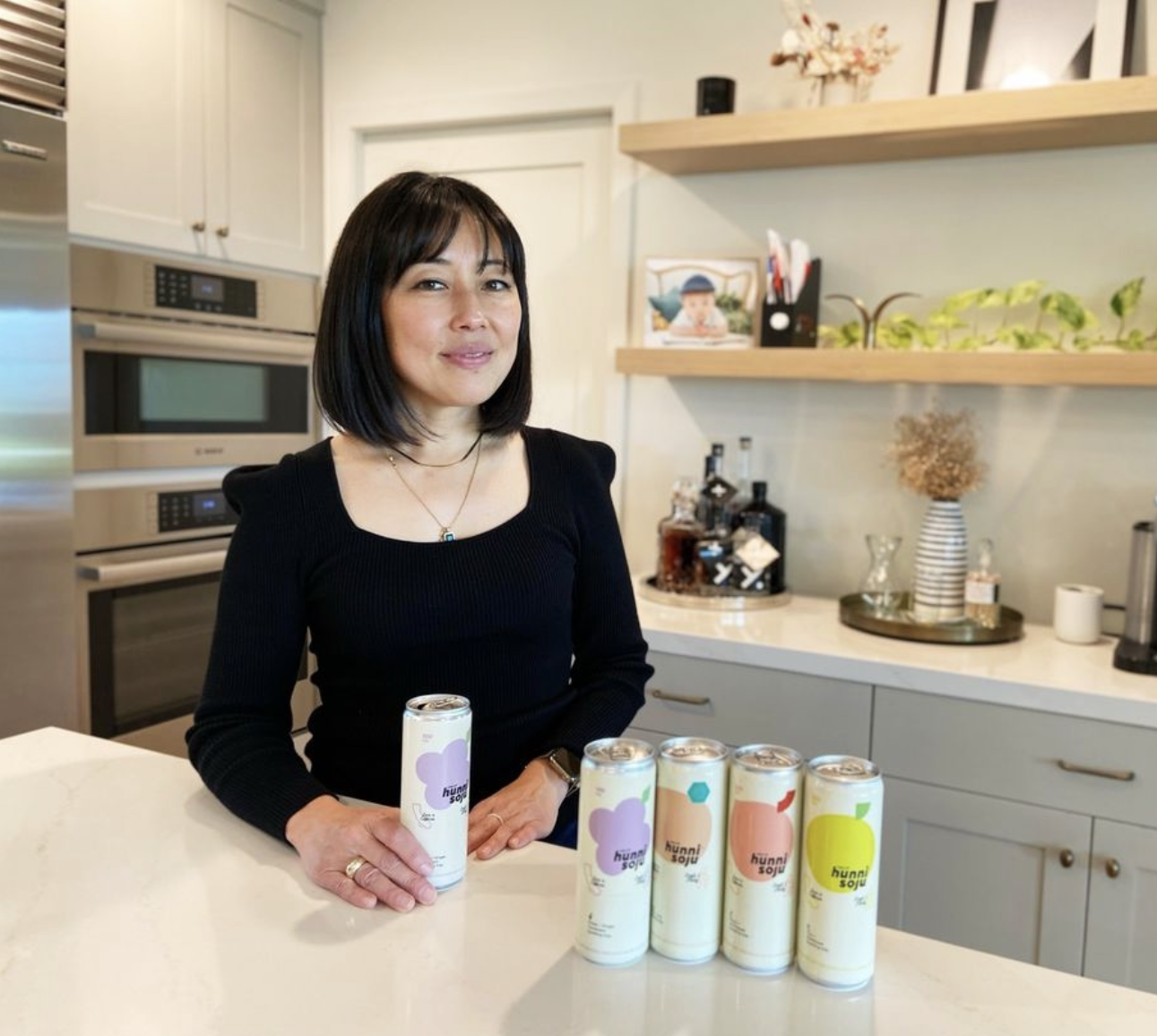
In 2021, John Noe joined the team as an investor and CEO, aiming to propel Carolyn’s vision to new heights. With offerings like Hunni Soju, YoboKish, KTOWN Soju, and Yobo Soju Luxe, they cater to various consumer preferences and occasions, making soju accessible to a wider audience.

Yobo Soju stands out from other brands by choosing to craft their soju from grapes, a departure from the traditional rice-based approach. This unique choice pays homage to Carolyn’s Korean American heritage and the desire to create a more premium and high-quality soju. The result is a velvety smooth liquid with a floral aroma and fruitiness, capturing the attention of cocktail bars and restaurants seeking to elevate their creations.

In an interview with John Noe, he shares his insights into the journey of Yobo Soju and its impact on the spirits market. Join us as we delve deeper into the story behind Yobo Soju and discover the inspiration and passion that drives its success.

HOW YOBO SOJU CAME TO LIFE

Yobo Soju was started in 2015 by Carolyn Kim, a Korean American mother of twins and a non-profit lawyer. At the time, there weren’t many premium soju on the market. While she enjoyed drinking soju in her earlier years, she wanted something that suited her evolving lifestyle and taste.

Carolyn Kim

In a word, she wanted to create a soju that was ‘elegant.’ From that ambition, Yobo Soju was born, the first American hand-crafted soju made in the New York Finger Lakes. Immediately, Yobo won several awards and was touted for being one of the best-tasting soju available. Yobo made its way into top restaurants, cocktail bars, and retail accounts, and was ready to grow. 

In 2021, I joined the team as an investor and CEO to push Carolyn’s vision further. We had a great product and initial distribution but needed to get to the next level. In developing our strategy, we started from the very top and figured we’d work our way down. How do we win over U.S. consumers completely unfamiliar with soju? If we could do that, winning existing soju consumers or lapsed soju consumers would be easy by comparison. From there, the obstacles started to stack.   

Distributor: Will there even be any interest in soju?

Retailer: Where would I even put soju on my shelves?

Bar manager: How do I even serve soju?

Consumer: What is soju? How do I drink it?

Our strategy was to take our single product and to expand into a diverse portfolio that could navigate our obstacles. We created Hunni Soju, a ready-to-drink flavored soju cocktail line, to utilize a more approachable single-serve format. We created YoboKish, a range of unique aperitifs using our soju as its base, to reach mixology enthusiasts at home and at the bar. We created KTOWN soju, a range of all-natural flavored soju made with real fruit juice, as a playful way to drive soju trials in a multi-serve format. And we elevated our original distilled soju, renaming it Yobo Soju Luxe to honor traditional soju making while adding our own Korean American twist. Together, we’ve created a diverse Asian American spirit portfolio that can bring soju to nearly any type of account and occasion.

Together, the portfolio represents a diverse range of Asian American spirits to meet consumers of any level of soju familiarity. Since 2020, Yobo has expanded from 2 SKUs to 18 SKUs and our annual case volume has grown 50x with distribution in over 30 states. The strategy that seemed risky and overly ambitious in 2021 is now beginning to take hold.  

Mass soju is a low-cost product produced at a significant volume that isn’t known for its great taste. But it’s the spirit of Korea, so why couldn’t it be more premium and made of higher quality?

John Noe

USING GRAPES TO CRAFT SOJU

Carolyn was very thoughtful in creating the first Korean American soju. Like her own identity, she wanted to source ingredients that were local to her while paying homage to her history and origin.

At the time, she lived in New York City, and so the idea of using Catawba grapes grown nearby in the Finger Lakes became an interesting choice. There was a disruptive statement to be made as well. In a category dominated by men, how would she represent Korean American women in creating the first soju made in America?

Mass soju is a low-cost product produced at a significant volume that isn’t known for its great taste. But it’s the spirit of Korea, so why couldn’t it be more premium and made of higher quality? Producing soju from grapes resulted in a liquid with a floral aroma, fruitiness, and a velvety smooth finish. Yobo was quickly adopted by cocktail bars and restaurants that wanted to create higher-end cocktails with soju. Consumers lauded its taste and Yobo gained a niche following.

Since then, we moved our operations to California and updated the branding, packaging, and formula for our flagship soju now called Yobo Soju Luxe. The formula change is one we didn’t take lightly. Moving to California not only gave us the ability to source grapes from California but to source rice as well. After much trial and error and countless recipes, we ended up with the current Yobo Soju Luxe formula made from organic wheat, California rice, and California grapes. It’s a blend that combines the best of each of those ingredients giving us a soju that’s impossibly smooth and almost creamy while representing what we believed to be truly Korean American.

PRODUCTION PROCESS AND STANDARDS

The majority of our products are produced in Ventura, California with our distiller.

The process is a labor of love where our formulas are distilled, mixed, and batched by our master distiller. Each bottle is inspected by hand and packed. But the part of the process that’s been the biggest adventure has been the formulation process.

Creating YoboKish, the collaborative name of our venture with Kristen Kish, took almost two years. We started the project with a completely blank canvas and no restrictions. What would a Top Chef winner do? We gave Kristen free rein and the project evolved through several iterations as we experimented with flavors, formats, and concepts. Eventually, we landed on the flavor profile Kristen loves most, bringing contrasting flavors together like bitter and sweet:

  • SHINE – kumquat, rose, and ginger because kumquat is her favorite fruit. 
  • BLISS – sour cherry, pink peppercorn, and licorice because Kristen grew up in Michigan and loved licorice as a kid.
  • EARTH – smoked mushroom umami because she’s a celebrity chef and she flexes.
  • SEOUL – hibiscus, lemon balm, and raw honey because her wife Bianca has a nightly ritual of drinking hibiscus tea in a similar fashion (hence the name, SEOUL for the city where Kristen was born and SOUL for her soulmate, Bianca).

They’re each sweet and bitter, but soft and balanced at the same time. They’re all-natural and have no artificial coloring or flavors. And they provide mixologists with Top Chef-like ingredients to create an array of imaginative cocktails.

Kristen Kish

DIFFERENT OFFERINGS TO CATER DIFFERENT CONSUMER PREFERENCES

There is a distinct ritual to drinking soju.

Its smaller bottles and lower proof allow bottles to be easily consumed among a group of friends. Once a bottle is opened, it’s shared and poured, two hands pour, and two hands receive as it’s passed around the table until it’s empty. At Korean barbeque, singing karaoke, or out clubbing, the occasion for soju is a social one.  

While we want our soju to be a part of all those rituals and occasions, we wanted to design our products for new occasions that would help us cross cultures.

In Yobo Soju Luxe, we wanted to create a celebratory bottle and liquid, one that could be gifted as a present or opened to commemorate an accomplishment.

In YoboKish, we wanted to create a ‘professional’ product for more advanced mixologists and cocktail enthusiasts.

In Hunni Soju, we wanted a format that would be conducive for trial, a single-serve, easy-to-drink, flavored soju that people could grab and go – to the beach, a picnic, golfing, and more.

And in KTOWN Soju, we wanted to take everything we’ve ever loved about eating and drinking in Korea town and take the experience of KTOWN to wherever the bottle goes. In fact, the design of the glass is made to look like a flask and the liquid is fruity, sweet, and welcoming to any first-time soju drinker.

WHAT SETS YOBO SOJU APART

Most people don’t realize that soju is the largest-selling spirit in the world by volume, outselling vodka, tequila, and whiskey in total cases. Despite its market size, most soju on the market are very similar – inexpensive liquid housed in small green bottles.

It wasn’t until more recently that more premium soju products arrived. But what makes our full line of products unique is our identity as a Korean American company and brand. There’s a generational shift in thinking about what soju could be in the United States and we intend to produce soju that is as beautifully designed as any other spirit you’d find on the shelf and of the highest quality.

Our glass is custom. Our liquid is all-natural and free from artificial coloring, flavors, or sweeteners. While we do our best to communicate our differences through our marketing communications, the best proof is when somebody tries our soju. If you’ve had other soju before, the difference is unmistakable.

JOHN’S GOALS AND VISION FOR YOBO SOJU

I started as CEO in 2021 and since then we’ve accomplished so much. The business has grown 50x in annual case volume with the expansion of its portfolio and is now distributed in more than 30 states. We’re about to launch major brand collaborations and product integration in the upcoming Joyride movie by Adele Lim.

We’ve poured at places like the Sundance Film Festival and Food & Wine Classic in Aspen. But beyond the business milestones, I believe what we’re doing is significant and will spark the imagination of others to follow. 

Our mission has been to elevate the Korean American spirit by breaking boundaries, from the way we think about the liquid that constitutes soju to the communities we aim to reach. The world doesn’t need another tequila or vodka and yet much of the industry only sees opportunities in large, established markets.

As a Korean American, I know the power of the minority mindset and the impact that can be made by a few. Small is where everyone starts. We had two events just recently, a pride event at a fashion/design studio called Bobblehaus where we showcased KTOWN soju, and Food & Wine in Aspen where we showcased Kristen Kish’s aperitifs.

It was such an amazing experience pouring our drinks for people, explaining soju, introducing our products, and seeing everyone’s reactions. Some might overlook Asian American spirits right now because of its market size or lack of movie star endorsers, but from the view down here, we see a community building around us filled with faces of every identity and color sharing and enjoying soju with us.

John Noe

THE IMPACT OF YOBO SOJU

The greatest impact Yobo has had is its personal impact on me.

I grew up in a small town in Texas and our family was the first Korean family in our neighborhood. When we arrived, the community of Korean Americans in my elementary school was limited to me and my brother (for the one year we overlapped). For most of my life, I struggled with my own Korean American identity and felt like I needed to find ways to be less ‘Korean’ to succeed.

I’ve had an entrepreneurial career having built and sold an advertising agency before Yobo in an industry where just like my elementary school, I was only one of a few Asian Americans along with my Chinese American partner. We built the agency up and sold it to a French holding company where we continued to grow the business. In that time, we worked with mass, established, ‘American’ brands that played very little in contributing to Asian American identity and culture. We were successful by all business standards, but regretfully, we contributed very little to our Asian American community.

At the time of joining Yobo as its CEO, the stories of hate crimes against Asian Americans started to surface. Here I am, a Korean American CEO of a Korean American company amidst a breakout of hatred toward a community I rarely embraced. It was the unfortunate wake-up call I required to find pride in my identity and to take more roles in paving the way for other Asian Americans more seriously. My Yobo journey has been profound, and instead of hiding my Korean-ness, I’m now on a mission to share it.

We have a few things lined up that I’m excited to share and announce. Beyond launching products and selling them into accounts, we’re here to make a statement. The Yobo organization is very small, a minority among minorities, but we believe we’ll make an outsized impact.

CONNECT WITH YOBO SOJU

Instagram: @yobosoju

Website: yobosoju.com

Related Articles

Interior-Chinatown-e1729570164214

News

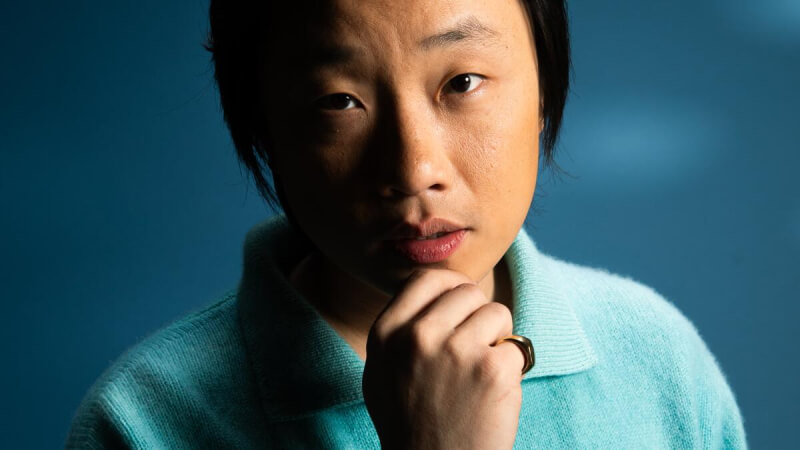
Jimmy O. Yang Finally Wins the First Lead Role in Charles Yu’s “Interior Chinatown”

After years of working at odd jobs, Yang has found his first lead role and left Yu knocked back in tears during his audition.

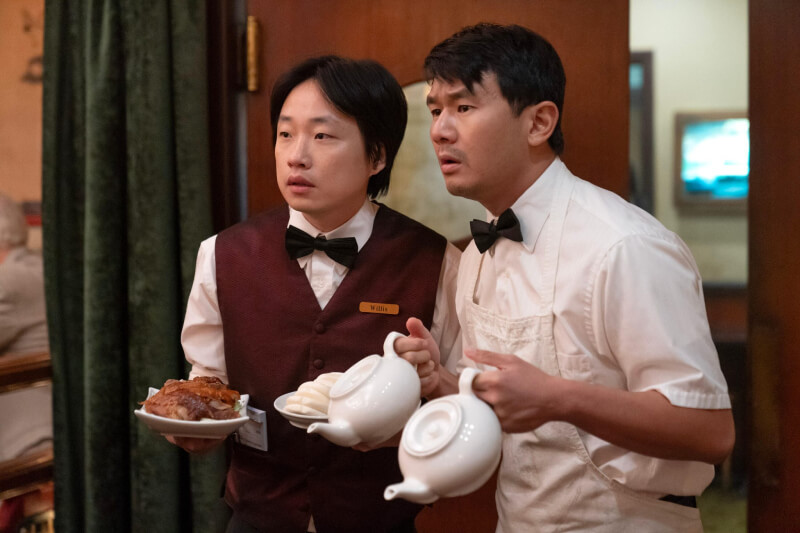
A Lemon. The $1,500 Toyota Corolla with no power windows, a busted side door, and poor brakes is what Jimmy O. Yang rode around Los Angeles to prepare for his role as Willis Wu, an overlooked Asian American everyman in the series “Interior Chinatown.” 

The result? “Pull over, call whoever got you in here. If you can’t, you gotta go…” A rude remark from the studio’s guard as Yang recalled in a Zoom with the Los Angeles Times (LA Times) even though he was No.1 on the call sheet. 

The experience reminded Yang of his life story as a Hong Kong immigrant moving to the United States. Yang stated in the interview, “Willis’ journey is such a metaphor for the Asian American experience because we are the model minority, but at the same time we are invisible. People talk about Black and white, but where do we fall? You’re just not seen for who you are.” In an article by SCMP, the actor-writer-comedian further exemplifies, “Willis laments feeling like a background actor in someone else’s story and longs to be in the spotlight, but that’s hard if you look like me.”

At the age of 13, Yang relocated to Los Angeles feeling the intense culture shock. “My goal was to just assimilate so I don’t get made fun of,” Yang recalled. In the school’s locker room, he was mocked for wearing whities instead of boxers. During 8th grade, his peers had mustaches and dunked basketballs while he barely hit puberty. Using a fake address, he enrolled in Beverly Hills High School and immersed himself in American pop culture. Unable to rap, Yang learned to incorporate his violin into the hip-hop beats he made through a software named Fruity Loops.

Despite his parents’ harsh opposition, Yang acknowledges, “I don’t think they were, like, anti-art by any means. My dad probably wishes he could have been an actor or a musician. It just truly wasn’t a real job for him. He wanted me to be financially stable, and not be homeless.” Yang started working at a string of odd jobs from selling used cars to DJing at strip clubs. Stand-up comedy, which Yang has now become notorious for besides acting, became his informal acting, writing, and directing school. 

Persistent in his passion, Yang landed small speaking roles in series like “Agents of S.H.I.E.L.D.,” where he was misunderstood as a background actor for his ethnicity, and “Silicon Valley,” originally a one-off guest role or a one-note cliché. Yang’s fame finally came in Crazy Rich Asians. Yang claims, “If I botched an audition, I never blamed the fact that they weren’t looking for an Asian actor. It didn’t deter me. But looking back, we had very limited opportunities. Since ‘Crazy Rich Asians,’ I think there’s more.” The success has made Yang’s father, Richard Ouyang, proud – even helping him with commercial and acting gigs with his son. 

The series “Interior Chinatown” became an immediate connection to Yang. According to the LA Times, Charles Yu, creator of the series which was adapted from his National Book Award-winning novel of the same name, was inspired by, “people who have these backstories, but they don’t get to tell those stories”. He was astonished by Yang’s performance as he felt a connection between Yang’s multicultural background, multilingualism, and his natural ability for acting. 

Despite the grueling six months of shooting, doing comedy, drama, and Kung Fu every week, Yang happily states, “It was very grueling. But of course, it’s a beautiful story worth telling.” At the end of the day, whether it is for better or worse, Yang’s days of being a sidekick are finally over.

Featured Image Source: Mike Taing from The Wrap

240909_AHN Stories (1)-png

Stories

Dr. Tiffany Moon on Empowering Women Through LeadHer Summit

Do you ever feel like you’re juggling a hundred things at once—your career, family, personal goals—and wonder how to keep it all together?

Dr. Tiffany Moon knows exactly what that’s like. As a mother, doctor, entrepreneur, and advocate for women’s empowerment, she has mastered the art of balancing multiple roles without losing sight of her passions. Not only did she figure out how to manage all these roles, but she’s also thriving in each of them.

Driven by her love for creativity and her desire to inspire others, Dr. Moon ventured into entrepreneurship, launching Aromasthesia Candles and Three Moons Wine. Most recently, she founded LeadHer Summit, a leadership conference designed to uplift and empower women from all different professional backgrounds.

Here’s how Dr. Moon is redefining success by finding joy in balancing her work, passions, and family—while staying true to her authentic self:

The Heart Behind Her Success

Dr. Tiffany Moon’s journey to success was deeply influenced by her immigrant parents, whose sacrifices fueled her ambition. Watching them work tirelessly to create a better life for their family shaped her determination to thrive—not just for herself, but for her twin daughters.

“I saw firsthand the struggles they faced, and I knew I wanted to create a better life for myself and my children,” she reflects.

Driven by this desire, Dr. Moon achieved remarkable milestones early on. By 19, she had graduated from Cornell University, and by 23, she completed medical school, quickly establishing herself as a respected anesthesiologist. However, her goals extended beyond her medical career. She also stepped into entrepreneurship to show her daughters that women can lead, build businesses, and create their own opportunities without sacrificing joy.

“I want my daughters to know that they don’t have to give up parts of themselves to fit into a box others might create for them,” Dr. Moon explains. “Being true to who they are is the most powerful way to lead and succeed.”

Navigating Challenges and Finding Her True Self

Like many of us, Dr. Moon faced pressures to meet the expectations placed on her, both by society and herself. As a first-generation Chinese American, she felt the weight of cultural norms that pushed her to be the perfect daughter, doctor, wife, and mother. This constant striving for perfection left her feeling exhausted and burnt out.

It wasn’t until she took a step back that she realized something needed to change. Through therapy, self-reflection, and surrounding herself with supportive mentors, Dr. Moon learned to let go of the need for perfection and embrace her true self. She began to prioritize her own well-being, and in doing so, she found a sense of freedom and joy that had been missing.

“It was a long process, but it’s something I now advocate for, especially with other women who feel like they have to do it all.“

In her book, Joy Prescriptions, Dr. Moon shares her journey of overcoming perfectionism and embracing vulnerability and authenticity, inspiring others to follow a similar path.

Turning Passion Into Purpose

Beyond medicine, Dr. Moon’s entrepreneurial spirit has flourished. She’s combined her love for creativity and her professional knowledge to launch two successful businesses: Aromasthesia Candles, a line of candles inspired by her medical career, and Three Moons Wine, which she started with her husband. Both ventures reflect her belief that you don’t have to limit yourself or strive for perfection—you can embrace all the different facets of who you are and explore them fully.

But perhaps her most meaningful venture is the LeadHer Summit, a leadership conference dedicated to empowering women across various industries. 

The LeadHer Summit 2024, set to take place from November 8 to 10 at the JW Marriott in Dallas, TX, is designed to inspire women to connect, grow, and take bold steps in their careers and personal lives. 

The 3-day event features keynote sessions, hands-on workshops, and panel discussions led by 25 expert speakers. Attendees will have the opportunity to build meaningful connections through networking opportunities and celebrate in style at the exclusive Glam Gala.

For more information, visit leadhersummit.com

Creating a Legacy for the Next Generation

At the heart of everything Dr. Moon does is her desire to leave a positive legacy for her twin daughters. She wants them to grow up knowing they can chase their dreams and still be true to who they are.

For Dr. Moon, success isn’t about sacrificing joy but about finding purpose in everything you do. Through her own life, she’s inspiring women everywhere to embrace authenticity and live fearlessly, showing that it’s possible to lead with both heart and ambition.

Connect with Dr. Tiffany Moon

Instagram: @leadhersummit @tiffanymoonmd
TikTok: @tiffanymoonmd
Facebook: Tiffany Moon, MD
LinkedIn: Tiffany Moon, MD, FASA

Elegant Cinematic Wedding Thumbnail HD 169-png

News

FaZe Jason Sparks a NewJeans Renaissance, Surpassing 100K Twitch Subscribers

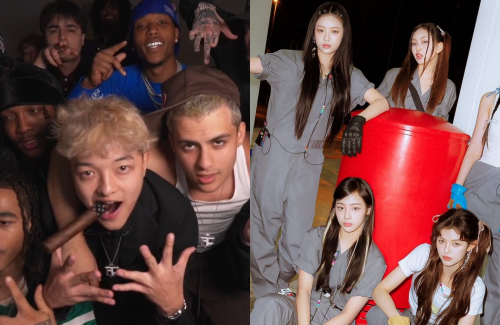
NewJeans is onto another journey of global stardom, this time, it is towards a quite interesting, new audience. Their song “ETA” has surprisingly witnessed a resurgence after 1 year of its release, which many humorously referred to as “NewJeans Renaissance.” It all happened when Vietnamese American streamer Jason “theween” Nguyen, ranked 15th globally and 10th in the U.S. on Twitch, celebrated reaching 100,000 subscribers by playing the track during his livestream, becoming the 2nd most-subscribed Twitch streamer.

The viral meme of him and his friends passionately screaming the song lyrics “What’s your ETA?” took the internet by storm. Thanks in part to Jason’s live stream and the song’s inherent quality, this track’s daily streaming exploded. From September 29 to October 2, the song reached 322,985, 424,271, 563,295, and 659,860 streams on Spotify. On October 1 and 2, “ETA” became the most streamed song by NewJeans, despite its 1-year release. 

Jason Nguyen celebrated his 100,000-subscriber milestone to “ETA” by NewJeans

However, besides the song as an upsetting observation of modern romance, Jason has challenged a stereotype long-fixated on K-pop listeners. K-pop, especially in Western countries, was a novel concept until recent years. Since the global expansion of K-pop, it has gained a significant amount of popularity. Just when it seems like the world is more open to a new musical force, stereotypes remain or even worsen. 

K-pop was usually linked to cute, dreamy imagery, which widely attracted teenage girls and was often seen as un-masculine. Many, especially men, did not have a positive outlook on the genre, believing that its image went against their ideals of masculinity and lifestyle. NewJeans’ songs, which exude youthful femininity and often above-board quirkiness, could easily fall into the ‘no’ lists of many men chasing after that idea. By publicly showing his admiration for the group, Jason Nguyen has proven that K-pop is an open space for all ages, genders, and sexual orientations. 

While singing and dancing along to the cheerleader-chanting tunes of “ETA,” Jason has created a fun and free atmosphere, creating a welcoming space for everyone, including the male-dominated gaming and streaming communities. His open appreciation for K-pop has helped introduce the genre to a broader audience, particularly within the streaming and gaming communities, encouraging more people to embrace the music free from societal labels.

Jason Nguyen, better known as JasonTheWeen, is a Vietnamese American YouTuber and Twitch streamer. He is known for his in-real-life streams and gaming content. Jason officially joined FaZe Clan in April 2024 as part of their reboot. 

NewJeans has never really left the K-pop scene, even though it’s been almost five months since their last single album, “How Sweet.” Since they first caught the world’s attention with hit after hit, their coming-of-age, iridescent music has shaped a distinctive persona in the industry. NewJeans arrived on the K-pop scene as a group of teenage girls next door navigating young love and friendships, while a transcendental ambiance hovers around them, instilling a touch of nostalgia yet mystique. This unexpected renaissance is just one more proof that NewJeans is here to stay.

articlestory_lrg_img (1)-jpg

Stories

Empowering Entrepreneurs with Eric Le Tai’s Digital Design Solutions

Eric Le Tai is not your typical product designer.

As the Founder of Collective Engram, an online design studio based in Nevada, Eric has carved out a niche for himself by blending creativity with purpose. With a background in art direction and a keen focus on user experience (UX) research, he is driven by research-based design that impacts the community and connects business brands with their customers.

But how did Eric get here?

Eric’s journey began in 2019 when he took a pivotal step by studying social impact in New York. There, he discovered how to craft digital solutions that address economic challenges. This ultimately inspired him to pursue entrepreneurship seriously. “My passion for entrepreneurship has always driven me, but transitioning from a traditional 9-5 mindset has been a journey,” Eric shared with AHN.

Despite all the hurdles that he’s encountered, Eric is proud of his willingness to take risks, embrace failure, and keep moving forward.

Through Collective Engram, Eric hopes to form a collaborative community of professionals—designers, researchers, and developers—working together to deliver innovative digital services to small businesses in need.

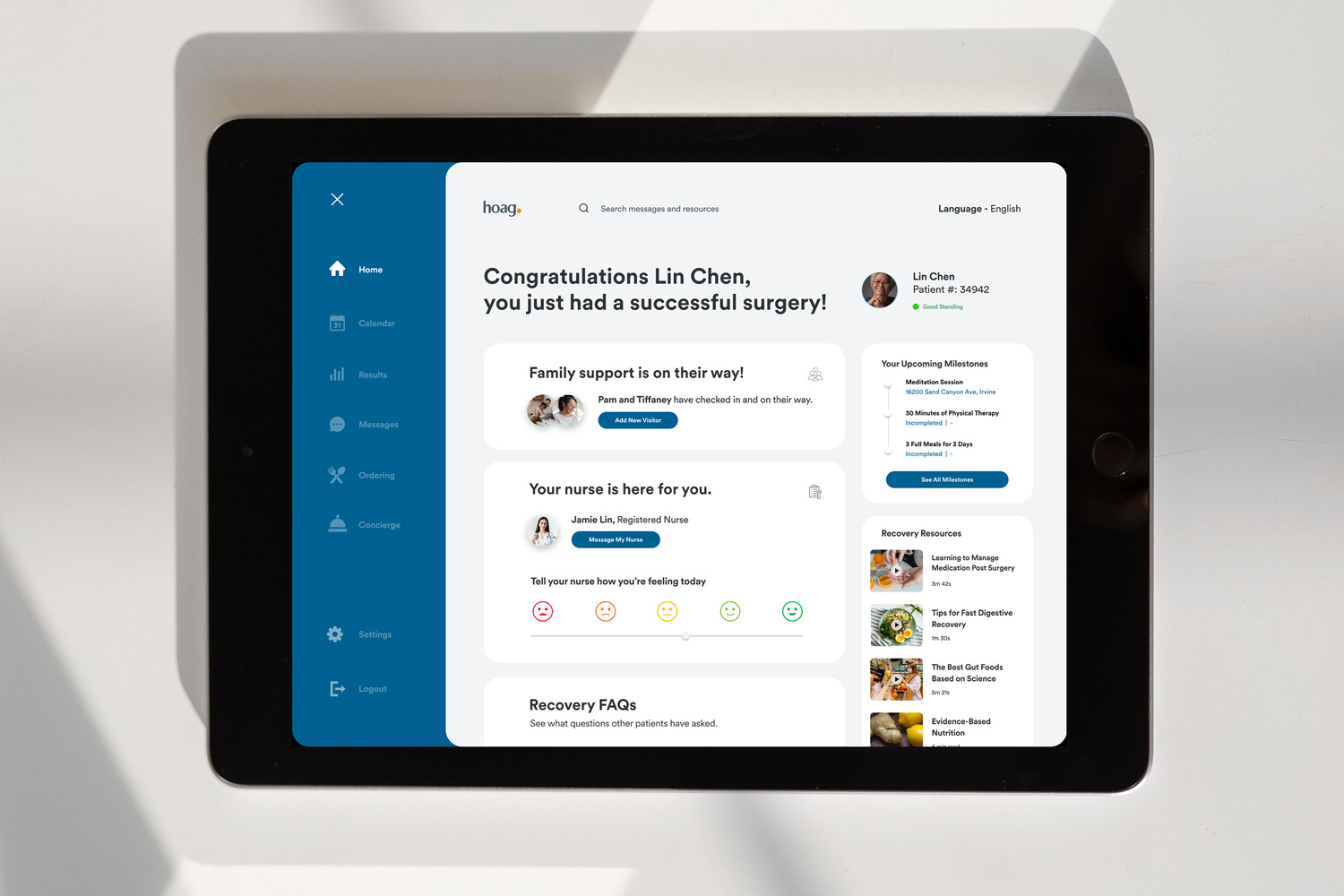
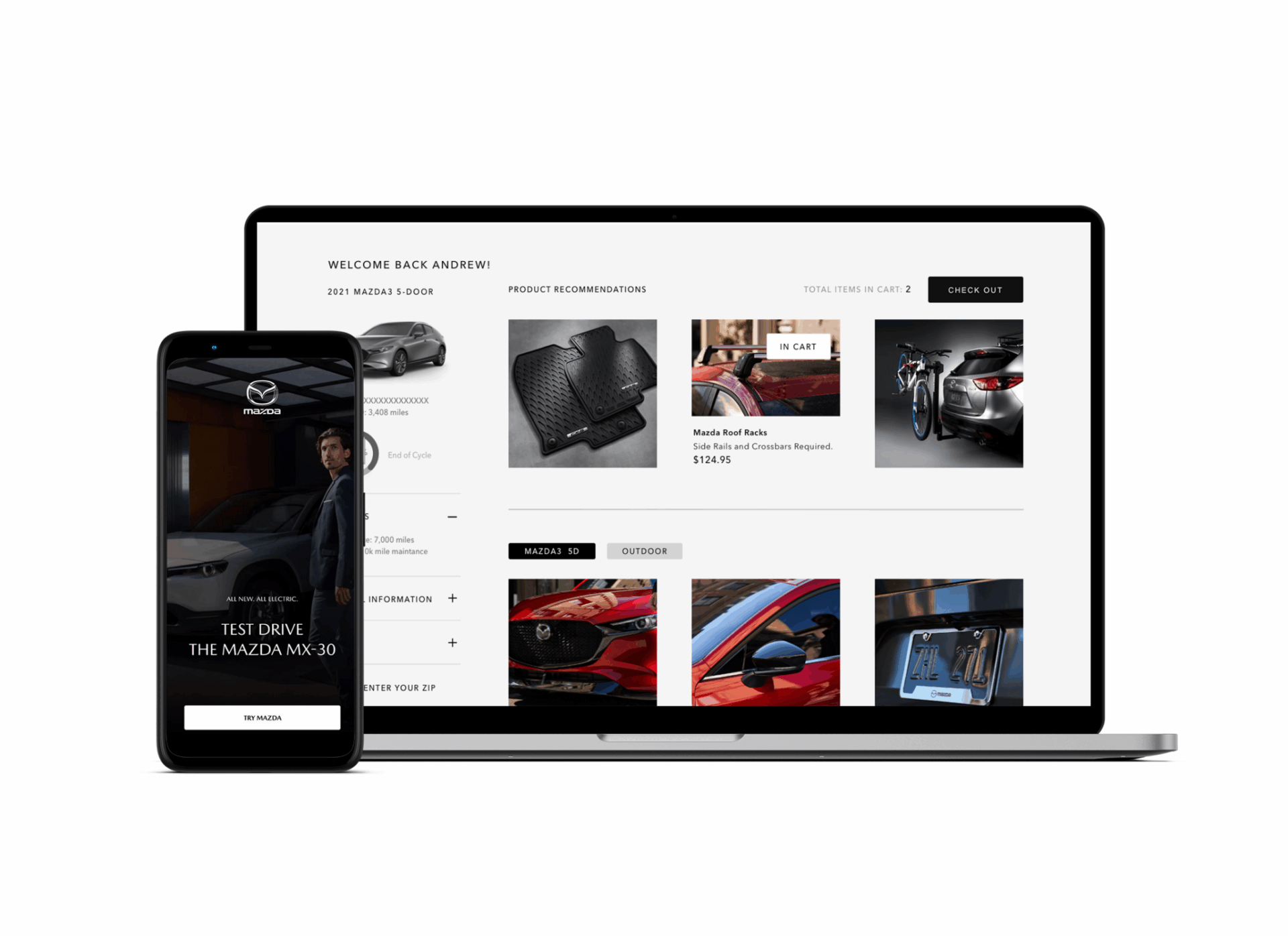
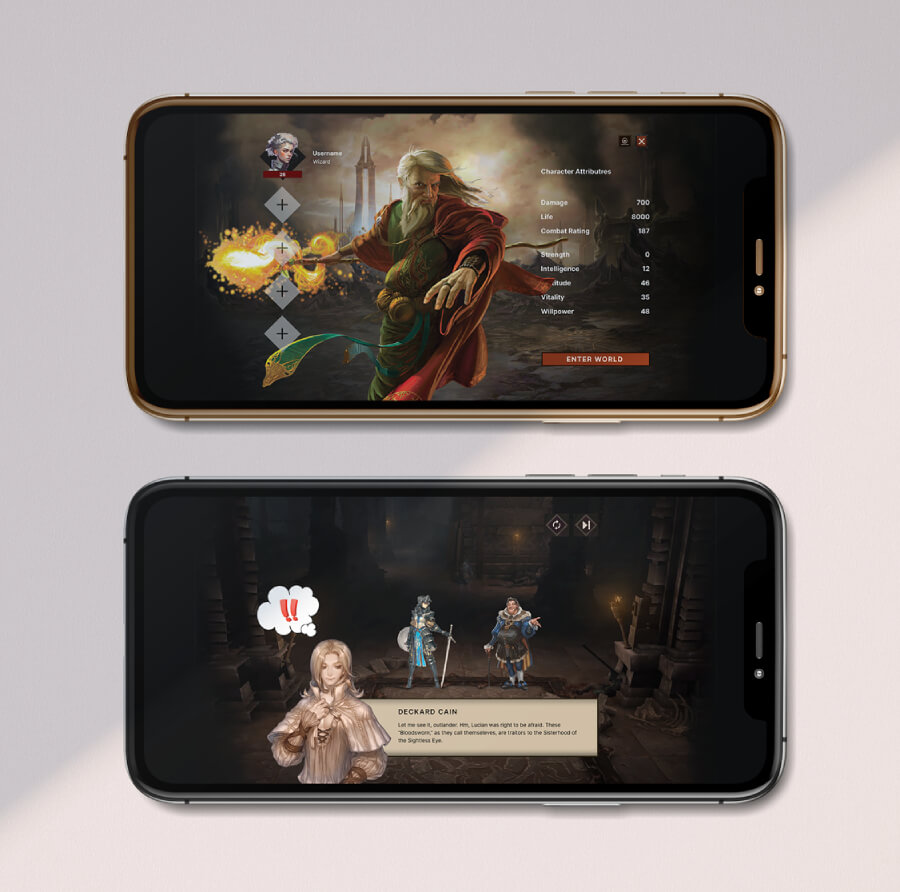
His mission is simple but profound: to empower entrepreneurs and small businesses by offering design and research services tailored to their needs, while also creating new opportunities for collaboration within the industry.

The Services of Collective Engram

Eric offers a wide range of services that cater to businesses and entrepreneurs at different stages of their digital journeys. His primary focus is on final design deliverables for web, applications, and print. Clients can opt for additional research services, but they are not always required.

Here’s a breakdown of the services offered through Collective Engram:

User Research (optional):

  • UXR Research Report
  • Competitive Analysis
  • Personas

Final Designs (Figma, Photoshop, etc.):

  • Visual Design Final
  • Wireframe
  • Interactive Prototype

Design Support:

  • Design System/Components
  • User Journey Flow/Site Map
  • Product Strategy Workshopping
  • Presentation Support
  • Development Support (Hand-Off)

Any new business can benefit from creating an online website or blog for their product, but Collective Engram is especially beneficial for small businesses, entrepreneurs, and startups that need a professional and cohesive online presence.

For larger projects, such as application development or e-commerce platforms, Eric’s product design and research services become particularly valuable. He tailors his approach based on the client’s needs and the goals they wish to achieve with their product.

The Future of Collective Engram

Looking ahead, Eric sees exciting opportunities for Collective Engram. “My main focus is bringing in new clientele and optimizing the workflow process for different client needs,” Eric says. Currently, his primary focus is web design, but he plans to expand into larger-scale projects such as application and product design and large e-commerce platforms.

Eric is also exploring opportunities in industries like healthcare and education, where large-scale data analytics play a crucial role. In addition, he is learning the basics of front-end development to work more seamlessly with developers on future projects.

Connect with Eric

In his efforts to better understand potential clients and their needs, Eric offers free consultations for businesses interested in working with him. You may reach him at: collectiveengram.com