This Grape-Based Soju Brand is Here to Empower Asian-American Spirits - AHN Media Group

Stories

June 26, 2023

SHARE:

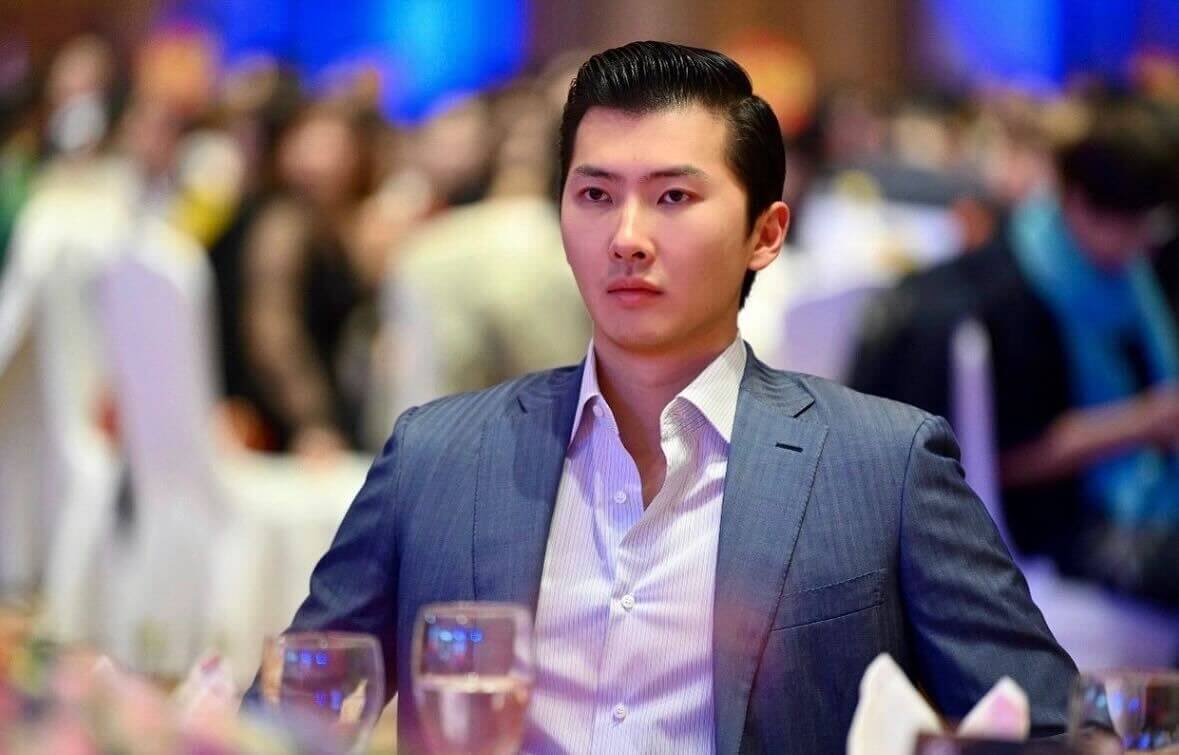
Founded in 2015 by Carolyn Kim, a Korean American mother and non-profit lawyer, Yobo Soju was born out of a desire to create an elegant soju that resonated with evolving lifestyles and refined tastes.

As the first American hand-crafted soju made in the New York Finger Lakes, Yobo quickly gained recognition, winning awards and becoming renowned for its exceptional taste.

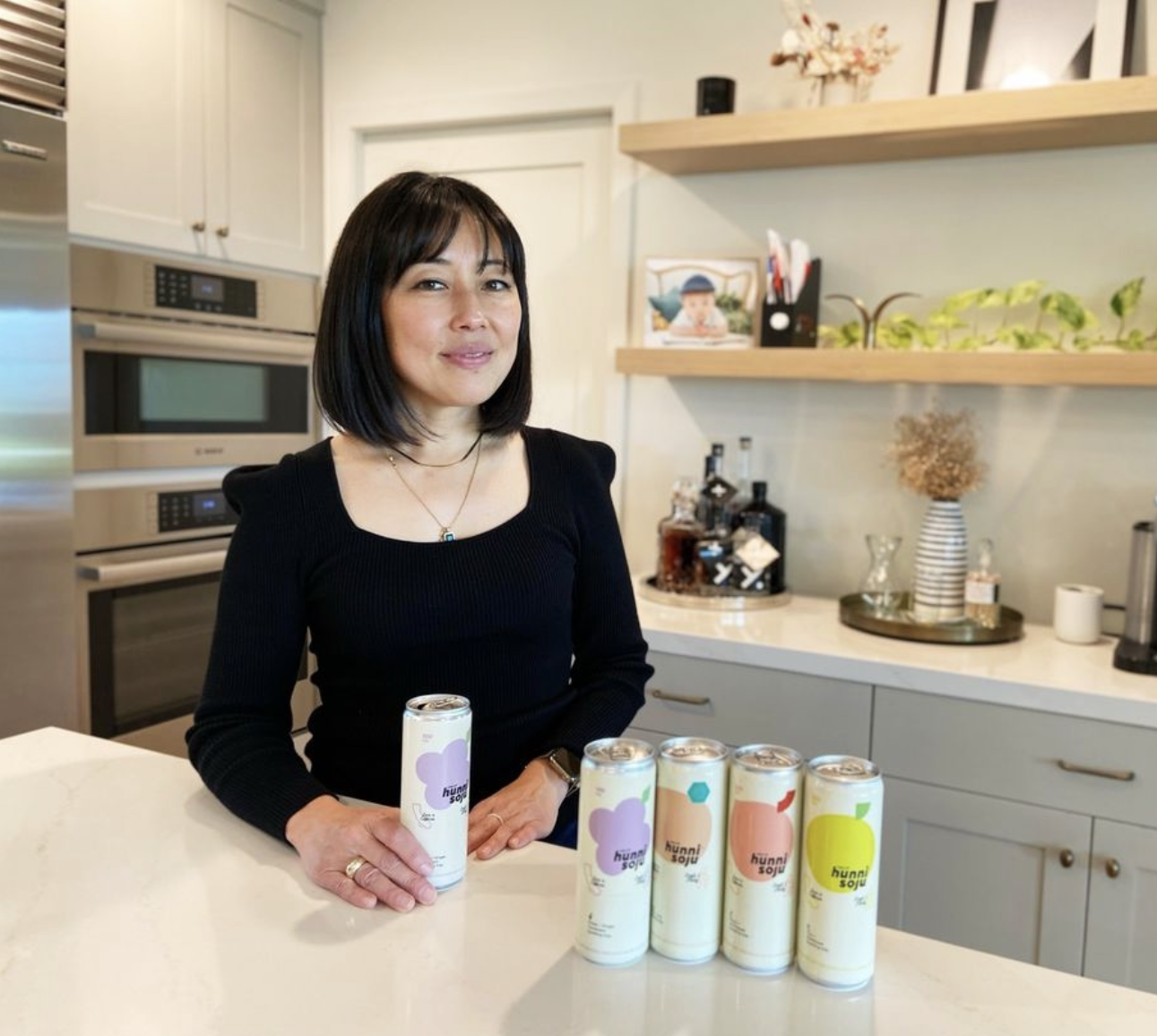
In 2021, John Noe joined the team as an investor and CEO, aiming to propel Carolyn’s vision to new heights. With offerings like Hunni Soju, YoboKish, KTOWN Soju, and Yobo Soju Luxe, they cater to various consumer preferences and occasions, making soju accessible to a wider audience.

Yobo Soju stands out from other brands by choosing to craft their soju from grapes, a departure from the traditional rice-based approach. This unique choice pays homage to Carolyn’s Korean American heritage and the desire to create a more premium and high-quality soju. The result is a velvety smooth liquid with a floral aroma and fruitiness, capturing the attention of cocktail bars and restaurants seeking to elevate their creations.

In an interview with John Noe, he shares his insights into the journey of Yobo Soju and its impact on the spirits market. Join us as we delve deeper into the story behind Yobo Soju and discover the inspiration and passion that drives its success.

HOW YOBO SOJU CAME TO LIFE

Yobo Soju was started in 2015 by Carolyn Kim, a Korean American mother of twins and a non-profit lawyer. At the time, there weren’t many premium soju on the market. While she enjoyed drinking soju in her earlier years, she wanted something that suited her evolving lifestyle and taste.

Carolyn Kim

In a word, she wanted to create a soju that was ‘elegant.’ From that ambition, Yobo Soju was born, the first American hand-crafted soju made in the New York Finger Lakes. Immediately, Yobo won several awards and was touted for being one of the best-tasting soju available. Yobo made its way into top restaurants, cocktail bars, and retail accounts, and was ready to grow. 

In 2021, I joined the team as an investor and CEO to push Carolyn’s vision further. We had a great product and initial distribution but needed to get to the next level. In developing our strategy, we started from the very top and figured we’d work our way down. How do we win over U.S. consumers completely unfamiliar with soju? If we could do that, winning existing soju consumers or lapsed soju consumers would be easy by comparison. From there, the obstacles started to stack.   

Distributor: Will there even be any interest in soju?

Retailer: Where would I even put soju on my shelves?

Bar manager: How do I even serve soju?

Consumer: What is soju? How do I drink it?

Our strategy was to take our single product and to expand into a diverse portfolio that could navigate our obstacles. We created Hunni Soju, a ready-to-drink flavored soju cocktail line, to utilize a more approachable single-serve format. We created YoboKish, a range of unique aperitifs using our soju as its base, to reach mixology enthusiasts at home and at the bar. We created KTOWN soju, a range of all-natural flavored soju made with real fruit juice, as a playful way to drive soju trials in a multi-serve format. And we elevated our original distilled soju, renaming it Yobo Soju Luxe to honor traditional soju making while adding our own Korean American twist. Together, we’ve created a diverse Asian American spirit portfolio that can bring soju to nearly any type of account and occasion.

Together, the portfolio represents a diverse range of Asian American spirits to meet consumers of any level of soju familiarity. Since 2020, Yobo has expanded from 2 SKUs to 18 SKUs and our annual case volume has grown 50x with distribution in over 30 states. The strategy that seemed risky and overly ambitious in 2021 is now beginning to take hold.  

Mass soju is a low-cost product produced at a significant volume that isn’t known for its great taste. But it’s the spirit of Korea, so why couldn’t it be more premium and made of higher quality?

John Noe

USING GRAPES TO CRAFT SOJU

Carolyn was very thoughtful in creating the first Korean American soju. Like her own identity, she wanted to source ingredients that were local to her while paying homage to her history and origin.

At the time, she lived in New York City, and so the idea of using Catawba grapes grown nearby in the Finger Lakes became an interesting choice. There was a disruptive statement to be made as well. In a category dominated by men, how would she represent Korean American women in creating the first soju made in America?

Mass soju is a low-cost product produced at a significant volume that isn’t known for its great taste. But it’s the spirit of Korea, so why couldn’t it be more premium and made of higher quality? Producing soju from grapes resulted in a liquid with a floral aroma, fruitiness, and a velvety smooth finish. Yobo was quickly adopted by cocktail bars and restaurants that wanted to create higher-end cocktails with soju. Consumers lauded its taste and Yobo gained a niche following.

Since then, we moved our operations to California and updated the branding, packaging, and formula for our flagship soju now called Yobo Soju Luxe. The formula change is one we didn’t take lightly. Moving to California not only gave us the ability to source grapes from California but to source rice as well. After much trial and error and countless recipes, we ended up with the current Yobo Soju Luxe formula made from organic wheat, California rice, and California grapes. It’s a blend that combines the best of each of those ingredients giving us a soju that’s impossibly smooth and almost creamy while representing what we believed to be truly Korean American.

PRODUCTION PROCESS AND STANDARDS

The majority of our products are produced in Ventura, California with our distiller.

The process is a labor of love where our formulas are distilled, mixed, and batched by our master distiller. Each bottle is inspected by hand and packed. But the part of the process that’s been the biggest adventure has been the formulation process.

Creating YoboKish, the collaborative name of our venture with Kristen Kish, took almost two years. We started the project with a completely blank canvas and no restrictions. What would a Top Chef winner do? We gave Kristen free rein and the project evolved through several iterations as we experimented with flavors, formats, and concepts. Eventually, we landed on the flavor profile Kristen loves most, bringing contrasting flavors together like bitter and sweet:

  • SHINE – kumquat, rose, and ginger because kumquat is her favorite fruit. 
  • BLISS – sour cherry, pink peppercorn, and licorice because Kristen grew up in Michigan and loved licorice as a kid.
  • EARTH – smoked mushroom umami because she’s a celebrity chef and she flexes.
  • SEOUL – hibiscus, lemon balm, and raw honey because her wife Bianca has a nightly ritual of drinking hibiscus tea in a similar fashion (hence the name, SEOUL for the city where Kristen was born and SOUL for her soulmate, Bianca).

They’re each sweet and bitter, but soft and balanced at the same time. They’re all-natural and have no artificial coloring or flavors. And they provide mixologists with Top Chef-like ingredients to create an array of imaginative cocktails.

Kristen Kish

DIFFERENT OFFERINGS TO CATER DIFFERENT CONSUMER PREFERENCES

There is a distinct ritual to drinking soju.

Its smaller bottles and lower proof allow bottles to be easily consumed among a group of friends. Once a bottle is opened, it’s shared and poured, two hands pour, and two hands receive as it’s passed around the table until it’s empty. At Korean barbeque, singing karaoke, or out clubbing, the occasion for soju is a social one.  

While we want our soju to be a part of all those rituals and occasions, we wanted to design our products for new occasions that would help us cross cultures.

In Yobo Soju Luxe, we wanted to create a celebratory bottle and liquid, one that could be gifted as a present or opened to commemorate an accomplishment.

In YoboKish, we wanted to create a ‘professional’ product for more advanced mixologists and cocktail enthusiasts.

In Hunni Soju, we wanted a format that would be conducive for trial, a single-serve, easy-to-drink, flavored soju that people could grab and go – to the beach, a picnic, golfing, and more.

And in KTOWN Soju, we wanted to take everything we’ve ever loved about eating and drinking in Korea town and take the experience of KTOWN to wherever the bottle goes. In fact, the design of the glass is made to look like a flask and the liquid is fruity, sweet, and welcoming to any first-time soju drinker.

WHAT SETS YOBO SOJU APART

Most people don’t realize that soju is the largest-selling spirit in the world by volume, outselling vodka, tequila, and whiskey in total cases. Despite its market size, most soju on the market are very similar – inexpensive liquid housed in small green bottles.

It wasn’t until more recently that more premium soju products arrived. But what makes our full line of products unique is our identity as a Korean American company and brand. There’s a generational shift in thinking about what soju could be in the United States and we intend to produce soju that is as beautifully designed as any other spirit you’d find on the shelf and of the highest quality.

Our glass is custom. Our liquid is all-natural and free from artificial coloring, flavors, or sweeteners. While we do our best to communicate our differences through our marketing communications, the best proof is when somebody tries our soju. If you’ve had other soju before, the difference is unmistakable.

JOHN’S GOALS AND VISION FOR YOBO SOJU

I started as CEO in 2021 and since then we’ve accomplished so much. The business has grown 50x in annual case volume with the expansion of its portfolio and is now distributed in more than 30 states. We’re about to launch major brand collaborations and product integration in the upcoming Joyride movie by Adele Lim.

We’ve poured at places like the Sundance Film Festival and Food & Wine Classic in Aspen. But beyond the business milestones, I believe what we’re doing is significant and will spark the imagination of others to follow. 

Our mission has been to elevate the Korean American spirit by breaking boundaries, from the way we think about the liquid that constitutes soju to the communities we aim to reach. The world doesn’t need another tequila or vodka and yet much of the industry only sees opportunities in large, established markets.

As a Korean American, I know the power of the minority mindset and the impact that can be made by a few. Small is where everyone starts. We had two events just recently, a pride event at a fashion/design studio called Bobblehaus where we showcased KTOWN soju, and Food & Wine in Aspen where we showcased Kristen Kish’s aperitifs.

It was such an amazing experience pouring our drinks for people, explaining soju, introducing our products, and seeing everyone’s reactions. Some might overlook Asian American spirits right now because of its market size or lack of movie star endorsers, but from the view down here, we see a community building around us filled with faces of every identity and color sharing and enjoying soju with us.

John Noe

THE IMPACT OF YOBO SOJU

The greatest impact Yobo has had is its personal impact on me.

I grew up in a small town in Texas and our family was the first Korean family in our neighborhood. When we arrived, the community of Korean Americans in my elementary school was limited to me and my brother (for the one year we overlapped). For most of my life, I struggled with my own Korean American identity and felt like I needed to find ways to be less ‘Korean’ to succeed.

I’ve had an entrepreneurial career having built and sold an advertising agency before Yobo in an industry where just like my elementary school, I was only one of a few Asian Americans along with my Chinese American partner. We built the agency up and sold it to a French holding company where we continued to grow the business. In that time, we worked with mass, established, ‘American’ brands that played very little in contributing to Asian American identity and culture. We were successful by all business standards, but regretfully, we contributed very little to our Asian American community.

At the time of joining Yobo as its CEO, the stories of hate crimes against Asian Americans started to surface. Here I am, a Korean American CEO of a Korean American company amidst a breakout of hatred toward a community I rarely embraced. It was the unfortunate wake-up call I required to find pride in my identity and to take more roles in paving the way for other Asian Americans more seriously. My Yobo journey has been profound, and instead of hiding my Korean-ness, I’m now on a mission to share it.

We have a few things lined up that I’m excited to share and announce. Beyond launching products and selling them into accounts, we’re here to make a statement. The Yobo organization is very small, a minority among minorities, but we believe we’ll make an outsized impact.

CONNECT WITH YOBO SOJU

Instagram: @yobosoju

Website: yobosoju.com
Related Articles

1-png

Stories

ChargerGoGo’s Next Chapter: GoGoSpark Brings AI-Powered Entrepreneurship to the Future of Work

ChargerGoGo built its nationwide phone charging network by betting on everyday entrepreneurs.

That bet is paying off. In 2026, ChargerGoGo landed at No. 744 on the Inc. 5000 (top 15%), No.5 in Las Vegas, and No.41 in AI and Data industry, the annual ranking of the fastest-growing private companies in America, after reporting 467% revenue growth over three years.

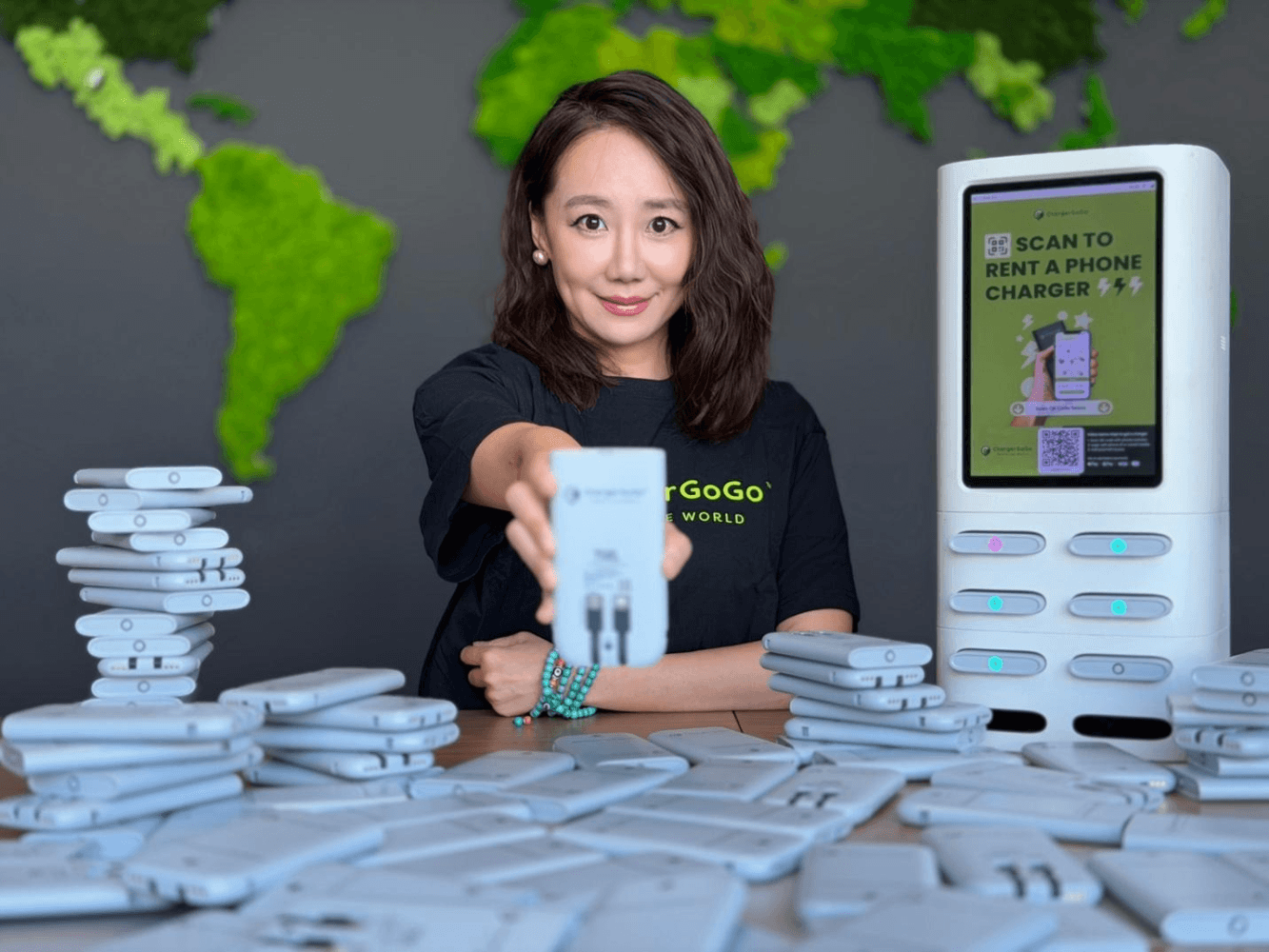
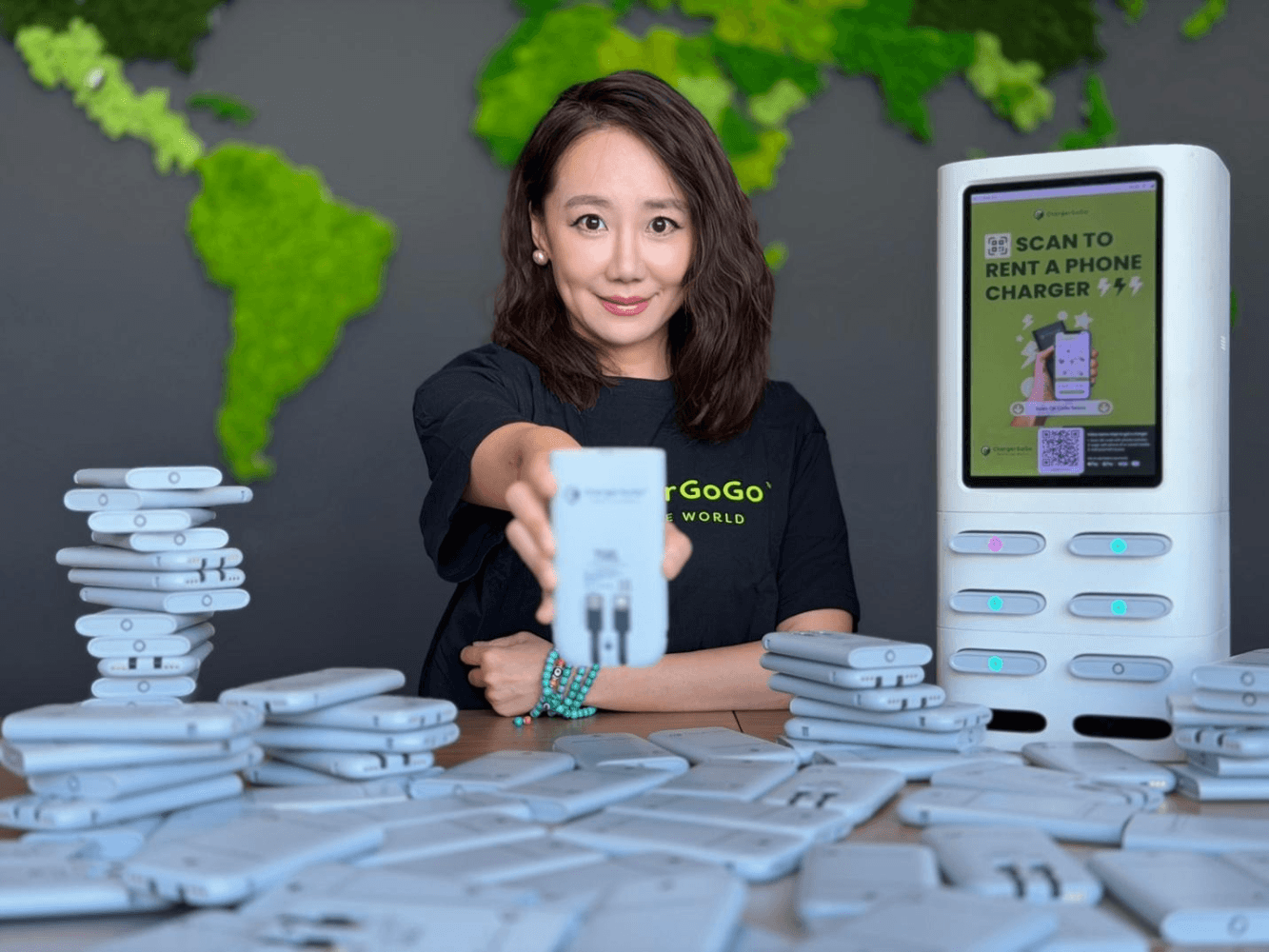
Led by founder and CEO June Zhu, the company has spent years helping local operators build businesses through its charging network. With GoGoSpark, it’s bringing AI into the picture.

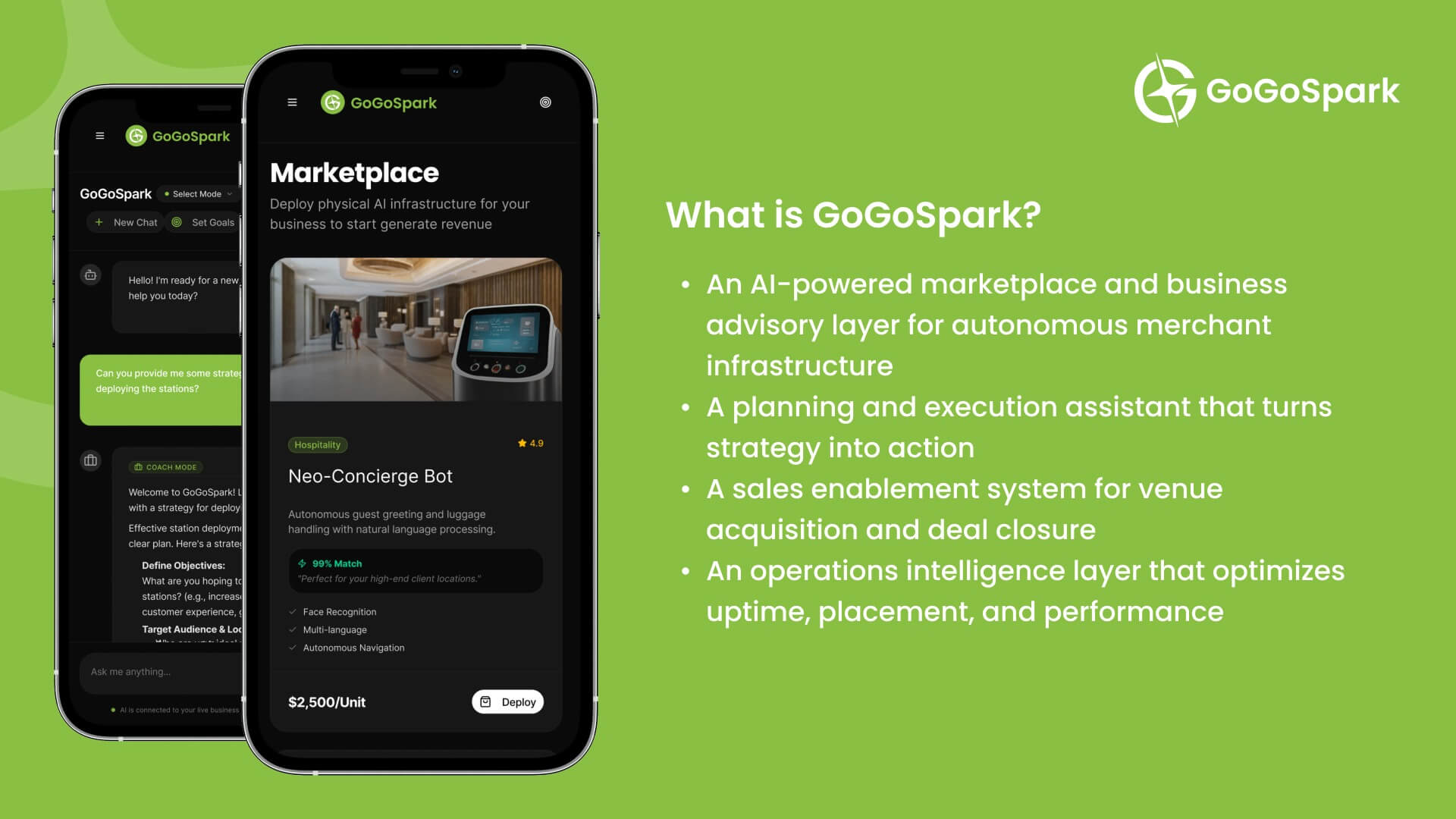
Launched at CES 2026, GoGoSpark is ChargerGoGo’s AI-powered business copilot and operations assistant, built to help operators handle the day-to-day work of running and growing their businesses.

What Does GoGoSpark Actually Do?

As AI reshapes the workforce, the next economic opportunity is not only about making employees more productive, it is about giving more people the tools to become business owners.

GoGoSpark was built around that mission.

ChargerGoGo believes the future of work will include a growing number of people, across both white-collar and blue-collar professions, who want to build independent income, own productive assets, and operate businesses of their own. But becoming an entrepreneur requires far more than capital or a good idea. New business owners need help with sales, operations, financial decisions, technology, strategy, and the hundreds of decisions that come with running a company.

GoGoSpark is designed to put that capability in their pocket.

Serving as an AI-powered COO and business mentor available 24/7, GoGoSpark can help entrepreneurs analyze performance, identify opportunities, improve sales, troubleshoot operational issues, understand financial decisions, and determine what actions to take next.

The vision extends beyond operating ChargerGoGo stations. ChargerGoGo is building GoGoSpark as an intelligent business platform that can lower the barriers to entrepreneurship and help everyday people transition from employees into capable, technology-enabled business owners.

In an economy increasingly shaped by AI and automation, ChargerGoGo believes AI should not simply replace work. It should help more people create, own, and participate in the businesses of the future.

GoGoSpark does not replace the entrepreneur. It gives the entrepreneur a COO, an advisor, and a mentor in their pocket—so they can make better decisions and build with greater confidence.

Five Years in the Making

GoGoSpark came out of five years of working directly with thousands of operators, partners, and small business owners.

Over that time, ChargerGoGo saw the same kinds of questions come up again and again: How do I sell this better? Why is one location outperforming another? What should I focus on next? How can I run this more efficiently?

Those real-world questions helped shape what GoGoSpark became.

Rather than building AI for the sake of having AI, ChargerGoGo built a tool around the work its operators were already doing.

As Zhu said when the platform launched, “GoGoSpark is built to be a business co-pilot, helping operators learn faster, operate smarter, and participate in the post-work economy.”

The Bigger Goal Behind GoGoSpark

The Inc. 5000 ranking is a milestone for ChargerGoGo, but Zhu has been clear that she wants the company’s growth to reach beyond ChargerGoGo itself.

When the ranking was announced, she pointed to a bigger goal: giving ChargerGoGo’s Distribution Partners the technology, infrastructure, business model, and support to grow companies of their own.

She even said she hopes to one day see those entrepreneurs make the Inc. 5000 themselves.

GoGoSpark is one way ChargerGoGo is trying to make that happen.

As AI becomes part of how companies sell, analyze data, plan, and operate, smaller business owners risk being left with fewer resources to compete. GoGoSpark brings some of those capabilities directly to the people running businesses on the ground.

ChargerGoGo’s acceptance into the NVIDIA Inception Program also marks another step in that direction as the company continues developing its AI technology.

“The future belongs to those who engage with their AI,” Zhu said at CES 2026. “Our mission is to make sure everyone has that chance.”

ChargerGoGo made the Inc. 5000 this year. If its operators eventually start appearing on that list too, GoGoSpark may have played a part in getting them there.

Discover how GoGoSpark is helping entrepreneurs grow smarter.

📍Website

image-png

Stories

The Day a Las Vegas Slot Machine Changed June Zhu’s Vision for Entrepreneurship

When June Zhu immigrated to the United States, she wasn’t chasing certainty.

She was chasing the possibility.

Like millions of immigrants before her, she believed in something uniquely American: that regardless of where someone came from, if they worked hard, solved real problems, and created value for others, they could build a better future.

That belief led her to found ChargerGoGo.

At first glance, ChargerGoGo looks like a portable phone charging company. Today, its network spans more than 6,000 locations across all 50 states, serving more than one million users.

But ask June what business she’s really building, and her answer is unexpected.

“I’m not trying to just build the biggest charging network,” she says. “I’m trying to build one of the largest entrepreneurship platforms.”

The Question Every Founder Faces

That vision wasn’t obvious in the beginning.

Like countless founders, June spent years trying to answer the same question that keeps entrepreneurs awake at night:

How do you build something nationally without billions of dollars from venture capital?

Every new market required more equipment.

Every new customer required more investment.

Growth always seemed tied to raising more capital.

The Las Vegas Moment

Then one ordinary afternoon in Las Vegas, while talking with her team, she witnessed something that unexpectedly gave her a new perspective.

A few teammates each pulled a small amount of cash from their wallets and decided to play a slot machine together.

Nobody risked very much.

If they lost, the downside was limited to a few hundred dollars each. But if they won, everyone shared in a prize far greater than they could have won individually.

“It wasn’t about the slot machine,” June recalls with a smile. “It was about the ownership.”

She watched people willingly contribute because everyone had a stake in the outcome.

At that moment, the question in her mind changed.

Instead of asking, “How can I raise enough money to own every charging station?”

She started asking, “Why should I own them all?”

What if every charging station could become an income-producing asset for a local entrepreneur?

That idea transformed ChargerGoGo.

Rather than building a company that owned every charging station, June built a platform where local entrepreneurs could own, operate, and grow businesses under a shared brand.

Every charging station became more than hardware. It became an opportunity for someone to build recurring income and grow a business within their own community.

Building an Entrepreneurship Platform

For June, that model reflects something she has admired since arriving in America.

“The greatest strength of this country isn’t just innovation,” she says. “It’s that ordinary people have the opportunity to become builders.”

Instead of measuring success solely by the size of the network, she measures it by how many entrepreneurs it helps create.

Through ChargerGoGo’s distribution partner model, local business owners can build recurring income while expanding the company’s nationwide footprint. As the platform grows, so does the number of entrepreneurs building businesses of their own.

Why Ownership Matters More Than Ever

That belief feels even more relevant as artificial intelligence reshapes the global workforce.

While much of the conversation focuses on jobs disappearing, June believes the more important conversation is about creating more owners.

“The future shouldn’t belong only to companies with the most capital or the most powerful AI,” she says. “Technology should lower the barriers for everyday people to own businesses, generate wealth, and create opportunities for their families.”

That’s why she believes entrepreneurship is becoming more important, not less.

Her vision extends far beyond portable charging.

She imagines a future where platforms, AI, and connected infrastructure allow millions of people to own income-producing businesses that once required millions of dollars to build.

Redefining the American Dream

For June, that’s what the American Dream has always meant.

Not that success is guaranteed.

But that ownership is possible.

Today, when people ask what ChargerGoGo does, she could talk about charging stations, technology, or nationwide expansion.

Instead, she prefers a simpler answer.

“We’re building a platform that helps more people become entrepreneurs.”

Because in the end, June Zhu isn’t trying to build a billion-dollar company.

She’s trying to help build thousands of million-dollar entrepreneurs.

Perhaps that’s the most powerful way to measure success: not by how much one person owns, but by how many owners they help create.

Learn more about ChargerGoGo here:

📍Website

image-png

Stories

How Stephanie Lau Jensen Turned a Personal Identity Journey Into CULTR, a Marketplace for Cultural Brands

Stephanie Lau Jensen grew up between Hawaii and California. Like many Asian American kids raised in predominantly non-Asian communities, she learned early how to move between worlds. Parts of her culture stayed in the background, not because she pushed them away, but because the environment made it easier to leave them there.

She later returned to Hawaii for college, where her father is originally from. Being there placed her in a community where Asian culture was woven into daily life through food, language, and family traditions. It was not a rediscovery, it was a reminder of what had always been hers.

Years later, as a mother of three and a founder with a background in commercial real estate investing, she built CULTR, short for Created for Culture. A curated marketplace for AAPI  and third-culture families raising kids between cultures, one that makes cultural products easy to find and part of everyday life, not just special occasions.

A Birthday Conversation That Changed Everything

The idea for CULTR took shape at one of Stephanie’s birthday gatherings. She was talking with a close friend about identity and culture when a childhood friend overheard the conversation and joked that Stephanie used to be one of them before she moved to Hawaii and really leaned into her Asian side.

Everyone laughed. Stephanie included. But the comment stayed. It put words to something she had been sitting with for years. Culture is not something that automatically transfers to the next generation. It has to be lived daily. If it is not in the house on a regular Tuesday, it probably is not there at all.

When she became a mother and started looking for books, clothing, and toys that reflected her culture, she saw the problem clearly. The products existed. The founders were there, but their work was scattered across small websites and Instagram pages, invisible to most families who needed them.

The Platform She Wished Had Existed

Stephanie’s background in real estate investing trained her to look closely at markets and recognize opportunity gaps. As she continued discovering founder-led cultural brands online, she saw a clear problem: families who wanted these products had no easy way to find them.

That realization led her to build CULTR, a curated marketplace that brings modern cultural brands from around the world into one central destination. The platform highlights independent founders, many from Asian and immigrant communities, whose products carry culture through everyday objects, from children’s books to home goods, apparel, even everyday products you would have never known were made by AAPI makers. With a refined, modern aesthetic, CULTR presents these brands in a way that feels contemporary, approachable, and deeply connected to heritage.

Building CULTR came with its own challenges because the platform did not fit neatly into an existing category. It sits somewhere between a retail marketplace and a cultural storytelling platform, which meant Stephanie had to develop the platform while also helping people understand the vision behind it.

Bringing Culture Into Everyday Family Life

For Stephanie, culture often lives in the smallest everyday objects. A children’s book written in the language your grandparents spoke, a toy tied to tradition, or a piece of clothing that carries a story can shape how the next generation understands identity and belonging.

Alongside CULTR, she is also building PenPals Collective, a project designed to spark global curiosity and connection for children, and launching a podcast called Series M that explores career, motherhood, and identity. Each project reflects her interest in connecting people across culture, family, and generation.

Through each project, and while raising three young children, Stephanie continues working toward the same goal: creating spaces where culture is not something people rediscover later in life, but something families live with every day.

Learn more about CULTR here:

📍Website

2

Stories

Billionaire Heir Enters Wall Street’s Hottest Trade With $480B in Assets

Andre Koo Jr. isn’t just inheriting a financial empire, he’s also reshaping what it looks like in a new era of investing. 

From Taiwan to New York, his latest move brings a centuries-old legacy into one of Wall Street’s fastest-growing spaces. 

With K8 Capital, he’s betting that the future of wealth lies in doing more than just one thing well.

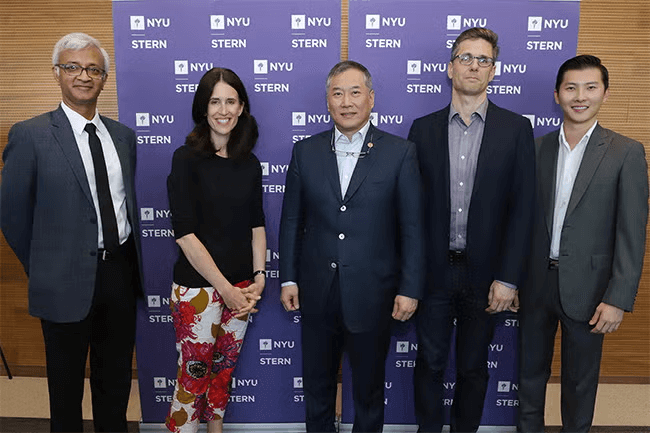
Image Source: NYU Stern

Building on a Financial Legacy

Andre Koo Jr. grew up in one of Taiwan’s most influential banking families, where scale and stability defined success. Today, that legacy spans a $16 billion family fortune and control of $480 billion in assets. But instead of staying within that system, he’s building something that looks very different.

K8 Capital, his new firm based in New York, is designed to be more flexible and forward-looking. It’s launching with a debut fund of at least $50 million, with a $500,000 minimum that signals who it’s built for. The focus is on US companies, along with early bets on AI and enterprise software, areas where growth is still taking shape.

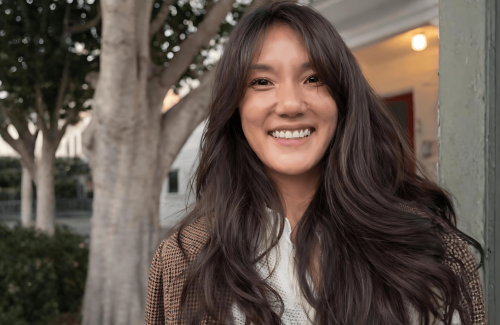
Image Source: Sally Ride Science

A Dual Investment Approach

K8 is a fully integrated hybrid private credit and venture capital firm, combining short-duration, high-yield credit investments with long-term venture growth. Its dual strategy is designed to deliver both liquidity and capital appreciation, giving investors access to predictable income while still capturing venture upside.

What sets K8 apart is how it brings two distinct investment styles into one platform. It focuses on short-term credit deals that can generate returns relatively quickly, while also investing in startups that may take years to mature but offer strong long-term potential. This allows investors to earn steady income today while staying exposed to the companies shaping the future.

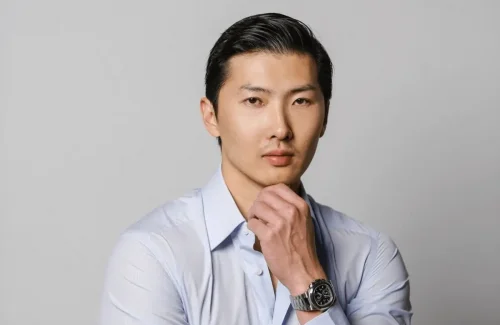
Image Source: @andrejrkoo (Instagram)

Entering a Rapidly Growing Market

Private credit has quietly grown into a market worth more than $1.5 trillion, as companies look beyond traditional banks for funding. Wealthy families like the Koos are moving in, seeing an opportunity to lend directly and capture higher returns.

K8 is already showing early signs of traction, with reported returns of at least 50 percent from short-term loans to US businesses. But for Andre, this isn’t just about performance. It’s also about carrying forward a legacy that began nearly 200 years ago with his ancestor Koh Lay Huan, while making sure it still matters in a very different financial world.

Learn more about K8 Capital here:

📍Website