Stories

June 26, 2023

SHARE:

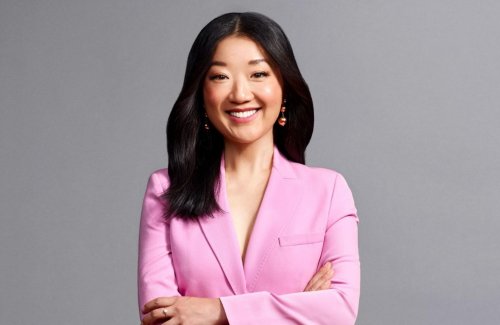
Founded in 2015 by Carolyn Kim, a Korean American mother and non-profit lawyer, Yobo Soju was born out of a desire to create an elegant soju that resonated with evolving lifestyles and refined tastes.

As the first American hand-crafted soju made in the New York Finger Lakes, Yobo quickly gained recognition, winning awards and becoming renowned for its exceptional taste.

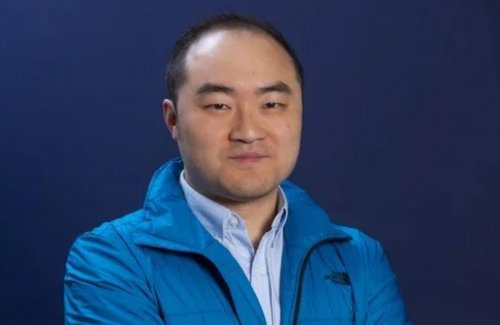
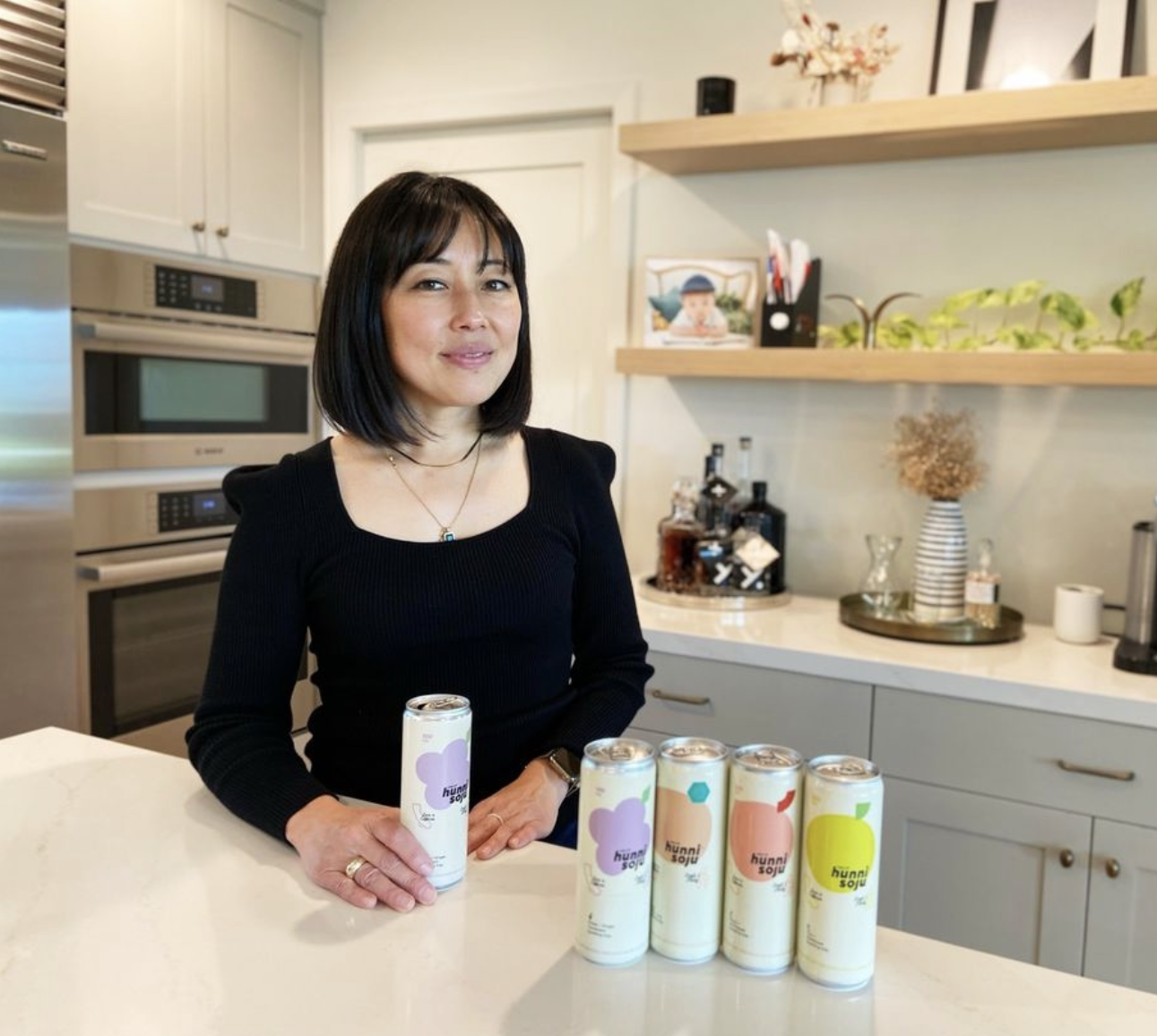
In 2021, John Noe joined the team as an investor and CEO, aiming to propel Carolyn’s vision to new heights. With offerings like Hunni Soju, YoboKish, KTOWN Soju, and Yobo Soju Luxe, they cater to various consumer preferences and occasions, making soju accessible to a wider audience.

Yobo Soju stands out from other brands by choosing to craft their soju from grapes, a departure from the traditional rice-based approach. This unique choice pays homage to Carolyn’s Korean American heritage and the desire to create a more premium and high-quality soju. The result is a velvety smooth liquid with a floral aroma and fruitiness, capturing the attention of cocktail bars and restaurants seeking to elevate their creations.

In an interview with John Noe, he shares his insights into the journey of Yobo Soju and its impact on the spirits market. Join us as we delve deeper into the story behind Yobo Soju and discover the inspiration and passion that drives its success.

HOW YOBO SOJU CAME TO LIFE

Yobo Soju was started in 2015 by Carolyn Kim, a Korean American mother of twins and a non-profit lawyer. At the time, there weren’t many premium soju on the market. While she enjoyed drinking soju in her earlier years, she wanted something that suited her evolving lifestyle and taste.

Carolyn Kim

In a word, she wanted to create a soju that was ‘elegant.’ From that ambition, Yobo Soju was born, the first American hand-crafted soju made in the New York Finger Lakes. Immediately, Yobo won several awards and was touted for being one of the best-tasting soju available. Yobo made its way into top restaurants, cocktail bars, and retail accounts, and was ready to grow. 

In 2021, I joined the team as an investor and CEO to push Carolyn’s vision further. We had a great product and initial distribution but needed to get to the next level. In developing our strategy, we started from the very top and figured we’d work our way down. How do we win over U.S. consumers completely unfamiliar with soju? If we could do that, winning existing soju consumers or lapsed soju consumers would be easy by comparison. From there, the obstacles started to stack.   

Distributor: Will there even be any interest in soju?

Retailer: Where would I even put soju on my shelves?

Bar manager: How do I even serve soju?

Consumer: What is soju? How do I drink it?

Our strategy was to take our single product and to expand into a diverse portfolio that could navigate our obstacles. We created Hunni Soju, a ready-to-drink flavored soju cocktail line, to utilize a more approachable single-serve format. We created YoboKish, a range of unique aperitifs using our soju as its base, to reach mixology enthusiasts at home and at the bar. We created KTOWN soju, a range of all-natural flavored soju made with real fruit juice, as a playful way to drive soju trials in a multi-serve format. And we elevated our original distilled soju, renaming it Yobo Soju Luxe to honor traditional soju making while adding our own Korean American twist. Together, we’ve created a diverse Asian American spirit portfolio that can bring soju to nearly any type of account and occasion.

Together, the portfolio represents a diverse range of Asian American spirits to meet consumers of any level of soju familiarity. Since 2020, Yobo has expanded from 2 SKUs to 18 SKUs and our annual case volume has grown 50x with distribution in over 30 states. The strategy that seemed risky and overly ambitious in 2021 is now beginning to take hold.  

Mass soju is a low-cost product produced at a significant volume that isn’t known for its great taste. But it’s the spirit of Korea, so why couldn’t it be more premium and made of higher quality?

John Noe

USING GRAPES TO CRAFT SOJU

Carolyn was very thoughtful in creating the first Korean American soju. Like her own identity, she wanted to source ingredients that were local to her while paying homage to her history and origin.

At the time, she lived in New York City, and so the idea of using Catawba grapes grown nearby in the Finger Lakes became an interesting choice. There was a disruptive statement to be made as well. In a category dominated by men, how would she represent Korean American women in creating the first soju made in America?

Mass soju is a low-cost product produced at a significant volume that isn’t known for its great taste. But it’s the spirit of Korea, so why couldn’t it be more premium and made of higher quality? Producing soju from grapes resulted in a liquid with a floral aroma, fruitiness, and a velvety smooth finish. Yobo was quickly adopted by cocktail bars and restaurants that wanted to create higher-end cocktails with soju. Consumers lauded its taste and Yobo gained a niche following.

Since then, we moved our operations to California and updated the branding, packaging, and formula for our flagship soju now called Yobo Soju Luxe. The formula change is one we didn’t take lightly. Moving to California not only gave us the ability to source grapes from California but to source rice as well. After much trial and error and countless recipes, we ended up with the current Yobo Soju Luxe formula made from organic wheat, California rice, and California grapes. It’s a blend that combines the best of each of those ingredients giving us a soju that’s impossibly smooth and almost creamy while representing what we believed to be truly Korean American.

PRODUCTION PROCESS AND STANDARDS

The majority of our products are produced in Ventura, California with our distiller.

The process is a labor of love where our formulas are distilled, mixed, and batched by our master distiller. Each bottle is inspected by hand and packed. But the part of the process that’s been the biggest adventure has been the formulation process.

Creating YoboKish, the collaborative name of our venture with Kristen Kish, took almost two years. We started the project with a completely blank canvas and no restrictions. What would a Top Chef winner do? We gave Kristen free rein and the project evolved through several iterations as we experimented with flavors, formats, and concepts. Eventually, we landed on the flavor profile Kristen loves most, bringing contrasting flavors together like bitter and sweet:

  • SHINE – kumquat, rose, and ginger because kumquat is her favorite fruit. 
  • BLISS – sour cherry, pink peppercorn, and licorice because Kristen grew up in Michigan and loved licorice as a kid.
  • EARTH – smoked mushroom umami because she’s a celebrity chef and she flexes.
  • SEOUL – hibiscus, lemon balm, and raw honey because her wife Bianca has a nightly ritual of drinking hibiscus tea in a similar fashion (hence the name, SEOUL for the city where Kristen was born and SOUL for her soulmate, Bianca).

They’re each sweet and bitter, but soft and balanced at the same time. They’re all-natural and have no artificial coloring or flavors. And they provide mixologists with Top Chef-like ingredients to create an array of imaginative cocktails.

Kristen Kish

DIFFERENT OFFERINGS TO CATER DIFFERENT CONSUMER PREFERENCES

There is a distinct ritual to drinking soju.

Its smaller bottles and lower proof allow bottles to be easily consumed among a group of friends. Once a bottle is opened, it’s shared and poured, two hands pour, and two hands receive as it’s passed around the table until it’s empty. At Korean barbeque, singing karaoke, or out clubbing, the occasion for soju is a social one.  

While we want our soju to be a part of all those rituals and occasions, we wanted to design our products for new occasions that would help us cross cultures.

In Yobo Soju Luxe, we wanted to create a celebratory bottle and liquid, one that could be gifted as a present or opened to commemorate an accomplishment.

In YoboKish, we wanted to create a ‘professional’ product for more advanced mixologists and cocktail enthusiasts.

In Hunni Soju, we wanted a format that would be conducive for trial, a single-serve, easy-to-drink, flavored soju that people could grab and go – to the beach, a picnic, golfing, and more.

And in KTOWN Soju, we wanted to take everything we’ve ever loved about eating and drinking in Korea town and take the experience of KTOWN to wherever the bottle goes. In fact, the design of the glass is made to look like a flask and the liquid is fruity, sweet, and welcoming to any first-time soju drinker.

WHAT SETS YOBO SOJU APART

Most people don’t realize that soju is the largest-selling spirit in the world by volume, outselling vodka, tequila, and whiskey in total cases. Despite its market size, most soju on the market are very similar – inexpensive liquid housed in small green bottles.

It wasn’t until more recently that more premium soju products arrived. But what makes our full line of products unique is our identity as a Korean American company and brand. There’s a generational shift in thinking about what soju could be in the United States and we intend to produce soju that is as beautifully designed as any other spirit you’d find on the shelf and of the highest quality.

Our glass is custom. Our liquid is all-natural and free from artificial coloring, flavors, or sweeteners. While we do our best to communicate our differences through our marketing communications, the best proof is when somebody tries our soju. If you’ve had other soju before, the difference is unmistakable.

JOHN’S GOALS AND VISION FOR YOBO SOJU

I started as CEO in 2021 and since then we’ve accomplished so much. The business has grown 50x in annual case volume with the expansion of its portfolio and is now distributed in more than 30 states. We’re about to launch major brand collaborations and product integration in the upcoming Joyride movie by Adele Lim.

We’ve poured at places like the Sundance Film Festival and Food & Wine Classic in Aspen. But beyond the business milestones, I believe what we’re doing is significant and will spark the imagination of others to follow. 

Our mission has been to elevate the Korean American spirit by breaking boundaries, from the way we think about the liquid that constitutes soju to the communities we aim to reach. The world doesn’t need another tequila or vodka and yet much of the industry only sees opportunities in large, established markets.

As a Korean American, I know the power of the minority mindset and the impact that can be made by a few. Small is where everyone starts. We had two events just recently, a pride event at a fashion/design studio called Bobblehaus where we showcased KTOWN soju, and Food & Wine in Aspen where we showcased Kristen Kish’s aperitifs.

It was such an amazing experience pouring our drinks for people, explaining soju, introducing our products, and seeing everyone’s reactions. Some might overlook Asian American spirits right now because of its market size or lack of movie star endorsers, but from the view down here, we see a community building around us filled with faces of every identity and color sharing and enjoying soju with us.

John Noe

THE IMPACT OF YOBO SOJU

The greatest impact Yobo has had is its personal impact on me.

I grew up in a small town in Texas and our family was the first Korean family in our neighborhood. When we arrived, the community of Korean Americans in my elementary school was limited to me and my brother (for the one year we overlapped). For most of my life, I struggled with my own Korean American identity and felt like I needed to find ways to be less ‘Korean’ to succeed.

I’ve had an entrepreneurial career having built and sold an advertising agency before Yobo in an industry where just like my elementary school, I was only one of a few Asian Americans along with my Chinese American partner. We built the agency up and sold it to a French holding company where we continued to grow the business. In that time, we worked with mass, established, ‘American’ brands that played very little in contributing to Asian American identity and culture. We were successful by all business standards, but regretfully, we contributed very little to our Asian American community.

At the time of joining Yobo as its CEO, the stories of hate crimes against Asian Americans started to surface. Here I am, a Korean American CEO of a Korean American company amidst a breakout of hatred toward a community I rarely embraced. It was the unfortunate wake-up call I required to find pride in my identity and to take more roles in paving the way for other Asian Americans more seriously. My Yobo journey has been profound, and instead of hiding my Korean-ness, I’m now on a mission to share it.

We have a few things lined up that I’m excited to share and announce. Beyond launching products and selling them into accounts, we’re here to make a statement. The Yobo organization is very small, a minority among minorities, but we believe we’ll make an outsized impact.

CONNECT WITH YOBO SOJU

Instagram: @yobosoju

Website: yobosoju.com
Related Articles

IMG_4220

Stories

Transforming Communities Through Love: The Story of The Love Tower at Ashah

Every day, we see the effects of division and misunderstanding around the world. Families, friends, and neighbors often find themselves divided by differences that seem impossible to bridge.

The founders of The Love Tower at Ashah understand these challenges deeply. They have dedicated themselves to creating a space where love, kindness, and compassion can flourish and bring people together.

The Love Tower at Ashah was born from a simple yet profound belief: that love has the power to heal and unite us. Through music, art, dance, and meditation, they aim to inspire individuals to choose love over division and kindness over conflict.

We invite you to read their touching story through a heartfelt interview with Asian Hustle Network and join their mission to create a more loving and united world.

The Origin and Significance of The Love Tower

The turmoil of 2020 was a year of immense challenge and reflection. Political unrest and a surge in Asian hate crimes exposed deep divisions within our society. In the midst of this chaos, a group of individuals came together with a shared vision: to address the growing disconnect and foster unity through love and compassion. This vision birthed The Love Tower at Ashah, an AAPI-led non-profit 501(c)(3) organization committed to promoting mindfulness, kindness, and joy through music, art, dance, and meditation.

“We realized that without recognizing our shared humanity and embracing our differences, the future for our children would be grim. Instead of fueling divisive conversations, we asked ourselves how we could highlight and nurture the aspects of our society that unite us,” Sissy Lee, one of the founders shared. “We believe that love, both for ourselves and for each other, is the most powerful force to bridge divides and heal our communities.”

A Mission Rooted in Love

The Love Tower at Ashah grew organically from a group of individuals from diverse backgrounds, united by the belief in creating a better world. Their mission is to build a community that values love, respect, and unity above all. They aim to create spaces where people from all walks of life can come together, learn from one another, and celebrate their differences.

“It is not just a physical structure but also a symbol of hope and inspiration for all those who seek to make a positive difference in their lives and the lives of others,” Sissy added.

Programs That Transform

At The Love Tower at Ashah, a variety of intentional programs are offered to amplify love and promote mindfulness, kindness, compassion, and joy:

  • The Music Enhanced Heart Meditation Experience: This program integrates live or recorded music with guided meditations and visualizations to deepen feelings of love and compassion.
  • Children’s Programs: Designed to promote emotional well-being, mindfulness, and creativity among children, helping them manage emotions, develop self-awareness, and build confidence. These programs are also integrated into schools to support both students and teachers.
  • Sound Therapy Sessions: In collaboration with local experts, these sessions include sound healing, meditation, and breathwork to foster relaxation, alleviate stress, and enhance mind-heart coherence.
  • Creative Healing Arts & Body Movement: This program combines mindful music, creative expression, and fluid movement to ignite creativity, alleviate stress, and cultivate a deeper connection with love and self-expression.

Overcoming Challenges with Compassion

One of the most significant challenges faced by The Love Tower at Ashah was understanding that love is multifaceted. It encompasses self-love, love for the community, love for neighbors, and more. This challenge is universal, but the founders have tackled it by creating programs and events that foster a safe and supportive environment for emotional expression.

“We invite everyone to join us in this journey. We aim to attract individuals and communities who align to help us resolve this challenge together, fostering a world where love, kindness, and compassion are at the forefront,” Sissy shared.

Achievements and Impact

The integration of The Love Tower’s programs into elementary schools stands as one of the founders’ proudest achievements. By nurturing the next generation with values of love, kindness, and compassion, they hope to create a ripple effect that will shape a brighter future.

They view themselves as the ancestors of tomorrow, believing it is their duty to lay a foundation for a more compassionate future. By embedding their programs in schools, they are planting seeds of empathy and understanding that will grow into meaningful change.

The involvement of notable figures like Marianne Williamson, André Duqum, and Sol Rising has enriched their mission, highlighting the widespread resonance of their vision.

Founders’ Stories

Sissy Lee

Sissy Lee, a dedicated philanthropist and entrepreneur, serves as the co-founder and Director of Programs at The Love Tower at Ashah. She is passionate about creating a brighter future for the next generation and has made significant strides in supporting children and educators. Beyond her work with schools, Sissy is committed to uplifting homeless and underprivileged communities in Los Angeles, tirelessly raising funds for essential causes.

Crystal Chao

Crystal Chao is a mother, seasoned entrepreneur, and investor. Her passion for spreading love led her to co-found The Love Tower at Ashah, where she serves as the Financial Officer. Crystal is fulfilling her lifelong dream of fostering love and unity to create a better world for everyone.

Michael “Shungunna” Resurreccion

Michael “Shungunna” Resurreccion, a consultant and founder of Resurreccion Media, is a devoted family man committed to catalyzing positive change within humanity. As the Executive Director of The Love Tower at Ashah, he channels his passion to create a meaningful impact.

The Asian Hustle Network played a pivotal role in connecting the key co-founders of The Love Tower at Ashah. Michael joined the AHN community shortly after AHN was formed and soon invited Crystal to join. Crystal attended AHN’s first SoCal event, where she invited Sissy to volunteer.

The Love Rising Festival: Celebrating Unity and Love

A significant part of The Love Tower’s mission is The Love Rising Festival—a festival fundraiser designed to ignite a revolution of love and unity while raising funds for the organization, to be conducted on October 19-20, 2024 at the California Historical Citrus Park. The festival offers live performances by renowned artists, impactful activities with influential speakers, sponsor activations, and a variety of unique vendor experiences.

Visit thelovetower.com/loverising for more information.

How to Support The Love Tower

Here are some ways that you can support and be involved with The Love Tower to help them  sustain their transformative programs:

  • Join The One Million Love Legacy Campaign: Aimed to have 1,000,000 people donate $143 (Meaning “I Love You”) to have a loved one’s name engraved within the tower walls.
  • Financial Contributions: Donations help cover program costs, construct the tower, and support staff and volunteers.
  • Volunteers: Passionate individuals can assist with events, programs, and spreading the mission.
  • Sponsorships and Partnerships: Businesses can sponsor events or programs, providing essential funding and resources.
  • In-Kind Donations: Contributions of goods and services, such as use of venue spaces, community collaborations, event supplies, online and offline promotions, help reduce expenses and enhance offerings.
  • Community Engagement: Attending events, spreading the word, and participating in initiatives help build a supportive community.

Join the Journey

The Love Tower at Ashah invites everyone to join their mission to create a more compassionate and united world. For more information, visit their website at www.lovetoweratashah.com or connect with them through their social media accounts:

Facebook: The Love Tower at Ashah

Instagram: @thelovetower 

TikTok: @thelovetoweratashah

LinkedIn: The Love Tower at Ashah

Tammy Sun

Awaken* newsletter

This Founder Raised More Than $115 Million to Make Fertility Care Accessible

Fifty thousand dollars. That’s the average cost of in-vitro fertilization (IVF) treatment in the US. Although the number of employers covering fertility treatment has risen significantly over the past few years, the percentage of employers that provide fertility benefits is still around 40%. This has left many hopeful parents stranded, unable to afford the hefty price tags out-of-pocket.

The good news is that we have many talented people working on this issue. Tammy Sun is the CEO and co-founder of Carrot Fertility, a startup that has raised more than $115 million to help employers, health plans, and health systems provide comprehensive fertility care benefits to people globally. We sat down with Tammy to chat about her work with Carrot and reflections on her founder journey.

TLDR; Key Takeaways

If you only have a few minutes, here are a few golden nuggets from our conversation with Tammy:

  • Storytelling is a core component of innovation. Whether you’re pitching investors, engaging with potential hires, launching a new product, or closing new customers, it’s critical that you can clearly articulate and curate the value proposition to each of your stakeholders. Practicing this skill will naturally lead to new conversations about how your product/service could be improved. 
  • The best way to build something people want is to listen to your customers’ problems. When talking to potential customers, give them the breathing room to talk generally about problems they are facing. This can provide valuable insight into the meaningful problems that need solving.
  • Choose a problem you want to work on where you have a personal connection to the issue, especially in healthcare. If your startup succeeds, you will be working on the same problem for 10+ years. Choosing a problem that you will have a lifetime of curiosity about will keep you motivated.
  • In the early stages of fundraising, focus on discovering your early believers instead of convincing people to care. Your early backers should be people who are as visionary as you are about your problem. Don’t waste time convincing investors who can’t be convinced, move on quickly.
  • Different stages of company building can require different employees. It’s important to remember that very few people can support your company from day 1 to an exit because most don’t have that prior experience. As a founder, you want to assess if the team you have is able to help you reach your next few milestones and reassess the next key growth stage of your company.  
  • The CEO acts as a culture’s pacesetter. As simple as it may be, you need to reflect on the behavior and aura you would like to see within your company. Alignment around company culture starts with you. 

What made you decide that starting a company was the right answer to the lack of access to fertility care?

Before starting Carrot, I spent some time in government, policy, and political work. There’s definitely a huge opportunity through policy to make large-scale improvements and changes to healthcare and other areas that can impact millions of people, particularly around regulatory issues related to fertility care, pregnancy care, and menopause care. But, I think the private sector and companies have a unique sharpness that can impact people in direct ways that nonprofits, legislative efforts, or even judicial efforts can’t.

In this country, whether you like it or not, people get most of their healthcare through their jobs. Employers, health plans, and the partners within the healthcare ecosystem that work with them are very much the primary delivery and distribution mechanisms for healthcare. I really believe that lifelong fertility care–from preconception all the way through menopause, low testosterone, and midlife care–is a vital and fundamental part of human healthcare. In order to bring fertility care to the table as a first-class citizen within the healthcare stack of work, we committed ourselves to making it easy for employers of any size, anywhere in the US and around the world, to customize their products and deliver fertility benefits to their employees in a way that is easy and seamless, and really elevates the experience for those employees.

There’s a place for all different types of work and activity that can impact this space, including nonprofits and public sector work at the federal and state levels. For us, we felt that the private sector and the company vehicle specifically were going to be the most impactful for the change we wanted to see in the world.

What valuable skills did you learn during your time in the public sector that are transferable to what you’re doing now?

In both the public and private sectors, as well as the nonprofit sector, the ability to clearly articulate your ideas with strong and compelling stories is really important. Whether you are in the public sector arguing for a piece of legislation or a specific law, or you’re in the private sector raising capital, launching products, or even recruiting talent and hiring people, it really depends on how good you are at telling your story and articulating an idea about the future. That’s something I was really able to bring with me in that transition.

We know that you played around with a few other ideas including some D2C ideas before committing to your current idea. How did you land on your current business?

It’s a great question. I’m an avid consumer of B2C-type healthcare products. I wear all the wearables and things like that. But as I said, if you’re really talking about healthcare with a capital H, you have to figure out a way to integrate with plans, payers, and employers. We tried many different ideas in the first year and a half of the company. Some of them were direct-to-consumer. We tried to make it really easy for people to access loans and financing. Ultimately, we shut that part down because we didn’t really want to be in the business of financing as the single solution. Medical debt is the number one reason that Americans file for bankruptcy, and we didn’t want to contribute to that. It’s great for some people, but at scale, it’s not a worthwhile solution. We tried all sorts of direct-to-consumer things. I didn’t know anything about benefits, employers, or the many acronyms in the space like ERISA, HIPAA, HRA, or HSA. But what I knew in the early days was that when I started talking to potential customers, all they wanted to do was talk about their problems and what kind of product they would be interested in if we were to build it. The enthusiasm and desire for a product that would make it easy for HR leaders and benefit leaders to meet their needs within their employee population was striking from day one. As soon as we pursued that avenue, we never stopped.

Within the fertility care industry, what do you think founders and other innovators should be focusing on?

I feel like the right match between the founder and the problem is as important as the match between the product and the market. What you want to do if you’re a founder thinking about starting a company is to make sure you have an almost never-ending well of curiosity about the problem you’re trying to solve. You don’t really need to have a clear solution in the early days, but you must have unending curiosity and empathy, particularly in healthcare. You need to understand who is impacted by the problem, who is hurt by it, and who feels pain as a result. Spend a lot of time understanding what that looks like even before you think about trying different MVPs and ways to solve it. If you have a personal connection to the issue, especially in healthcare, it contributes to a lifelong curiosity about how people experience the problem you’re trying to solve. This continuous curiosity allows you to keep innovating even two, three, five, or ten years later, building products and services that add value to people’s lives.

Given that fertility care has only recently seen an influx of venture capital, what do you think are potential exit options for fertility companies?

There are lots of ways along the journey to create liquidity for investors, shareholders, early employees, etc. As the category matures, those opportunities will increase, and we’ll see a lot more diverse outcomes across the category. That’s a good thing; it’s a sign of progress and market maturity. I’m excited about that because I think it’s coming. For early-stage founders, it’s less important to spend time mapping corporate strategy and how you are going to get to an exit. Instead, be maniacal about serving customers and the rest will generally sort itself out. But to your point, this category has been ignored for a long time, so it’s exciting to see how this area of healthcare is getting attention and being prioritized as an area of opportunity for investment.

When you were choosing an idea, was the total addressable market something that you thought about? 

Certainly, in the earlier days, it’s almost a conversation that doesn’t really need to be had. Generally, you want to try to solve a very specific thing really well out of the gate and then use that as a wedge and leverage to expand from there. But I did spend a lot of time evangelizing and educating different people, particularly investors, to address questions about how big the TAM would be. I had to explain why egg freezing was not a niche problem and all the things that, in retrospect, I’m sure you could appreciate as well. It’s very clear now and it’s part of the mainstream conventional wisdom that this is a very large area of healthcare. It affects almost every human being—people who are pregnant, and people who are not pregnant. We were the first to launch a menopause product into the employer market a few years ago, and we really think about that as both reproductive and post-reproductive fertility care. If we were to talk about menopause care five years ago, the category hadn’t matured enough where people would even take that seriously. 

If you’re new to fundraising, it’s a little bit jarring in the early days to get so many rejections, particularly if you’re generally a high-achieving person. I wouldn’t think about fundraising as convincing. I would think about it more as discovering, especially in the early days. It’s less about trying to convince a lot of people about your TAM and more about moving on quickly from people who you sense can’t be convinced and finding people who are as visionary and evangelical about your problem set as you are. 

How did you think about making your first few hires? Why did you hire them, and what lessons did you learn from those first few hires?

The first few hires generally are partially a function of who’s around you. What’s your current community like, whether it’s college or whether you’re in New York or Silicon Valley? What is your immediate vicinity, and who’s in your personal network? An important thing about your first few hires is understanding how to discern when the first few hires have hit their ceiling. You’ll have your first few hires, and then you’ll have your first few fires. The latter is probably as important as the former. 

Very few people can scale a company from zero to 100 million and be able to excel for that entire journey. More people will be particularly excellent at a particular stage of the company, whether it’s zero to a million, a million to 10, or 10 to 30. As a founder, you want to be able to hire and understand what the business needs, not just in this moment, but in the next few moments that are coming. And then, regardless of your personal relationships, you have to be able to shake your team up if needed and build it for the next phase. Sometimes that means you stick with some folks from your founding team. Sometimes that means you separate, and that’s okay. They’ll always be part of the story, but hiring and firing is probably one of the most challenging aspects of early-stage company building.

How did you think about culture-building? 

The thing that was most important for me was that the people in the early team were as obsessed as I was with customers, users, the product, and the problem. We knew very early on that the product would change and it would change very quickly. You want to be surrounded by people who are just as curious as you are about all the things that really matter. I was very lucky that I had a lot of people around me in those early days where our curiosity matched each other. Our level of intensity and our level of passion were all well-calibrated with each other.

Where you find problems, especially in early-stage company culture, is if that calibration is off and some people are running at different speeds. You want your initial team to be extremely aligned, running at the same speed. Everyone should be equally passionate, curious, and taking advantage of the fact that you are early and minimal; so information, knowledge, and insights can travel very fast within the team. As a CEO, you are generally the pacesetter when it comes to progress and culture. I would encourage early-stage founders to think of themselves as pacesetters and examples so that others can see what kind of behavior comprises the culture of a company.

How has your identity as an Asian impacted your founder journey?

The area where it has impacted me is representation, meaning I didn’t have that many Asian role models coming up. That absence has really emphasized the need for empathy, not just for other founders, but also for users and members. For example, considering where our users come from. Where do they feel like there are no role models? Where do they feel like there is no precedent? Where do they feel like it’s lonely? I think my own experience has enlarged and augmented my sense of empathy in all directions with other founders, but also within my customer base and my membership base as well.

Can you share more about the policy-related work Carrot has been doing or that you’ve personally been doing in Alabama to expand and protect access to IVF and other fertility benefits?

What happened in Alabama was bad. We anticipated it and moved very quickly to make sure that our members who were impacted in Alabama were supported. While the change didn’t affect a huge number of members, it was significant from a cultural and media perspective. We made sure that members were communicated with, that customers who were impacted felt supported, and that we were able to answer lots of questions from our partners within our ecosystem.

A silver lining of the Alabama situation is that a strong bipartisan consensus emerged in favor of access to IVF. You saw Democrats, Republicans, and independents all speak up in favor of IVF and fertility care as a fundamental part of healthcare. This is medical care. I saw almost no voices trying to restrict access to it from a political or policy perspective. That is a significant silver lining and an area where we’ve tried to center ourselves and expand the consensus in favor of support. We believe that anything that prohibits or decelerates access to care is bad, and the Alabama event was certainly in that category.

Lastly, is there anything that you’d like to shout out or promote?

My friend April Koh. She’s the founder and CEO of Spring Health, which is a mental health company. She and I have known each other for a long time. She’s done such a phenomenal job in the mental health space with Spring, so I’d like to shout out April.

MIKO Eyewear

Stories

A Mom’s Struggle Led to MIKO Eyewear: Finally Glasses for Low-Bridge Kids

Have you ever struggled to find glasses that fit just right? If you have a low-bridge nose, this challenge might be all too familiar.

For many people, especially in the Asian community, finding eyewear that stays comfortably in place without constant adjustment is a common struggle.

Megan Miyamoto, founder of MIKO Eyewear, knows this experience all too well, and it’s what inspired her to create a brand that finally addresses this issue head-on.

The Inspiration Behind MIKO

Growing up, Megan often faced difficulties in finding glasses that fit well. She felt frustrated by the lack of options that accommodated her facial features.

“I was often told to ‘just shop the rack,’ which left me feeling like I needed to fit in or that there was something wrong with my facial features,” Megan shared with AHN.

When she became a mother, she was determined to give the best for her daughter, including the right eyewear. She didn’t want her daughter to go through the same difficulties that she did.

Through her research, Megan discovered that up to 80% of lifetime UV exposure occurs before the age of 18, leading to serious eye health concerns like cataracts and eyelid cancer. Yet, when she went searching for suitable eyewear for her daughter, she found the options disappointingly limited, especially for children with low bridges.

After trying countless samples, including private label options that didn’t meet her standards, Megan decided to give it a go and design a product using high-quality materials that she could feel good about. And that’s how MIKO was born.

Overcoming Challenges with Community Support

One of the toughest challenges that Megan faced as an entrepreneur is the sense of isolation that can come with building something from the ground up. 

“There were moments when doubt would creep in, and it was easy to feel overwhelmed by the sheer amount of work and decisions needing to be made,” she said.

Megan found strength in the community that rallied around her. She pushed herself out of her comfort zone, connecting with mentors, fellow entrepreneurs, and communities like Authentic Asian.

“If you took the time to connect with me, spread the word about MIKO, or made a purchase, sincerely thank you for being a part of our MIKO journey.”

The Creative Process

Seeing her idea turn into a tangible product that her daughter and neighborhood kids genuinely love is one of the milestones that Megan is most proud of. What started as a quest to fill a gap in the market for low-bridge kids’ eyewear has evolved into a brand that brings confidence and joy to its young wearers.

The design process was particularly special for Megan, as it was a collaborative effort involving her daughter and the neighborhood kids, and turning her kitchen island into a mini design studio.

During these sessions, Megan paid close attention to the kids’ feedback, particularly when it came to the fit of the glasses. They tried on various prototypes, providing insights into what felt comfortable and what didn’t. They also got to select the colors for the frames, giving a fresh perspective and opening Megan’s eyes to combinations she probably wouldn’t have considered on her own.

Seeing the kids’ faces light up when they tried on glasses that fit perfectly was incredibly rewarding for Megan. Their creative process reinforced the idea that MIKO isn’t just eyewear made for kids—it’s made with them.

MIKO’s Mission and Vision

MIKO Eyewear is dedicated to empowering the next generation by providing inclusive, stylish, and functional eyewear specifically designed for children with low bridges.

Megan’s vision is to redefine what it means to wear glasses, turning them from a mere necessity into a source of pride and confidence for kids. By addressing the unique needs of low-bridge children, MIKO not only fills a gap in the market but also celebrates the diversity of facial features, empowering the Asian community and beyond.

Connect with MIKO

Instagram: @miko_eyewear

Website: mikoeyewear.com

Get a complimentary eyeglass strap with your MIKO Eyewear sunglasses purchase! It will be automatically added to your cart. Available for the first 100 customers only!

Kun Gao

Awaken* newsletter

From Founder to Founder with Kun Gao, Former CEO and Co-founder of Crunchyroll: 7 Hidden Ways for Startups to Succeed 

This article was co-written by Edwin Ong from the AHN Ventures team and Lennie Zhu, who is the Founder of 01 Labs, a product studio that builds products with early-stage software companies serving creators (media, entertainment, social), small businesses and independents. She has worked with startups such as HIFI (acquired by Block), F*** You Pay Me, and more. One of AHN Ventures’ portfolio founders, Amartya Jha, was the lead interviewer. Amartya is the Co-founder & CEO of CodeAnt AI, a DevTool that helps companies find and auto-fix code issues and security vulnerabilities used by small teams all the way to large unicorns.

In this edition, we had the honor of hosting an exclusive advisory session between Kun Gao, co-founder and former CEO of Crunchyroll, and Amartya Jha of Codeant AI. For those who don’t know, Crunchyroll is the leading anime streaming service with over 13 million subscribers as of 2024, and was last valued at $1.5 billion when it was sold to Sony in 2020. Nowadays, Kun works on two new companies that he co-founded: GGWP, an AI-powered game moderation platform; and Forge, which rewards gamers within and out-of-game prizes for the data they generate through gaming.

We are excited to share 7 hidden lessons for founders from our conversation with Kun.

1. The consumer products that succeed are the ones that go viral – and that can be hard to predict

One of Kun’s early insights was that consumer apps with baked-in virality tend to be the ones that work out. Examples of built-in viral features are share buttons, “invite a friend/collaborator features,” or content that can be easily reposted. 

However, consumer behavior can be notoriously difficult to predict. Unless you have superior product sense like Steve Jobs, your best bet is to take your best guess, then ship quickly and avoid getting caught up in minute details. If your product truly has value, people will use it even if it isn’t polished. Need proof? Check out the screenshot below of what Crunchyroll looked like in 2006. 

Kun: “One of the lessons I learned from that experience is that you really don’t know what the consumer mindset is. You can have a guess, but with pure consumer experiences, it’s better to just try something, throw it against the wall, and see if it sticks. Then, you can collect the data, iterate, and see what works and what doesn’t.

We developed the first version of Crunchyroll in about a month. We put it out there and shared it with our friends. They started using it, and pretty soon we had hundreds, then thousands of users. At the end of the day, it’s about making something really engaging that can capture an audience and get them to virally spread it. Those kinds of consumer products just inherently grow. So my advice would be to think about how to build products that inherently have virality built in.”

2. Build something that solves your own problems

The advantage of building something for yourself is that you will have at least one user out of the gate, and likely a few others since you likely have some friends with similar issues. Furthermore, you’ll be able to understand the customers’ needs because *you* are the customer. For Crunchyroll, this allowed them to cut out hiring product people and only hire engineers at the start

Kun: “With Crunchyroll, we were trying to solve a problem that we personally had. Every Thursday, Naruto would come out on TV in Japan, and it would be only accessible in the US on unreliable torrent websites. We just wanted a place where we could watch Naruto at 6 p.m. every Thursday after work. 

We knew we could get at least a starting set of users because we had that problem, and we were our own consumers…. We also knew we could get all of our friends to use it because we knew they were experiencing the same problem. And so we built Crunchyroll.”

3. Experiment relentlessly until you perfect your conversion funnel

What is often talked about when monetization is on the agenda is “What monetization model makes sense for my company?” Subscriptions, one-time purchases, ad revenue, freemium…the list goes on. But what gets less airtime yet is arguably even more important is how to optimize your conversion funnel. While there is no glory in experimenting with things like button placement, CTA copy, and 1 vs. 3-step payment flows, those kinds of nitty-gritty decisions are exactly what separate “businesses with potential” from the real moneymakers. 

Kun: “Before [we started offering paid subscriptions], we already had a decent amount of users, around a few million. When we flipped the switch to premium content, around 10,000 people converted to paid, which is really low. We thought we would get 50,000, but we only got 10,000 people to convert to paid. The rest stayed on as free users. So then we had to figure out why more people weren’t converting.

We ran some tests on alternative business models. We tested charging per episode, and even some rental models. Those tests didn’t perform that well, so we decided to double down and optimize our subscription model. 

To tackle [conversion], we basically annotated everything on the site and figured out what users were clicking, what they were looking at, and which buttons converted better. Should we start with a free trial? If it’s a free trial, should it be seven days or four? The size of the icons—we basically tested everything, especially in the first year… Over time, we were able to convert the majority of the audience to become paid subscribers.”

4. Ride societal waves in culture and technology

It’s important for every company to have an answer to the question “Why now?” What was not true before, that is now true and enables the product to succeed? This could be something technological or societal. In the case of Crunchyroll, Twitch, and YouTube, the explosion of video streaming was a major driver for those platforms to reach the dizzying levels of success they have today. 

Kun: “Part of what separated us was that we were in the right place at the right time. If you look at all the successful video platforms today—YouTube, Twitch, Crunchyroll—they all started at basically the same time, around the 2004 to 2006 period. You kind of needed to start during that time to be successful. 

Within that time frame, there were also a lot of competitors we were competing with. Platforms like Stage Six, Veoh, and Joost were trying to go after the same space and opportunity. Speed was really important because there was a land grab for distribution at that time. When I say distribution, I mean the proliferation of consumer devices besides the PC from 2006 to 2007, all the way until the early 2010s. Because of our speed, we were able to build these platforms before everyone else and ride that wave of device growth. We were one of the first launch partners on PlayStation alongside Netflix. Being able to build on new platforms with a product engineering focus first allowed us to outgrow and out-distribute others in the space.”

5. The best companies expand their markets or create new ones

Today, Crunchyroll has over 13 million subscribers. There were a lot of external factors that drove the massive growth in the popularity of anime, including the pandemic, but Crunchyroll itself played a major part in making anime more mainstream because it made it accessible to Western audiences. 

Kun: “The thing that surprised me most was that our TAM (Total Addressable Market) ended up being much bigger than we expected. I would project that we would maybe hit 200,000 subscribers. That’s it. Then when we actually reached 200,000 subscribers, we thought maybe we’d get to a million. And then when we got to a million, we thought maybe we’d get to 3 million. The growth itself has really surprised even us. Today, it’s the largest pure vertical play among all the content verticals out there. Initially, because we didn’t expect our TAM to be so big, our approach was to super-serve our audience and do way more than just streaming, which we eventually did, but it just continued to grow even beyond our expectations.”

6. Get creative about how to finance your startup

Many founders’ minds jump immediately to venture funding when they consider how to support their companies. But raising venture money can be a long and difficult path, and it’s not always the right choice for every startup. Timing is everything, and bringing in outside capital before establishing product-market fit can be a mistake, driving founders to pivot into oblivion. Kun gave us a look behind the curtain at how Crunchyroll funded itself before venture money, which included user donations, partner investments, and- yes, credit cards. While taking on significant credit card debt may not be recommended, staying open-minded about where your financing could come from is.

Kun: [Before we were profitable, we financed Crunchyroll with] venture money, and maxed out our credit cards before that. For a period of time, we also accepted donations. Before we raised VC funding, we had pretty hefty bandwidth bills because video streaming was very expensive. At some point, we realized that we couldn’t sustain the site. At the same time, we couldn’t directly charge users because we didn’t own the content. That was the motivation behind accepting donations. To give the users some incentive to donate, we built a very sticky social product where users could create an account, participate in forums, and chat with other anime fans. Anyone who donated would get a star next to their name so people would know that the person donated. It was an appeal to social status and social proof. That was enough to offset some of the bandwidth bills in the early days before we had venture funding.

I [also went to one of] our biggest content partners, the folks who license the content to us, and asked if they wanted to own a piece of the business. It made a lot of sense because if they invested, they would also have a vested interest in the platform and could capture more of the value that their shows were generating. It was a win-win. We took in about a million dollars, which was enough to bridge us to the break-even point.

7. As an Asian founder, take advantage of your inherent cultural strengths

Asian founders starting businesses in Western countries should not underestimate their ability to globalize their businesses by capitalizing on Asian markets, which they may be much better positioned to do than their non-Asian counterparts. Fundamental cultural context that you may not even acknowledge your grasp can help you succeed overseas.

Kun: “With Crunchyroll, we obviously worked a lot with Japan. I think that because I’m Asian, they trusted me more. At the end of the day, it was also about understanding and appreciating their value system, which is very different from the US. In the US, it’s really about the value proposition. In Asia, it’s much more about relationships and trust, so we really leaned into that. Maybe part of that was influenced by our upbringing. You can’t just show up and expect deals immediately. You need to be around, be persistent, and show them that you’re committed. But that might be a bit of a unique situation for us.”

Conclusion

Thank you to Kun Gao for the interview! If you are a gaming company looking for moderation tools, please consider checking out GGWP, and if you are a gamer wondering why you aren’t being rewarded for the mountains of data you are generating, please check out Forge!

Written by Edwin Ong and Lennie Zhu