Awaken* newsletter

August 29, 2024

SHARE:

This article was co-written by Edwin Ong from the AHN Ventures team and Lennie Zhu, who is the Founder of 01 Labs, a product studio that builds products with early-stage software companies serving creators (media, entertainment, social), small businesses and independents. She has worked with startups such as HIFI (acquired by Block), F*** You Pay Me, and more. One of AHN Ventures’ portfolio founders, Amartya Jha, was the lead interviewer. Amartya is the Co-founder & CEO of CodeAnt AI, a DevTool that helps companies find and auto-fix code issues and security vulnerabilities used by small teams all the way to large unicorns.

In this edition, we had the honor of hosting an exclusive advisory session between Kun Gao, co-founder and former CEO of Crunchyroll, and Amartya Jha of Codeant AI. For those who don’t know, Crunchyroll is the leading anime streaming service with over 13 million subscribers as of 2024, and was last valued at $1.5 billion when it was sold to Sony in 2020. Nowadays, Kun works on two new companies that he co-founded: GGWP, an AI-powered game moderation platform; and Forge, which rewards gamers within and out-of-game prizes for the data they generate through gaming.

We are excited to share 7 hidden lessons for founders from our conversation with Kun.

1. The consumer products that succeed are the ones that go viral – and that can be hard to predict

One of Kun’s early insights was that consumer apps with baked-in virality tend to be the ones that work out. Examples of built-in viral features are share buttons, “invite a friend/collaborator features,” or content that can be easily reposted. 

However, consumer behavior can be notoriously difficult to predict. Unless you have superior product sense like Steve Jobs, your best bet is to take your best guess, then ship quickly and avoid getting caught up in minute details. If your product truly has value, people will use it even if it isn’t polished. Need proof? Check out the screenshot below of what Crunchyroll looked like in 2006. 

Kun: “One of the lessons I learned from that experience is that you really don’t know what the consumer mindset is. You can have a guess, but with pure consumer experiences, it’s better to just try something, throw it against the wall, and see if it sticks. Then, you can collect the data, iterate, and see what works and what doesn’t.

We developed the first version of Crunchyroll in about a month. We put it out there and shared it with our friends. They started using it, and pretty soon we had hundreds, then thousands of users. At the end of the day, it’s about making something really engaging that can capture an audience and get them to virally spread it. Those kinds of consumer products just inherently grow. So my advice would be to think about how to build products that inherently have virality built in.”

2. Build something that solves your own problems

The advantage of building something for yourself is that you will have at least one user out of the gate, and likely a few others since you likely have some friends with similar issues. Furthermore, you’ll be able to understand the customers’ needs because *you* are the customer. For Crunchyroll, this allowed them to cut out hiring product people and only hire engineers at the start

Kun: “With Crunchyroll, we were trying to solve a problem that we personally had. Every Thursday, Naruto would come out on TV in Japan, and it would be only accessible in the US on unreliable torrent websites. We just wanted a place where we could watch Naruto at 6 p.m. every Thursday after work. 

We knew we could get at least a starting set of users because we had that problem, and we were our own consumers…. We also knew we could get all of our friends to use it because we knew they were experiencing the same problem. And so we built Crunchyroll.”

3. Experiment relentlessly until you perfect your conversion funnel

What is often talked about when monetization is on the agenda is “What monetization model makes sense for my company?” Subscriptions, one-time purchases, ad revenue, freemium…the list goes on. But what gets less airtime yet is arguably even more important is how to optimize your conversion funnel. While there is no glory in experimenting with things like button placement, CTA copy, and 1 vs. 3-step payment flows, those kinds of nitty-gritty decisions are exactly what separate “businesses with potential” from the real moneymakers. 

Kun: “Before [we started offering paid subscriptions], we already had a decent amount of users, around a few million. When we flipped the switch to premium content, around 10,000 people converted to paid, which is really low. We thought we would get 50,000, but we only got 10,000 people to convert to paid. The rest stayed on as free users. So then we had to figure out why more people weren’t converting.

We ran some tests on alternative business models. We tested charging per episode, and even some rental models. Those tests didn’t perform that well, so we decided to double down and optimize our subscription model. 

To tackle [conversion], we basically annotated everything on the site and figured out what users were clicking, what they were looking at, and which buttons converted better. Should we start with a free trial? If it’s a free trial, should it be seven days or four? The size of the icons—we basically tested everything, especially in the first year… Over time, we were able to convert the majority of the audience to become paid subscribers.”

4. Ride societal waves in culture and technology

It’s important for every company to have an answer to the question “Why now?” What was not true before, that is now true and enables the product to succeed? This could be something technological or societal. In the case of Crunchyroll, Twitch, and YouTube, the explosion of video streaming was a major driver for those platforms to reach the dizzying levels of success they have today. 

Kun: “Part of what separated us was that we were in the right place at the right time. If you look at all the successful video platforms today—YouTube, Twitch, Crunchyroll—they all started at basically the same time, around the 2004 to 2006 period. You kind of needed to start during that time to be successful. 

Within that time frame, there were also a lot of competitors we were competing with. Platforms like Stage Six, Veoh, and Joost were trying to go after the same space and opportunity. Speed was really important because there was a land grab for distribution at that time. When I say distribution, I mean the proliferation of consumer devices besides the PC from 2006 to 2007, all the way until the early 2010s. Because of our speed, we were able to build these platforms before everyone else and ride that wave of device growth. We were one of the first launch partners on PlayStation alongside Netflix. Being able to build on new platforms with a product engineering focus first allowed us to outgrow and out-distribute others in the space.”

5. The best companies expand their markets or create new ones

Today, Crunchyroll has over 13 million subscribers. There were a lot of external factors that drove the massive growth in the popularity of anime, including the pandemic, but Crunchyroll itself played a major part in making anime more mainstream because it made it accessible to Western audiences. 

Kun: “The thing that surprised me most was that our TAM (Total Addressable Market) ended up being much bigger than we expected. I would project that we would maybe hit 200,000 subscribers. That’s it. Then when we actually reached 200,000 subscribers, we thought maybe we’d get to a million. And then when we got to a million, we thought maybe we’d get to 3 million. The growth itself has really surprised even us. Today, it’s the largest pure vertical play among all the content verticals out there. Initially, because we didn’t expect our TAM to be so big, our approach was to super-serve our audience and do way more than just streaming, which we eventually did, but it just continued to grow even beyond our expectations.”

6. Get creative about how to finance your startup

Many founders’ minds jump immediately to venture funding when they consider how to support their companies. But raising venture money can be a long and difficult path, and it’s not always the right choice for every startup. Timing is everything, and bringing in outside capital before establishing product-market fit can be a mistake, driving founders to pivot into oblivion. Kun gave us a look behind the curtain at how Crunchyroll funded itself before venture money, which included user donations, partner investments, and- yes, credit cards. While taking on significant credit card debt may not be recommended, staying open-minded about where your financing could come from is.

Kun: [Before we were profitable, we financed Crunchyroll with] venture money, and maxed out our credit cards before that. For a period of time, we also accepted donations. Before we raised VC funding, we had pretty hefty bandwidth bills because video streaming was very expensive. At some point, we realized that we couldn’t sustain the site. At the same time, we couldn’t directly charge users because we didn’t own the content. That was the motivation behind accepting donations. To give the users some incentive to donate, we built a very sticky social product where users could create an account, participate in forums, and chat with other anime fans. Anyone who donated would get a star next to their name so people would know that the person donated. It was an appeal to social status and social proof. That was enough to offset some of the bandwidth bills in the early days before we had venture funding.

I [also went to one of] our biggest content partners, the folks who license the content to us, and asked if they wanted to own a piece of the business. It made a lot of sense because if they invested, they would also have a vested interest in the platform and could capture more of the value that their shows were generating. It was a win-win. We took in about a million dollars, which was enough to bridge us to the break-even point.

7. As an Asian founder, take advantage of your inherent cultural strengths

Asian founders starting businesses in Western countries should not underestimate their ability to globalize their businesses by capitalizing on Asian markets, which they may be much better positioned to do than their non-Asian counterparts. Fundamental cultural context that you may not even acknowledge your grasp can help you succeed overseas.

Kun: “With Crunchyroll, we obviously worked a lot with Japan. I think that because I’m Asian, they trusted me more. At the end of the day, it was also about understanding and appreciating their value system, which is very different from the US. In the US, it’s really about the value proposition. In Asia, it’s much more about relationships and trust, so we really leaned into that. Maybe part of that was influenced by our upbringing. You can’t just show up and expect deals immediately. You need to be around, be persistent, and show them that you’re committed. But that might be a bit of a unique situation for us.”

Conclusion

Thank you to Kun Gao for the interview! If you are a gaming company looking for moderation tools, please consider checking out GGWP, and if you are a gamer wondering why you aren’t being rewarded for the mountains of data you are generating, please check out Forge!

Written by Edwin Ong and Lennie Zhu
Related Articles

image

Stories

Steve Liu Knows How to Draw a Crowd. With TRI3E, He Wants to Help Communities Grow.

From producing shows with major artists to leading product design at Amazon and Palo Alto Networks, Steve Liu knows a thing or two about bringing people together.

With TRI3E, he’s using what he’s learned to help people, creators, businesses, and organizations build stronger communities.

Understanding What Brings People Together

Filling a venue is one thing. Getting people excited enough to bring their friends is another. Steve Liu learned that firsthand in San Francisco’s nightlife scene.

As a nightclub promoter and event producer, he helped organize shows featuring The Chainsmokers, Far East Movement, MC Jin, and comedian Ali Wong.

What stood out to Steve wasn’t just how people discovered events, but what happened when they came together. Friends brought friends, new connections formed, and people found a sense of belonging through shared experiences.

He realized that the most meaningful part of bringing people together wasn’t filling a room. It was creating experiences people genuinely enjoyed, felt part of, and wanted to share with others.

A Different Way of Looking at Problems

Outside entertainment, Steve was building a career in technology. He eventually led product design teams at Amazon and Palo Alto Networks, working on products involving cloud computing, global supply chains, and cybersecurity.

The work was different from organizing events, but it taught Steve how to approach complex, multidimensional problems. Working across technology, business, and human needs, he learned to connect different perspectives, navigate competing priorities, and turn complicated challenges into practical solutions.

His experience as an entrepreneur also gave him a firsthand understanding of how difficult it can be to grow a business, reach the right people, and keep them engaged.

Over time, those experiences started to come together. He had seen how people brought others into events and communities, and he understood how technology could help make those connections easier.

That got him thinking about what better community-building tools could look like.

Helping Communities Do More Together

Think about a restaurant planning an event, a creator looking to bring supporters together, or a community organizer trying to reach more people.

They already have people interested in what they do. The challenge is finding ways to get those people involved, keep them connected, and encourage them to bring others along.

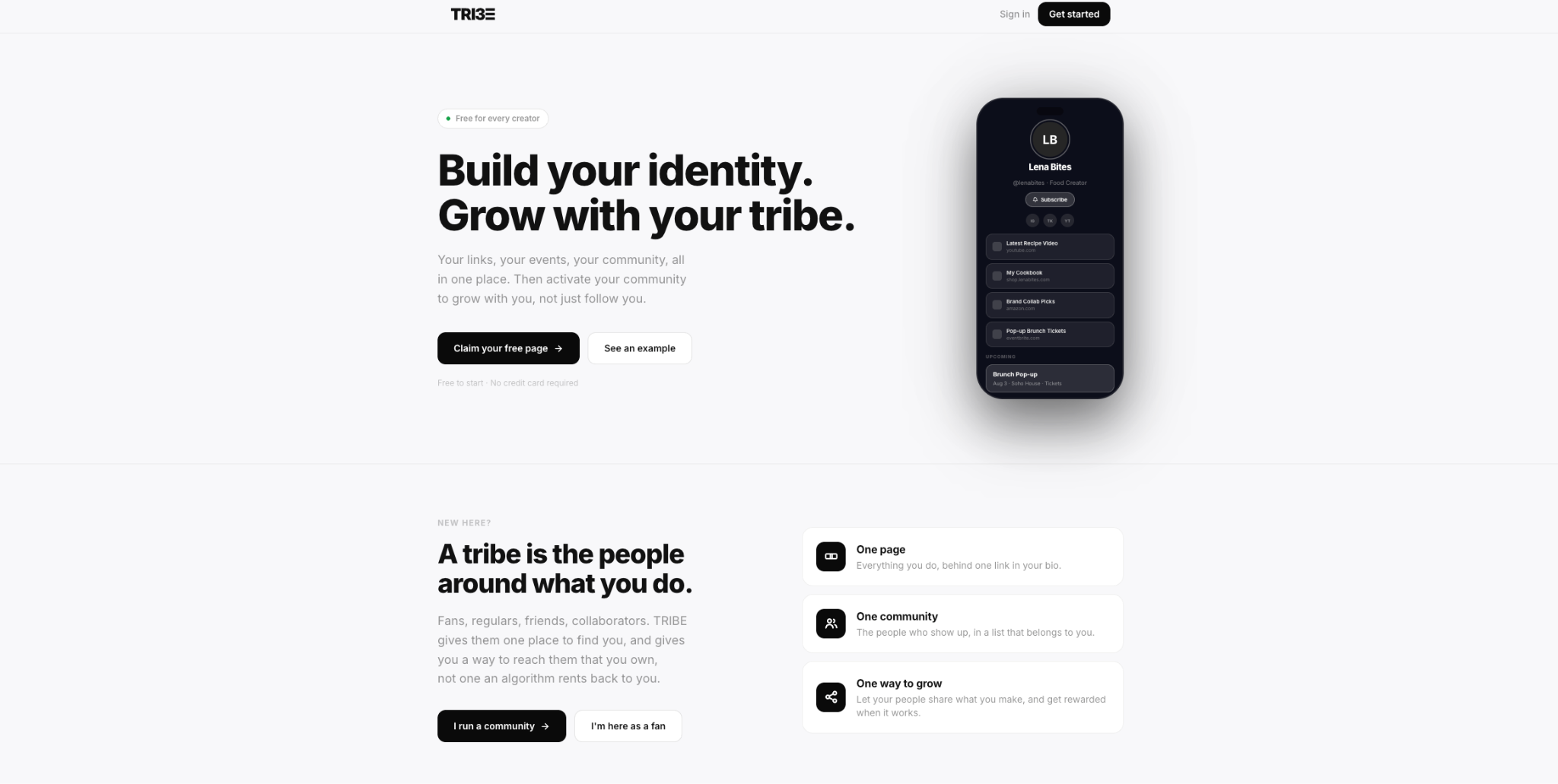
That’s the thinking behind TRI3E (Tribe), the platform Steve is building.

TRI3E aims to help individuals, creators, businesses, and organizations build and grow their communities. Through the platform, they can share events and opportunities, invite others to participate, and give members more ways to stay involved.

For a restaurant, that could mean inviting regular customers to an event and encouraging them to bring friends. For a creator, it could mean sharing a new project with supporters. For an organization, it could mean helping members discover opportunities and meet others with similar interests.

The goal is to make it easier for people to stay involved, bring others along, and create more opportunities within their communities.

Building What’s Next

For Steve, TRI3E is an opportunity to bring together years of experience in technology, entrepreneurship, and entertainment around an idea with much broader potential.

Whether it’s a neighborhood restaurant, an independent creator, or a network like Asian Hustle Network, communities already have people who want to see them succeed.

What if those people had better ways to make that happen?

That’s the vision behind TRI3E: helping people turn their existing connections into more opportunities for their communities.

Join TRI3E

Build your community. Activate your network. Grow together.

Explore TRI3E | Connect with Steve

image-png

Stories

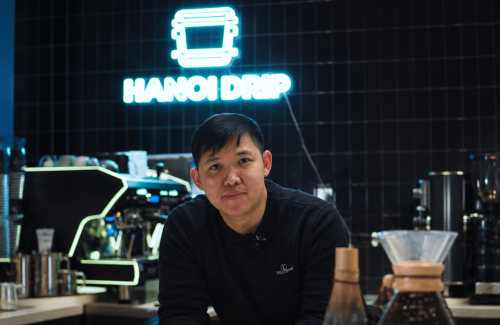
From Vancouver to the World: Thomas Vu’s Vision for Hanoi Drip Coffee

Vietnam is one of the world’s biggest coffee-producing countries, yet Thomas Vu rarely saw Vietnamese coffee given the same attention in North America’s specialty coffee scene.

That gap became the idea behind Hanoi Drip Coffee, a Vancouver-based Vietnamese specialty coffee brand that has grown into a multi-million-dollar cafe business in just over two years.

For Vu, the goal goes beyond opening more cafes. He wants people to see Vietnamese coffee differently and prove that a brand deeply rooted in culture can belong on a global stage.

Giving Vietnamese Coffee the Spotlight It Deserves

Vu grew up around the flavors and rituals that make Vietnamese coffee instantly recognizable, from strong Robusta to condensed milk and the slow drip of a phin. Yet despite Vietnam’s rich coffee history, he felt much of that story was still missing from mainstream specialty coffee culture.

That became the opportunity behind Hanoi Drip. Rather than recreate a traditional Vietnamese cafe, Vu and his team asked a bigger question: What could a global Vietnamese coffee brand look like today?

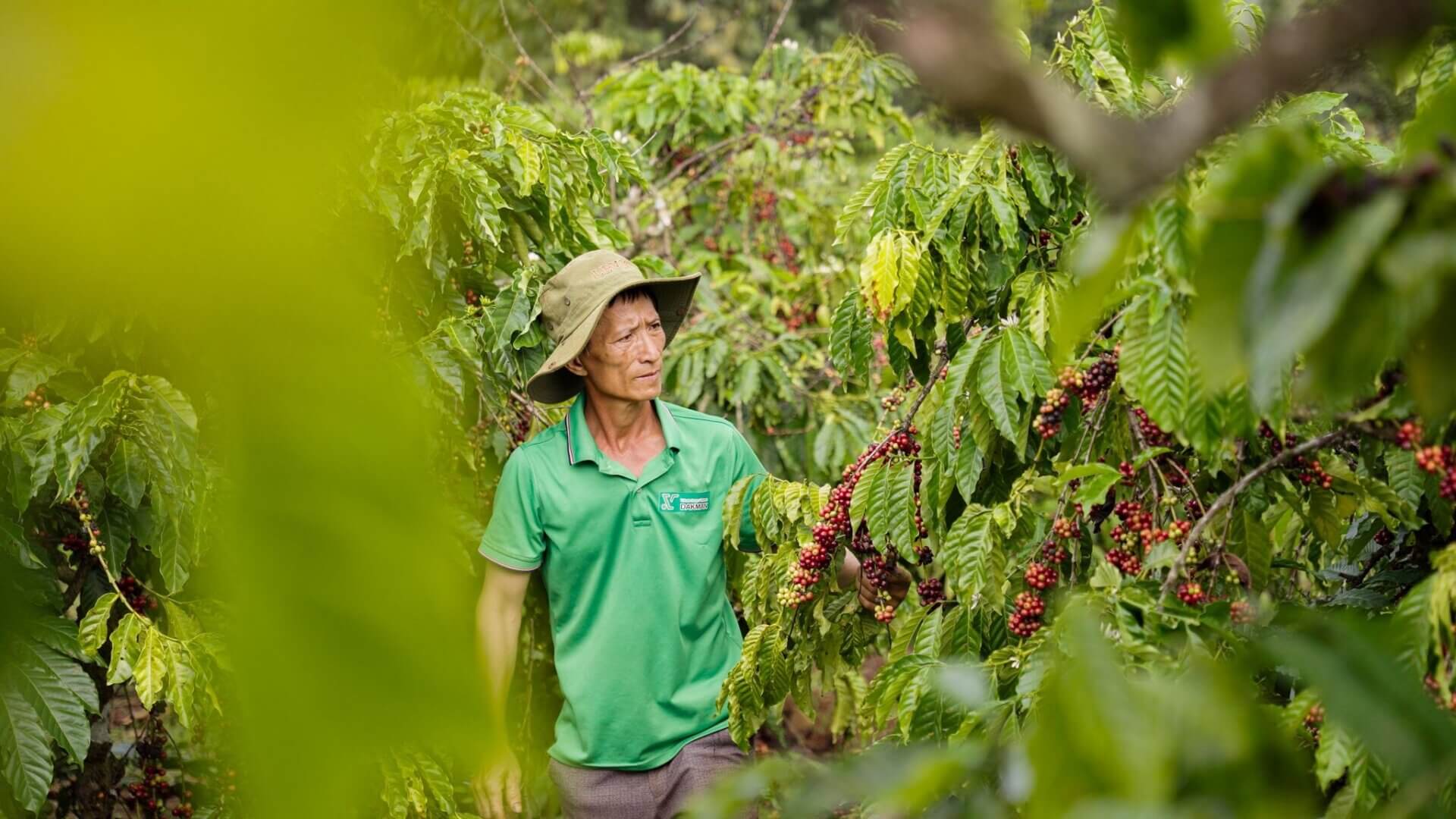
Their answer was to keep the parts of Vietnamese coffee they loved while presenting them for a new generation. Hanoi Drip serves coffee grown in Vietnam, including coffee from Đà Lạt, and puts Robusta, Vietnamese flavors, and phin brewing at the center of the experience.

Learning How to Grow Without Losing the Brand

Building the brand was one challenge. Learning how to grow it without losing what people connected with was another.

When Hanoi Drip was smaller, Vu and the other founders could be involved in nearly every part of the business. As more locations followed, they had to learn how to train teams, develop leaders, manage costs, maintain product consistency, and make sure customers still had a strong experience even when the founders were not there.

Mistakes have been part of that process, and Vu does not pretend otherwise. His approach is to treat them as useful information: fix the problem, build a better system, and move forward, a mindset that has helped Hanoi Drip expand into multiple locations alongside retail coffee, wholesale, and membership offerings.

Taking Vietnamese Coffee Beyond Vancouver

For Vu, some of Hanoi Drip’s most meaningful wins happen when someone tastes Vietnamese coffee for the first time and wants to know more. It also means hearing Vietnamese customers say the brand reminds them of home while still feeling like it belongs to their generation.

That connection has extended beyond coffee. During KOOLFEST 2025, customers purchased more than 1,600 Ube Coconut Coffee and Ube Milk drinks, helping Hanoi Drip raise over $5,500 for a local charity, while the company has also created jobs and collaborated with Asian-owned businesses and creators.

And Vu is still thinking much bigger. He hopes to bring Hanoi Drip beyond Vancouver to markets such as Toronto and Los Angeles, while showing other Asian founders that building something modern does not mean leaving their culture behind.

Learn more about Hanoi Drip and follow the brand as it works to take Vietnamese coffee from Vancouver to a wider global audience.

📍Website

1-png

Stories

From a $10 Craigslist Job to COO of a $300M Business Group: Richard Nguyen’s Road to E-XPIRE

Richard Nguyen grew up on the east side of San Jose, where he became caught up in street life at a young age. Looking back, he believed the path he was on could have ended with either prison or an early death.

Then came the moment that made him reconsider where his life was headed.

He overheard his mother speaking with friends about their children. She talked about relatives who had graduated from college, while Richard felt she had little she could proudly say about him.

“She couldn’t say anything good about me,” Richard recalled.

His mother was raising the family on her own, and hearing her disappointment became a wake-up call. Richard knew he couldn’t continue down the same path and decided he needed to find a different direction.

He took a job he found on Craigslist for $10 an hour, unsure of where it would lead. It became his entry point into an industry where he would spend the next 15 years learning and building experience.

What started as a decision to change his life would eventually become the foundation for something much bigger.

Years later, that experience would bring him together with Jack and David Nguyen and a growing group of IT hardware businesses.

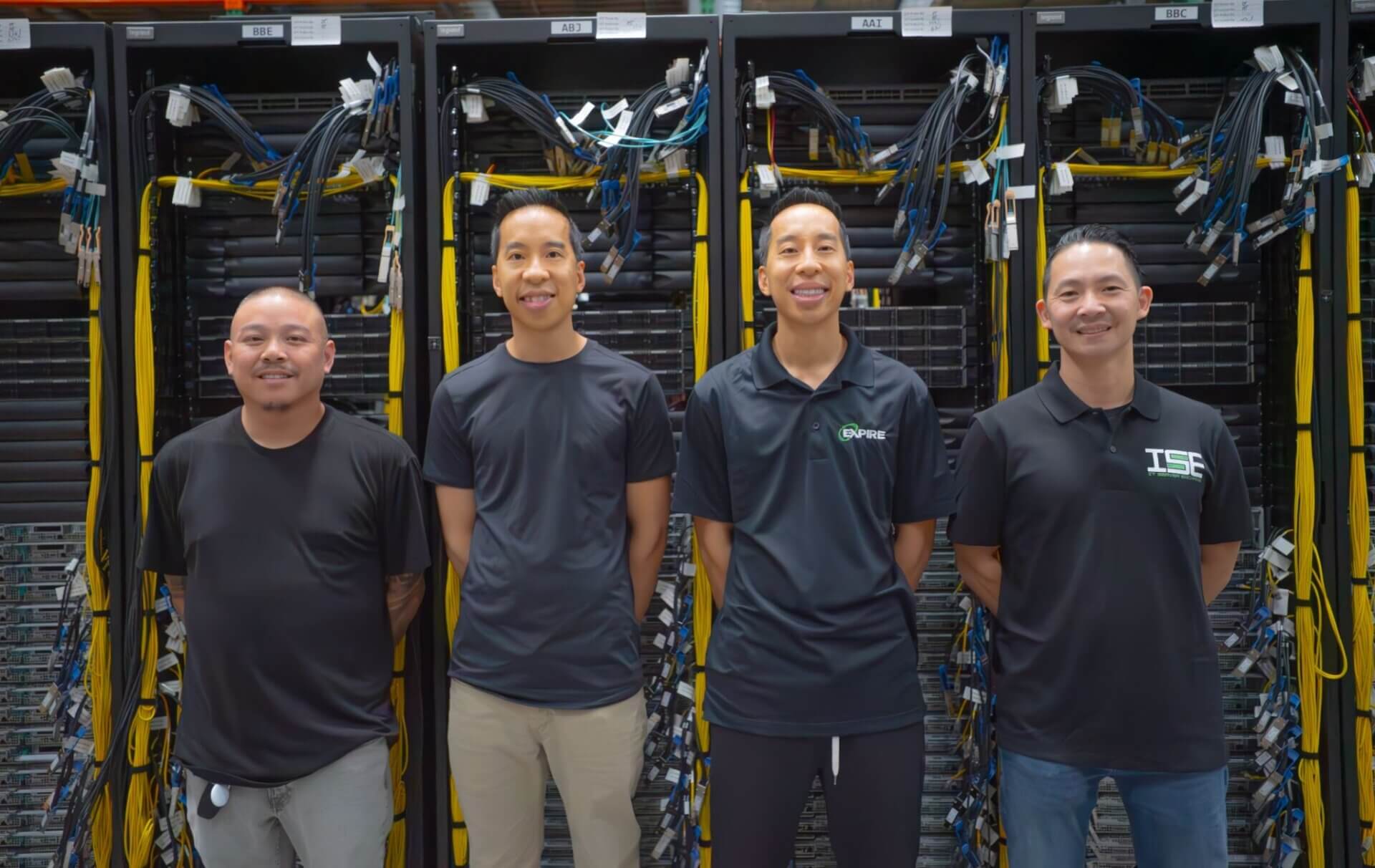
Twin brothers Jack and David Nguyen

The Brothers Behind the Business

Years before Richard partnered with them, twin brothers Jack and David Nguyen were already building their footprint in the IT hardware industry.

Around two decades ago, they saw an opportunity in used computer equipment and began reselling components, primarily semiconductors and RAM. That business became RAM Exchange, which eventually grew into what Jack described as a $50 million-a-year company.

From there, the brothers expanded into servers, networking equipment, drives, and other data center hardware through IT Server Exchange.

By then, Richard had spent years building his own expertise in the same industry. Their paths were about to come together.

Bringing Richard Into the Business

Richard was working for a competitor at the time, but his experience and reputation had already caught Jack and David’s attention. They knew his understanding of the IT hardware business and respected the grit, loyalty, and work ethic he brought to his work.

Eventually, Richard took a risk of his own and started E-XPIRE, focusing on IT asset disposition, secure data destruction, and electronics recycling.

As E-XPIRE grew, Jack and David saw more than Richard’s industry experience. They saw someone who could build a business, lead a team, and execute.

But Richard had already taken the risk of becoming an entrepreneur himself. Bringing him into their business would require more than offering him a position.

The opportunity became a partnership. E-XPIRE and IT Server Exchange merged, bringing Richard’s ITAD expertise together with Jack and David’s established hardware business. Richard became an equal partner in IT Server Exchange and took on the role of COO.

“We gave him the keys,” Jack said.

The merger brought together two complementary sides of the industry and created an opportunity to build something larger. Richard came in ready to rethink how the operation worked, and Jack and David gave him the freedom to make the changes he believed the business needed.

Their roles complemented each other. Richard took the lead on operations, execution, and building the team, while Jack and David provided the business foundation, resources, and support behind him. Jack described himself and David as Richard’s “pillars.”

Together, they continued growing RAM Exchange, IT Server Exchange, and E-XPIRE. Today, the partners say the three companies are on track for around $300 million in combined annual revenue.

What began with Richard taking a chance on himself and building E-XPIRE ultimately became the start of a partnership that would help reshape IT Server Exchange and support the growth of the wider business group.

Leading Through Culture

For Richard, how the team works is just as important as how the business grows.

He describes a culture built around speed, loyalty, and getting things done. Internally, the team uses the phrase “GSD,” short for “get stuff done.”

Richard also sees his employees’ livelihoods as a personal responsibility.

“I work 18-hour days because it’s for my team and my family,” he said.

David credits Richard with creating a culture where employees feel that same sense of loyalty toward the company.

That philosophy is shared by all three partners. Jack said one of their biggest sources of pride is not simply revenue growth, but the impact their businesses have had on employees and their families.

Finding a Reason to Keep Going

For Richard, success still traces back to the conversation he overheard more than two decades ago.

Today, David says Richard’s mother lights up when she talks about him.

“Every time I see her, she smiles,” he said. “She’s so proud of Richard.”

Richard’s advice for people who feel the odds are against them is simple.

“Anyone can make it,” he said. “You just gotta find a reason to do it.”

More than two decades after that conversation, Richard has given his mother plenty to be proud of. That same drive now carries into the work Richard, Jack, and David are building at E-XPIRE.

While companies race to adapt to AI, Jack, David, and Richard focus on what powers it: infrastructure. Their businesses support its lifecycle, from hardware to responsible decommissioning.

Today, E-XPIRE helps businesses securely destroy sensitive data and responsibly manage retired IT equipment. As technology continues to evolve, so does the need to handle what gets left behind.

Learn more about E-XPIRE and its work in IT asset disposition, data destruction, and electronics recycling.

📍Website

1-png

Stories

ChargerGoGo’s Next Chapter: GoGoSpark Brings AI-Powered Entrepreneurship to the Future of Work

ChargerGoGo built its nationwide phone charging network by betting on everyday entrepreneurs.

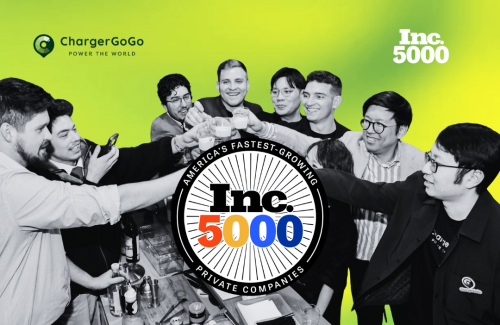
That bet is paying off. In 2026, ChargerGoGo landed at No. 744 on the Inc. 5000 (top 15%), No.5 in Las Vegas, and No.41 in AI and Data industry, the annual ranking of the fastest-growing private companies in America, after reporting 467% revenue growth over three years.

Led by founder and CEO June Zhu, the company has spent years helping local operators build businesses through its charging network. With GoGoSpark, it’s bringing AI into the picture.

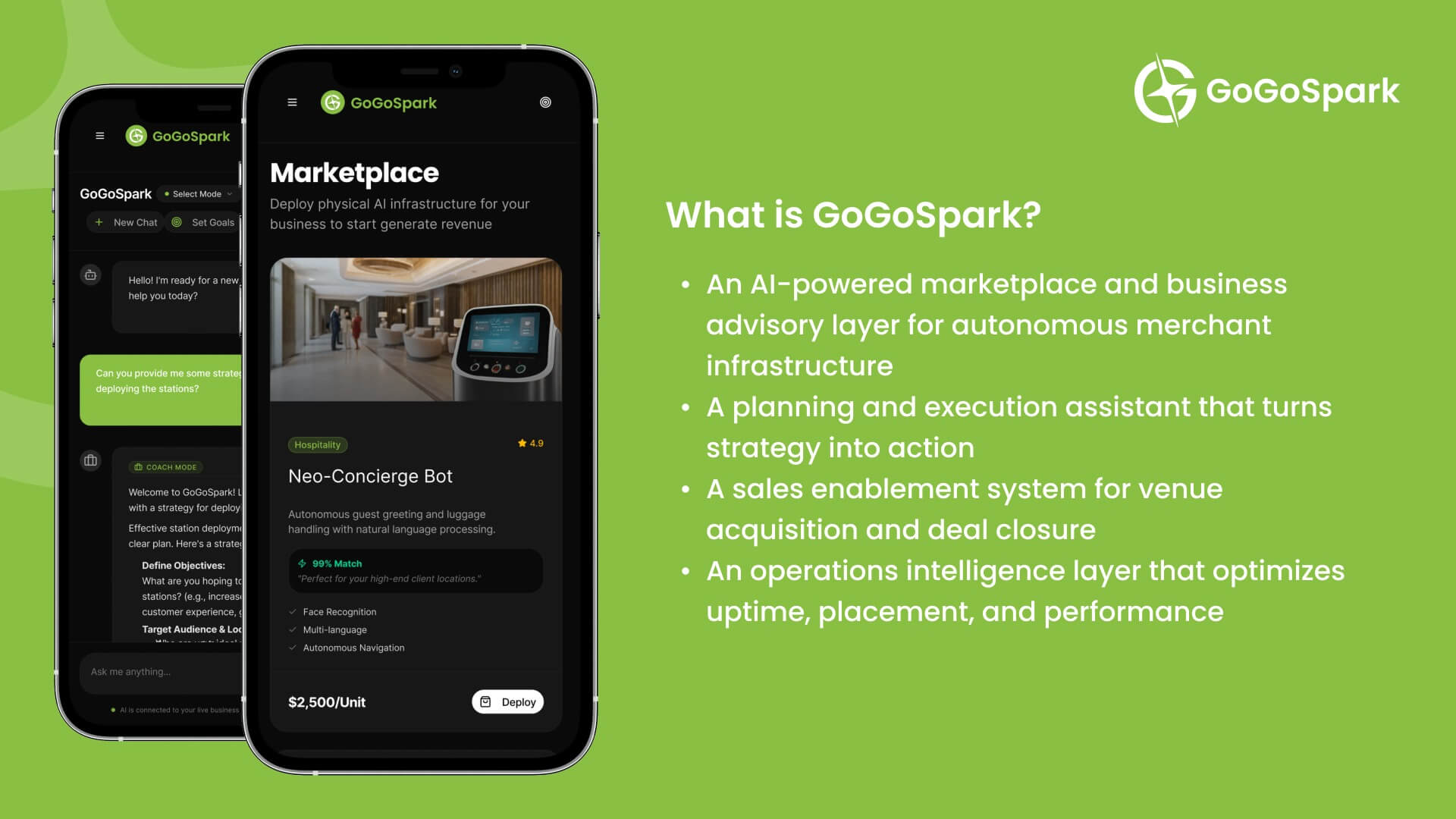
Launched at CES 2026, GoGoSpark is ChargerGoGo’s AI-powered business copilot and operations assistant, built to help operators handle the day-to-day work of running and growing their businesses.

What Does GoGoSpark Actually Do?

As AI reshapes the workforce, the next economic opportunity is not only about making employees more productive, it is about giving more people the tools to become business owners.

GoGoSpark was built around that mission.

ChargerGoGo believes the future of work will include a growing number of people, across both white-collar and blue-collar professions, who want to build independent income, own productive assets, and operate businesses of their own. But becoming an entrepreneur requires far more than capital or a good idea. New business owners need help with sales, operations, financial decisions, technology, strategy, and the hundreds of decisions that come with running a company.

GoGoSpark is designed to put that capability in their pocket.

Serving as an AI-powered COO and business mentor available 24/7, GoGoSpark can help entrepreneurs analyze performance, identify opportunities, improve sales, troubleshoot operational issues, understand financial decisions, and determine what actions to take next.

The vision extends beyond operating ChargerGoGo stations. ChargerGoGo is building GoGoSpark as an intelligent business platform that can lower the barriers to entrepreneurship and help everyday people transition from employees into capable, technology-enabled business owners.

In an economy increasingly shaped by AI and automation, ChargerGoGo believes AI should not simply replace work. It should help more people create, own, and participate in the businesses of the future.

GoGoSpark does not replace the entrepreneur. It gives the entrepreneur a COO, an advisor, and a mentor in their pocket—so they can make better decisions and build with greater confidence.

Five Years in the Making

GoGoSpark came out of five years of working directly with thousands of operators, partners, and small business owners.

Over that time, ChargerGoGo saw the same kinds of questions come up again and again: How do I sell this better? Why is one location outperforming another? What should I focus on next? How can I run this more efficiently?

Those real-world questions helped shape what GoGoSpark became.

Rather than building AI for the sake of having AI, ChargerGoGo built a tool around the work its operators were already doing.

As Zhu said when the platform launched, “GoGoSpark is built to be a business co-pilot, helping operators learn faster, operate smarter, and participate in the post-work economy.”

The Bigger Goal Behind GoGoSpark

The Inc. 5000 ranking is a milestone for ChargerGoGo, but Zhu has been clear that she wants the company’s growth to reach beyond ChargerGoGo itself.

When the ranking was announced, she pointed to a bigger goal: giving ChargerGoGo’s Distribution Partners the technology, infrastructure, business model, and support to grow companies of their own.

She even said she hopes to one day see those entrepreneurs make the Inc. 5000 themselves.

GoGoSpark is one way ChargerGoGo is trying to make that happen.

As AI becomes part of how companies sell, analyze data, plan, and operate, smaller business owners risk being left with fewer resources to compete. GoGoSpark brings some of those capabilities directly to the people running businesses on the ground.

ChargerGoGo’s acceptance into the NVIDIA Inception Program also marks another step in that direction as the company continues developing its AI technology.

“The future belongs to those who engage with their AI,” Zhu said at CES 2026. “Our mission is to make sure everyone has that chance.”

ChargerGoGo made the Inc. 5000 this year. If its operators eventually start appearing on that list too, GoGoSpark may have played a part in getting them there.

Discover how GoGoSpark is helping entrepreneurs grow smarter.

📍Website