Stories

March 17, 2023

SHARE:

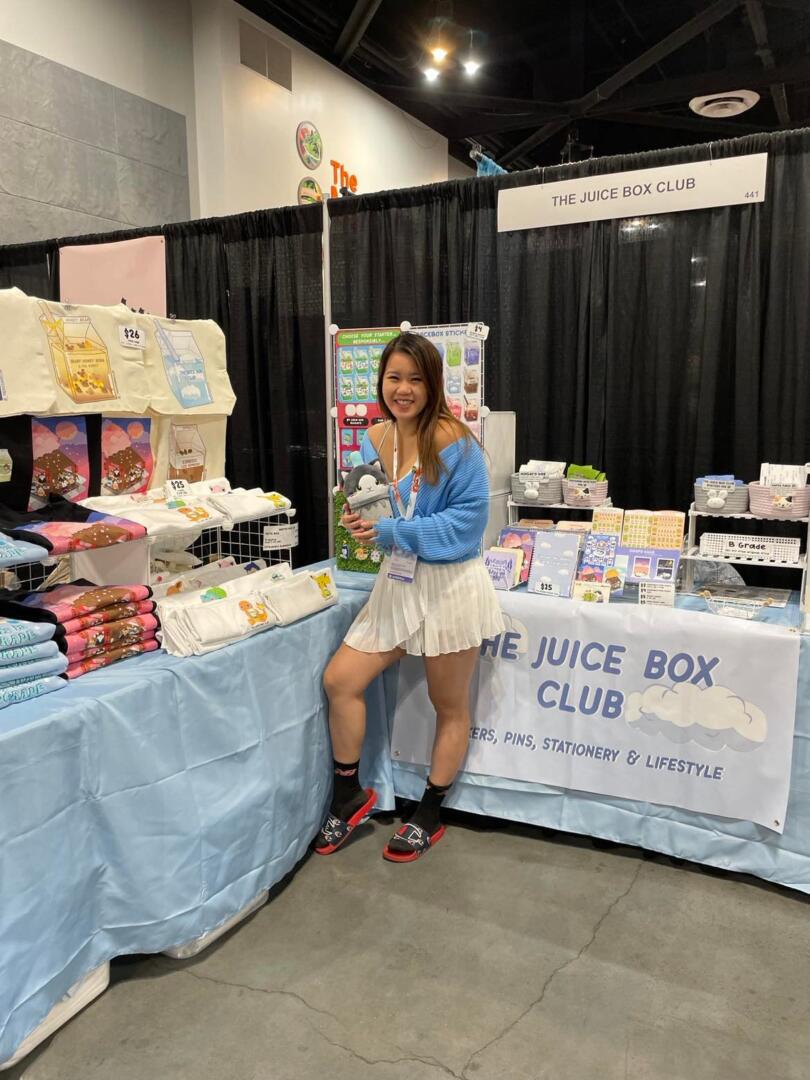
Crystal was feeling emotionally and physically drained from her job before she finally decided to quit. She didn’t have any plans lined up when she did, which was very unlikely for her. So she decided to pursue something she’s passionate about – stickers and stationery.

Juice Box Club was molded out of creativity, perseverance, and determination. This small business has faced numerous hurdles along the way, from financial uncertainty to unexpected delays in product arrivals. But despite the challenges, Crystal has remained committed to her dream of sharing her unique designs with the world.

Crystal’s designs are inspired by real-life experiences, from personal passions like fitness and mental health to inside jokes with friends. And speaking of friends, Crystal recently launched a new collection of plushies called Boba Friends, inspired by her own friend group and their real-life pets.

Now, her small business is more than just a sticker shop. She is now designing and selling lifestyle items (glassware, tote bags, apparel) and even plushies! Let’s dive into the story of how The Juice Box Club was born.

HOW THE JUICE BOX CLUB CAME TO LIFE

The process of setting up my own stationery shop was very nerve-racking and exciting at the same time. When I first started off, I used Etsy and I had a lot of support from people back home in New York City, where I was born and raised. However, when I learned that it took a huge chunk of the profits, I took it off and started my own website. I registered my shop as an LLC because I felt like this was going to be a long-term commitment.

I decided to start my own stationery shop because it was always a hobby and passion of mine. I would always collect envelopes, paper, and stickers. 

The concept of The Juice Box Club came from some drawings I did and then while I was sharing it with my friend, we were messaging about a cute name. The Juice Box Club kinda reminded me a little bit of The Breakfast Club, an extremely memorable movie, and that’s what I wanted my brand to be.

OVERCOMING BUSINESS HURDLES

The challenges I have faced circled around finance, having too many ideas, running it by myself, products not arriving on time, machines not working, and rejection.

Finance — in terms of not knowing if I’ll make any sales this week or the next. I do sign up for a lot of in-person pop-up events! I rely on that more than my online sales since the internet nowadays is so funky with algorithms. I also like interacting with customers because they have an opportunity to get to know the brand firsthand.

Having too many ideas — definitely a challenge because I didn’t wanna grow too fast and then have a bunch of inventory. I used to work in fashion and I was used to always developing NEW items. I felt like I had to do the same with my brand, but I realized that I don’t and it’s okay to slow it down. 

Running the business by myself — also pretty hard! Sometimes I would ask my friends if they’d want to help me at bigger events. But most of the time, I’m a one-woman team. I had to do everything from designing, packaging, shipping, content creation, handling emails, etc.

Products not arriving on time — There are times when I outsource items since I don’t have the time or the tools or make them. When I first started, I outsourced my stickers and they were LATE by 1-2 weeks. There was also another time when all of my plushies came EARLY and I had to store 12 big boxes (1,200 plushies total) in my garage and some in my house. 

My Cricuit machine was not working in the beginning — I was making and hand-cutting all my stickers. I gave my Cricut a break and went back and tried it again until it finally started to work properly.. after 5 months.  

Rejection is something I dealt with a lot growing up, so I thought I’m okay with it by now. But getting rejected by big conventions or wholesale sites hits differently. However, I learned to see it as dodging a bullet. If it’s meant to be, it will be, maybe at the right time.

DESIGNS INSPIRED FROM LIFE

Everything designed in my shop all ties into my life somehow. When I first started, I had seven juice box designs. Six of them were themed — three were inspired by my personal passion for fitness/bodybuilding and the other three were inspired by the importance of mental health because I’m a very functional-anxious person and have a hard time relaxing. 

Some of my juice box designs were inspired by my texts with my friends so you might find cute and funny quotes on them. For example, “broke b*tch juice” was inspired by my convo with my bestie, Beth, we always talk about how things are so expensive and how we’re always broke. Or if you see the Pokémon x Soju collection, it was a merge of my childhood and adulthood — because I grew up playing Pokemon with my brother and spent my college years pounding shots of soju.

The Juice Box Club Pokémon x Soju Collection

THE BOBA FRIENDS

Growing up, I didn’t have a consistent group of friends. Most of them just either change or grow apart. But when I moved to California, I met my best friend who later on introduced me to my current friend group.

Some of us in the group have pets, so I then designed characters based on our pets, and their personalities reflect the owner! I called them Boba Friends because boba gatherings are one of the most common hangouts to do now! They have different flavors as well. I own the two cats, Platinum and Luna. My best friend Beth owns Sesame, a lionhead rabbit, and my friend Justin owns Kona, the Shiba Inu. Now none of us owns a bear or frog but I dedicated Ribberto the Frog and his personality to my late friend Josh because it was his favorite.

The Boba Friends Plushies

In the future, I plan to continue producing more drawings and products for The Juice Box Club. I hope to have my products in shops and stationery stores. I am also working on a YouTube channel to show my journey and reach more people.

Website: www.thejuiceboxclub.shop

Instagram: @thejuiceboxclub

Related Articles

News

Three Business Heirs in Asia Pave the Way for Socially Conscious Investments

Across Asia, a new wave of second- and third-generation business heirs is redirecting family enterprises toward sustainable investments, challenging traditional profit-centric businesses.

Komal Sahu, Chief of Sustainable Finance at AVPN, the largest network of social investors in Asia, notes that younger generations are recognizing their family’s wealth as a catalyst for positive transformation. By integrating environmental, social, and governance factors into their investments, these heirs aim to drive positive change while maintaining financial viability.

Al Jazeera has shared three business heirs across Asia that exemplifies this:

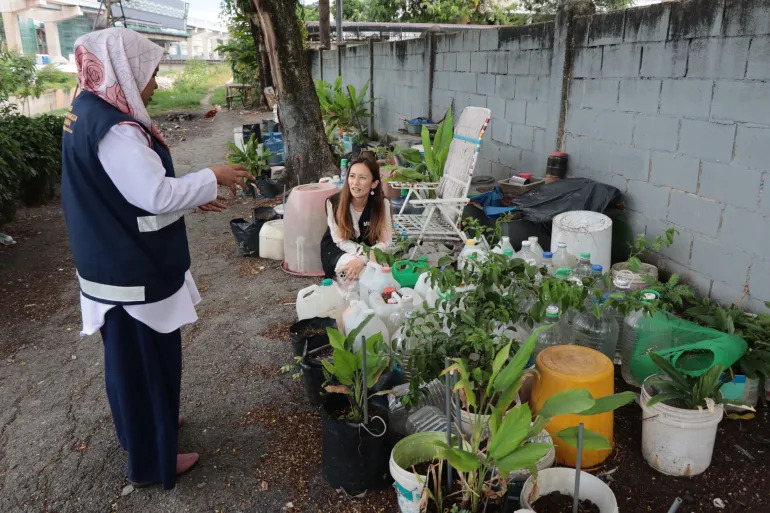
In Malaysia, 27-year-old Abe Lim, an heir to a lubricant and cleaning products business, departed from her father’s profit-focused approach, despite being groomed to take over the company. Instead, she founded Purpose Plastic, successfully transforming discarded plastic into home decor and other products while emphasizing sustainability.

Image Source: Al Jazeera / Abe Lim

In some cases, the older generation encourages innovative thinking to secure the ongoing success of their businesses. The Lopez family in the Philippines, known for success in telecommunications and energy, divested from coal in 2016 to focus on renewable energy. Marianna Lopez Vargas, partnerships manager at the Oscar M Lopez Center, believes that a complete transition to renewables is achievable with the right incentives.

Singapore-based Fernando Scodro, responsible for his family office’s investment strategy, is educating his family about socially conscious investing, which leads to impactful investments like COGNI, a Brazilian startup focused on energy efficiency.

As these Asian business heirs redefine success, their commitment to sustainable investments signals a profound shift toward a more socially and environmentally conscious business landscape.

Featured Image Sources: Al Jazeera, Esquire PH, X

107308298-1695918669890-107308298-1695912316230-230920-mi-10-MM-jae-byun00_00_21_07Still021_REV-jpg

News

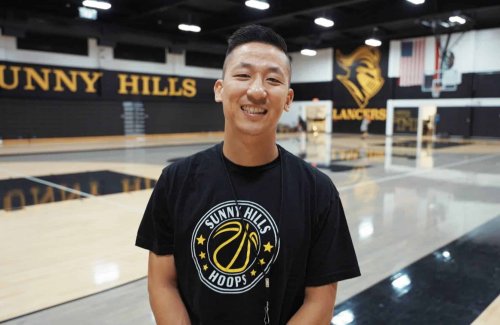
A Teacher and Basketball Coach’s Path to a Six-Figure Income in Orange County

Meet Jae Byun, a math teacher and basketball coach in Orange County, California, who’s making a six-figure salary doing what he loves.

Originally majoring in business economics at the University of California, Irvine, Jae initially set his sights on a financial industry career. However, after completing internships in that field, he felt a desire for something different.

During his senior year in 2013, he accepted a coaching position at his former high school in Orange County, guided by the stability and income potential his coaches emphasized in the teaching profession.

“It wasn’t going to make me a millionaire, but it was going to allow me to have time and freedom. That really appealed to me,” he said to CNBC.

Born in South Korea, Jae moved to California at a young age and grew up valuing hard work, learning from his truck driver father and spa worker mother. His parents were concerned about him at first and disappointed that he took a career in education, but eventually, they came around with the fact and loved that Jae now lives with them. Jae is paying them $800 for rent and helping with household expenses, even though they told him that he didn’t need to.

Image Source: CNBC

It took Jae about six years to reach his current salary of nearly $115,000, including coaching stipends and summer programs. He actively manages his money, saving half of his monthly income and investing in retirement accounts. Even with some unexpected expenses, Jae remains committed to financial stability.

Looking ahead, Jae plans to generate extra income and ensure a comfortable retirement for his parents.

Featured Image Source: CNBC

IMG_1735-jpg

Stories

How This Solo Female Founder Leverages Technology to Create Authentic Relationships

Ever found yourself in a new place, surrounded by unfamiliar faces, looking for friends or a community that shares your interest? Erin Zhao knows that feeling all too well.

With a childhood marked by frequent moves, each relocation brought Erin the recurring challenge of seeking kindred spirits who matched her enthusiasm for outdoor activities like cycling, golfing, and hiking. But here’s the thing: we live in an era where it’s so easy to connect with people virtually, have friends online, and yet feel like something’s missing.

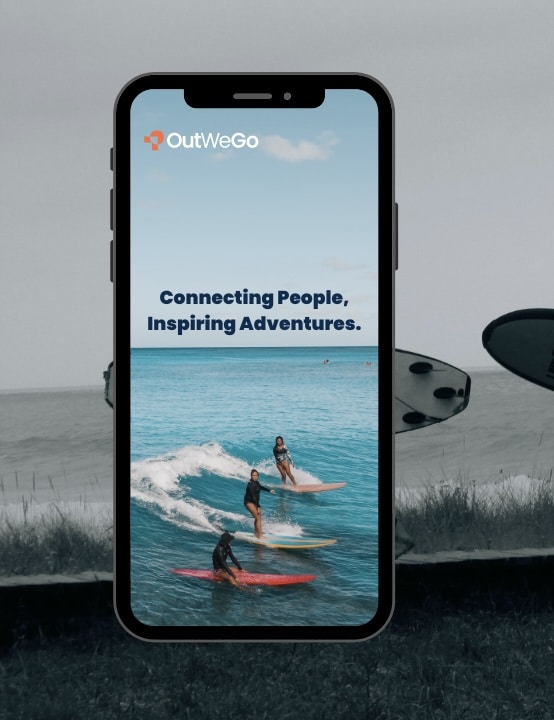
As a person who loves solving puzzles and coming up with creative solutions, Erin founded OutWeGo, a wellness platform headquartered in the Bay Area, designed to combat feelings of loneliness and disconnection by facilitating personalized activities in an exclusive and curated community.

The Challenges of Being a Solo Female Founder and First-Time Entrepreneur

Erin faced distinctive challenges on her path to establishing OutWeGo, specially as a solo female founder and a first-time entrepreneur. One of them was finding the delicate balance between technological innovation and a human-centric vision.

Creating a digital platform that encourages authentic personal connections demands not only technical skills but also a deep understanding of social dynamics and user safety. Erin tackled this challenge by immersing herself in user feedback, embracing iterative design, and ensuring the platform was not only secure but also intuitively designed.

Another challenge that Erin faced was the weight of responsibilities that comes with being a solo founder. Managing everything from product development to marketing, finance, and user experience without the buffer of co-founders meant an increased workload and the necessity for rapid up-skilling in various domains.

Erin met this challenge head-on by embracing continuous learning, taking online courses, and networking with experts to acquire knowledge beyond her initial expertise.

Creating a Solution to the Problem

While doing extensive market research, including interviews with her friends and strangers, Erin found that the struggle of having real, meaningful connections these days is widespread. She discovered that many people, particularly those relocating or seeking companionship for specific activities, faced difficulties in finding suitable partners.

Realizing the commonality of this problem, Erin saw a clear opportunity to leverage technology and create a solution with OutWeGo.

Bridging the Gap with OutWeGo

Erin’s mission with OutWeGo is clear – to facilitate genuine, meaningful connections by bridging the gap between digital interactions and real-world social experiences. The vision is to create an exclusive, curated platform where individuals bond over shared interests, particularly in outdoor and sports activities.

For the Asian community, OutWeGo serves as a powerful tool for empowerment. The platform fosters inclusivity, providing a space where Asians in the diaspora can connect with peers who share similar backgrounds, values, and passions. OutWeGo nurtures a sense of belonging and solidarity, reinforcing cultural connections and supportive networks among Asians living abroad.

OutWeGo Cycling Activity

Erin’s role in advancing overall wellness and social cohesion aligns with the principles of diversity, inclusivity, and mutual respect, making a tangible difference in the lives of the Asian community.

Connect with OutWeGo

Website: outwegosocial.com

Instagram: @outwegosocial

Linkedin: OutWeGo

107029357-1647031565961-Francis_Lau_-_B-roll_Stringoutmp400_24_35_15Still004-jpg

News

The Unspoken Truth About Early Retirement Based on This 42-Year-Old Retired Engineer

In the pursuit of early retirement, Francis, a 42-year-old electrical engineer, made headlines when he quit his job in 2017 with a substantial $1.2 million in savings and investments.

At the time, he embraced the FIRE (Financial Independence, Retire Early) movement, a concept that advocates for financial freedom and early retirement. However, Francis’s unique journey and subsequent return to work shed light on the misconceptions surrounding the desire for complete retirement.

According to CNBC, upon leaving his engineering role, where he earned a $120,000 base salary plus additional equity and bonuses, Francis discovered that a life without work became “really boring.” Contrary to the belief that most people aspire to retire early, he contends that what individuals truly seek is a sabbatical or extended break from their careers, typically lasting a year or two.

Image Source: CNBC

He had $1.2 million in savings and investments when he quit his job, and he shared that the trick to getting there was spending as little money as possible. First, he paid off his house, which cost $22,000 a year. Then, he tried hard to spend as little money as possible on everything else. 

He cut out things like streaming services and even went without a cellphone for a bit. Francis is also really good at using credit cards to get points, and he has more than 20 of them at a time. This helps him get extra value for his money.

Even though he enjoyed two years of not working and traveling, Francis got a bit bored and decided to start working again in 2019. But this time, he focused on his YouTube channel with 350,000 followers, making videos about money topics. It turns out people loved it, and he now makes around $10,000 a month from YouTube. This money covers his living costs, and whatever is left goes into his savings.

“Now I no longer call myself ‘retired’ because I am putting in my full-time effort into YouTube,” Francis shared to CNBC. “I’d like to put a lot more work into it and grow it … I think it’s a work in progress.”

Featured Image Source: CNBC