Stories

December 1, 2023

SHARE:

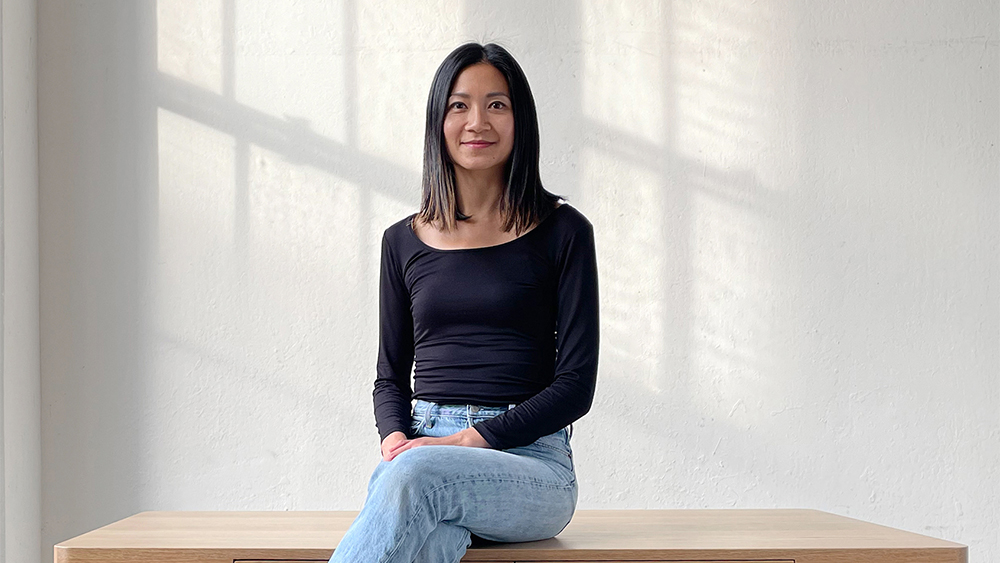
In a world where living spaces are getting smaller and furniture quality is declining, one entrepreneur is striving to make a difference.

Yvonne Hung, a city-dweller who has lived in some of the world’s largest metropolitan areas, knows firsthand the challenges and constraints of living in small apartments. It can be difficult to have friends over because there isn’t enough space or seats.

For this reason, she founded Otelier in 2020, a San Francisco-based furniture studio with a focus on sustainability, and providing innovative products that are useful even for small spaces.

Yvonne believes that the home is the most intimate social space, and people shouldn’t have to sacrifice that due to a lack of space. Her latest project is called the Quartet, a multi-functional side table that unstacks into four stools.

While the retail industry and consumers have embraced fast furniture with low prices, poor construction, copied designs, and single usage, Otelier is committed to changing that. Yvonne and her team are determined to create sustainable, high-quality furniture that will stand the test of time. With Otelier, urban dwellers no longer have to choose between comfort and the environment, and Quartet is just the beginning of a new era in furniture design.

Quartet, a side table that transforms into four stools.

OTELIER STRADDLES BETWEEN A DESIGN STUDIO AND AN E-COMMERCE BRAND

I’ve always had an obsession with cities—the way they develop over time, how they are shaped by their geographies and industries, and of course how culture and way of life make each city unique.

In fact, I started my career in urban planning, which is what I studied at the Harvard Graduate School of Design. My goal, as cheesy as it sounds, has always been to make the world a better place to live for all. With Otelier, I’m trying to do it at a much smaller scale—the home—because that allows me to get up close and personal with users, and also be hands-on with the creative process.

So much of my design principles still go back to urban planning. For example, I chose to focus on apartment living because higher-density housing is a much more efficient and sustainable way to accommodate a growing population, as compared to single-family homes which encourage urban sprawl. Likewise, sustainability and the cradle-to-cradle approach is always a huge factor in the product design process because protecting the earth is always top of mind.

This generation is going through a lot of changes—higher housing prices, more frequent moving, and smaller apartments are some trends that make life different from what it was 20+ years ago. Activities that used to take place in person, such as work and meetings, now happen online. Social media is both hastening new ideas and increasing anxiety. I think there are many opportunities to address these issues. For me, it’s starting with the most intimate space, the home, and how we can make it a happy experience.

Otelier straddles between a design studio and an e-commerce brand. It’s rare to be both. Most consumer furniture brands aren’t strong on design—there’s a lot of copying of whatever’s trending—and most design studios don’t follow through with the manufacturing and sales process. 

I aspire to do both under Otelier. As a designer, I want to explore and experiment, whether it’s with product ideas, new materials, or collaborations with little constraint. And as an entrepreneur, I want to create an e-commerce brand whose products make an impact at scale.  I’m still figuring out how to do both with very limited resources as a solopreneur.

BIGGEST CHALLENGES AND OPPORTUNITIES IN SUSTAINABLE FURNITURE DESIGN

It seems there’s a race to the bottom in the consumer furniture industry—make it as cheap as possible, sell more, and maximize profits. It’s no wonder why the EPA says the US produces 12 million tons of furnishing waste a year. Not only are these items going into the landfill, but they also contain a lot of non-recyclable and/or non-biodegradable materials. The challenge is that now consumers are trained to believe their furniture should be dirt cheap and don’t realize these problems, similar to the case of fast fashion. 

There’s also a lot of greenwashing everywhere. For example, using recycled plastic bottles is great, but turning them into something that cannot be recycled again is worse than just making another plastic bottle from it because it could then be recycled several more times.

One of my pet peeves is when companies call plastic leather vegan leather. It’s just plastic! Otelier is far from perfect, but I am committed to being honest and looking for the best alternatives that are currently available and financially feasible.

Fortunately, I do think there is a subset of mindful consumers that want high-quality furniture that’s sustainably produced. There are several smaller independent brands, like Otelier, that are trying to address this problem in the furniture space, and a lot of material science and manufacturing companies exploring more sustainable alternatives.

That said, when it comes to innovation on the sustainability front, it’s easy to design or prototype a concept, but much harder to make it commercially viable. I’m fascinated by a lot of the new materials that are currently in development, such as bioplastics. I’m also interested in blockchain for tracking supply chains. But in reality, these ideas are far from being commercially available, especially to small companies like Otelier.

My long-term goal is to have two areas of focus: one for blue sky explorations, including the use of new materials, and a second for producing durable and commercially viable products for the masses. For now, since I’m bootstrapping, the current focus is more on commercially viable products using what’s available today.

There’s plenty we can do now to improve the furniture industry. Taking a methodical approach, I typically break down a product into its materials, manufacturing, logistics & transportation, usage, and end-of-life condition, and then minimize the footprint for each factor. 

MAKING SURE OTELIER PRODUCTS ARE SUSTAINABLE

I use materials that are biodegradable and/or recyclable and minimize the use of petroleum-based plastics for both our products and packaging. The Quartet, for example, uses wood and suppliers that are certified by the Forest Stewardship Council (FSC) to ensure that we’re sourcing from sustainably managed forests. I also use hardwood because it’s more durable since longevity is key to sustainability. Metals are also great for durability and recyclability. My hope is that we create zero landfill waste.  

Otelier is not perfect; I still rely on the existing transportation and energy systems that are available today. For what I cannot control, I use carbon offsets so that our products are carbon neutral. And I also plant trees to compensate for the wood used in our products.

If all businesses take responsibility for their own environmental footprint, we’d be in a much better place.

THE GOAL IS TO ENCOURAGE MENTAL AND PHYSICAL WELLNESS AT HOME

I’m still at a very early stage with Otelier, but I have so many ideas! It takes me a lot of time to develop each since I work alone. 

I think the way this generation lives, post-COVID, requires more flexibility from our home, no matter if you’re living alone or have a family with kids. Some recurring themes in my furniture are multi-functionality and space-saving features. I also am fascinated by objects that are interactive. In a way, I enjoy designing experiences enabled by an object rather than the object itself. For example, the Quartet is a side table that unstacks into four stools. But the goal is to encourage friendship and bonding at home. The furniture is a means to that end.

Eat-Work Table, designed for people working from their kitchen or dining rooms. The height-adjustable table can be used as a dining table.

LONG-TERM GOALS FOR OTELIER

The ultimate goal is to build a brand that creates beautiful and useful furniture that enriches the lives of urban citizens, while also being sustainable and accessible. I hope Otelier will be an international brand, given that apartment living is relevant everywhere. 

From a service perspective, my vision is to create a platform that sells both new and used Otelier furniture.Resale is really a key to countering the fast-furniture problem. Although our furniture is heirloom quality, I think most people of this generation would prefer to just sell their used furniture rather than passing it down to their kids and grandkids. So making resale easy is a service that could benefit everyone.

Innovation is really important to me. I’m not here to create what already exists. I really hope that Otelier can pioneer commercializing some of the sustainable materials that are currently in development. It’s still early days, so there are lots to explore, learn, and create.

CONNECT WITH YVONNE

Website: https://otelier.com

Instagram: @otelier_home

Facebook: @otelierhome

Tiktok: @otelier.com

Kickstarter: https://www.kickstarter.com/projects/otelier/quartet-a-side-table-that-transforms-into-four-stools?ref=8rnt6m

Related Articles

Blogs, Ideas

Pretty Isn’t Enough: 3 Functional Must-Haves for Your Website

A beautiful website doesn’t guarantee success if it lacks functional design. Here are some functional features that you need to consider for your website.

Loading Time 

Nobody likes waiting, so that means a slow website will significantly downgrade your audience’s experience. Improving your website speed is one of the first things to keep in mind when building a website.

loading-time

Mobile Responsiveness

Your audience won’t always find you on a laptop. With nearly 60% of global web traffic coming from mobile devices, it’s essential to design with phones in mind. Don’t just build for desktops—make sure the mobile experience is just as strong.

mobile-friendly

Clear Navigation

Users should find what they need in 2-3 clicks—anything more feels like ordering a coffee but going through a visa application to get it.

clear-navigation

Why Asian Hustle Solutions?

Looks are not all that the audience cares about. It’s the feels and experience that come along with it. At Asian Hustle Solutions, we help you build fast, functional, and stunning websites that don’t just look good—they convert.

If you want to learn more about our services, visit the Asian Hustle Solutions website at asianhustlenetwork.com/services/

Duolingo Shares Climb 7% as Users Swarm to App to Learn Mandarin (7)-png

Stories

Jelyca Villanueva Turns Passion for Color into a Purposeful Business

Being a female entrepreneur isn’t easy. Jelyca Villanueva is a mother of two, a wife, a certified personal color and image consultant, and the founder of Timeless Tones & Co. While juggling a range of responsibilities, one of her core priorities has always been helping others discover the power of color—not just to enhance their wardrobes, but to express themselves and reflect the unique tones of their lifestyles.

Her studio, Timeless Tones & Co., is more than just a color consulting brand—it offers an experience where clients feel truly seen.

Coming from a professional background in corporate environments, Jelyca brings a unique combination of analytical precision and sensory intuition to her work. She is known for her personalized approach that blends science, aesthetics, and cultural celebration.

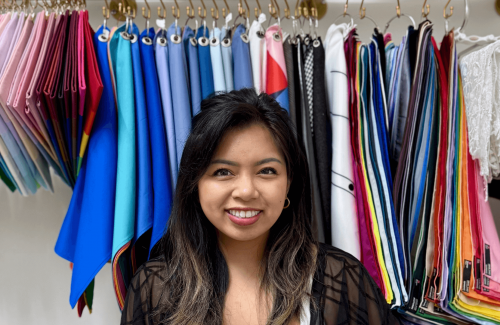
jelyca-villanueva
Jelyca Villanueva | Founder of Timeless Tones & Co. 

From Curiosity to Passion

All passion begins with a simple question, and Jelyca’s interest is no exception. “It really started with curiosity. I’ve always loved the way color can completely transform how someone feels,” she shares.

That curiosity soon unfolded into a world of colors—where she was captivated not only through science, but also the cultural richness embedded in various systems, from Korean and Japanese frameworks to Western methodologies. “Once I learned about the science and cultural depth behind personal color analysis, I was hooked. I wanted to create a space where people could experience that same ‘aha’ moment—where everything just clicks and they feel seen.”

Realizing the transformative power of discovering one’s personal color palette, Jelyca decided to turn her passion into a professional journey. Timeless Tones & Co. came to life as a call for everyone to step into a world where color is more than just aesthetics—it’s a bridge to self-acceptance, cultural pride, and everyday confidence.

A Global, Tailored Approach to Color

As she immersed herself in advanced training—including professional certification under CPLUS3 Academy, where she studied Korean, Japanese, and American color systems—Jelyca developed a deep understanding of global color theories. She also trained under Francesca Cairns in the UK and received professional training in the Cocory colorimeter, a scientific tool widely trusted in Korea.

Currently, she is also expanding her expertise through certification in Colors in Nature: Wedding Colors by Leatrice Eiseman, further deepening her understanding of color harmony and seasonal palettes.

Determined to bring this knowledge home, she became San Diego’s first and only provider offering a multi-system approach—merging the best of Korean, Japanese, UK, and American frameworks to deliver deeply personalized results.

As a mother, her mission became even more personal. She aspired to create a business that embodied cultural pride, creativity, and empowerment. “There’s nothing better than seeing someone light up when they find the shades that make them feel confident and radiant,” she proudly shares.

Timeless Tones & Co.

Building a Business from Scratch

Working a stable office job while minding her own business at the same time was no easy task. “Shifting my mindset from structured systems to building something entirely my own was tough,” Jelyca reflects on this life-changing leap. However, it was this bold move that helped her develop the flexibility and creativity that would become the cornerstone of her entrepreneurial journey.

Adding to the challenge was the fact that personal color analysis was still a novel concept in San Diego. This meant Jelyca had to exercise patience, taking time to educate her clients while staying grounded in her belief in the value of her work. Through persistence and unwavering dedication to her craft, she gradually earned the community’s trust. With each session, her clients not only discovered colors that enhanced their features but also gained newfound confidence and a deeper understanding of themselves—solidifying the mission of Timeless Tones & Co. and highlighting the profound impact of her work.

Jelyca and her clients.

Connect with Jelyca Villanueva – Timeless Tones & Co.

Website: timelesstonesandco.com

IG: @timelesstones.andco

250514_AHS-EMAIL-MKT-jpg

Blogs, Ideas

Creating Websites That Connect With Asian Hustle Solutions

A good website goes beyond just its visual design. Its effectiveness hinges on user experience: the ease of navigation, the seamlessness of their journey, and the ability of the site to build brand trust and connection.

Make It Effortless to Explore

The process must stay accessible and navigation-friendly. Keep menus simple, pages scannable, links accessible, and CTA buttons recognizable. 

effortless-to-explore

Let Your Values Show, Naturally

A “good-looking” website means nothing if it doesn’t show who you are.
Your audience should feel your values—through your words, your visuals, your voice.
Whether it’s the copy, the images, or the testimonials, let your mission speak for itself

let-values-show

Optimize for Local SEO

Check out the latest SEO trends in your region. Optimizing for local search can help you stand out in specific markets. Utilize location-specific keywords, maps, and business hours.

optimize-local-seo

Why Asian Hustle Solutions?

At Asian Hustle Solutions, we understand that a great website is more than just a pretty design. It’s about creating an intuitive, seamless experience, and aligned with your brand’s values. Let’s create a website that feels right—for you AND your audience!

If you want to learn more about our services, visit the Asian Hustle Solutions website at asianhustlenetwork.com/services/

Duolingo Shares Climb 7% as Users Swarm to App to Learn Mandarin (7)-png

Stories

Jennifer Chun Blends Tradition With Innovation to Create Sustainable Fashion

Jennifer Chun, Uniformed’s designer, brings a refreshing collaboration of Korean-American heritage and sustainability practices. Her story began during the pandemic, when she discovered traditional natural dyeing techniques. After connecting with experts and artisans, she came to Korea and got directly involved in the dyeing lessons. “I had no idea Korea had its natural dyeing traditions,” Chun shared.

Her collection is a celebratory integration of hand-dyed materials and fabrics from traditional markets to create a sustainable, limited-edition line.

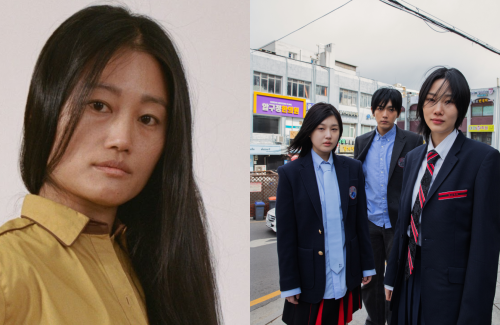
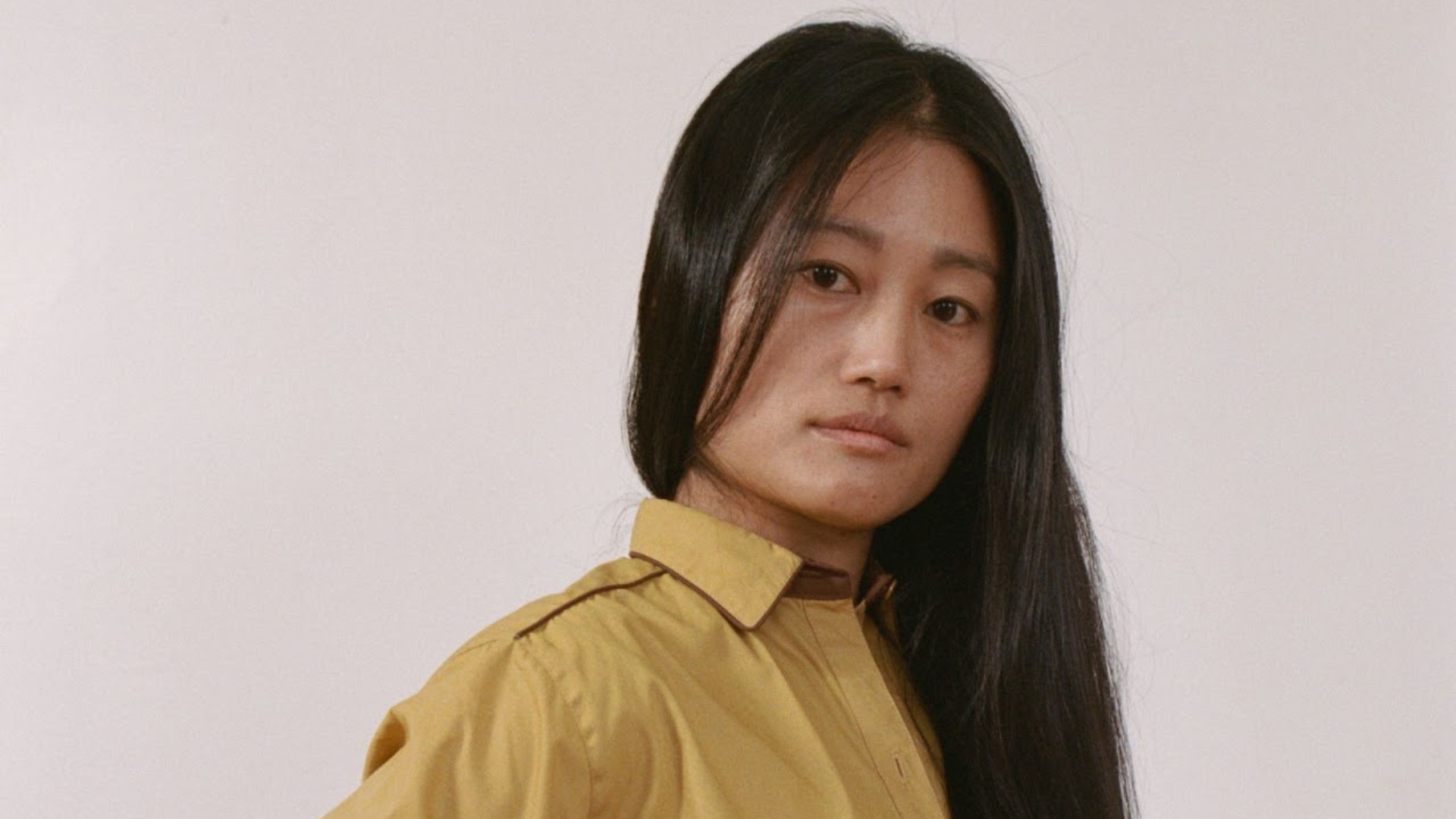
Jennifer Chun blends her Korean heritage into her sustainable fashion line, Uniformed. (Photo credit: Wayn Ohara Reid)

Overcoming the Challenges of Slow Fashion

Amidst the growing world of fast fashion, it is clear that Chun’s main challenge lies in maintaining sustainability while navigating an industry deeply accustomed to mass production and fleeting trends.

Fashion has changed so much that consumers want items faster or cheaper because we have gotten used to mass production. I make such limited quantities that it can be a challenge working with factories that would rather produce en masse and do not want to make specialized pieces that take thought or time, as producing less can increase manufacturing prices. It’s difficult to educate consumers on this when even people in my industry aren’t aware of what goes into the whole process.

During the global lockdown, designer Jennifer Chun found an unexpected bridge to her Korean heritage through a chance encounter with an article on Korea’s natural dyeing traditions—an art form predating the country’s unification.

I came across an article about Korea’s natural dyeing and artisans. I had no idea Korea had its own natural dyeing traditions and techniques that predated the formal unification of Korea. In the article, they interviewed a natural dyer outside of Seoul, and I decided to just email her. My mother was in lockdown, living in LA, and like many senior citizens, the isolation was incredibly difficult. So I asked her to collaborate with me by helping me communicate with the natural dyer.  

We all eventually became pen pals. Once travel restrictions were lifted, my husband and I visited my father, who was living in lockdown in Korea. We made arrangements to meet with the natural dyer and visited her indigo farm and studio. She taught me how to cut the indigo and showed me the basic process of her craft. She suggested we collaborate.

The line developed from there, eventually leading to a capsule collection, incorporating fabrics developed in Korea, including hand-dyed materials and fabrics purchased in traditional markets around the country. And constructed into limited edition pieces to ensure sustainability, and designed with a uniform aesthetic, in New York City’s garment district.

Working with Korean artists—who prioritize quality over quantity—has deepened her appreciation for true craftsmanship. ‘There is so much pride in the craft and process. They do not compromise sustainability at any cost, and I had to assure them that I wouldn’t either if we were to collaborate,’ she explains, highlighting Uniformed’s commitment to sustainability.

Jennifer, while in South Korea.

Integrating Heritage into Design

Jennifer is not one to shy away from how her heritage has a profound impact on her design. She takes great pride in how it informs her work, and she has learned to combine these cultural elements more skillfully as she refines her craft. “With Uniformed, I am really proud that I have been able to bring my Korean American heritage into my designs,” she shared. “None of this is easy or formulaic, but it is a new, interesting, and inspired challenge.”

The opportunities to reconnect with her roots, meet local artisans, and learn new techniques have been both humbling and transformative for Jennifer. “It can be a very humbling experience to adopt a new perspective and craft after working in this industry a certain way,” she reflected. “You’re almost starting over and sometimes have to prove yourself, but it’s all been worth it for the new experiences.” This humility and commitment to continuous learning form the foundation of her design philosophy and entrepreneurial values.

Fashion with a Global Vision

Jennifer’s ultimate goal for Uniformed is to collaborate with artisans around the world, incorporating the diverse experiences of Koreans globally. “I want to understand more about Koreans in different parts of the world,” she shared. By blending these cultural perspectives, she aims to create a brand that celebrates the universal appeal of the ‘uniform,’ merging tradition with modernity.

Jennifer Chun’s design (Photo Credit: Kim Jae Min)

Connect With Jennifer Chun

IG: @uniformed_world

Website: uniformedworld.com