Stories

April 19, 2024

SHARE:

Social media undoubtedly has brought our society many wonders. The connection it can bring and the impact it can make are undeniable. But along with the rise of platforms that prioritize online personas and shortcut conversations, profound connections feel like an endurance test.

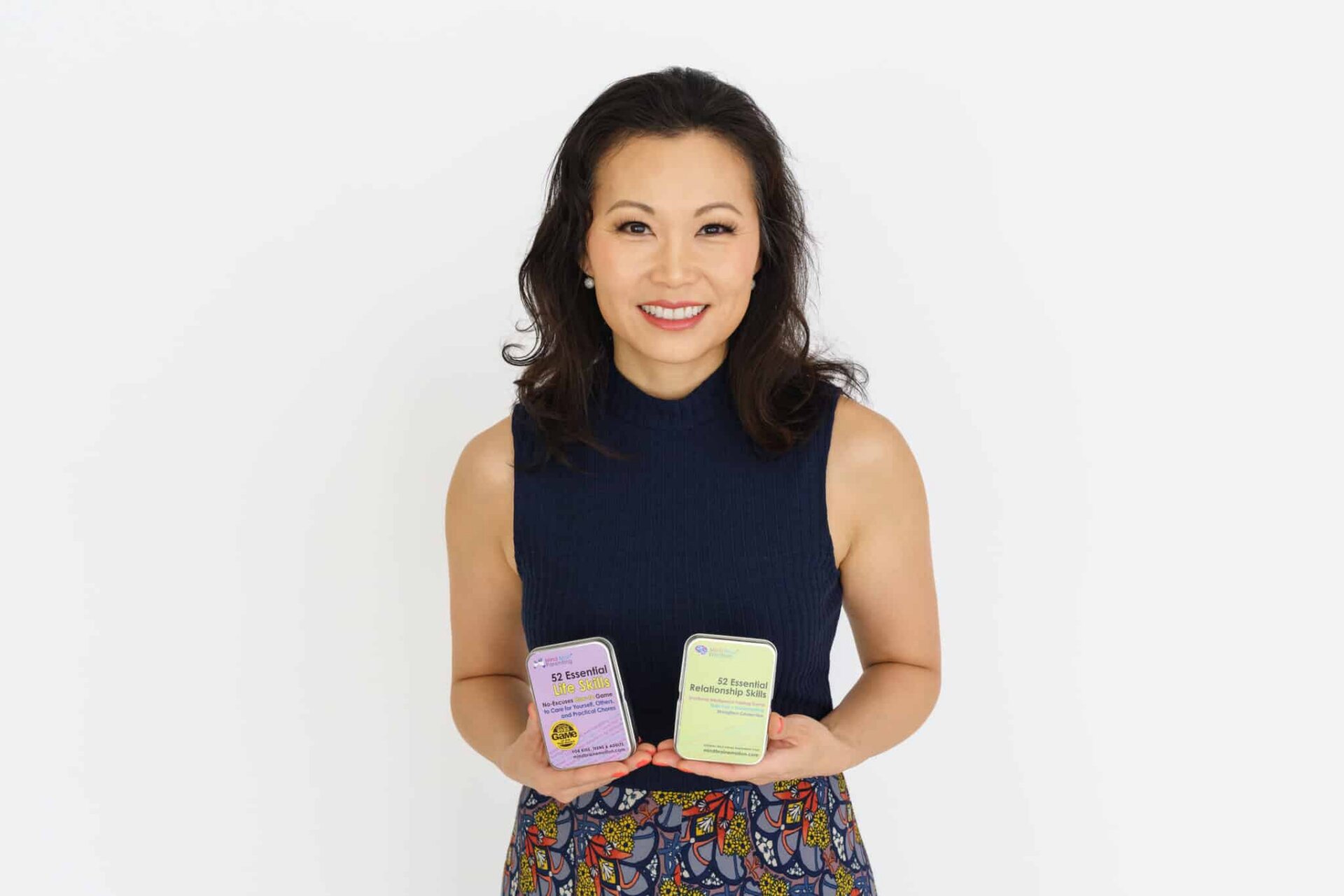
Jenny Woo, taking an emotional and deep-dive reading of this pattern, decided to develop the 52 Essential Conversations. She then established Mind Brain Emotion with the hope of helping people stay in tune with their emotions, building happiness, serenity, and wisdom. 

AN INCUBATION AT HARVARD

It was an insightful experience to have this exclusive interview with Jenny Woo, whose keen observation and curiosity have led her to the creation of Mind Brain Emotion, educational card games, and mental health tools to help people build essential human skills and connections.

Delightfully quipping “I earned enough credentials so that my parents and grandparents could each have an honorary degree,” Jenny showcased a strong personality, one that is “resourceful, resilient, and hard-working.” As she would humorously refer to herself as a “knowledge smuggler,” Jenny dug up the problems in current education towards one’s emotional development:

During my study and research at Harvard, I was drawn to the intersection of emotional intelligence and cultural identity. Self-awareness, social awareness, and relationship skills were three key components of emotional intelligence. As a management consultant, executive coach, and HR leader, I had already observed how essential these skills were for career success. 

And yet, the education system did little to expose students to these skills. Teaching resources were scarce, expensive, and outdated, and only the most expensive private schools had access. I also interviewed Harvard and MIT students on what got them to be where they are today and realized that a large component was having access to essential conversations and connections with mentors and parents. 

Jenny also detailed the inspiration behind her first deck, 52 Essential Conversations, which came from careful investigation into neuroscience and social affairs:

My findings are also aligned with neuroscience research from Harvard/MIT on the power of conversations. For the average Joe or Jenny, like me, we had limited access to social capital and resources like this. So, it inspired me to translate emotional intelligence research and social capital into affordable and relatable card games to help everyone reach their potential. In my research, I also saw a lack of representation and conversations around diversity, equity, and inclusion in the emotional intelligence learning framework. For example, how could we practice self-awareness or social awareness if we didn’t discuss the role of race? Being socially aware is also understanding our privilege and past.

NAVIGATION THROUGH RACISM AND MISOGYNY 

Jenny’s journey was never met with only the appraisals but also the scathing criticism of her success as an Asian American. Her detractors claimed many misogynistic things upon her (“women like this die alone”) and called her a CCP spy, because it was never expected of a woman like her to achieve such success. However, it is the meaning of her work and the applauding reaction of her supporters that have kept her moving forward: 

User testimonials are why I do what I do. My card decks are being used in ways that I had never imagined – in veteran hospitals and curriculums, in Federally-funded programs that support homeless youth and displaced families, in trauma-informed social work to help neglected and abused kids and adults, for Ukraine teen refugees, in speech-language therapy to help clients build reading comprehension, in community college and adult learning ESL classes to help immigrants learn language and networking, in gifted and talented programs to help students build both critical thinking and empathy, in workplaces for teambuilding and mentorship, etc. I’ve done university research on the utility of the card decks and it’s amazing to see it benefiting people from all socioeconomic classes, from poverty to affluence. 

At the end of a school district workshop I delivered, the school counselor told me that the divorced parents who had been on toxic non-speaking terms were surprisingly communicating warmly to each other and their child by the end of my hands-on workshop using the card decks. It’s anecdotes like this that keep me going.

AI, GEN Z, AND MIND BRAIN EMOTION

When asked about how AI has transcended society, she brought up the concerns for mental health, fearing the permeating scarcity of personal connection:

I was interviewed on an emerging study on the impact of AI on the mental health of workers (not just in the US, but also in the Asia Pacific) between the ages of 25 – 55. It found that workers were lonelier and craved more social interaction. I love tech and AI, and I believe they have improved the quality of our lives tremendously. However, in the context of emotional intelligence, it’s making it harder for people to experience authentic and unfiltered IRL emotional connections and social interactions. Lately, I’ve been interviewed a lot on emotional intelligence topics like how to initiate a conversation with strangers, phubbing, and how to cope with social anxiety and ghosting. Although people are now much more aware of the importance of mental health, I’m afraid that many are left with little practice (or willingness) for human-to-human connection. 

However, there’s always a silver lining. With the growing acceptance to talk about mental health among younger generations, Jenny sees a glimmer of hope in her products. They have the potential to support young people in fostering greater openness and understanding surrounding mental health issues:

I have a few more decks in the works that support Gen Alpha, GenZers, and Millennials. My card deck topics were created based on user feedback on their needs. For example, I created the 52 Essential Coping Skills during the pandemic to support my college students’ mental health. Many of the cards stemmed from a course I had been teaching, where I created practical Zoom games and assignments to help my students cope with the situations they were confiding in me. My class was oversubscribed with a long waitlist, so I made my exercises into this card game to offer instant support.
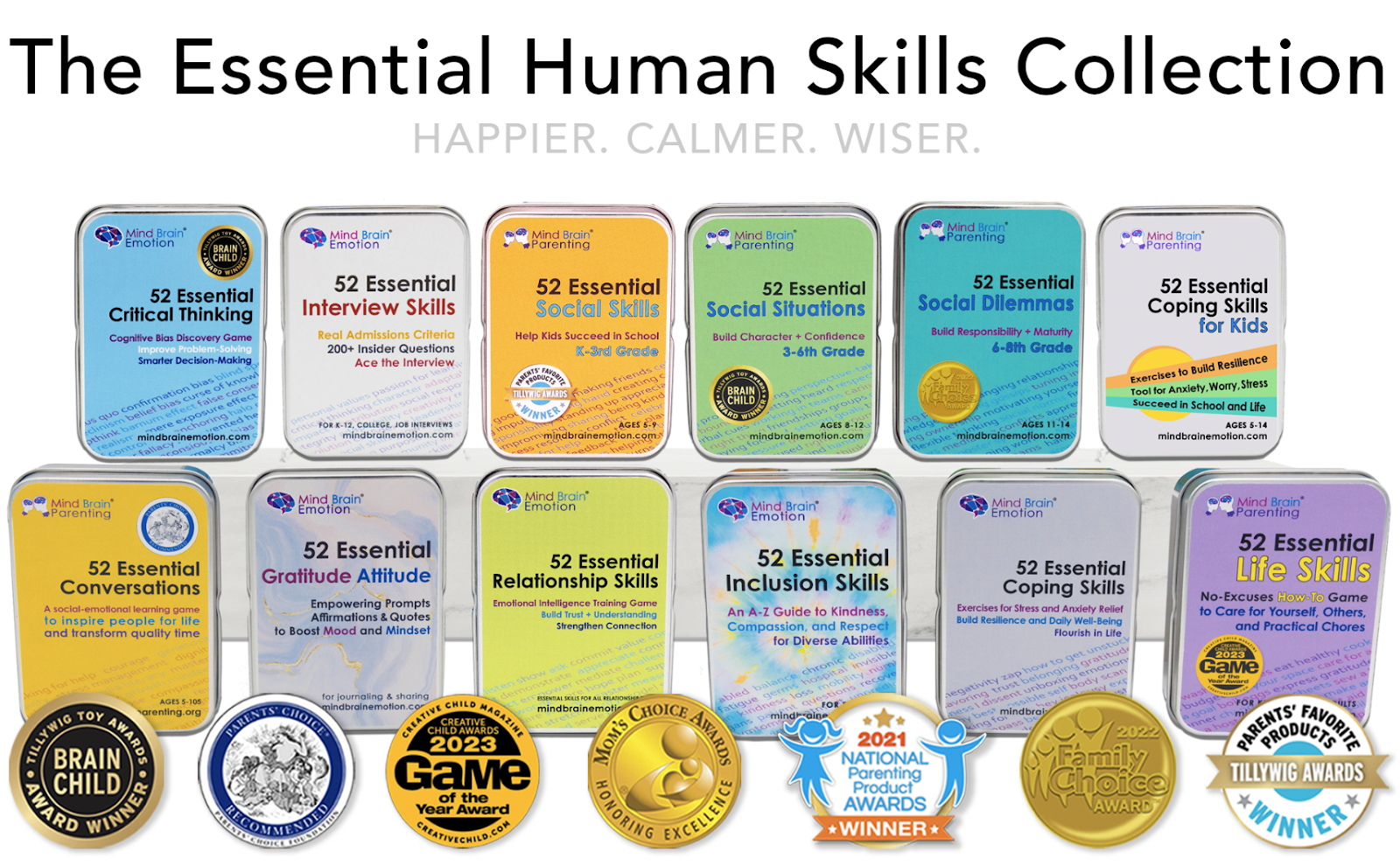
I created the 52 Essential Critical Thinking Skills in response to Black Lives Matter and Asian Hate crimes to give younger generations the tools for activism and advocacy. Most recently, a national youth-centered activism nonprofit organization contacted me to discuss collaborative partnerships to support our younger generations. We want to provide concrete tools to help our youth go from civic-conscious to civic-committed while managing the mental health toll of the geopolitical issues. Lastly, reaching younger generations through social media and YouTube would be great. I would love to collaborate with influencers who care deeply about mental health!

Speaking about her vision for Mind Brain Emotion, she expressed her desire to expand Mind Brain Emotion globally, especially in APAC:

I’d love to connect with publishers and distributors to bring evidence-based emotional intelligence resources into those countries. I believe these resources will benefit both the younger and older generations.

CONNECT WITH JENNY WOO / MIND BRAIN EMOTION

Website: http://mindbrainemotion.com

Socials: 

Related Articles

medium-jpeg

News

Phantila Phataraprasit: Embracing Thai Culture and Sustainability in Furniture

In the transition from dormitory living to her own apartment, Phantila Phataraprasit found herself grappling with a challenge familiar to many recent graduates: the quest for affordable, stylish, and eco-friendly furniture. Sustainability has played a significant role throughout her life due to her mother’s involvement in running eco-friendly lodges in Thailand.

Phataraprasit and her college friend Caitlin Ellen teamed up to start Sabai – a Thai word that means feeling comfortable and relaxed. Sabai is a direct-to-consumer furniture company that prioritizes sustainability without sacrificing affordability.

Sabai’s core mission revolves around empowering young professionals to align their values with their furniture choices. For them, achieving true sustainability involves more than using eco-friendly materials.

Their sofas, crafted in a family-owned North Carolina factory, feature Sustainable Forestry Initiative (SFI)-certified wood, recycled fiber fill, and upcycled fabrics, free from harmful chemicals. They introduced a “Repair Don’t Replace” program and a buyback initiative to ensure longevity and affordability.

After initially diversifying into various home furnishing categories, Sabai recognized that sustainability remained the driving force for their customers. They refocused their efforts on seating, catering to those with unique aesthetic preferences. This strategic shift enables them to deliver on their core sustainability promise while offering diverse design options.

Aside from this, Sabai also understands the importance of forming meaningful connections with customers. Furniture is intimate, and Sabai recognizes that today’s generation cares deeply about their living spaces.

By amplifying their sustainability initiatives and engaging with consumers, Sabai aims to inspire a lot of people to live a more sustainable lifestyle.

Featured Image Source: Medium

005_min_1_scaled.0-jpg

News

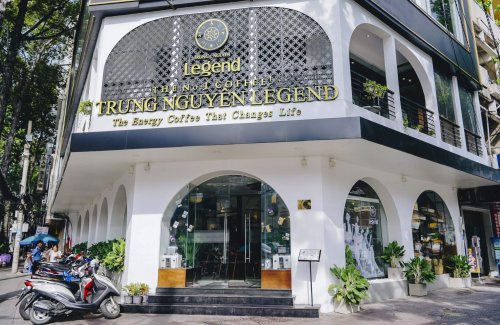
Trung Nguyên Legend Cafe Introduces Vietnamese Coffee From Saigon to U.S.

Adding a fresh chapter to its storied history, the esteemed Vietnamese coffee chain, Trung Nguyên Legend Cafe, has ventured across the Pacific to Westminster, Southern California.

With nearly three decades of experience and a robust presence in Vietnam comprising four factories and 110 stores, Trung Nguyên has also made its mark on the global stage, with distribution networks spanning over 60 countries.

Trung Nguyên Legend Cafe proudly serves phin- and espresso-based coffee drinks, crafted exclusively from 100-percent Vietnamese-grown Robusta and Arabica beans. The menu caters to diverse tastes, featuring an array of espresso-based classics such as lattes, mochas, and cappuccinos, alongside quintessential Vietnamese specialties like cà phê trứng (Vietnamese egg coffee) and cà phê chồn (civet coffee). Patrons can relish the brand’s signature dine-in coffee service, elegantly presented on ornate wooden trays, a unique experience now accessible in the U.S.

Jennie Tang, representing H & L Wholesale Food Corporation, the Los Angeles-based distribution company behind this franchise venture, underscores the essence of Vietnamese coffee culture. Beyond being a mere beverage, it embodies the art of connecting with one another while savoring the moment.

Trung Nguyên Legend Cafe is located at 9039 Bolsa Avenue #101, Westminster, CA 92683. The cafe welcomes visitors daily from 7 a.m. to 5 p.m., promising an authentic Vietnamese coffee experience.

Featured Image Source: LA Eater

337065635_5962298030490632_6699761041658586964_n-jpg

Stories

A Doctor’s Journey of Following His Passion and Becoming a Full-Time Comedian

In the world of comedy, they say that laughter is the best medicine, and for Dr. Jason Leong, this couldn’t be more true.

Up until 2010, Jason Leong’s life had followed the typical Asian narrative.

He had been a straight-laced kid, never earning anything less than an A in his exams. He secured a scholarship to pursue Medicine and eventually became a doctor in Malaysia.

Despite his initial success, the harsh reality of the workforce hit Jason hard. As a junior doctor, he endured grueling 36-hour shifts at least six times a month, with 100-hour workweeks becoming the norm. Sleep deprivation, constant hunger, overwhelming stress, and meager pay plunged him into the lowest point of his life. But things were about to change.

One day, he stumbled upon an opportunity for a monthly open mic show in Kuala Lumpur, the first of its kind in Malaysia. His wife encouraged him to try out. So he took 2 days off from work, drove 4 hours to the venue, and performed his first 5-minute standup. He left the stage saying to himself, “I want to do this forever.”

In 2011, Jason transferred to Kuala Lumpur and did regular gigs while being a full-time doctor. He loved being a doctor by day and a comedian by night, but it was still a lot of work for him. So in 2014, he made the big leap and did a not very Asian thing.

He quit being a doctor.

Having experience in the medical field not only informs Jason’s comedy, but it also makes his style a bit more unique. “The rigors of being a doctor made me all the more grateful to be able to tell jokes for a living,” he said.

At first, Jason didn’t tell his parents that he quit his job as a doctor. His parents now know of his career shift and support his journey wholeheartedly, with his mother saying, “If this comedy thing doesn’t work out, at least you have something to fall back on.” 

Jason’s comedy has since blossomed with two successful Netflix specials, “Hashtag Blessed” and “Ride With Caution.”

He boasts a portfolio of five solo one-hour specials, having graced stages at the Melbourne International Comedy Festival, featured on Comedy Central and Just For Laughs in Montreal, and won at the 7th Annual International Hong Kong Comedy Competition.

Jason is set to perform his solo show BRAIN DRAIN in Los Angeles on September 29 and San Francisco on October 4.

“Making a move to my passion and the arts is something that has allowed me to find real meaning in my work. I hope to inspire others within the Asian community to take the same risks and reach their real potential,” Jason shared with Asian Hustle Network.

CONNECT WITH JASON

Facebook: Dr. Jason Leong

Instagram: @drjasonleong

Tiktok: @drjasonleong

News

How Wang Xiaokun Turned His Milktea Business into a Billion-Dollar Success

Wang Xiaokun, a 40-year-old Chinese entrepreneur, has achieved a remarkable feat by becoming a billionaire through his milk tea venture. He is the visionary founder of Cha Panda, a Chinese tea chain.

Recent funding rounds have catapulted his tea business’s valuation to an impressive $2.1 billion. Forbes estimates Wang’s personal fortune at a staggering $1.1 billion, primarily due to his substantial 60% ownership stake in the Chengdu-based beverage chain.

Over the past three years, Cha Panda has experienced rapid expansion, now boasting an extensive network of over 7,000 stores. The chain is known for its signature beverages, including mango pomelo sago, taro bubble tea, and jasmine milk green tea, all offered at an affordable price point of $3.60 or less, as reported by Forbes.

Notably, Wang’s wife, Liu Weihong, has also enjoyed a substantial increase in her wealth, with an estimated fortune of $700 million, thanks to her 33% ownership stake in the company. She plays a pivotal role as the chair of the supervisory committee, responsible for overseeing Cha Panda’s daily operations, as indicated in a preliminary prospectus filed with the Hong Kong Stock Exchange. 

According to MSN, the roots of Cha Panda trace back to 2008 when Wang began selling fruit and bubble tea from a modest shop near a school in Chengdu, known for its spicy cuisine and as the home of giant pandas. Over the subsequent decade, Wang diligently expanded Cha Panda’s network of stores to 531 by 2020. However, the pivotal moment occurred when he embraced a franchising model.

Today, Cha Panda focuses on crafting beverage recipes and supplying ingredients like fruit and tea leaves to Cha Panda-branded beverage shops. This innovative approach allows Wang to maintain lower operational costs compared to competitors like Hong Kong-listed Nayuki Holdings, which grapple with higher employee salaries and rental expenses for their directly operated stores.

Featured Image Source: India Times