Stories

April 19, 2024

SHARE:

Social media undoubtedly has brought our society many wonders. The connection it can bring and the impact it can make are undeniable. But along with the rise of platforms that prioritize online personas and shortcut conversations, profound connections feel like an endurance test.

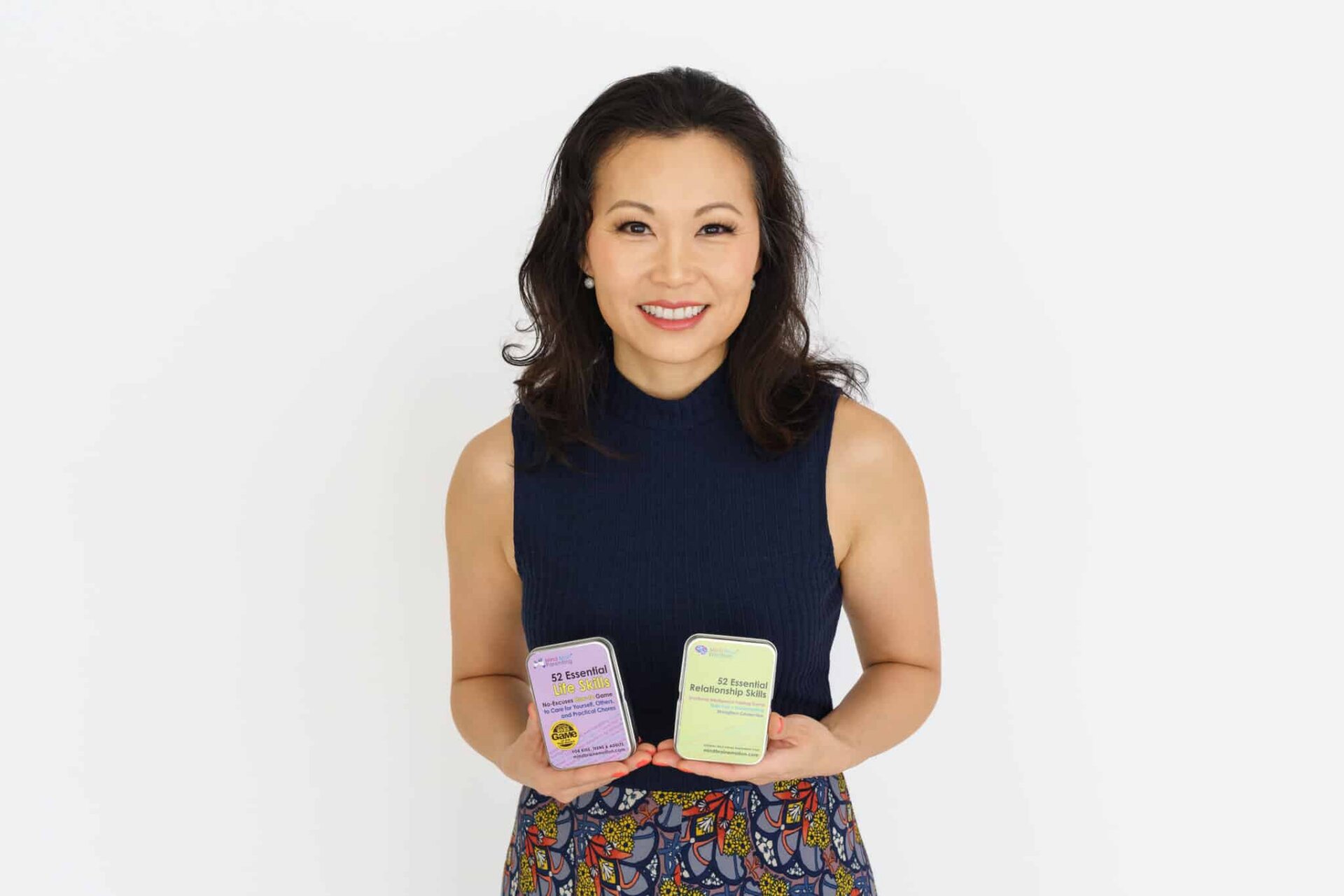
Jenny Woo, taking an emotional and deep-dive reading of this pattern, decided to develop the 52 Essential Conversations. She then established Mind Brain Emotion with the hope of helping people stay in tune with their emotions, building happiness, serenity, and wisdom. 

AN INCUBATION AT HARVARD

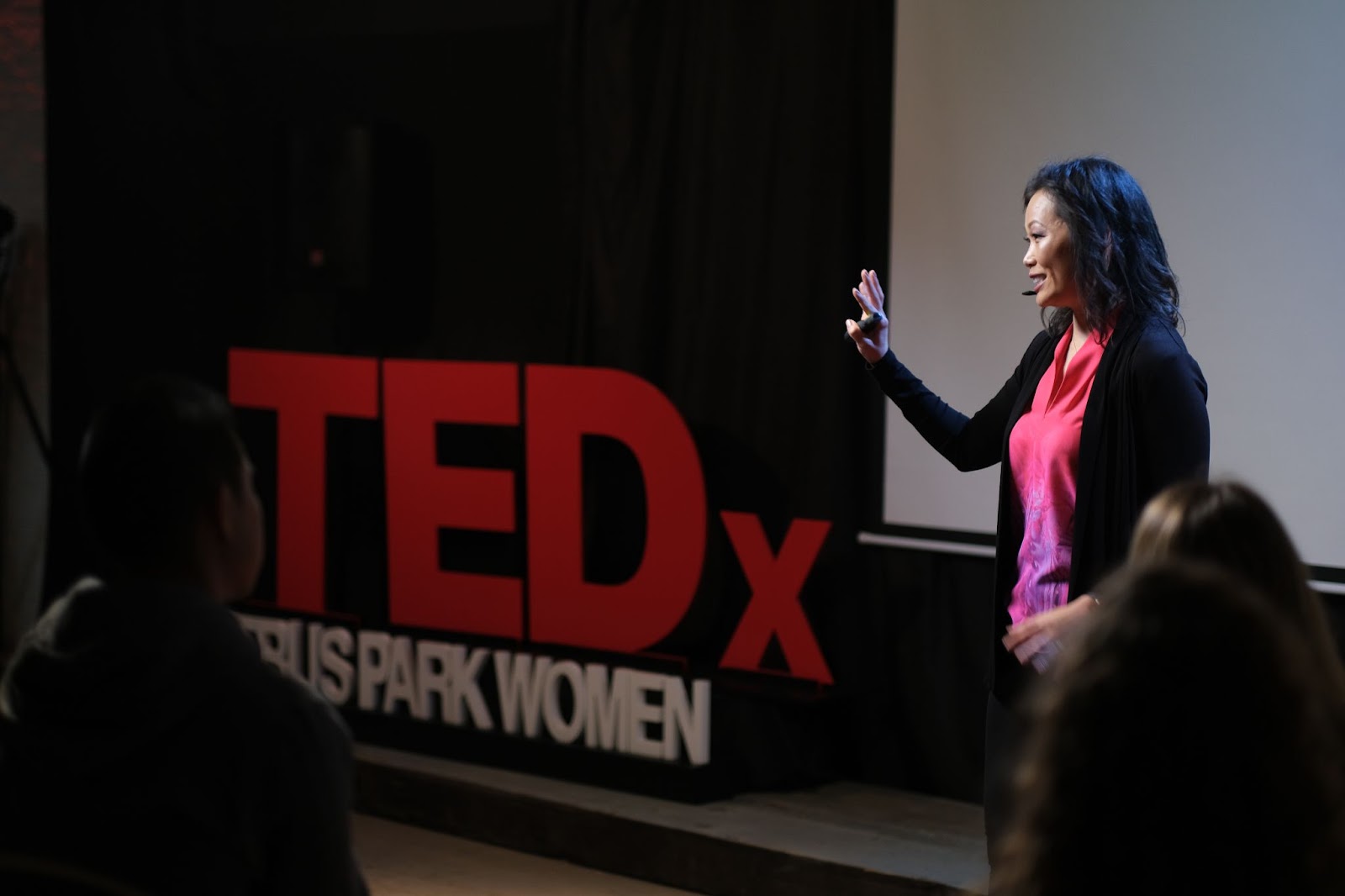
It was an insightful experience to have this exclusive interview with Jenny Woo, whose keen observation and curiosity have led her to the creation of Mind Brain Emotion, educational card games, and mental health tools to help people build essential human skills and connections.

Delightfully quipping “I earned enough credentials so that my parents and grandparents could each have an honorary degree,” Jenny showcased a strong personality, one that is “resourceful, resilient, and hard-working.” As she would humorously refer to herself as a “knowledge smuggler,” Jenny dug up the problems in current education towards one’s emotional development:

During my study and research at Harvard, I was drawn to the intersection of emotional intelligence and cultural identity. Self-awareness, social awareness, and relationship skills were three key components of emotional intelligence. As a management consultant, executive coach, and HR leader, I had already observed how essential these skills were for career success. 
And yet, the education system did little to expose students to these skills. Teaching resources were scarce, expensive, and outdated, and only the most expensive private schools had access. I also interviewed Harvard and MIT students on what got them to be where they are today and realized that a large component was having access to essential conversations and connections with mentors and parents. 

Jenny also detailed the inspiration behind her first deck, 52 Essential Conversations, which came from careful investigation into neuroscience and social affairs:

My findings are also aligned with neuroscience research from Harvard/MIT on the power of conversations. For the average Joe or Jenny, like me, we had limited access to social capital and resources like this. So, it inspired me to translate emotional intelligence research and social capital into affordable and relatable card games to help everyone reach their potential. In my research, I also saw a lack of representation and conversations around diversity, equity, and inclusion in the emotional intelligence learning framework. For example, how could we practice self-awareness or social awareness if we didn’t discuss the role of race? Being socially aware is also understanding our privilege and past.

NAVIGATION THROUGH RACISM AND MISOGYNY 

Jenny’s journey was never met with only the appraisals but also the scathing criticism of her success as an Asian American. Her detractors claimed many misogynistic things upon her (“women like this die alone”) and called her a CCP spy, because it was never expected of a woman like her to achieve such success. However, it is the meaning of her work and the applauding reaction of her supporters that have kept her moving forward: 

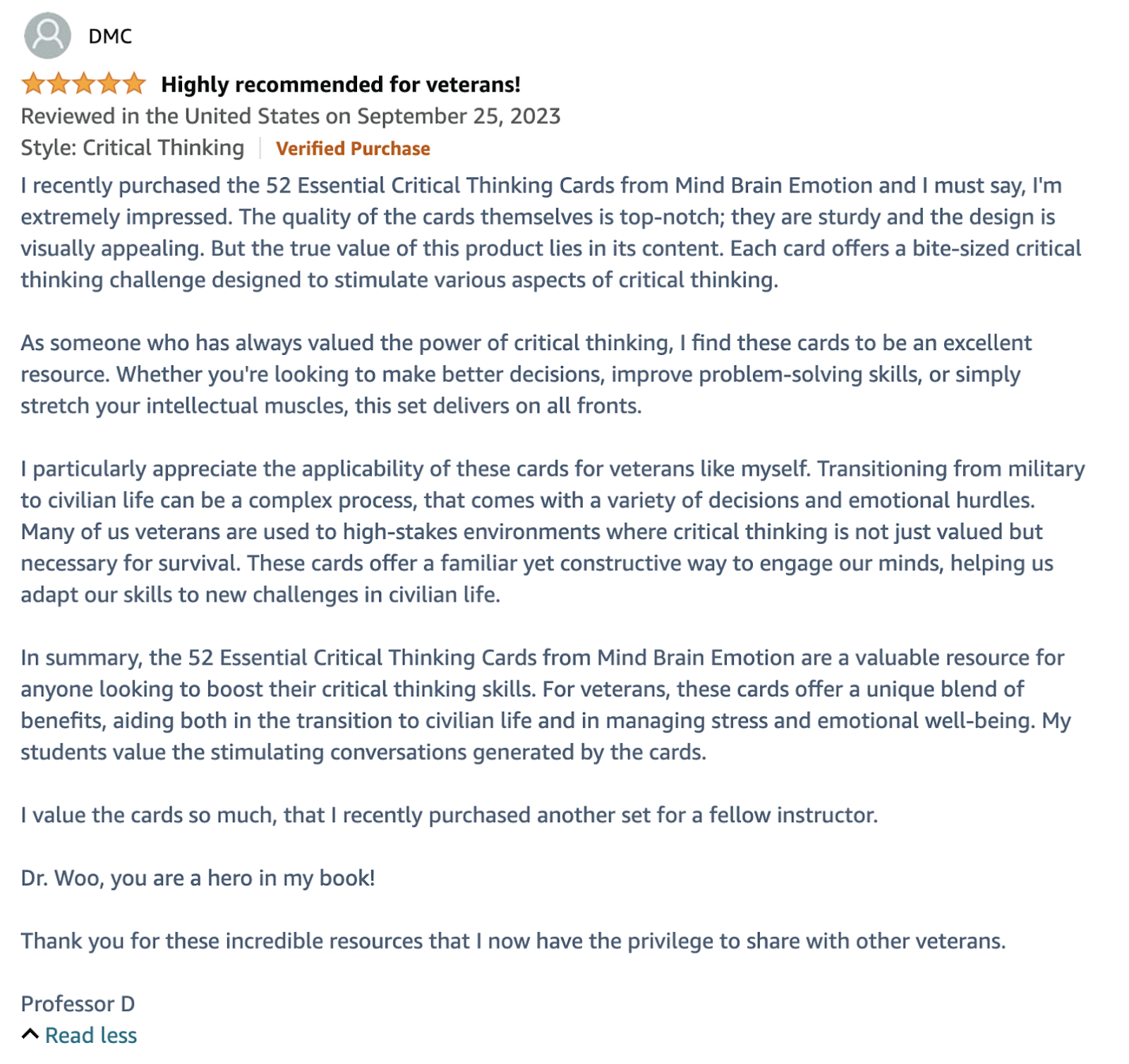
User testimonials are why I do what I do. My card decks are being used in ways that I had never imagined – in veteran hospitals and curriculums, in Federally-funded programs that support homeless youth and displaced families, in trauma-informed social work to help neglected and abused kids and adults, for Ukraine teen refugees, in speech-language therapy to help clients build reading comprehension, in community college and adult learning ESL classes to help immigrants learn language and networking, in gifted and talented programs to help students build both critical thinking and empathy, in workplaces for teambuilding and mentorship, etc. I’ve done university research on the utility of the card decks and it’s amazing to see it benefiting people from all socioeconomic classes, from poverty to affluence. 
At the end of a school district workshop I delivered, the school counselor told me that the divorced parents who had been on toxic non-speaking terms were surprisingly communicating warmly to each other and their child by the end of my hands-on workshop using the card decks. It’s anecdotes like this that keep me going.

AI, GEN Z, AND MIND BRAIN EMOTION

When asked about how AI has transcended society, she brought up the concerns for mental health, fearing the permeating scarcity of personal connection:

I was interviewed on an emerging study on the impact of AI on the mental health of workers (not just in the US, but also in the Asia Pacific) between the ages of 25 – 55. It found that workers were lonelier and craved more social interaction. I love tech and AI, and I believe they have improved the quality of our lives tremendously. However, in the context of emotional intelligence, it’s making it harder for people to experience authentic and unfiltered IRL emotional connections and social interactions. Lately, I’ve been interviewed a lot on emotional intelligence topics like how to initiate a conversation with strangers, phubbing, and how to cope with social anxiety and ghosting. Although people are now much more aware of the importance of mental health, I’m afraid that many are left with little practice (or willingness) for human-to-human connection. 

However, there’s always a silver lining. With the growing acceptance to talk about mental health among younger generations, Jenny sees a glimmer of hope in her products. They have the potential to support young people in fostering greater openness and understanding surrounding mental health issues:

I have a few more decks in the works that support Gen Alpha, GenZers, and Millennials. My card deck topics were created based on user feedback on their needs. For example, I created the 52 Essential Coping Skills during the pandemic to support my college students’ mental health. Many of the cards stemmed from a course I had been teaching, where I created practical Zoom games and assignments to help my students cope with the situations they were confiding in me. My class was oversubscribed with a long waitlist, so I made my exercises into this card game to offer instant support.
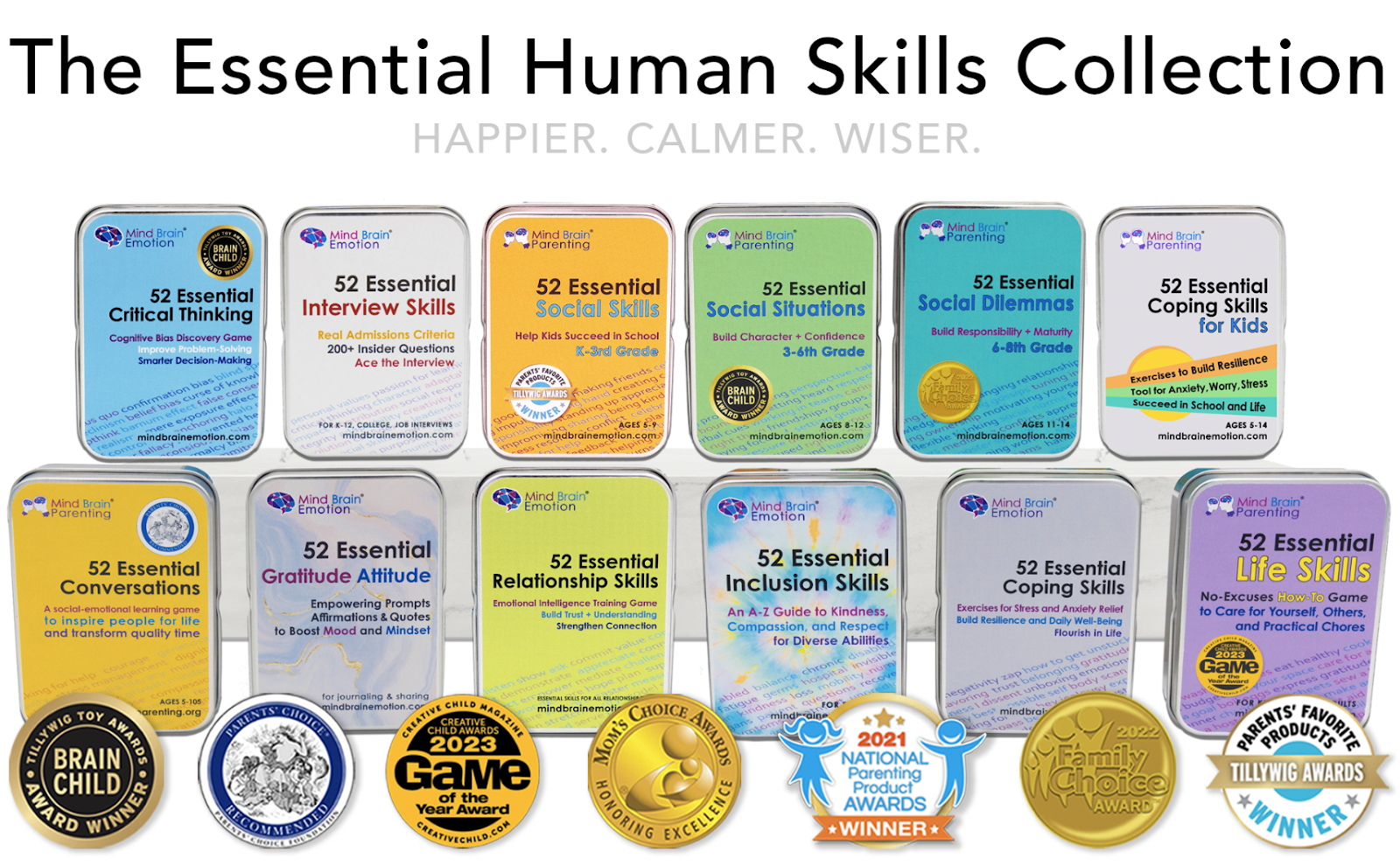
I created the 52 Essential Critical Thinking Skills in response to Black Lives Matter and Asian Hate crimes to give younger generations the tools for activism and advocacy. Most recently, a national youth-centered activism nonprofit organization contacted me to discuss collaborative partnerships to support our younger generations. We want to provide concrete tools to help our youth go from civic-conscious to civic-committed while managing the mental health toll of the geopolitical issues. Lastly, reaching younger generations through social media and YouTube would be great. I would love to collaborate with influencers who care deeply about mental health!

Speaking about her vision for Mind Brain Emotion, she expressed her desire to expand Mind Brain Emotion globally, especially in APAC:

I’d love to connect with publishers and distributors to bring evidence-based emotional intelligence resources into those countries. I believe these resources will benefit both the younger and older generations.

CONNECT WITH JENNY WOO / MIND BRAIN EMOTION

Website: http://mindbrainemotion.com

Socials: 

Related Articles

Screen Shot 2023-09-26 at 2.33.38 PM-png

Stories

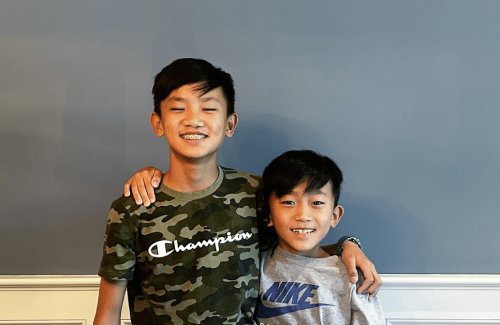
Young Siblings, Big Dreams: Oliver and Archer Noe’s Lobster-Inspired Card Game

In the world of entrepreneurship, age knows no boundaries, and Oliver Noe (age 13) and Archer Noe (age 9) are perfect examples of this.

Sons of John Noe, CEO of Yobo Soju, these young talents are crafting their own path to success. We have previously featured John Noe and Yobo Soju in one of our articles titled “This Grape-Based Soju Brand Is Here To Empower Asian-American Spirits.”

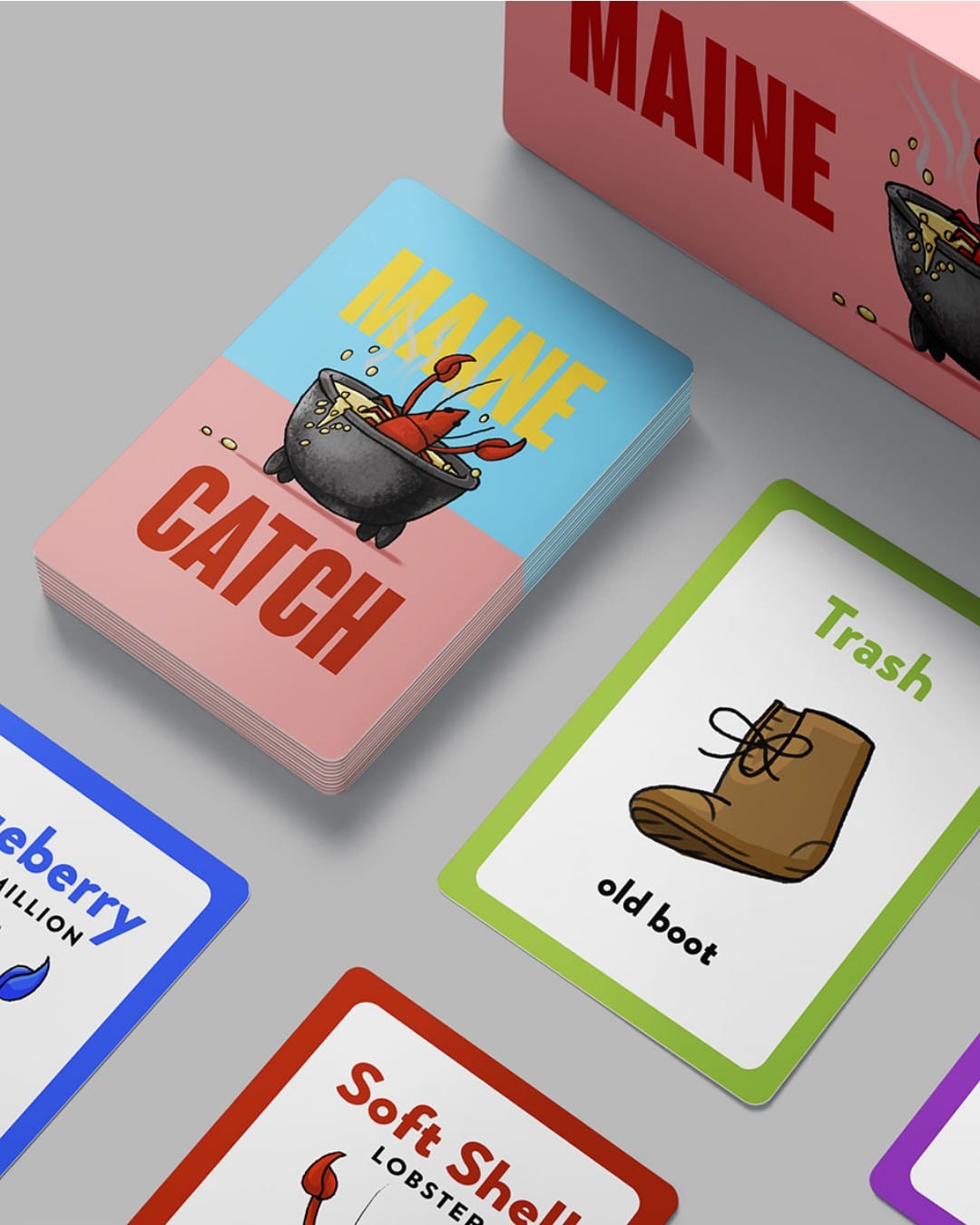
Today, we turn our attention to the promising endeavors of Oliver and Archer as they share their inspiring journey in bringing the Maine Catch card game to life.

Finding Inspiration in Lobsters and Art

When asked about the source of their inspiration, the brothers responded with youthful exuberance, “We’re just two young, lobster-obsessed kids hoping to make our game a reality.” 

Their spark of creativity was ignited during a visit to Maine, where they stumbled upon a lobster shack that introduced them to the captivating world of rare lobsters and lobster collecting. Merging these newfound passions with their love for art, the concept of Maine Catch was born.

Navigating Challenges and Staying on Course

Like many creative minds, Oliver and Archer faced challenges on their journey. They openly admitted, “We often get sidetracked.”

Distractions can be a hurdle for entrepreneurs of any age, and learning to stay focused is a valuable skill they are honing.

“Our mission is to create a card game that people can enjoy. This achievement wouldn’t just be ours; it would inspire Asian children worldwide who dream of becoming entrepreneurs.”

Oliver and Archer Noe

Celebrating Artistic Achievements

Despite their age and the challenge of getting sidetracked, these young entrepreneurs have achieved remarkable milestones.

They take immense pride in the fact that all the art featured in Maine Catch is hand-drawn, meticulously refined on the computer, and masterfully shaded in. They have designed and created over 20 unique cards for the game.

Balancing School and Chores with Entrepreneurship

Beyond their entrepreneurial pursuits, Oliver and Archer are just like any other kids their age. While they are blazing a trail in the world of entrepreneurship, these young entrepreneurs still embrace their roles as students and household chore-doers.

Introducing Maine Catch

Oliver and Archer’s passion for game creation has been a lifelong journey, encompassing both imaginary adventures and tangible projects. Lately, their focus has shifted towards card games, with Maine Catch being their most ambitious and promising endeavor yet. It’s evident that their dedication to refining their skills is paying off with this exciting project.

Empowering Aspiring Entrepreneurs

When asked about their mission and vision for Maine Catch, the young entrepreneurs shared, “Our mission is to create a card game that people can enjoy. This achievement wouldn’t just be ours; it would inspire Asian children worldwide who dream of becoming entrepreneurs.” 

Their aspirations extend beyond their own success as they aim to empower the Asian community and inspire young minds to chase their entrepreneurial dreams.

Oliver and Archer Noe are setting a remarkable example of youthful determination and creativity in the world of entrepreneurship. Their journey from lobster shacks to designing a unique card game, Maine Catch, is an inspiring testament to the power of imagination and passion.

As they continue to grow and develop their entrepreneurial skills, they are not only achieving their dreams but also paving the way for aspiring young Asian entrepreneurs worldwide. We look forward to seeing Maine Catch make waves in the gaming world and the positive impact these young talents will have on their community.

SUPPORT OLIVER AND ARCHER

Website: mainecatchgame.com

Taufeek Shah

Stories

The Success Behind the First-Ever National Asian-Filipino-Owned Hot Sauce Brand

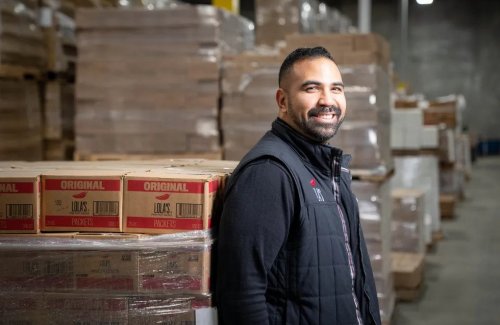
Taufeek Shah, the Founder and CEO of Lola’s Fine Hot Sauce, embodies a story that celebrates both multiculturalism and the passing down of traditions from one generation to the next.

Taufeek’s unique background, growing up with a Filipino mother and a Pakistani father who were immigrants, provided him with a rich tapestry of cultural influences. This upbringing laid the foundation for his culinary journey.

Taufeek’s parents arrived in the U.S. with dreams of a better life, despite limited resources. His father served in the military, while his mother established a medical practice in rural Northeast Iowa. Technically raised in small-town Iowa, Taufeek’s life was deeply influenced by three distinct cultures—Filipino, Pakistani, and American.

They aptly named their business “Lola’s,” a heartfelt tribute to Taufeek’s mother and a nod to the Tagalog term for grandmother.

Delightful Blend of Flavors

Taufeek’s culinary adventure was inspired by the delicious meals he savored at home. The fusion of Filipino and Pakistani flavors, combined with the locally grown peppers from Iowa farmers, crafted a one-of-a-kind gastronomic experience. This delightful blend of flavors ignited Taufeek’s vision to share these flavors with the world by bottling them.

A Humble Beginning

Taufeek’s venture into the business world began during his career in the financial services sector. He introduced his mother’s homemade hot sauce at office gatherings, and it became an immediate sensation. Encouraged by the enthusiastic feedback, he persuaded his mother to join him in sharing their family’s hot sauce with a broader audience.

Their entrepreneurial journey commenced with humble beginnings, starting at pop-up locations and farmer’s markets. As their loyal customer base expanded, Taufeek’s confidence in building a successful enterprise grew. They aptly named their business “Lola’s,” a heartfelt tribute to Taufeek’s mother and a nod to the Tagalog term for grandmother.

The Recipe for Success

The secret to Lola’s Fine Hot Sauce’s success was their dedication to preserving the original recipe. Taufeek took on multiple roles, from investor to CEO, marketer, and even delivery driver, to propel their brand forward. They started by supplying restaurants and gradually expanded into retail outlets, gaining a foothold across the nation.

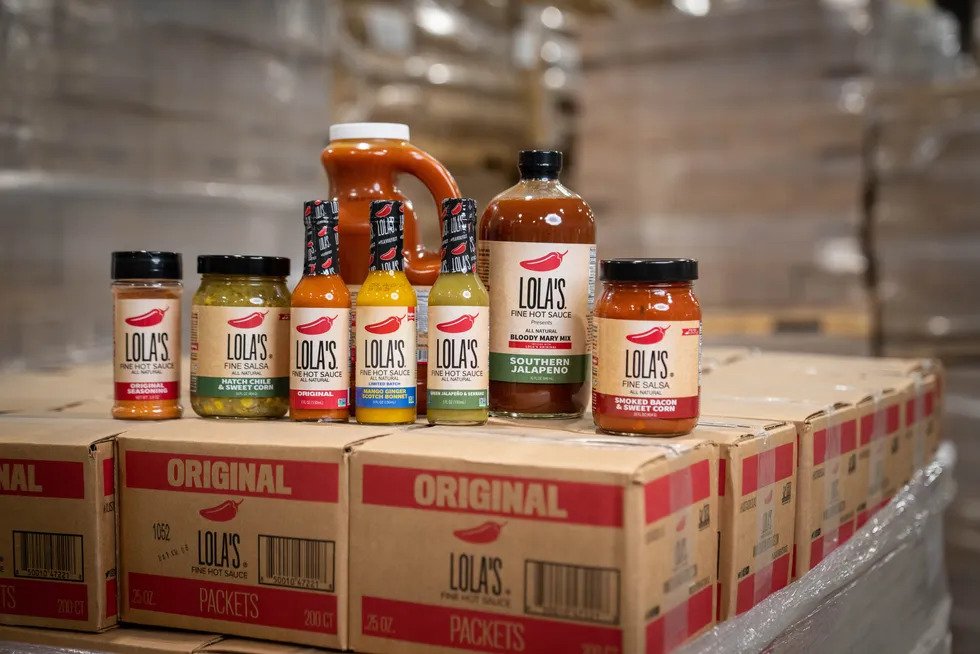
Today, Lola’s Fine Hot Sauce is available in over 14,000 locations, a testament to their unwavering commitment to quality and taste.

First-Ever National Asian-Filipino-Owned Hot Sauce Brand

The mission of Lola’s Fine Hot Sauce is to provide a truly unique hot sauce for everyone to enjoy. Their hot sauce is made from the freshest ingredients and includes a blend of the world’s most unique peppers for a delectable experience. Their sauces are meant to enhance your dishes with delightful flavor, not just intense heat.

Their recent milestone of landing in over 3,600 Walgreens stores across the country makes them the first-ever national Asian-Filipino-owned hot sauce brand in the United States.

The legacy of Lola’s Fine Hot Sauce extends far beyond being a mere condiment. It serves as a symbol of family heritage, the fusion of diverse cultures, and the realization of the American dream.

CONNECT WITH LOLA’S FINE HOT SAUCE

Instagram: @LolasFineHotSauce 

Website: lolasfinehotsauce.com 

News

Filipino Couple Started a Small Business to Support Autism in the Philippines

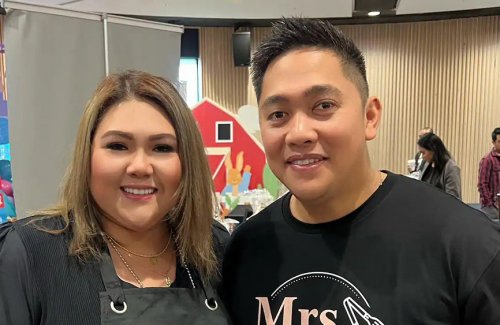
Amidst a worldwide lockdown, Chris and Minette Sales, a Filipino couple living in Australia, found a way to help families back in the Philippines who are dealing with autism. Their small business, Mrs. Market, helps groups that support people with autism.

Their journey began when their twin sons were diagnosed with autism. Living in Australia gave them access to much-needed help for their children. But Minette, being a Filipino, wanted to share this kind of support with families in the Philippines.

Their business, Mrs. Market, started because their children had special dietary needs. They decided to use this as an opportunity to give back. Some of their profits go to organizations in the Philippines that help people with autism.

Image Source: Mrs. Market

Chris, a nurse, already had a feeling that their sons were behind in their development. He told Minette that they needed to face the challenge together and be the best parents for their kids. They run their small business with support from Minette’s mom, who’s also a nurse, and their friends who help when they can.

Mrs. Market is part of a community in Melbourne that supports Filipino business owners. The Sari-Sari Success community started during the lockdown and has become a place where Filipinos can share their experiences as entrepreneurs. It’s all about helping each other succeed, build networks, and make new friends.

Featured Image Source: SBS Filipino

News

Candles with a Twist: Asian Scents Co. Delights with Asian-Inspired Fragrances

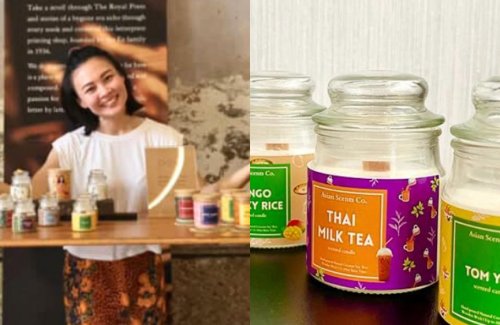
Candles have transcended their traditional use and have become a cherished everyday luxury in Malaysia. The candle-making industry has witnessed a surge in recent years, with numerous brands emerging across the country. Among these, one brand stands out for its unique twist on the classic candle experience – Asian Scents Co.

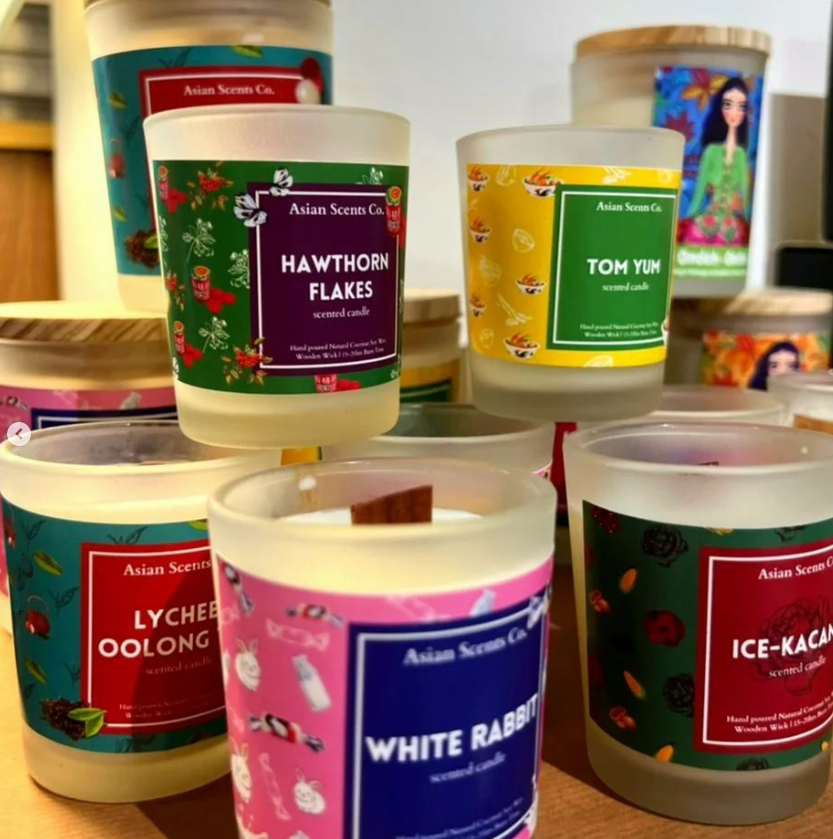
Unlike typical candle makers that focus solely on scents, Asian Scents Co. takes a novel approach. They offer a range of candles inspired by Asian culture and flavors that will tantalize not only your olfactory senses but also evoke a sense of nostalgia and wanderlust. From Boba Milk Tea to White Rabbit Candy, and even the distinctive Tiger Balm scent, Asian Scents Co. offers a diverse selection that goes beyond the ordinary.

Image Source: Asian Scents Co.

The brain behind this aromatic venture is Audrey Hon, whose journey began with homesickness while living in Melbourne, far from her Malaysian roots. As the pandemic kept her away from her homeland, she found solace in crafting scented candles. What started as a therapeutic hobby soon turned into a business, driven by the shared nostalgia her candles evoked among friends living abroad.

Audrey started with an initial investment of approximately $24,000, sourced from her personal savings and family support. The candles, crafted from premium natural coconut soy wax, wooden wicks, and high-quality fragrance oils, promise clean and toxin-free burning. She left her corporate job to devote herself fully to the brand, a bold move that paid off as international orders began pouring in from Europe and the US.

Asian Scents Co. has strategically positioned itself in the market by offering a unique blend of scents that celebrate Asian culture. Their portfolio includes a diverse range of options, available as candles, air fresheners, reed diffusers, and linen sprays, with prices ranging from $4 to $20. Customers can choose between travel-sized and full-sized candles, and the brand even offers gift sets.

As the global scented candles market continues to grow, with a projected value of $9.5 billion by 2028, the candle-making industry presents a promising avenue. However, with rising competition, brands need to differentiate themselves. Asian Scents Co. has done just that by tapping into the universal love for food and nostalgia, delivering a unique sensory experience that resonates not only with Malaysians but also with individuals worldwide who share an appreciation for Asian culture and flavors.

Featured Image Source: Asian Scents Co.