Stories

June 2, 2025

SHARE:

Breaking New Ground in a Foreign Land

For Chester Yow, the decision to leave Singapore, his hometown, wasn’t an excursion but rather a mission. After two years in the military, Chester aimed to challenge his own comfort zone, venturing far away from the familiar into the unknown of a new country on the other side of the world. “I wanted to prove that I can be successful in another country, in another city,” he shares. While it is common that many Asians would like to take the stable route to be near their community, Chester wanted to flip the script and rewrite his story.

Drawn to the fast pace and competitive spirit of New York City (NYC), Chester quickly realized that real estate was made for him—because for a person who doesn’t enjoy 9-to-5 office jobs like Chester, real estate allows the flexibility while maintaining the discipline needed to survive in NY. It is this combination of freedom and responsibility that has become the driving force for him to start building a network from scratch in this city that never sleeps.
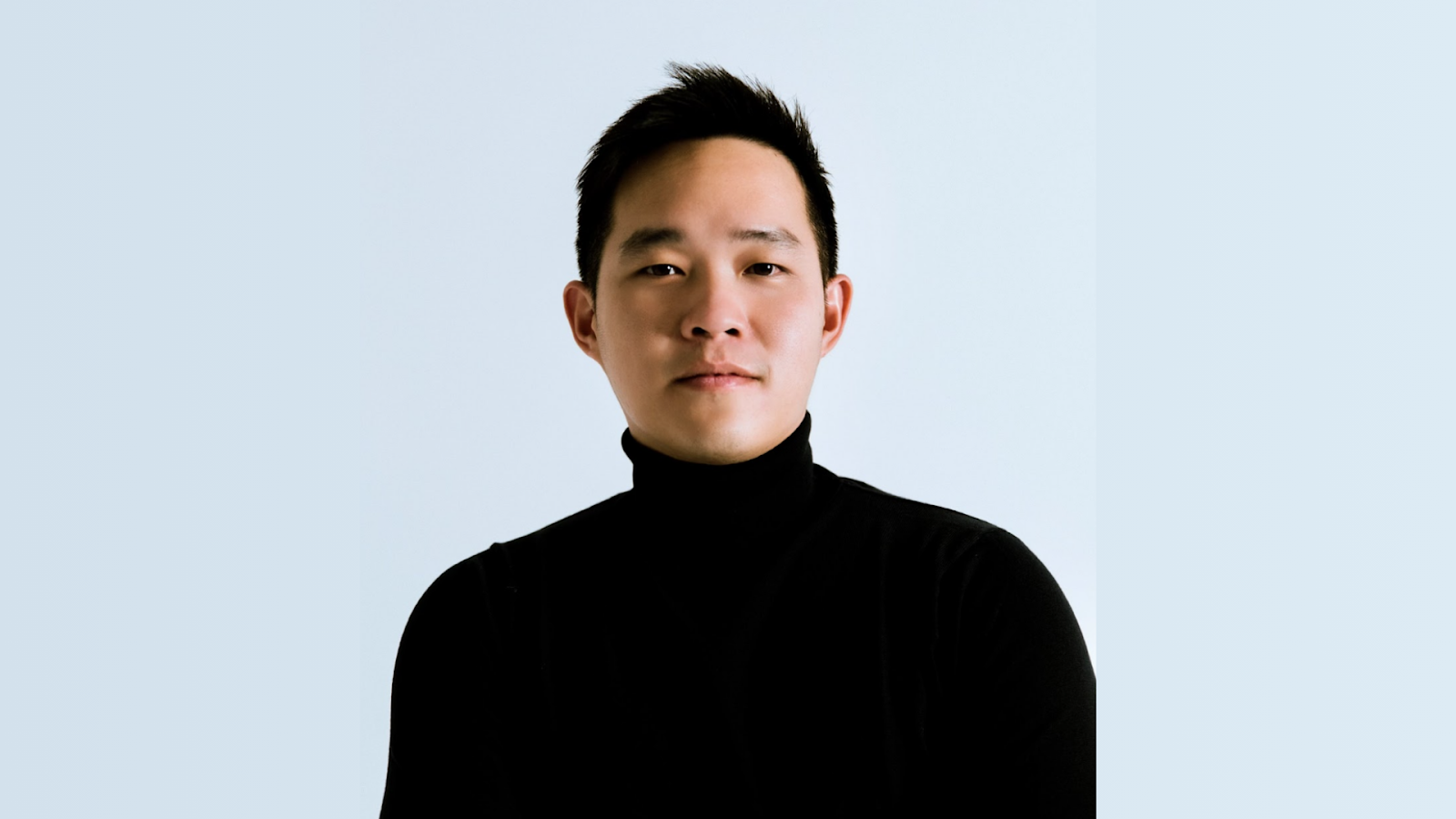
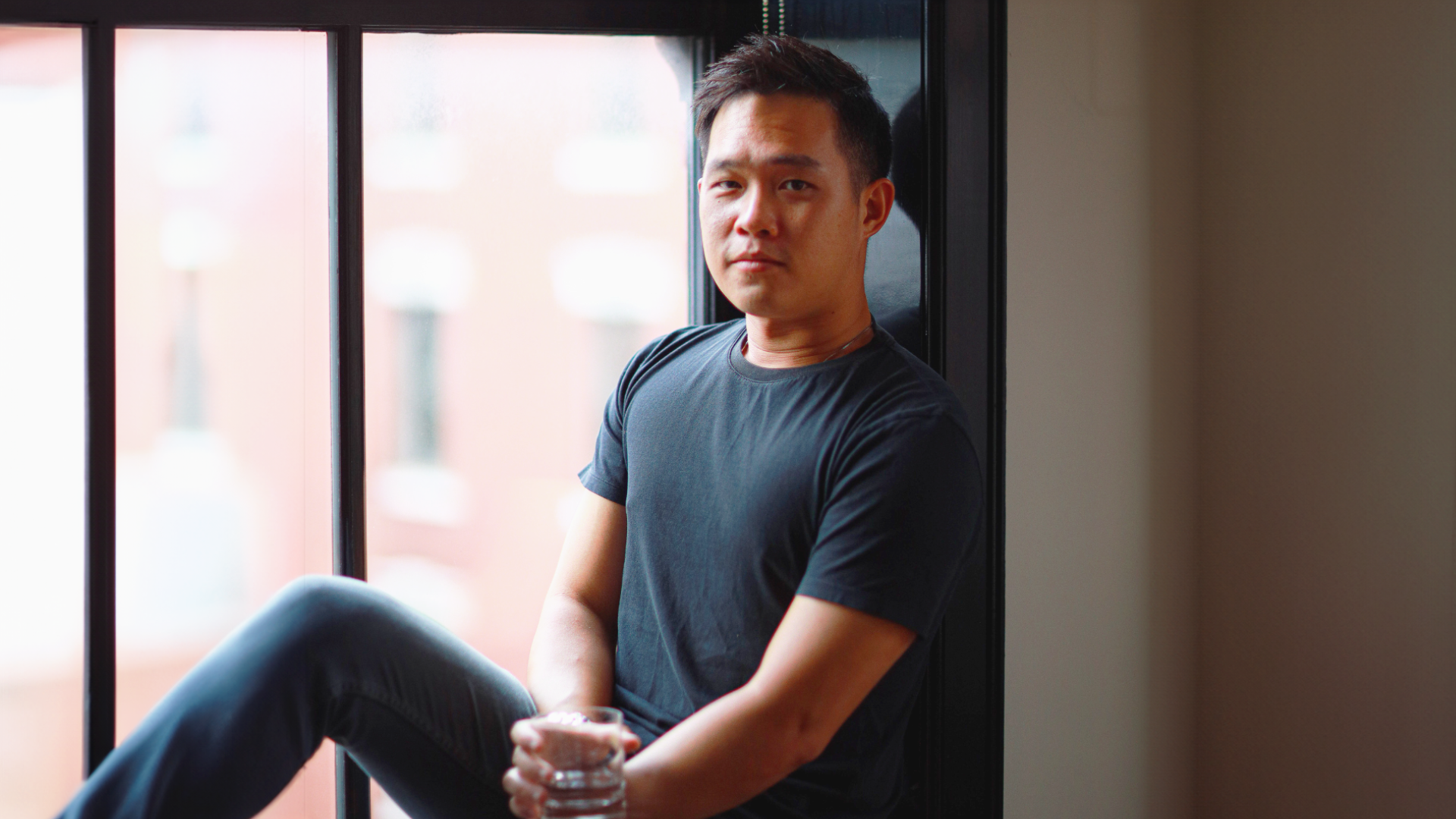
Chester Yow, a Licensed Associate Real Estate Broker and Founder of the Chester Yow Team at SERHANT, smiling confidently in professional attire.
Chester Yow | Licensed Associate Real Estate Broker and Founder of Chester Yow Team at SERHANT

Shattering Stereotypes in the Heart of New York

“If you can make it there, you’ll make it anywhere.” It’s a common, inspirational pipeline when speaking of New York. It’s inspiring enough to imply that challenges will always remain—not to bring you down, but to toughen you up. Chester’s no exception. With a heart filled with unrelenting passion and determination, it was still not enough—especially when dealing with racial discrimination and prejudice.

As a fresh-off-the-boat Asian in the U.S., he soon faced the harsh realities here—that discrimination can be both subtle and publicized at the same time. “You do get looked down on as a ‘minority’ at times, and people tend to judge or doubt you faster. I sometimes get, ‘Wow, your English is so good’ (English is the spoken language of Singapore), or ‘Why aren’t you a doctor, lawyer, or accountant?’” he recalls.
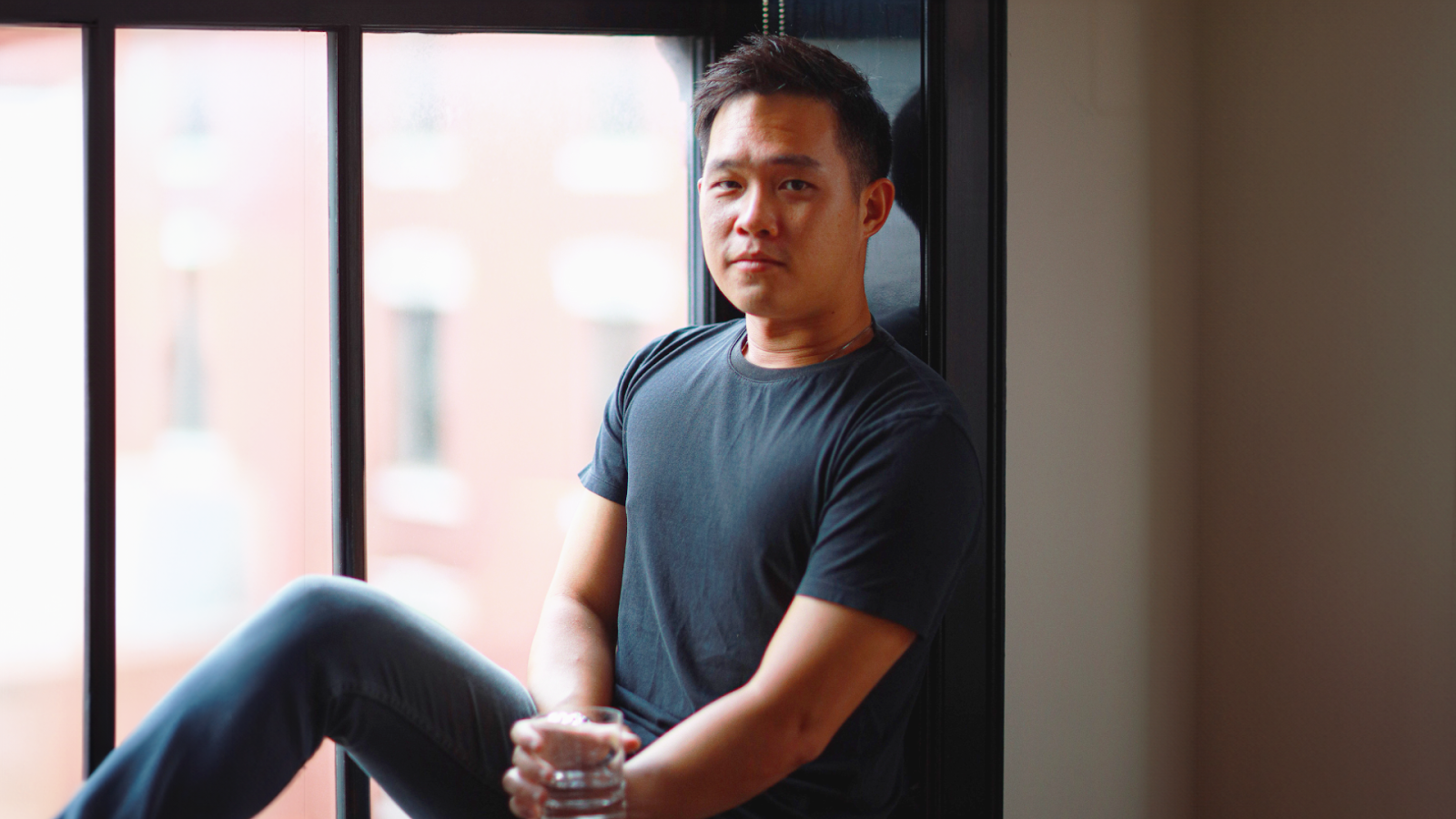
Chester Yow, a Licensed Associate Real Estate Broker and Founder of the Chester Yow Team at SERHANT, who overcame early challenges in the U.S. such as racial discrimination and cultural differences, smiling confidently in professional attire.
Chester faced many challenges during his early days in the States, including racial discrimination and cultural differences. 

But instead of surrendering to the stereotypes, Chester leveraged them as inspiration. “I work harder than the next person, I study harder, I make sure I’m more prepared, I do everything necessary in my power so that there’s no doubt in anyone’s mind to question my capabilities.”

And his effort paid off. By exceeding expectations and proving himself with actual results, Chester is, step by step, changing common misconceptions—not only for himself but also for an Asian working in real estate in New York. Then, even those who doubted him reached out to him for work.

What grounds me is knowing why I work so hard and who I’m working for—my family, my loved ones, my future self 30 years down the road, and my own future family. I’m working hard for them. Having that quiet confidence to keep my head down and keep going is crucial, too.

The Life-Changing $450 Million Development Project

“Tough times don’t last, tough men do”—a quote from my military days that has stuck with me. Ryan Serhant also says, “You are allowed to quit—just make sure it’s on your best day.” You control your own destiny, and building mental toughness is essential to success. Mentorship is crucial for any entrepreneur, and one of Chester’s mentors can be traced back to his military days.

That advice led to a breakthrough in his career. One of the biggest turning points came in 2017, when Chester helped launch a $450 million luxury real estate project in Manhattan. As part of the SERHANT. team, he had the opportunity to bring the project to Ryan Serhant—one of the industry’s most prominent figures—and collaborate directly with his top-tier team.
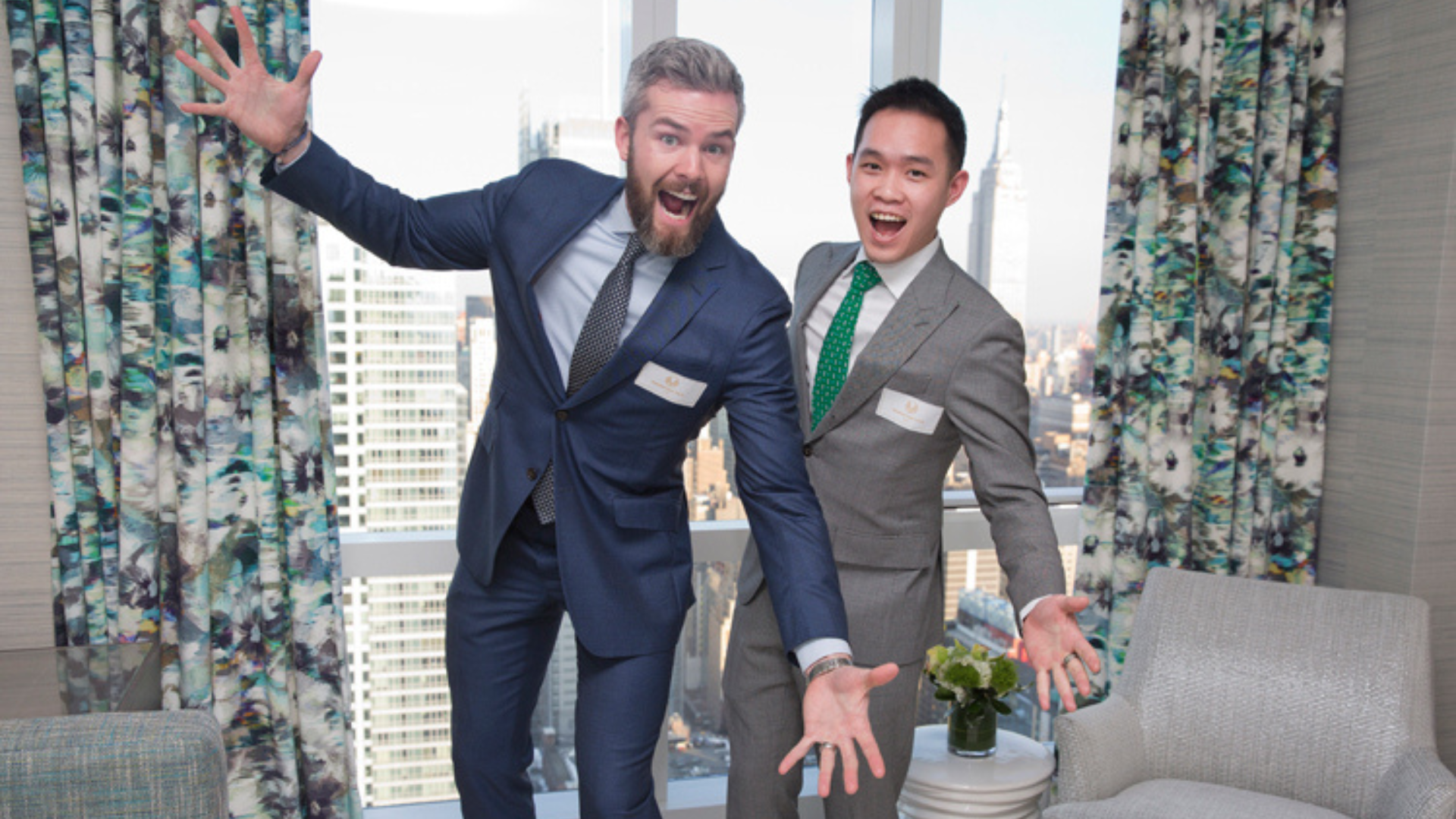
Ryan Serhant (left) and Chester Yow (right) standing together, both in professional attire, smiling confidently.
Ryan Serhant (left) and Chester (right)

“That project didn’t just help me close more deals (and earn more), it grew my network with consumers and other top agents, to learn the ropes of new development, and to work and learn closely with Ryan, thus growing my career exponentially,” Chester shared. It was an experience that catapulted his career and opened doors that might’ve otherwise taken years to access.

Staying Rooted on Unfamiliar Ground

As someone who grew up in Asia, Chester was raised with a mindset rooted in caution and logic. “We’re often taught to think of the worst-case scenario, to lead with reason, and to stay guarded and conservative. But that can sometimes come off as negative or dismissive,” he said. Living and working in the U.S. challenged those values and pushed him to adopt a more balanced approach. “I’ve learned not just to be prepared for the worst, but also to lead with optimism, follow my heart, and be vulnerable. Embracing failure and change has been key to my growth.”

That flexibility in mindset has helped Chester adapt and thrive in a fast-paced environment like New York. Even after many years away from Singapore, he’s maintained a strong connection to its culture and community. He regularly attends events and is active in organizations that support Asians in NYC. “There are so many ways to stay connected to being Singaporean and Asian here,” he shared. “I have a great group of friends and partners—we collaborate, support each other’s businesses, and stay rooted in our culture. In fact, 70% of my clients are Asian, and working with them helps me stay connected as well.”

Connect With Chester Yow

“Work hard, work smart, stay persistent, and block out the noise around you. Find a purpose that gets you out of bed every day and use it as your daily motivation. Hold on to the people who believe in you—and forget the ones who don’t.”

Website: Chester Yow

Instagram: @chester.yow
Related Articles

News

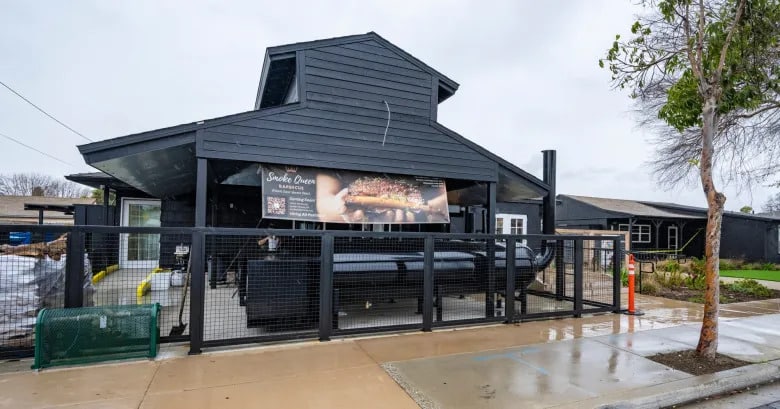
AAPI-Owned Smoke Queen Barbecue Celebrates its Brick-and-Mortar Debut

Winnie Yee-Lakhani’s Smoke Queen Barbecue celebrated its opening in Garden Grove on March 9, marking a significant shift from its origin as a pandemic experiment.

As the co-owner of Bruxie and a seasoned service franchisee, Winnie used the lockdowns to explore her passion for barbecue, leading to the birth of Smoke Queen Barbecue in 2020.

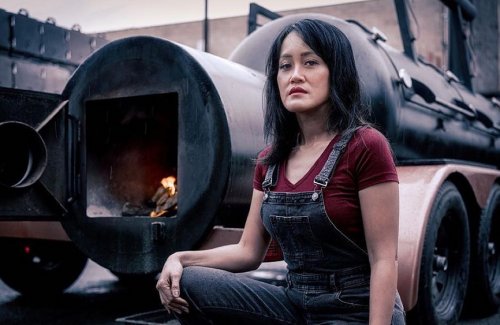
Smoke Queen Barbecue challenges stereotypes in Orange County’s dining scene and the wider American barbecue community, with Winnie, a petite Asian woman of Malaysian-Chinese descent, excelling in this traditionally male-dominated field.

Image Source: Orange County Register

In collaboration with pitmaster Jared Ruiz and her brother, Kevin Yee, Winnie’s culinary innovation fuses traditional Asian flavors with American smoking techniques. The menu features smoked brisket, pork belly, spare ribs, and chicken seasoned with unique Asian ingredients, like Thai basil, fermented soybean paste, black vinegar, and kaya custard.

Image Source: Orange County Register

The new Smoke Queen Barbecue location in Garden Grove’s Cottage Industries boasts a contemporary design with a charcoal-hued wooden slat exterior and a covered outdoor seating area. Smoke Queen Barbecue currently operates on Fridays, Saturdays, and Sundays from noon until 4 p.m., with plans for expanded hours and days in the near future. 

Featured Image Source: Facebook

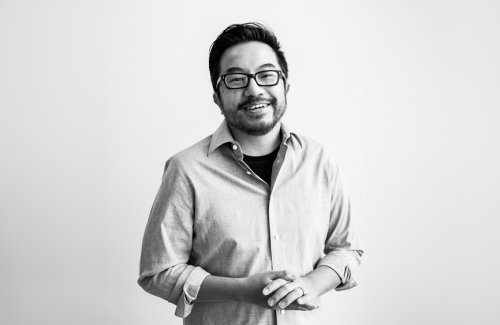
Garry Tan

Awaken* newsletter

Garry Tan on Startups, Advocacy, and Overcoming Cultural Mindsets

Few people in Silicon Valley are as high-profile as Y Combinator’s President and CEO, Garry Tan. Garry has worn many different hats over his illustrious career. In addition to leading the world’s most successful startup accelerator, Garry was the 10th employee at Palantir, co-founded Posterous (one of the earliest blogging sites), founded Initialized Capital (a VC fund with over $3.2B AUM), and has even ventured into the world of politics, becoming a prominent activist in San Francisco local politics. I got the chance to pick Garry’s brain about how being Asian has affected his life, and I hope that his answers can help and inspire our readers. Without further ado:

OVERCOMING DETRIMENTAL MINDSETS

My experience is that children of working class parents (especially Asian immigrants) tend to have a sticky mindset of scarcity–even when they improve their socioeconomic status. Garry has previously talked about his “$200 million mistake”. That is–he declined Peter Thiel’s offer to be a founding member at Palantir. To me, this seemed like a manifestation of this mindset, so I asked Garry how he overcame it:

I was able to realize that these things were two-way doors. Quitting a big tech company on good terms actually means you can go back anytime. There are one-way doors and two-way doors. For people who grow up with our upbringing, everything feels like a one-way door. But if you can recognize when that is wrong, then you have reclaimed some of the privileges those who come from money have by default.

The one-way vs two-way door framework is something Amazon founder Jeff Bezos has talked about extensively. You can hear him go more in depth here.

The stigma around mental health in the Asian community is another mindset that is gaining more attention. Personally, because my immigrant parents had to fight tooth and nail for survival, I don’t feel that I have the right to complain about my mental health since my life is comparatively easy. I asked Garry if this resonated with him and how he overcame this mental block:

I pretended I didn’t have any problems and spent a lot of time just trying to blend in, but in the end things about my childhood or unusual trauma-based reactions would pop up in my professional life. At some point I started going to therapy individually and it helped me immensely. All these things I didn’t have control over suddenly became something I could integrate and be aware of, and make better choices about. Carl Jung says if you don’t make the unconscious conscious, it will rule you, and you will call it fate. 

A third common mindset I see among Asian Americans is to keep their heads down and avoid rocking the boat, even if it means holding in their thoughts. Given that Garry is a very outspoken person, I asked him how he developed his confidence:

I remember in high school, I was editor of the school newspaper and noticed that students in our poorer high school got much more harsh sentences and expulsions for the same infractions that would get a slap on the wrist at the rich school. I was so angry about it, and I wrote an article exposing it but that was censored by my high school newspaper teacher. I was already going to graduate and go to Stanford so I let it slide, but deep inside me there was an anger at being silenced that I never forgot. Before newspaper, I would publish underground newspapers using Pagemaker and my English teacher would photocopy the newspapers for the class – it gave me a power I never forgot because otherwise I was the scrawny Asian nerd in the corner, but when I could channel the words of my community it gave me standing. I never forgot that.

ON ASIAN COMMUNITIES

On the topic of communities, I asked Garry about what motivated him to become a fierce advocate for the Asian community:

I feel strong solidarity with my Asian American community in San Francisco. We are a major part of the city but we are not seen. We are not heard. The local leaders would even denigrate our attempts at securing safety for our Asian American elders. Now I know I need to fight for those who don’t have a voice. One of the coolest things I found was a nonprofit called Dear Community that connects Asian Americans new to SF, often young professionals, to each other and to the existing SF Chinatown communities. It’s amazing to see smart driven people come together around that, and fight for our people in this city.

I also pointed out how he recently went to Singapore to attend a startup event called SWITCH, and asked him how he felt about the startup scenes popping up in Asian countries:

Startups are happening all around the world. You can learn from YouTube and the web. YC alums are everywhere in the world. I’m excited to see that what started in the Bay Area is now a global phenomenon and only growing.

THE ASIAN FOUNDER EXPERIENCE

On a friend’s recommendation, I asked Garry “Who are some non-technical Asian founder role models I might want to look towards? In terms of working at an early stage startup as a non-technical employee, what are the most valuable skills to learn?” Garry’s response kind of challenged the premise of my question:

In startups and in technology, being technical is a key strength. Be technical if you can be. And then be a polymath: it’s far easier for a technical person to pick up the soft skills than the other way around. 

In hindsight, I will admit that it seems silly to expect to get an outlier outcome (in the positive direction) in the tech industry if you aren’t willing to put in the effort to become technical. He got me on that one.

Lastly, I asked Garry the same question I ask all our guests–how does he think about his Asian-ness in the context of being a founder:

I didn’t think about it until much later. Frankly I tried to pretend it wasn’t an issue, even though there was absolutely a bamboo ceiling even for me. I was passed over for promotions and/or people didn’t think I was capable of doing what I have done. I would rage-quit jobs and it would work out, but I could see it going a different way. As a founder, I found that I needed to up-level my ability to speak up and speak out, and especially be as assertive as possible when I knew I was absolutely right. I had an unspoken desire that I was not even aware of for harmony, and without being aware of it I would sometimes self-abandon, and then be passive aggressive about it later. I don’t do that anymore, and it was a key step in my development as a leader. I wish I developed it earlier, and it was all because of unconscious programming from my childhood. 

The biggest lesson I took away from this interview was how the infallible and outspoken Garry Tan was not always so, and that at one point he was very much like the stereotypical Asian kid. Garry’s story proves that with self-awareness and determination, anybody can undergo tremendous growth and become an industry leader.

SHOUTOUTS

If you have an ambitious startup idea and want to be part of an amazing community of founders, apply to Y Combinator! Y Combinator runs batches twice a year–in the winter and summer. Applications for the summer 2024 batch are open, you can apply at https://www.ycombinator.com/apply

Thank you Garry for the interview!

Featured Image Source: Y Combinator

eunice 2-a -jpg

Stories

Former Teacher Launches Very First Asian Heritage Magnetic Dress-Up Dolls

Dolls have been with us for many centuries now, evolving from wooden dolls, clay dolls, and paper dolls, to plastic dolls, but the message that they send us has always been the same. They are often imbued with symbolism about what is acceptable and desirable in our society.

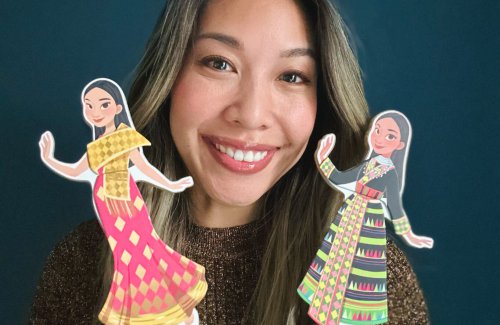
For children, dolls can mean a lot of different things, but most importantly, dolls can help them build their creativity, imagination, individuality, and even self-esteem. For this reason, Eunice Chen launched the World’s Very First Asian Heritage Wooden Magnetic Dress-Up Dolls.

Read through as we learn more about the journey that led Eunice to create Stay Curious Toys, all of which she shared through an exclusive interview with Asian Hustle Network.

THE CREATION OF STAY CURIOUS DOLLS

When Eunice first embarked on her project of designing an Asian princess and giving her many traditional Asian clothing, it was purely for her own enjoyment and fulfillment of one of her childhood wishes. She wanted to share her designs as a free resource to the Asian community, so she created paper doll versions and posted them online.

“I wasn’t expecting much response, but it BLEW UP!” Eunice said. She got thousands of likes and hundreds of comments from people thanking her and asking her to turn it into a real toy product.

Months passed and people were still asking her to make the dolls into a wooden toy. She did not know where to begin and literally just Googled and researched online. Somehow, she stumbled across a factory that she (later on) discovered also makes wooden toys for big brand names such as Disney, Fisher-Price, and Melissa and Doug! One thing led to another, and now she owns her own toy company called Stay Curious Toys, with her first products being magnetic dress-up dolls. 

PIVOTING FROM BEING AN ELEMENTARY TEACHER TO A FULL-TIME DESIGNER

Before becoming a designer, Eunice was an elementary school teacher. In December 2020, she decided to do a complete career pivot to become a designer, and had a dream of working as a designer in the animation industry. Growing up though, Eunice also wanted to become a fashion designer.

Little did she know that all of her dreams would come true, and that she would have the opportunity and enjoy designing her own toys and their clothes too.

Despite having no formal education in art and no connections in the art industry, Eunice worked hard, took art classes and learned to ask for help. She is now working as a full time designer on a Disney TV show, has illustrated four books, and designed toys.

OVERCOMING CHALLENGES

Just like everyone, Eunice faced some challenges along the way, one of which was fear of failure, and a lot of self-doubt.

“I still don’t know the best way to deal with it and I haven’t overcome it, but I just continue to push through. I know that if I take small steps towards my goal or dreams daily, then one day I will get to the destination,” she said.

CULTURAL ROOTS AND MODERN FLAIR

Eunice’s multicultural upbringing in Canada/US and Taiwan plays a significant role in shaping her dolls. Infusing Eastern and Western influences, she creates designs that celebrate Asian heritage while offering a modern and fresh perspective.

In Taiwan, Eunice had a lot of Asian role models to look up to and instill within her a lot of pride in her identity. It showed her more diversity in the types of careers and interests an Asian person could pursue.

In the US/Canada, Eunice experienced what a lot of Asian Americans go through, how they always feel like an outsider and constantly having to be perfect or prove themselves. But she also witnessed the grit behind every immigrant and stories of their families.

However, in both places, she hadn’t seen Asian dolls that truly represented the richness and diversity of Asian Culture. And in some way, her creation is something that she wished she had when she was a girl.

WORKING ON A DISNEY TV SHOW

“I knew I had limited time and a lot of catching up to do, and since I was starting from the very bottom, I had no ego (or no shame). So I just kept putting myself out there and tried to learn from everyone and everything. I also developed thick skin and learned to take rejection lightly. Eventually, after countless applications, I got an art test for Pupstruction to design a bus for the show. They liked my design and hired me!” Eunice shared.

Eunice uses the same lessons she learned from landing her Disney job now with Stay Curious Toys: “keep a clear goal, continue to learn, don’t let rejections or setbacks deter you from your goal, and make friends!”

LIFE-ALTERING PERSPECTIVE

A near-death experience shaped Eunice’s outlook on life. 

“It made me realize that life was too short to be lived for other people’s approval. And so I started making choices for myself…and through that process, I discovered that when I was making things that I truly enjoyed, it resonated with people and people responded,” she shared.

ADVICE FROM EUNICE

For those who want to pivot their career – “Be clear in what you want–even if you can’t see the final, ultimate goal, you have to know and believe what your next steps are. And in any change, risk is involved, so you have to know when to take that risk/jump. It is also important to filter out the noise/feedback you get from your friends and family–listen to them and then make your own assessment with the information you got from them. Each person and situation is different, so I am only sharing what has worked for me. But ultimately, the most important thing is to make or do what you love, and not what others want you to do.”

For those who want to pursue a career in art – “Make sure you develop a strong set of foundational art skills and learn those from good artists and references. Think about which field in the art industry you’d like to be in and curate your art portfolio to match the type of job you’d like. Stay humble and hungry, and surround yourself with peers and mentors by reaching out to them and asking questions. Keep putting yourself and your art out there, and know that even the best artists experience imposter syndrome.”

CONNECT WITH EUNICE CHEN / STAY CURIOUS TOYS

IG: @eunicesketches / @staycurioustoys

Website: eunicesketches.com / staycurioustoys.com

*Pre-order at staycurioustoys.com, starting February 1, 2024. The first 100 customers will receive an exclusive tote bag designed by Eunice.

News

Three Business Heirs in Asia Pave the Way for Socially Conscious Investments

Across Asia, a new wave of second- and third-generation business heirs is redirecting family enterprises toward sustainable investments, challenging traditional profit-centric businesses.

Komal Sahu, Chief of Sustainable Finance at AVPN, the largest network of social investors in Asia, notes that younger generations are recognizing their family’s wealth as a catalyst for positive transformation. By integrating environmental, social, and governance factors into their investments, these heirs aim to drive positive change while maintaining financial viability.

Al Jazeera has shared three business heirs across Asia that exemplifies this:

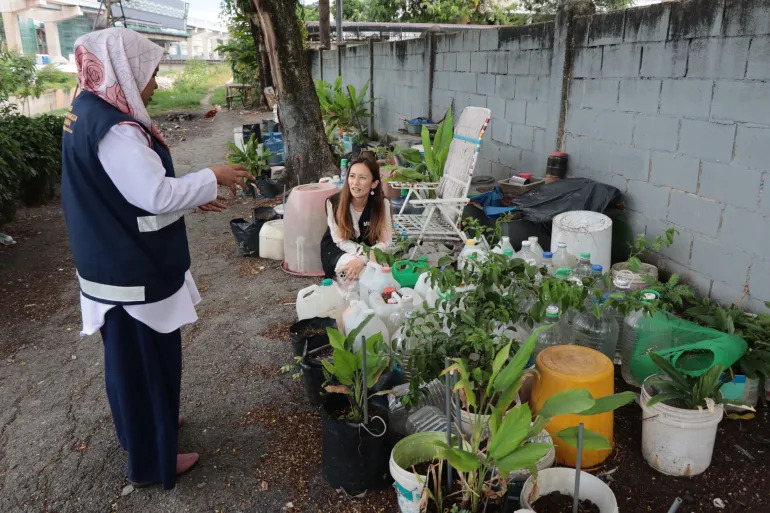
In Malaysia, 27-year-old Abe Lim, an heir to a lubricant and cleaning products business, departed from her father’s profit-focused approach, despite being groomed to take over the company. Instead, she founded Purpose Plastic, successfully transforming discarded plastic into home decor and other products while emphasizing sustainability.

Image Source: Al Jazeera / Abe Lim

In some cases, the older generation encourages innovative thinking to secure the ongoing success of their businesses. The Lopez family in the Philippines, known for success in telecommunications and energy, divested from coal in 2016 to focus on renewable energy. Marianna Lopez Vargas, partnerships manager at the Oscar M Lopez Center, believes that a complete transition to renewables is achievable with the right incentives.

Singapore-based Fernando Scodro, responsible for his family office’s investment strategy, is educating his family about socially conscious investing, which leads to impactful investments like COGNI, a Brazilian startup focused on energy efficiency.

As these Asian business heirs redefine success, their commitment to sustainable investments signals a profound shift toward a more socially and environmentally conscious business landscape.

Featured Image Sources: Al Jazeera, Esquire PH, X