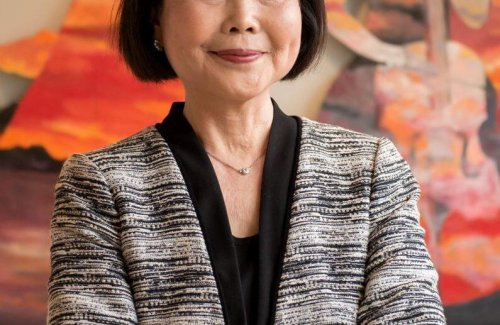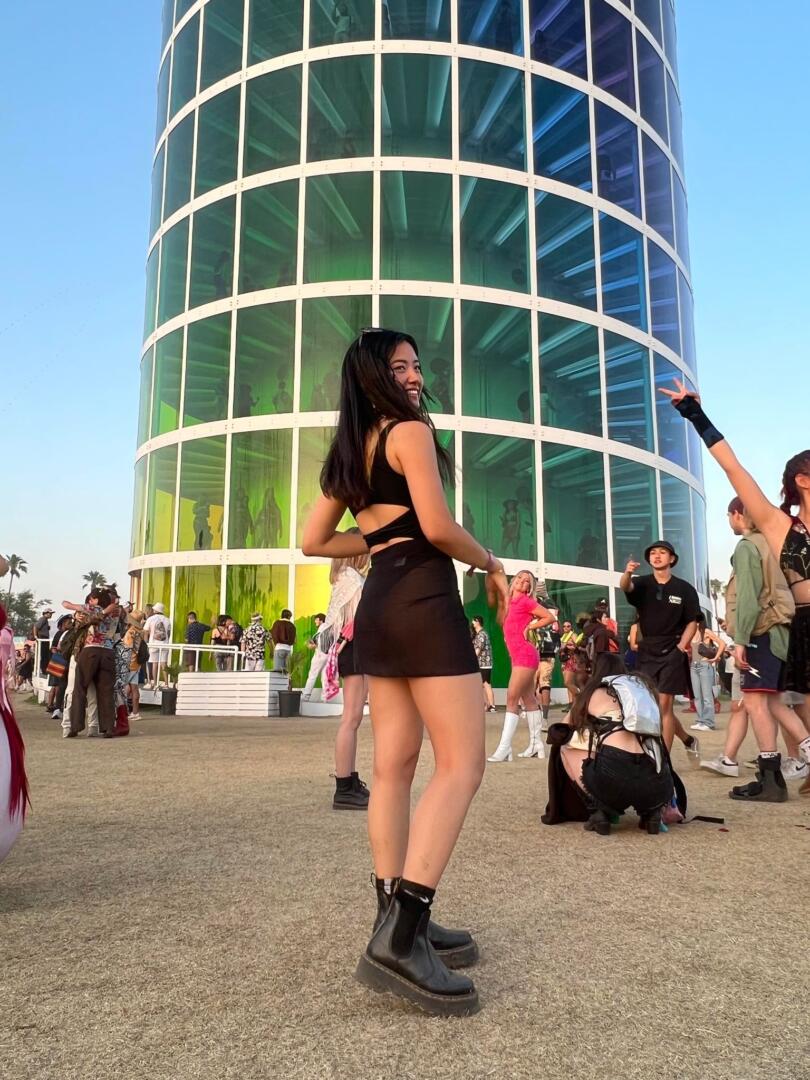
Meet Joyce Ai, a woman with a passion for two seemingly different things – healing and raving. By day, she’s a physical therapist, helping patients recover from injuries and regain strength. But by night (and on weekends), she transforms into something of a superhero: ThePhysioRaver.
That’s right! Joyce is a hardcore raver, and she’s on a mission to help others in the raving community party safely, including DJs, shufflers, and ravers. With her extensive background in strength and conditioning, Joyce is uniquely qualified to help fellow ravers stay healthy, fit, and injury-free.
Her ultimate goal? To keep herself and other ravers stay in top shape so they can keep dancing until they’re 80, or beyond!
Read through as Joyce dives into her journey, explores her passion for both healing and dancing, and let’s learn how she’s using her skills to make a difference in the world as ThePhysioRaver. So turn up the volume, lace up your dancing shoes, and get ready to rave – Joyce-style!
THE STORY OF ‘THEPHYSIORAVER’
I was born and raised in Guangzhou, China, where I spent most of my childhood before my parents and I immigrated to Canada.
I got into physical therapy because I thought the human body was super interesting. I took a human anatomy dissection course in my first year of college. I was amazed by how all the tissues, fascias, tendons, and ligaments were connected.
I have also always enjoyed being active and staying fit, so physical therapy seemed like the natural pathway for me. As I continue to work in this field, I’ve also discovered that the more fulfilling part of this job is being able to help people and truly make a difference in their lives, which is super meaningful and rewarding.

WORKING WITH THE RAVING COMMUNITY
What I love the most about working with the raving community is that we share a common culture and love for music. Music and live concerts are a big part of my life. Whenever I go to an event, I know everyone there comes to vibe out, enjoy the music, and take a break from their busy lives. Whenever I encounter a patient in the clinic who is also a raver, we always instantly hit it off and become best friends. Wouldn’t you want to be able to work with all of your best friends?
The most common injuries for ravers are back pain, knee pain, and foot pain. The most common injuries for shufflers are knee pain and ankle pain. The most common injuries for DJs are usually neck, shoulder, jaw, and back pain.
My treatment philosophy is that everything we do is goal oriented. There is a clear end goal in mind, and knowing these individuals’ goals helps me reverse engineer a solution to help them get there. In that way, my job is really cool because what it looks like for every patient is going to be different depending on their personality, their hobbies, their injury history, their demographics, and most importantly their goals and aspirations.
THE ROAD AHEAD FOR ‘THEPHYSIORAVER’
For now, this is a side hustle that I am doing that I eventually want to turn into a full-blown full-time business. I’m currently trying to produce consistent and high-quality educational content to bring more awareness to the importance of health and wellness in the raving community.
I have been connecting to some other accounts with a similar niche to potentially collaborate, and spread more awareness that way. I also plan on being more present in the local community, setting up booths at community events, and shuffle dance competitions to help broadcast my services.
FINDING HER CALLING
The most rewarding aspect of my work is making people feel heard. A lot of the time, the raving community tends to be an underserved community.
People who get hurt in a mosh pit tend to cover up the real reason they got hurt and tell the doctor something else to save themselves from embarrassment. When asked about goals, people also tend to not list “being able to last through a whole festival” as one of their goals, because most of the time, they will be told off by their doctors or physical therapists to “just don’t go to these festivals”.
Moreover, since I am an avid shuffler myself and have gone through my fair share of shuffling-related aches and pains, I am uniquely equipped to help this community rehab and reach its goals, something that a traditional physical therapist with no shuffling experience is not quite prepared to do. This is why they are always very appreciative when talking to me because I actually listen to their stories, relate to their pain points, and genuinely want to help them get better so they can go raving and dancing all night long.
The biggest lesson that I gleaned from this experience is to never stop trying and to always take consistent, uncertain action. I had a lot of doubts before launching this business. My inner critic kept telling me “but Joyce, you’re an academic, you’re not a businesswoman, and there is no way you’d be an entrepreneur.” Then, when I finally overcame that obstacle, my inner voice kept saying “you are creating a problem that does not exist. There is a reason why no one has done this yet because ravers, shufflers, and DJs do not need your services”.
It wasn’t until I got my first client that finally these voices were getting smaller. They still pop up from time to time, but I know that I am staying true to myself and my mission. This is corny, but you miss 100% of the shots you don’t take. If I never made the leap to put myself out there, I would have never had the opportunity to work with this population that I have been truly called to serve.
If I never made the leap to put myself out there, I would have never had the opportunity to work with this population that I have been truly called to serve.
-Joyce ai