News

January 24, 2025

SHARE:

Japan has an old proverb: “The nail that sticks up gets hammered down.” 

While in China, there is a saying, “The higher the tree, the stronger the wind.”

In a critical lens, both idioms illustrate harmony and unity – a vital essence of Asian culture and heritage. Nevertheless, the proverbs also shed light on a contrasting school of thought: conformity and crab mentality. 

Crab mentality refers to the situation one can explore by placing a crab or a collective of crabs in a bucket. A lone crab can inevitably crawl out of the bucket, however, a peculiar scenario would arise if one situates a group of crabs in a bucket. As a crab tries to crawl out, the other crabs will pull it back down. If it tries again, the others will rip its claws off to ensure it can never do so again. Ultimately, no crabs can go anywhere besides the stew pot you are brewing. 

Crab in a bucket scenario (Image source: Microsoft Designer)

Crab in a bucket scenario (Image source: Microsoft Designer)

It is naivety to assume human beings are a unified collective group. History, wars, and jealous conflicts are testaments to human being’s selfishness. Hence, it is arguable that we are inclined to place ourselves above others, even if it means at the expense of our peers. Despite being a precarious thought, this insight opens new dimensions to understanding crab mentality in the human context. 

“Remember your cousin Timmy in China? He has 15 years of experience. He’s nine!” 

Steven He’s dad (played by Steven He) exclaimed.

Terms like “Asian-level difficulty,” “Tiger Moms,” and “Asian parents” have become widely recognized through memes, movies, and other mainstream media, serving as a lens for global audiences to understand and appreciate aspects of Asian culture. Yet, one community still paints a negative view of the Asian community, even discriminating against its individuals – and the answer is ironically the Asian community itself.

The purpose of this work is not to discriminate or criticize any peculiar group but to foster intellectual discourse and encourage reflection on societal dynamics and individual perspectives. The chosen quote embodies this intention, capturing four intertwined facets.

Understanding the concept of face is crucial when discussing Asian culture and heritage. Face serves as a societal construct that governs social interactions and determines one’s standing within a social hierarchy. It is a dynamic measure that can be given, earned, taken away, or lost, often extending beyond the individual to include family and friends. For those unfamiliar with this concept, here’s a simplified explanation:

  • A wife who earns a promotion gains face for herself in front of her boss, while also bringing face to her husband and parents through her achievement. 
  • Conversely, a student who performs poorly on an exam loses face among peers, and their parents, in turn, lose face within their social and familial circles.

Despite being debatable, visualizing face as a form of currency provides an interesting lens through which to examine crab mentality in Asian communities. Much like any valuable asset, currency must be earned, safeguarded, and strategically utilized. Losses, even those meant for long-term gains, are approached with caution and calculation. Consequently, individuals strive to enhance their reputation while using criticism to diminish the face of others.

The concept of face is deeply tied to education and parenting, playing a role in fostering crab mentality. Asian children are often raised to prioritize self-achievement above personal aspirations, adhering to predetermined paths for the “greater good” of the family. This emphasis on collective reputation often comes at the cost of individual dreams, reinforcing a mindset where personal success is weighed against familial expectations.

Parenting can affect mindsets, a reflection on Tiger Moms (Image source: Mims On The Move)

Parenting can affect mindsets, a reflection on Tiger Moms (Image source: Mims On The Move)

Indeed this is a generalized claim that leaves certain minorities for speculation, but the interplay between face and sacrifice is crucial in understanding the environment Asian children grow up. Literary works like Truyện Kiều (Tales of Kieu), a renowned Vietnamese poem, highlight traditional ideals through terms like cầm-kỳ-thi-họa—the four virtues defining a successful woman. Similarly, the stereotype of Asian children being expected to become doctors or lawyers has become a familiar cultural reference in contemporary discourse.

No parents want their children to grow up as bad people. Hence, it would be injudicious to blame parents and the system for a negative societal mentality. Yet, there are certain repercussions to sacrificing a child’s dream in return for a destined path to greatness. This leads to the third facet of crab mentality in Asian communities: A ramification for every child following the same success path means comparison and competition. 

Let’s revisit Steven He’s joke: Timmy is used as a benchmark for comparison. The only way for Steven to save face is by climbing the same ladder and offering Timmy a similar spiteful insult. This vicious cycle of comparison fuels crab mentality within families, peers, and the broader community. True to reality, Asian students often spend countless hours in extra classes and clubs to meet rigorous expectations. Tiger moms push their children to excel in every class as if their lives depend on it. There is no middle ground—you’re either a winner or a failure.

This brings us to the final facet: the absence of praise and apologies. Ironically, according to BBC and Vocal Media, Asia is home to some of the politest people in the world, with countries like Japan and Thailand leading the way. Despite this, hierarchy plays a pivotal role in relationship dynamics. To save face, many Asian parents rarely offer praise to their children. Astonishingly, when it comes to apologies, parents often go to great lengths to defend their actions rather than acknowledge their mistakes. 

A similar response can be seen in Asian workplaces, where higher-ups are more inclined to criticize and are far out of reach from their team members. Individuals will praise their peers and colleagues in hopes of receiving similar treatment instead of actual commemoration. Workers often segregate themselves into teams of interest to promote one another instead of collaborating as a group. These groups create outcasts who, despite their talents, are looked down upon and have their accomplishments taken or snuffed out by negative criticisms. This reluctance to give praise and apologize reinforces a mindset of self-achievement above all else. At first glance, mentality such as these are not wrong, but they leave cracks for detrimental thoughts of arrogance and selfishness – ultimately sustaining the crab mentality.

While this article explores the crab mentality within the Asian community, it is important to recognize that this negative mindset is not exclusive to any one group—it exists everywhere. The concepts of face, self-achievement, competitiveness, community, and sacrifice are what make Asian heritage unique and beautiful. This work argues that these cultural elements are not the root cause of the crab mentality, but rather, insights into why such a mindset may emerge. 
Related Articles

Founder photo 2-jpeg

Stories

These Sisters Infuse Chinese Cultural Aesthetics in Designer Womenswear

SHUMINGYU is an esteemed designer womenswear brand that finds its roots in the poetic essence of Chinese art.

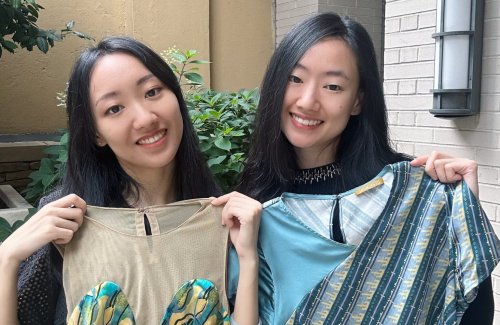
Alvina Ding and Laura Ding, the talented sister team behind the brand, have embarked on a remarkable venture to preserve and interpret the artistic lineages of China through the medium of fashion.

With their deep personal connection to their heritage as second-generation Chinese Americans, their brand serves as a heartfelt expression of their cultural journey and a platform to share the cultural memories passed down through generations. The name SHUMINGYU holds great significance, as it pays tribute to the profound Chinese saying “落叶归根”, which invokes the powerful imagery of autumn leaves falling towards their roots, returning to the soil that once nurtured it.

Throughout history, Chinese artists have expressed their poetic selves through various art forms such as painting and poetry. SHUMINGYU draws inspiration from this legacy. Alvina, as the designer, and Laura, in charge of marketing, collaborate to create a collection that captures the elegant beauty inherent in Chinese aesthetics.

In an exclusive interview with Asian Hustle Network, Alvina and Laura walked us through their journey of preserving Chinese artistic lineages through fashion.

WHAT INSPIRED THEM TO CREATE SHUMINGYU

Alvina and Laura: We always had a passion for Chinese culture. As Chinese Americans, we were fortunate to grow up in a household that gave us exposure to the beauty of the culture such as its poetry and the arts, despite not being able to visit that often.

The fact that we were physically removed from the country of our cultural heritage, in many ways enabled us to appreciate the culture even more. We spent the next decade in between the U.S. and China, completing our undergraduate degrees in Beijing, kickstarting our early professional careers, and finishing graduate school in the U.S. It was during this time that the idea for SHUMINGYU was conceptualized. 

Alvina: The idea for SHUMINGYU was first planted in my mind in college, where I was formally introduced to the canon of Chinese artistic lineages as a Chinese art history major. I thought it was odd that despite the breadth and nuances of Chinese aesthetics that were crystalized over thousands of years, it was rarely reflected in modern fashion products. To me, culture should not be relegated to a museum. It has meaning only when it is a part of one’s daily life. While I was studying fashion design at Parsons and Laura was in business school, we began to turn this idea into reality. I want this type of beauty to be seen, not only in rarified spaces such as classrooms and museums but by more people through a medium such as fashion that can be a part of our everyday lives. This fuels me as a fashion designer. 

HOW SELF-DISCOVERY INFLUENCED THEIR AESTHETIC AND VISION

During our young adult years living between China and the U.S., we came to understand that identity is multifaceted.

There isn’t one way to be American, Chinese, or Chinese American. Cultural identity and heritage are not limited by where you were born or what period you are living in. It is something that is constantly evolving, passed down through generations, and shaped by the people who are currently living and breathing it.

This motivated us to combine the cultural fluency we gained over the years with design as a universal language to create SHUMINGYU. This is our way of sharing our perspectives on the beauty of Chinese aesthetics and the artistic lineages that have come before us with a global audience.

THE CREATIVE PROCESS

Alvina: I first decide on a particular theme, which is either a genre of Chinese art or a type of craft. Then I dive into research on the theme for a month or two. I read academic papers and art history books to understand the significance of this kind of genre, the elements that influenced its formation, what type of art it had an impact on later, its philosophical underpinnings, where the colors come from, and literary references. I look at the most representative pieces of art from the genre and identify the most distinctive characteristics that will define the overall feel of the collection.

During this process, I am looking at art objects that have graced the courts of emperors, the gaze of connoisseurs, and the hands of skilled artisans. From the free-spirited brushwork of ink paintings, the rhythmic flow of poetry, and the delicate luster of ceramics, all of this informs my final design decisions.

As I do the research, I see designs in my head. I visualize the images and colors and capture what I see into sketches, which I then translate into prints. Once I finish my prints, I think about what silhouettes they would work best on. From then on, it’s about deciding what fabrics work best for each design and seeing how different designs fit together into an overall collection.

SHOWCASING CULTURAL HERITAGE INTO THEIR DESIGNS

Each of our collections has a specific theme, and then we incorporate that theme into the custom prints that we develop, as well as the silhouettes of our designs. For example, our first collection ‘Of Blue Mountain and Verdant Forests’ was designed around the theme of Chinese landscape paintings. Therefore, each custom print that we developed is rooted in a piece of artwork, literature, or philosophy that is connected to landscape paintings. Our hope is that with each piece a customer wears, they can discover a new piece of culture.

Example 1:

The print of our Brushwork Dress is inspired by a brush stroke technique from the Southern Song Dynasty landscape painting The Joy of Harvest. Developed by the painter Li Tang from the Northern Song dynasty, the technique is called the “axe-cut stroke” and uses angular, staccato brushstrokes to depict the rocky surfaces of mountain peaks. The brush stroke derives its name from its visual resemblance to chopped wood and is one of two major brush strokes used to depict the texture of rocks in landscape paintings. The color of the dress is inspired by the golden brown hue of the painting scroll and the style lines are outlined in the shape of mountain ranges. The skirt hem shape is symbolic of the reflection of mountains in the water.

The Joy of Harvest is a masterpiece by Song Dynasty artist Ma Yuan (1160 – 1225), one of the most influential landscape painters of his time.

Example 2:

The print of our Spring Mountains Set is inspired by the mountain ranges from the Sui Dynasty painting Spring Excursion, widely cited as the earliest surviving work of Chinese landscape painting. The print traces the delicate, twisting brush strokes that outline the rise and fall of spring mountains in the distance. The colors are inspired by the luxurious powdered gold, malachite green, and azurite blue pigments used in the painting.

Painted by artist Zhan Ziqian, Spring Excursion was one of the first paintings to give prominence to mountains and rivers over human figures. It is considered a seminal work that marks the genesis of the most influential category of Chinese art for thousands of years to come.

FOSTERING A DEEPER APPRECIATION OF CHINESE AESTHETICS AMONG A GLOBAL AUDIENCE

We want to share the breadth, depth, and nuances of Chinese aesthetics with a global audience through our clothing. By offering an alternative aesthetic view to the exotified and caricatured version of Chinese fashion that has been perpetuated throughout the past century, we want to move beyond the set of narrow motifs that have defined what Chinese fashion can look like and open the door into a world where design is created by those who live and breathe the culture and comes from an informed and nuanced perspective.

Perhaps one of our prints will spark someone’s interest in understanding a particular artistic movement in history or thinking about how Chinese aesthetics is perceived today. If our pieces can inspire people to value culture more and spark conversations, then we’d consider that a success. 

WHAT LIES AHEAD FOR SHUMINGYU

We already have a lineup of themes for our future collections, and some designs are already in the works for our second and third collections. We also want to integrate more types of fabrics, silhouettes, and crafts into our designs.

In addition to clothing, we have future plans to expand into accessories, including handbags and fragrances. We are excited to bring our vision to life, step by step, and hope that others are excited to come along on this journey as well!

CONNECT WITH SHUMINGYU

Instagram: @shumingyuofficial

Website: shumingyu.co

unnamed (1)-jpg

News

How This Entrepreneur Shares the Richness of Asian Cuisine and Culture in Tampa

Born in Indonesia, Ferdian Jap’s upbringing in a Chinese restaurant fostered his passion for culinary arts and his desire to share the richness of Asian cuisine.

As the owner of Zukku Sushi and Astro Craft Ice Cream, Ferdian is not only continuing his family’s legacy of running restaurants but is also on a mission to showcase the diverse cultures and flavors of Asia to the local community.

With his entrepreneurial spirit, Ferdian is set to revolutionize the dining experience in Tampa. In addition to his current ventures, he is working on a Korean BBQ concept that promises to be a unique and upscale establishment. He envisions a dining environment that goes beyond Tampa’s expectations, immersing guests in an extraordinary atmosphere while savoring delectable Korean dishes.

Beyond his influence in the culinary world, Ferdian has actively participated in initiatives to revitalize downtown Tampa, demonstrating his dedication to the community. As the former project manager for Friends of the Riverwalk, he played a crucial role in fundraising efforts that contributed to the development of downtown Tampa. Inspired by his involvement, Ferdian launched “Big City Events,” an organization that focuses on organizing festivals and concerts in Tampa.

Ferdian has also established a subsidiary called “Pier Events,” which aims to bring the same dynamic energy to St. Petersburg. Notably, he is the event manager for the iconic St. Pete Pier, overseeing a diverse range of engaging activities.

Ferdian Jap is eager to introduce new concepts and plans to expand his restaurant empire both locally and nationally. Through his endeavors, he continues to celebrate the diverse cultures of Asia while leaving a lasting impact on the dynamic landscape of Tampa’s restaurant and entertainment industries.

Featured Image Source: Linkedin

Daily Expert News-jpg

News

Indian Designer’s Iconic Lehengas Make Mark in Sustainable Fashion

Renowned fashion designer Rahul Mishra has emerged as a leading advocate of ‘slow fashion’ in the industry, redefining bridal wear with his unique ethos.

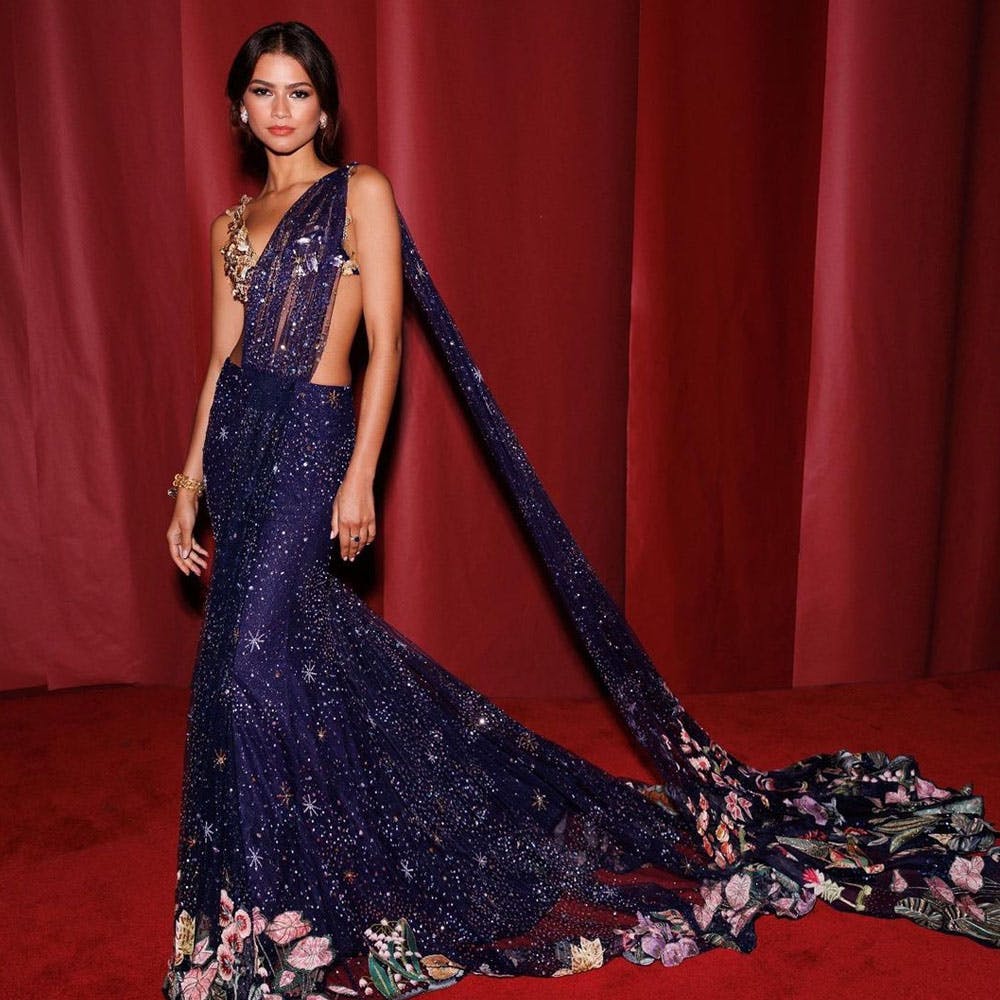
Since his debut in 2017, Mishra has seen a remarkable rise in demand for his bridal lehengas. Today, eager customers face an almost five-month wait to own one of his coveted designs. Mishra’s talent has also caught the attention of international celebrities. He recently made headlines for dressing Zendaya in a stunning blue sari at the opening of the Nita Mukesh Ambani Cultural Center in Mumbai.

Image Source: LBB

Mishra’s accomplishments include being the first Indian designer to showcase his collection at Paris Haute Couture Week in 2020, a feat he continues to achieve year after year.

Drawing inspiration from ancient Indian designs that utilized calico textile, an unbleached fabric made from cotton fibers, Mishra creates lehengas that embody an off-white, ecru aesthetic. The brides who choose Rahul Mishra lehengas appreciate the uniqueness of his designs, characterized by intricate embroidery and unparalleled craftsmanship.

The surge in wedding attire sales, especially during the COVID-19 pandemic, has helped Mishra support and provide employment to over 1,200 embroiderers from rural communities in India. The impact of his creations extends beyond fashion, creating meaningful opportunities for artisans and their families.

Rahul Mishra’s journey started from a small village in Uttar Pradesh. Although his initial aspirations to become a cinematographer were met with rejection, his decision to enroll in an apparel design program opened doors to a fulfilling career in fashion.

Featured Image Source: Daily Expert News

Screen Shot 2023-07-07 at 11.30.52 AM-png

News

Former Pharmacist Opens Cafe While Competing on Gordon Ramsay’s Show

While preparing to open a new cafe in Chicago’s vibrant Uptown neighborhood, pharmacist-turned-entrepreneur Lan Ho is also competing on Gordon Ramsay’s Food Stars, a reality show featuring aspiring chefs and culinary innovators.

The cafe will showcase her own brand Fat Miilk and will pay homage to Vietnamese culture through its space and food offerings.

Image Source: Fat Miilk

Vietnamese coffee holds a significant place in Vietnamese culture, and Lan Ho is determined to offer an elevated coffee experience that truly captures the essence of this rich tradition. By working closely with local farmers throughout Vietnam, Fat Miilk ensures that only the highest quality Robusta beans are sourced for their coffee. 

According to TimeOut, these organic green beans, renowned for their sweet and fruity flavor, are cultivated at different elevations and roasted using the traditional Vietnamese slow drip method. By focusing on Robusta beans, Fat Miilk stands out from other coffee brands, striving to serve the most authentic and flavorsome Vietnamese coffee.

Ho’s Vietnamese heritage and her family’s entrepreneurial spirit have been influential in her journey. As the child of Vietnamese refugees, she witnessed the determination and resilience of her family members who started businesses to provide for their loved ones. This upbringing instilled in Ho a strong sense of purpose and resilience, which helped her in starting her own business.

Participating in Gordon Ramsay’s Food Stars has been a transformative experience for Ho, teaching her valuable lessons in self-advocacy and self-care. 

As the opening of Fat Miilk’s flagship cafe approaches, Lan Ho remains committed to creating a space that authentically represents Vietnamese coffee culture. The cafe will not only serve an array of Vietnamese coffee options but will also feature Vietnamese meat pies and other delicacies.

Featured Image Source: @iamlanho