Awaken* newsletter

July 18, 2024

SHARE:

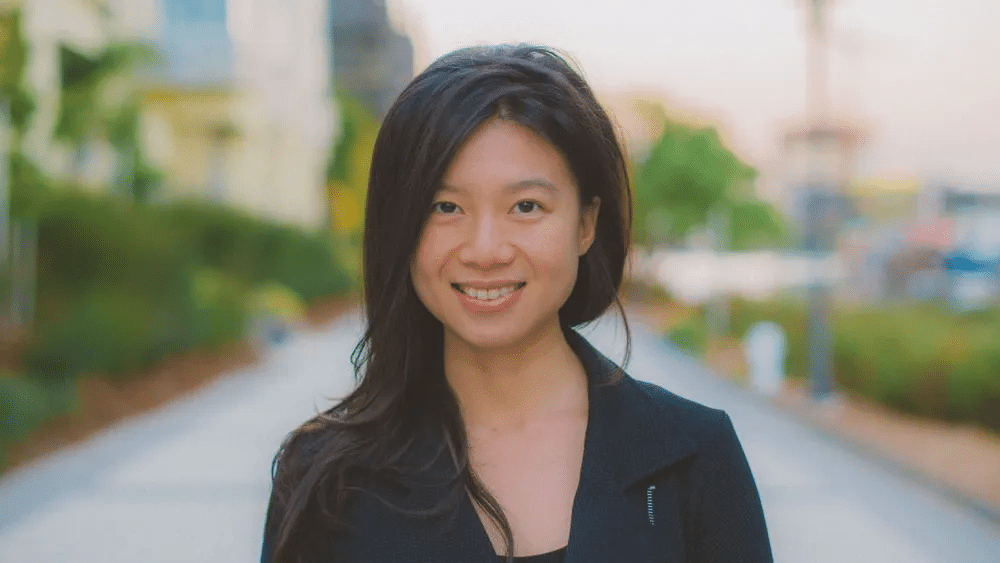
Wei Deng is the Co-Founder and CEO of Clipboard Health, a company that connects healthcare facilities with local professionals who can work unfilled shifts. Since Clipboard’s inception in 2016, Clipboard Health has filled millions of shifts for thousands of facilities nationwide, putting millions of dollars in the pockets of healthcare professionals. Throughout her journey, Wei has never lost sight of her ultimate mission of helping people socioeconomically. In this interview with AHN, she discusses her upbringing and the early days of her founder’s journey.

HanYue: Tell us about the early days of Clipboard Health, what type of challenges did you have to overcome? 

Wei: It wasn’t called Clipboard Health when I started. It was initially a way to refinance student loans. I spent time talking to customers, figuring out who wanted to buy the fintech products, and talking to different customers again but I just didn’t feel the pull of the market, but I noticed that nurses wanted help finding a job. However, the hospitals only wanted to help people with experiences. So I pivoted to a clinical fellowship to help train nurses, figuring out what the clinical partners need, and help nurses find jobs. 

After pivoting through 6-7 different ideas – I finally landed on the Clipboard Health model, a marketplace that helps with nurse staffing. In the early days, we were very much focused on launching a product and talking to users.

Edwin: How do you judge when to pivot and when to stop working on an idea?

Wei: I wish there was a magic formula – but there isn’t. Having seen some other friends who have found PMF was helpful. For our products, our customers could live with it or without it. They didn’t have any strong opinions about it. That was a sign to me that it’s not working. For most ideas, I gave it to 3-6 months. What was frustrating is that sometimes you would have some initial glimmer of hope – some people are using it, and you wonder to yourself, is that a real sign?

For a good product, I found out that even if the product isn’t built out, people still want to use it, and people care about it a lot. You can feel the pull of the market. 

HanYue: There is clearly an unrelenting drive to pursue entrepreneurship, what kept you going during the early days? 

Wei: Quitting just never occurred to me. In the beginning, I mostly called the things I worked on projects, and when they didn’t work out,  I just never gave up.

Of course, there were frustrating moments: when I first went fundraising, I got told no 16 times. I was a solo founder, so there was no one to help me. I taught myself coding and sales to get started. I think the big realization is that even if you encounter nos and the product is not working, as long as you keep working and don’t quit, you are getting closer to a yes. 

HanYue: That was really inspiring – as long as you keep working, you are getting closer to a yes. Want to switch gears a little bit, how did you meet your co-founder? What was it like building out the initial team? 

Wei: In the early days, it was just me. My husband joined me after 3 years. By that time we already raised Series A, we were growing and had some traction. He initially joined to help out for 3 months, then stayed on for a few years.

Building out the team, we had a lot of trials and errors. We definitely made some mistakes – I had engineers whom you couldn’t get ahold of even when I was trying to fire them. We had one head of sales who built out our sales team but it turned out he was working for a competitor at the same time and was giving them our customer list, and all the people who worked for him were also working for the competitor. But luckily, some good people stayed and really they are what made us successful. 

HanYue: Tell us about the people who stayed. What made them successful? 

Wei: Oh, I love talking about this because it is what we look for during hiring. They have to care about the problem a lot. It is actually very obvious whether people are just here to collect paychecks, going through the motions, or if they really care about the problem. 

They are really curious. They are always looking for clues. If a customer says no, or churns, they are always digging in and figuring out why, instead of taking it as a given – oh they just didn’t want to use the product.

They also have ownership and initiative. They never just bring a list of problems. The best people I’ve had, they’ve brought me problems I didn’t know we had, and they’ve already thought about how to solve them. 

So initiative, ownership, and curiosity are our people and company values. 

HanYue: That’s wonderful to hear that there is such a close alignment between the people’s values and company values. What was your proudest achievement so far?

Wei: Honestly, I think it’s assembling a great team. We’ve gone through a lot of great pains in hiring, but now we have an awesome team to move together. Nowadays, even if I pull my foot off the gas, they are still serving our customers the best they can, and that is very special. 

The second thing is the customers we’ve been able to help, but that is honestly more of a proxy of how great our team is. 

HanYue: Tell us a bit about your upbringing. How has being Asian influenced your entrepreneurship journey and your general approach to life?

Wei: I grew up with my mom and my dad. We grew up in Kentucky, there were not a lot of Asians in Kentucky. 

My dad had this mentality: you don’t need permission to learn something. I remember trying to go to a national science fair – I was 16 and needed to learn calculus, but calculus was a college-level class and I was thinking, “Oh, maybe I can’t because I had to wait to learn calculus later.” My dad just said, get a textbook and figure it out yourself. That’s something I carried forward in life.

When I started, I didn’t have to have someone who knew how to code, I could just learn coding myself and get started. I never did sales before and didn’t have someone I could rely on for sales, but I could just pick up a phone and start doing cold calls. It’s the sense that nothing is beyond my reach, you don’t need to wait for the perfect moment or something/someone to depend on to get started. 

There weren’t many Asians in the area I was from. We stuck together but we were also super competitive with each other. There were two people in high school I was constantly competing against, and I think in a lot of ways it brought out the best in me. Personally, I am not competitive, but I found having someone neck-to-neck with you really makes me thrive. 

HanYue: Congrats on the unicorn status – it’s an incredible achievement! What suggestion do you have for founders who are still searching for product market fit out there?

The only thing that matters is to understand the customer’s pain points deeper than anything else. Rather than spending time on solutions, spend more time on understanding the problem. Actually, you might find that you are not even starting with the right customers – you might have to pivot a few times to find the right customers.

When you find them – look at their habits. People who are saying they want to lose weight, but if they are not going to the gym or tracking their calories or metrics, then weight loss is just not that big of a deal to them.

When talking to them, you need to look for: Are they spending money on it? Are they spending a lot of money but still can’t solve the problem? That is a potential area you can go to. The chances are that you can find a lot of good solutions –  you can have the greatest AI and greatest product, but if it is not solving a real problem, then no one will end up paying for the solution. 

Edwin: Are there mechanisms and processes you use to tease this information out? 

Wei: We just look at their behaviors. Are they spending money? Is the pain point really painful? 

When it came to staffing, it was obvious, that the customers we talked to were spending all of this money to putting together spreadsheets and tracking attendance. It was clearly a big pain point they wanted to solve. 

My father passed last year, I remember spending so much time looking for a caregiver for him. If someone gave me a set of solutions, even if not super built out – just a list of caregivers or a list of places that could care for him, I would definitely want to talk to that person. 

HanYue: Thanks for sharing a deeply personal moment with us. It really makes sense that as founders we needed to find the most painful problem to solve. Where do you go from here? What’s next for Clipboard Health?

Wei: Personally, I have two kids and I spend a lot of time with them. For the company, we want to continue expanding beyond healthcare professionals. We started with nursing – but we wanted to allow workers of all industries the benefits of flexibility and economic empowerment. 

At Clipboard Health, we also have an internal MBA-like program. If you are a product manager but want to learn, we will teach you cross-functional skills – engineering, sales, and other things.

The hypothesis is that eventually if people leave and want to go and start their own company, I could enable them to have a much broader scope than just their own focus. We have engineers doing sales, customer support, and product and they all love it because they get to implement and continue to broaden their scope. One of our heads of sales was a product manager – they kept asking questions and wanted to learn about sales so they got the chance to lean into their curiosity.

I want to scale this program up as the company scales up to develop people. Because if you invest in people internally, what you get is phenomenal: People who are already invested in your culture, and know your product really well have more methods to help your customers and grow better. 

Edwin: I see some parallels to your journey as well – the early days when you had to teach yourself coding and sales. One thing you talked about is expanding to verticals, how are you finding the new verticals? 

Wei: We have a more systematic approach: we read the Bureau of Labor Statistics, and try to look at professions that need help. Maybe some professions are losing steam, etc. We also have lots of customers in healthcare and there is a a surprising number of professions to fill up there – we need janitors to clean up, cooks to cook for the dining hall, servers and waiters, and trainers for physical therapy patients. There are some natural adjacent areas. Customers are providing those insights to us and where they need help.

Edwin: Are you afraid of losing focus? 

Wei: Focus is overrated, You should try to be good at some core competencies – but it all depends on how you define your core. if we define our core as a flexible labor marketplace, then we have lots of room to build. 

If you look at any ambitious company, they have a ton of products and they might seem totally unorthodox to each other. Amazing doesn’t look focused: they have AWS and it has nothing to do with selling books. Or if you think of people around you, some of them are good at maths, instruments and some type of sports. No one is like: you should only be good at math – people develop expertise in multiple areas. 

There is certainly a concern about chasing shiny new projects. We try to only pursue things that we have pre-thought out and really ask ourselves – do we want to be more ambitious than we currently are, or are we just chasing a shiny new object? 

Wei’s journey with Clipboard Health underscores the importance of persistence, adaptability, and deep customer understanding. Her story is a testament to the power of resilience in entrepreneurship, demonstrating that with unwavering determination and a keen focus on solving real problems, success is within reach. The AHN team thanks Wei for having this conversation with us! 
Related Articles

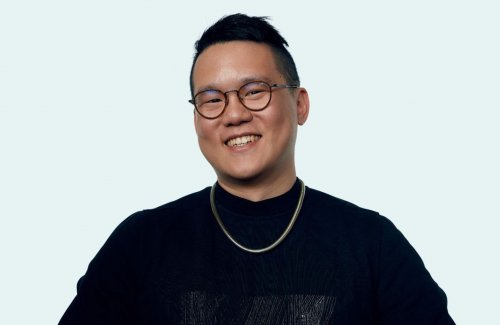
Ivan Zhang

Awaken* newsletter

From Gamer to AI Unicorn Co-founder: A Conversation with Cohere’s Ivan Zhang

If you have followed the news in any capacity over the last few years, you have undoubtedly heard about LLMs, and the companies building these models. Though the consumer-facing models from companies such as Open AI have captured the hearts and minds of the public, enterprises have different concerns–things such as data privacy, and model reliability.

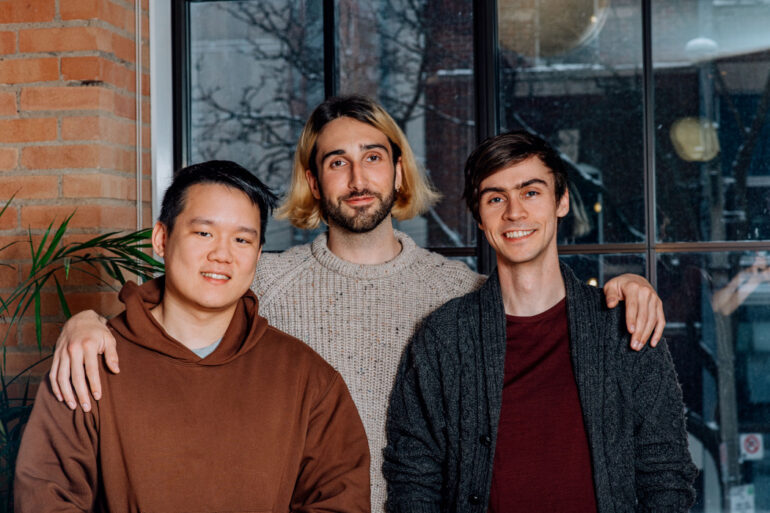
Enter Cohere, a company developing LLMs to address these issues. Started in 2019, Cohere partners with companies such as McKinsey, Oracle, and all the hyperscalers, and boasts a valuation of $5.5 billion. I sat down with one of the co-founders, Ivan Zhang, to talk about his journey.

TLDR; Key Takeaways

If you only have a few minutes, here are a few golden nuggets from my conversation with Ivan:

  • Sales should be customer-centric. This seems obvious, but have you ever started a sales conversation by talking about your product? Instead, try starting the conversation by asking your customer about their pain points, and then addressing them.
  • Data will be a bottleneck for AI development. Not in the sense that we will run out of internet to train on, but rather that there are types of data which we don’t have a lot of published datasets for. 
  • Your startup doesn’t have to be in the Bay to succeed. Cohere is headquartered in Toronto. This works for them because VCs are more open to remote work after the pandemic and Toronto has a lot of budding technical talent.
  • A key signal to look for when hiring is mastery in any domain. Learning how to master something is fairly transferable. Masters in one domain can likely become masters in another.
  • Being the lone Asian in a leadership room takes some time to adjust to. Getting more reps in has helped Ivan get used to his position.

Tell me about your upbringing, what pushed you to become a hacker?

I was born in Shenzhen, China, and moved to Toronto when I was eight. As a kid, I was always on the computer, even in China, playing the most random arcade games. I don’t want to paint Asians with a broad stroke, but if you’re a male Asian person who has been to high school in the past decade, more likely than not, you’ve played a ton of video games. I did that a lot, and I feel like it built a digital tolerance and stamina for sitting in front of a screen for long hours. Gaming was a big part of why I’m so drawn to building things, working really hard, and doing crazy hours in front of a screen. 

When I got to university, I discovered the hackathon community. Every weekend, we would just meet up at random Ontario universities and sometimes U.S. universities. We would build for the whole weekend. Gaming addiction primed me to get really good at software engineering. I spent my entire first year going to hackathons, building stuff on the side. I had this realization that I could be spending 18 hours playing League of Legends, or I could use the same energy to build stuff, which is also very fun and not as frustrating as a solo queue. It felt like a natural progression.

How has your role within Cohere changed as the company has grown?

When you’re in a startup, your role tends to evolve a lot. That’s been especially true for my time at Cohere. When we started, I was hands-on coding every day, building some of our early systems and pipelines. Eventually, the company grew, and we hired people. Some of our founders had to step up and do some people management.

Eventually, we hired people managers as well, so I have to do less of that. Nowadays, I’m much more settled. I’d say I spend probably 50% of my time still doing technical stuff like machine learning and data processing. For the other 50%, I spend time with customers, either building new relationships, fostering existing ones, or really bringing in business. I think that’s a big part of a founder’s job, like founder-led sales.

How was the transition to doing sales? Did that come naturally to you?

As someone who spent most of my time as the most backend of backend developers, it was definitely uncomfortable at first. When you think about sales, you might think of a business guy with a suit trying to convince someone to give you money for stuff. But when I started doing it more and more, it ended up being about genuinely trying to learn more about your customers, asking them good questions, and figuring out what issues they have. It’s honestly the most important thing you could do. Why are you building anything if you don’t know what your customers want? 

Sales has been super fun because it informs my technical work. I’m starting to see patterns across these conversations, which help inform what we should focus on. Another aspect is that as a founder, when you’re doing sales, you’re meeting executives and other founders as well–so you’re building good professional relationships. For anyone who’s new to it, you should expect some discomfort. But, like anything, you just learn to do it.

Why did you guys decide to focus on enterprise?

The enterprise market is often seen as boring, but actually, most of the world’s efficiency will come from automating a lot of these back-end use cases that don’t necessarily need human potential. A lot of these tasks we’re automating don’t need a well-educated human being sitting at a computer for eight hours a day. We’re much more interested in unlocking that human time for something else. Enterprise is where a lot of this kind of work is done. For example, Oracle is one of our customers, and they’ve deployed our models into their NetSuite features. So, a ton of HR and ERP use cases are now powered by our models. Our mission is scaling intelligence to serve humanity, and what better way to do it than to target the people doing this kind of back-end work at scale? 

We also liked the idea of not having to suck up all of our customers’ data to train these models. In enterprise, we actually ship our models on-prem and we air gap them, so we don’t see any of our customers’ data. In those kinds of scenarios, we have to build our models slightly differently. We have to teach our models to use the enterprise’s internal knowledge bases, use the information returned from these knowledge bases, and then write an answer and cite it. This is all RAG (retrieval augmented generation), which is what we’re focused on because we deploy these models in this air-gapped environment where we can’t continuously suck up people’s usage data. We still have an API and a demo, but the majority of our deployments are on-premise.

What are some areas of AI, whether infrastructure or application, that you think more people should be building in?

I think there will be a bottleneck in terms of training data, but not in the way it’s currently been communicated to the public. Some people paint a picture that we’ll run out of the internet to scrape. I think that’s a naive understanding of how these models work and how to train them. In terms of capturing digital signals—thoughts, demonstrations, audio, video, images, sensory data—there’s going to be a big bottleneck in capturing data from the world that’s not already represented on the internet. The internet does a good job of capturing data and it grows exponentially every year, but there’s information about the world that we experience on a daily basis.

Do you mean information that isn’t easily digitally representable, such as smell?

Yeah, so smell for example–we’d have to build this hypersensitive chemical detector. So if we want autonomous interactive robots in the real world that can smell, there is an information problem we have to solve for the robots, right? They don’t have a nose; we don’t have a great digital nose for them. And I’m sure there’s other stuff.

Why have you decided to keep Cohere headquartered in Toronto instead of the Bay Area?

The three of us co-founders just really like living in Toronto. We grew up here, we have roots here. We also realized that it is actually a pretty great city for A.I. At some point in time, most of the people leading A.I. in the Valley came from Toronto. They came from Jeff Hinton’s lab at the University of Toronto. So there’s a ton of great early talent here. And I think because of how the VC attitude has shifted since the pandemic, investors are investing everywhere. They aren’t restricting investments to the Valley. Remote work is a thing now. And so luckily for us, we’ve been able to raise successfully. We’ve been able to build good models. 

I’ve heard that you don’t pursue brand-name resumes when hiring. What are some signals that you look at instead of pedigree that indicate someone could be a great hire?

I’ve thought about this a lot. I try to think about my own trajectory and places that have rejected me and what signals they didn’t see. What it comes down to is that I look for folks who are extremely skilled at something. Once you’re skilled at something, you can take that anywhere else. Sometimes we want to hire more experienced folks, for sure. But especially in a field like ours where disciplines such as pre-training haven’t been around long enough for anyone to have much experience, you want high-energy, high-autonomy individuals who are excited to learn, experiment, and fail fast.

I try to ask a few questions that probe at stuff related to this. Like, “What’s the coolest thing you’ve worked on?” Then I get to see if they’re going into a lot of detail and are really excited about this random thing. “What’s the hardest you’ve worked on anything?” I want to see if they can go the equivalent of 16 hours a day, seven days a week when they’ve actually gone to bat for something. And then obviously, experience in the field is definitely a big plus, but honestly, the best hires we’ve made have just been high-energy, hardworking, genuinely curious people who are also skilled at software engineering.

How has being Asian impacted your founder’s journey?

I’m not ignorant of it. I definitely know it’s a thing. For example, on my board, I’m the only Asian guy on it. But I’ve been fortunate in that, growing up in Toronto and starting this company in Toronto, it’s not that weird to be an Asian guy in tech. So on the technical front, I don’t see it as a hindrance whatsoever. But it’s definitely been a factor for my own comfort in leadership situations–being the only person that looks like me in certain situations. But honestly, once I got the reps in, being in those situations, it was totally fine. And I think there are a few things that, depending on how you were raised, could affect you in doing business at the leadership level here. But generally, once you get the reps in, it doesn’t even matter.

Is there anything you’d like to shout out?

I’d like to shoutout my wife, she’s a big inspiration for me. Shoutouts to my mom, my dad, my sister. I think my parents taught me what it means to work really hard. I think this is true for many of us immigrants, watching our parents and grandparents work the most menial labor jobs just so we can be fed and go to school. It’s super inspiring. It makes me think: Why am I not working harder? Why am I not thinking about how I can level up and help them retire? My family has been a big inspiration to me. Lastly, shoutouts to Cohere and my co-founders. It’s been super fun, and I’m privileged to be working on this tech. I think it’s genuinely the most interesting thing I could be doing right now.

If you are high-energy, hardworking, and highly curious about AI, please consider applying to work with Ivan at Cohere! You can check out available positions at this link.

Thank you for joining us, Ivan!

Hona-founder-jpg

Stories

Hona’s Mission to Improve Speech Therapy Access and Quality

In the ever-evolving landscape of healthcare technology, few startups have captured the imagination and promise of Hona. With a mission to empower speech pathologists through innovative AI solutions, Hona stands at the forefront of a transformative wave in healthcare.

We had the privilege of sitting down with Adam Steinle, CEO of Hona, to delve into the inspiration, challenges, and achievements that have shaped their journey.

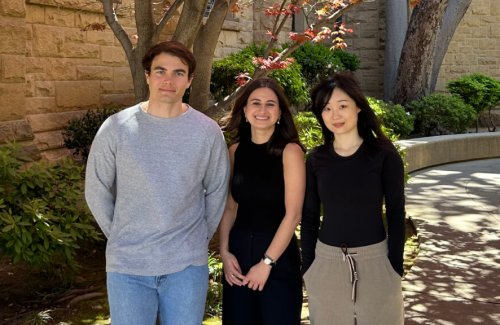
The Trio Behind Hona

For Adam Steinle, the entrepreneurial spirit runs in the family. “My parents met by building a software company together. I quite literally wouldn’t be here without tech entrepreneurship and it’s always something I aspired to do myself.” he shared. This early exposure to the power of technology and entrepreneurship set the stage for Adam’s own career, which has seen him move from biomedical engineering to roles at Goldman Sachs and Facebook before founding Hona.

As for Danielle Yoesep, Hona’s COO, she found her entrepreneurial path through a passion for building. She fell into entrepreneurship in her last venture within research and wanted to get back to the building. In her last role, she realized that she’s super energized by the early stages of company building.

Shuying Zhang, the CTO, brought a unique blend of technical expertise and a desire to make a real-world impact.  As a former big tech SWE and biomedical engineer, she wanted to find a way to apply her skills to improve healthcare. Further, entrepreneurship allowed her to work in a faster-paced environment with more ownership.

Overcoming Challenges

The journey to success is rarely smooth, and Hona has faced its share of challenges. One of the most significant hurdles was pivoting from their original AI-automated patient intake product. “Despite initial success, we realized it wasn’t effectively addressing provider burnout. We improved one workflow aspect but added complexity with another portal to manage,” Adam explains.

The team made the tough decision to end existing customer relationships and explore more fundamental problems. After a month of interviews and brainstorming, they identified a significant issue in speech pathology that resonated with them. This led to a full pivot into developing vertical software for speech pathologists, aiming to support every aspect of their work. This experience underscored the importance of user feedback and adaptability in product development.

Proud Achievements

One of Adam’s proudest achievements is the ability to consistently surround himself with inspiring and talented individuals. “I’ve consistently invested in my network – from my Facebook RPM program to B-School to YC – and this has paid great dividends. I’ve been able to use this network for resources, advice, and sourcing great teammates.”

As a team, Hona takes pride in the difficult decision to leave comfortable jobs to make a meaningful impact in healthcare. Their dedication to improving the lives of speech pathologists and their patients is a testament to their commitment and vision.

A Vision for the Future

Hona’s mission is clear: to empower speech pathologists to operate independently without the burden of administrative overhead. “We aim to create a dynamic marketplace that efficiently connects speech pathologists with various opportunities, including cash-based services, school contracts, and insurance-covered treatments,” Adam explains.

Their vision extends to developing a platform where speech pathologists can easily build their own client base and manage their practice with minimal administrative work. This approach will allow therapists to focus on providing care while maintaining control over their income and work-life balance. By streamlining the connection between patients and therapists, Hona aims to reduce waitlists and ensure that more people can receive the care they need in a timely manner.

Empowering the Asian Community

While Hona’s primary goal is to support speech pathologists and improve access to speech therapy for all, they recognize the potential benefits for the Asian community. Their initiatives provide flexible work opportunities for Asian speech pathologists and increase access to culturally competent care for Asian patients. By reducing language and cultural barriers to accessing speech therapy, Hona is making it easier to match patients with therapists who understand their specific needs.

Connect with Hona

Instagram: @hona_care

Linkedin: Hona

Facebook: Hona Care

For more information about Hona and its innovative solutions, visit honacare.com.

Wendy Wen

Awaken* newsletter

From Dreams to Reality: Wendy Wen on Founding Senreve and Building Antelope

Wendy Wen, founder and CEO of pet CPG platform Antelope and co-founder of luxury handbag brand Senreve, shares insights on the early days of building the Senreve brand with her co-founder Coral Chung, creating their first iconic Maestra bag, and overcoming the challenges of scaling a startup. She reflects on the importance of focusing on vision, strategy, and hiring the right people, as well as maintaining resilience and equanimity as a CEO. Wendy also discusses her new venture, Antelope, her excitement for its potential, and the lessons learned from her Asian upbringing and entrepreneurial journey.

HanYue: Tell us a little bit about the early days of Senreve. And then what was the biggest challenge you had to overcome?

Wendy: You know, it was really just me and my co-founder Coral sitting across from each other in an empty conference room. We were borrowing an office space from one of our investors. And a lot of it was just kind of dreaming: thinking about what the brand could be. It was actually really, really fun. And I think because it’s before you have any metrics, any real product, anything. So anything is possible. In the early days of us, we were literally just trying to figure out what’s going to be our value proposition, positioning, and how we’re gonna get started. It was super fun. 

HanYue: That sounds fun. Tell us about your first “IT” bag, as you call it.

Wendy: Our first bag was the Maestra bag, which is a convertible bag that becomes a backpack. You can wear it in different ways: you can hold it over your hand on the handle, you can wear it as a crossbody, you can wear it as a shoulder bag, and then you can also wear it as a backpack. It fits a laptop, it’s water resistant, and it’s 100% made in Italy. It has all these nice compartments on the inside, so you can keep everything organized. It’s a beautiful bag that happens to be really functional, especially for the modern working woman who needs to carry a laptop. 

HanYue: Tell us a little bit about how you and your team created this popular bag.

Wendy: So I loved bags. Coral loved fashion. Personally, we just wanted something that was really beautiful and also worked with my busy professional life. So it kind of stemmed from a personal need. 

HanYue: Wow, that is amazing to hear. You really found a way to personally connect with the product that you’re building. Let’s switch gears a little bit, to what you’re currently building. Do you feel better prepared for a second go at entrepreneurship?

Wendy: Absolutely. Yes. There are always ups and downs in any startup journey, and I think I made a lot of mistakes with Senreve. 

I think, first of all, I didn’t necessarily focus on the important things. I was always kind of doing urgent things. Graham Weaver (a lecturer at GSB and founder of Alpine Investors) talks a lot about that matrix of important, not important, urgent, not urgent. As a founder, you really want to be operating in the non-urgent, important bucket. 

An example of what I didn’t focus on enough before would be our hiring culture. Instead, I was focusing on getting things done, which in retrospect, might not have been the best use of my time. For Antelope, I’m much more disciplined about how I spend my time. I really believe that the founder and CEO job should just be vision and strategy. Setting that vision, getting alignment across your team on that vision, helping your team truly understand how their work and their outcomes tie up to the grand vision, and what the dream outcome needs to look like. That’s one big rock for me. 

Another one is just hiring the right people. The people who are going to be better than you, at each division, at each function. Hire the best people who will help you dream up something better than what you can dream of, and then make it into a reality. So now I am always pushing for the dream candidate. After that, it’s about developing them, keeping them motivated, and building the culture so that they can thrive.

When I was at Senreve, I was younger, more junior, and much more just about blocking and tackling and getting things done. Now I try to think more about scalability. I think the third piece that I’ve learned, and just gotten a lot better over the years, is just being resilient. 

Part of being an entrepreneur and a CEO is maintaining a certain equanimity in the face of problems. I have to maintain an objective distance from the company. Because if you hold on to it too tightly, and it becomes life or death, then every problem can catch you off guard. Versus, if there’s a natural kind of distance, then you have space to treat everything as just a small problem or puzzle that you have to fix.

It makes you as a CEO think a lot more clearly, and a lot more strategically. Because at these higher levels, your main job is making decisions. It’s not fixing the problem. It’s about finding the right architecture, the right people, the right processes, and structures so that your team can fix the problem. And so having that equanimity as a muscle, to deal with the ups and downs, is a really important part of my job as CEO. 

HanYue: That’s really powerful. I love your learning about equanimity. Looking forward, what is your biggest challenge right now you want to solve?

Wendy: Our biggest challenge right now is to hire a chief supply chain officer. I have a big gap in operations and supply chain. So if anybody is really good at that kind of stuff, come to me! 1

I am also learning along the way, from 10 different colors to now 500 SKUs of pet treats, supplements, food, and dental treats with expiration dates. You have to get your planning and forecast super accurate. Every piece of the logistics needs to be precise and accurate in order to meet your demand. And it also has to be efficient from a cost perspective. We really need a C-level executive who has enough experience and lots of great attributes, so she/he can continue to learn and grow with us.

HanYue: Amazing. We hope someone in our subscriber base has this special talent! What are you most excited about next? 

Wendy: So many things excite me! I think Antelope is the next P&G/Honest Company of pet products. And we’re just getting started. And there’s just so much low-hanging fruit opportunity that we haven’t yet tapped. Every channel we are in can be grown by 10x. And I think that’s super, super, super exciting. It’s exciting to continue to educate pet parents. So many pet parents are not aware of the preservatives in their existing dog food, what the right content and makeup should be in their food, and what supplements they can give their dog to prevent cancer, arthritis, and joint pain. So I am super excited by this potential. 

HanYue: I think that there’s really nothing that compares to the potential as an early-stage founder. You can see this big dream just slowly unfolding in front of you. A lot of our new founders will be fundraising and thinking about working with their investors. I know you work very closely with Graham and Alpine Investors. Would love to hear a bit more about that partnership, and your advice on finding great mentors. 

Wendy: The relationship I have with Alpine and Graham has been just 20 out of 10 if I had to give it an NPS score. It’s beyond my wildest expectations what great partners they are. They provide the right level of support, but then they’re really hands-off. They’re empowering and trusting. And oftentimes, honestly, I think about how Alpine is treating and managing me, and how I should train and manage my executives and my direct reports, because they’re a really unique private equity fund that truly, truly has a heart of gold and focuses on people first. 

In terms of advice for how students can go out and build mentorship, and relationships with professors and people in their career. It’s simple –  just talk to them. Don’t be afraid to reach out. Make sure you follow up. That’s what I did to fundraise for Senreve. And those relationships have followed me through to Antelope.

I met Graham, in an MGE (Managing Growing Enterprise) class when he was practicing to become a lecturer at GSB. He was shadowing Dave Dodson back then. And I just had a conversation with him about what I wanted to do after school. That’s the most common question he gets nowadays, right? The students always go to a professor at Stanford and ask, what should I do with my life? Should I go back to private equity? Should I do this? And I remember, I think he actually offered me a job at Alpine as a CIT (CEO in Training), but I just didn’t want to move anywhere location-wise. So I politely declined.

Graham told the story about the genie goal in his class: if you have three wishes from the genie, what would your goals be? So when I was getting started with Senreve, I called him and I said, I think I’m gonna go pursue my genie goal – to cofound this handbag company. And he angel invested. It was really nice that he was willing to do that, and I think it came from the fact that I just asked and I had that prior relationship with him and reached out. 

After Senreve, when I was starting Antelope, I reached out again. So I think it’s just making sure you keep in touch with your professors. I remember going through every single person that I might have interacted with at the GSB. I was co-president of WIM (women in management), and I organized a ton of these speaker events. So I would email every one of the speakers I’d come into contact with. Many of them became mentors and some knew people in the handbag industry that could help. I was shocked that some of them remembered me. Most students don’t realize that all they need to do is a little bit of legwork and follow-up. Every time you go to a networking event, follow up. Even after a few months, send them an email, updating them on where you’re at. That’s how you build a relationship. It’s really not that hard. 

HanYue: That is really inspiring and empowering. The notion that a really good mentor relationship is just a few emails away is so powerful. 

Wendy: Definitely. Diane Von Furstenberg came to Stanford to speak once. After that, I was like, you know what, I’m just going to send her an email. And I said, “Hey, I loved your talk. I read your book, now I’m starting a handbag company. Would you mind talking to me?” And she replied, the same day, and said: “Here’s my number. Call me tomorrow at 9 am.” And that’s Diane Von Furstenberg. I think students overestimate how often these people get reached out to. I think you are probably thinking that – oh they get so many emails and pings. But the reality is that they probably don’t get that many. 

HanYue: Amazing. I want to switch gears a little bit again. If you don’t mind, we’d love to hear a little bit about your upbringing. How has being Asian impacted your entrepreneurship journey or maybe just the mentality of life? 

Wendy: I am Chinese, I grew up in Southern California to immigrant parents, who wanted me to be a doctor just like every other Chinese family. I remember doing like my freshman year summer internship in medicine and just being so bored. I was stuck in a lab all day. I think I was too extroverted to follow that path. I’m really dynamic. I love meeting people. I love talking, I love pitching. I get a high from pitching – probably why I enjoy entrepreneurship. And something just clicked. I realized that that medicine path wasn’t for me.

I think what my Asian upbringing helped with though was, that my parents were really good about rewarding effort and not outcomes. They always told me, “Hey, Wendy, it’s not about the grade that you get, if you get an A-minus, but you didn’t try, we will be disappointed in you. But if you got a B plus, and you tried your absolute best, we will be extremely proud of you.” They just wanted me to maximize my potential. And I think that notion really propelled me to just give it all to everything I do. If I’m going to put my mind to doing something, I want to knock it out of the park and do it really well. 

In terms of pursuing entrepreneurship, though, that is really not in my parents’ DNA, I think what happened is that they provided me with so many opportunities, by coming to the US and allowing me to have this American education, so that I just got so inspired and absorbed all these American thoughts. And I’m very American, obviously. But I still had the work ethic from my Asian upbringing. That, coupled with such family support, gave me the confidence to pursue what I really, really want to do, which is building companies. 

Mark Leslie, he’s another one of my angel investors and mentors, said, there are only three reasons why people want to start a company: one, it’s to make a lot of money. Two is to make a difference in the world. And then three is to build something of lasting value. He said usually people fall within one of these three camps. And I think for me, it’s definitely the last one like I just love building things. I love building culture. I love building a team, and I like building products. 

I also think being bilingual helped us expand into other regions for Senreve. We were in Singapore, Taiwan and Hong Kong. I think having multicultural blood and experiences in me, makes me more adaptable and flexible, and more resilient, potentially, because I know how to learn about a different culture. You know how to build a life somewhere else. That’s the entrepreneurial spirit. 

HanYue: So to sum it up, it’s like that notion of ‘give it your best’ that coupled with a little bit of risk-taking that allowed you to find out what you want to do and really go for it. On top of that, being open-minded and flexible when it comes to like, new obstacles, different experiences, and new regions. Those are amazing takeaways. You have accomplished a lot already. Do you have a few favorite moments from the past or favorite stories that you want to share?

Wendy: There was a time at my last company retreat for Antelope when I celebrated my birthday and the team surprised me with a birthday cake, a sash, and a crown. All 80 of our employees celebrated my birthday with me. And I thought that was really special. Because our team is so talented, they’re so smart. And for them to choose to contribute their talent, to Antelope’s vision – I take it very personally, I take it as a favor they’re doing for me. Seeing everybody in that room, working towards this Antelope vision was so inspiring. Running this company is the best job I could have asked for. 

HanYue: That is really heartwarming. You really build a great team and a great culture. And then you got to observe it taking on a life of its own! 

Wendy: Yeah, it did take on its own form. That’s the thing. I think seeing the moments when Antelope is taking on its own life just makes me so joyful. Our social media team is amazing. Last year, I remember seeing an Instagram post pop up on Bocce’s Bakery, which is one of our brands. The post was like PupChella – it was a play on Coachella. And they had a lineup of all these artists that were like, dog-named. Like Bark Pink, and Tailvin Harris. It was so cute. It was so funny. And I was so proud of my team. This team is so creative. And I was so proud to see their creativity come to life. 

HanYue: Wow. That sounds phenomenal. I think that is actually all my questions. Thank you so much. Wendy! 

Wendy Wen’s journey from Senreve to Antelope exemplifies the power of vision, resilience, and strategic focus in entrepreneurship. Her insights offer valuable lessons for aspiring founders on building successful and impactful companies.

  1. Since the time of this interview, Antelope was able to hire a great Chief Supply Chain Officer. ↩︎

Stories

Creators Podcast: Ryan Alexander Holmes Embraces Multiculturalism With Comedy and Storytelling

AHN and Meta Prosper have partnered on a new podcast series highlighting API creators. Meta Prosper is dedicated to amplifying and supporting the API community and driving economic growth and equitable representation. The Creators Podcast series delivers stories on how creators achieved success and created impact through their platforms, serving as an inspiration for the community.

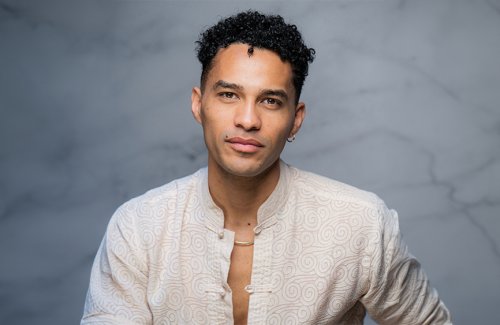
Venture into the fifth episode of Creators Podcast for an insightful exchange with Ryan Alexander Holmes, a Los Angeles-based actor and content creator. With his multicultural background of Chinese and African influences, Ryan shares his thoughts on content creation, creative process and his journey to embrace his mixed heritage through comedy and storytelling. 

The 34-year-old from LA makes comedic videos that celebrate both his African and Chinese blood. However, it was never an easy journey of cultural reconciliation. 

Being the only Black child among his friends, his Asian roots were mostly neglected but rather, he was told to conform to African American stereotypes, even though he still spoke Chinese and celebrated Chinese festivals at home. 

This story has a happy ending. Ryan now has fully embraced his biraciality and proudly shares it on his social media content. The acceptance was the long-established cultivation from his family and community. Ryan’s fraternity, Kappa Alpha Psi, was where he retrieved a vivid sense of Black excellence and discovered his passion for social advocacy. 

Family is also another driving force in his life. “I grew up with my Asian side in LA. My Black side lives in Jacksonville (Florida); we visit them often.” Raised by his Chinese grandmother, he still had a cherished bond with his Black grandmother who lives far away from him. These relationships have taught him different expressions of love, both valued and cherished by Ryan.

With a mission to advocate for broad minority representation in Hollywood and encourage self-love, Ryan utilizes social media to highlight the harmony and beauty of multiculturalism.

Amidst movements like Black Lives Matter and Stop Asian Hate, Ryan’s content emphasizes unity, showing that diverse communities can coexist harmoniously.

“I don’t necessarily want to disrupt or change Hollywood. I just want to be myself… I’m not really interested in watering down what I have to say to fit what Hollywood thinks what people want.” 

CONNECT WITH RYAN ALEXANDER HOLMES

Instagram: @ryanalexh

Threads: @ryanalexh

Website: ryanalexanderholmes.com