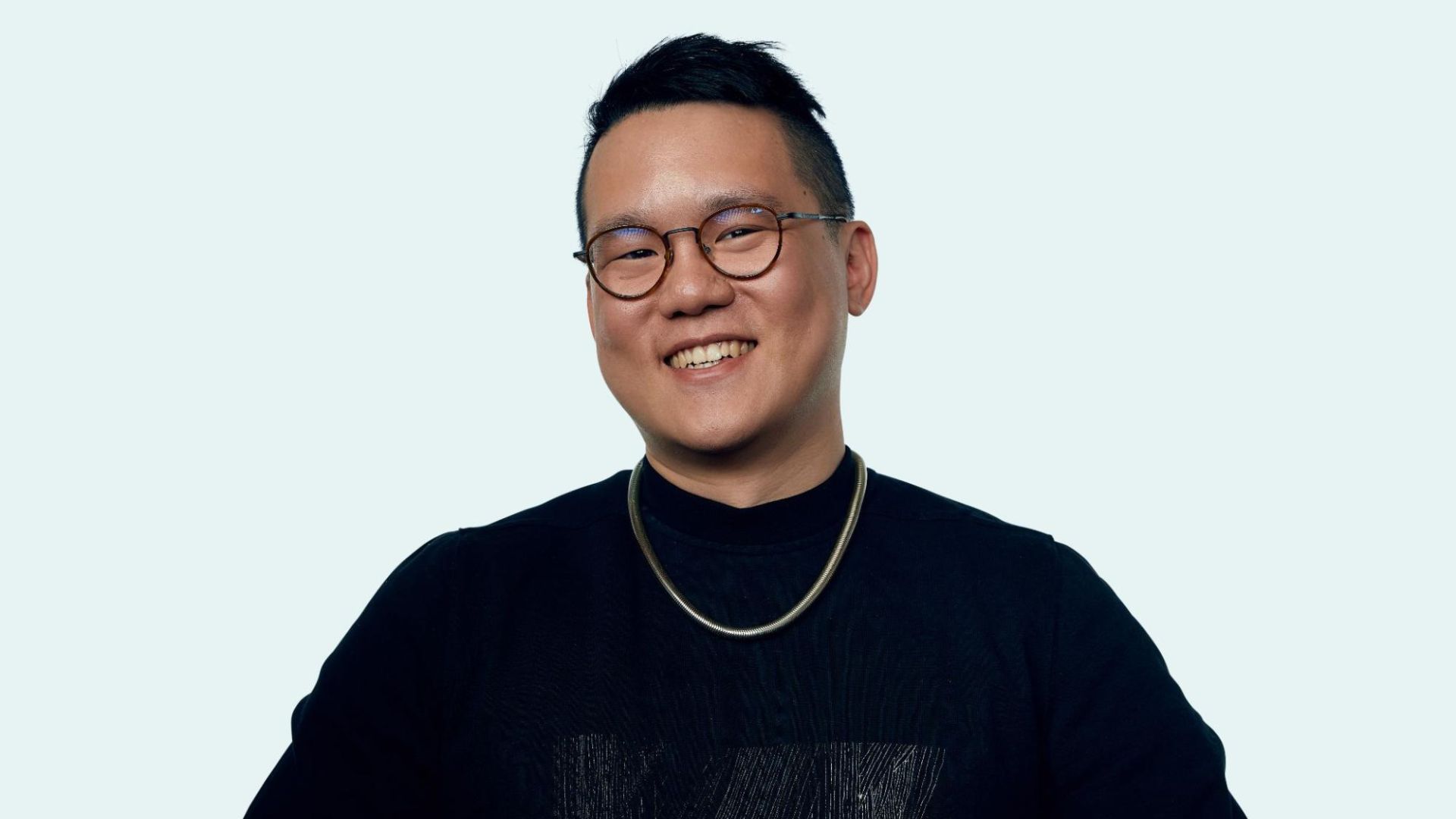
From Gamer to AI Unicorn Co-founder: A Conversation with Cohere’s Ivan Zhang - AHN Media Group

Awaken* newsletter

August 1, 2024

SHARE:

If you have followed the news in any capacity over the last few years, you have undoubtedly heard about LLMs, and the companies building these models. Though the consumer-facing models from companies such as Open AI have captured the hearts and minds of the public, enterprises have different concerns–things such as data privacy, and model reliability.

Enter Cohere, a company developing LLMs to address these issues. Started in 2019, Cohere partners with companies such as McKinsey, Oracle, and all the hyperscalers, and boasts a valuation of $5.5 billion. I sat down with one of the co-founders, Ivan Zhang, to talk about his journey.

TLDR; Key Takeaways

If you only have a few minutes, here are a few golden nuggets from my conversation with Ivan:

  • Sales should be customer-centric. This seems obvious, but have you ever started a sales conversation by talking about your product? Instead, try starting the conversation by asking your customer about their pain points, and then addressing them.
  • Data will be a bottleneck for AI development. Not in the sense that we will run out of internet to train on, but rather that there are types of data which we don’t have a lot of published datasets for. 
  • Your startup doesn’t have to be in the Bay to succeed. Cohere is headquartered in Toronto. This works for them because VCs are more open to remote work after the pandemic and Toronto has a lot of budding technical talent.
  • A key signal to look for when hiring is mastery in any domain. Learning how to master something is fairly transferable. Masters in one domain can likely become masters in another.
  • Being the lone Asian in a leadership room takes some time to adjust to. Getting more reps in has helped Ivan get used to his position.

Tell me about your upbringing, what pushed you to become a hacker?

I was born in Shenzhen, China, and moved to Toronto when I was eight. As a kid, I was always on the computer, even in China, playing the most random arcade games. I don’t want to paint Asians with a broad stroke, but if you’re a male Asian person who has been to high school in the past decade, more likely than not, you’ve played a ton of video games. I did that a lot, and I feel like it built a digital tolerance and stamina for sitting in front of a screen for long hours. Gaming was a big part of why I’m so drawn to building things, working really hard, and doing crazy hours in front of a screen. 

When I got to university, I discovered the hackathon community. Every weekend, we would just meet up at random Ontario universities and sometimes U.S. universities. We would build for the whole weekend. Gaming addiction primed me to get really good at software engineering. I spent my entire first year going to hackathons, building stuff on the side. I had this realization that I could be spending 18 hours playing League of Legends, or I could use the same energy to build stuff, which is also very fun and not as frustrating as a solo queue. It felt like a natural progression.

How has your role within Cohere changed as the company has grown?

When you’re in a startup, your role tends to evolve a lot. That’s been especially true for my time at Cohere. When we started, I was hands-on coding every day, building some of our early systems and pipelines. Eventually, the company grew, and we hired people. Some of our founders had to step up and do some people management.

Eventually, we hired people managers as well, so I have to do less of that. Nowadays, I’m much more settled. I’d say I spend probably 50% of my time still doing technical stuff like machine learning and data processing. For the other 50%, I spend time with customers, either building new relationships, fostering existing ones, or really bringing in business. I think that’s a big part of a founder’s job, like founder-led sales.

How was the transition to doing sales? Did that come naturally to you?

As someone who spent most of my time as the most backend of backend developers, it was definitely uncomfortable at first. When you think about sales, you might think of a business guy with a suit trying to convince someone to give you money for stuff. But when I started doing it more and more, it ended up being about genuinely trying to learn more about your customers, asking them good questions, and figuring out what issues they have. It’s honestly the most important thing you could do. Why are you building anything if you don’t know what your customers want? 

Sales has been super fun because it informs my technical work. I’m starting to see patterns across these conversations, which help inform what we should focus on. Another aspect is that as a founder, when you’re doing sales, you’re meeting executives and other founders as well–so you’re building good professional relationships. For anyone who’s new to it, you should expect some discomfort. But, like anything, you just learn to do it.

Why did you guys decide to focus on enterprise?

The enterprise market is often seen as boring, but actually, most of the world’s efficiency will come from automating a lot of these back-end use cases that don’t necessarily need human potential. A lot of these tasks we’re automating don’t need a well-educated human being sitting at a computer for eight hours a day. We’re much more interested in unlocking that human time for something else. Enterprise is where a lot of this kind of work is done. For example, Oracle is one of our customers, and they’ve deployed our models into their NetSuite features. So, a ton of HR and ERP use cases are now powered by our models. Our mission is scaling intelligence to serve humanity, and what better way to do it than to target the people doing this kind of back-end work at scale? 

We also liked the idea of not having to suck up all of our customers’ data to train these models. In enterprise, we actually ship our models on-prem and we air gap them, so we don’t see any of our customers’ data. In those kinds of scenarios, we have to build our models slightly differently. We have to teach our models to use the enterprise’s internal knowledge bases, use the information returned from these knowledge bases, and then write an answer and cite it. This is all RAG (retrieval augmented generation), which is what we’re focused on because we deploy these models in this air-gapped environment where we can’t continuously suck up people’s usage data. We still have an API and a demo, but the majority of our deployments are on-premise.

What are some areas of AI, whether infrastructure or application, that you think more people should be building in?

I think there will be a bottleneck in terms of training data, but not in the way it’s currently been communicated to the public. Some people paint a picture that we’ll run out of the internet to scrape. I think that’s a naive understanding of how these models work and how to train them. In terms of capturing digital signals—thoughts, demonstrations, audio, video, images, sensory data—there’s going to be a big bottleneck in capturing data from the world that’s not already represented on the internet. The internet does a good job of capturing data and it grows exponentially every year, but there’s information about the world that we experience on a daily basis.

Do you mean information that isn’t easily digitally representable, such as smell?

Yeah, so smell for example–we’d have to build this hypersensitive chemical detector. So if we want autonomous interactive robots in the real world that can smell, there is an information problem we have to solve for the robots, right? They don’t have a nose; we don’t have a great digital nose for them. And I’m sure there’s other stuff.

Why have you decided to keep Cohere headquartered in Toronto instead of the Bay Area?

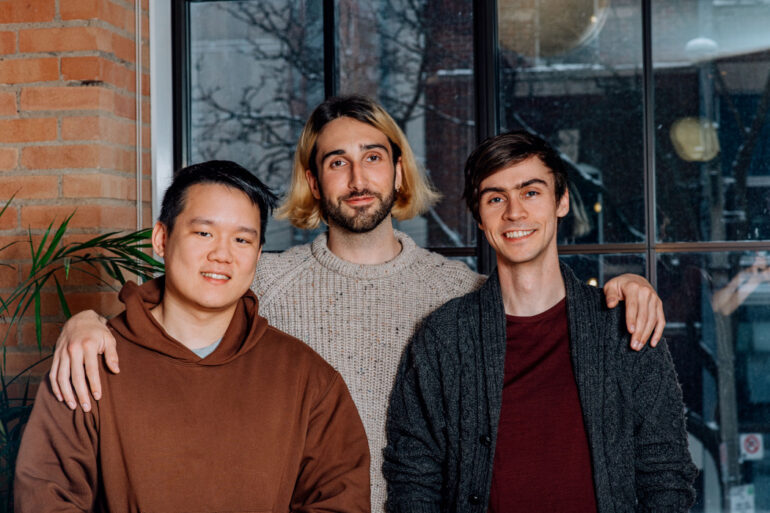
The three of us co-founders just really like living in Toronto. We grew up here, we have roots here. We also realized that it is actually a pretty great city for A.I. At some point in time, most of the people leading A.I. in the Valley came from Toronto. They came from Jeff Hinton’s lab at the University of Toronto. So there’s a ton of great early talent here. And I think because of how the VC attitude has shifted since the pandemic, investors are investing everywhere. They aren’t restricting investments to the Valley. Remote work is a thing now. And so luckily for us, we’ve been able to raise successfully. We’ve been able to build good models. 
I’ve heard that you don’t pursue brand-name resumes when hiring. What are some signals that you look at instead of pedigree that indicate someone could be a great hire?

I’ve thought about this a lot. I try to think about my own trajectory and places that have rejected me and what signals they didn’t see. What it comes down to is that I look for folks who are extremely skilled at something. Once you’re skilled at something, you can take that anywhere else. Sometimes we want to hire more experienced folks, for sure. But especially in a field like ours where disciplines such as pre-training haven’t been around long enough for anyone to have much experience, you want high-energy, high-autonomy individuals who are excited to learn, experiment, and fail fast.

I try to ask a few questions that probe at stuff related to this. Like, “What’s the coolest thing you’ve worked on?” Then I get to see if they’re going into a lot of detail and are really excited about this random thing. “What’s the hardest you’ve worked on anything?” I want to see if they can go the equivalent of 16 hours a day, seven days a week when they’ve actually gone to bat for something. And then obviously, experience in the field is definitely a big plus, but honestly, the best hires we’ve made have just been high-energy, hardworking, genuinely curious people who are also skilled at software engineering.

How has being Asian impacted your founder’s journey?

I’m not ignorant of it. I definitely know it’s a thing. For example, on my board, I’m the only Asian guy on it. But I’ve been fortunate in that, growing up in Toronto and starting this company in Toronto, it’s not that weird to be an Asian guy in tech. So on the technical front, I don’t see it as a hindrance whatsoever. But it’s definitely been a factor for my own comfort in leadership situations–being the only person that looks like me in certain situations. But honestly, once I got the reps in, being in those situations, it was totally fine. And I think there are a few things that, depending on how you were raised, could affect you in doing business at the leadership level here. But generally, once you get the reps in, it doesn’t even matter.

Is there anything you’d like to shout out?

I’d like to shoutout my wife, she’s a big inspiration for me. Shoutouts to my mom, my dad, my sister. I think my parents taught me what it means to work really hard. I think this is true for many of us immigrants, watching our parents and grandparents work the most menial labor jobs just so we can be fed and go to school. It’s super inspiring. It makes me think: Why am I not working harder? Why am I not thinking about how I can level up and help them retire? My family has been a big inspiration to me. Lastly, shoutouts to Cohere and my co-founders. It’s been super fun, and I’m privileged to be working on this tech. I think it’s genuinely the most interesting thing I could be doing right now.

If you are high-energy, hardworking, and highly curious about AI, please consider applying to work with Ivan at Cohere! You can check out available positions at this link.

Thank you for joining us, Ivan!
Related Articles

image

Stories

Steve Liu Knows How to Draw a Crowd. With TRI3E, He Wants to Help Communities Grow.

From producing shows with major artists to leading product design at Amazon and Palo Alto Networks, Steve Liu knows a thing or two about bringing people together.

With TRI3E, he’s using what he’s learned to help people, creators, businesses, and organizations build stronger communities.

Understanding What Brings People Together

Filling a venue is one thing. Getting people excited enough to bring their friends is another. Steve Liu learned that firsthand in San Francisco’s nightlife scene.

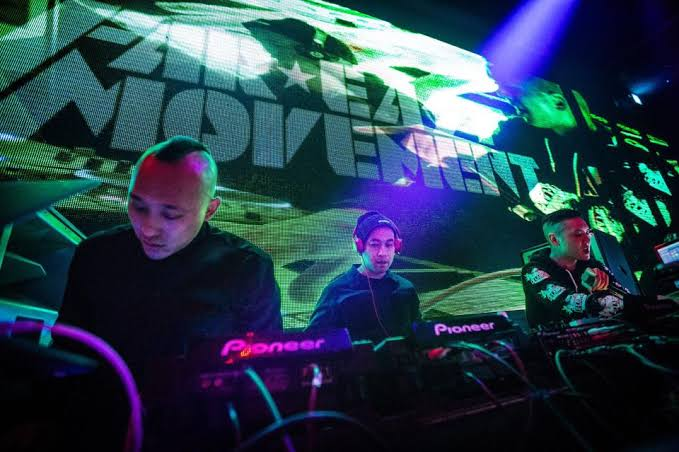
As a nightclub promoter and event producer, he helped organize shows featuring The Chainsmokers, Far East Movement, MC Jin, and comedian Ali Wong.

What stood out to Steve wasn’t just how people discovered events, but what happened when they came together. Friends brought friends, new connections formed, and people found a sense of belonging through shared experiences.

He realized that the most meaningful part of bringing people together wasn’t filling a room. It was creating experiences people genuinely enjoyed, felt part of, and wanted to share with others.

A Different Way of Looking at Problems

Outside entertainment, Steve was building a career in technology. He eventually led product design teams at Amazon and Palo Alto Networks, working on products involving cloud computing, global supply chains, and cybersecurity.

The work was different from organizing events, but it taught Steve how to approach complex, multidimensional problems. Working across technology, business, and human needs, he learned to connect different perspectives, navigate competing priorities, and turn complicated challenges into practical solutions.

His experience as an entrepreneur also gave him a firsthand understanding of how difficult it can be to grow a business, reach the right people, and keep them engaged.

Over time, those experiences started to come together. He had seen how people brought others into events and communities, and he understood how technology could help make those connections easier.

That got him thinking about what better community-building tools could look like.

Helping Communities Do More Together

Think about a restaurant planning an event, a creator looking to bring supporters together, or a community organizer trying to reach more people.

They already have people interested in what they do. The challenge is finding ways to get those people involved, keep them connected, and encourage them to bring others along.

That’s the thinking behind TRI3E (Tribe), the platform Steve is building.

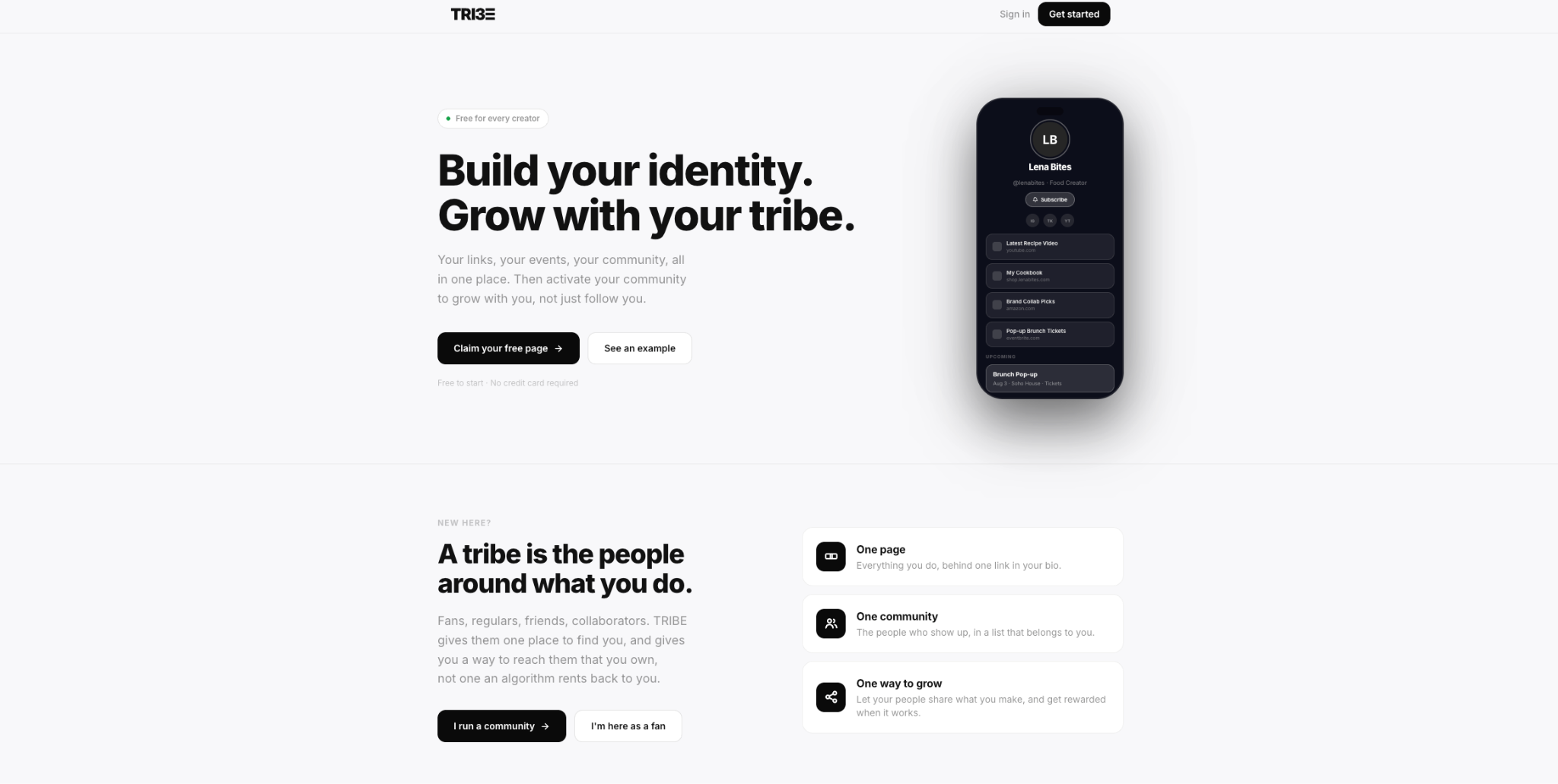
TRI3E aims to help individuals, creators, businesses, and organizations build and grow their communities. Through the platform, they can share events and opportunities, invite others to participate, and give members more ways to stay involved.

For a restaurant, that could mean inviting regular customers to an event and encouraging them to bring friends. For a creator, it could mean sharing a new project with supporters. For an organization, it could mean helping members discover opportunities and meet others with similar interests.

The goal is to make it easier for people to stay involved, bring others along, and create more opportunities within their communities.

Building What’s Next

For Steve, TRI3E is an opportunity to bring together years of experience in technology, entrepreneurship, and entertainment around an idea with much broader potential.

Whether it’s a neighborhood restaurant, an independent creator, or a network like Asian Hustle Network, communities already have people who want to see them succeed.

What if those people had better ways to make that happen?

That’s the vision behind TRI3E: helping people turn their existing connections into more opportunities for their communities.

Join TRI3E

Build your community. Activate your network. Grow together.

Explore TRI3E | Connect with Steve

1-png

Stories

ChargerGoGo’s Next Chapter: GoGoSpark Brings AI-Powered Entrepreneurship to the Future of Work

ChargerGoGo built its nationwide phone charging network by betting on everyday entrepreneurs.

That bet is paying off. In 2026, ChargerGoGo landed at No. 744 on the Inc. 5000 (top 15%), No.5 in Las Vegas, and No.41 in AI and Data industry, the annual ranking of the fastest-growing private companies in America, after reporting 467% revenue growth over three years.

Led by founder and CEO June Zhu, the company has spent years helping local operators build businesses through its charging network. With GoGoSpark, it’s bringing AI into the picture.

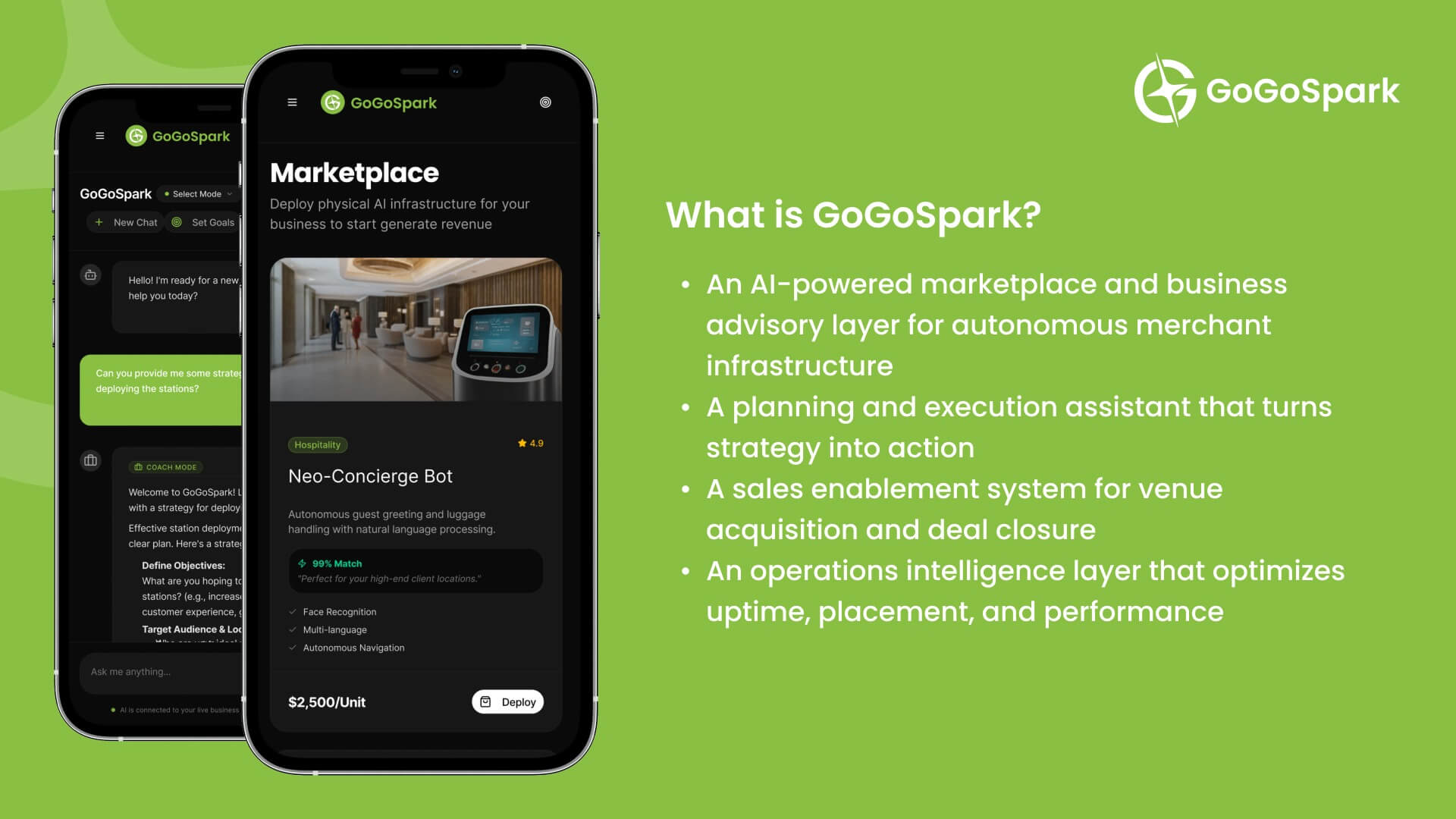
Launched at CES 2026, GoGoSpark is ChargerGoGo’s AI-powered business copilot and operations assistant, built to help operators handle the day-to-day work of running and growing their businesses.

What Does GoGoSpark Actually Do?

As AI reshapes the workforce, the next economic opportunity is not only about making employees more productive, it is about giving more people the tools to become business owners.

GoGoSpark was built around that mission.

ChargerGoGo believes the future of work will include a growing number of people, across both white-collar and blue-collar professions, who want to build independent income, own productive assets, and operate businesses of their own. But becoming an entrepreneur requires far more than capital or a good idea. New business owners need help with sales, operations, financial decisions, technology, strategy, and the hundreds of decisions that come with running a company.

GoGoSpark is designed to put that capability in their pocket.

Serving as an AI-powered COO and business mentor available 24/7, GoGoSpark can help entrepreneurs analyze performance, identify opportunities, improve sales, troubleshoot operational issues, understand financial decisions, and determine what actions to take next.

The vision extends beyond operating ChargerGoGo stations. ChargerGoGo is building GoGoSpark as an intelligent business platform that can lower the barriers to entrepreneurship and help everyday people transition from employees into capable, technology-enabled business owners.

In an economy increasingly shaped by AI and automation, ChargerGoGo believes AI should not simply replace work. It should help more people create, own, and participate in the businesses of the future.

GoGoSpark does not replace the entrepreneur. It gives the entrepreneur a COO, an advisor, and a mentor in their pocket—so they can make better decisions and build with greater confidence.

Five Years in the Making

GoGoSpark came out of five years of working directly with thousands of operators, partners, and small business owners.

Over that time, ChargerGoGo saw the same kinds of questions come up again and again: How do I sell this better? Why is one location outperforming another? What should I focus on next? How can I run this more efficiently?

Those real-world questions helped shape what GoGoSpark became.

Rather than building AI for the sake of having AI, ChargerGoGo built a tool around the work its operators were already doing.

As Zhu said when the platform launched, “GoGoSpark is built to be a business co-pilot, helping operators learn faster, operate smarter, and participate in the post-work economy.”

The Bigger Goal Behind GoGoSpark

The Inc. 5000 ranking is a milestone for ChargerGoGo, but Zhu has been clear that she wants the company’s growth to reach beyond ChargerGoGo itself.

When the ranking was announced, she pointed to a bigger goal: giving ChargerGoGo’s Distribution Partners the technology, infrastructure, business model, and support to grow companies of their own.

She even said she hopes to one day see those entrepreneurs make the Inc. 5000 themselves.

GoGoSpark is one way ChargerGoGo is trying to make that happen.

As AI becomes part of how companies sell, analyze data, plan, and operate, smaller business owners risk being left with fewer resources to compete. GoGoSpark brings some of those capabilities directly to the people running businesses on the ground.

ChargerGoGo’s acceptance into the NVIDIA Inception Program also marks another step in that direction as the company continues developing its AI technology.

“The future belongs to those who engage with their AI,” Zhu said at CES 2026. “Our mission is to make sure everyone has that chance.”

ChargerGoGo made the Inc. 5000 this year. If its operators eventually start appearing on that list too, GoGoSpark may have played a part in getting them there.

Discover how GoGoSpark is helping entrepreneurs grow smarter.

📍Website

image-png

Stories

The Day a Las Vegas Slot Machine Changed June Zhu’s Vision for Entrepreneurship

When June Zhu immigrated to the United States, she wasn’t chasing certainty.

She was chasing the possibility.

Like millions of immigrants before her, she believed in something uniquely American: that regardless of where someone came from, if they worked hard, solved real problems, and created value for others, they could build a better future.

That belief led her to found ChargerGoGo.

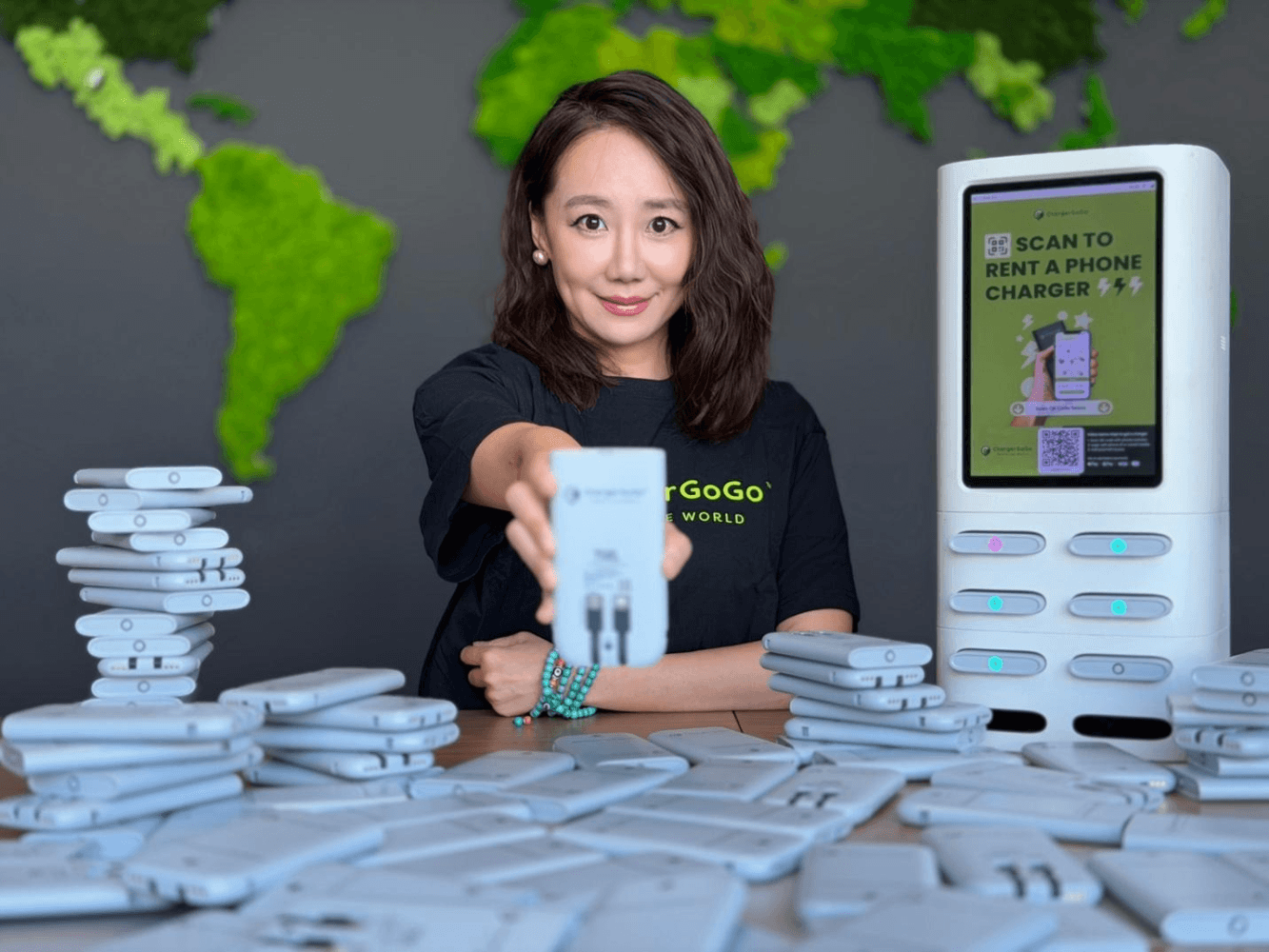
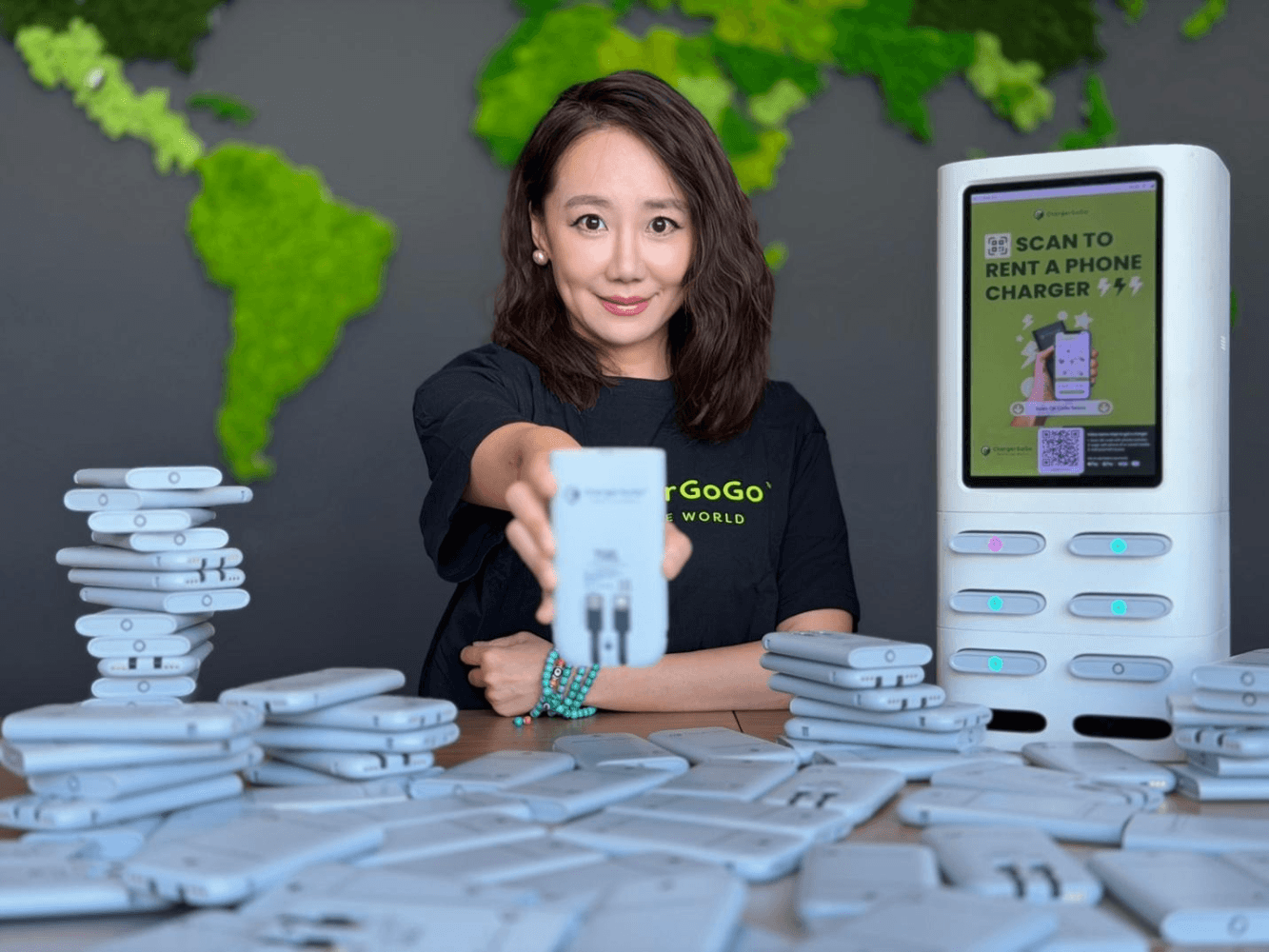
At first glance, ChargerGoGo looks like a portable phone charging company. Today, its network spans more than 6,000 locations across all 50 states, serving more than one million users.

But ask June what business she’s really building, and her answer is unexpected.

“I’m not trying to just build the biggest charging network,” she says. “I’m trying to build one of the largest entrepreneurship platforms.”

The Question Every Founder Faces

That vision wasn’t obvious in the beginning.

Like countless founders, June spent years trying to answer the same question that keeps entrepreneurs awake at night:

How do you build something nationally without billions of dollars from venture capital?

Every new market required more equipment.

Every new customer required more investment.

Growth always seemed tied to raising more capital.

The Las Vegas Moment

Then one ordinary afternoon in Las Vegas, while talking with her team, she witnessed something that unexpectedly gave her a new perspective.

A few teammates each pulled a small amount of cash from their wallets and decided to play a slot machine together.

Nobody risked very much.

If they lost, the downside was limited to a few hundred dollars each. But if they won, everyone shared in a prize far greater than they could have won individually.

“It wasn’t about the slot machine,” June recalls with a smile. “It was about the ownership.”

She watched people willingly contribute because everyone had a stake in the outcome.

At that moment, the question in her mind changed.

Instead of asking, “How can I raise enough money to own every charging station?”

She started asking, “Why should I own them all?”

What if every charging station could become an income-producing asset for a local entrepreneur?

That idea transformed ChargerGoGo.

Rather than building a company that owned every charging station, June built a platform where local entrepreneurs could own, operate, and grow businesses under a shared brand.

Every charging station became more than hardware. It became an opportunity for someone to build recurring income and grow a business within their own community.

Building an Entrepreneurship Platform

For June, that model reflects something she has admired since arriving in America.

“The greatest strength of this country isn’t just innovation,” she says. “It’s that ordinary people have the opportunity to become builders.”

Instead of measuring success solely by the size of the network, she measures it by how many entrepreneurs it helps create.

Through ChargerGoGo’s distribution partner model, local business owners can build recurring income while expanding the company’s nationwide footprint. As the platform grows, so does the number of entrepreneurs building businesses of their own.

Why Ownership Matters More Than Ever

That belief feels even more relevant as artificial intelligence reshapes the global workforce.

While much of the conversation focuses on jobs disappearing, June believes the more important conversation is about creating more owners.

“The future shouldn’t belong only to companies with the most capital or the most powerful AI,” she says. “Technology should lower the barriers for everyday people to own businesses, generate wealth, and create opportunities for their families.”

That’s why she believes entrepreneurship is becoming more important, not less.

Her vision extends far beyond portable charging.

She imagines a future where platforms, AI, and connected infrastructure allow millions of people to own income-producing businesses that once required millions of dollars to build.

Redefining the American Dream

For June, that’s what the American Dream has always meant.

Not that success is guaranteed.

But that ownership is possible.

Today, when people ask what ChargerGoGo does, she could talk about charging stations, technology, or nationwide expansion.

Instead, she prefers a simpler answer.

“We’re building a platform that helps more people become entrepreneurs.”

Because in the end, June Zhu isn’t trying to build a billion-dollar company.

She’s trying to help build thousands of million-dollar entrepreneurs.

Perhaps that’s the most powerful way to measure success: not by how much one person owns, but by how many owners they help create.

Learn more about ChargerGoGo here:

📍Website

image-png

Stories

How Stephanie Lau Jensen Turned a Personal Identity Journey Into CULTR, a Marketplace for Cultural Brands

Stephanie Lau Jensen grew up between Hawaii and California. Like many Asian American kids raised in predominantly non-Asian communities, she learned early how to move between worlds. Parts of her culture stayed in the background, not because she pushed them away, but because the environment made it easier to leave them there.

She later returned to Hawaii for college, where her father is originally from. Being there placed her in a community where Asian culture was woven into daily life through food, language, and family traditions. It was not a rediscovery, it was a reminder of what had always been hers.

Years later, as a mother of three and a founder with a background in commercial real estate investing, she built CULTR, short for Created for Culture. A curated marketplace for AAPI  and third-culture families raising kids between cultures, one that makes cultural products easy to find and part of everyday life, not just special occasions.

A Birthday Conversation That Changed Everything

The idea for CULTR took shape at one of Stephanie’s birthday gatherings. She was talking with a close friend about identity and culture when a childhood friend overheard the conversation and joked that Stephanie used to be one of them before she moved to Hawaii and really leaned into her Asian side.

Everyone laughed. Stephanie included. But the comment stayed. It put words to something she had been sitting with for years. Culture is not something that automatically transfers to the next generation. It has to be lived daily. If it is not in the house on a regular Tuesday, it probably is not there at all.

When she became a mother and started looking for books, clothing, and toys that reflected her culture, she saw the problem clearly. The products existed. The founders were there, but their work was scattered across small websites and Instagram pages, invisible to most families who needed them.

The Platform She Wished Had Existed

Stephanie’s background in real estate investing trained her to look closely at markets and recognize opportunity gaps. As she continued discovering founder-led cultural brands online, she saw a clear problem: families who wanted these products had no easy way to find them.

That realization led her to build CULTR, a curated marketplace that brings modern cultural brands from around the world into one central destination. The platform highlights independent founders, many from Asian and immigrant communities, whose products carry culture through everyday objects, from children’s books to home goods, apparel, even everyday products you would have never known were made by AAPI makers. With a refined, modern aesthetic, CULTR presents these brands in a way that feels contemporary, approachable, and deeply connected to heritage.

Building CULTR came with its own challenges because the platform did not fit neatly into an existing category. It sits somewhere between a retail marketplace and a cultural storytelling platform, which meant Stephanie had to develop the platform while also helping people understand the vision behind it.

Bringing Culture Into Everyday Family Life

For Stephanie, culture often lives in the smallest everyday objects. A children’s book written in the language your grandparents spoke, a toy tied to tradition, or a piece of clothing that carries a story can shape how the next generation understands identity and belonging.

Alongside CULTR, she is also building PenPals Collective, a project designed to spark global curiosity and connection for children, and launching a podcast called Series M that explores career, motherhood, and identity. Each project reflects her interest in connecting people across culture, family, and generation.

Through each project, and while raising three young children, Stephanie continues working toward the same goal: creating spaces where culture is not something people rediscover later in life, but something families live with every day.

Learn more about CULTR here:

📍Website