Stories

March 8, 2023

SHARE:

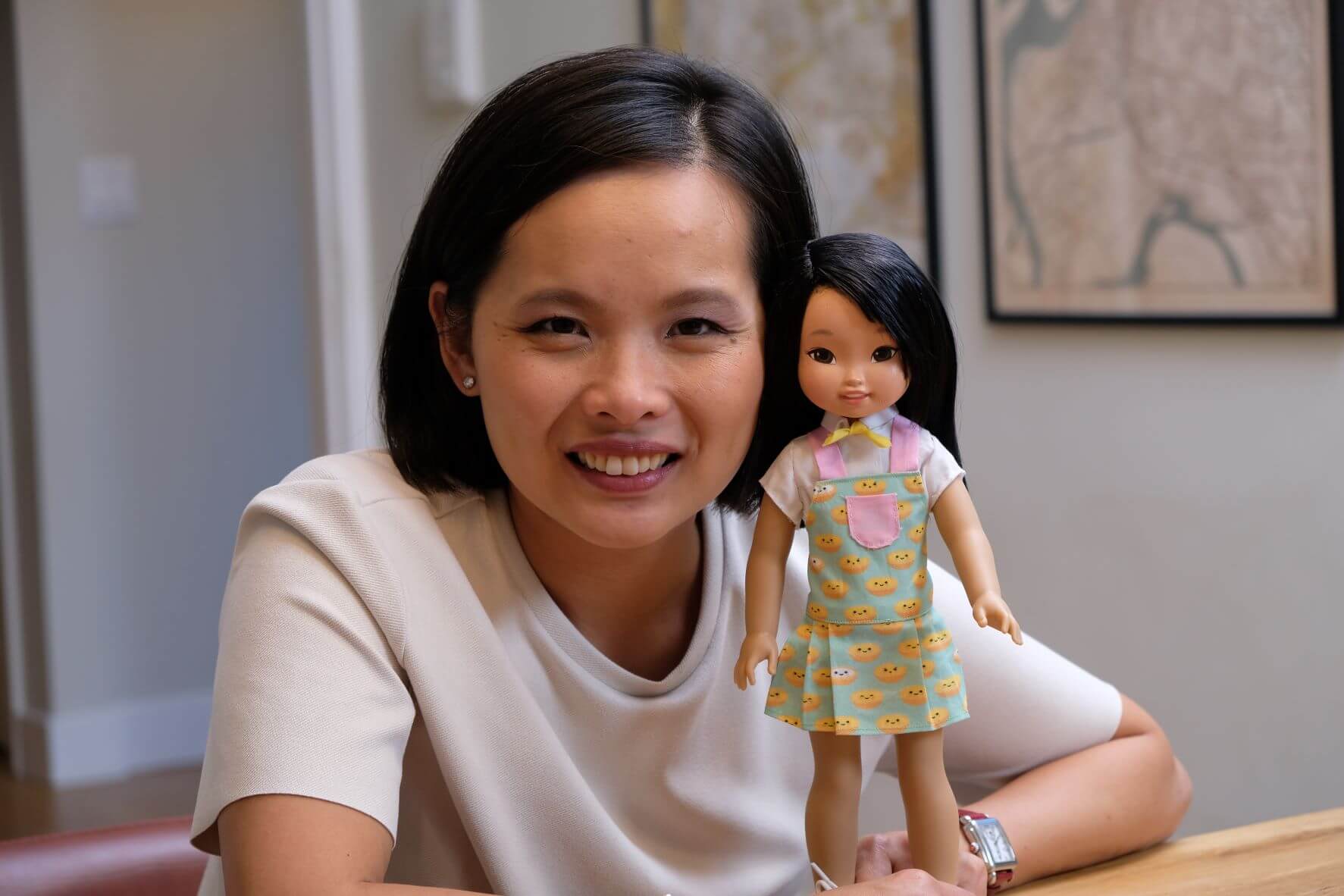
Meet Elenor Mak, the founder of Jilly Bing, a company that is changing the face of the dolls and toys industry. Her journey to creating Jilly Bing began with her desire to break down stereotypes and provide a positive reflection of Asian-American girls.

Elenor believes that toys play an essential role in helping children make sense of the world around them, and dolls are an essential tool in building self-esteem and self-acceptance. Her mission with Jilly Bing is to create a line of dolls and toys that accurately represent Asian-American children and help to nurture a deeper appreciation of Asian culture.

By involving children and families in the creation process of Jilly Bing, Elenor hopes to create a community that celebrates diversity and encourages a sense of belonging. 

Read through as Elenor shared about her childhood as a first-generation Chinese-American, and her mission to create dolls that reflect the diversity of Asian American girls and promote cultural understanding.

FROM MACAO TO AMERICA

I am a first-generation Chinese-American. My Mom was born in Singapore, and my Dad was born in China. They met in Macao and immigrated to the US before I was born. Growing up, both of my parents worked as back-office postal clerks, which required grueling night shifts and strenuous manual work. Their limited English disqualified them from jobs that would have been easier, like a front-desk clerk. 

Despite that, my Mom firmly believed in only speaking Chinese (Cantonese) at home and even sent me to Saturday classes for Mandarin. As an adult, I am so grateful for my Mom’s insistence that I am fluent in her native language because it helps me remain connected to my heritage.

MY MOTHER MADE SURE I HAD A VOICE

As a young child, I was rather shy. By contrast, my Mom is a strong, outgoing woman. But being a non-English-speaking immigrant, she lost her “voice.” She would make me challenge adults when she didn’t get the right change at a shop or something was wrong with an order she had placed. Perhaps because of this, I came out of my shell by the time I was in second grade.

Looking back, I believe my Mom was determined to make sure I knew I had a voice or say in matters, even as a kid, so that I would not be afraid to use my voice as an adult. 

My daughter’s voice is Loud with a capital “L,” even at the age of 3, which is so at odds with the stereotypical representations of Asian girls and women as demure, pretty little things. I wanted to break down those stereotypes and create a doll that is similar to the Asian American girls we know and love

My mom was determined to make sure I knew I had a voice or say in matters, even as a kid, so that I would not be afraid to use my voice as an adult. 

-Elenor Mak

A REFLECTION ON MY FIRST DOLL

I don’t recall my first impression of my first doll, named Ada, but she was a gift from my parents, and I was only 5 or 6 years old, so I’m pretty sure I was thrilled. She wore a baby bonnet, and I remember wanting to take care of her as any good Mommy would.

I also remember thinking that her blonde hair and blue eyes were so beautiful. Of course, I didn’t have those features, so on some level, I guess I wanted us to look more similar. My Mom tells a story that, one day, I took scissors to Ada’s hair because I wanted her hair to be like mine, which — like many Asian girls growing up in the 1980s — was a short bob. Long, blonde hair was something beautiful people had, something “other” people had. I do remember feeling like an “other” when I looked at Ada. 

I took scissors to Ada’s hair because I wanted her hair to be like mine.

-Elenor Mak

THE IMPORTANCE FOR CHILDREN TO SEE THEMSELVES REFLECTED IN THEIR TOYS

Toys help children make sense of the world around them, and some of the first toys ever discovered are dolls that date back to 8,000 BC in Japan and 2,000 BC in Egypt. What is baffling to me is that the year is 2023, and missing from toy shelves in US stores are authentic-looking Asian dolls.

The ones that are available are cartoony-looking or dressed in very traditional clothing that does not reflect today’s Asian American children. Several dolls are brunettes with round eyes, an Asian-sounding name, and an upward swish of black eyeliner that supposedly creates Asian eyes.

While I was initially saddened by this, I’m now thrilled that I get to create a company that solves such a glaring error. We are so proud when parents see our first doll and say, “She looks like my daughter.” 

HOW NOT HAVING A DOLL THAT LOOKS LIKE THEM AFFECT CHILDREN AS THEY DEVELOP SELF-ACCEPTANCE

When an Asian child walks into a national chain store and heads to the doll aisle, and sees lots and lots of dolls, but does not see a doll that looks like them, that is the moment that the first damage is done to their self-esteem and self-acceptance.

The moment they start to wonder, “Why not?” Or even worse, the moment they think, “Is there something wrong with me because I look Asian?” 

DOLLS AS CULTURAL MIRRORS TO NURTURE DEEPER HERITAGE APPRECIATION

Role-playing with dolls, action figures, or even stuffed animals, help children sort through their emotions. When they pretend to be superheroes, they are trying to feel powerful. If you hear a child tell a stuffed animal to “wash your hands before dinner,” they are probably trying to make sense of their parent’s rules. 

We want our dolls to help children understand their heritage. We are creating accessories that help recast their interpretation of Asian food, for example. It is not smelly and embarrassing, as I thought it was when I was in elementary school. Asian food is something that their doll loves to make and celebrate. If the doll herself plays with mini egg tarts or sushi rolls, the barrier to understanding is instantly lower. 

As strange as it may seem, there is no one-stop-shop for parents who want to teach their kids about Asian cultures. It requires a lot of legwork to find resources, and parents are busy. In fact, 91%of Asian American parents we surveyed replied “yes” when asked, “Do you need help finding educational content to teach children about Asian culture and heritage?”

I want Jilly Bing to be the brand that makes it easy for parents to introduce and deeply explore every aspect of all Asian cultures.

INVOLVING CHILDREN AND FAMILIES IN THE CREATION PROCESS OF JILLY BING DOLL

When we were creating the prototype of the doll, we leaned on my children and our friends and family to see if our vision was resonating with them. To gather data, we surveyed adults through several social media networks that have huge followings. It was not a short survey, so I was amazed to see how many people gave us feedback; it was another moment when I knew we were striking a chord with many Asian adults who felt unseen as children.  

Now we have the luxury of formalizing feedback with focus groups and people who want to support our mission of representation. We created an official Jilly Bing Ambassador Community for our strongest supporters, and we will turn to them for feedback on future dolls and new products.

It was not a short survey, so I was amazed to see how many people gave us feedback.

-Elenor Mak

WHAT MY DAUGHTER THOUGHT WHEN SHE FIRST SAW THE JILLY BING DOLL

Jillian was just shy about her third birthday when she saw the prototype of the doll. First, she did a big dramatic gasp, and then she said, “Me!” and hugged the doll so hard that its not-quite-fully-secured head popped off the body. At that moment, I knew we had a winner. 

WHAT PARENTS ARE SAYING ABOUT JILLY BING

Much of the feedback is coming from adult women. Just like my daughter’s first reaction, they say they gasped out loud, and many say they proceeded to cry. I keep hearing, “This is the doll I always wanted when I was growing up.”

One woman captured how heartbreakingly wrong the status quo is: “Even in play, Asian girls have had to envision life as someone else … This vision is so much more than a toy, it is being seen!”

ADDRESSING THE NEED FOR INCLUSIVITY AND DIVERSITY IN THE TOY INDUSTRY

The toy industry needs a refresh, as do media companies that are creating content for children. It feels as though they are checking off boxes. They want to be able to say, “Look, we have an Asian doll. We have a Black doll.” Or “Here! We did a movie with Chinese immigrant parents and US-born kids.” But they are just doing the bare minimum.

I like to think Jilly Bing is the first company to take a holistic view of how representation can live and breathe within our children’s daily lives, instead of being compartmentalized inside a checkbox. My analogy is Paw Patrol. Those pups are everywhere, from socks to movies to enough toys to fill a football stadium.

If our vision becomes a reality, the fun, cheeky characters and accessories, books, and content that celebrate Asian American culture will be everywhere too. 

What can consumers do to drive this change? I ask them to support us by purchasing a doll at www.jillybing.com and spreading the word. As the famous saying goes, “Be the change you want to see in the world.”
Related Articles

250612 (1)-jpg

Blogs, Development

The Secret Behind Every “Why”: Climbing the Ladder

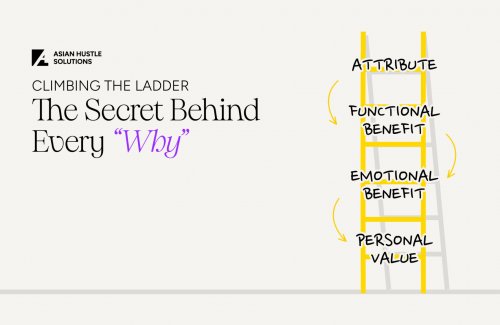
Have you ever asked someone why they bought something, and then asked again? You’d be surprised to find out that the answer now extends beyond the functional—we’re getting emotional. That’s what “laddering” is about. 

Laddering is a simple but effective tool to dive deeper into the decision-making thought process. Instead of just asking what people like, we explore the whys. Each answer helps us climb the ladder from surface-level to more profound insights.

1. ATTRIBUTE

A specific feature or characteristic of a product or choice.

Example: “These shoes have extra cushioning.”

attribute

2. FUNCTIONAL BENEFIT

The practical or performance-related advantage that the attribute provides.

Example: “They make running more comfortable.”

functional_benefit

3. EMOTIONAL BENEFIT

How the person feels because of the functional benefit.

Example: “I feel more confident and energized when I run.”

emotional_benefit

4. PERSONAL VALUE

A deeper belief, life goal, or principle that the emotional benefit supports.

Example: “Being healthy helps me feel free and in control of my life.”

personal_value

Why Asian Hustle Solutions?

At Asian Hustle Solutions, we help Asian-owned brands grow by understanding what truly drives their audience—beyond features, into feelings and values.

If you want to learn more about our services, visit the Asian Hustle Solutions website at asianhustlenetwork.com/services/

250605 (1)-jpg

Blogs, Development

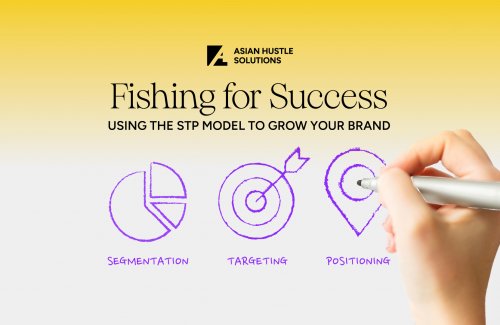
Fishing for Success: Using the STP Model to Grow Your Brand

Marketing is like fishing—there are plenty of fish in the sea, but each type requires a different approach. Knowing your audience is not an open-and-shut case. It is the process of researching, analyzing, and evaluating your audience base. 

The following framework, STP, serves as your fishing rod—helping you cast with purpose and reel in the right catch.

S – Segmentation

The world isn’t a monolith. People have diverse needs and preferences—but some will share common demands that align with what your business offers. 

That’s why audience segmentation matters. By understanding the unique traits of each group, you can identify which ones are the best fit for your brand. 

audience-segmentation

T – Targeting

Now, after you have an overall picture of the market, it’s time to focus your efforts. Targeting means selecting the specific segment—or segments—that your brand is best positioned to serve. 

This is where you shift from broad insights to strategy, adapting your message, products, and services to meet their needs.

target-audience

P – Positioning

Now, it’s not just about who you are—but it’s also about who they think you are. 

Positioning answers the question: Why should they choose you? Whether it’s your values, pricing, design, or experience, positioning helps you own a unique space in the market.

brand-positioning

Why Asian Hustle Solutions?

To grow your brand, the goal isn’t just to reach a large audience—it’s to build a loyal segment that will stay with you over time. Getting to know this audience takes patience and insight. That’s where Asian Hustle Solutions comes in to support you every step of the way.

If you want to learn more about our services, visit the Asian Hustle Solutions website at asianhustlenetwork.com/services/

chester-yow-png

Stories

From Singapore to New York: How Chester Yow Turned Doubt Into Drive

Breaking New Ground in a Foreign Land

For Chester Yow, the decision to leave Singapore, his hometown, wasn’t an excursion but rather a mission. After two years in the military, Chester aimed to challenge his own comfort zone, venturing far away from the familiar into the unknown of a new country on the other side of the world. “I wanted to prove that I can be successful in another country, in another city,” he shares. While it is common that many Asians would like to take the stable route to be near their community, Chester wanted to flip the script and rewrite his story.

Drawn to the fast pace and competitive spirit of New York City (NYC), Chester quickly realized that real estate was made for him—because for a person who doesn’t enjoy 9-to-5 office jobs like Chester, real estate allows the flexibility while maintaining the discipline needed to survive in NY. It is this combination of freedom and responsibility that has become the driving force for him to start building a network from scratch in this city that never sleeps.

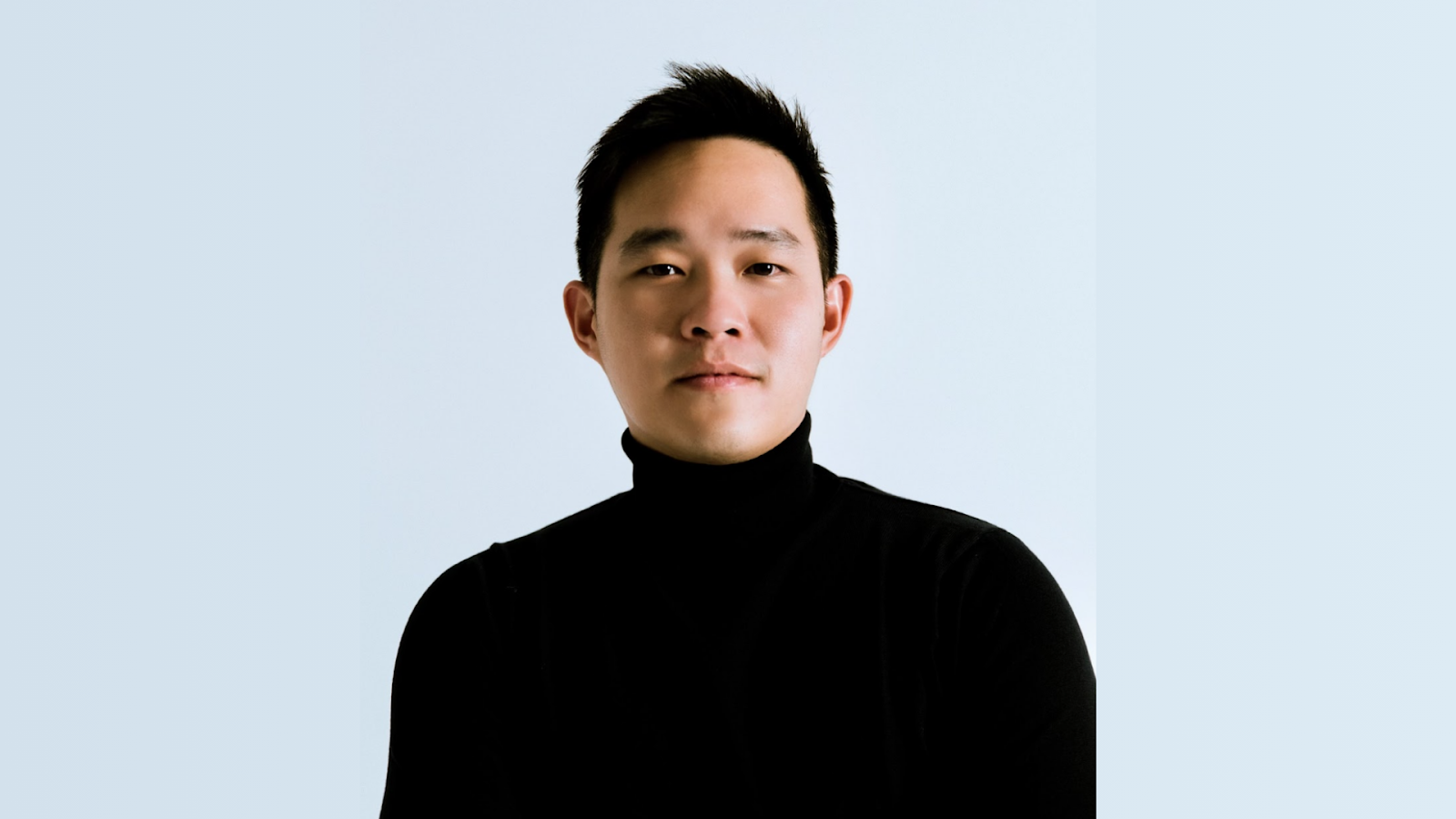
Chester Yow, a Licensed Associate Real Estate Broker and Founder of the Chester Yow Team at SERHANT, smiling confidently in professional attire.
Chester Yow | Licensed Associate Real Estate Broker and Founder of Chester Yow Team at SERHANT

Shattering Stereotypes in the Heart of New York

“If you can make it there, you’ll make it anywhere.” It’s a common, inspirational pipeline when speaking of New York. It’s inspiring enough to imply that challenges will always remain—not to bring you down, but to toughen you up. Chester’s no exception. With a heart filled with unrelenting passion and determination, it was still not enough—especially when dealing with racial discrimination and prejudice.

As a fresh-off-the-boat Asian in the U.S., he soon faced the harsh realities here—that discrimination can be both subtle and publicized at the same time. “You do get looked down on as a ‘minority’ at times, and people tend to judge or doubt you faster. I sometimes get, ‘Wow, your English is so good’ (English is the spoken language of Singapore), or ‘Why aren’t you a doctor, lawyer, or accountant?’” he recalls.

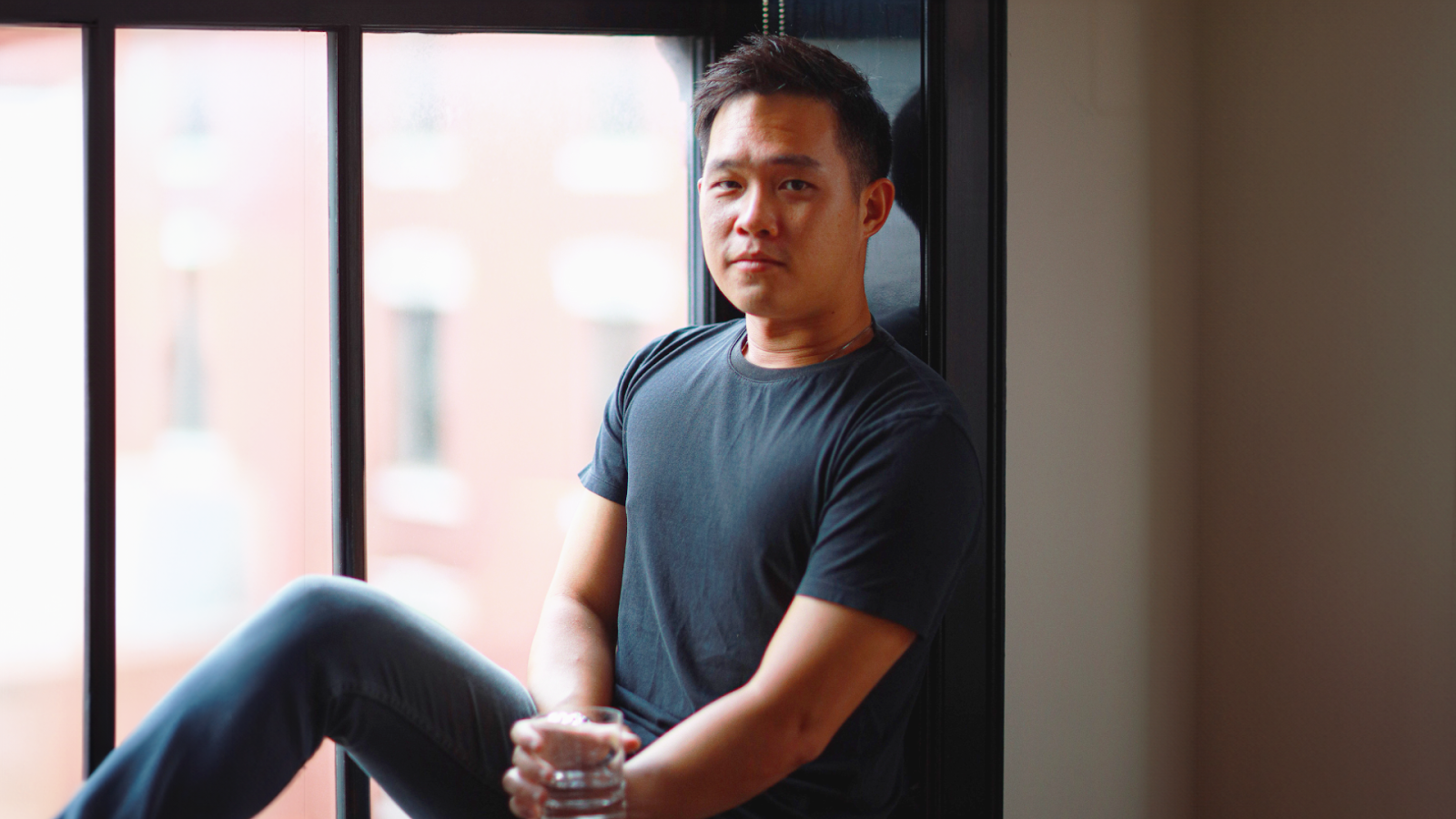
Chester Yow, a Licensed Associate Real Estate Broker and Founder of the Chester Yow Team at SERHANT, who overcame early challenges in the U.S. such as racial discrimination and cultural differences, smiling confidently in professional attire.
Chester faced many challenges during his early days in the States, including racial discrimination and cultural differences. 

But instead of surrendering to the stereotypes, Chester leveraged them as inspiration. “I work harder than the next person, I study harder, I make sure I’m more prepared, I do everything necessary in my power so that there’s no doubt in anyone’s mind to question my capabilities.”

And his effort paid off. By exceeding expectations and proving himself with actual results, Chester is, step by step, changing common misconceptions—not only for himself but also for an Asian working in real estate in New York. Then, even those who doubted him reached out to him for work.

What grounds me is knowing why I work so hard and who I’m working for—my family, my loved ones, my future self 30 years down the road, and my own future family. I’m working hard for them. Having that quiet confidence to keep my head down and keep going is crucial, too.

The Life-Changing $450 Million Development Project

“Tough times don’t last, tough men do”—a quote from my military days that has stuck with me. Ryan Serhant also says, “You are allowed to quit—just make sure it’s on your best day.” You control your own destiny, and building mental toughness is essential to success. Mentorship is crucial for any entrepreneur, and one of Chester’s mentors can be traced back to his military days.

That advice led to a breakthrough in his career. One of the biggest turning points came in 2017, when Chester helped launch a $450 million luxury real estate project in Manhattan. As part of the SERHANT. team, he had the opportunity to bring the project to Ryan Serhant—one of the industry’s most prominent figures—and collaborate directly with his top-tier team.

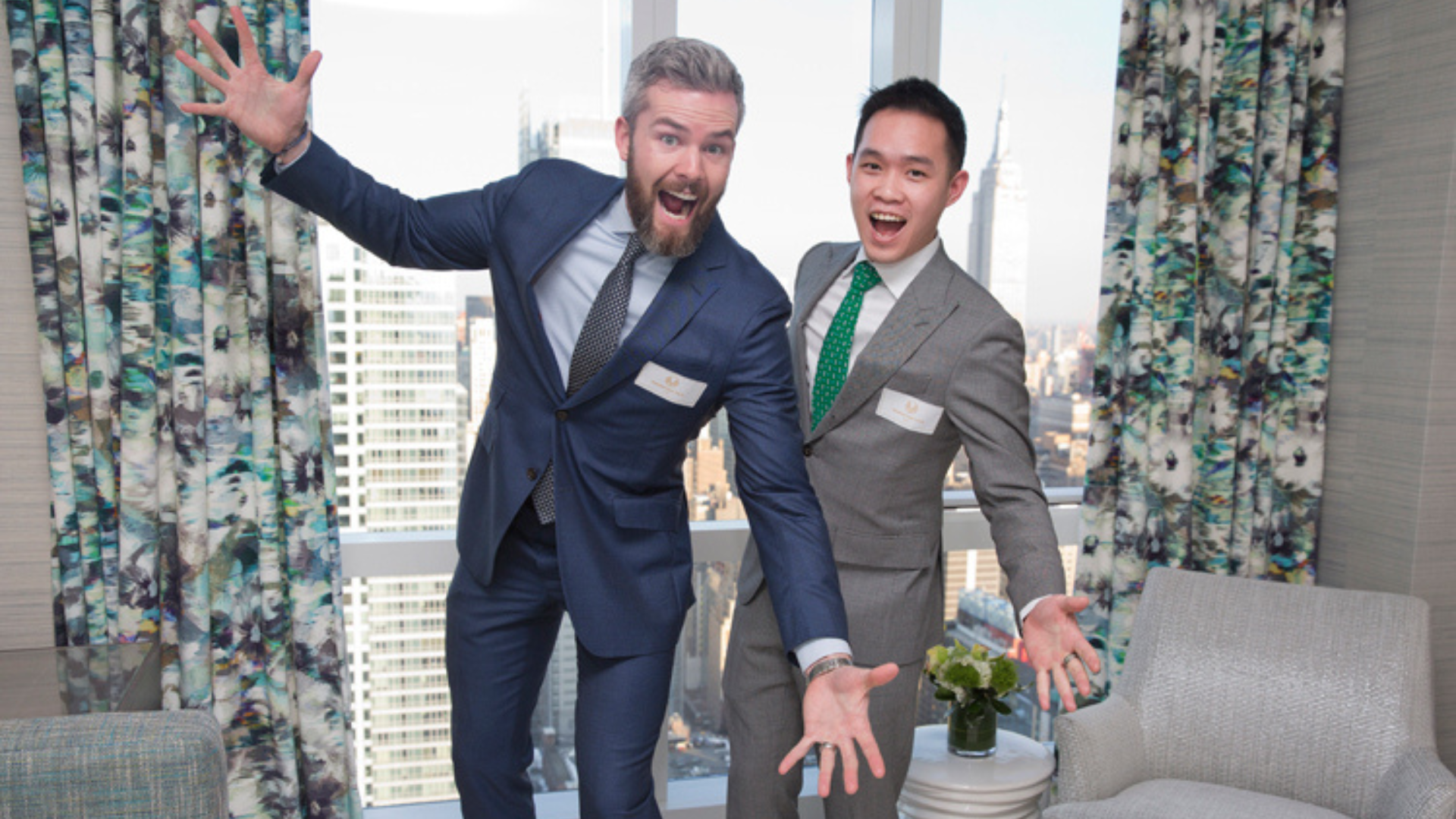
Ryan Serhant (left) and Chester Yow (right) standing together, both in professional attire, smiling confidently.
Ryan Serhant (left) and Chester (right)

“That project didn’t just help me close more deals (and earn more), it grew my network with consumers and other top agents, to learn the ropes of new development, and to work and learn closely with Ryan, thus growing my career exponentially,” Chester shared. It was an experience that catapulted his career and opened doors that might’ve otherwise taken years to access.

Staying Rooted on Unfamiliar Ground

As someone who grew up in Asia, Chester was raised with a mindset rooted in caution and logic. “We’re often taught to think of the worst-case scenario, to lead with reason, and to stay guarded and conservative. But that can sometimes come off as negative or dismissive,” he said. Living and working in the U.S. challenged those values and pushed him to adopt a more balanced approach. “I’ve learned not just to be prepared for the worst, but also to lead with optimism, follow my heart, and be vulnerable. Embracing failure and change has been key to my growth.”

That flexibility in mindset has helped Chester adapt and thrive in a fast-paced environment like New York. Even after many years away from Singapore, he’s maintained a strong connection to its culture and community. He regularly attends events and is active in organizations that support Asians in NYC. “There are so many ways to stay connected to being Singaporean and Asian here,” he shared. “I have a great group of friends and partners—we collaborate, support each other’s businesses, and stay rooted in our culture. In fact, 70% of my clients are Asian, and working with them helps me stay connected as well.”

Connect With Chester Yow

“Work hard, work smart, stay persistent, and block out the noise around you. Find a purpose that gets you out of bed every day and use it as your daily motivation. Hold on to the people who believe in you—and forget the ones who don’t.”

Website: Chester Yow

Instagram: @chester.yow

250529_AHS-EMAIL-MKT-jpg

Blogs, Development

Winning with Keywords: How AHS Boosts Your Search Results

Words are not just a compilation of letters—there’s power and impact beneath them that can alter your brand’s SEO performance. Here are three tips to choose keywords with the right strategy and the right timing.

Look for Problem-Based Words

Instead of targeting what people want, focus on the audience’s problems. Before they want to buy, they have to be seen first. Scout public forums to find how users address their problems.

problem-based-words

Analyze SERP Intent, Not Just Search Volume 

Not every high-volume word should be used if the top results associated with that word are irrelevant to your content type.  Always check the SERP (search engine results page) to see Google’s current favorites—blogs, products, videos, etc.

focus-on-serp-intent

Track Keyword Trends by Season or Event

Utilize tools like Google Trends to identify rising keywords linked to seasons, holidays, or industry events. With the right timing, these short-term spikes will help drive quick traffic.

track-keywords

Why Asian Hustle Solutions?

At AHS, we help brands grow smarter with SEO that starts with strategic keyword analysis. By understanding search intent, trends, and real user problems, we find the terms that actually drive traffic and conversions—not just clicks.

If you want to learn more about our services, visit the Asian Hustle Solutions website at asianhustlenetwork.com/services/