Ideas

March 12, 2025

SHARE:

Are you looking to build a new website or revamp an existing one in 2025? One of the first things to consider is the cost of web development services. The price can vary greatly depending on several factors, from the development team’s location and experience to the project’s complexity and scope. In this article, we’ll take a closer look at the average hourly rates for web development services in 2025, the factors that can affect the cost of a website project, and some tips for budgeting for ongoing maintenance and support. So, let’s dive in and find out exactly how much you can expect to pay for web development services in 2025.

The Average Hourly Rates for Web Development Services in 2025

In 2025, the average hourly rate for web development services can range anywhere from $20 to $150 per hour, depending on the development team’s location, their experience level, and the specific technologies and tools required for the project.

Ukraine, Poland, and Belarus are some of the best countries to hire offshore developers. These countries offer some of the most affordable hourly rates for web development services, ranging from $20 to $50 per hour.

In addition to the location of the development team, the specific technologies and tools required for the project can also affect the hourly rate for web development services. For example, developers with expertise in more specialized technologies such as React JS or Node JS may have a higher hourly rate than those with expertise in more standard and widely-used technologies such as PHP or HTML/CSS.

The Cost of a Website Project: Basic vs Complex

Basic websites, also known as informational websites, are typically smaller in scope and are designed to provide basic information about a company or organization, such as contact information and a list of services. These types of websites can often be built for as little as $1,000 to $5,000.

On the other hand, complex websites are typically larger in scope and may include features such as e-commerce functionality, custom databases, and advanced user interfaces. These types of websites can often cost anywhere from $5,000 to $50,000 or even higher, depending on the specific requirements and features included.

When determining the cost of a website project, it’s essential to consider the specific needs of your business and the types of features and functionality necessary for your website to succeed. While a basic website may be sufficient for some companies, others may require a more complex solution to meet their needs fully.

Savvy Strategies for Cutting Costs on Web Development in 2025

Web development can be a significant expense for any business, but there are ways to save money without compromising on quality. Here are 6 tips to help you cut costs when developing a website or application.

  1. Have a clear plan and scope of work: Define your project’s requirements, goals, and objectives before beginning development. This will help you identify the features and functionalities that are essential to your project and avoid unnecessary costs. I recommend you write a web design brief which is a document that outlines the specifics of a website design and development project.
  2. Use open-source software: Leverage open-source software, such as WordPress, Joomla, or Drupal, to reduce the development cost.
  3. Outsource to a cost-effective location: Outsourcing web development to countries such as Ukraine or Poland can be cost-effective and save you money on development costs.
  4. Use pre-designed templates and themes: Using pre-designed templates and themes can save you time and money on design costs.
  5. Avoid customizing unnecessary features: Only customize features that are essential to your project. Customizing unnecessary features will add to development costs.
  6. Use a project management tool: Using a project management tool to keep track of progress and timelines can save you money on development costs.

Factors That Affect the Cost of Web Development Services

Here are 8 factors that can affect the cost of web development services:

  1. Location of the development team: The cost of living and average wages in a given location can affect the hourly rate for web development services. Generally, web development services in countries with a higher cost of living, such as the US and Europe, tend to be more expensive than those in countries with a lower cost of living.
  2. The development team’s level of experience and expertise: Developers with more experience and expertise may charge a higher hourly rate for their services. On the other hand, full-stack web developers can spend less time on a project and provide more quality services that are essential for enterprise web projects.
  3. Specific technologies and tools required for the project: Projects that require specialized knowledge and experience in certain programming languages or frameworks may have a higher hourly rate compared to those that use more common and widely-used technologies.
  4. Project complexity and scope: The complexity and scope of the project can affect the amount of time and resources required to complete it, which can, in turn, affect the cost.
  5. Design and branding: The cost of web development services can be affected by the cost of design and branding elements, such as the cost of creating a custom logo, selecting color schemes and layouts, and other visual elements that are unique to the project.
  6. Third-party integrations: The cost of web development services can be affected by the cost of integrating third-party tools or services, such as payment gateways, analytics, and other features that are not included in the core development services.
  7. The level of customization required: Customized solutions will require more time and resources to develop, resulting in higher costs.
  8. The need for SEO and marketing: Implementing an SEO strategy and a marketing plan can add to the development costs. This may include optimizing website structure, content, and meta tags for search engines, building backlinks, developing an ongoing content marketing strategy to improve search engine rankings, and developing a marketing strategy to increase visibility and attract users to the website.

Budgeting for Ongoing Maintenance and Support in Web Development Services

Website maintenance is essential to keeping your online presence up to date and running smoothly. The cost of website maintenance can vary greatly depending on your website type and the level of maintenance required. In this case, we will explore the different types of websites and the corresponding maintenance costs you can expect to incur.

  1. Basic websites: These are simple websites that typically consist of a few pages, such as a home page, about us page, and contact page. The maintenance cost for these types of websites is usually low, averaging around $30 to $50 per month.
  2. E-commerce websites: These types of websites allow customers to purchase products or services online. The cost of maintenance for e-commerce websites is typically higher than basic brochure websites, averaging around $50 to $100 per month.
  3. Custom websites: Custom websites are tailored to a specific business or organization and often require more complex features and functionality. The cost of maintenance for custom websites can range from $100 to $200 per month.
  4. Content Management System (CMS) websites: CMS websites are built using platforms such as WordPress, Joomla, and Drupal. The maintenance cost for these types of websites can range from $50 to $100 per month.
  5. Social media websites: Websites that are focused on social media interactions, such as forums and message boards, require regular updates and maintenance to keep content fresh and users engaged. The maintenance cost for these types of websites can range from $50 to $150 per month.

It is important to note that these costs are approximate and can vary depending on the specific needs of your website. Additionally, getting a quote from a website maintenance company is always recommended before committing to a contract. By understanding the different types of websites and the corresponding maintenance costs, you can make an informed decision when it comes to maintaining your online presence.

Sum up

In conclusion, the cost of web development services can vary greatly depending on several factors, including the development team’s location and experience, the project’s complexity and scope, and the specific technologies and tools required. In 2025, the average hourly rate for web development services can range anywhere from $20 to $150 per hour. Basic websites can often be built for as little as $1,000 to $5,000, while complex websites can cost anywhere from $5,000 to $50,000 or even higher. 

To save money on web development costs, businesses can consider outsourcing to cost-effective locations, using open-source software and pre-designed templates and themes, and avoiding customizing unnecessary features. It is also essential to have a clear plan and scope of work before beginning development and use a project management tool to keep track of progress and timelines.
Related Articles

{"ARInfo":{"IsUseAR":false},"Version":"1.0.0","MakeupInfo":{"IsUseMakeup":false},"FaceliftInfo":{"IsChangeEyeLift":false,"IsChangeFacelift":false,"IsChangePostureLift":false,"IsChangeNose":false,"IsChangeFaceChin":false,"IsChangeMouth":false,"IsChangeThinFace":false},"BeautyInfo":{"SwitchMedicatedAcne":false,"IsAIBeauty":false,"IsBrightEyes":false,"IsSharpen":false,"IsOldBeauty":false,"IsReduceBlackEyes":false},"HandlerInfo":{"AppName":2},"FilterInfo":{"IsUseFilter":false}}

Stories

Beyond Fashion: JINZA Oriental Couture’s Journey of Empowerment

“What fuels my passion is the personal stories of each of my clients. They teach me something new every day—whether it’s their high standards, attention to detail, or unique perspectives on the world,” states Grace Pei, founder of JINZA Oriental Couture.

Recognizing the power of handcrafted wedding dresses to connect people with their cultural heritage and express their unique stories, Grace is on a mission to highlight the beauty and sophistication of Chinese culture through JINZA Oriental Couture. 

The First Threads

Initially, JINZA Oriental Couture specialized in Western wedding dresses and custom evening gowns at Jinza Couture Bridal. But one fateful day, Grace was approached by a third-generation Asian American bride who wanted a custom Qipao for her wedding reception. 

Grace recalls, ‘This request sparked my journey into researching the Qipao and uncovering what had been lost over the years. Through this process, I discovered that my grandmothers used to wear tailored Qipaos in their time, and I began exploring my family roots.’ 

This reflective journey ignited a new passion in Grace: creating hand-embroidered designs that reflect her client’s unique family histories, cultural heritage, and personal stories. 

With a decade of expertise in bespoke fashion, JINZA Oriental Couture now specializes in handcrafted Chinese wedding dresses, Qipaos/Cheongsams, and Tang suits – all designed and made locally in Los Angeles for weddings and cultural celebrations.

Qipao Wedding Dress at Modern Tea Ceremony (Image source: JINZA Oriental Couture)

Qipao Wedding Dress at Modern Tea Ceremony (Image source: JINZA Oriental Couture)

Unraveling Tangles

Asian fashion has evolved dramatically over the years, with many traditional elements fading from modern designs. As a result, much of this cultural heritage has been lost or overlooked.

“One of the biggest challenges I’ve faced in my business journey is overcoming the misconception that Qipao and Cheongsam should be inexpensive or easily replaceable. Many people ask, “Why should I invest in something I can buy on Amazon or Etsy for $200?” Grace explains.

As the gap between mainstream fashion and Asian fashion narrows, Grace points out that these traditional dresses have become occasional pieces—costumes for special events rather than meaningful, handcrafted works of art. 

To address this, Grace focuses on educating her clients about the value of bespoke fashion: the intricate embroidery, high-quality fabrics, and cultural heritage woven into every piece.

“At Jinza Oriental Couture, we see our mission as both an artistic pursuit and a learning journey alongside our clients. Every client brings a unique story, and we don’t aim to replicate what was done centuries ago but instead incorporate meaningful elements that speak to their identity today.” 

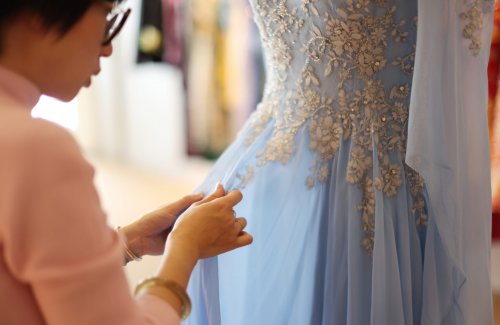
Artisan hand stitching embroidery (Image source: JINZA Oriental Couture)

Artisan hand stitching embroidery (Image source: JINZA Oriental Couture)

Threads of Resilience

“As a mother of two and a first-generation immigrant, I am most proud of the resilience I’ve shown throughout my journey,” Grace exclaims.

Whether overcoming depression or battling an avoidant mindset, Grace’s resilience has transformed JINZA Oriental Couture into more than a fashion brand, but a place for preserving culture and identity.

Grace’s resilience wasn’t built overnight but grew through her passion for helping her community. By preserving cultural heritage through bespoke fashion, she tirelessly designs intricate dresses that tell the unique stories of her clients’ identities.

Grace happily recalls, “Hearing their stories, especially when they share old family albums of grandmothers wearing Qipao, often brings tears to my eyes. The hand stitches, still vibrant and beautiful after 100 years, remind me that clothing can carry a story all on its own.”

From custom Qipaos and Cheongsams to Chinese wedding dresses, each piece reflects the personal histories of her clients. Grace’s vision for JINZA Oriental Couture extends beyond fashion—it’s about supporting female leaders, uplifting the Asian community, and ensuring these cultural treasures are passed down to future generations.

When asked which Asian or Asian American—real or fictional—she’d invite to wear one of her dresses, Grace responds, “Lisa Ling (a previous client) and Ronny Chieng are both role models for me due to their commitment to telling powerful stories, standing up for their communities, and offering true support. Phillip Lim is also a successful example of an Asian American designer who has carved out his own voice in the fashion world, and his influence and individuality would be a perfect match for the ethos of Jinza Oriental Couture.” 

A piece from JINZA Oriental Couture (Image source: JINZA Oriental Couture)

Lessons in Resilience and Unity

The two most important lessons Grace has learned from her entrepreneurial journey with JINZA Oriental Couture are authenticity and community.

“My advice to Asian creatives, founders, and entrepreneurs is to always be authentic. There were times when I wanted to take shortcuts or find quicker ways to get things done, but I learned that staying true to who you are and doing the right things, even if they take longer, is what truly matters. Another important piece of advice is to belong to a community you truly believe in. It will make things a lot easier, even when things don’t go as expected. When we, as a community, stay true to our values and support each other, we can create a stronger and more united future,” Grace affirms.

When asked about her future plans, Grace excitedly shares that she’s honing her storytelling skills to speak more boldly about heritage, culture, and community. She’s also open to collaborations, partnerships, and creating more content to amplify her mission.

Grace concludes, “Together, we are stronger, and by working together, we can have a greater impact. I look forward to the possibilities that lie ahead and the opportunities to connect with like-minded individuals and organizations.”

Please Include Contact

Website: JINZA Oriental Couture

Instagram: @jinzaoriental

Linkedin: Grace Pei

Facebook: Jinza Oriental Couture

ObFgA9tc-jpeg

Stories

Eunice Chen’s Táng Transforms Childhood Night Market into a Moving Animated Story

After transitioning from her career as a teacher to an animation artist and illustrator, the talented Eunice Chen once again decided to test her abilities by creating an animated short film project called Táng (糖).

“人算不如天算” — in Chinese belief, every encounter is predestined and our current state is the fruit of past karma. One life ago, we were somehow, unknowingly, cultivating our karmic connections, which ultimately led to this present life’s encounters or coincidences.

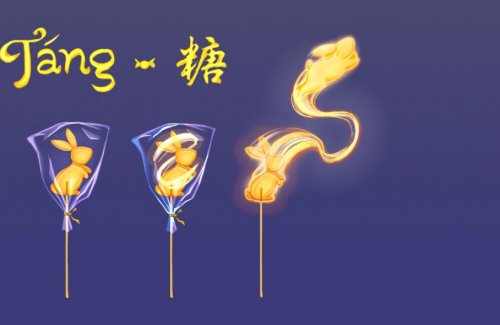
Táng is a movie about one of those by-chance encounters as well that integrates the art of 糖画 (tánghuà). Through the lens of tánghuà – a traditional Chinese sugar-painting art, this unexpected relationship arrives and flourishes into a confounding yet paramount work of fatherhood, family, and fate. 

THE INSPIRATION BEHIND TÁNG

Growing up between the U.S. and Taiwan, Eunice developed deep-rooted cultural memories that shaped her appreciation for her heritage. In this new venture, she continues exploring culture—this time, through nostalgia.

Where should we begin? Back to her childhood in Taiwan, like every other child, Eunice loved going out and visiting open-air markets. Bustling lines of food vendors, jittery echoes of chatters, and also a rare occasion when one can play games without their parents’ side eyes, open markets are the idols of many young children in Taiwan. It is also where she was introduced to the art of sugar-painting.

Reflecting on this memory, Eunice shares:

Yes, the idea of this story first came from my childhood memories of visiting open-air markets and night markets in Taiwan. Whenever I visited those markets, I would always make sure to visit the candy stalls, where master candy makers sculpted these lollipops that were amazing pieces of art and also very tasty confections. And I’ve always had a giant sweet tooth, so I started my film out of a place of joy.

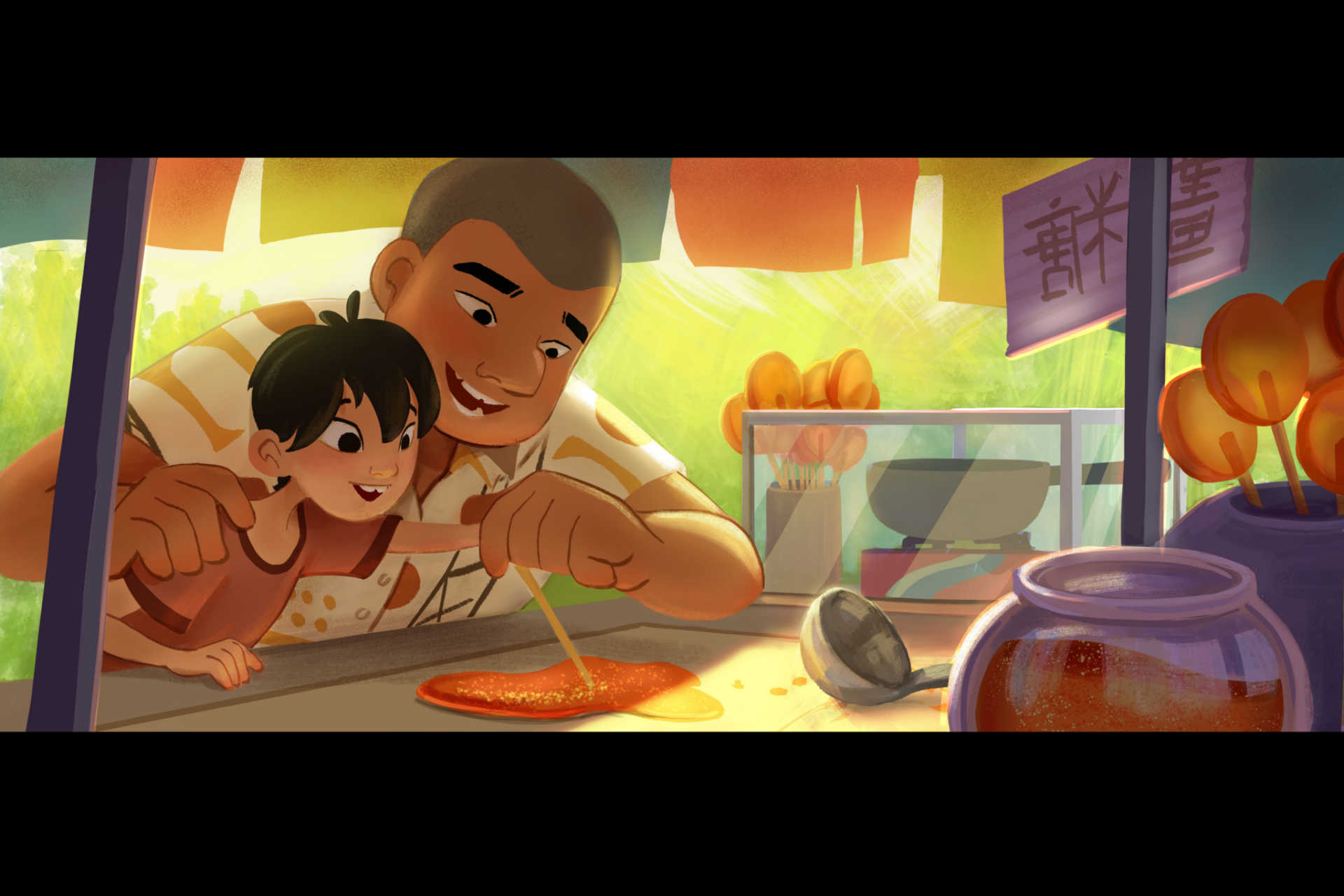
The short film centers around the meaningufl connection between a sugar-painting street vendor (left) and a student.
The short film centers around the meaningful connection between a sugar-painting street vendor (left) and a student.

A REFRESHING TAKE ON FATHERHOOD AND FAMILY

In Chinese families, “血浓于水” (Blood is thicker than water) has long been a staple for centuries—that family is of utmost importance, and the bloodbound places more value than strangers. It is only natural that the concept of a “chosen family” may irk some, who put a sense of filial piety and duty in high regard.  

Of course, it feels almost peculiar for Eunice Chen – the eldest child, who has switched careers, from landing a “safe” job at teaching to taking a more off-the-beaten-path direction towards doll-making and now…animation artist and now…film director!! So expect the unexpected layers and nuances Eunice has painted Táng. Táng is more than just a love letter to Taiwanese night markets. It’s one that Eunice picks up the lack of positive portrayals of father-and-son relationships in the Asian community.

“When someone makes art or a film, sometimes they are painting a world they wish they had or would like to see in the future. I wish I had seen more strong bonds between Asian fathers and sons as I grew up,” Eunice shares. 

While Táng’s messaging can cover this complex matter only to a certain extent; here, Eunice is after something more personal for many Asians: “a healing balm” for those with similar experiences. However, Eunice adds that she’s been seeing a lot of change in parenting recently. She says, “I am super proud of how intentional and hands-on Asian fathers from my generation (and beyond) have been with their children!”

Now, Eunice is bringing Táng to life, but she needs our support.

A scene involving the art of sugar-painting.

JOIN THE JOURNEY: SUPPORT TÁNG

The idea for Táng came to Eunice during a storyboarding class, when asked to create quick story concepts. Táng was one of the ideas she came up with, leading her to develop a script—her first ever. While world-building and character design might be her forte, the real challenge followed: securing funding. Facing multiple rejections, it took one “yes” from what she thought would be her final meeting to reignite her determination. 

The initial funding allowed her to assemble a small but passionate team, who have since created the film’s first three minutes. Now, they need additional support to complete the project, leading to the launch of their Kickstarter campaign.

But independent films—especially ones that bring forward Asian heritage and underrepresented narratives—need tremendous community support. 

Supporting the Táng crowdfunding campaign is a step forward to preserving a piece of cultural heritage while amplifying nuanced Asian fatherhood stories, and ensuring that art like this can continue to thrive. 

Donate NOW and be part of this journey!

CONNECT WITH EUNICE CHEN

“Keep working on your art and portfolio. Get to know people already working in the industry and learn from them. And make art that comes from the heart and makes you happy. It’s going to be very difficult, especially given the current state of things in the animation industry as a whole, but if this is truly what you want, then don’t give up!”

Instagram: @eunicesketches

Website: eunicesketches.com 

Duolingo Shares Climb 7% as Users Swarm to App to Learn Mandarin-png

News

Love, Bonito x Asian American Girl Club Present the ‘TrailBlazer’ Collaboration

Love, Bonito and Asian American Girl Club have joined forces to launch the TrailBlazer Collaboration—a tribute to Asian American women breaking barriers, redefining leadership, and inspiring future generations. This campaign celebrates five extraordinary women, each donning a unique limited-edition Love, Bonito x Asian American Girl Club blazer that serves as a true reflection of their confidence, resilience, and identity.

Meet the Trailblazers:

  • Ally Maki – Actress, Advocate, and Founder of Asian American Girl Club, Ally embodies power and purpose in the RuchedReady® Rachel Blazer—made for the woman who rolls up her sleeves and gets things done
  • Sherry Cola – Comedian, Actress, and Storyteller, Sherry embodies authenticity in the Alya Boxy Crop Blazer, a reflection of her bold humor and vibrant energy.
  • Amanda Nguyen – Astronaut and Founder of Rise, Amanda exudes resilience and advocacy in the RuchedReady® Lapelles Soft Blazer, a symbol of strength and justice.
  • Michelle Kwan – Olympic Figure Skater and Diplomat, Michelle showcases her grace and determination in the RuchedReady® Classic Regular Fit Blazer, a nod to her unwavering spirit both on and off the ice.
  • Paravi – Popstar and Actress, Paravi brings her dreamy vibes and fearless creativity to the RuchedReady® Aera Slim Blazer—because bold artistry deserves a bold fit.
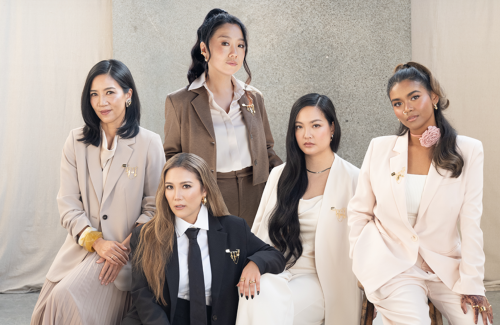
The Trailblazers (from left to right): Michelle Kwan, Ally Maki, Sherry Cola, Amanda Nguyen, Paravi

A Mission-Driven Collaboration

“At Love, Bonito, we share a common mission with Asian American Girl Club—to champion and uplift Asian American women in spaces where they have long been underrepresented,” said Dione Song, CEO of Love, Bonito. “This Trailblazers collaboration is a tribute to the trailblazers shaping industries, breaking barriers, and inspiring communities worldwide.”

A Pin with Purpose

Every detail in this collection carries a deeper meaning. Each blazer from the collaboration comes with a custom pin set representing a trailblazer’s journey:

  • The Phoenix – A symbol of resilience and rebirth, reminding women of their power to rise after every challenge.
  • The Sakura – Representing renewal and growth, celebrating transformation and new beginnings.
  • The Ginkgo – A timeless emblem of endurance and strength, honoring those who stand firm in adversity.

Now More Than Ever

“Asian American women have always driven powerful change, though our stories have often gone untold,” said Ally Maki, Founder of Asian American Girl Club. “Through Trailblazers, we’re affirming that our impact and leadership across all industries has always been—and will continue to be—undeniable.”

Join the Movement

Discover the TrailBlazer Collection at https://www.lovebonito.com/us/global/trailblazers-aagc 

About Love, Bonito: 

Love, Bonito is the leading female-founded fashion brand in Southeast Asia, dedicated to empowering women through thoughtful, versatile designs. With a deep understanding of the modern woman’s needs, Love, Bonito creates timeless and functional pieces that blend style with confidence. More than just a fashion brand, Love, Bonito is committed to fostering a strong, supportive community—championing women in every stage of their journey through representation, storytelling, and purpose-driven initiatives.

About Asian American Girl Club: 

Asian American Girl Club (AAGC) is a cultural force and community-driven brand dedicated to amplifying the voices and experiences of Asian and Asian American women. Founded by actress Ally Maki, AAGC creates space for connection and representation through fashion, media, and storytelling. With a mission to break stereotypes and celebrate identity, AAGC is more than a brand—it’s a movement empowering the next generation to be seen, heard, and unapologetically themselves.

Credits: Love, Bonito x Asian American Girl Club

SGV2N5MGRBP33CZ56U2JGAY3RE-jpg

News

Tariffs Hit Home: How Asian American Communities Bear the Brunt

While Trump claims tariffs will significantly impact the countries they target, experts argue that consumers and businesses will bear the brunt of the consequences.

Research by The Budget Lab at Yale University estimates that price levels may rise to 2% this year, equivalent to $3,000 per average household. Another report from D.C. stated that the new tariffs on China affect about 14% of U.S. imports and may raise costs to $25 billion annually. As the tariff war escalates, everyday consumers will face even higher prices.

Asian American communities and businesses are particularly vulnerable. In New York’s Chinatown, 28% of residents already live below the poverty line. With many companies relying on imports from Asia, owners are uncertain about their survival.

Mott Street in Manhattan's Chinatown (Image source: NBC News)
Mott Street in Manhattan’s Chinatown (Image source: NBC News)

“Here in Chinatown, especially, we have many elderly residents on fixed incomes,” says Edward Lau, owner of a traditional medicine shop in San Francisco’s Chinatown. With 90% of his stock sourced from Hong Kong and China, he worries, “If it gets very expensive, their spending power will be lower. Chinese immigrants will ultimately be harmed the most.”

Taylor Chow, owner of American Tai Wah Trading Corp, adds, “The Chinese community in Chinatown has been hit hard most because we consume a lot of imported ingredients. A lot of products only come from China. Even if manufacturers try to move their production line to Vietnam, to Malaysia, to Singapore, it’s not that easy.”

Supply chain disruptions and rising costs are straining small Asian American businesses. Since the community depends on these shops for cultural goods, they, too, will feel the pressure.

Mei Lum, owner of Lum’s Store, the longest-operating business in Manhattan’s Chinatown, explains, “Our working-class community here in Chinatown is definitely, in these circumstances, always being hit the hardest. And a lot of them have told me that their solution to mitigating these circumstances has been to eat those costs and only raise those prices by a smidgen, just to make sure they’re affordable for the people that frequent their establishments. How long can they sustain that?”

Mandy Lau helping a customer pick ginseng (Image Source: The Chronicle)

The erosion of these businesses could lead to cultural loss, impacting food, traditions, and ceremonial products. Lucas Li, whose family runs Lion Trading in San Francisco, specializing in feng shui and spiritual supplies, says, “When they get expensive, it makes it harder for Chinese people, for their families to maintain those traditions and do it at the proper steps. When customers shop at local businesses and small businesses, they’re not just buying a product, they’re basically investing in the community, supporting families, and protecting our traditions.”

Large online retailers like Shein, Temu, and AliExpress are also affected. While it is unclear how much product prices will rise on these e-commerce platforms, experts predict delivery delays and price hikes due to tariffs. Youssef Squali, an analyst at Truist Financial, notes, “The vast majority of these orders are valued less than $800, which means all or virtually all of them are going to get caught in that.”

Ultimately, Asian Americans may feel the greatest impact. As Linda Chao, a resident of Oceanview, states, “When there are tariffs, it won’t fall on China, it’ll fall on us. It can’t be helped. I also don’t have time to go and protest. I feel there’s nothing we can do.”

Sources: NBC News, The Chronicle, AP News, University of Virginia, The Guardian