Ideas

March 12, 2025

SHARE:

Are you looking to build a new website or revamp an existing one in 2025? One of the first things to consider is the cost of web development services. The price can vary greatly depending on several factors, from the development team’s location and experience to the project’s complexity and scope. In this article, we’ll take a closer look at the average hourly rates for web development services in 2025, the factors that can affect the cost of a website project, and some tips for budgeting for ongoing maintenance and support. So, let’s dive in and find out exactly how much you can expect to pay for web development services in 2025.

The Average Hourly Rates for Web Development Services in 2025

In 2025, the average hourly rate for web development services can range anywhere from $20 to $150 per hour, depending on the development team’s location, their experience level, and the specific technologies and tools required for the project.

Ukraine, Poland, and Belarus are some of the best countries to hire offshore developers. These countries offer some of the most affordable hourly rates for web development services, ranging from $20 to $50 per hour.

In addition to the location of the development team, the specific technologies and tools required for the project can also affect the hourly rate for web development services. For example, developers with expertise in more specialized technologies such as React JS or Node JS may have a higher hourly rate than those with expertise in more standard and widely-used technologies such as PHP or HTML/CSS.

The Cost of a Website Project: Basic vs Complex

Basic websites, also known as informational websites, are typically smaller in scope and are designed to provide basic information about a company or organization, such as contact information and a list of services. These types of websites can often be built for as little as $1,000 to $5,000.

On the other hand, complex websites are typically larger in scope and may include features such as e-commerce functionality, custom databases, and advanced user interfaces. These types of websites can often cost anywhere from $5,000 to $50,000 or even higher, depending on the specific requirements and features included.

When determining the cost of a website project, it’s essential to consider the specific needs of your business and the types of features and functionality necessary for your website to succeed. While a basic website may be sufficient for some companies, others may require a more complex solution to meet their needs fully.

Savvy Strategies for Cutting Costs on Web Development in 2025

Web development can be a significant expense for any business, but there are ways to save money without compromising on quality. Here are 6 tips to help you cut costs when developing a website or application.

  1. Have a clear plan and scope of work: Define your project’s requirements, goals, and objectives before beginning development. This will help you identify the features and functionalities that are essential to your project and avoid unnecessary costs. I recommend you write a web design brief which is a document that outlines the specifics of a website design and development project.
  2. Use open-source software: Leverage open-source software, such as WordPress, Joomla, or Drupal, to reduce the development cost.
  3. Outsource to a cost-effective location: Outsourcing web development to countries such as Ukraine or Poland can be cost-effective and save you money on development costs.
  4. Use pre-designed templates and themes: Using pre-designed templates and themes can save you time and money on design costs.
  5. Avoid customizing unnecessary features: Only customize features that are essential to your project. Customizing unnecessary features will add to development costs.
  6. Use a project management tool: Using a project management tool to keep track of progress and timelines can save you money on development costs.

Factors That Affect the Cost of Web Development Services

Here are 8 factors that can affect the cost of web development services:

  1. Location of the development team: The cost of living and average wages in a given location can affect the hourly rate for web development services. Generally, web development services in countries with a higher cost of living, such as the US and Europe, tend to be more expensive than those in countries with a lower cost of living.
  2. The development team’s level of experience and expertise: Developers with more experience and expertise may charge a higher hourly rate for their services. On the other hand, full-stack web developers can spend less time on a project and provide more quality services that are essential for enterprise web projects.
  3. Specific technologies and tools required for the project: Projects that require specialized knowledge and experience in certain programming languages or frameworks may have a higher hourly rate compared to those that use more common and widely-used technologies.
  4. Project complexity and scope: The complexity and scope of the project can affect the amount of time and resources required to complete it, which can, in turn, affect the cost.
  5. Design and branding: The cost of web development services can be affected by the cost of design and branding elements, such as the cost of creating a custom logo, selecting color schemes and layouts, and other visual elements that are unique to the project.
  6. Third-party integrations: The cost of web development services can be affected by the cost of integrating third-party tools or services, such as payment gateways, analytics, and other features that are not included in the core development services.
  7. The level of customization required: Customized solutions will require more time and resources to develop, resulting in higher costs.
  8. The need for SEO and marketing: Implementing an SEO strategy and a marketing plan can add to the development costs. This may include optimizing website structure, content, and meta tags for search engines, building backlinks, developing an ongoing content marketing strategy to improve search engine rankings, and developing a marketing strategy to increase visibility and attract users to the website.

Budgeting for Ongoing Maintenance and Support in Web Development Services

Website maintenance is essential to keeping your online presence up to date and running smoothly. The cost of website maintenance can vary greatly depending on your website type and the level of maintenance required. In this case, we will explore the different types of websites and the corresponding maintenance costs you can expect to incur.

  1. Basic websites: These are simple websites that typically consist of a few pages, such as a home page, about us page, and contact page. The maintenance cost for these types of websites is usually low, averaging around $30 to $50 per month.
  2. E-commerce websites: These types of websites allow customers to purchase products or services online. The cost of maintenance for e-commerce websites is typically higher than basic brochure websites, averaging around $50 to $100 per month.
  3. Custom websites: Custom websites are tailored to a specific business or organization and often require more complex features and functionality. The cost of maintenance for custom websites can range from $100 to $200 per month.
  4. Content Management System (CMS) websites: CMS websites are built using platforms such as WordPress, Joomla, and Drupal. The maintenance cost for these types of websites can range from $50 to $100 per month.
  5. Social media websites: Websites that are focused on social media interactions, such as forums and message boards, require regular updates and maintenance to keep content fresh and users engaged. The maintenance cost for these types of websites can range from $50 to $150 per month.

It is important to note that these costs are approximate and can vary depending on the specific needs of your website. Additionally, getting a quote from a website maintenance company is always recommended before committing to a contract. By understanding the different types of websites and the corresponding maintenance costs, you can make an informed decision when it comes to maintaining your online presence.

Sum up

In conclusion, the cost of web development services can vary greatly depending on several factors, including the development team’s location and experience, the project’s complexity and scope, and the specific technologies and tools required. In 2025, the average hourly rate for web development services can range anywhere from $20 to $150 per hour. Basic websites can often be built for as little as $1,000 to $5,000, while complex websites can cost anywhere from $5,000 to $50,000 or even higher. 

To save money on web development costs, businesses can consider outsourcing to cost-effective locations, using open-source software and pre-designed templates and themes, and avoiding customizing unnecessary features. It is also essential to have a clear plan and scope of work before beginning development and use a project management tool to keep track of progress and timelines.


Related Articles

image

Stories

Steve Liu Knows How to Draw a Crowd. With TRI3E, He Wants to Help Communities Grow.

From producing shows with major artists to leading product design at Amazon and Palo Alto Networks, Steve Liu knows a thing or two about bringing people together.

With TRI3E, he’s using what he’s learned to help people, creators, businesses, and organizations build stronger communities.

Understanding What Brings People Together

Filling a venue is one thing. Getting people excited enough to bring their friends is another. Steve Liu learned that firsthand in San Francisco’s nightlife scene.

As a nightclub promoter and event producer, he helped organize shows featuring The Chainsmokers, Far East Movement, MC Jin, and comedian Ali Wong.

What stood out to Steve wasn’t just how people discovered events, but what happened when they came together. Friends brought friends, new connections formed, and people found a sense of belonging through shared experiences.

He realized that the most meaningful part of bringing people together wasn’t filling a room. It was creating experiences people genuinely enjoyed, felt part of, and wanted to share with others.

A Different Way of Looking at Problems

Outside entertainment, Steve was building a career in technology. He eventually led product design teams at Amazon and Palo Alto Networks, working on products involving cloud computing, global supply chains, and cybersecurity.

The work was different from organizing events, but it taught Steve how to approach complex, multidimensional problems. Working across technology, business, and human needs, he learned to connect different perspectives, navigate competing priorities, and turn complicated challenges into practical solutions.

His experience as an entrepreneur also gave him a firsthand understanding of how difficult it can be to grow a business, reach the right people, and keep them engaged.

Over time, those experiences started to come together. He had seen how people brought others into events and communities, and he understood how technology could help make those connections easier.

That got him thinking about what better community-building tools could look like.

Helping Communities Do More Together

Think about a restaurant planning an event, a creator looking to bring supporters together, or a community organizer trying to reach more people.

They already have people interested in what they do. The challenge is finding ways to get those people involved, keep them connected, and encourage them to bring others along.

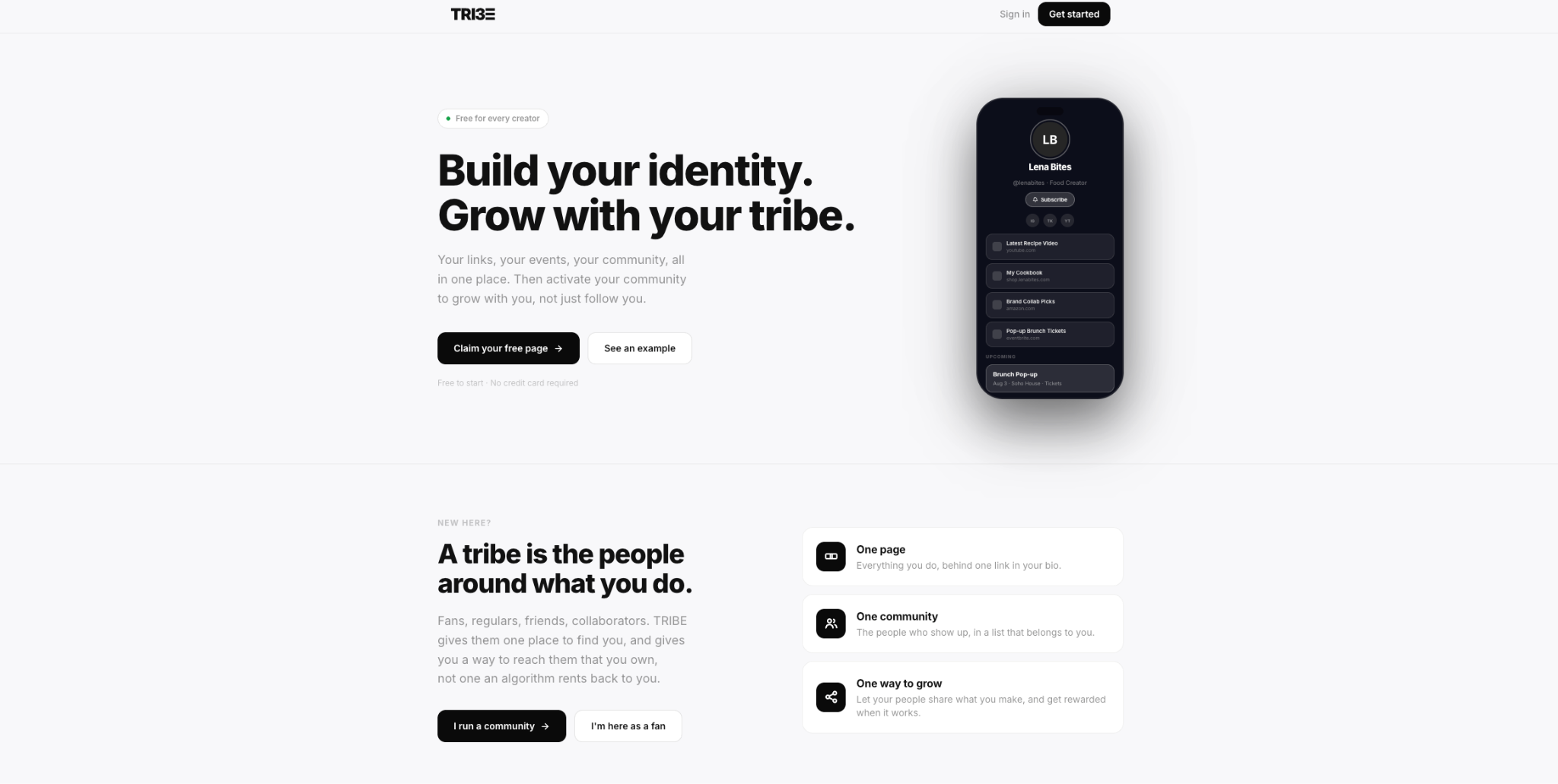
That’s the thinking behind TRI3E (Tribe), the platform Steve is building.

TRI3E aims to help individuals, creators, businesses, and organizations build and grow their communities. Through the platform, they can share events and opportunities, invite others to participate, and give members more ways to stay involved.

For a restaurant, that could mean inviting regular customers to an event and encouraging them to bring friends. For a creator, it could mean sharing a new project with supporters. For an organization, it could mean helping members discover opportunities and meet others with similar interests.

The goal is to make it easier for people to stay involved, bring others along, and create more opportunities within their communities.

Building What’s Next

For Steve, TRI3E is an opportunity to bring together years of experience in technology, entrepreneurship, and entertainment around an idea with much broader potential.

Whether it’s a neighborhood restaurant, an independent creator, or a network like Asian Hustle Network, communities already have people who want to see them succeed.

What if those people had better ways to make that happen?

That’s the vision behind TRI3E: helping people turn their existing connections into more opportunities for their communities.

Join TRI3E

Build your community. Activate your network. Grow together.

Explore TRI3E | Connect with Steve

image-png

Stories

From Vancouver to the World: Thomas Vu’s Vision for Hanoi Drip Coffee

Vietnam is one of the world’s biggest coffee-producing countries, yet Thomas Vu rarely saw Vietnamese coffee given the same attention in North America’s specialty coffee scene.

That gap became the idea behind Hanoi Drip Coffee, a Vancouver-based Vietnamese specialty coffee brand that has grown into a multi-million-dollar cafe business in just over two years.

For Vu, the goal goes beyond opening more cafes. He wants people to see Vietnamese coffee differently and prove that a brand deeply rooted in culture can belong on a global stage.

Giving Vietnamese Coffee the Spotlight It Deserves

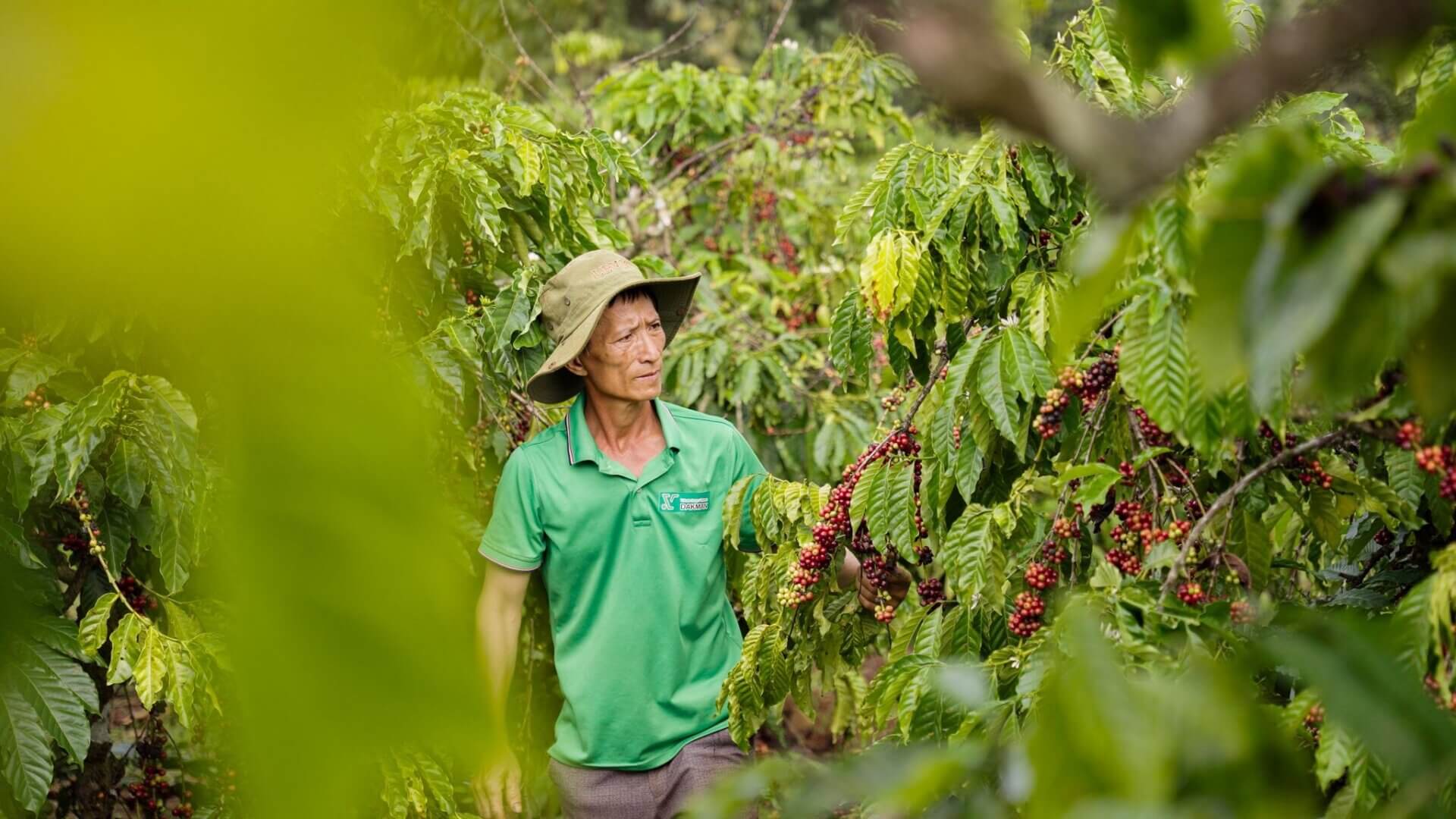
Vu grew up around the flavors and rituals that make Vietnamese coffee instantly recognizable, from strong Robusta to condensed milk and the slow drip of a phin. Yet despite Vietnam’s rich coffee history, he felt much of that story was still missing from mainstream specialty coffee culture.

That became the opportunity behind Hanoi Drip. Rather than recreate a traditional Vietnamese cafe, Vu and his team asked a bigger question: What could a global Vietnamese coffee brand look like today?

Their answer was to keep the parts of Vietnamese coffee they loved while presenting them for a new generation. Hanoi Drip serves coffee grown in Vietnam, including coffee from Đà Lạt, and puts Robusta, Vietnamese flavors, and phin brewing at the center of the experience.

Learning How to Grow Without Losing the Brand

Building the brand was one challenge. Learning how to grow it without losing what people connected with was another.

When Hanoi Drip was smaller, Vu and the other founders could be involved in nearly every part of the business. As more locations followed, they had to learn how to train teams, develop leaders, manage costs, maintain product consistency, and make sure customers still had a strong experience even when the founders were not there.

Mistakes have been part of that process, and Vu does not pretend otherwise. His approach is to treat them as useful information: fix the problem, build a better system, and move forward, a mindset that has helped Hanoi Drip expand into multiple locations alongside retail coffee, wholesale, and membership offerings.

Taking Vietnamese Coffee Beyond Vancouver

For Vu, some of Hanoi Drip’s most meaningful wins happen when someone tastes Vietnamese coffee for the first time and wants to know more. It also means hearing Vietnamese customers say the brand reminds them of home while still feeling like it belongs to their generation.

That connection has extended beyond coffee. During KOOLFEST 2025, customers purchased more than 1,600 Ube Coconut Coffee and Ube Milk drinks, helping Hanoi Drip raise over $5,500 for a local charity, while the company has also created jobs and collaborated with Asian-owned businesses and creators.

And Vu is still thinking much bigger. He hopes to bring Hanoi Drip beyond Vancouver to markets such as Toronto and Los Angeles, while showing other Asian founders that building something modern does not mean leaving their culture behind.

Learn more about Hanoi Drip and follow the brand as it works to take Vietnamese coffee from Vancouver to a wider global audience.

📍Website

1-png

Stories

From a $10 Craigslist Job to COO of a $300M Business Group: Richard Nguyen’s Road to E-XPIRE

Richard Nguyen grew up on the east side of San Jose, where he became caught up in street life at a young age. Looking back, he believed the path he was on could have ended with either prison or an early death.

Then came the moment that made him reconsider where his life was headed.

He overheard his mother speaking with friends about their children. She talked about relatives who had graduated from college, while Richard felt she had little she could proudly say about him.

“She couldn’t say anything good about me,” Richard recalled.

His mother was raising the family on her own, and hearing her disappointment became a wake-up call. Richard knew he couldn’t continue down the same path and decided he needed to find a different direction.

He took a job he found on Craigslist for $10 an hour, unsure of where it would lead. It became his entry point into an industry where he would spend the next 15 years learning and building experience.

What started as a decision to change his life would eventually become the foundation for something much bigger.

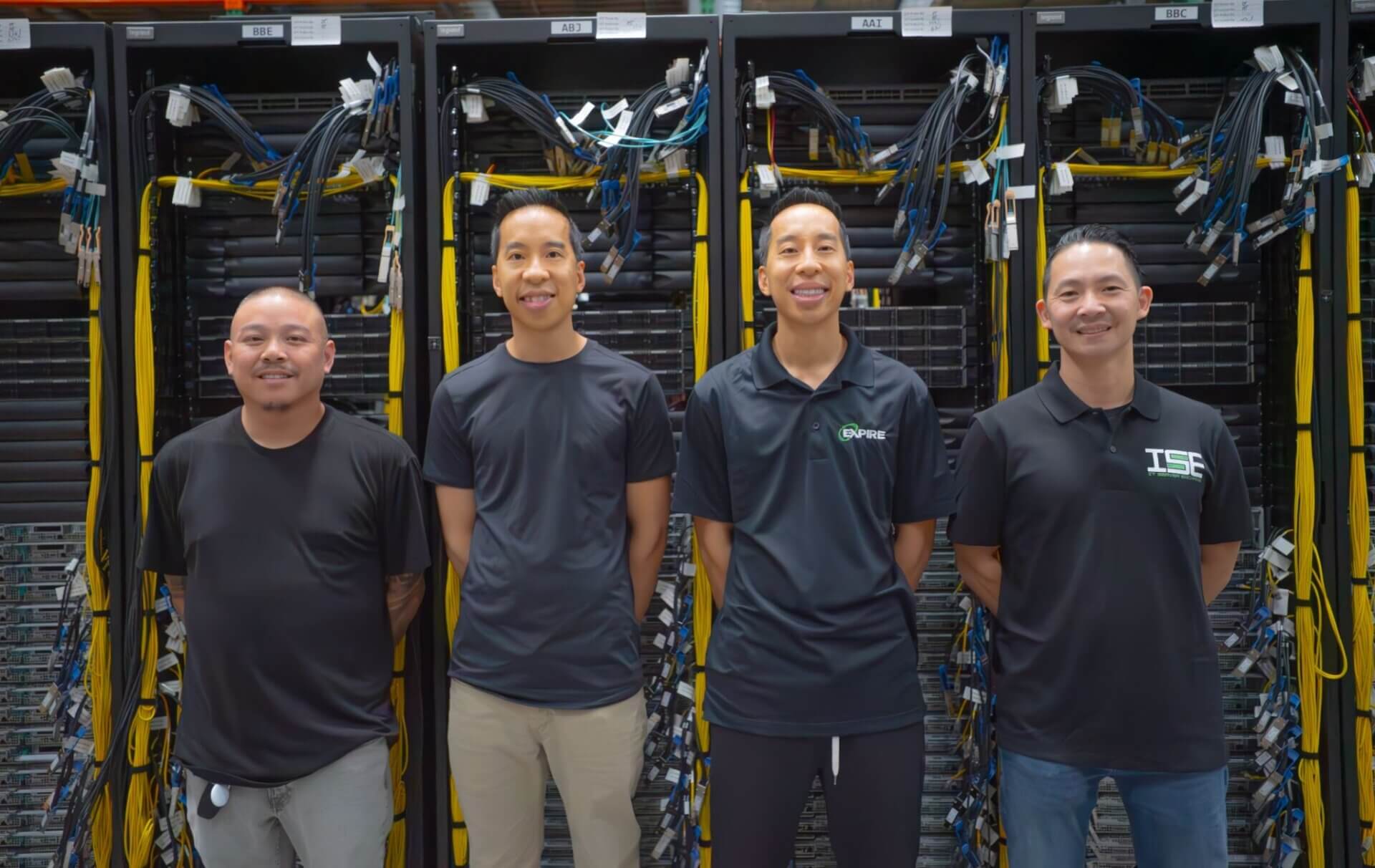
Years later, that experience would bring him together with Jack and David Nguyen and a growing group of IT hardware businesses.

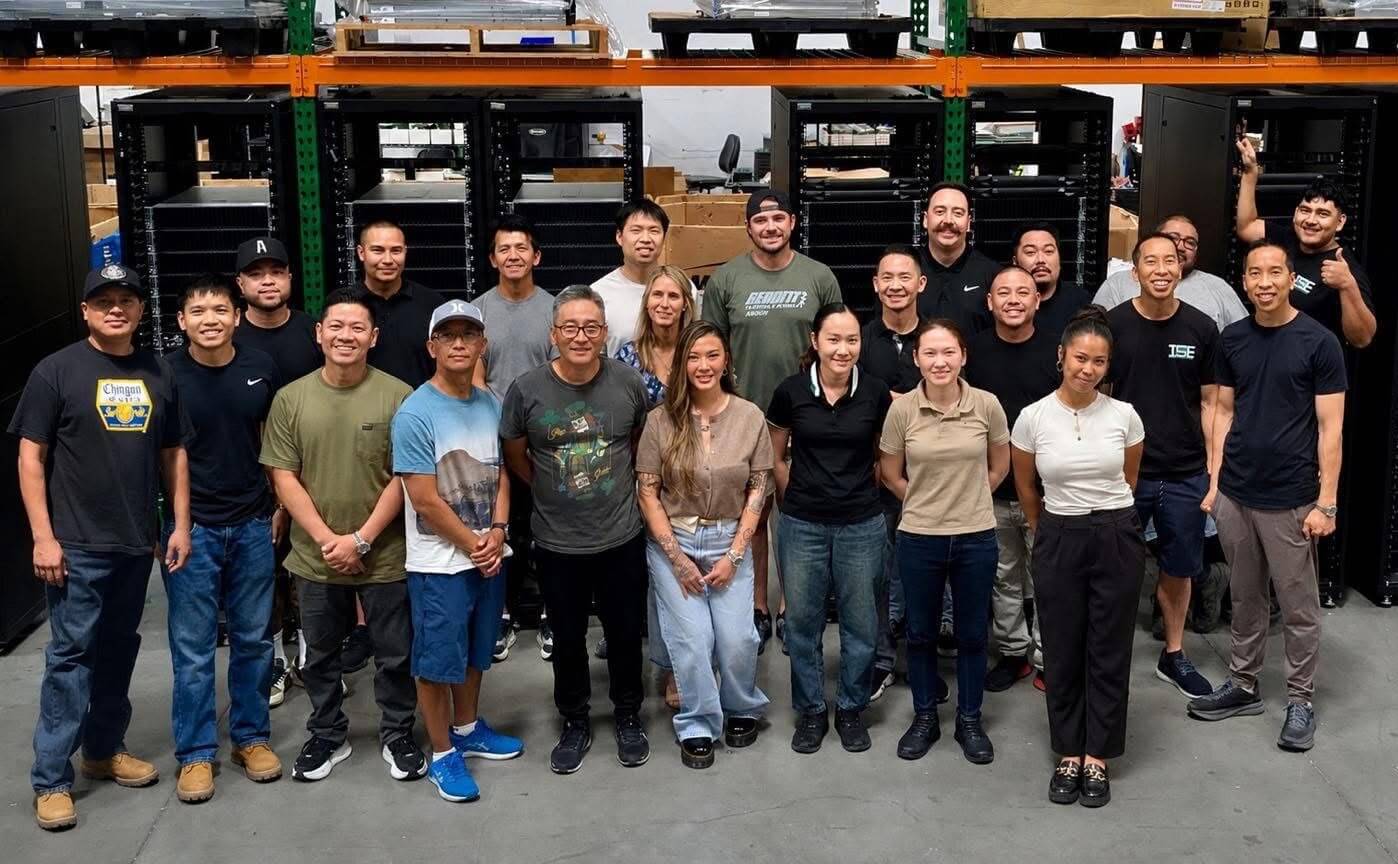
Twin brothers Jack and David Nguyen

The Brothers Behind the Business

Years before Richard partnered with them, twin brothers Jack and David Nguyen were already building their footprint in the IT hardware industry.

Around two decades ago, they saw an opportunity in used computer equipment and began reselling components, primarily semiconductors and RAM. That business became RAM Exchange, which eventually grew into what Jack described as a $50 million-a-year company.

From there, the brothers expanded into servers, networking equipment, drives, and other data center hardware through IT Server Exchange.

By then, Richard had spent years building his own expertise in the same industry. Their paths were about to come together.

Bringing Richard Into the Business

Richard was working for a competitor at the time, but his experience and reputation had already caught Jack and David’s attention. They knew his understanding of the IT hardware business and respected the grit, loyalty, and work ethic he brought to his work.

Eventually, Richard took a risk of his own and started E-XPIRE, focusing on IT asset disposition, secure data destruction, and electronics recycling.

As E-XPIRE grew, Jack and David saw more than Richard’s industry experience. They saw someone who could build a business, lead a team, and execute.

But Richard had already taken the risk of becoming an entrepreneur himself. Bringing him into their business would require more than offering him a position.

The opportunity became a partnership. E-XPIRE and IT Server Exchange merged, bringing Richard’s ITAD expertise together with Jack and David’s established hardware business. Richard became an equal partner in IT Server Exchange and took on the role of COO.

“We gave him the keys,” Jack said.

The merger brought together two complementary sides of the industry and created an opportunity to build something larger. Richard came in ready to rethink how the operation worked, and Jack and David gave him the freedom to make the changes he believed the business needed.

Their roles complemented each other. Richard took the lead on operations, execution, and building the team, while Jack and David provided the business foundation, resources, and support behind him. Jack described himself and David as Richard’s “pillars.”

Together, they continued growing RAM Exchange, IT Server Exchange, and E-XPIRE. Today, the partners say the three companies are on track for around $300 million in combined annual revenue.

What began with Richard taking a chance on himself and building E-XPIRE ultimately became the start of a partnership that would help reshape IT Server Exchange and support the growth of the wider business group.

Leading Through Culture

For Richard, how the team works is just as important as how the business grows.

He describes a culture built around speed, loyalty, and getting things done. Internally, the team uses the phrase “GSD,” short for “get stuff done.”

Richard also sees his employees’ livelihoods as a personal responsibility.

“I work 18-hour days because it’s for my team and my family,” he said.

David credits Richard with creating a culture where employees feel that same sense of loyalty toward the company.

That philosophy is shared by all three partners. Jack said one of their biggest sources of pride is not simply revenue growth, but the impact their businesses have had on employees and their families.

Finding a Reason to Keep Going

For Richard, success still traces back to the conversation he overheard more than two decades ago.

Today, David says Richard’s mother lights up when she talks about him.

“Every time I see her, she smiles,” he said. “She’s so proud of Richard.”

Richard’s advice for people who feel the odds are against them is simple.

“Anyone can make it,” he said. “You just gotta find a reason to do it.”

More than two decades after that conversation, Richard has given his mother plenty to be proud of. That same drive now carries into the work Richard, Jack, and David are building at E-XPIRE.

While companies race to adapt to AI, Jack, David, and Richard focus on what powers it: infrastructure. Their businesses support its lifecycle, from hardware to responsible decommissioning.

Today, E-XPIRE helps businesses securely destroy sensitive data and responsibly manage retired IT equipment. As technology continues to evolve, so does the need to handle what gets left behind.

Learn more about E-XPIRE and its work in IT asset disposition, data destruction, and electronics recycling.

📍Website

1-png

Stories

ChargerGoGo’s Next Chapter: GoGoSpark Brings AI-Powered Entrepreneurship to the Future of Work

ChargerGoGo built its nationwide phone charging network by betting on everyday entrepreneurs.

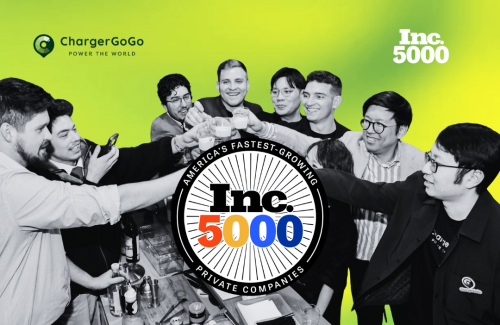
That bet is paying off. In 2026, ChargerGoGo landed at No. 744 on the Inc. 5000 (top 15%), No.5 in Las Vegas, and No.41 in AI and Data industry, the annual ranking of the fastest-growing private companies in America, after reporting 467% revenue growth over three years.

Led by founder and CEO June Zhu, the company has spent years helping local operators build businesses through its charging network. With GoGoSpark, it’s bringing AI into the picture.

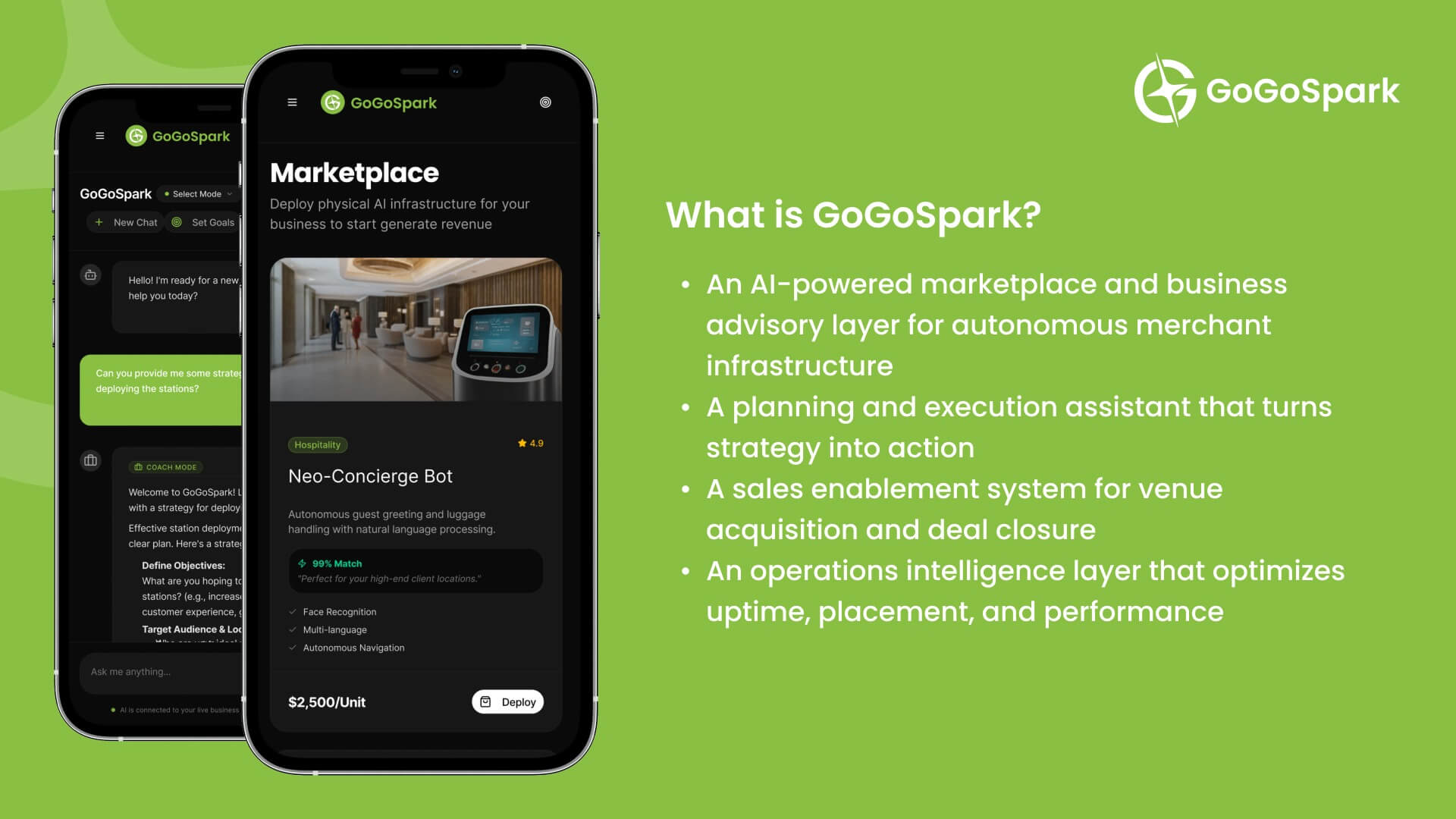
Launched at CES 2026, GoGoSpark is ChargerGoGo’s AI-powered business copilot and operations assistant, built to help operators handle the day-to-day work of running and growing their businesses.

What Does GoGoSpark Actually Do?

As AI reshapes the workforce, the next economic opportunity is not only about making employees more productive, it is about giving more people the tools to become business owners.

GoGoSpark was built around that mission.

ChargerGoGo believes the future of work will include a growing number of people, across both white-collar and blue-collar professions, who want to build independent income, own productive assets, and operate businesses of their own. But becoming an entrepreneur requires far more than capital or a good idea. New business owners need help with sales, operations, financial decisions, technology, strategy, and the hundreds of decisions that come with running a company.

GoGoSpark is designed to put that capability in their pocket.

Serving as an AI-powered COO and business mentor available 24/7, GoGoSpark can help entrepreneurs analyze performance, identify opportunities, improve sales, troubleshoot operational issues, understand financial decisions, and determine what actions to take next.

The vision extends beyond operating ChargerGoGo stations. ChargerGoGo is building GoGoSpark as an intelligent business platform that can lower the barriers to entrepreneurship and help everyday people transition from employees into capable, technology-enabled business owners.

In an economy increasingly shaped by AI and automation, ChargerGoGo believes AI should not simply replace work. It should help more people create, own, and participate in the businesses of the future.

GoGoSpark does not replace the entrepreneur. It gives the entrepreneur a COO, an advisor, and a mentor in their pocket—so they can make better decisions and build with greater confidence.

Five Years in the Making

GoGoSpark came out of five years of working directly with thousands of operators, partners, and small business owners.

Over that time, ChargerGoGo saw the same kinds of questions come up again and again: How do I sell this better? Why is one location outperforming another? What should I focus on next? How can I run this more efficiently?

Those real-world questions helped shape what GoGoSpark became.

Rather than building AI for the sake of having AI, ChargerGoGo built a tool around the work its operators were already doing.

As Zhu said when the platform launched, “GoGoSpark is built to be a business co-pilot, helping operators learn faster, operate smarter, and participate in the post-work economy.”

The Bigger Goal Behind GoGoSpark

The Inc. 5000 ranking is a milestone for ChargerGoGo, but Zhu has been clear that she wants the company’s growth to reach beyond ChargerGoGo itself.

When the ranking was announced, she pointed to a bigger goal: giving ChargerGoGo’s Distribution Partners the technology, infrastructure, business model, and support to grow companies of their own.

She even said she hopes to one day see those entrepreneurs make the Inc. 5000 themselves.

GoGoSpark is one way ChargerGoGo is trying to make that happen.

As AI becomes part of how companies sell, analyze data, plan, and operate, smaller business owners risk being left with fewer resources to compete. GoGoSpark brings some of those capabilities directly to the people running businesses on the ground.

ChargerGoGo’s acceptance into the NVIDIA Inception Program also marks another step in that direction as the company continues developing its AI technology.

“The future belongs to those who engage with their AI,” Zhu said at CES 2026. “Our mission is to make sure everyone has that chance.”

ChargerGoGo made the Inc. 5000 this year. If its operators eventually start appearing on that list too, GoGoSpark may have played a part in getting them there.

Discover how GoGoSpark is helping entrepreneurs grow smarter.

📍Website