Awaken* newsletter

December 9, 2024

SHARE:

In this month’s edition of the Awaken* Newsletter, we speak with Kristy Kim, Founder and CEO of TomoCredit, a fintech startup focused on improving access to credit for underserved consumers. By using AI to evaluate real-time cash flow data rather than traditional credit scores, TomoCredit connects consumers with lenders.

Kristy discusses her journey as an immigrant, an Asian female founder, and an entrepreneur working to transform the financial industry. Through her leadership, TomoCredit aims to provide more people with better access to capital and lending opportunities.

Can you start by giving us an overview of your company and what you’re trying to solve?

Kristy Kim: Sure! At TomoCredit, our mission is to bridge the gap between underserved consumers and lenders using AI technology. We are focused on serving individuals who have been left behind by traditional financial systems, especially those without credit scores or with limited credit history.

There are millions of people in the U.S. who are underbanked, and the financial institutions that could potentially help them either don’t have access to their data or don’t understand their risk profile. We leverage AI to evaluate consumers based on their cash flow instead of relying solely on traditional credit scores. This enables us to match these individuals with lenders who are willing to serve them without taking on additional risk. Our platform helps both consumers and lenders—consumers get access to capital, and lenders expand their market in a low-risk way.

What motivated you to start TomoCredit?

As a first-generation immigrant from South Korea, I moved to the U.S. at eleven. In my early twenties, I faced the challenges of building my own credit history. After graduating from UC Berkeley, I worked in investment banking.

Despite having a stable income, I was denied an auto loan five times because I lacked a credit score. This experience highlighted a significant gap in the financial system, where many immigrants, young adults and many other underserved communities are excluded due to the absence of a credit history. After being turned down multiple times, I knew something had to change. I saw that the traditional credit system wasn’t serving millions of people, particularly immigrants, who had the ability to repay but lacked a credit history to prove it.

That experience of being excluded from the financial system really motivated me to find a way to help people like myself access the credit they needed. Determined to address this issue, I founded TomoCredit to provide credit solutions for those who, like me, struggle to access traditional credit avenues.

I wanted to create a system that didn’t rely on traditional credit scores but instead used alternative data, like cash flow, to assess creditworthiness. The idea was to connect underserved consumers to lenders in a way that wouldn’t increase their risk. TomoCredit was born out of this desire to make the financial system more inclusive—so others wouldn’t face the same rejections I did, and would have the chance to access capital and thrive.

As an immigrant founder, have you faced any challenges or biases in fundraising or building relationships with big institutions?

Kristy Kim: Yes, there are definitely challenges that come with being an immigrant founder, and at times, it can feel like an uphill battle. But, interestingly, my background has also played to my advantage.

As an immigrant, I have a unique lens on the problems facing underserved communities. I know firsthand what it’s like to struggle with the traditional credit system. I’ve faced the same barriers that many of our customers face, and that gives me an edge when I’m speaking to financial institutions. I’m able to say, “Look, I know my customers better than anyone else. These people are creditworthy, but they’re being overlooked by the traditional system.”

There is some bias, of course, especially when you’re dealing with legacy institutions, but I think they also recognize that I bring something different to the table—an intimate understanding of the market and the customers they often don’t have access to. Lenders are willing to listen because they know that by partnering with us, they can expand their pool of potential customers without taking on additional risk.

You’ve been in this industry for over five years now. What keeps you motivated despite the challenges you’ve faced?

Kristy Kim: That’s a great question. Honestly, the progress we’ve made keeps me motivated. Every year, I see the interest in our approach growing, and it reinforces that we’re heading in the right direction.

When we first started, it felt like I was an outsider trying to convince traditional financial institutions to embrace an entirely new way of evaluating credit. But now, year after year, we see more and more mainstream players realizing that there’s a huge market for underserved consumers—and that these consumers are creditworthy if we just use the right tools to understand them. It’s exciting to be at the forefront of this change.

For me, it’s not just about building a business—it’s about creating lasting impact. The U.S. consumer credit industry is worth over $4 trillion, and the fact that we are focusing on a largely ignored segment of that market feels like we’re making a real difference. And, of course, as a founder, seeing our technology evolve and improve with time and data is incredibly motivating.

How does your solution differ from other competitors in the market who are also targeting underserved consumers?

Kristy Kim: The key differentiator is that we don’t just rely on traditional credit scores to assess risk.

Our AI model is powered by cash flow data—essentially, we evaluate consumers based on their spending and income patterns, which gives a far more accurate picture of their financial health. Over the past five years, we’ve accumulated a wealth of data that allows us to refine our model, and with every new data point, we get better at underwriting.

Unlike competitors who may be using generic data or building from scratch, we have a more granular understanding of how underserved consumers behave financially. Additionally, the beauty of our system is that we’re not just looking at data from one financial institution—we’re aggregating data from multiple sources. Our customers might have accounts with multiple banks, and that gives us a fuller picture of their financial habits. In comparison, other companies might only have access to data from one bank, which limits their ability to assess risk accurately.

As a founder, what has been the most rewarding part of your journey so far, and what has been the hardest?

Kristy Kim: The most rewarding part has been seeing the validation from both the industry and our customers. When leaders of financial institutions tell me that TomoCredit makes sense, it’s incredibly validating. It’s a feeling of affirmation that, yes, we’re on the right path. But it’s also rewarding to see the real-world impact we’re having on people’s lives. We’ve helped thousands of people access capital who otherwise wouldn’t have had the chance.

On the flip side, the hardest part has been dealing with the mental burden of being a startup founder. When things are going well, it feels like everything is moving at full speed, but when challenges arise—whether it’s fundraising hurdles, market uncertainty, or hiring struggles—the pressure is immense. Unlike larger companies with more resources, startups have less margin for error. It can feel like one wrong move could jeopardize everything, and that can be emotionally exhausting. But it’s in those moments that you really find your resilience, and you learn that, no matter how tough it gets, you have to push forward.

As a seasoned founder, what key lessons from your previous startup experience have you applied to building TomoCredit?

When I launched my first company, I was in my early twenties, full of energy but lacking experience. It was a trial-and-error journey, where I learned a lot, but I quickly realized that having a clear vision and understanding the real impact you want to make is crucial.

Starting TomoCredit was a completely different experience. This time, I approached it with a clear strategy, having learned the importance of tackling a problem that I was personally passionate about. My previous startup experience taught me how to make more strategic decisions, prioritize what matters most, and stay resilient through the inevitable ups and downs of entrepreneurship.

What advice would you give to aspiring founders, particularly those who may be feeling discouraged after a tough year?

Kristy Kim: My advice would be to stay grounded in your purpose and conviction. It’s easy to get distracted by the ups and downs of the startup world, but at the end of the day, your mission should drive you more than the fear of failure or the setbacks you face along the way.

When I first started my company, it wasn’t about just building a business—it was about solving a real problem that I deeply cared about. The passion for the idea needs to be stronger than the fear of failure. Even if things don’t work out the way you hope, you can still be proud knowing that you tried to create something that could have made a real impact.

The most successful founders I know are the ones who are able to maintain a strong sense of purpose, even when it feels like everything is falling apart. If you believe in what you’re doing and are committed to the long-term vision, that will carry you through the hard times.

What are some recent key achievements or milestones that you’re excited to share?

Kristy Kim: Thanks for asking. First, our AI-driven platform continues to help underserved consumers access credit by using cash flow data to connect them with lenders.

We’ve also made significant strides in improving our underwriting capabilities by leveraging years of data to assess creditworthiness more accurately. This year, we paused issuing new credit cards to focus on refining our AI and underwriting technology. While we haven’t issued new cards yet, we’re still accepting customers and offering other financial services. Additionally, our partnerships with larger financial institutions are also growing, with increasing interest from major players. These collaborations are essential to our mission of expanding access to lending for underserved communities.

And lastly, on the team front, we’ve made several key hires, including the former CTO at Experian and the former CEO of LegalZoom. Their expertise in open banking and scaling high-growth companies will help us continue to expand our offerings and further our mission.

Looking ahead, what’s next for TomoCredit?

Kristy Kim: We’re expanding our offering, bringing more lenders into the network, and continuing to refine our AI technology to provide better risk assessments.

We’ve been growing the B2B side of our business over the last year, and we’re seeing significant interest from bigger players in the financial sector. We’re also planning to expand our product offerings to include more types of loans, like auto loans and mortgages, to help more customers get the access they need.

We’re also actively hiring, which is very exciting for us. We’re looking for a talented marketing person to help us build our brand and spread the word about what we’re doing. Our mission is to make financial access easier for everyone, and we’re excited to continue growing and impacting even more lives.


Kristy Kim’s journey proves that determination, a clear vision, and a deep understanding of your market can break through even the toughest barriers. At TomoCredit, she’s not just building a company; she’s seeking to reshape how credit is accessed, especially for those often left behind by traditional systems. Stay tuned for more updates on TomoCredit’s journey, and learn how they’re challenging the status quo while creating new opportunities for underserved communities.

Author: Donna Yu
Related Articles

Generic Aadhaar-jpeg

News

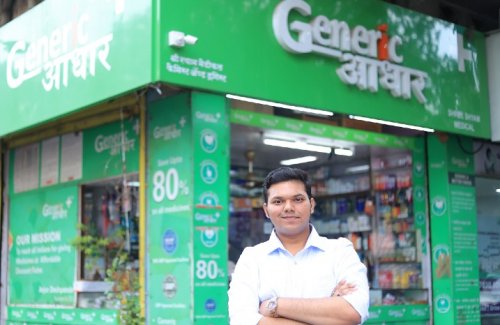
Young Indian Built a $60M Startup to Provide Accessible Medicine

At just 21, Arjun Deshpande has made a significant impact on India’s pharmaceutical industry.

His entrepreneurial journey began during college when he witnessed the struggle many people faced in accessing affordable medicine. At just 16 years old, in 2018, he founded Generic Aadhaar to offer a range of low-cost generic medicines as an alternative to expensive branded drugs typically found in traditional pharmacies.

Today, Generic Aadhaar not only provides generic medicines online but also operates a network of franchises offering discounts ranging from 80% to 90%. Arjun has caught the attention of renowned industrialist and philanthropist Ratan Tata, who was deeply impressed by Arjun’s vision after listening to his inspiring TED talk. With Tata’s support and backing, Generic Aadhaar is now worth approximately Rs 500 crore or 60 million dollars.

Arjun’s remarkable achievements have been recognized both nationally and internationally, landing him on prestigious lists such as Forbes 30 Under 30 Asia and Fortune India 40 Under 40. He also received from President Droupadi Murmu, who called him as the “wonder kid of pharma” and acknowledged the company’s significant contribution to the country’s economic growth.

Looking ahead, Arjun plans to expand Generic Aadhaar’s operations to several countries and open stores in Oman, Dubai, Colombia, and Vietnam.

His inspiring journey not only motivated many young individuals to pursue entrepreneurship and create positive change, but also gave hope for millions of Indians who can now access affordable medication through Generic Aadhaar.

Featured Image Source: Generic Aadhaar

Impact Team Photo

Stories

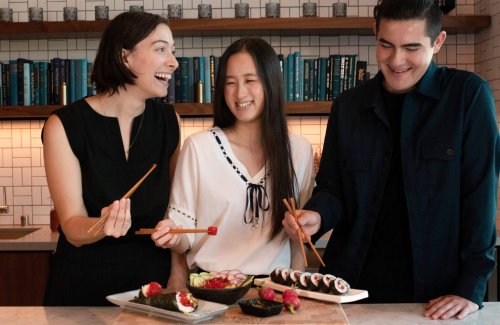
Three Cal Students Launch Plant-Based, Sushi-Grade Tuna to Pave the Way for Seafood Sustainability

The effects of climate change are becoming increasingly evident today. This is why three visionary individuals came together to address one pressing issue: the unsustainable practices in our food system, particularly regarding seafood.

Kelly Pan, Adrian Miranda, and Stephanie Claudino Daffara, the founders of Impact Food, combined their diverse expertise and unwavering commitment to create a positive impact.

Driven by a shared passion for food innovation and ocean sustainability, they embarked on a journey to revolutionize the concept of seafood. Through meticulous research and cutting-edge technology, by studying the composition of animal-based seafood and leveraging their knowledge in food science and molecular biology, they developed their first product, Impact Tuna.

With Impact Food, Kelly, Adrian, and Stephanie strive to redefine the way we approach food. By choosing plant-based seafood, individuals not only enjoy a delectable culinary experience but also contribute to a healthier future for our planet, our oceans, and ourselves.

Read through as we learn more about the remarkable journey of Impact Food and its founders, Kelly, Adrian, and Stephanie, through an exclusive interview with Asian Hustle Network.

IMPACT FOOD’S DYNAMIC FOUNDER TRIO

In January 2020, we met while studying at UC Berkeley in renowned scientist and entrepreneur Dr. Ricardo San Martin’s Alternative Meat Challenge Lab, a product-design-based entrepreneurship course that examines how food is made and why alternative meats are a key solution to creating a more sustainable food system.

A passionate foodie-business student (Kelly), a vegan home chef-computer science student (Stephanie), and a scientist-biochemistry student (Adrian) found each other and decided to combine their fields of expertise to work towards a shared passion for food innovation and ocean sustainability. 

REDEFINING SEAFOOD SUSTAINABILITY

We were inspired by the innovative solutions we saw in terrestrial meat products like beef and chicken, and the science behind creating them. As we brainstormed in class for a protein alternative that could become the center of the plate, we realized that seafood was a wide white space in dire need of new solutions.

With an ever increasing global population, the conventional seafood industry (e.g. commercial fishing and aquaculture) continues to overfish and deplete our oceans but is still unable to keep up with rising seafood demand. 90% of fish stocks have been used up, and we’re rapidly losing biodiversity and destroying marine ecosystems which support all life on our planet, so we need to take action now before it is too late.

This is when we knew we were on a mission to reimagine a more sustainable food system through delicious and nutritious seafood created using plants and scientific innovation. Through Impact Food, we would be able to do our part in alleviating pressure on our oceans and transform our global food system to be better for our people, planet, and animals.

OVERCOMING OBSTACLES IN PLANT-BASED SEAFOOD INNOVATION

At Impact Food, one of our core values is “Delicious Innovation” – to always develop the tastiest, high-quality food.

All seafood species have a very unique, complex taste and texture profile, so we knew that it would be challenging to recreate the sensory experience of conventional seafood. To overcome the challenge of developing realistic seafood texture, we focused heavily on R&D and consulted with industry experts from chefs to scientists and seafood purveyors to truly understand the composition of fish. This knowledge combined with a lot of experimentation allowed us to match the subtle ocean flavor, nutritional profile, and delicate texture of species like bluefin tuna.

Another challenge we faced was scaling our proprietary seafood texturization technology. We were very fortunate to bring on a talented bioprocess engineer last fall, who helped us scale our process and significantly accelerate our commercialization timeline.

IMPACT FOOD’S UNIQUE SEAFOOD PRODUCTION PROCESS

The process of making our first flagship product (raw sushi-grade Impact Tuna) began with extensively studying the scientific composition of seafood and developing a proprietary production process using plants and biotechnology.

Our novel food technology platform relies on our unique texturization process that optimizes and transforms our seafood base (a blend of plant ingredients such as pea protein, algae, & vegetable juice) into a whole-muscle structured seafood product.

In addition to completely removing animal fish from the seafood supply chain, our plant-based seafood is a more sustainable food choice that can always be consistently supplied with exceptional quality. Due to supply chain volatility, the quality and pricing of animal-based seafood products are constantly in a state of uncertainty and harm the entire food system. 

Therefore, we developed a craveable, true replacement for sushi-grade tuna with under 10 plant ingredients and a longer shelf life than conventional tuna. Our product is also high in omega 3, protein, fiber, and potassium with none of the negative consequences such as overfishing and mercury contamination.

IMPACT FOOD’S EFFORTS IN RAISING AWARENESS

Since food is a very social and cultural experience, we realized that we needed to collaborate with the food service industry to reinvent the seafood consumption experience while remaining authentic to traditional cuisines.

Restaurants, chefs, and cafeterias (e.g. corporate and college campuses) play a critical role in introducing customers to new culinary experiences, encouraging trial, and familiarizing them with plant-based seafood and its benefits. By adding these sustainable options to their menus, they are also able to influence a wider audience and drive market demand for seafood alternatives.

Recently, we launched Impact Tuna in Southern California at Pokeworks and became the first fish-free seafood ever offered at the world’s leading poke chain with 65+ locations across the US and internationally. Pioneering this novel dining experience with Pokeworks is a major step for us in creating large-scale demand for sustainable eating and bringing plant-based seafood to the masses.

In addition to our food service partnerships, we also utilize channels such as social media to raise awareness about the benefits of plant-based seafood. Although we only sell our plant-based seafood ingredients to food service, we still prioritize connecting with end consumers via the visual and informational content we share on channels such as Instagram and TikTok.

Recent media coverage about the unsustainable and inhumane practices involved in commercial fishing such as the Seaspiracy documentary has also been immensely helpful in generating awareness about an obscure and complex seafood industry.

SCALING WITH QUALITY AND ENVIRONMENTAL CARE

We have begun commercial production and are currently building out our own manufacturing pilot plant to ensure high-quality control and consistency of our food innovations.

Because our proprietary process can use standard equipment that is traditionally used in other industries, we can reach price parity with conventional seafood and scale to high volumes very quickly. We are continuously investing our resources into R&D and optimizing our supply chain so that we can constantly innovate, and maintain product quality while scaling our production.

To meet increasing market demand while ensuring the quality and sustainability of our products as we scale in the US and soon internationally, we are also building strategic partnerships with and collaborating with other companies (e.g. foodservice distributors, suppliers, restaurants, startups, etc.) to strengthen the ecosystem for sustainable protein solutions. Together, we’ll be able to develop and scale products with better taste, texture, and nutritional value.

IMPACT FOOD’S FUTURE OF DELICIOUS PLANT-BASED SEAFOOD

Our primary driver at Impact Food is to make a positive global impact by creating a future of food that can sustainably feed the world while protecting our oceans and marine life.

We strive to create a global impact and movement of consumers eating more consciously and sustainably. To do this, we need to make our innovations available and accessible everywhere our consumers eat, around the globe.

Today, we’re excited to continue scaling our production, onboard more food service partners, and expand distribution to major markets for seafood such as Japan. Our goal is to reconstruct the center of the plate with a new, tastier whole-muscle seafood experience that is healthier for you and the planet without harming any animals.

Impact Tuna is just the beginning, and we’re excited to leverage our seafood technology platform to expand our product pipeline and recreate various other seafood species using plants. Stay tuna’ed and join us on our voyage to revolutionize the global seafood system. 

CONNECT WITH IMPACT FOOD

Website: eatimpactfood.com

Linkedin: Impact Food

Tiktok: @eatimpactfood

Instagram: @eatimpactfood

Facebook: Impact Food

Twitter: @eatimpactfood

TheBurgNews-jpeg

News

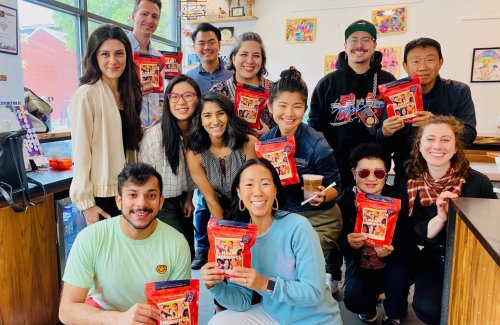
Harrisburg Coffee Shop Celebrates Representation with ‘HAAPI Mornings’

Something special is brewing at Harrisburg’s Elementary Coffee Co.

Elementary Coffee Co. partnered with the Harrisburg Asian American Pacific Islander (HAAPI) group to introduce a brand-new coffee called “HAAPI Mornings.” This tasty blend is inspired by Vietnamese flavors and was launched during AAPI Heritage Month in May. The goal is to show more people from different backgrounds and cultures, making them feel included and seen.

“It’s all about visibility and representation,” Ellen Min, a member of HAAPI, said to The Burg News. “The more representation and visibility, the less we are excluded.”

It all started when members of the HAAPI group visited a coffee shop in New York City that had special Asian coffees. They thought it would be great to have something like that in their own city.

So, they talked to Andrea Grove, the owner of Elementary Coffee Co., and she jumped at the idea. They worked together to create a unique blend using beans from India and making it a dark roast for a rich taste.

Besides the yummy “HAAPI Mornings” coffee, Elementary Coffee Co. also offers other special drinks inspired by Vietnam. You can try the traditional Vietnamese hot and iced coffee, as well as the Ube Iced Latte and Saigon Iced Coffee.

Image Source: The Burg News

“Coffee really brings people together, and this coffee is doing that in such an impactful way,” Andrea Grove said to The Burg News.

Featured Image Source: The Burg News

Dr Lanna Photo-jpg

Stories

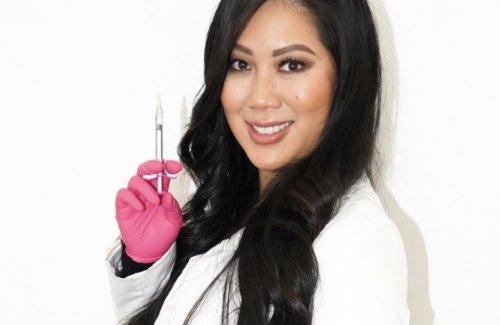
A Urologic Surgeon’s Entrepreneurial Leap into Aesthetic Medicine

Dr. Lanna Cheuck, an Ivy-League Trained, Board Certified Urologic Surgeon turned entrepreneur has made a significant impact in the field of aesthetic medicine.

Today, she is the proud owner of LC Medical, a medical spa in Manhattan, and also leads FACE Med-Spa Training, where she shares her expertise with fellow medical professionals.

She has been featured in esteemed publications like Forbes and has been recognized as a Key Opinion Leader in the industry. Nevertheless, she remains grounded and motivated by the positive transformations she brings to her patients and the opportunity to guide others on their own professional journeys.

Beyond her entrepreneurial endeavors, Dr. Cheuck continues to excel as a Board Certified Urologic surgeon, practicing at Jacobi Hospital. She is a respected educator, sharing her knowledge on topics such as penile rehabilitation and making significant contributions to the ISSM.

In an interview with Asian Hustle Network, Dr. Lanna Cheuck shares her remarkable journey and insights into the world of aesthetic medicine. Join us as we delve into her experiences, challenges, and triumphs, discovering how she defied conventions and built a thriving career that empowers both herself and others.

HUMBLE BEGINNINGS OF DR. LANNA CHEUCK

I was born in Chinatown in the Smith Housing Projects and was later moved out to live with my grandparents on Long Island in the middle of second grade as the crime was increasing in our building and my parents had been mugged and beaten up multiple times.

My parents immigrated from China during the Cultural Revolution. They built a raft to escape to Macau, then paid to be smuggled through a vegetation boat before coming to Hong Kong. I grew up very poor and was one of five Asians living in a predominantly white neighborhood on Long Island.

For as long as I remember I wanted to become a Urologic Surgeon, but I didn’t realize the sacrifices I would make to get there. While it is a male-dominated field, I remember at the time I was one of 8% of women in urology.

I had my first child born prematurely with special needs and blindness and took off six months to be with her in the ICU. It was at this time that I realized if I wanted to provide for my family, especially my daughter who will be dependent on me and my husband for a very long time, then I would need to find a new trajectory to help me become more financially independent.

DR. LANNA CHEUCK’S RESILIENCE IN THE FACE OF INEQUALITY AS A UROLOGIC SURGEON

I asked the administrator at the hospital for a salary increase and he told me that I needed to prove why I needed to make more. So, I went and got a different job offer to become a program director of a New York City Academic Institution as their residency director with a 40% pay increase. 

When I presented my job offer to the hospital administrator, he took one look and told me that I should leave and he could not match my salary. It was also at this time that my male counterparts were making six figures more than me while I was working with the toughest patients and doing the toughest work.

CHALLENGES AND OBSTACLES SHE OVERCAME

My father started as a busboy in a restaurant, then became a taxi cab driver, worked at a sweatshop, and then got into the spa business. He opened up a Spa called Eden Day Spa on Broadway. He asked me to help and that’s when I figured I can help my family business and go into aesthetics as a physician.

My biggest obstacle was being under the radar and so I couldn’t really grow. I asked the hospital administrator at the hospital for permission to pursue my second job and he gave me permission.

I was working full-time as a urologic surgeon doing the most difficult surgeries and on nights and weekends, I was taking care of my child and working at my father’s spa trying to grow the aesthetics part of the business.

I remember waiting for one patient to come at 9:00 pm because that was the only time I had available. I was missing my newborn and questioning whether this was worth it. In the beginning, it was very tough to garner any patients, I usually had one patient a week and most of the time they were a no-show. I would wait for hours and drive an hour from Harlem in hopes of seeing even one patient. The obstacles were juggling time, family, wondering if I was making the right decision, and whether or not it was worth being away from my child who was also breastfeeding. 

DR. LANNA CHEUCK EMPOWERING THE AESTHETIC MEDICINE COMMUNITY

I realized that if nobody put me on their platform then I would make my own, therefore, I opened my own aesthetic training business.

When I was first starting, I took two training courses and realized that these courses do not prepare you for the field of aesthetic medicine neither clinically nor from a business standpoint.

As a surgeon, I’ve always been the type to see one; do one; teach one, and that’s exactly what I did. I started an online community for physicians to pivot into aesthetic medicine because one of the things we were never taught in school was business. Since then, I’ve trained hundreds–if not thousands–of physicians and nurses. Some other huge and field-relevant accomplishments include being featured in Forbes and named a Key Opinion Leader for InMode and Galderma as well as a GAIN Trainer. 

HER ADVICE TO ASPIRING ENTREPRENEURS

Network with as many people as you know, be a connector.

Help other people and let everyone else know what you need, if you don’t ask you’ll never know how they could’ve helped you. Additionally, since I’m a visionary, I realized that I need processes and systems in place and strong integrators who help me to fulfill my visions.

This means hiring people who have strengths in other areas that I would consider my weaknesses thus allowing me to build a team that is good at operations.

We were never taught business in medical school which means everything from there on out is learning, absorbing, networking, connecting, and making opportunities out of meeting new people and helping others.

MOST REWARDING ASPECT OF HER CAREER TRANSITION

The most rewarding aspects of my career transition include feeling more valued by my work, patients, and staff and being compensated for something I’m good at, my techniques, and making people feel more confident.

I’m lucky to have patients from all walks of life; from the nurse’s aide who puts away money under her mattress to see me, to the successful CEOs, celebrities, models, actors, dancers, teachers, healthcare professionals, etc. What keeps me pushing forward is that I’m able to help other people pivot and transition.

CONNECT WITH DR. LANNA

Instagram: @doctorlanna

Website: doctorlanna.com