Awaken* newsletter

September 12, 2024

SHARE:

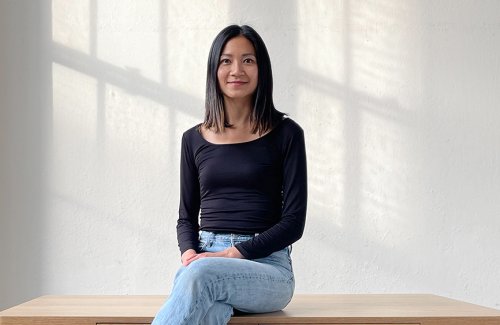
In the half-year I’ve been writing this newsletter I have only interviewed established founders. This article is my first deviation from the pattern and I couldn’t have asked for a better guest. Emily Luk–though a first-time founder–is not new to startups, having joined Stripe as a founding member of their growth team back when the company was around ~150 employees.

Now, she is building Plenty, an investment platform for modern couples. Talking to Emily has convinced me of two things, first–that this is a very large and important problem, second–that Emily is probably the right person to build it. I’m excited to share my conversation with her.

TLDR; Key Takeaways

If you only have a few moments, here are a few golden nuggets from my conversation with Emily:

  • An exercise to find your calling: Write down everything that makes you happy, ~100 words. Keep cutting the list in half until you have five words. What’s the grounding/theme that goes through all five? That’s a good starting point to find your calling.
  • Address opportunity costs before starting a company: Running a successful startup is a long journey, the average time to IPO is 7-10 years. If possible, do the things you’d regret missing out on before embarking on your journey.
  • Aspiring founders should focus on developing taste: As a founder, you don’t need to do everything personally yourself, but you need to know what great looks like. Working alongside great talent can help you develop this intuition.
  • Being relatable is a core part of business: People are much more likely to do business with you if they can relate to you. Put in some effort to learn about common interests of the type of people you want to do business with.
  • We are in the middle of a generational shift: 33% of millennials got married or entered a long-term partnership in the past five years. This is the first generation where dual-income families are normal.
  • Financial products for couples need an update: Many financial products used today were built for single-income households and aren’t adapted for dual-income families.

Tell me about your journey, how did you end up in the Bay Area/tech?

It goes pretty far back. My grandfather started two companies. One he ran for 20 years, and the other for 25 years. Then my parents emigrated to Canada, started this company, and ran it for 18 years. Growing up, I thought most people started companies. It wasn’t until my grade seven careers class, where they walked you through all the different careers and had a chart about the percentage of people in each career, that I realized entrepreneurs are less than 10% of the population. I thought it was a much higher percentage because everyone around my parents was an entrepreneur. I have always been interested in starting businesses. I was that stereotypical kid who kept running side hustles.

I read that your first entrepreneurial endeavor was a fundraiser for UNICEF.

Yeah, it was grade one, and the teacher decided to have a competition to raise money for UNICEF. The idea was to go trick-or-treating using those orange UNICEF boxes to collect donations. I lived in Edmonton at the time, which is the most populated city that far north, so winter was basically already here by Halloween. We had this competition in class to see how much money people could raise, but my parents were really worried my brother and I would get sick if we went trick-or-treating outside when there was already a foot of snow on the ground. I really wanted to make sure I wasn’t going to lose in the UNICEF competition, so instead, I decided to take a bunch of origami, fold it into different shapes like planes and boats, and sell it during recess to the teachers. All the money went to UNICEF. This was my way of being like, “Okay, great, I can do this all the time during recess for a month,” and then raise enough money instead of going trick-or-treating as a workaround for that.

Let’s go back to your story.

I’d already started my own company in high school and had been really involved with startups in university, running a student-run venture fund that organized pitch nights. Because of these experiences, I had the chance to work at the largest VC fund in Canada when I graduated.  It was an incredible experience because we got to see a large breadth of startups during that vintage. Some of the companies I personally worked on included Sonder in their pre-seed stage and Hopper in the earlier days. About two years into my time in a venture, my younger brother told me he was thinking of moving to the Bay Area when he graduated from Waterloo. We’re very close, and I wanted to be in the same city as him. Around the same time, I was thinking about applying for jobs. My brother wasn’t going to graduate yet, but I figured I would start looking for a job there. And so I started applying for some jobs and just started talking to more people and getting more involved in the Bay Area. 

Right around the same time, Stripe ended up reaching out to me. I had met members of their team, and this was back when the company was like 150 people. The company was much smaller; they had just hired a COO and were just starting to build up their business and growth teams. We chatted about whether I would be interested in joining the stuff they were doing on the growth side. Around the same time, I had gotten connected to Gold House founder Bing Chen. I went to Bing for career advice because I had a couple of other opportunities that were also in the Bay which I was considering. I was 22 years old, trying to figure out what to do with these opportunities in front of me. On top of that, I was potentially moving to another country on the other side of the continent. I don’t even know if Bing will remember this, but it left such a mark on me. He walked me through an exercise he did when he was in university. It was something he found really helpful to understand your own values and what brings you joy. 

The exercise he walked me through was to start with an empty piece of paper and write down, in free form, everything that makes you happy. Anything that brings you joy—it can be an item, an exercise, or an activity. I jotted down like 100 different words. Then he said, “Now start to cut it down. Cut it in half. Take the ones that don’t matter. Now you have 50. Now cut it down to 25.” This is when it starts to get really hard. “Now cut it down to 10. Now cut it down to 5.” With the last five words, is there a grounding or a theme that goes through all of it? If those are the things that really bring you joy after you’ve processed this and wondered, that’s probably a very good starting point to think about what you dedicate your time to.

So what were your last five words?

For me, I remember really thinking about how I loved making and empowering. That was one of the words that came out. It was empowering, teaching. I really believed in it. At the time, I had done my CPA and CFA when I was in venture, and I really understood and saw how in the world of finance, things were so opaque. I had also thought a lot about family and friends, and I started thinking about how those words could formulate into almost like my North Star. Big credit to Bing; after I went through that exercise, the answer was very obvious to me. What was so exciting about joining Stripe back in 2015 was that we were really focused on helping SMBs and startups in this opaque world of finance. At the time, payment companies were used to dealing with massive enterprises, so if you were a startup or an SMB, you basically didn’t matter. The products were terrible, it was hard to integrate, and the process of using the product was terrible. For many entrepreneurs, being able to accept money for your product or service is a critical part of running your business. If you don’t have revenue, nothing else works.

For me, it was so obvious that of all the opportunities I had been looking at, Stripe was clearly the best one. Ironically, now in hindsight, I can say this: the other thing that was really crazy was when I decided to join Stripe, I didn’t know my title. I actually forgot to ask what my title was until I received the offer letter. I didn’t even bother asking. I knew what I was going to work on, and I knew who I was going to work with. It was also by far the lowest salary package compared to all the other companies. Given how much Stripe has grown, it’s definitely turned into the best decision. At the time when I joined, it was so clear that it aligned with the things I cared about most. The other things like compensation or title just didn’t matter as much.

You took a sabbatical from work before starting Plenty in 2022. What inspired the sabbatical?

When my parents started their business, they ran it for 18 years. My grandparents ran their businesses for almost 20-25 years. So, I never thought of starting a company as a quick two to three-year journey. I thought it would be a very long journey, and I wanted to feel like I was ready to commit that kind of time and have that kind of endurance. That was one part that was really important. Travel is very important to me–being able to see the world. I knew that if I didn’t have this period of travel, I would always wonder if I missed out.

Part of how I thought about the mental preparation to become a founder is being able to think about how it might feel. One of the parts that helps with the mental endurance of it is being able to realize what might make it harder and, if possible, try to solve some of that earlier. The sabbatical year was basically that. If I didn’t have it, I would look back at the very hard moments when you need to keep going when you’re starting a company and think, “Oh man, maybe I should just stop. Maybe now I can have my travel year because I never had it. Was it worth the sacrifice?” I think it just makes it so much harder instead of getting ahead of it.

What made you feel that it was the right time to start your founder journey? 

I think of myself as a lifelong learner. When I experience anything in life, I immediately start to think about what I can learn, what I can do differently, what I would do in the future, and what might have changed the outcome. That is deeply ingrained in who I am. I realized I would probably always feel like there was more to learn and never feel ready.

My mother had a philosophy when she was running her company: you don’t need to do everything personally yourself, but you need to know what great looks like. You need to have enough exposure to know what great products, sales, and marketing look like and have that intuition. You don’t have to do every single thing personally, and frankly, you can’t. There was a point at which I realized I had been exposed to enough people who did their jobs great and did really great work. That shift in mindset was really valuable. I thought, “I might not ever feel ready, and that’s okay, but I’ve also had some experience, so maybe it is time to take a bet on myself.”

For young people who aspire to start their own business in the future, would you say that the function of what they are doing is secondary to who they are around?

Here’s how I approached it when I was at Stripe. I was really lucky because Stripe had an incredibly high talent bar. I was surrounded by so many people. I was also the youngest person on the business team, so I was surrounded by all these people who were 5, 10, 15 years ahead of me career-wise. They were at the top of their game at what they did, and I just tried to be as much of a sponge as possible. I also moved teams a couple of times, which helped with getting exposure to a lot of parts of the organization.

One of the things I’m most grateful for is that Stripe used to have this policy where every email that is sent across teams or externally, is copied to an email list so anyone in the company can read it. It’s complete email transparency. They don’t do this anymore, but for the entirety of the time that I was there, that’s what they did. Also, every single team had to send meeting notes at the end of every meeting to these email lists, and anyone in the company could read the meeting notes. Every one or two months, I would really focus on understanding what another team did. For example, when I was on the sales team, I’d really focus on what the partnership team did and read every single one of their meeting notes for two months. Then I would rotate to another team. I spent a month thinking about risk and compliance, a month reading everything in the world related to the legal side of things, and then I would rotate to what product is doing, what engineering is doing, and how infrastructure works.

It felt like I created my own mini-MBA because I got to see not just the theory but how all functions actually work in a company. I took being a sponge really seriously. It was honestly so fun for me. I know it was rare to have access to all of this knowledge, to have that quality of thought and quality of people around me that I could easily learn from.

Could that be replicated at larger companies?

It’s really only startups where you can get that level of access. Another thing that benefited my learning was that Stripe was growing rapidly while I was there. It grew from a couple hundred to a couple thousand people during my time there. Because it was growing so quickly, I saw many chapters of a startup during that time. There was such an emphasis on communication. Because the company was growing so quickly, documentation was especially critical so that work was not duplicated. That, I think, is one of the unique growth opportunities of being in a startup that is harder to get access to when you’re at a big company.

Given that you come from a family of entrepreneurs, do you find yourself asking your parents and grandparents for business advice?

I definitely talk to them about work a lot more after starting my company. Before I started Plenty, when I talked to them about work, it was sometimes a little frustrating because they’d say, “Why don’t you just ask for the promotion?” I’d be like, “Mom, it doesn’t work like that. You have to earn it and wait your time.” My mom, being an ultra-entrepreneur, thinks it’s exclusively merit-based. In reality, in a big organization, there are performance cycles, and you have to wait six months. You can’t just suddenly say, “I want to be promoted today,” and have a multi-hundred or multi-thousand-person organization just say yes. It doesn’t work like that. 

At that time, it was much harder to ask for career advice. But now, it’s really helpful because my parents deeply understand. It’s not even the practical business advice, frankly; it’s the emotional journey. It’s so hard to hire, support someone to perform, deal with a supplier not living up to expectations, or have a backup plan in case things don’t work out. These are all fairly generalizable pieces of advice that have been incredibly helpful. More than anything, starting a company is an extremely lonely experience. It’s been incredible to talk to my parents, not about the specifics like our cost per click, but about the emotional aspects. It’s hard to feel the pressure of needing to have all the answers and supporting your team’s families. They instinctively understand it on an emotional level, which doesn’t need to be explained.

What is the core problem that inspired you to start Plenty?

If you look at the two generations that are going to undergo the largest amounts of change in the next decade, it’s the baby boomers (who we are not optimistic about being able to sell software to), and then the millennial generation. The reality is that millennials are now turning 30, and this chapter from 30 to 40 years old is generally when you find a partner, buy a house, have kids, and get promoted. There’s so much change that happens. If you navigate your finances well during this chapter, you can set yourself up for the rest of your life.

We saw that it’s also the chapter where people want to take their finances more seriously. They’re actively looking for things to do, but if you’re building up to your first million dollars, there aren’t great products or services meant for that. Once you get over a million dollars, there are lots of financial advisors who are really good and can help you, but why would the best financial advisors want to work with clients with less capital? What we saw was that this industry doesn’t have the best people working with the people who arguably need the most help.

The other aspect of Plenty came from personal experience. When Channing and I got engaged, we couldn’t find any products that made it easy for us to manage our money together. We believe very deeply that the best decisions we make as a partnership are the ones we make together, and that financial decisions are very important in unlocking optionality down the road. If there aren’t great products that make it easy for you to work together, then you’re probably going to have a much harder time trying to figure out things in the future too, right? Those two things were the core motivations for starting Plenty.

Why do you think there is a gap in products to help couples manage their finances in tandem?

Nowadays, it’s normal to be dual-income because both people are educated and everything costs more. It’s more fulfilling to feel like you both have careers and jobs, and it might be necessary in order to support a family. At this point, about 80% of this generation are dual-income families and couples. 

This used to not be the case. In the two generations before us, the majority of people were single-income families. A lot of the financial products we use today were designed by people who were single-income household members of other single-income households. So it completely makes sense why they designed a lot of joint products the way they did because it used to make sense, but it doesn’t make sense anymore. 

One example of this is if you look at American Express or Chase, there is no concept of a joint credit card. You are both legally on the hook for paying the bill, but both of you don’t get to see what you’ve spent. That doesn’t make sense. So if you get a credit card with Chase and add your partner to it, your partner doesn’t even get a login. They can’t see anything, even though they have a credit card with their name on it. American Express is quirky in a different way. We have both of these cards and from personal experience, when you add your partner to an American Express card, they can only see what they spent on their card. They cannot see what you’ve spent on the main card, even though you both share the card. 

There are all these little bumps related to access or permission, but it dates back to a time when it was very normal for one person to earn an income, but it’s not very normal anymore. People and couples nowadays expect to have fairly equal access to understanding their money together. It’s not the same as, “Oh, if they know everything, that’s fine. I don’t need to know anything.” That’s just not nearly as common anymore. Nowadays, conversations around family finances are happening with both people being more equal than ever before. 

What we also noticed is that because people are getting married later than ever, they are already used to having their own financial accounts. Even after getting married, maybe they open up some things that they share. But it’s a journey towards sharing more of their finances. They still have things under each of our names. A lot of the financial system was built around the reality of the single-income family that had everything fully joined. But that’s just not the case anymore. That has changed especially quickly in the last five years. Five years ago 33% of this generation was married, and now almost 60-70% of this generation is married or in a long-term partnership.

How do you think being Asian has impacted your founder’s journey? 

For better or worse, I have been on the other end of bias, but not because I’m Asian. At least, I think not because I’m Asian. But for other reasons, like being part of a husband and wife team. I’ve even had a VC comment about how he would never report to his wife. I don’t think anyone has ever explicitly called out the fact that I was Asian, but it is something that I am aware of. And here’s the reason why. I feel like I have to work extra hard to be relatable, and frankly, there are assumptions that people have.

My husband is from Virginia and his family’s been in the US for a while. Lots of people are surprised when I mention that I’m the sports person in the relationship. I watch basketball, I watch football, I know the players, and he doesn’t watch any of it. Even when we’re in conversations with potential investors, they’re surprised by that. I don’t know why that might be the case, but I joke about it. I say, you probably wouldn’t have expected a short little Canadian Asian female to know this much about football, right? 

I do think what you like to talk about is important. When it comes to attracting business partners, of course, the way you think about business and strategy makes people want to work with you. But there’s another aspect to it. If someone feels like you have something in common with them, they think that you can be a friend. Whether or not they want to spend more time with you is actually really impactful for whether or not they want to back you.

I think I’ve always been aware that I have to work extra hard to be relatable, but I don’t try to spend too much time thinking about it beyond thinking of ways that I can support other Asian founders, because it’s not something I can change. Frankly, I just focus on what needs to be done. I’ve always enjoyed football, but I’ve definitely put in the effort to stay aware of what’s going on because I know it is something that is unexpected when I talk about it.

I’ve talked to a few female CEOs whose husbands are also part of the company. Can you comment on what that’s like?

I think it might be happening more frequently as we go along. I mean, it makes a lot of sense, right? There is no one else in your life that you respect, admire, and trust to that degree. Building a startup is not an easy or linear path. In those moments where you’re like, “Oh gosh, what should we do?” not needing to doubt if you’re building with the right person or if you can trust that person is actually so important. It helps stabilize you through the hard moments because you know they’re in it with you, you can trust them completely, and they care about you. That psychological trust is crucial.

–

Plenty is hiring! If you are interested in working with Emily to build financial tools for the modern couple, check out the available job listings here!

Emily has also graciously offered a 3-month free promo code for our readers. If you are interested in trying out Plenty, use code AHNCommunity to get 3 months free. Thank you Emily for joining us!
Related Articles

AHN-News-Gangnam-Market

News

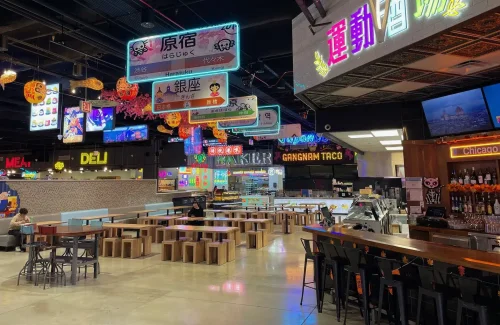
Kenny Yang opens first ‘American-Asian Hybrid’ Grocery Store in West Town

Kenny Yang, the owner of Gangnam Market, took over a ground floor market in December 2022 and turned it into an “American-Asian hybrid” grocery store with a deli, produce section, liquor and beer, plus a range of snacks, beverages and other items Yang imports from across Asia. 

Raised in Chicago, Yang attended Harper High School and the University of Illinois Chicago. Yang’s parents run a business named Kent Young Health Products at 2400 S. Wentworth Ave., in Chinatown. After spending a decade working in different cities across East Asia and decided to come back to Chicago to help his parents in the mid-2000s and joined the restaurant business. Besides Gangnam Market, Yang currently owns the Strings Ramen chain, Ken Kee in Chinatown and Gyuro Ramen in the West Loop.

Image source: DLM Photography & Design

Yang hopes this new model will allow customers to try his favorite Asian products as well as items they would find in every American grocery chain.

“I grew up buying a lot of stuff from Whole Foods and Jewels. So for everyone’s convenience, of course, we want to keep their local favorites and add a little spice on the Asian elements,” he said. “It’s actually a bit of local favorites with just a little bit of Asian twist. … But definitely I tried to get things that Asians growing up in Chicago will love.”

Yang shares that the business was named after the popular South Korean district in Seoul and a bit inspired by the hit “Gangnam Style”. By renovating the interior, and adding lights and neon signs for each department, Yang wants to give people a unique destination. He hopes people will like his idea and support the grand opening of the market. Yang is currently still putting the final touches to Gangnam Market but he is ready to unveil his plan to the neighborhood.

Image source: DLM Photography & Design

“I just tried to have something really fun, for our family shopping for the weekend. And then the food court has six, seven concepts, from Asian bakery to American coffee. I just tried to have everything that I love in there,” he said.

You can visit Gangnam Market from 8 a.m.-9 p.m. every day, and enjoy the food court from 11 a.m.-9 p.m.

Featured Image Source: DLM Photography & Design

Stories

San Francisco Design Studio Redefines Sustainable Furniture Perfect for Small Spaces and Urban Living

In a world where living spaces are getting smaller and furniture quality is declining, one entrepreneur is striving to make a difference.

Yvonne Hung, a city-dweller who has lived in some of the world’s largest metropolitan areas, knows firsthand the challenges and constraints of living in small apartments. It can be difficult to have friends over because there isn’t enough space or seats.

For this reason, she founded Otelier in 2020, a San Francisco-based furniture studio with a focus on sustainability, and providing innovative products that are useful even for small spaces.

Yvonne believes that the home is the most intimate social space, and people shouldn’t have to sacrifice that due to a lack of space. Her latest project is called the Quartet, a multi-functional side table that unstacks into four stools.

While the retail industry and consumers have embraced fast furniture with low prices, poor construction, copied designs, and single usage, Otelier is committed to changing that. Yvonne and her team are determined to create sustainable, high-quality furniture that will stand the test of time. With Otelier, urban dwellers no longer have to choose between comfort and the environment, and Quartet is just the beginning of a new era in furniture design.

Quartet, a side table that transforms into four stools.

OTELIER STRADDLES BETWEEN A DESIGN STUDIO AND AN E-COMMERCE BRAND

I’ve always had an obsession with cities—the way they develop over time, how they are shaped by their geographies and industries, and of course how culture and way of life make each city unique.

In fact, I started my career in urban planning, which is what I studied at the Harvard Graduate School of Design. My goal, as cheesy as it sounds, has always been to make the world a better place to live for all. With Otelier, I’m trying to do it at a much smaller scale—the home—because that allows me to get up close and personal with users, and also be hands-on with the creative process.

So much of my design principles still go back to urban planning. For example, I chose to focus on apartment living because higher-density housing is a much more efficient and sustainable way to accommodate a growing population, as compared to single-family homes which encourage urban sprawl. Likewise, sustainability and the cradle-to-cradle approach is always a huge factor in the product design process because protecting the earth is always top of mind.

This generation is going through a lot of changes—higher housing prices, more frequent moving, and smaller apartments are some trends that make life different from what it was 20+ years ago. Activities that used to take place in person, such as work and meetings, now happen online. Social media is both hastening new ideas and increasing anxiety. I think there are many opportunities to address these issues. For me, it’s starting with the most intimate space, the home, and how we can make it a happy experience.

Otelier straddles between a design studio and an e-commerce brand. It’s rare to be both. Most consumer furniture brands aren’t strong on design—there’s a lot of copying of whatever’s trending—and most design studios don’t follow through with the manufacturing and sales process. 

I aspire to do both under Otelier. As a designer, I want to explore and experiment, whether it’s with product ideas, new materials, or collaborations with little constraint. And as an entrepreneur, I want to create an e-commerce brand whose products make an impact at scale.  I’m still figuring out how to do both with very limited resources as a solopreneur.

BIGGEST CHALLENGES AND OPPORTUNITIES IN SUSTAINABLE FURNITURE DESIGN

It seems there’s a race to the bottom in the consumer furniture industry—make it as cheap as possible, sell more, and maximize profits. It’s no wonder why the EPA says the US produces 12 million tons of furnishing waste a year. Not only are these items going into the landfill, but they also contain a lot of non-recyclable and/or non-biodegradable materials. The challenge is that now consumers are trained to believe their furniture should be dirt cheap and don’t realize these problems, similar to the case of fast fashion. 

There’s also a lot of greenwashing everywhere. For example, using recycled plastic bottles is great, but turning them into something that cannot be recycled again is worse than just making another plastic bottle from it because it could then be recycled several more times.

One of my pet peeves is when companies call plastic leather vegan leather. It’s just plastic! Otelier is far from perfect, but I am committed to being honest and looking for the best alternatives that are currently available and financially feasible.

Fortunately, I do think there is a subset of mindful consumers that want high-quality furniture that’s sustainably produced. There are several smaller independent brands, like Otelier, that are trying to address this problem in the furniture space, and a lot of material science and manufacturing companies exploring more sustainable alternatives.

That said, when it comes to innovation on the sustainability front, it’s easy to design or prototype a concept, but much harder to make it commercially viable. I’m fascinated by a lot of the new materials that are currently in development, such as bioplastics. I’m also interested in blockchain for tracking supply chains. But in reality, these ideas are far from being commercially available, especially to small companies like Otelier.

My long-term goal is to have two areas of focus: one for blue sky explorations, including the use of new materials, and a second for producing durable and commercially viable products for the masses. For now, since I’m bootstrapping, the current focus is more on commercially viable products using what’s available today.

There’s plenty we can do now to improve the furniture industry. Taking a methodical approach, I typically break down a product into its materials, manufacturing, logistics & transportation, usage, and end-of-life condition, and then minimize the footprint for each factor. 

MAKING SURE OTELIER PRODUCTS ARE SUSTAINABLE

I use materials that are biodegradable and/or recyclable and minimize the use of petroleum-based plastics for both our products and packaging. The Quartet, for example, uses wood and suppliers that are certified by the Forest Stewardship Council (FSC) to ensure that we’re sourcing from sustainably managed forests. I also use hardwood because it’s more durable since longevity is key to sustainability. Metals are also great for durability and recyclability. My hope is that we create zero landfill waste.  

Otelier is not perfect; I still rely on the existing transportation and energy systems that are available today. For what I cannot control, I use carbon offsets so that our products are carbon neutral. And I also plant trees to compensate for the wood used in our products.

If all businesses take responsibility for their own environmental footprint, we’d be in a much better place.

THE GOAL IS TO ENCOURAGE MENTAL AND PHYSICAL WELLNESS AT HOME

I’m still at a very early stage with Otelier, but I have so many ideas! It takes me a lot of time to develop each since I work alone. 

I think the way this generation lives, post-COVID, requires more flexibility from our home, no matter if you’re living alone or have a family with kids. Some recurring themes in my furniture are multi-functionality and space-saving features. I also am fascinated by objects that are interactive. In a way, I enjoy designing experiences enabled by an object rather than the object itself. For example, the Quartet is a side table that unstacks into four stools. But the goal is to encourage friendship and bonding at home. The furniture is a means to that end.

Eat-Work Table, designed for people working from their kitchen or dining rooms. The height-adjustable table can be used as a dining table.

LONG-TERM GOALS FOR OTELIER

The ultimate goal is to build a brand that creates beautiful and useful furniture that enriches the lives of urban citizens, while also being sustainable and accessible. I hope Otelier will be an international brand, given that apartment living is relevant everywhere. 

From a service perspective, my vision is to create a platform that sells both new and used Otelier furniture.Resale is really a key to countering the fast-furniture problem. Although our furniture is heirloom quality, I think most people of this generation would prefer to just sell their used furniture rather than passing it down to their kids and grandkids. So making resale easy is a service that could benefit everyone.

Innovation is really important to me. I’m not here to create what already exists. I really hope that Otelier can pioneer commercializing some of the sustainable materials that are currently in development. It’s still early days, so there are lots to explore, learn, and create.

CONNECT WITH YVONNE

Website: https://otelier.com

Instagram: @otelier_home

Facebook: @otelierhome

Tiktok: @otelier.com

Kickstarter: https://www.kickstarter.com/projects/otelier/quartet-a-side-table-that-transforms-into-four-stools?ref=8rnt6m

News

Stanford Ph.D. Dropouts Launch AI Video Editing App, Securing $55 Million in Funding

In a groundbreaking move, Pika Labs has unveiled its AI video editing app, reshaping the landscape of content creation. Founded by former Stanford computer science Ph.D. students Demi Guo and Chenlin Meng, Pika aims to simplify the intricate process of video production using generative AI. The journey began when Guo’s team faced challenges in a competition hosted by Runway, a leading AI video editor startup. Undeterred by the setback, they left Stanford in April to establish Pika, with a vision to develop a more user-friendly AI video generator.

Image source: Pika Labs

Since its inception, Pika’s software has garnered immense popularity, attracting over 500,000 users on the social messaging app Discord. According to Forbes, the platform enables users to input text requests, such as “a robot walking on the beach at sunset,” and receive AI-generated videos as replies. With the recent launch of a web app, Pika has expanded its reach to a broader audience, introducing features that allow users to edit and customize objects within videos, enhancing the overall user experience.

Pika’s rapid growth has not gone unnoticed in Silicon Valley, resulting in a staggering $55 million in funding across three rounds. The latest Series A funding, led by Lightspeed Venture Partners with $35 million, values Pika Labs between $200 million and $300 million. Nat Friedman, former GitHub CEO and a leading investor in the AI space, expressed his initial investment in Pika after being impressed by an early demo. The company’s proprietary AI model for video, developed with the support of Friedman’s GPU cluster, sets Pika apart in the competitive AI landscape.

Despite initial skepticism about the difficulty of generating realistic videos, Pika swiftly expanded its capabilities beyond anime creation. The team’s agility and responsiveness to market demands have positioned Pika as a frontrunner in the industry. As Pika looks to the future, CEO Demi Guo emphasizes the goal of redesigning the video-making interface, making it more accessible to everyday consumers. The company plans to use the new funding to grow its team, focusing on hiring engineers and researchers, while exploring potential monetization strategies, such as a tiered subscription model.

Featured Image Source: Forbes

Stories

Redefining Beauty as Miss World Australia 2023 State Finalist through Impactful Advocacy

Canh-Vinh Nguyen is an embodiment of what it means to lead a purpose-driven life.

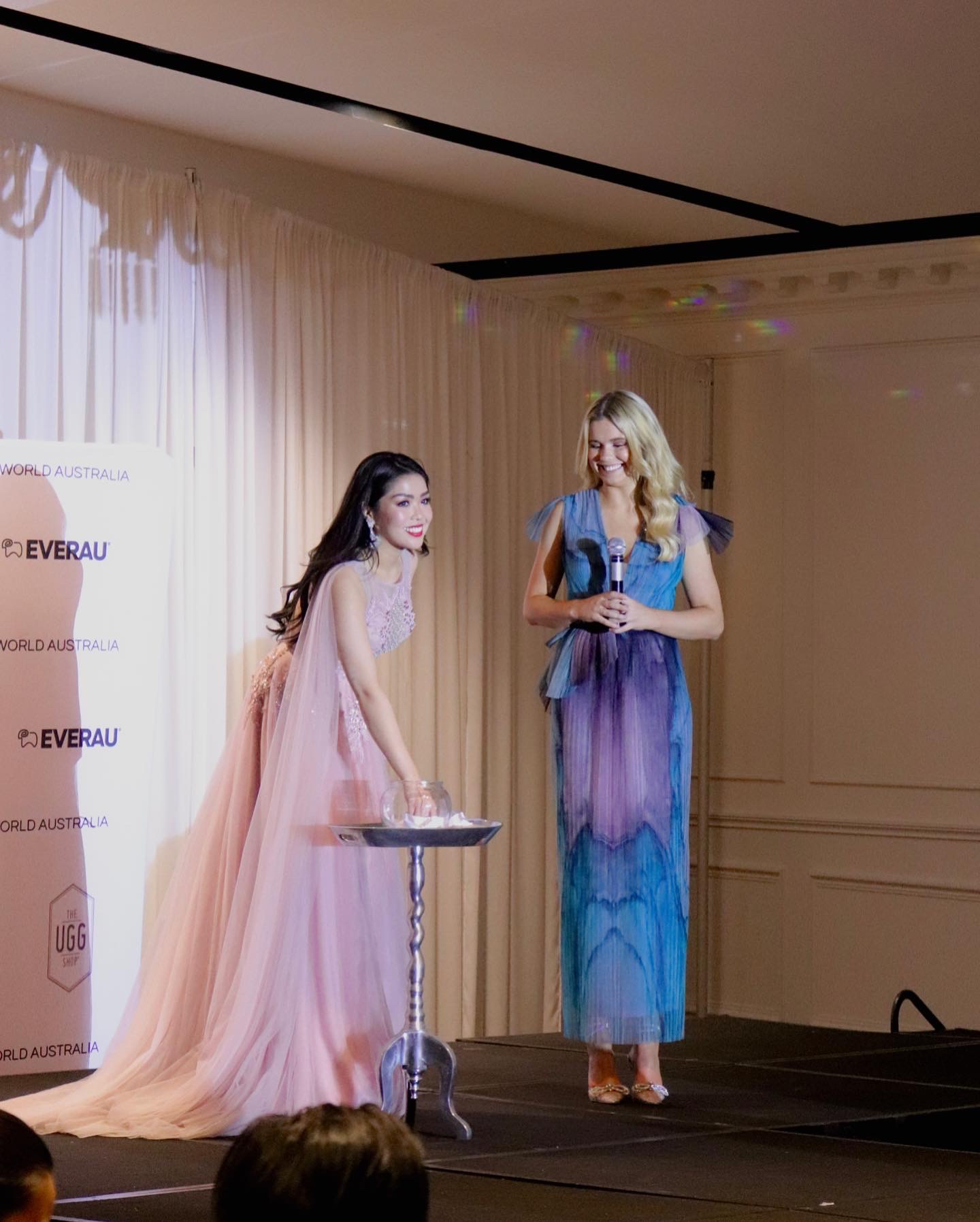
Canh-Vinh’s passion for serving her community and promoting human equity is truly inspiring. Her tireless dedication to making a positive impact on the lives of others has earned her the title of Miss World Australia’s 2023 state finalist.

At the age of 18, Canh-Vinh laid the foundation for her community service by establishing a charity called “Canh-Vinh and You Incorporated”. What started as a small initiative has since grown into an impactful organization that continues to make a difference in people’s lives. Her charity work was only the beginning of her efforts to serve her community.

Over the years, she has also served as a consumer advisor for the local health system, volunteering as social support in the emergency department, rehabilitation, and short-stay ward at the local hospital.

Canh-Vinh’s story is an inspiration to people of all ages and backgrounds, and serves as a reminder that we all have the power to make a difference in the world, no matter how small our actions may seem.

“I am genuinely excited to share my journey, my passion, and my unwavering dedication with others, spreading the message that “anything is possible” and hopefully making some meaningful connections. Together, let us create a world that embraces inclusivity and compassion,” Canh-Vinh told AHN.

CANH-VINH’S EXPERIENCES AND ACHIEVEMENTS

As an Australian Vietnamese, I am proud of my heritage and forever grateful for the opportunities this country has provided not only to my family but to many others as well.

Being the first person in my family to attend university, I am a woman in STEM, with a bachelor’s degree in biomedicine, achieving first-class honors, and a completed Master’s of Research focused on metastatic cancers, my ultimate goal is to become a physician. I strongly believe that everyone deserves to understand and feel empowered in managing their health while having access to the best possible care. This pursuit is fueled by my gratitude for the incredible healthcare system we have in Australia, as it saved my mother’s life and protected us from the hardships faced by others if we were anywhere else in the world.

Throughout my educational journey, I have remained dedicated to serving the community. Moreover, I am deeply committed to inspiring young individuals to give forward and recognize their potential to create significant change, particularly in this challenging world and specially for the less fortunate. Alongside our charity projects, volunteering for my local community has been a transformative experience in my life. It has sustained me on my toughest days, knowing that my actions can bring something positive to the world.

In addition to my academic pursuits and charitable work, I actively volunteer and contribute as a consumer advisor for Western Health, the fastest-growing health provider managing both large and small public hospitals in my local community. Through this role, I have been involved in significant projects such as the opening of the Joan Kirner Hospital, the planning and review of the New Footscray Hospital Project, and the initiation of the planning for the New Melton Hospital.

Furthermore, I proudly serve as Vice President of the Lions Club of Sunshine, a local community club that engages in various initiatives. These include fundraising through sausage ‘snag’ sales, preventing neighborhood crimes by installing anti-theft screws for number plates, supporting farmers affected by floods through tree planting initiatives, and providing aid to Polynesian island countries like Samoa by sending containers with essential goods for hospitals, schools, clothing, and toys.

CANH-VINH AND YOU INCORPORATED

My vision is to create a more equitable world by sharing the privileges I have received in life, even though my efforts may not be as significant as others’. I believe that gratitude is my greatest strength, and I possess the ability to connect with others and bring them together.

This mindset has guided me since founding our Australian registered charity, “Canh-Vinh and You Incorporated” at the age of eighteen, driven by the belief that every moment counts and embracing the philosophy of “live as if you’ll die tomorrow.” However, achieving this dream did not happen overnight. It was a culmination of multiple events and the support of other members, mentors, and supporters.

From a young age, I witnessed the philanthropic work of my parents in Vietnam, where they set aside savings to provide rice for their former village. During high school, I had the privilege of attending an all-girls Brigidine high school with a strong emphasis on justice and fundraising clubs. This experience was transformative as it allowed me to discover my leadership potential and taught me how to represent others and manage projects.

After graduating, I desired to continue volunteering with friends, but it was challenging to garner interest. However, by identifying the limitations of existing projects and the creativity constraints felt by my friends, the idea of starting our own charity sparked. Overcoming initial challenges and skepticism, we persevered and successfully registered the charity, obtaining the necessary tax exemption and gift receipts with the assistance of a free legal aid service. The journey was far from easy, filled with late nights, setbacks, discouragement, and tears. However, when I shifted my perspective and found empowerment in realizing that the criticism and doubt from others were projections of their own limitations, not reflective of our potential it made all the difference.

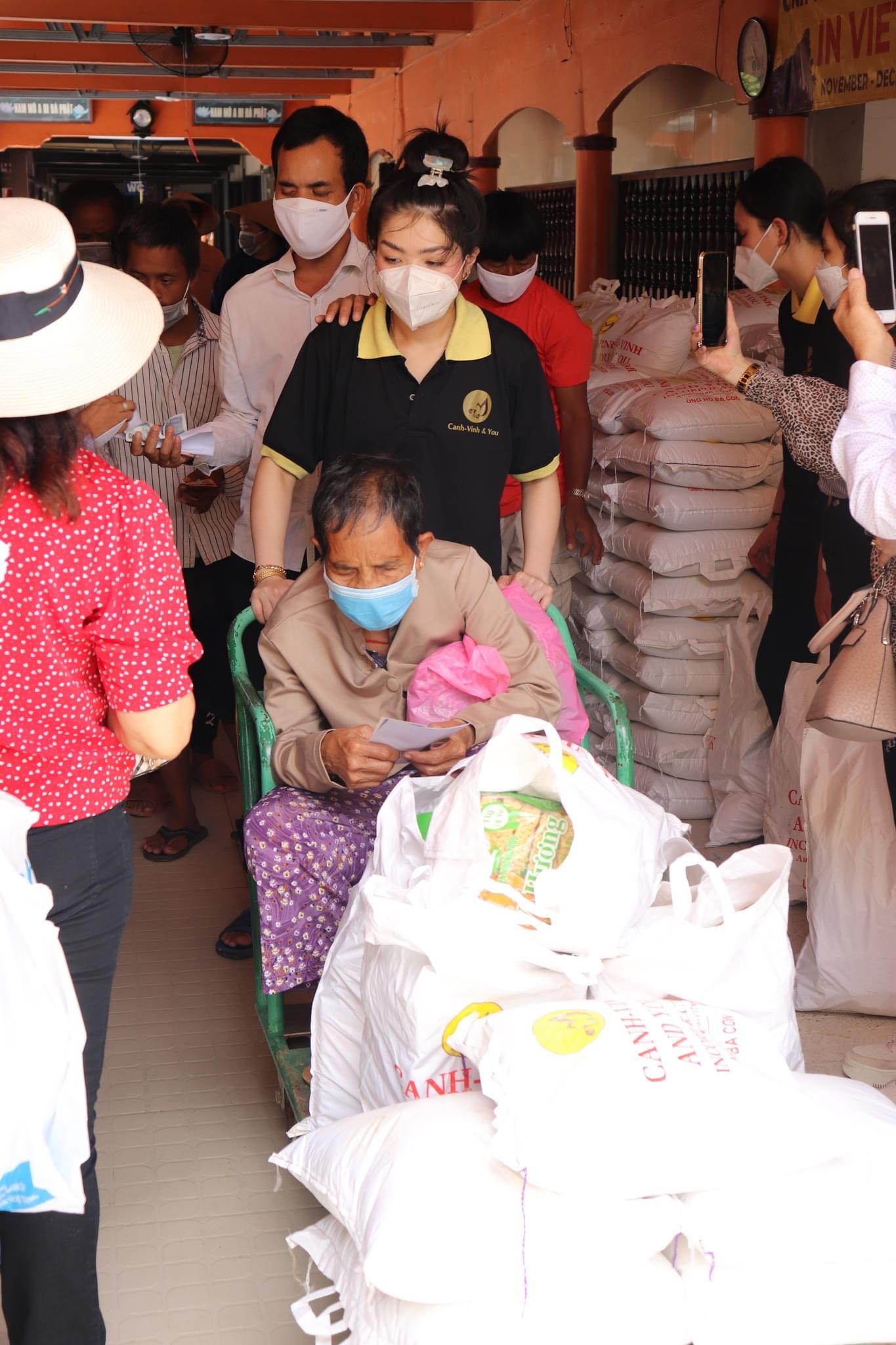
Today, almost a decade later, I am proud to say that our charity is still entirely volunteer-run. Although time constraints and periodic dormancy pose challenges, we remain highly efficient, utilizing every dollar fundraised and profit for our charity projects. We strive to be a trusted point of contact for individuals seeking to contribute and provide assistance. Over the years, we have helped tens of thousands of families through our projects, including donations of rice, noodles, condiments, funding eye surgeries, scholarships, and more.

Our focus is on supporting lonely and homeless elderly individuals, people with disabilities, those affected by Agent Orange, and orphans. Above all, we aim to instill compassion in everyone who crosses our path, whether through attending an event, volunteering or engaging with us. We understand that life can become busy, and even if someone’s involvement with our charity is brief, we hope that the seed of compassion we plant will one day blossom into something amazing.

MISS WORLD AUSTRALIA

Being a state finalist for Miss World Australia has granted me increased visibility and recognition, enabling me to forge valuable collaborations, partnerships, and connections with like-minded individuals and organizations who share similar aspirations. My primary goal is to inspire younger generations to fearlessly pursue their passions and make a positive impact in their communities. This objective is deeply significant to me as I firmly believe that the way we inspire and guide the younger generation today will shape our future and the destiny of our world.

A core aspect of my advocacy revolves around promoting the importance of volunteerism and dispelling the misconception that it is a fading practice. Countless individuals in our world require assistance without expecting anything in return. It is particularly challenging for those who face disadvantages and lack the same privileges and opportunities as others. By acknowledging our blessings, gratitude becomes a compelling force that propels us forward, fostering a sense of purpose and empathy.

Through my voice and influence, I am dedicated to empowering and uplifting others, urging them to join causes, create meaningful change, and embrace a sense of belonging to something greater than themselves. A quote that I love by Dr. Brené Brown beautifully encapsulates this sentiment: “Belonging is being part of something bigger than yourself. But it’s also the courage to stand alone and to belong to yourself above all else.” It highlights the importance of both finding connection and staying true to oneself in the pursuit of making a difference.

Moreover, my increased visibility and recognition have provided an invaluable opportunity to raise awareness for the charity I founded nearly a decade ago. Our organization operates solely through the selfless efforts of volunteers, ensuring that every donation directly benefits those in need. It brings me immense pride and joy to know that the hard-earned contributions from our supporters have a meaningful impact on the lives of the less fortunate.

WHAT KEEPS CANH-VINH MOTIVATED

In times of adversity, it has been gratitude that helped me shift my perspective and find the silver linings. 

I have come to realize what fuels me is not just self-belief and confidence but it is gratitude, a powerful driving force that propels me forward. It is being grateful for the privileges I have had in this life that has motivated me to work harder each day to be of service to others. Instead of dwelling on what I lacked or the challenges I faced, I focused on the progress I had already made and teachers’ and mentors’ willingness to invest their time and energy in my growth. This shift in mindset allowed me to tap into my resilience and find the courage to persevere. 

Moreover, gratitude fueled my passion for making a difference in the lives of others. Recognizing the privileges and opportunities I have been given, I felt a deep sense of responsibility to give back and contribute to the well-being of those less fortunate. It motivated me to use my skills, knowledge, and resources to uplift others, whether through volunteering, mentoring, or advocating for meaningful causes.

IMPORTANCE OF HAVING A SENSE OF PURPOSE ACCORDING TO CANH-VINH

In my opinion, a sense of purpose is not only highly important but also deeply transformative. It serves as a driving force that provides motivation, meaning, resilience, and a sense of fulfillment in life. When we have a clear sense of purpose, it guides our actions, shapes our identity, and gives us a profound understanding of the “why” behind our existence.

During moments of doubt or uncertainty, our sense of purpose acts as a beacon of light, lifting us up and reminding us of our intrinsic value and the impact we can have on the world. It serves as a powerful source of inspiration, urging us to persevere, overcome obstacles, and continue striving toward our goals.

While it is true that nothing in this material world can be held onto forever, cultivating a sense of purpose allows us to transcend the temporary nature of our existence. It enables us to focus on the legacy we can leave behind and the positive contributions we can make. Embracing the law of impermanence, which teaches us that everything has a beginning, middle, and ending, encourages us to make the most of the time we have on this earth. By nurturing a sense of purpose and using our time, talents, and resources to create a positive ripple effect, we can make a difference that extends far beyond our own lifetime. I think this is where true fulfillment resides – in knowing that our actions have the potential to touch the lives of others and contribute to a more compassionate, harmonious, and interconnected world.

THE IMPACT SHE HOPES TO ACHIEVE

One of the primary goals of my work is to inspire others to take action against injustices. I firmly believe that everyone has the power to create change, and even small contributions can make a significant difference. Like many others, I am an ordinary individual without inherent power or influence, but I refuse to let that discourage or underestimate me. While volunteering may not be a difficult task in itself, what makes it truly noble is people who choose to spend their time doing something for others knowing it cannot be returned. My father once shared a valuable lesson with me: “When you help someone in need, they may someday be the ones to extend a helping hand to others.” The idea that I could become a ripple, contributing to the larger wave of positive action and lasting impact, fills me with a lot of happiness. 

I guess, ultimately, I hope that in some way, my actions and words can ignite a spark within others, leading them to accomplish even greater things.

ADVICE FOR YOUNGER PEOPLE IN MAKING A DIFFERENCE

My advice would be to begin your journey by starting locally. Take the time to explore the issues or causes that deeply resonate with you and make you feel passionate. Educate yourself on the topic, gaining a deeper understanding of the challenges and potential solutions.

Next, reflect on your unique skills, talents, and interests. Consider how you can apply these strengths to make a meaningful difference in your community. It could be as simple as offering a helping hand to your neighbors, volunteering at a local community organization, supporting a youth group, or assisting at a hospital. Remember that you don’t always need to have pre-existing skills; the most important thing is to take the initiative and show up! The rest will follow as you learn and grow along the way.

It’s important to have an open mindset and embrace the possibility of trial and error. There may be times when you join an organization or group that doesn’t align perfectly with your vision or passion. Don’t let this discourage you. Keep persevering and believe that there is a place out there that shares your passion and works towards the same goals. Trust that with dedication and an open heart, you will find a meaningful avenue to contribute to your community. And most importantly, enjoy the journey and have fun while making a difference!

CONNECT WITH CANH-VINH

Facebook: Canh-Vinh Nguyen | Canh-Vinh | Canh-Vinh and You Incorporated

Instagram: @canhvinhau | @canhvinhandyou

YouTube: Canh-Vinh | Canh-Vinh and You Incorporated