Awaken* newsletter

July 25, 2024

SHARE:

Wendy Wen, founder and CEO of pet CPG platform Antelope and co-founder of luxury handbag brand Senreve, shares insights on the early days of building the Senreve brand with her co-founder Coral Chung, creating their first iconic Maestra bag, and overcoming the challenges of scaling a startup. She reflects on the importance of focusing on vision, strategy, and hiring the right people, as well as maintaining resilience and equanimity as a CEO. Wendy also discusses her new venture, Antelope, her excitement for its potential, and the lessons learned from her Asian upbringing and entrepreneurial journey.

HanYue: Tell us a little bit about the early days of Senreve. And then what was the biggest challenge you had to overcome?

Wendy: You know, it was really just me and my co-founder Coral sitting across from each other in an empty conference room. We were borrowing an office space from one of our investors. And a lot of it was just kind of dreaming: thinking about what the brand could be. It was actually really, really fun. And I think because it’s before you have any metrics, any real product, anything. So anything is possible. In the early days of us, we were literally just trying to figure out what’s going to be our value proposition, positioning, and how we’re gonna get started. It was super fun. 

HanYue: That sounds fun. Tell us about your first “IT” bag, as you call it.

Wendy: Our first bag was the Maestra bag, which is a convertible bag that becomes a backpack. You can wear it in different ways: you can hold it over your hand on the handle, you can wear it as a crossbody, you can wear it as a shoulder bag, and then you can also wear it as a backpack. It fits a laptop, it’s water resistant, and it’s 100% made in Italy. It has all these nice compartments on the inside, so you can keep everything organized. It’s a beautiful bag that happens to be really functional, especially for the modern working woman who needs to carry a laptop. 

HanYue: Tell us a little bit about how you and your team created this popular bag.

Wendy: So I loved bags. Coral loved fashion. Personally, we just wanted something that was really beautiful and also worked with my busy professional life. So it kind of stemmed from a personal need. 

HanYue: Wow, that is amazing to hear. You really found a way to personally connect with the product that you’re building. Let’s switch gears a little bit, to what you’re currently building. Do you feel better prepared for a second go at entrepreneurship?

Wendy: Absolutely. Yes. There are always ups and downs in any startup journey, and I think I made a lot of mistakes with Senreve. 

I think, first of all, I didn’t necessarily focus on the important things. I was always kind of doing urgent things. Graham Weaver (a lecturer at GSB and founder of Alpine Investors) talks a lot about that matrix of important, not important, urgent, not urgent. As a founder, you really want to be operating in the non-urgent, important bucket. 

An example of what I didn’t focus on enough before would be our hiring culture. Instead, I was focusing on getting things done, which in retrospect, might not have been the best use of my time. For Antelope, I’m much more disciplined about how I spend my time. I really believe that the founder and CEO job should just be vision and strategy. Setting that vision, getting alignment across your team on that vision, helping your team truly understand how their work and their outcomes tie up to the grand vision, and what the dream outcome needs to look like. That’s one big rock for me. 

Another one is just hiring the right people. The people who are going to be better than you, at each division, at each function. Hire the best people who will help you dream up something better than what you can dream of, and then make it into a reality. So now I am always pushing for the dream candidate. After that, it’s about developing them, keeping them motivated, and building the culture so that they can thrive.

When I was at Senreve, I was younger, more junior, and much more just about blocking and tackling and getting things done. Now I try to think more about scalability. I think the third piece that I’ve learned, and just gotten a lot better over the years, is just being resilient. 

Part of being an entrepreneur and a CEO is maintaining a certain equanimity in the face of problems. I have to maintain an objective distance from the company. Because if you hold on to it too tightly, and it becomes life or death, then every problem can catch you off guard. Versus, if there’s a natural kind of distance, then you have space to treat everything as just a small problem or puzzle that you have to fix.

It makes you as a CEO think a lot more clearly, and a lot more strategically. Because at these higher levels, your main job is making decisions. It’s not fixing the problem. It’s about finding the right architecture, the right people, the right processes, and structures so that your team can fix the problem. And so having that equanimity as a muscle, to deal with the ups and downs, is a really important part of my job as CEO. 

HanYue: That’s really powerful. I love your learning about equanimity. Looking forward, what is your biggest challenge right now you want to solve?

Wendy: Our biggest challenge right now is to hire a chief supply chain officer. I have a big gap in operations and supply chain. So if anybody is really good at that kind of stuff, come to me! 1

I am also learning along the way, from 10 different colors to now 500 SKUs of pet treats, supplements, food, and dental treats with expiration dates. You have to get your planning and forecast super accurate. Every piece of the logistics needs to be precise and accurate in order to meet your demand. And it also has to be efficient from a cost perspective. We really need a C-level executive who has enough experience and lots of great attributes, so she/he can continue to learn and grow with us.

HanYue: Amazing. We hope someone in our subscriber base has this special talent! What are you most excited about next? 

Wendy: So many things excite me! I think Antelope is the next P&G/Honest Company of pet products. And we’re just getting started. And there’s just so much low-hanging fruit opportunity that we haven’t yet tapped. Every channel we are in can be grown by 10x. And I think that’s super, super, super exciting. It’s exciting to continue to educate pet parents. So many pet parents are not aware of the preservatives in their existing dog food, what the right content and makeup should be in their food, and what supplements they can give their dog to prevent cancer, arthritis, and joint pain. So I am super excited by this potential. 

HanYue: I think that there’s really nothing that compares to the potential as an early-stage founder. You can see this big dream just slowly unfolding in front of you. A lot of our new founders will be fundraising and thinking about working with their investors. I know you work very closely with Graham and Alpine Investors. Would love to hear a bit more about that partnership, and your advice on finding great mentors. 

Wendy: The relationship I have with Alpine and Graham has been just 20 out of 10 if I had to give it an NPS score. It’s beyond my wildest expectations what great partners they are. They provide the right level of support, but then they’re really hands-off. They’re empowering and trusting. And oftentimes, honestly, I think about how Alpine is treating and managing me, and how I should train and manage my executives and my direct reports, because they’re a really unique private equity fund that truly, truly has a heart of gold and focuses on people first. 

In terms of advice for how students can go out and build mentorship, and relationships with professors and people in their career. It’s simple –  just talk to them. Don’t be afraid to reach out. Make sure you follow up. That’s what I did to fundraise for Senreve. And those relationships have followed me through to Antelope.

I met Graham, in an MGE (Managing Growing Enterprise) class when he was practicing to become a lecturer at GSB. He was shadowing Dave Dodson back then. And I just had a conversation with him about what I wanted to do after school. That’s the most common question he gets nowadays, right? The students always go to a professor at Stanford and ask, what should I do with my life? Should I go back to private equity? Should I do this? And I remember, I think he actually offered me a job at Alpine as a CIT (CEO in Training), but I just didn’t want to move anywhere location-wise. So I politely declined.

Graham told the story about the genie goal in his class: if you have three wishes from the genie, what would your goals be? So when I was getting started with Senreve, I called him and I said, I think I’m gonna go pursue my genie goal – to cofound this handbag company. And he angel invested. It was really nice that he was willing to do that, and I think it came from the fact that I just asked and I had that prior relationship with him and reached out. 

After Senreve, when I was starting Antelope, I reached out again. So I think it’s just making sure you keep in touch with your professors. I remember going through every single person that I might have interacted with at the GSB. I was co-president of WIM (women in management), and I organized a ton of these speaker events. So I would email every one of the speakers I’d come into contact with. Many of them became mentors and some knew people in the handbag industry that could help. I was shocked that some of them remembered me. Most students don’t realize that all they need to do is a little bit of legwork and follow-up. Every time you go to a networking event, follow up. Even after a few months, send them an email, updating them on where you’re at. That’s how you build a relationship. It’s really not that hard. 

HanYue: That is really inspiring and empowering. The notion that a really good mentor relationship is just a few emails away is so powerful. 

Wendy: Definitely. Diane Von Furstenberg came to Stanford to speak once. After that, I was like, you know what, I’m just going to send her an email. And I said, “Hey, I loved your talk. I read your book, now I’m starting a handbag company. Would you mind talking to me?” And she replied, the same day, and said: “Here’s my number. Call me tomorrow at 9 am.” And that’s Diane Von Furstenberg. I think students overestimate how often these people get reached out to. I think you are probably thinking that – oh they get so many emails and pings. But the reality is that they probably don’t get that many. 

HanYue: Amazing. I want to switch gears a little bit again. If you don’t mind, we’d love to hear a little bit about your upbringing. How has being Asian impacted your entrepreneurship journey or maybe just the mentality of life? 

Wendy: I am Chinese, I grew up in Southern California to immigrant parents, who wanted me to be a doctor just like every other Chinese family. I remember doing like my freshman year summer internship in medicine and just being so bored. I was stuck in a lab all day. I think I was too extroverted to follow that path. I’m really dynamic. I love meeting people. I love talking, I love pitching. I get a high from pitching – probably why I enjoy entrepreneurship. And something just clicked. I realized that that medicine path wasn’t for me.

I think what my Asian upbringing helped with though was, that my parents were really good about rewarding effort and not outcomes. They always told me, “Hey, Wendy, it’s not about the grade that you get, if you get an A-minus, but you didn’t try, we will be disappointed in you. But if you got a B plus, and you tried your absolute best, we will be extremely proud of you.” They just wanted me to maximize my potential. And I think that notion really propelled me to just give it all to everything I do. If I’m going to put my mind to doing something, I want to knock it out of the park and do it really well. 

In terms of pursuing entrepreneurship, though, that is really not in my parents’ DNA, I think what happened is that they provided me with so many opportunities, by coming to the US and allowing me to have this American education, so that I just got so inspired and absorbed all these American thoughts. And I’m very American, obviously. But I still had the work ethic from my Asian upbringing. That, coupled with such family support, gave me the confidence to pursue what I really, really want to do, which is building companies. 

Mark Leslie, he’s another one of my angel investors and mentors, said, there are only three reasons why people want to start a company: one, it’s to make a lot of money. Two is to make a difference in the world. And then three is to build something of lasting value. He said usually people fall within one of these three camps. And I think for me, it’s definitely the last one like I just love building things. I love building culture. I love building a team, and I like building products. 

I also think being bilingual helped us expand into other regions for Senreve. We were in Singapore, Taiwan and Hong Kong. I think having multicultural blood and experiences in me, makes me more adaptable and flexible, and more resilient, potentially, because I know how to learn about a different culture. You know how to build a life somewhere else. That’s the entrepreneurial spirit. 

HanYue: So to sum it up, it’s like that notion of ‘give it your best’ that coupled with a little bit of risk-taking that allowed you to find out what you want to do and really go for it. On top of that, being open-minded and flexible when it comes to like, new obstacles, different experiences, and new regions. Those are amazing takeaways. You have accomplished a lot already. Do you have a few favorite moments from the past or favorite stories that you want to share?

Wendy: There was a time at my last company retreat for Antelope when I celebrated my birthday and the team surprised me with a birthday cake, a sash, and a crown. All 80 of our employees celebrated my birthday with me. And I thought that was really special. Because our team is so talented, they’re so smart. And for them to choose to contribute their talent, to Antelope’s vision – I take it very personally, I take it as a favor they’re doing for me. Seeing everybody in that room, working towards this Antelope vision was so inspiring. Running this company is the best job I could have asked for. 

HanYue: That is really heartwarming. You really build a great team and a great culture. And then you got to observe it taking on a life of its own! 

Wendy: Yeah, it did take on its own form. That’s the thing. I think seeing the moments when Antelope is taking on its own life just makes me so joyful. Our social media team is amazing. Last year, I remember seeing an Instagram post pop up on Bocce’s Bakery, which is one of our brands. The post was like PupChella – it was a play on Coachella. And they had a lineup of all these artists that were like, dog-named. Like Bark Pink, and Tailvin Harris. It was so cute. It was so funny. And I was so proud of my team. This team is so creative. And I was so proud to see their creativity come to life. 

HanYue: Wow. That sounds phenomenal. I think that is actually all my questions. Thank you so much. Wendy! 

Wendy Wen’s journey from Senreve to Antelope exemplifies the power of vision, resilience, and strategic focus in entrepreneurship. Her insights offer valuable lessons for aspiring founders on building successful and impactful companies.

  1. Since the time of this interview, Antelope was able to hire a great Chief Supply Chain Officer. ↩︎
Related Articles

Stories

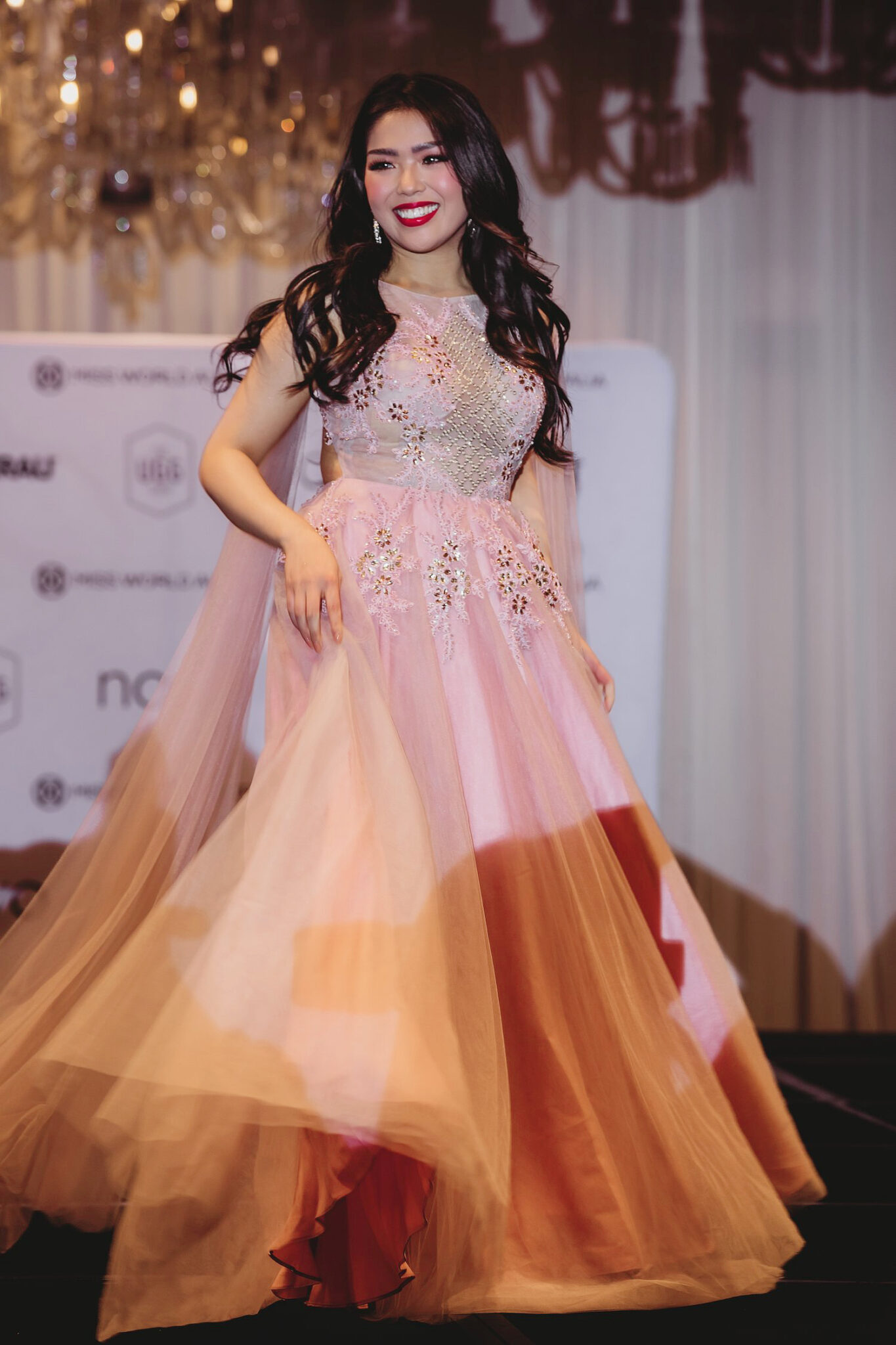
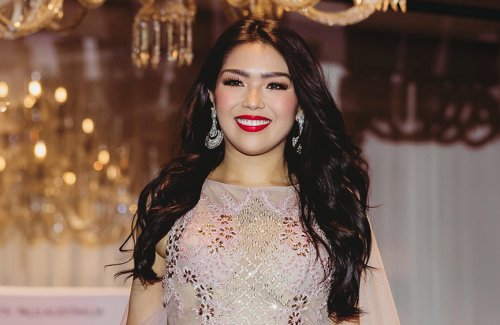
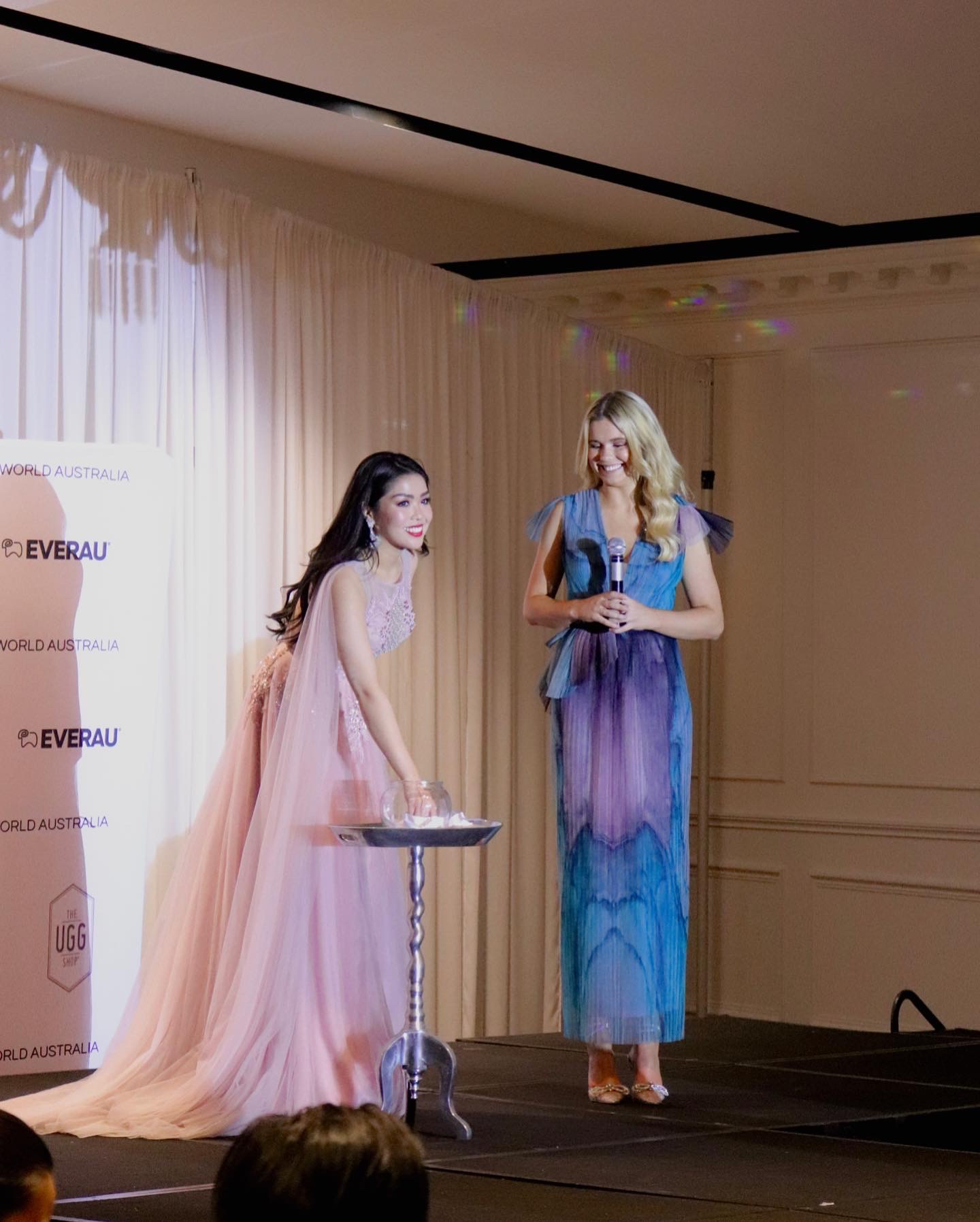
Redefining Beauty as Miss World Australia 2023 State Finalist through Impactful Advocacy

Canh-Vinh Nguyen is an embodiment of what it means to lead a purpose-driven life.

Canh-Vinh’s passion for serving her community and promoting human equity is truly inspiring. Her tireless dedication to making a positive impact on the lives of others has earned her the title of Miss World Australia’s 2023 state finalist.

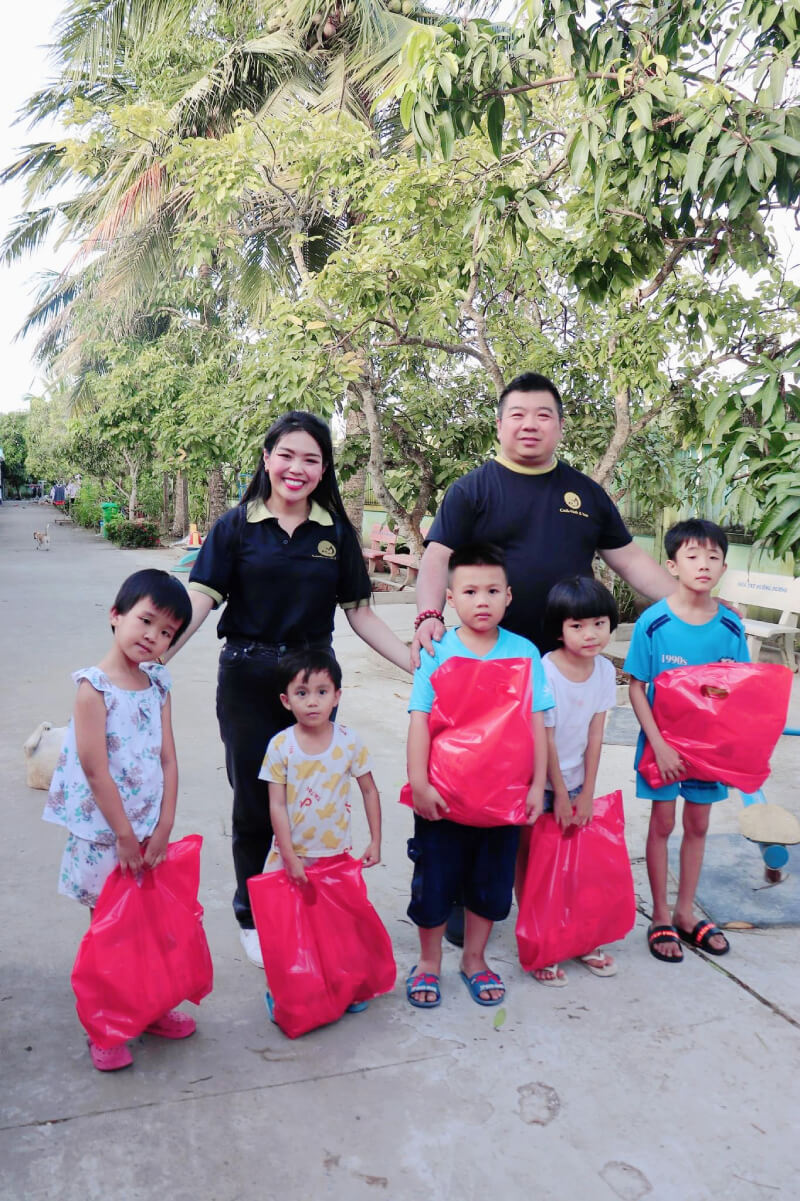
At the age of 18, Canh-Vinh laid the foundation for her community service by establishing a charity called “Canh-Vinh and You Incorporated”. What started as a small initiative has since grown into an impactful organization that continues to make a difference in people’s lives. Her charity work was only the beginning of her efforts to serve her community.

Over the years, she has also served as a consumer advisor for the local health system, volunteering as social support in the emergency department, rehabilitation, and short-stay ward at the local hospital.

Canh-Vinh’s story is an inspiration to people of all ages and backgrounds, and serves as a reminder that we all have the power to make a difference in the world, no matter how small our actions may seem.

“I am genuinely excited to share my journey, my passion, and my unwavering dedication with others, spreading the message that “anything is possible” and hopefully making some meaningful connections. Together, let us create a world that embraces inclusivity and compassion,” Canh-Vinh told AHN.

CANH-VINH’S EXPERIENCES AND ACHIEVEMENTS

As an Australian Vietnamese, I am proud of my heritage and forever grateful for the opportunities this country has provided not only to my family but to many others as well.

Being the first person in my family to attend university, I am a woman in STEM, with a bachelor’s degree in biomedicine, achieving first-class honors, and a completed Master’s of Research focused on metastatic cancers, my ultimate goal is to become a physician. I strongly believe that everyone deserves to understand and feel empowered in managing their health while having access to the best possible care. This pursuit is fueled by my gratitude for the incredible healthcare system we have in Australia, as it saved my mother’s life and protected us from the hardships faced by others if we were anywhere else in the world.

Throughout my educational journey, I have remained dedicated to serving the community. Moreover, I am deeply committed to inspiring young individuals to give forward and recognize their potential to create significant change, particularly in this challenging world and specially for the less fortunate. Alongside our charity projects, volunteering for my local community has been a transformative experience in my life. It has sustained me on my toughest days, knowing that my actions can bring something positive to the world.

In addition to my academic pursuits and charitable work, I actively volunteer and contribute as a consumer advisor for Western Health, the fastest-growing health provider managing both large and small public hospitals in my local community. Through this role, I have been involved in significant projects such as the opening of the Joan Kirner Hospital, the planning and review of the New Footscray Hospital Project, and the initiation of the planning for the New Melton Hospital.

Furthermore, I proudly serve as Vice President of the Lions Club of Sunshine, a local community club that engages in various initiatives. These include fundraising through sausage ‘snag’ sales, preventing neighborhood crimes by installing anti-theft screws for number plates, supporting farmers affected by floods through tree planting initiatives, and providing aid to Polynesian island countries like Samoa by sending containers with essential goods for hospitals, schools, clothing, and toys.

CANH-VINH AND YOU INCORPORATED

My vision is to create a more equitable world by sharing the privileges I have received in life, even though my efforts may not be as significant as others’. I believe that gratitude is my greatest strength, and I possess the ability to connect with others and bring them together.

This mindset has guided me since founding our Australian registered charity, “Canh-Vinh and You Incorporated” at the age of eighteen, driven by the belief that every moment counts and embracing the philosophy of “live as if you’ll die tomorrow.” However, achieving this dream did not happen overnight. It was a culmination of multiple events and the support of other members, mentors, and supporters.

From a young age, I witnessed the philanthropic work of my parents in Vietnam, where they set aside savings to provide rice for their former village. During high school, I had the privilege of attending an all-girls Brigidine high school with a strong emphasis on justice and fundraising clubs. This experience was transformative as it allowed me to discover my leadership potential and taught me how to represent others and manage projects.

After graduating, I desired to continue volunteering with friends, but it was challenging to garner interest. However, by identifying the limitations of existing projects and the creativity constraints felt by my friends, the idea of starting our own charity sparked. Overcoming initial challenges and skepticism, we persevered and successfully registered the charity, obtaining the necessary tax exemption and gift receipts with the assistance of a free legal aid service. The journey was far from easy, filled with late nights, setbacks, discouragement, and tears. However, when I shifted my perspective and found empowerment in realizing that the criticism and doubt from others were projections of their own limitations, not reflective of our potential it made all the difference.

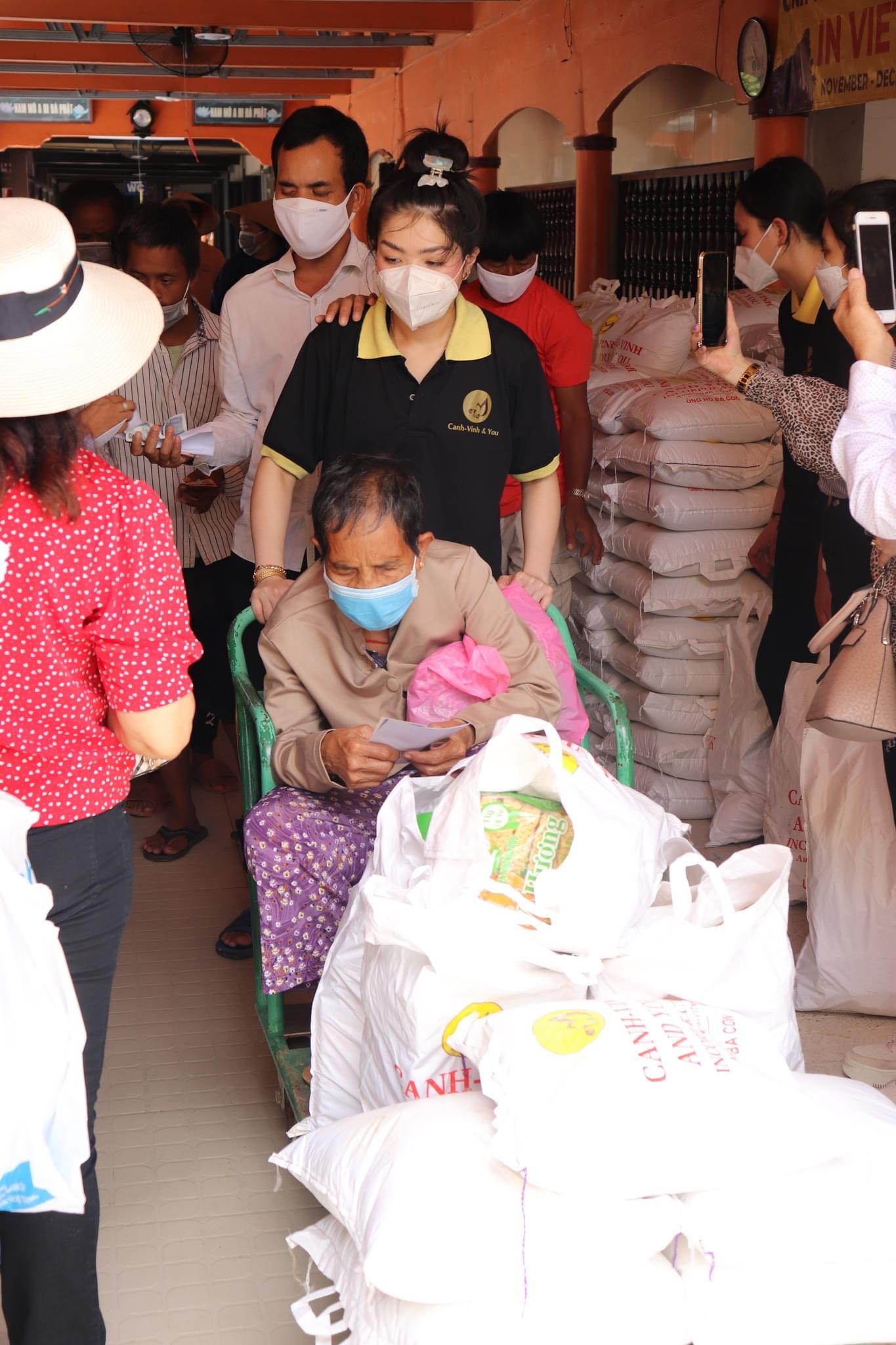
Today, almost a decade later, I am proud to say that our charity is still entirely volunteer-run. Although time constraints and periodic dormancy pose challenges, we remain highly efficient, utilizing every dollar fundraised and profit for our charity projects. We strive to be a trusted point of contact for individuals seeking to contribute and provide assistance. Over the years, we have helped tens of thousands of families through our projects, including donations of rice, noodles, condiments, funding eye surgeries, scholarships, and more.

Our focus is on supporting lonely and homeless elderly individuals, people with disabilities, those affected by Agent Orange, and orphans. Above all, we aim to instill compassion in everyone who crosses our path, whether through attending an event, volunteering or engaging with us. We understand that life can become busy, and even if someone’s involvement with our charity is brief, we hope that the seed of compassion we plant will one day blossom into something amazing.

MISS WORLD AUSTRALIA

Being a state finalist for Miss World Australia has granted me increased visibility and recognition, enabling me to forge valuable collaborations, partnerships, and connections with like-minded individuals and organizations who share similar aspirations. My primary goal is to inspire younger generations to fearlessly pursue their passions and make a positive impact in their communities. This objective is deeply significant to me as I firmly believe that the way we inspire and guide the younger generation today will shape our future and the destiny of our world.

A core aspect of my advocacy revolves around promoting the importance of volunteerism and dispelling the misconception that it is a fading practice. Countless individuals in our world require assistance without expecting anything in return. It is particularly challenging for those who face disadvantages and lack the same privileges and opportunities as others. By acknowledging our blessings, gratitude becomes a compelling force that propels us forward, fostering a sense of purpose and empathy.

Through my voice and influence, I am dedicated to empowering and uplifting others, urging them to join causes, create meaningful change, and embrace a sense of belonging to something greater than themselves. A quote that I love by Dr. Brené Brown beautifully encapsulates this sentiment: “Belonging is being part of something bigger than yourself. But it’s also the courage to stand alone and to belong to yourself above all else.” It highlights the importance of both finding connection and staying true to oneself in the pursuit of making a difference.

Moreover, my increased visibility and recognition have provided an invaluable opportunity to raise awareness for the charity I founded nearly a decade ago. Our organization operates solely through the selfless efforts of volunteers, ensuring that every donation directly benefits those in need. It brings me immense pride and joy to know that the hard-earned contributions from our supporters have a meaningful impact on the lives of the less fortunate.

WHAT KEEPS CANH-VINH MOTIVATED

In times of adversity, it has been gratitude that helped me shift my perspective and find the silver linings. 

I have come to realize what fuels me is not just self-belief and confidence but it is gratitude, a powerful driving force that propels me forward. It is being grateful for the privileges I have had in this life that has motivated me to work harder each day to be of service to others. Instead of dwelling on what I lacked or the challenges I faced, I focused on the progress I had already made and teachers’ and mentors’ willingness to invest their time and energy in my growth. This shift in mindset allowed me to tap into my resilience and find the courage to persevere. 

Moreover, gratitude fueled my passion for making a difference in the lives of others. Recognizing the privileges and opportunities I have been given, I felt a deep sense of responsibility to give back and contribute to the well-being of those less fortunate. It motivated me to use my skills, knowledge, and resources to uplift others, whether through volunteering, mentoring, or advocating for meaningful causes.

IMPORTANCE OF HAVING A SENSE OF PURPOSE ACCORDING TO CANH-VINH

In my opinion, a sense of purpose is not only highly important but also deeply transformative. It serves as a driving force that provides motivation, meaning, resilience, and a sense of fulfillment in life. When we have a clear sense of purpose, it guides our actions, shapes our identity, and gives us a profound understanding of the “why” behind our existence.

During moments of doubt or uncertainty, our sense of purpose acts as a beacon of light, lifting us up and reminding us of our intrinsic value and the impact we can have on the world. It serves as a powerful source of inspiration, urging us to persevere, overcome obstacles, and continue striving toward our goals.

While it is true that nothing in this material world can be held onto forever, cultivating a sense of purpose allows us to transcend the temporary nature of our existence. It enables us to focus on the legacy we can leave behind and the positive contributions we can make. Embracing the law of impermanence, which teaches us that everything has a beginning, middle, and ending, encourages us to make the most of the time we have on this earth. By nurturing a sense of purpose and using our time, talents, and resources to create a positive ripple effect, we can make a difference that extends far beyond our own lifetime. I think this is where true fulfillment resides – in knowing that our actions have the potential to touch the lives of others and contribute to a more compassionate, harmonious, and interconnected world.

THE IMPACT SHE HOPES TO ACHIEVE

One of the primary goals of my work is to inspire others to take action against injustices. I firmly believe that everyone has the power to create change, and even small contributions can make a significant difference. Like many others, I am an ordinary individual without inherent power or influence, but I refuse to let that discourage or underestimate me. While volunteering may not be a difficult task in itself, what makes it truly noble is people who choose to spend their time doing something for others knowing it cannot be returned. My father once shared a valuable lesson with me: “When you help someone in need, they may someday be the ones to extend a helping hand to others.” The idea that I could become a ripple, contributing to the larger wave of positive action and lasting impact, fills me with a lot of happiness. 

I guess, ultimately, I hope that in some way, my actions and words can ignite a spark within others, leading them to accomplish even greater things.

ADVICE FOR YOUNGER PEOPLE IN MAKING A DIFFERENCE

My advice would be to begin your journey by starting locally. Take the time to explore the issues or causes that deeply resonate with you and make you feel passionate. Educate yourself on the topic, gaining a deeper understanding of the challenges and potential solutions.

Next, reflect on your unique skills, talents, and interests. Consider how you can apply these strengths to make a meaningful difference in your community. It could be as simple as offering a helping hand to your neighbors, volunteering at a local community organization, supporting a youth group, or assisting at a hospital. Remember that you don’t always need to have pre-existing skills; the most important thing is to take the initiative and show up! The rest will follow as you learn and grow along the way.

It’s important to have an open mindset and embrace the possibility of trial and error. There may be times when you join an organization or group that doesn’t align perfectly with your vision or passion. Don’t let this discourage you. Keep persevering and believe that there is a place out there that shares your passion and works towards the same goals. Trust that with dedication and an open heart, you will find a meaningful avenue to contribute to your community. And most importantly, enjoy the journey and have fun while making a difference!

CONNECT WITH CANH-VINH

Facebook: Canh-Vinh Nguyen | Canh-Vinh | Canh-Vinh and You Incorporated

Instagram: @canhvinhau | @canhvinhandyou

YouTube: Canh-Vinh | Canh-Vinh and You Incorporated

Stories

This Formerly Homeless Nurse Is Helping the Homeless and Empowering Women Through Project Peace Clothing

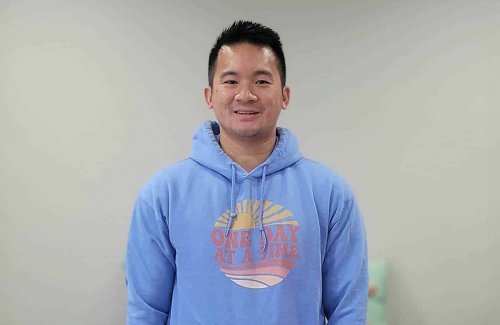
Having experienced homelessness himself, Alex Nguyen knows firsthand how challenging it can be to not have even the basic essentials.

Growing up as a first-generation Vietnamese child, raised by a single mother who had him at a young age, Alex faced many challenges that most of us can’t even imagine. But instead of letting his difficult past define him, he decided to take action. This is what inspired him to start Project Peace Clothing.

Alex admits that he has dealt with some trauma and mental health issues growing up, and for this he decided to undergo a three-and-a-half-year therapy. Now, Alex is a mental health nurse, slowly working towards his psychiatric mental health nurse practitioner degree. He’s passionate about helping people who struggle with mental health issues, especially those in the addiction population and the homeless community.

Through his clothing line, Alex is not only advocating for mental wellness and women’s empowerment, but he’s also helping the homeless community. For every purchase from Project Peace Clothing, Alex gives another homeless person not just the basic survival needs like food and water, but also a piece of clothing to help keep them warm on cold nights.

Alex’s past has made him more compassionate and empathetic towards homeless people, and he’s using his experiences to make a positive impact on the world. He believes that intentional acts of kindness, even if unnoticed, can cause a ripple effect that touches the lives of many.

Join us as we take a closer look at the inspiring story of Alex Nguyen and his mission to spread peace, love, and kindness through Project Peace Clothing.

MOVING FROM PLACES TO PLACES

Alex’s mother was only 17 years old when she became pregnant with him by his father, who fled the country when Alex was just one year old. Growing up was challenging for both Alex and his mother, as they never had a stable place to live. They frequently moved from place to place because the rent was difficult to pay, and there were times they slept in their car or rented a motel day by day. While his mother was at work, Alex was often left with other relatives, and she eventually dropped out of college to support him.

During his college years, Alex continued to face challenges. He lived in a garage at a friend’s house for several years and worked two jobs while studying. He even had to carpool with two friends because he didn’t have a car, and he didn’t have any support besides himself. Despite all of this, he persevered and graduated in 2017, hoping that his life would finally turn for the better.

A SENSE OF FULFILLMENT AND HAPPINESS

Growing up in an unstable household without a parental figure to guide him, Alex learned everything on his own and developed a survival mentality. He made friends and reached out to distant relatives for support, and started working at a young age to make ends meet. For a long time, he believed that money was the solution to all his problems.

After graduating and becoming a nurse in 2018, Alex began working over 60 hours a week. It was also around this time that he  realized he was suffering from mental illness. He had been independent for so long that he didn’t realize the toll it had taken on his mental health.

By 2021, Alex was working three jobs and neglecting his physical and mental health. One day, while at work, he permanently damaged his lower back when he tried to catch a falling patient. 

He was forced to leave two of his three jobs and had time to reflect on his life. It was during this period that he realized that caring for others, particularly those suffering from mental illness, gave him a sense of fulfillment and happiness. He realized that money did not bring him happiness.

Alex started transitioning to become a mental health nurse and is now pursuing a degree as a Psychiatric Mental Health NP. He finds peace and happiness in helping those in need and believes that this is his true calling in life.

PROJECT PEACE CLOTHING

Alex’s own experiences with homelessness growing up inspired him to start Project Peace Clothing. He remembers the freezing nights sleeping in his car and can empathize with those who are currently experiencing homelessness. He believes that his ability to put himself in other people’s shoes and feel their suffering comes from having experienced similar hardships himself. Alex cares deeply for those without housing and acknowledges that many people struggle to empathize with the homeless due to stereotypes and misconceptions.

While working as a nurse, Alex would create care packages for those without housing, which he would distribute during the day or at night. He would buy supplies from Costco and Walmart, put them together in bags, and leave a few in his car to hand out when he saw someone in need. However, he wanted to do more than just provide care packages. He wanted to provide clothes and warmth to those who need them, particularly at night when the temperatures drop.

This desire to make a bigger impact led Alex to start Project Peace Clothing. Through this initiative, he hopes to provide warmth and comfort to the homeless community by distributing blankets, jackets, hats, and other clothing items. Alex’s firsthand experience with homelessness has taught him the importance of basic necessities such as warm clothing, and he is passionate about helping those in need.

The Empower Women collection was inspired by Alex’s girlfriend of 10 years. “I wouldn’t be here today without her,” he said. This collection aims to promote positive messages that make women feel good and valued.”

THAT WAS PEACE

Project Peace Clothing has had a significant impact on the community so far, despite its small scale. As a nurse and student, Alex dedicates his time to helping people both at work and outside of work.

Alex also shares a heartwarming story about a recent encounter he had while ordering one of his favorite desserts called che, a Vietnamese dessert:

“I saw a young homeless Asian pacing back and forth in front of the shop. He reminded me of myself, and something deep inside me wanted to talk to him. I asked him, “Hey, are you hungry? Do you want anything?” He responded that he wished to have the Che 3 Mau, but here at the Hien Khanh, there are a few options, so I got all of the possibilities with some extra savory food for him to share with others.

As I gave him the food, I remember he told me, “How’s your day?” I responded, “It’s good, thank you.” I walked back to my girlfriend, and when I was about to reverse, I saw him in my mirror, looking up into the sky after sipping the dessert drink. To me, that was peace.”

ADVICE ON MAKING A POSITIVE IMPACT IN THE COMMUNITY

When asked for advice on how to make a positive impact on one’s community, Alex recommends following one’s passion and seeking to understand the specific community or population one wishes to help. This may involve volunteering and actively engaging with members of the community. Alex stresses the importance of being open-minded and actively listening, with the intention to both attend and talk. He believes that this approach can be life-changing and can make a meaningful difference in the lives of others.

CONNECT WITH ALEX

Website: projectpeaceclothing.com

Instagram: @projectpeaceclothing

Facebook: Project Peace Clothing
Tiktok: @projectpeaceclothing

_DSC1506-jpg

Stories

Celebrating Authenticity and Inclusivity, One Jilly Bing Doll at a Time

Dolls have always held a special place in the lives of children. They become friends, companions, and they help ignite children’s imaginations.

Back in March, we talked about Jilly Bing in an article called Mom and Founder Jilly Bing Doll Inclusivity and Authenticity to Playtime.

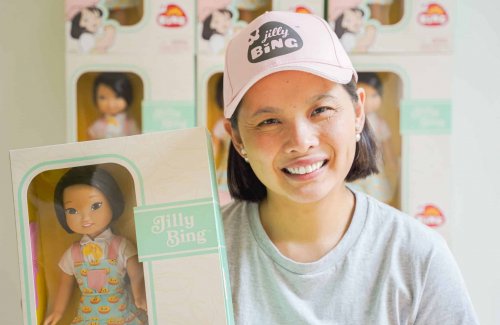
Jilly Bing was founded by first-generation Chinese-American Elenor Mak. She believes that toys play an essential role in helping children make sense of the world, with dolls serving as tools to build self-esteem and self-acceptance. Her vision for Jilly Bing is to create a line of dolls and toys that authentically represent Asian-American children, nurturing a deeper appreciation of Asian culture.

In this latest installment about Jilly Bing, we’ll revisit its journey with Elenor, showcasing the notable achievements and recent updates that have propelled the company even further in its mission to redefine the world of children’s toys.

Highlights on Jilly Bing’s Journey:

1. Launch Event with Chef Kathy Fang: This past summer, we hosted a launch event in S.F. with Chef Kathy Fang to celebrate the debut of our Jilly Bing doll. We wanted to bring the community together to celebrate. Witnessing the delighted reactions of children who received the doll, exclaiming ‘looks like me’ and ‘has soft black hair like mine,’ confirmed that we were on the right path.

2. Nationwide Sell-Out: Within weeks of shipping our first dolls nationwide, we sold out. I’m proud to say I transformed my basement into a doll packing hub, experiencing firsthand the ‘art’ of doll packing.

3. Increased Interest in Dolls for All Ages: A doll is not just a passing toy – it’s a child’s first friend. The recent Barbie movie renewed interest in dolls for adults and underscored the importance of increasing representation for Asian American children. Sharing our journey on national TV, such as the Today show, has sparked interest from families nationwide who, even without Asian children, want dolls that resemble their friends.

Customer Reactions to Jilly Dolls:

Our team has been deeply moved by the incredible responses from both children and adults! It fills our hearts with pride to witness the sheer joy on the faces of children, both girls and boys, as they receive our dolls. Their delighted exclamations, such as “She looks like me!” and “Mama, she looks like you,” warm our hearts.

The stories we hear about how these dolls become inseparable companions for these kids, accompanying them on shopping adventures, sharing sleepovers (shoes off, of course), and even joining them for a hot pot meal, are simply heartwarming. But it’s not only children who celebrate these dolls; adult women have shared, time and time again, that this is the doll they had always wished for during their own childhood.

One customer, who discovered us through a mom’s group, shared this touching reflection: “I grew up gazing at all the Barbies and dolls in stores, and none of them looked like me. It left me with a lingering feeling that something was wrong with me, always making me wish for blonde hair and big, round blue eyes. Now, at 44 years old, this doll has rekindled the sense of how special and proud I would have felt to have seen a doll that truly resembled me.”

What’s next for Jilly Bing?

Jilly doll is just the beginning. Our goal is to expand the dolls to create a “cast of lovable Asian American characters” whose identities go beyond just East Asian to fully represent the nuanced identities of all Asian Americans. My vision is to create a “modern-day educational Hello Kitty” with Jilly Bing. I want all children to know they belong and that they are beautiful as they are.

Connect with Jilly Bing:

We’re thrilled to be back in stock! Join us in making Jilly a beloved friend in every home this holiday season and shaping a more inclusive world for our children.

Order now for the holidays: jillybing.com

Instagram: @hellojillybing

Stories

This Doctor Published a Postpartum Book Balancing Chinese Traditions and Modern Approaches For New Mothers’ Well-Being

Postpartum care is a critical period for new mothers, yet it is often overlooked in our society.

Many women struggle with physical and emotional changes after giving birth, and the lack of support and attention to their needs can lead to postpartum depression and other health issues. This is why Dr. Kristal Lau’s book on postpartum care is a crucial addition to the conversation.

When Kristal joined the AHN community two years ago, she was still pivoting out of her medical career. She shared that her mom has been encouraging her to pursue her idea of writing a book on Malaysian Chinese postpartum confinement practices and include notes from her medical background.

During her confinement month after birthing her first child, Kristal compromised with her mother to modernize some of the confinement practices by medical logic. With a balance of traditional Chinese and modern postpartum care, her book provides a comprehensive guide for modern moms to take care of themselves during this important time while feeling connected to their Chinese roots.

In this article, we will dive into Kristal’s journey as an author. We will also explore why postpartum care should be a mainstream topic and why it is important to prioritize the health and well-being of new mothers.

BECOMING A MOTHER OF TWO

I practiced medicine in Australia as a Basic Physician Trainee before moving to the USA and would’ve chosen to specialize in geriatrics medicine if I hadn’t met my husband.

Ironically, I’ve chosen to work in the perinatal world now, because I used to actively avoid seeing pregnant women patients when I was a junior doctor. I felt intimidated by the responsibility of two lives and potentially more if the patient already had children.

Becoming a mother of 2 while facing the challenges of a modern immigrant from South East Asia to the West (and being a US military spouse) opened my eyes to the importance of postpartum care in setting mothers up to thrive in the postpartum year and beyond. Especially when I was planning for my first confinement practice and had to adapt things to where we were living in rural Alabama. From this experience, I decided that contributing to a small part of the perinatal industry was fitting.

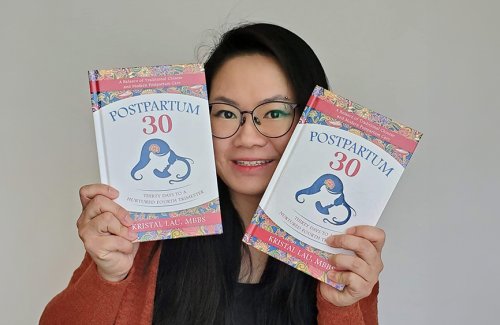
POSTPARTUM 30: THIRTY DAYS TO A NURTURED FOURTH TRIMESTER

The core message of my book entitled “Postpartum 30: Thirty Days to a Nurtured Fourth Trimester” is about preserving a traditional and cultural practice so that it remains relevant to current and future generations. Otherwise, we’d forget!

So, the key components of my book showcase the best of both worlds. I discuss postpartum physiology (what we know today about how the birthing body recovers after birth) and basic Traditional Chinese Medicine (TCM) principles around the postpartum body. 

I have chapters dedicated to adapting confinement practices to fit a modern mom and her family’s needs and lifestyle. I also guide readers on how to respectfully tell their mothers or mothers-in-law that they’d like to practice a modern version of confinement and include them in the picture.

MODERN MOMS WITH CHINESE ROOTS CAN EASILY BENEFIT FROM THIS BOOK

Firstly, it’s written in English! Readers don’t have to know any Mandarin or Chinese dialects (just like me!) to understand the TCM and confinement concepts I discuss in the book.

Secondly, I include historical references about the confinement practice and discuss why certain practices made sense to our ancestors. Finally, I challenge two aspects of the traditional confinement practice head-on. I encourage readers to embrace all the emotions that come with the chaos of the postpartum period instead of pushing them away. And I encourage spouses and partners to be the main confinement support person rather than another family member.

PUBLISHING MY BOOK HAS BEEN VERY SURREAL

I fully invested in writing this book after the overwhelming support from Asian Hustle Network group members when this book was just an idea. I also appreciated the nuances brought up by the AHN members in that defining post which added more to developing my book’s content. My first beta readers were also from the AHN community!

I’ve always wanted to be an author ever since I was a teen, so I can’t believe that I’ve done it! The book has also allowed me to represent a small part of Malaysian and Chinese culture to the world. Plus, it’s my biggest ticket away from medicine and into carving out an unconventional career that works for me!

Making time to write my book was the biggest challenge because I got pregnant with my second baby just after starting a 6-month book coaching program to develop my book. I’ve also been living in Germany since 2020 due to my husband being stationed here at a military base. So, I was writing on and off throughout my pregnancy and postpartum year while juggling our newborn, toddler, deployments, 2 dogs, and trying to thrive in a foreign country. The next biggest challenge was believing in myself, and that I have what it takes to write on this topic.

BALANCE AND EVOLUTION FOR POSTPARTUM CARE

To balance traditional Chinese practices of postpartum care with modern medical logic, I drew from my professional background as a medical doctor and a public health graduate, and my personal background as a Malaysian who grew up with both TCM and modern medicine. I also consulted with my medical peers and a TCM doctor (a connection I made through AHN too!) about how postpartum care from the East and West can meet in the middle.

An example of this balance is compromising on the hair-washing practice. Personal hygiene is a big part of the confinement practice. The strict traditional way is no hair washing for the entire confinement month. A modern compromise is to not wash the hair for the first 2 weeks and once you start washing your hair, make sure to dry it completely while in the warm bathroom before stepping out into a more chilly environment.

As more attention is given to the concept of matrescence, the transition a woman goes through to become a mother, it’s important to recognize the need for nurturing and support during this time.

Physical therapy should be a standard part of postpartum care, as many women suffer from pelvic floor and back pain issues after giving birth. Unfortunately, too many women are told that these issues are “normal” and should be lived with. Pain and discomfort should not be considered normal, and pelvic floor rehabilitation should be a global standard of care for all new mothers, rather than being limited to a few countries or requiring out-of-pocket expenses. The rest of us have to learn how to ask for pelvic floor rehabilitation referrals and likely pay out of pocket for it.

CARING FOR NEW MOTHERS

Two big areas where family members can help a new mother in the postpartum period are to help her feel seen and alleviate her mental load.

Unfortunately, new mothers frequently fade into the background as the newborn baby takes the spotlight. So, holding space for the new mother to grow into her new identity and showering her with attention reminds her that she’s still her own person and that she’s equally important as the baby!

Women and mothers are also commonly the main household manager in many families who do all the planning, troubleshooting, and preempting of troubles. This is the mental load of women and mothers. Alleviating this during the postpartum period isn’t just asking her what help she needs, it’s becoming the Project Manager at home while she recovers.

Asking her what she needs still requires her to plan and troubleshoot, and that doesn’t help lighten her mental load when she needs all the energy to recover from birth and care for the newborn.

MODERN MOTHERS HAVE DIFFERENT NEEDS THAN THE GENERATIONS BEFORE

First, society needs to accept that this generation and the upcoming generation of modern mothers have very different needs and challenges compared to the generation before us and not shame us for it. 

For example, many women in my generation (especially us Millennials in developing countries like Malaysia) have been conditioned to “do-it-all” i.e. excel at our careers and in being a mother. It’s ingrained in us to “mother like we didn’t have jobs and achieve in our career like we didn’t have children”. Why do moms today carry this burden? It’s likely because we were exposed to conflicting messages about womanhood and motherhood while growing up. We were empowered to be anything we wanted and that we could achieve anything we put our minds and hard work to i.e. embrace the modern woman identity. Yet, we’re still pressured to marry before 30 and start having kids while constantly reminded, “Don’t waste your education by becoming a stay-at-home mom!”. Balancing the identities of an empowered modern woman with the traditional (and biological) roles within motherhood is a unique challenge for many moms of our generation.

So, only when society is willing to empathize with this struggle, then they can provide the social, emotional, and mental support to help modern moms thrive as they go through matrescence.

My book normalizes the notion of nurturing mothers from the beginning of their motherhood journey; the postpartum year. I encourage mothers to prioritize themselves and not feel completely guilty about it. And to get comfortable with asking for help and accepting help before things get too overwhelming. It’s nice to be recognized as a SuperMom but it’s also nice to not have to live up to that image.

CONNECT WITH KRISTAL

Instagram: @mamaswingwoman

Facebook: @mamaswingwoman

Twitter: @drkristallau

LinkedIn: Kristal L.

Website: mamaswingwoman.com

Book webpage: tinyurl.com/pp30book

Author webpage: Kristal Lau – Mandala Tree Press