Awaken* newsletter

May 16, 2024

SHARE:

Karat Financial is a startup that provides banking services to content creators. At first glance, you may think this is a non-issue, but consider that popular chess streamer Alexandra Botez was rejected twice when applying for a business credit card, despite bringing in over $100,000 a year through her content. Clearly, investors also agree that this is an issue. Karat has raised over $100 million from top-tier investors such as SignalFire, USV, and GGV.

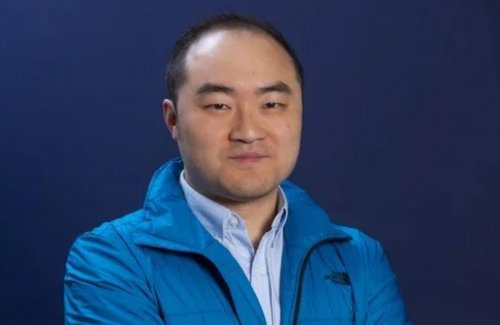
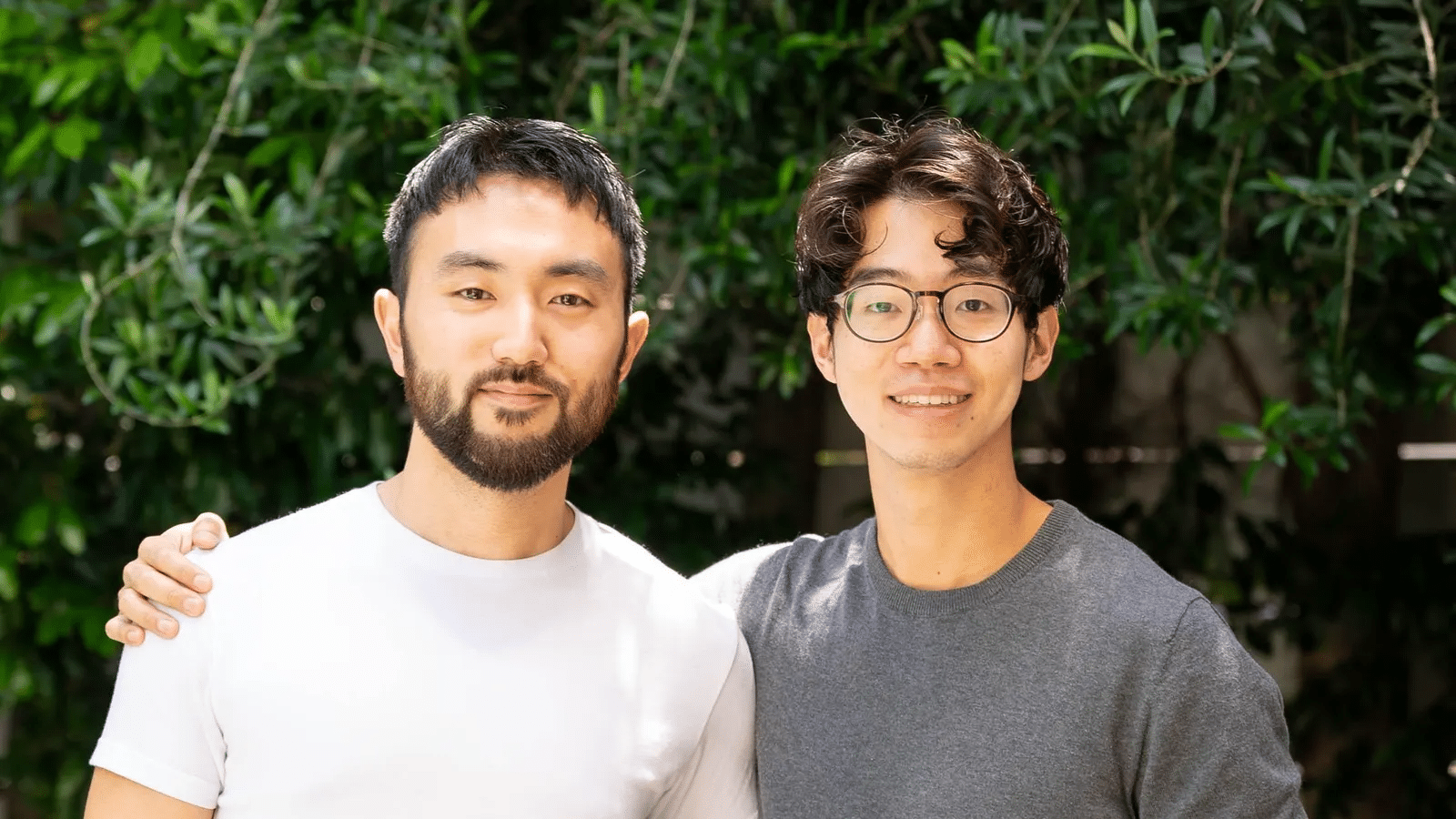
I had the honor to chat with Eric Wei and Will Kim, the co-founders of Karat. Eric and Will exemplify an ideal co-founder relationship, and I found them to be extremely thoughtful and insightful. Let’s get into it:

ENTREPRENEURIAL BEGINNINGS

Both Eric and Will have been entrepreneurs long before they had even thought up the idea for Karat. I asked them to talk about what their first entrepreneurial endeavors were:

Eric: I was going to say, Will was actually recognized in high school by President Obama for one of his early entrepreneurial efforts. Will, why not share?

Will: Sure. That was in high school. President Obama found out about this micro-lending organization I made, where I was lending money to high school students and underserved areas within the Bay, Oakland, Emeryville in particular, to high school entrepreneurs. I would say, “If I give you 500 bucks to start this business model that you have in mind, you’re going to pay me back after you make the money and we’re all going to be happy.” The lead up into that was just hearing about Kiva in an SAT prep book and thinking, “This is such a cool idea.” Kiva is a micro-lending platform that was taking off back in the early 2010s. I thought, “This is a cool idea. I’m going to intern for them.” I realized pretty quickly that interning for them is not as fun as just doing it myself. So I started my own micro-lending organization within the Bay. I saw the same wealth and equity problems that micro-lending is supposed to solve exist in the Bay, just as in these third-world countries. And I ran with it. What I quickly learned is that it’s actually very hard to execute well on what seems like a great idea. I found out the hard way. It’s easy to give money. It is a lot harder to get the money back. That was a kind of helpful testing ground for me. Eric, we’ve experimented with a number of ideas right before, haven’t we?

Eric: Yes, we have. I can share some quick context, too, from my side. One, just want to say, it’s pretty incredible that Will built a functioning company just as a high school student that continues to operate today. Even some of my Harvard classmates, actually, I remember there’s a guy I knew from Harvard. He graduated and he ended up working there. I was like, “Wow, this guy who was just a high school student built an institution that continues to perform and recruit quality people.” I’m not surprised Obama recognized him. It’s cool to build something that lasts and sustains, that’s trying to improve the financial system, but also something that’s just straight up helping people. I think that’s just really, really cool. I was reading about microfinance models like the Grameen Bank and such, and here Will was actually doing it. So I really, really just love how he did that. It’s one of the things I appreciated about him very early. On my side, similarly to Will, my early entrepreneurial efforts were also aimed at how we improve the financial system as it is. One of the very first things I worked with when I was at Harvard was on income share agreements. Now, they’ve become much more popular in the past, say, five, ten years. The concept is that you can fund your education or whatever vocational training you’d like, not just by taking out loans, but by promising to share a portion of your future income and revenue. And the whole thing is, in many cases, it’s going to be a more favorable repayment structure because, say, for whatever reason, you go through this training, this education, and you don’t end up getting a well-paying job afterwards. Well, it’s not really fair to put this burden, this onerous loan on you that you have to pay back. It might be easier if it’s just a percentage of whatever you did make. And my sophomore, and junior years at Harvard, I put together a team with JP Morgan bankers, and McKinsey consultants to go and pioneer this concept. We even pitched the president of Harvard, Drew Gilpin Faust, at the time. It didn’t work, mainly because it was extremely complicated from a regulatory point of view. Many of the companies also exploring educational ISAs at the time actually ended up pivoting. A great example is this company called Upstart which initially was also focused on this, and has since pivoted back to more traditional lending and just saying, hey, we have a better underwriting model, so we can give you better rates, but still loans rather than ISAs. That’s why, to my earlier point, similarly to Will, it gave me a glimpse into a lot of how this world works. It’s people deciding to give money to each other, where the rich have the most capital and they’re trying to get it to the people that ultimately need it the most. But for the people who need it the most, because they’ve gotten that money through so many layers, it’s so expensive for them. So you can try to improve that by building better underwriting mechanisms or by trying to go more directly from the people with money to those who don’t have it. 

Looking back, I think Will and I both had versions of that as some of our earliest entrepreneurial efforts, which I just think is really cool. And then to Will’s previous point, we worked together on a lot of products before Karat as well. I think it was a shared passion in not only wanting to start something of our own but also something along the lines of, hey, in life, there’s much more that matters than just money. When I met Will, he was coming off an internship at Goldman Sachs and was running a venture firm. I was coming from Blackstone and McKinsey and just starting a tech job. Both of us could have chosen to stay in finance and frankly, made much more on a risk-adjusted basis than any other occupation. And both of us saw something and, hey, but there’s some meaning that I can have in helping others. And what does that look like? So we started to work together, went through a lot of different projects, and ultimately decided to focus on working with creators and helping them navigate the financial system.

THE BUSINESS OF KARAT

I asked why Eric and Will decided to focus on creators and how they went about getting their first customers:

Will: In business, the best way to win is to play games that you make up. We’re trying to make up games in areas where they don’t exist because other people don’t know about them–it’s a secret. For us, that secret was that creators are businesses. And that was really, really compelling. It felt like everyone was writing off these creators as businesses back in 2017/2018 when we were first looking at creators; but, these were real businesses. 

Eric: Very early on, the most important thing was to go to where the creators were and just talk to them. So Will and I would go to conferences like VidCon and TwitchCon, and we just cold approached people and just asked them, hey, what are you most focused on these days? What’s the dream? What are the biggest problems that you’re facing? 

I think there’s an easy tendency to think a lot about overall strategy without just literally talking to people, right? No plan survives first contact with the enemy. And what I realized really early on was that creators are trying really, really hard to figure out how to make content, make money, and build a business.

The creator community has many individuals who are operating businesses, but they have no idea how to handle the business’ financial setup. Through these early insights, Will and I prototyped the first thoughts of what Karat could be. When we finally had actual products, we went back to many of the people we met and asked if they would try them. When they had a good experience, they would share it organically via word of mouth. One thing I’m proud about Karat is that we’ve never really done influencer marketing programs. It’s primarily just been organic and referral-focused. Creators especially are more likely to share because it’s what they do on a day-to-day basis.

Will: I remember Eric was wearing his Instagram shirt. He optimized every single element of this to make sure that we could make something out of nothing, which is incredibly difficult. Eric was pulling out all the tricks out of his bag. 

Eric: I used to work at Instagram. If you wear an Instagram shirt, people are more likely to chat with you. There are tons of hacks to this. For example, you go to a conference and a creator is speaking. At the end of that panel, run up and be the very first one to talk with them. Big creators, a lot of times, have fan meeting greets, where you wait in line. We would use that to pitch them. We would be absolutely shameless, asking very business-focused questions. Some people didn’t like the concepts we were going through. But that means you actually have a firm point of view. If you find something that some people don’t like, but some people actually really do, that’s promising. 

Edwin: I resonate with that. For some of the guests that I’ve had on the interview before, that’s what I had to do. Go to those events and say, hey, I sent you an email. You didn’t respond to it. 

Eric: Even if it rubs them the wrong way, in the end, you’re just trying to build something from scratch. It’s better to try than to not try at all. I greatly admire and respect the determination with which you followed up. When I had a free moment, I remembered and emailed back. And then to have you respond back instantly, I was very impressed. That’s a big reason why I was excited to share more for this newsletter and to build a relationship with you personally.

I really appreciate Eric’s endorsement of my tactics. As a side note, I also find it awkward and difficult to do this kind of cold pitching sometimes, it requires being very vulnerable. However, I have two thoughts about this. Firstly, cold outreach is like a muscle you train, the first time you go to the gym is going to be awkward, and the 100th time is second-nature. Secondly, if you really want to reach someone why wouldn’t you try multiple times, why wouldn’t you try every mode of contact you can find (email, phone call, mail)–this seems like table stakes. Though obviously, please stop if they aren’t interested, and don’t harass anyone.

I was also curious how Eric and Will came up with the business model for Karat, as the intersection of creators and fintech hadn’t been explored much before them:

Eric: From a people perspective, we worked with creators like Alexandra Botez, a top chess streamer who graduated from Stanford, started a company, and has over a million followers on Twitch. She was rejected for a business credit card multiple times because they just didn’t understand what she was doing. When you hear a problem like that, you start questioning if the current system is optimal. The answer is no because making a living as a creator is so new, that the existing financial system, which is built on traditional criteria, doesn’t evaluate it properly. From a systems POV, if everyone is thinking about making content going forward, everyone is learning how to be a creator, every business is learning how to use content, and getting to build the financial picks and shovels that facilitate money moving around could be a huge opportunity. We want every dollar in the creator economy to pass through Karat, whether it’s through our payment systems, credit cards, bank accounts, and more.

Will: When we first realized that creators are businesses, that felt like a secret. But the deeper secret that excites us is that we believe in the future, all businesses will have to have some kind of creator angle. This felt like a massive unlock. Procter & Gamble became a generational company because it capitalized on the advent of cable television. Now, creators own the airways and they have the cheapest distribution to their fanbase. They’re going to be able to out-compete Proctor & Gamble and make the new Proctor & Gambles. That’s very exciting. To Eric’s point, if we can sell the picks and shovels there–if we can be the financial rails, that’s going to crush.

Eric: A really good example of that, for instance, is if you’re familiar with Under the Influence and the seltzer brand Nectar. They’re an example of a company that developed a hard seltzer to compete against White Claw. To advertise it, they developed a podcast. The podcast has become so popular that its hosts were actually signed to an agency. Many of the people who watch the podcast think that the seltzer is just the brand sponsoring the podcast. It was actually the other way around. The podcast is the content marketing arm of a consumer packaged goods company because the founders grew up in social media. To Will’s point, the future Proctor & Gambles are going to be people who are building businesses with content built-in natively from day one.

RUNNING A STARTUP

The next question I asked the duo was how they deal with the mental stress of running a startup:

Will: First of all, I haven’t completely figured it out. I just have to deal with it. The quote I live by and come back to a lot is from Eddie Merckx, one of the world’s fastest cyclists ever. Reporters asked him how it felt to be so fast, and he said, “It doesn’t get easier. You just get faster.” That’s it. As we’ve scaled up, we’ve only run into more issues, and more challenges. Eric loves the quote, “The prize for eating humble pie is eating more humble pie.” I believe that’s true. So, it’s about accepting that’s the reality. Personally, I’ve been sticking to routines like simple stuff. Cold showers are nice. Waking up early is nice. Being able to meditate is nice. Reading Marcus Aurelius is nice. That works for me, and I stick to it. It’s pretty straightforward, but it works for me.

Eric: As founders, we obviously have to care a lot about financial runway, because presumably, we’re building something with a shot at being really big. Early on, it’s going to cost money. But what people forget is the emotional runway. Money is useless and pointless if you’re not in a place to be creative, brave, and determined to try and do things with it. In terms of how you maintain that emotional runway, it’s really different for everyone. For me, one of the things that really helps is my relationship with Will. There are many solo founders out there that I respect and think very highly of. I know confidently that I could not have done Karat without Will. We’re not only co-founders but also co-CEOs, which is why you get both of us here today instead of just one of us. We’ve found that if one of us is feeling very down, the other is usually not feeling as down. It’s very rare we both feel down at the same time, which is bad because then everything just kind of falls apart. But I’ve found him to be very helpful, not only from an emotional point of view, balancing when I’m sad and not sure if something’s going to work, but also when I’m really excited to sort of temper it because, at the start of the plan, everything changes so quickly. But also just to know that there’s someone else who cares just as much, if not more, than I do about this. I think that’s a relieving burden on a founder’s shoulders. Of course, it comes with its own consequences. To be clear, I think there’s also more complexities when you have a co-founder and co-CEO. Nothing in life is just a free lunch. Sure, you get to benefit from each other, but it also means you have to figure out what to do when you disagree.

The fact that Eric and Will were co-CEOs kind of blew my mind because I was taught at a young age that one person should be at the helm of the ship, obviously, I had to ask how they decided to be co-CEOs:

Will: It was pretty simple. We both want to build something cool. We both want to build something big. We have different personalities and skill sets, but we’re aligned on the general values. And why wouldn’t you want to have each other as equals? We’re not hierarchical. It’s not like one of us reports to the other, right? So why not just formalize it if it’s something you truly believe in from a title perspective and an equity perspective?

Edwin: That makes sense. I assume that you guys probably have different strengths. So is there some way that you guys divide the work? Or is it on a case-by-case basis?

Will: I think it’s just case-by-case because our strengths, as a founder, the most important thing is that you scale, that we grow with feedback, that we change with the environment. Stasis is death. And so it’s really, really important for us to always be responsive, not only to the business and the market, but to our own interests, desires, and strengths. For me, I really enjoy thinking about how we can build a system that last. The ideal business to me is one which doesn’t need me, one that already has a large market, that has a system in place, and a product that people want, where I am just icing on top rather than a core element. For me that’s really exciting, so that’s where I like to spend my time.

Eric: Will has always been a really good systems thinker. And again, these are generalities, because both of us have taken opposite approaches from what we’re describing to you now. But for me, there’s a certain satisfaction I get just from going and talking with someone and getting a quick sense if something is going to work or not. This speaks to the nature of a startup. You want to make sure that the people you’re building for actually care, and the fastest way of finding out is to literally go and interact with them. Also, for a venture-scale startup, you need to think about how those initial insights can potentially turn into a billion-dollar business. That needs to be something that can scale into a system.

BEING AUTHENTIC

When researching Eric and Will, one thing that stood out to me was how honest they were with their motivations behind building a company. In articles online, they were very transparent that ego and financial upside were partial motivations for building a company. I asked them how they reached this point of authenticity:

Eric: Something I’ve learned is that there’s literally no point doing anything if you can’t just be immediately straightforward and honest about it. Life’s too short to do things that you’re lying to yourself about or to others. If you care about yourself, you’ll be honest to yourself. If you care about others, you’ll be honest to them. It’s the very same reason I started this call up being like, one, I was super excited. Two, I was impressed by your dedication. And three, here’s something I didn’t love, and here’s why. Because if you want to invest in a relationship with each other, you have to be honest from the start. So, let’s extend this to why build a company. Obviously, Will and I would not be doing this if all we were optimizing for was the financial upside. He would have stayed at Goldman Sachs, I would have stayed at Blackstone. So, there’s a huge motivation around building something that’s better, that can help creators. And to your point, that doesn’t mean our other motivations aren’t real as well. Of course, Will and I are excited about the potential monetary upside of building a successful company, the ego that comes from, hey, we’re going to try to do something new and something of our own. Because from my perspective, that’s real. There’s no shame in that. And I’d much rather present myself as the whole set of motivations I am as a human and as a company. In fact, I don’t trust people who aren’t honest about why they do things. Those are the ones that I’m like, hmm, there’s something you’re hiding from me. If you’re hiding this from me, I don’t know if I can trust you.

Will: When Eric and I were getting close, I started realizing that when I’m talking with Eric, I can be pretty open. I remember at one moment, I just thought, “I can trust Eric with everything. This is the one guy that I can start a business with that would actually make sense.” When we started the business together, it became a really pivotal thing for me because Eric was so vulnerable and shared a lot. We had that kind of relationship that was fully open and transparent. I don’t know why you would ever start a business with someone you don’t trust entirely. In fact, I’d say it to people reading this and thinking about who they partner with: if you don’t trust them, don’t do it. I can say that from personal experience. It’s not worth it. 

Edwin: I think that’s really cool how you guys are very open. I think about how trusting and communicative your relationship is. I took a class in my last quarter at Stanford and basically, the whole point of the class is if people see models of really trusting relationships and open relationships, they’re probably more likely to mimic that and act that way. When you act that way, you’re showing other people to do that, and so on. So that’s really cool that you guys do that. I think there’s a benefit to everyone else beyond just you guys when you do that. 

Will: I hope it goes viral. Viral vulnerability would be very nice where we could all actually trust each other and make the world slightly better. It sucks when you have to always put up this defensive shield. I think frankly, before I met Eric, I walked around life with a defensive shield expecting that everyone’s out there to hurt me. Over time, I realized that if I open myself up, I invite far more excitement, joy in my life, and opportunity as well. 

Eric: I’ll add, if everyone seems to be a giant jerk to you, sometimes that can lead you to put your guard up. But in a weird way, that attracts more people who might not be the best to you because you yourself are not sharing. If you go around and you’re open to people, you’re more likely to find other people who are open. If someone’s open and honest, why would they want to interact with someone who’s hiding things? 

I asked Eric and Will how they extend their mindset around authentic relationships to their relationship with their employees:

Will: We are trying to continue to push this idea of appropriate authenticity in the workplace. The challenge that exists is that there is a power dynamic. Eric and I are peers and so we can be fully open, fully honest, fully transparent. With our team, there is an appropriate level of authenticity. Of course, we want to tell everything about the core business, but is it appropriate for me to say I feel really sad and pissed about all this stuff? Probably not. It creates fear because I’m ultimately their boss. In the beginning, I was fully authentic, expressing exactly how I feel, and that has been at times not the most well-received. So, finding the right balance, it’s a spectrum that we had to find. 

Eric: What I’d add is that in a workplace, if you’re the CEO, you do have managerial power over those you work with. So, in fact, you have to put in more work, you have even more responsibility to try and build safe spaces to receive that feedback. From a hierarchical perspective, they might not feel the same comfort sharing feedback with you that you feel with them. So, you actually have to do more work and shoulder more of a burden to try and make up for that. And again, that’s not to say we have done this super fantastic job. In fact, I think we’re still very much learning as managers. There are many things we have not done well. I say this more from a philosophical standpoint, what drives our intention, and how we think about it.

HOW TO FIND YOUR PURPOSE

I recently spoke to several Asian American high school and college students who don’t really know what they want to do with their lives and don’t really know what excites them, or how to find their passion. This seems to be a big problem among many youth, so I wanted to get Eric and Will’s perspective on what young people should be doing:

Eric: I think Will and I come from a fortunate place where we really followed those routes. Will was at Stanford, Goldman, and I was at Harvard, Blackstone. So, we have the luxury of sitting here and saying that’s really not all that it’s cracked up to be. A lot of that stuff is premised on prestige, wealth, and what other people want, and there’s a clear path on how to get there. It’s easy for me to sit here and say, forget all of that, and just do what you’re passionate about. But I’m saying this as someone who had the privilege of already going through these different experiences.

The most important thing is to feel emotionally in tune with yourself. A lot of what we do when we’re sad or frustrated leads to bad outcomes, and it’s even worse when you’re not even aware you’re sad or frustrated and that’s just fueling your actions and the choices you make. The sooner you accept that there are things you are scared about or insecure about, the sooner you’re going to be able to make decisions that are right for you. Whether that is, “Let me go work in the corporate world for x years and build up the credentials,” or “Now it’s time to leave and do something different,” 

Will: Everyone says “Be yourself” and I found that super frustrating because it’s not like  I’m masquerading as someone else. So, what goes into being yourself? I think it first comes from listening to yourself, even if you don’t trust yourself yet. Be honest about it. Even if it’s just about the prestige, go do it and do it wholeheartedly, and don’t feel any shame about it. Hopefully, that experience builds your trust in yourself. Like, “Oh, when I listened to myself and I followed my intuition, this didn’t work out so hot and that’s okay and this really worked out well so let me lean into that.” I think this is a part of the Asian upbringing. I love my parents a lot, but they didn’t know how to listen to me. They’re like, “You’re a child, I’m going to tell you what to do and you’re going to do it.” And so, I had to listen to my parents and I became my parents and I didn’t like it. In college, I had to unlearn so much of this, and Eric and I actually connected a lot over that unlearning process.

Edwin: I’m curious, I know you guys both use therapy. Has that been a big help in this journey?

Will: Eric is my therapy granddaddy, as in, I was inspired by Eric’s early experiences there and I was like, “Wow, you’re learning so much, you’re growing so much. I envy that, I want that.” I’m inspired by that and so it has been huge for my personal development and I think also my growth. So yes, it’s been crucial.

Eric: I think everyone who can afford therapy should do it. It’s unfortunate therapy is expensive but if not, I think everyone could benefit. In the same way that if you have no idea how to work out, you might have someone help teach you the ways to use your muscles. Guess what, the way you’ve lived your life, raised by your parents, surrounded by your friends and your environment, your mind has learned certain loops and ways in which it thinks. And if you want to be able to become more aware of them and try different ways of thinking, a therapist is really helpful for that.

BEING ASIAN AMERICAN

Eric: In Karat’s early days, to be honest, I wasn’t thinking about it much at all because I was focused on making the company work. Personally, I’ve only thought about it more as time has gone on and Karat’s grown bigger. Going to the Asian Hustle Network last year was super lovely because it helped me realize that I’m Asian American and that’s part of me.

Will: Eric and I used to talk about this quite a bit more in the very early days of our relationship back when we were working in corporate America. Now it’s become more about how we make the business succeed. In my lived experience, I’ve been focusing on things within my control. I really appreciated that about building a business. I just want to build something great, hire the best people, work with people I love, and serve the kind of users that I believe need the most help. That’s been exciting. 

Eric: It’s not like anything became more or less important, but in order to be an Asian American entrepreneur, you have to be an entrepreneur and your company needs to exist. There’s a certain hierarchy there of thinking about survival. 

Will: One thing that Eric and I talked a lot about in the early days was how we felt a lot of existential angst–“Is this the right thing for me?” but very little day-to-day anxiety. In the startup, it flipped. We felt a lot of day-to-day anxiety, but the existential angst vanished. That has been so freeing and so valuable that I wouldn’t want to ever go back. I wonder about the Asian American thing, perhaps that was part of the existential angst that was replaced with the day-to-day anxiety and excitement about how to make the company succeed.

SHOUTOUTS

If you are a creator looking to get a business credit card, please consider using Karat! Also, please go follow Karat on Instagram @trykarat, Eric @erictway, and Will @willikin. Thank you Eric and Will for the interview!

And finally, some parting advice from Eric: 

Advice is usually given to you from people who followed what they’re telling you now or wish they had followed what they’re telling you now. It’s not really based on you. So whenever you get advice, I’d say weigh it primarily based on the person who’s giving it, how much you actually think of yourself as similar to them or want to be them. That applies to the advice we’re giving as well.

Related Articles

IMG_4220

Stories

Transforming Communities Through Love: The Story of The Love Tower at Ashah

Every day, we see the effects of division and misunderstanding around the world. Families, friends, and neighbors often find themselves divided by differences that seem impossible to bridge.

The founders of The Love Tower at Ashah understand these challenges deeply. They have dedicated themselves to creating a space where love, kindness, and compassion can flourish and bring people together.

The Love Tower at Ashah was born from a simple yet profound belief: that love has the power to heal and unite us. Through music, art, dance, and meditation, they aim to inspire individuals to choose love over division and kindness over conflict.

We invite you to read their touching story through a heartfelt interview with Asian Hustle Network and join their mission to create a more loving and united world.

The Origin and Significance of The Love Tower

The turmoil of 2020 was a year of immense challenge and reflection. Political unrest and a surge in Asian hate crimes exposed deep divisions within our society. In the midst of this chaos, a group of individuals came together with a shared vision: to address the growing disconnect and foster unity through love and compassion. This vision birthed The Love Tower at Ashah, an AAPI-led non-profit 501(c)(3) organization committed to promoting mindfulness, kindness, and joy through music, art, dance, and meditation.

“We realized that without recognizing our shared humanity and embracing our differences, the future for our children would be grim. Instead of fueling divisive conversations, we asked ourselves how we could highlight and nurture the aspects of our society that unite us,” Sissy Lee, one of the founders shared. “We believe that love, both for ourselves and for each other, is the most powerful force to bridge divides and heal our communities.”

A Mission Rooted in Love

The Love Tower at Ashah grew organically from a group of individuals from diverse backgrounds, united by the belief in creating a better world. Their mission is to build a community that values love, respect, and unity above all. They aim to create spaces where people from all walks of life can come together, learn from one another, and celebrate their differences.

“It is not just a physical structure but also a symbol of hope and inspiration for all those who seek to make a positive difference in their lives and the lives of others,” Sissy added.

Programs That Transform

At The Love Tower at Ashah, a variety of intentional programs are offered to amplify love and promote mindfulness, kindness, compassion, and joy:

  • The Music Enhanced Heart Meditation Experience: This program integrates live or recorded music with guided meditations and visualizations to deepen feelings of love and compassion.
  • Children’s Programs: Designed to promote emotional well-being, mindfulness, and creativity among children, helping them manage emotions, develop self-awareness, and build confidence. These programs are also integrated into schools to support both students and teachers.
  • Sound Therapy Sessions: In collaboration with local experts, these sessions include sound healing, meditation, and breathwork to foster relaxation, alleviate stress, and enhance mind-heart coherence.
  • Creative Healing Arts & Body Movement: This program combines mindful music, creative expression, and fluid movement to ignite creativity, alleviate stress, and cultivate a deeper connection with love and self-expression.

Overcoming Challenges with Compassion

One of the most significant challenges faced by The Love Tower at Ashah was understanding that love is multifaceted. It encompasses self-love, love for the community, love for neighbors, and more. This challenge is universal, but the founders have tackled it by creating programs and events that foster a safe and supportive environment for emotional expression.

“We invite everyone to join us in this journey. We aim to attract individuals and communities who align to help us resolve this challenge together, fostering a world where love, kindness, and compassion are at the forefront,” Sissy shared.

Achievements and Impact

The integration of The Love Tower’s programs into elementary schools stands as one of the founders’ proudest achievements. By nurturing the next generation with values of love, kindness, and compassion, they hope to create a ripple effect that will shape a brighter future.

They view themselves as the ancestors of tomorrow, believing it is their duty to lay a foundation for a more compassionate future. By embedding their programs in schools, they are planting seeds of empathy and understanding that will grow into meaningful change.

The involvement of notable figures like Marianne Williamson, André Duqum, and Sol Rising has enriched their mission, highlighting the widespread resonance of their vision.

Founders’ Stories

Sissy Lee

Sissy Lee, a dedicated philanthropist and entrepreneur, serves as the co-founder and Director of Programs at The Love Tower at Ashah. She is passionate about creating a brighter future for the next generation and has made significant strides in supporting children and educators. Beyond her work with schools, Sissy is committed to uplifting homeless and underprivileged communities in Los Angeles, tirelessly raising funds for essential causes.

Crystal Chao

Crystal Chao is a mother, seasoned entrepreneur, and investor. Her passion for spreading love led her to co-found The Love Tower at Ashah, where she serves as the Financial Officer. Crystal is fulfilling her lifelong dream of fostering love and unity to create a better world for everyone.

Michael “Shungunna” Resurreccion

Michael “Shungunna” Resurreccion, a consultant and founder of Resurreccion Media, is a devoted family man committed to catalyzing positive change within humanity. As the Executive Director of The Love Tower at Ashah, he channels his passion to create a meaningful impact.

The Asian Hustle Network played a pivotal role in connecting the key co-founders of The Love Tower at Ashah. Michael joined the AHN community shortly after AHN was formed and soon invited Crystal to join. Crystal attended AHN’s first SoCal event, where she invited Sissy to volunteer.

The Love Rising Festival: Celebrating Unity and Love

A significant part of The Love Tower’s mission is The Love Rising Festival—a festival fundraiser designed to ignite a revolution of love and unity while raising funds for the organization, to be conducted on October 19-20, 2024 at the California Historical Citrus Park. The festival offers live performances by renowned artists, impactful activities with influential speakers, sponsor activations, and a variety of unique vendor experiences.

Visit thelovetower.com/loverising for more information.

How to Support The Love Tower

Here are some ways that you can support and be involved with The Love Tower to help them  sustain their transformative programs:

  • Join The One Million Love Legacy Campaign: Aimed to have 1,000,000 people donate $143 (Meaning “I Love You”) to have a loved one’s name engraved within the tower walls.
  • Financial Contributions: Donations help cover program costs, construct the tower, and support staff and volunteers.
  • Volunteers: Passionate individuals can assist with events, programs, and spreading the mission.
  • Sponsorships and Partnerships: Businesses can sponsor events or programs, providing essential funding and resources.
  • In-Kind Donations: Contributions of goods and services, such as use of venue spaces, community collaborations, event supplies, online and offline promotions, help reduce expenses and enhance offerings.
  • Community Engagement: Attending events, spreading the word, and participating in initiatives help build a supportive community.

Join the Journey

The Love Tower at Ashah invites everyone to join their mission to create a more compassionate and united world. For more information, visit their website at www.lovetoweratashah.com or connect with them through their social media accounts:

Facebook: The Love Tower at Ashah

Instagram: @thelovetower 

TikTok: @thelovetoweratashah

LinkedIn: The Love Tower at Ashah

Tammy Sun

Awaken* newsletter

This Founder Raised More Than $115 Million to Make Fertility Care Accessible

Fifty thousand dollars. That’s the average cost of in-vitro fertilization (IVF) treatment in the US. Although the number of employers covering fertility treatment has risen significantly over the past few years, the percentage of employers that provide fertility benefits is still around 40%. This has left many hopeful parents stranded, unable to afford the hefty price tags out-of-pocket.

The good news is that we have many talented people working on this issue. Tammy Sun is the CEO and co-founder of Carrot Fertility, a startup that has raised more than $115 million to help employers, health plans, and health systems provide comprehensive fertility care benefits to people globally. We sat down with Tammy to chat about her work with Carrot and reflections on her founder journey.

TLDR; Key Takeaways

If you only have a few minutes, here are a few golden nuggets from our conversation with Tammy:

  • Storytelling is a core component of innovation. Whether you’re pitching investors, engaging with potential hires, launching a new product, or closing new customers, it’s critical that you can clearly articulate and curate the value proposition to each of your stakeholders. Practicing this skill will naturally lead to new conversations about how your product/service could be improved. 
  • The best way to build something people want is to listen to your customers’ problems. When talking to potential customers, give them the breathing room to talk generally about problems they are facing. This can provide valuable insight into the meaningful problems that need solving.
  • Choose a problem you want to work on where you have a personal connection to the issue, especially in healthcare. If your startup succeeds, you will be working on the same problem for 10+ years. Choosing a problem that you will have a lifetime of curiosity about will keep you motivated.
  • In the early stages of fundraising, focus on discovering your early believers instead of convincing people to care. Your early backers should be people who are as visionary as you are about your problem. Don’t waste time convincing investors who can’t be convinced, move on quickly.
  • Different stages of company building can require different employees. It’s important to remember that very few people can support your company from day 1 to an exit because most don’t have that prior experience. As a founder, you want to assess if the team you have is able to help you reach your next few milestones and reassess the next key growth stage of your company.  
  • The CEO acts as a culture’s pacesetter. As simple as it may be, you need to reflect on the behavior and aura you would like to see within your company. Alignment around company culture starts with you. 

What made you decide that starting a company was the right answer to the lack of access to fertility care?

Before starting Carrot, I spent some time in government, policy, and political work. There’s definitely a huge opportunity through policy to make large-scale improvements and changes to healthcare and other areas that can impact millions of people, particularly around regulatory issues related to fertility care, pregnancy care, and menopause care. But, I think the private sector and companies have a unique sharpness that can impact people in direct ways that nonprofits, legislative efforts, or even judicial efforts can’t.

In this country, whether you like it or not, people get most of their healthcare through their jobs. Employers, health plans, and the partners within the healthcare ecosystem that work with them are very much the primary delivery and distribution mechanisms for healthcare. I really believe that lifelong fertility care–from preconception all the way through menopause, low testosterone, and midlife care–is a vital and fundamental part of human healthcare. In order to bring fertility care to the table as a first-class citizen within the healthcare stack of work, we committed ourselves to making it easy for employers of any size, anywhere in the US and around the world, to customize their products and deliver fertility benefits to their employees in a way that is easy and seamless, and really elevates the experience for those employees.

There’s a place for all different types of work and activity that can impact this space, including nonprofits and public sector work at the federal and state levels. For us, we felt that the private sector and the company vehicle specifically were going to be the most impactful for the change we wanted to see in the world.

What valuable skills did you learn during your time in the public sector that are transferable to what you’re doing now?

In both the public and private sectors, as well as the nonprofit sector, the ability to clearly articulate your ideas with strong and compelling stories is really important. Whether you are in the public sector arguing for a piece of legislation or a specific law, or you’re in the private sector raising capital, launching products, or even recruiting talent and hiring people, it really depends on how good you are at telling your story and articulating an idea about the future. That’s something I was really able to bring with me in that transition.

We know that you played around with a few other ideas including some D2C ideas before committing to your current idea. How did you land on your current business?

It’s a great question. I’m an avid consumer of B2C-type healthcare products. I wear all the wearables and things like that. But as I said, if you’re really talking about healthcare with a capital H, you have to figure out a way to integrate with plans, payers, and employers. We tried many different ideas in the first year and a half of the company. Some of them were direct-to-consumer. We tried to make it really easy for people to access loans and financing. Ultimately, we shut that part down because we didn’t really want to be in the business of financing as the single solution. Medical debt is the number one reason that Americans file for bankruptcy, and we didn’t want to contribute to that. It’s great for some people, but at scale, it’s not a worthwhile solution. We tried all sorts of direct-to-consumer things. I didn’t know anything about benefits, employers, or the many acronyms in the space like ERISA, HIPAA, HRA, or HSA. But what I knew in the early days was that when I started talking to potential customers, all they wanted to do was talk about their problems and what kind of product they would be interested in if we were to build it. The enthusiasm and desire for a product that would make it easy for HR leaders and benefit leaders to meet their needs within their employee population was striking from day one. As soon as we pursued that avenue, we never stopped.

Within the fertility care industry, what do you think founders and other innovators should be focusing on?

I feel like the right match between the founder and the problem is as important as the match between the product and the market. What you want to do if you’re a founder thinking about starting a company is to make sure you have an almost never-ending well of curiosity about the problem you’re trying to solve. You don’t really need to have a clear solution in the early days, but you must have unending curiosity and empathy, particularly in healthcare. You need to understand who is impacted by the problem, who is hurt by it, and who feels pain as a result. Spend a lot of time understanding what that looks like even before you think about trying different MVPs and ways to solve it. If you have a personal connection to the issue, especially in healthcare, it contributes to a lifelong curiosity about how people experience the problem you’re trying to solve. This continuous curiosity allows you to keep innovating even two, three, five, or ten years later, building products and services that add value to people’s lives.

Given that fertility care has only recently seen an influx of venture capital, what do you think are potential exit options for fertility companies?

There are lots of ways along the journey to create liquidity for investors, shareholders, early employees, etc. As the category matures, those opportunities will increase, and we’ll see a lot more diverse outcomes across the category. That’s a good thing; it’s a sign of progress and market maturity. I’m excited about that because I think it’s coming. For early-stage founders, it’s less important to spend time mapping corporate strategy and how you are going to get to an exit. Instead, be maniacal about serving customers and the rest will generally sort itself out. But to your point, this category has been ignored for a long time, so it’s exciting to see how this area of healthcare is getting attention and being prioritized as an area of opportunity for investment.

When you were choosing an idea, was the total addressable market something that you thought about? 

Certainly, in the earlier days, it’s almost a conversation that doesn’t really need to be had. Generally, you want to try to solve a very specific thing really well out of the gate and then use that as a wedge and leverage to expand from there. But I did spend a lot of time evangelizing and educating different people, particularly investors, to address questions about how big the TAM would be. I had to explain why egg freezing was not a niche problem and all the things that, in retrospect, I’m sure you could appreciate as well. It’s very clear now and it’s part of the mainstream conventional wisdom that this is a very large area of healthcare. It affects almost every human being—people who are pregnant, and people who are not pregnant. We were the first to launch a menopause product into the employer market a few years ago, and we really think about that as both reproductive and post-reproductive fertility care. If we were to talk about menopause care five years ago, the category hadn’t matured enough where people would even take that seriously. 

If you’re new to fundraising, it’s a little bit jarring in the early days to get so many rejections, particularly if you’re generally a high-achieving person. I wouldn’t think about fundraising as convincing. I would think about it more as discovering, especially in the early days. It’s less about trying to convince a lot of people about your TAM and more about moving on quickly from people who you sense can’t be convinced and finding people who are as visionary and evangelical about your problem set as you are. 

How did you think about making your first few hires? Why did you hire them, and what lessons did you learn from those first few hires?

The first few hires generally are partially a function of who’s around you. What’s your current community like, whether it’s college or whether you’re in New York or Silicon Valley? What is your immediate vicinity, and who’s in your personal network? An important thing about your first few hires is understanding how to discern when the first few hires have hit their ceiling. You’ll have your first few hires, and then you’ll have your first few fires. The latter is probably as important as the former. 

Very few people can scale a company from zero to 100 million and be able to excel for that entire journey. More people will be particularly excellent at a particular stage of the company, whether it’s zero to a million, a million to 10, or 10 to 30. As a founder, you want to be able to hire and understand what the business needs, not just in this moment, but in the next few moments that are coming. And then, regardless of your personal relationships, you have to be able to shake your team up if needed and build it for the next phase. Sometimes that means you stick with some folks from your founding team. Sometimes that means you separate, and that’s okay. They’ll always be part of the story, but hiring and firing is probably one of the most challenging aspects of early-stage company building.

How did you think about culture-building? 

The thing that was most important for me was that the people in the early team were as obsessed as I was with customers, users, the product, and the problem. We knew very early on that the product would change and it would change very quickly. You want to be surrounded by people who are just as curious as you are about all the things that really matter. I was very lucky that I had a lot of people around me in those early days where our curiosity matched each other. Our level of intensity and our level of passion were all well-calibrated with each other.

Where you find problems, especially in early-stage company culture, is if that calibration is off and some people are running at different speeds. You want your initial team to be extremely aligned, running at the same speed. Everyone should be equally passionate, curious, and taking advantage of the fact that you are early and minimal; so information, knowledge, and insights can travel very fast within the team. As a CEO, you are generally the pacesetter when it comes to progress and culture. I would encourage early-stage founders to think of themselves as pacesetters and examples so that others can see what kind of behavior comprises the culture of a company.

How has your identity as an Asian impacted your founder journey?

The area where it has impacted me is representation, meaning I didn’t have that many Asian role models coming up. That absence has really emphasized the need for empathy, not just for other founders, but also for users and members. For example, considering where our users come from. Where do they feel like there are no role models? Where do they feel like there is no precedent? Where do they feel like it’s lonely? I think my own experience has enlarged and augmented my sense of empathy in all directions with other founders, but also within my customer base and my membership base as well.

Can you share more about the policy-related work Carrot has been doing or that you’ve personally been doing in Alabama to expand and protect access to IVF and other fertility benefits?

What happened in Alabama was bad. We anticipated it and moved very quickly to make sure that our members who were impacted in Alabama were supported. While the change didn’t affect a huge number of members, it was significant from a cultural and media perspective. We made sure that members were communicated with, that customers who were impacted felt supported, and that we were able to answer lots of questions from our partners within our ecosystem.

A silver lining of the Alabama situation is that a strong bipartisan consensus emerged in favor of access to IVF. You saw Democrats, Republicans, and independents all speak up in favor of IVF and fertility care as a fundamental part of healthcare. This is medical care. I saw almost no voices trying to restrict access to it from a political or policy perspective. That is a significant silver lining and an area where we’ve tried to center ourselves and expand the consensus in favor of support. We believe that anything that prohibits or decelerates access to care is bad, and the Alabama event was certainly in that category.

Lastly, is there anything that you’d like to shout out or promote?

My friend April Koh. She’s the founder and CEO of Spring Health, which is a mental health company. She and I have known each other for a long time. She’s done such a phenomenal job in the mental health space with Spring, so I’d like to shout out April.

MIKO Eyewear

Stories

A Mom’s Struggle Led to MIKO Eyewear: Finally Glasses for Low-Bridge Kids

Have you ever struggled to find glasses that fit just right? If you have a low-bridge nose, this challenge might be all too familiar.

For many people, especially in the Asian community, finding eyewear that stays comfortably in place without constant adjustment is a common struggle.

Megan Miyamoto, founder of MIKO Eyewear, knows this experience all too well, and it’s what inspired her to create a brand that finally addresses this issue head-on.

The Inspiration Behind MIKO

Growing up, Megan often faced difficulties in finding glasses that fit well. She felt frustrated by the lack of options that accommodated her facial features.

“I was often told to ‘just shop the rack,’ which left me feeling like I needed to fit in or that there was something wrong with my facial features,” Megan shared with AHN.

When she became a mother, she was determined to give the best for her daughter, including the right eyewear. She didn’t want her daughter to go through the same difficulties that she did.

Through her research, Megan discovered that up to 80% of lifetime UV exposure occurs before the age of 18, leading to serious eye health concerns like cataracts and eyelid cancer. Yet, when she went searching for suitable eyewear for her daughter, she found the options disappointingly limited, especially for children with low bridges.

After trying countless samples, including private label options that didn’t meet her standards, Megan decided to give it a go and design a product using high-quality materials that she could feel good about. And that’s how MIKO was born.

Overcoming Challenges with Community Support

One of the toughest challenges that Megan faced as an entrepreneur is the sense of isolation that can come with building something from the ground up. 

“There were moments when doubt would creep in, and it was easy to feel overwhelmed by the sheer amount of work and decisions needing to be made,” she said.

Megan found strength in the community that rallied around her. She pushed herself out of her comfort zone, connecting with mentors, fellow entrepreneurs, and communities like Authentic Asian.

“If you took the time to connect with me, spread the word about MIKO, or made a purchase, sincerely thank you for being a part of our MIKO journey.”

The Creative Process

Seeing her idea turn into a tangible product that her daughter and neighborhood kids genuinely love is one of the milestones that Megan is most proud of. What started as a quest to fill a gap in the market for low-bridge kids’ eyewear has evolved into a brand that brings confidence and joy to its young wearers.

The design process was particularly special for Megan, as it was a collaborative effort involving her daughter and the neighborhood kids, and turning her kitchen island into a mini design studio.

During these sessions, Megan paid close attention to the kids’ feedback, particularly when it came to the fit of the glasses. They tried on various prototypes, providing insights into what felt comfortable and what didn’t. They also got to select the colors for the frames, giving a fresh perspective and opening Megan’s eyes to combinations she probably wouldn’t have considered on her own.

Seeing the kids’ faces light up when they tried on glasses that fit perfectly was incredibly rewarding for Megan. Their creative process reinforced the idea that MIKO isn’t just eyewear made for kids—it’s made with them.

MIKO’s Mission and Vision

MIKO Eyewear is dedicated to empowering the next generation by providing inclusive, stylish, and functional eyewear specifically designed for children with low bridges.

Megan’s vision is to redefine what it means to wear glasses, turning them from a mere necessity into a source of pride and confidence for kids. By addressing the unique needs of low-bridge children, MIKO not only fills a gap in the market but also celebrates the diversity of facial features, empowering the Asian community and beyond.

Connect with MIKO

Instagram: @miko_eyewear

Website: mikoeyewear.com

Get a complimentary eyeglass strap with your MIKO Eyewear sunglasses purchase! It will be automatically added to your cart. Available for the first 100 customers only!

Kun Gao

Awaken* newsletter

From Founder to Founder with Kun Gao, Former CEO and Co-founder of Crunchyroll: 7 Hidden Ways for Startups to Succeed 

This article was co-written by Edwin Ong from the AHN Ventures team and Lennie Zhu, who is the Founder of 01 Labs, a product studio that builds products with early-stage software companies serving creators (media, entertainment, social), small businesses and independents. She has worked with startups such as HIFI (acquired by Block), F*** You Pay Me, and more. One of AHN Ventures’ portfolio founders, Amartya Jha, was the lead interviewer. Amartya is the Co-founder & CEO of CodeAnt AI, a DevTool that helps companies find and auto-fix code issues and security vulnerabilities used by small teams all the way to large unicorns.

In this edition, we had the honor of hosting an exclusive advisory session between Kun Gao, co-founder and former CEO of Crunchyroll, and Amartya Jha of Codeant AI. For those who don’t know, Crunchyroll is the leading anime streaming service with over 13 million subscribers as of 2024, and was last valued at $1.5 billion when it was sold to Sony in 2020. Nowadays, Kun works on two new companies that he co-founded: GGWP, an AI-powered game moderation platform; and Forge, which rewards gamers within and out-of-game prizes for the data they generate through gaming.

We are excited to share 7 hidden lessons for founders from our conversation with Kun.

1. The consumer products that succeed are the ones that go viral – and that can be hard to predict

One of Kun’s early insights was that consumer apps with baked-in virality tend to be the ones that work out. Examples of built-in viral features are share buttons, “invite a friend/collaborator features,” or content that can be easily reposted. 

However, consumer behavior can be notoriously difficult to predict. Unless you have superior product sense like Steve Jobs, your best bet is to take your best guess, then ship quickly and avoid getting caught up in minute details. If your product truly has value, people will use it even if it isn’t polished. Need proof? Check out the screenshot below of what Crunchyroll looked like in 2006. 

Kun: “One of the lessons I learned from that experience is that you really don’t know what the consumer mindset is. You can have a guess, but with pure consumer experiences, it’s better to just try something, throw it against the wall, and see if it sticks. Then, you can collect the data, iterate, and see what works and what doesn’t.

We developed the first version of Crunchyroll in about a month. We put it out there and shared it with our friends. They started using it, and pretty soon we had hundreds, then thousands of users. At the end of the day, it’s about making something really engaging that can capture an audience and get them to virally spread it. Those kinds of consumer products just inherently grow. So my advice would be to think about how to build products that inherently have virality built in.”

2. Build something that solves your own problems

The advantage of building something for yourself is that you will have at least one user out of the gate, and likely a few others since you likely have some friends with similar issues. Furthermore, you’ll be able to understand the customers’ needs because *you* are the customer. For Crunchyroll, this allowed them to cut out hiring product people and only hire engineers at the start

Kun: “With Crunchyroll, we were trying to solve a problem that we personally had. Every Thursday, Naruto would come out on TV in Japan, and it would be only accessible in the US on unreliable torrent websites. We just wanted a place where we could watch Naruto at 6 p.m. every Thursday after work. 

We knew we could get at least a starting set of users because we had that problem, and we were our own consumers…. We also knew we could get all of our friends to use it because we knew they were experiencing the same problem. And so we built Crunchyroll.”

3. Experiment relentlessly until you perfect your conversion funnel

What is often talked about when monetization is on the agenda is “What monetization model makes sense for my company?” Subscriptions, one-time purchases, ad revenue, freemium…the list goes on. But what gets less airtime yet is arguably even more important is how to optimize your conversion funnel. While there is no glory in experimenting with things like button placement, CTA copy, and 1 vs. 3-step payment flows, those kinds of nitty-gritty decisions are exactly what separate “businesses with potential” from the real moneymakers. 

Kun: “Before [we started offering paid subscriptions], we already had a decent amount of users, around a few million. When we flipped the switch to premium content, around 10,000 people converted to paid, which is really low. We thought we would get 50,000, but we only got 10,000 people to convert to paid. The rest stayed on as free users. So then we had to figure out why more people weren’t converting.

We ran some tests on alternative business models. We tested charging per episode, and even some rental models. Those tests didn’t perform that well, so we decided to double down and optimize our subscription model. 

To tackle [conversion], we basically annotated everything on the site and figured out what users were clicking, what they were looking at, and which buttons converted better. Should we start with a free trial? If it’s a free trial, should it be seven days or four? The size of the icons—we basically tested everything, especially in the first year… Over time, we were able to convert the majority of the audience to become paid subscribers.”

4. Ride societal waves in culture and technology

It’s important for every company to have an answer to the question “Why now?” What was not true before, that is now true and enables the product to succeed? This could be something technological or societal. In the case of Crunchyroll, Twitch, and YouTube, the explosion of video streaming was a major driver for those platforms to reach the dizzying levels of success they have today. 

Kun: “Part of what separated us was that we were in the right place at the right time. If you look at all the successful video platforms today—YouTube, Twitch, Crunchyroll—they all started at basically the same time, around the 2004 to 2006 period. You kind of needed to start during that time to be successful. 

Within that time frame, there were also a lot of competitors we were competing with. Platforms like Stage Six, Veoh, and Joost were trying to go after the same space and opportunity. Speed was really important because there was a land grab for distribution at that time. When I say distribution, I mean the proliferation of consumer devices besides the PC from 2006 to 2007, all the way until the early 2010s. Because of our speed, we were able to build these platforms before everyone else and ride that wave of device growth. We were one of the first launch partners on PlayStation alongside Netflix. Being able to build on new platforms with a product engineering focus first allowed us to outgrow and out-distribute others in the space.”

5. The best companies expand their markets or create new ones

Today, Crunchyroll has over 13 million subscribers. There were a lot of external factors that drove the massive growth in the popularity of anime, including the pandemic, but Crunchyroll itself played a major part in making anime more mainstream because it made it accessible to Western audiences. 

Kun: “The thing that surprised me most was that our TAM (Total Addressable Market) ended up being much bigger than we expected. I would project that we would maybe hit 200,000 subscribers. That’s it. Then when we actually reached 200,000 subscribers, we thought maybe we’d get to a million. And then when we got to a million, we thought maybe we’d get to 3 million. The growth itself has really surprised even us. Today, it’s the largest pure vertical play among all the content verticals out there. Initially, because we didn’t expect our TAM to be so big, our approach was to super-serve our audience and do way more than just streaming, which we eventually did, but it just continued to grow even beyond our expectations.”

6. Get creative about how to finance your startup

Many founders’ minds jump immediately to venture funding when they consider how to support their companies. But raising venture money can be a long and difficult path, and it’s not always the right choice for every startup. Timing is everything, and bringing in outside capital before establishing product-market fit can be a mistake, driving founders to pivot into oblivion. Kun gave us a look behind the curtain at how Crunchyroll funded itself before venture money, which included user donations, partner investments, and- yes, credit cards. While taking on significant credit card debt may not be recommended, staying open-minded about where your financing could come from is.

Kun: [Before we were profitable, we financed Crunchyroll with] venture money, and maxed out our credit cards before that. For a period of time, we also accepted donations. Before we raised VC funding, we had pretty hefty bandwidth bills because video streaming was very expensive. At some point, we realized that we couldn’t sustain the site. At the same time, we couldn’t directly charge users because we didn’t own the content. That was the motivation behind accepting donations. To give the users some incentive to donate, we built a very sticky social product where users could create an account, participate in forums, and chat with other anime fans. Anyone who donated would get a star next to their name so people would know that the person donated. It was an appeal to social status and social proof. That was enough to offset some of the bandwidth bills in the early days before we had venture funding.

I [also went to one of] our biggest content partners, the folks who license the content to us, and asked if they wanted to own a piece of the business. It made a lot of sense because if they invested, they would also have a vested interest in the platform and could capture more of the value that their shows were generating. It was a win-win. We took in about a million dollars, which was enough to bridge us to the break-even point.

7. As an Asian founder, take advantage of your inherent cultural strengths

Asian founders starting businesses in Western countries should not underestimate their ability to globalize their businesses by capitalizing on Asian markets, which they may be much better positioned to do than their non-Asian counterparts. Fundamental cultural context that you may not even acknowledge your grasp can help you succeed overseas.

Kun: “With Crunchyroll, we obviously worked a lot with Japan. I think that because I’m Asian, they trusted me more. At the end of the day, it was also about understanding and appreciating their value system, which is very different from the US. In the US, it’s really about the value proposition. In Asia, it’s much more about relationships and trust, so we really leaned into that. Maybe part of that was influenced by our upbringing. You can’t just show up and expect deals immediately. You need to be around, be persistent, and show them that you’re committed. But that might be a bit of a unique situation for us.”

Conclusion

Thank you to Kun Gao for the interview! If you are a gaming company looking for moderation tools, please consider checking out GGWP, and if you are a gamer wondering why you aren’t being rewarded for the mountains of data you are generating, please check out Forge!

Written by Edwin Ong and Lennie Zhu