Awaken* newsletter

March 6, 2024

SHARE:

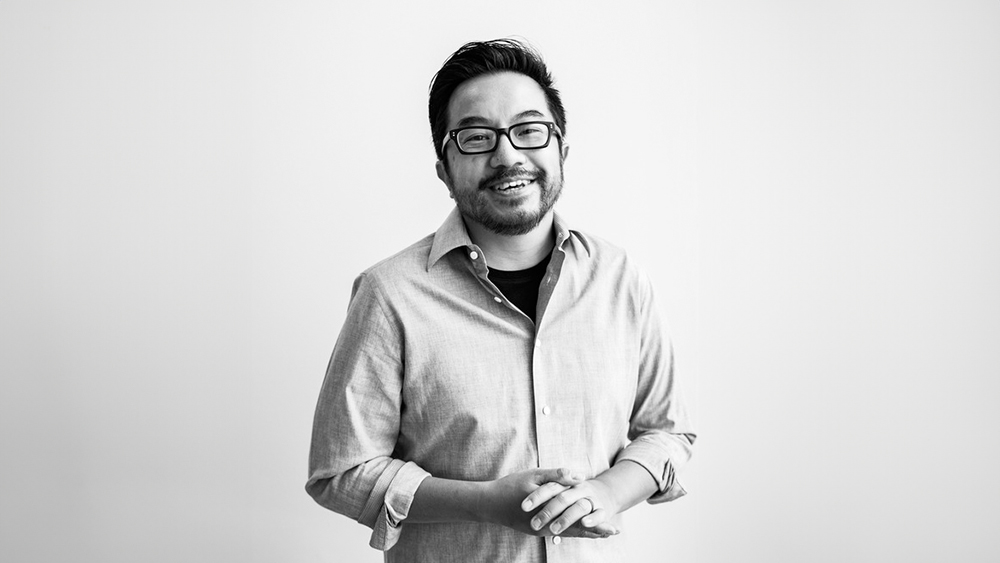
Few people in Silicon Valley are as high-profile as Y Combinator’s President and CEO, Garry Tan. Garry has worn many different hats over his illustrious career. In addition to leading the world’s most successful startup accelerator, Garry was the 10th employee at Palantir, co-founded Posterous (one of the earliest blogging sites), founded Initialized Capital (a VC fund with over $3.2B AUM), and has even ventured into the world of politics, becoming a prominent activist in San Francisco local politics. I got the chance to pick Garry’s brain about how being Asian has affected his life, and I hope that his answers can help and inspire our readers. Without further ado:

OVERCOMING DETRIMENTAL MINDSETS

My experience is that children of working class parents (especially Asian immigrants) tend to have a sticky mindset of scarcity–even when they improve their socioeconomic status. Garry has previously talked about his “$200 million mistake”. That is–he declined Peter Thiel’s offer to be a founding member at Palantir. To me, this seemed like a manifestation of this mindset, so I asked Garry how he overcame it:

I was able to realize that these things were two-way doors. Quitting a big tech company on good terms actually means you can go back anytime. There are one-way doors and two-way doors. For people who grow up with our upbringing, everything feels like a one-way door. But if you can recognize when that is wrong, then you have reclaimed some of the privileges those who come from money have by default.

The one-way vs two-way door framework is something Amazon founder Jeff Bezos has talked about extensively. You can hear him go more in depth here.

The stigma around mental health in the Asian community is another mindset that is gaining more attention. Personally, because my immigrant parents had to fight tooth and nail for survival, I don’t feel that I have the right to complain about my mental health since my life is comparatively easy. I asked Garry if this resonated with him and how he overcame this mental block:

I pretended I didn’t have any problems and spent a lot of time just trying to blend in, but in the end things about my childhood or unusual trauma-based reactions would pop up in my professional life. At some point I started going to therapy individually and it helped me immensely. All these things I didn’t have control over suddenly became something I could integrate and be aware of, and make better choices about. Carl Jung says if you don’t make the unconscious conscious, it will rule you, and you will call it fate. 

A third common mindset I see among Asian Americans is to keep their heads down and avoid rocking the boat, even if it means holding in their thoughts. Given that Garry is a very outspoken person, I asked him how he developed his confidence:

I remember in high school, I was editor of the school newspaper and noticed that students in our poorer high school got much more harsh sentences and expulsions for the same infractions that would get a slap on the wrist at the rich school. I was so angry about it, and I wrote an article exposing it but that was censored by my high school newspaper teacher. I was already going to graduate and go to Stanford so I let it slide, but deep inside me there was an anger at being silenced that I never forgot. Before newspaper, I would publish underground newspapers using Pagemaker and my English teacher would photocopy the newspapers for the class – it gave me a power I never forgot because otherwise I was the scrawny Asian nerd in the corner, but when I could channel the words of my community it gave me standing. I never forgot that.

ON ASIAN COMMUNITIES

On the topic of communities, I asked Garry about what motivated him to become a fierce advocate for the Asian community:

I feel strong solidarity with my Asian American community in San Francisco. We are a major part of the city but we are not seen. We are not heard. The local leaders would even denigrate our attempts at securing safety for our Asian American elders. Now I know I need to fight for those who don’t have a voice. One of the coolest things I found was a nonprofit called Dear Community that connects Asian Americans new to SF, often young professionals, to each other and to the existing SF Chinatown communities. It’s amazing to see smart driven people come together around that, and fight for our people in this city.

I also pointed out how he recently went to Singapore to attend a startup event called SWITCH, and asked him how he felt about the startup scenes popping up in Asian countries:

Startups are happening all around the world. You can learn from YouTube and the web. YC alums are everywhere in the world. I’m excited to see that what started in the Bay Area is now a global phenomenon and only growing.

THE ASIAN FOUNDER EXPERIENCE

On a friend’s recommendation, I asked Garry “Who are some non-technical Asian founder role models I might want to look towards? In terms of working at an early stage startup as a non-technical employee, what are the most valuable skills to learn?” Garry’s response kind of challenged the premise of my question:

In startups and in technology, being technical is a key strength. Be technical if you can be. And then be a polymath: it’s far easier for a technical person to pick up the soft skills than the other way around. 

In hindsight, I will admit that it seems silly to expect to get an outlier outcome (in the positive direction) in the tech industry if you aren’t willing to put in the effort to become technical. He got me on that one.

Lastly, I asked Garry the same question I ask all our guests–how does he think about his Asian-ness in the context of being a founder:

I didn’t think about it until much later. Frankly I tried to pretend it wasn’t an issue, even though there was absolutely a bamboo ceiling even for me. I was passed over for promotions and/or people didn’t think I was capable of doing what I have done. I would rage-quit jobs and it would work out, but I could see it going a different way. As a founder, I found that I needed to up-level my ability to speak up and speak out, and especially be as assertive as possible when I knew I was absolutely right. I had an unspoken desire that I was not even aware of for harmony, and without being aware of it I would sometimes self-abandon, and then be passive aggressive about it later. I don’t do that anymore, and it was a key step in my development as a leader. I wish I developed it earlier, and it was all because of unconscious programming from my childhood. 

The biggest lesson I took away from this interview was how the infallible and outspoken Garry Tan was not always so, and that at one point he was very much like the stereotypical Asian kid. Garry’s story proves that with self-awareness and determination, anybody can undergo tremendous growth and become an industry leader.

SHOUTOUTS

If you have an ambitious startup idea and want to be part of an amazing community of founders, apply to Y Combinator! Y Combinator runs batches twice a year–in the winter and summer. Applications for the summer 2024 batch are open, you can apply at https://www.ycombinator.com/apply

Thank you Garry for the interview!

Featured Image Source: Y Combinator
Related Articles

Screen Shot 2023-09-26 at 2.33.38 PM-png

Stories

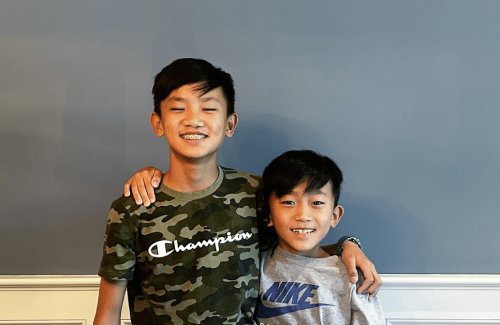
Young Siblings, Big Dreams: Oliver and Archer Noe’s Lobster-Inspired Card Game

In the world of entrepreneurship, age knows no boundaries, and Oliver Noe (age 13) and Archer Noe (age 9) are perfect examples of this.

Sons of John Noe, CEO of Yobo Soju, these young talents are crafting their own path to success. We have previously featured John Noe and Yobo Soju in one of our articles titled “This Grape-Based Soju Brand Is Here To Empower Asian-American Spirits.”

Today, we turn our attention to the promising endeavors of Oliver and Archer as they share their inspiring journey in bringing the Maine Catch card game to life.

Finding Inspiration in Lobsters and Art

When asked about the source of their inspiration, the brothers responded with youthful exuberance, “We’re just two young, lobster-obsessed kids hoping to make our game a reality.” 

Their spark of creativity was ignited during a visit to Maine, where they stumbled upon a lobster shack that introduced them to the captivating world of rare lobsters and lobster collecting. Merging these newfound passions with their love for art, the concept of Maine Catch was born.

Navigating Challenges and Staying on Course

Like many creative minds, Oliver and Archer faced challenges on their journey. They openly admitted, “We often get sidetracked.”

Distractions can be a hurdle for entrepreneurs of any age, and learning to stay focused is a valuable skill they are honing.

“Our mission is to create a card game that people can enjoy. This achievement wouldn’t just be ours; it would inspire Asian children worldwide who dream of becoming entrepreneurs.”

Oliver and Archer Noe

Celebrating Artistic Achievements

Despite their age and the challenge of getting sidetracked, these young entrepreneurs have achieved remarkable milestones.

They take immense pride in the fact that all the art featured in Maine Catch is hand-drawn, meticulously refined on the computer, and masterfully shaded in. They have designed and created over 20 unique cards for the game.

Balancing School and Chores with Entrepreneurship

Beyond their entrepreneurial pursuits, Oliver and Archer are just like any other kids their age. While they are blazing a trail in the world of entrepreneurship, these young entrepreneurs still embrace their roles as students and household chore-doers.

Introducing Maine Catch

Oliver and Archer’s passion for game creation has been a lifelong journey, encompassing both imaginary adventures and tangible projects. Lately, their focus has shifted towards card games, with Maine Catch being their most ambitious and promising endeavor yet. It’s evident that their dedication to refining their skills is paying off with this exciting project.

Empowering Aspiring Entrepreneurs

When asked about their mission and vision for Maine Catch, the young entrepreneurs shared, “Our mission is to create a card game that people can enjoy. This achievement wouldn’t just be ours; it would inspire Asian children worldwide who dream of becoming entrepreneurs.” 

Their aspirations extend beyond their own success as they aim to empower the Asian community and inspire young minds to chase their entrepreneurial dreams.

Oliver and Archer Noe are setting a remarkable example of youthful determination and creativity in the world of entrepreneurship. Their journey from lobster shacks to designing a unique card game, Maine Catch, is an inspiring testament to the power of imagination and passion.

As they continue to grow and develop their entrepreneurial skills, they are not only achieving their dreams but also paving the way for aspiring young Asian entrepreneurs worldwide. We look forward to seeing Maine Catch make waves in the gaming world and the positive impact these young talents will have on their community.

SUPPORT OLIVER AND ARCHER

Website: mainecatchgame.com

Taufeek Shah

Stories

The Success Behind the First-Ever National Asian-Filipino-Owned Hot Sauce Brand

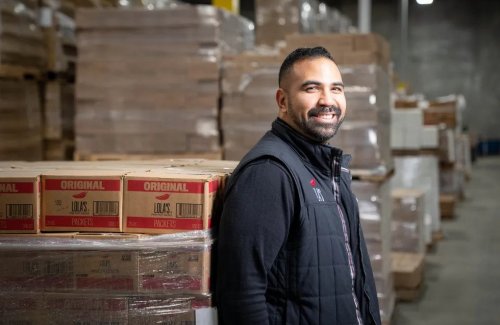
Taufeek Shah, the Founder and CEO of Lola’s Fine Hot Sauce, embodies a story that celebrates both multiculturalism and the passing down of traditions from one generation to the next.

Taufeek’s unique background, growing up with a Filipino mother and a Pakistani father who were immigrants, provided him with a rich tapestry of cultural influences. This upbringing laid the foundation for his culinary journey.

Taufeek’s parents arrived in the U.S. with dreams of a better life, despite limited resources. His father served in the military, while his mother established a medical practice in rural Northeast Iowa. Technically raised in small-town Iowa, Taufeek’s life was deeply influenced by three distinct cultures—Filipino, Pakistani, and American.

They aptly named their business “Lola’s,” a heartfelt tribute to Taufeek’s mother and a nod to the Tagalog term for grandmother.

Delightful Blend of Flavors

Taufeek’s culinary adventure was inspired by the delicious meals he savored at home. The fusion of Filipino and Pakistani flavors, combined with the locally grown peppers from Iowa farmers, crafted a one-of-a-kind gastronomic experience. This delightful blend of flavors ignited Taufeek’s vision to share these flavors with the world by bottling them.

A Humble Beginning

Taufeek’s venture into the business world began during his career in the financial services sector. He introduced his mother’s homemade hot sauce at office gatherings, and it became an immediate sensation. Encouraged by the enthusiastic feedback, he persuaded his mother to join him in sharing their family’s hot sauce with a broader audience.

Their entrepreneurial journey commenced with humble beginnings, starting at pop-up locations and farmer’s markets. As their loyal customer base expanded, Taufeek’s confidence in building a successful enterprise grew. They aptly named their business “Lola’s,” a heartfelt tribute to Taufeek’s mother and a nod to the Tagalog term for grandmother.

The Recipe for Success

The secret to Lola’s Fine Hot Sauce’s success was their dedication to preserving the original recipe. Taufeek took on multiple roles, from investor to CEO, marketer, and even delivery driver, to propel their brand forward. They started by supplying restaurants and gradually expanded into retail outlets, gaining a foothold across the nation.

Today, Lola’s Fine Hot Sauce is available in over 14,000 locations, a testament to their unwavering commitment to quality and taste.

First-Ever National Asian-Filipino-Owned Hot Sauce Brand

The mission of Lola’s Fine Hot Sauce is to provide a truly unique hot sauce for everyone to enjoy. Their hot sauce is made from the freshest ingredients and includes a blend of the world’s most unique peppers for a delectable experience. Their sauces are meant to enhance your dishes with delightful flavor, not just intense heat.

Their recent milestone of landing in over 3,600 Walgreens stores across the country makes them the first-ever national Asian-Filipino-owned hot sauce brand in the United States.

The legacy of Lola’s Fine Hot Sauce extends far beyond being a mere condiment. It serves as a symbol of family heritage, the fusion of diverse cultures, and the realization of the American dream.

CONNECT WITH LOLA’S FINE HOT SAUCE

Instagram: @LolasFineHotSauce 

Website: lolasfinehotsauce.com 

News

Filipino Couple Started a Small Business to Support Autism in the Philippines

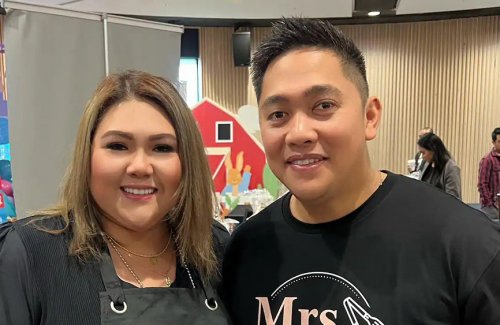
Amidst a worldwide lockdown, Chris and Minette Sales, a Filipino couple living in Australia, found a way to help families back in the Philippines who are dealing with autism. Their small business, Mrs. Market, helps groups that support people with autism.

Their journey began when their twin sons were diagnosed with autism. Living in Australia gave them access to much-needed help for their children. But Minette, being a Filipino, wanted to share this kind of support with families in the Philippines.

Their business, Mrs. Market, started because their children had special dietary needs. They decided to use this as an opportunity to give back. Some of their profits go to organizations in the Philippines that help people with autism.

Image Source: Mrs. Market

Chris, a nurse, already had a feeling that their sons were behind in their development. He told Minette that they needed to face the challenge together and be the best parents for their kids. They run their small business with support from Minette’s mom, who’s also a nurse, and their friends who help when they can.

Mrs. Market is part of a community in Melbourne that supports Filipino business owners. The Sari-Sari Success community started during the lockdown and has become a place where Filipinos can share their experiences as entrepreneurs. It’s all about helping each other succeed, build networks, and make new friends.

Featured Image Source: SBS Filipino

News

Candles with a Twist: Asian Scents Co. Delights with Asian-Inspired Fragrances

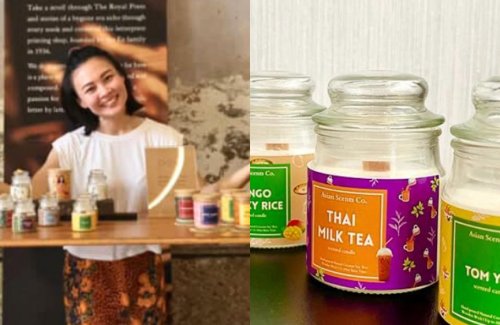
Candles have transcended their traditional use and have become a cherished everyday luxury in Malaysia. The candle-making industry has witnessed a surge in recent years, with numerous brands emerging across the country. Among these, one brand stands out for its unique twist on the classic candle experience – Asian Scents Co.

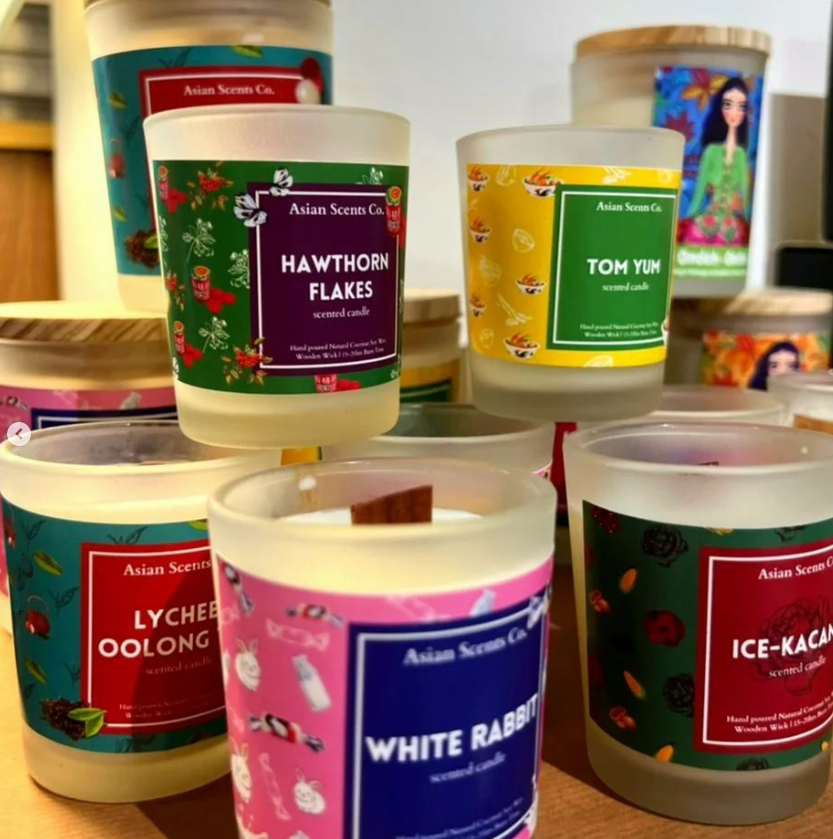
Unlike typical candle makers that focus solely on scents, Asian Scents Co. takes a novel approach. They offer a range of candles inspired by Asian culture and flavors that will tantalize not only your olfactory senses but also evoke a sense of nostalgia and wanderlust. From Boba Milk Tea to White Rabbit Candy, and even the distinctive Tiger Balm scent, Asian Scents Co. offers a diverse selection that goes beyond the ordinary.

Image Source: Asian Scents Co.

The brain behind this aromatic venture is Audrey Hon, whose journey began with homesickness while living in Melbourne, far from her Malaysian roots. As the pandemic kept her away from her homeland, she found solace in crafting scented candles. What started as a therapeutic hobby soon turned into a business, driven by the shared nostalgia her candles evoked among friends living abroad.

Audrey started with an initial investment of approximately $24,000, sourced from her personal savings and family support. The candles, crafted from premium natural coconut soy wax, wooden wicks, and high-quality fragrance oils, promise clean and toxin-free burning. She left her corporate job to devote herself fully to the brand, a bold move that paid off as international orders began pouring in from Europe and the US.

Asian Scents Co. has strategically positioned itself in the market by offering a unique blend of scents that celebrate Asian culture. Their portfolio includes a diverse range of options, available as candles, air fresheners, reed diffusers, and linen sprays, with prices ranging from $4 to $20. Customers can choose between travel-sized and full-sized candles, and the brand even offers gift sets.

As the global scented candles market continues to grow, with a projected value of $9.5 billion by 2028, the candle-making industry presents a promising avenue. However, with rising competition, brands need to differentiate themselves. Asian Scents Co. has done just that by tapping into the universal love for food and nostalgia, delivering a unique sensory experience that resonates not only with Malaysians but also with individuals worldwide who share an appreciation for Asian culture and flavors.

Featured Image Source: Asian Scents Co.