Awaken* newsletter

March 6, 2024

SHARE:

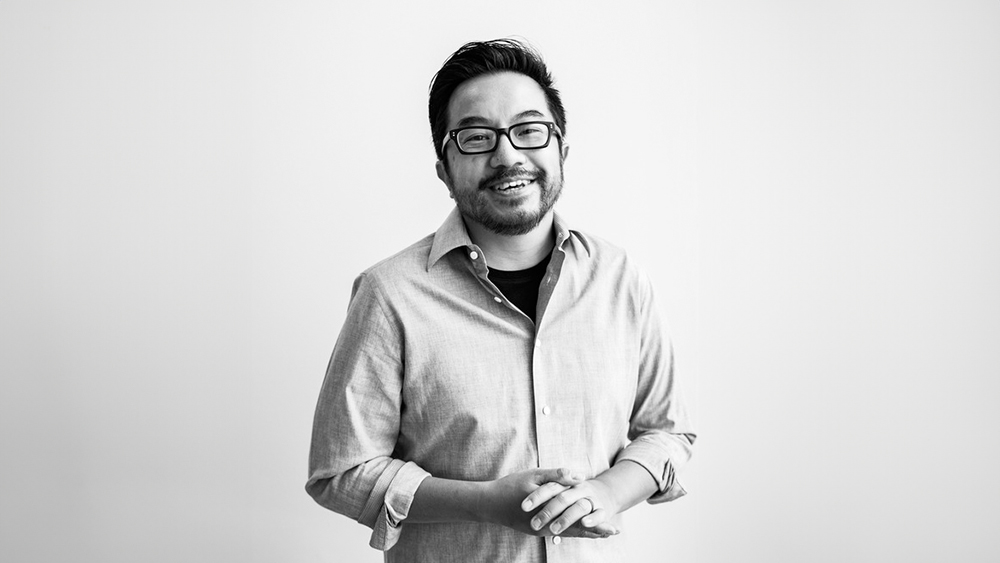
Few people in Silicon Valley are as high-profile as Y Combinator’s President and CEO, Garry Tan. Garry has worn many different hats over his illustrious career. In addition to leading the world’s most successful startup accelerator, Garry was the 10th employee at Palantir, co-founded Posterous (one of the earliest blogging sites), founded Initialized Capital (a VC fund with over $3.2B AUM), and has even ventured into the world of politics, becoming a prominent activist in San Francisco local politics. I got the chance to pick Garry’s brain about how being Asian has affected his life, and I hope that his answers can help and inspire our readers. Without further ado:

OVERCOMING DETRIMENTAL MINDSETS

My experience is that children of working class parents (especially Asian immigrants) tend to have a sticky mindset of scarcity–even when they improve their socioeconomic status. Garry has previously talked about his “$200 million mistake”. That is–he declined Peter Thiel’s offer to be a founding member at Palantir. To me, this seemed like a manifestation of this mindset, so I asked Garry how he overcame it:

I was able to realize that these things were two-way doors. Quitting a big tech company on good terms actually means you can go back anytime. There are one-way doors and two-way doors. For people who grow up with our upbringing, everything feels like a one-way door. But if you can recognize when that is wrong, then you have reclaimed some of the privileges those who come from money have by default.

The one-way vs two-way door framework is something Amazon founder Jeff Bezos has talked about extensively. You can hear him go more in depth here.

The stigma around mental health in the Asian community is another mindset that is gaining more attention. Personally, because my immigrant parents had to fight tooth and nail for survival, I don’t feel that I have the right to complain about my mental health since my life is comparatively easy. I asked Garry if this resonated with him and how he overcame this mental block:

I pretended I didn’t have any problems and spent a lot of time just trying to blend in, but in the end things about my childhood or unusual trauma-based reactions would pop up in my professional life. At some point I started going to therapy individually and it helped me immensely. All these things I didn’t have control over suddenly became something I could integrate and be aware of, and make better choices about. Carl Jung says if you don’t make the unconscious conscious, it will rule you, and you will call it fate. 

A third common mindset I see among Asian Americans is to keep their heads down and avoid rocking the boat, even if it means holding in their thoughts. Given that Garry is a very outspoken person, I asked him how he developed his confidence:

I remember in high school, I was editor of the school newspaper and noticed that students in our poorer high school got much more harsh sentences and expulsions for the same infractions that would get a slap on the wrist at the rich school. I was so angry about it, and I wrote an article exposing it but that was censored by my high school newspaper teacher. I was already going to graduate and go to Stanford so I let it slide, but deep inside me there was an anger at being silenced that I never forgot. Before newspaper, I would publish underground newspapers using Pagemaker and my English teacher would photocopy the newspapers for the class – it gave me a power I never forgot because otherwise I was the scrawny Asian nerd in the corner, but when I could channel the words of my community it gave me standing. I never forgot that.

ON ASIAN COMMUNITIES

On the topic of communities, I asked Garry about what motivated him to become a fierce advocate for the Asian community:

I feel strong solidarity with my Asian American community in San Francisco. We are a major part of the city but we are not seen. We are not heard. The local leaders would even denigrate our attempts at securing safety for our Asian American elders. Now I know I need to fight for those who don’t have a voice. One of the coolest things I found was a nonprofit called Dear Community that connects Asian Americans new to SF, often young professionals, to each other and to the existing SF Chinatown communities. It’s amazing to see smart driven people come together around that, and fight for our people in this city.

I also pointed out how he recently went to Singapore to attend a startup event called SWITCH, and asked him how he felt about the startup scenes popping up in Asian countries:

Startups are happening all around the world. You can learn from YouTube and the web. YC alums are everywhere in the world. I’m excited to see that what started in the Bay Area is now a global phenomenon and only growing.

THE ASIAN FOUNDER EXPERIENCE

On a friend’s recommendation, I asked Garry “Who are some non-technical Asian founder role models I might want to look towards? In terms of working at an early stage startup as a non-technical employee, what are the most valuable skills to learn?” Garry’s response kind of challenged the premise of my question:

In startups and in technology, being technical is a key strength. Be technical if you can be. And then be a polymath: it’s far easier for a technical person to pick up the soft skills than the other way around. 

In hindsight, I will admit that it seems silly to expect to get an outlier outcome (in the positive direction) in the tech industry if you aren’t willing to put in the effort to become technical. He got me on that one.

Lastly, I asked Garry the same question I ask all our guests–how does he think about his Asian-ness in the context of being a founder:

I didn’t think about it until much later. Frankly I tried to pretend it wasn’t an issue, even though there was absolutely a bamboo ceiling even for me. I was passed over for promotions and/or people didn’t think I was capable of doing what I have done. I would rage-quit jobs and it would work out, but I could see it going a different way. As a founder, I found that I needed to up-level my ability to speak up and speak out, and especially be as assertive as possible when I knew I was absolutely right. I had an unspoken desire that I was not even aware of for harmony, and without being aware of it I would sometimes self-abandon, and then be passive aggressive about it later. I don’t do that anymore, and it was a key step in my development as a leader. I wish I developed it earlier, and it was all because of unconscious programming from my childhood. 

The biggest lesson I took away from this interview was how the infallible and outspoken Garry Tan was not always so, and that at one point he was very much like the stereotypical Asian kid. Garry’s story proves that with self-awareness and determination, anybody can undergo tremendous growth and become an industry leader.

SHOUTOUTS

If you have an ambitious startup idea and want to be part of an amazing community of founders, apply to Y Combinator! Y Combinator runs batches twice a year–in the winter and summer. Applications for the summer 2024 batch are open, you can apply at https://www.ycombinator.com/apply

Thank you Garry for the interview!

Featured Image Source: Y Combinator
Related Articles

grateful-being-me-cover-jpg

Stories

How Deena Kong Is Rewriting Representation in Children’s Literature

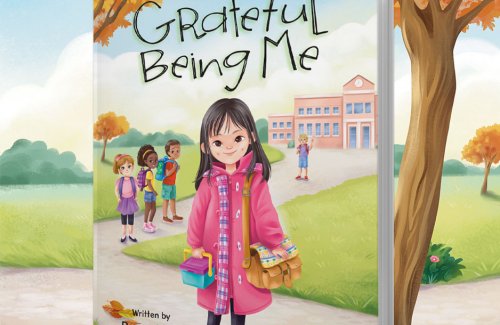
Growing up Cambodian in North America, Deena Kong often felt invisible—a feeling that followed her from Canada to the U.S. and ultimately inspired her to write Grateful Being Me, a book to help children understand representation matters.

Deena Kong with her book Grateful Being Me (Photographed By: Jamie Sutera)

Seeing Herself in Stories

Growing up Cambodian in North America, Deena often felt invisible. 

“I truly believed as a child that no one else could relate to these feelings I was experiencing,” she shares. “That’s why I wanted to share my story with others.” 

Raised by supportive parents, Deena became a passionate reader, ultimately leading her to create a book that would help children from similar backgrounds see themselves represented.

“Representation matters,” Deena explains. “When a child wanders through a library or bookstore, they should be able to find themselves in the stories and pictures. I hope Grateful Being Me encourages self-acceptance, celebrates diversity, and promotes inclusion by empowering children to connect with one another.”

Grateful Being Me (Photographed By: Jamie Sutera)

The Making of Grateful Being Me

Finding time to write proved challenging while working full-time as a Government Contractor in Ethics & Compliance and raising a family. Yet Deena’s determination to promote diversity and inclusion kept her going until her book was ready for publication.

“Modeled after my real-life experiences, this book follows a young girl named Rosila on her adventure in an unfamiliar place,” Deena says proudly. 

The story chronicles Rosila’s first day at a new school in a new country, where she discovers what makes her unique and learns the power of self-love.

“Rosila’s first language isn’t English, so her vocabulary stands out,” Deena notes. “She brings ethnic foods that seem unusual compared to typical American cafeteria lunches. The story captures her nervousness about how classmates will react as she navigates this new environment and makes friends.”

Through Grateful Being Me, Deena offers a powerful tool to help children understand they belong anywhere. The book thoughtfully explores the complex emotions children face when encountering unfamiliar situations, ultimately showing them that their uniqueness is something to be celebrated.

Connect

Instagram: @bydeenakong

Website: Deena Kong

Purchase your copy of Grateful Being Me on Amazon, Barnes & Noble, Walmart, or Books-A-Million.

Vietnamese American Girls

News

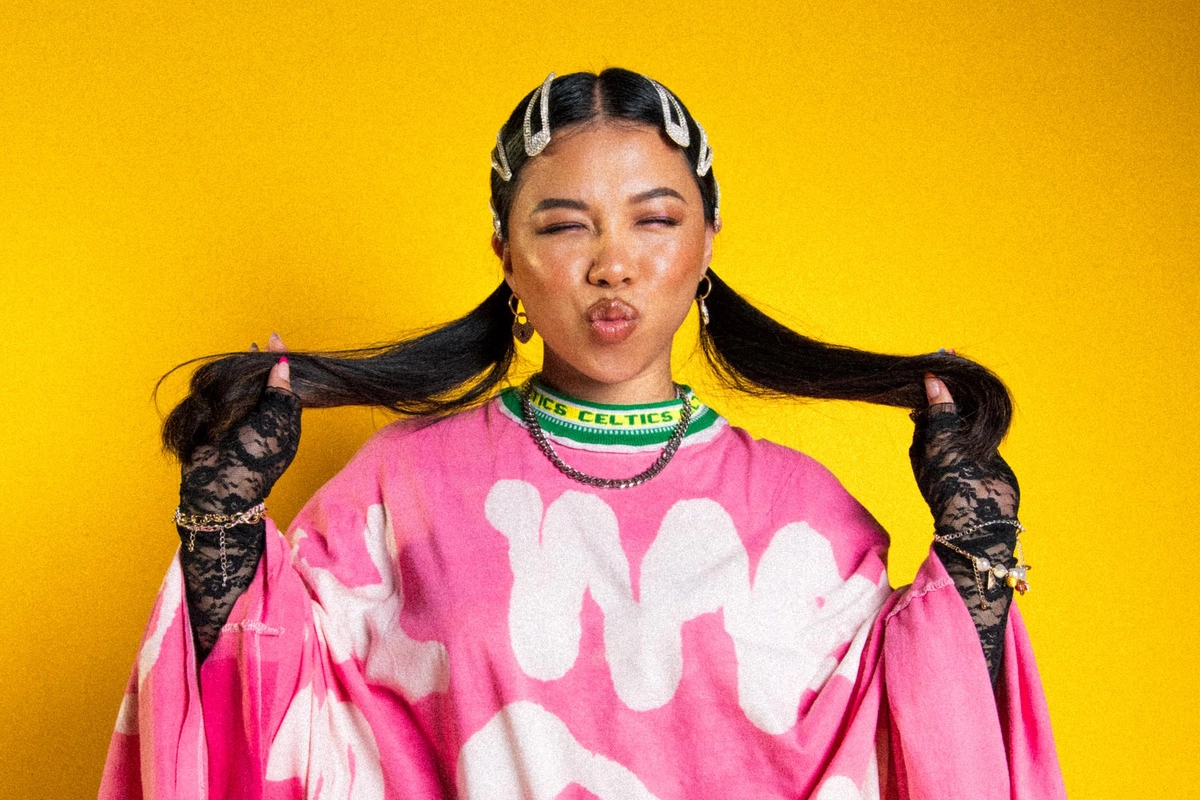
‘This Moment Doesn’t Happen for Vietnamese American Girls Like Me’: Thuy’s Words Hit Home for Generations of Asians

Thuy has always been a proud Vietnamese at heart. In April 2024, Vietnamese American R&B artist Thuy made history at Coachella as the first official solo Vietnamese American artist to grace the well-known music festival. This year, a video clip of her Coachella speech has become widespread, sending out a powerful message to young Asian girls out there.

Thuy, a Vietnamese American R&B artist, shares empowering words for Vietnamese American girls. (Image source: PAPER Magazine)

Originally from the Bay Area, Thuy revealed that she grew up in a traditional family, hence, shaping her as a former optometric technician. However, weekend karaoke sessions with her family have brought her musicianship to life, sparking an interest that soon flourished. Taking a leap of faith and moving to Los Angeles (LA) for a music career, Thuy has proven to herself that the leap was a must, especially with the well-liked hit “girls like me don’t cry.”

Beyond her musical talent and captivating stage presence, Thuy’s performance at Coachella stands for something way greater—the well-deserved representation of Vietnamese Americans and Asian Americans in general. Her success challenges traditional expectations within Asian American households, where creative careers are discouraged due to the fear of instability associated with the jobs. Moreover, this is also a significant step forward in diversifying the music industry and amplifying underrepresented voices. 

‘This moment doesn’t happen for Vietnamese American girls like me,” Thuy reflected during her Coachella performance. “I am so honored to be here today to be the first official solo Vietnamese American.”

https://www.tiktok.com/@thuyuniverse/video/7492153731891399978

Blogs, Development

Is Your Homepage Welcoming or Driving Visitors Away?

Your homepage is like a party host—it either welcomes guests with open arms or sends them running for the exit. So, how can you ensure your homepage draws in visitors? Here are some tips:

Prioritize Essential Information

Modern users have short attention spans, so your homepage must prioritize essential information. Clearly state what you do, why visitors should care, and how you solve their pain points. The more straightforward this is, the less likely users will leave confused or frustrated.

Prioritize Essential Information

Keep It Simple

Simplicity is key in navigation, layout, and messaging. While visitors may not convert immediately, an intuitive and engaging experience encourages them to explore further and return later. Avoid clutter, streamline choices, and guide users effortlessly to what matters most.

Build Confidence

Most importantly, your homepage must build confidence. People dislike feeling lost or unsure, so eliminate complexity. Use clear descriptions, trusted testimonials, and logical organization to make visitors feel comfortable and informed from the first click. A confident user is far more likely to stay, engage, and eventually convert.

Build Confidence

Why AHN Solutions?

A homepage carries a lot of significance and can make or break your website. Let AHN Solutions be your ultimate wingman, transforming your digital front door into an experience visitors will love to stay for.

If you want to learn more about our services, visit the AHN Solutions website at asianhustlenetwork.com/services/

e.l.f.-Amanda-Nguyen-021125-tout-102e19ddde834ae08a8fdc22ff6e7220

News

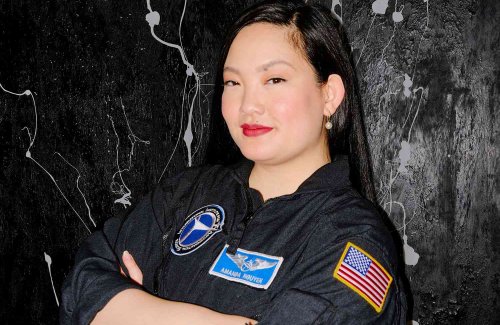
Breaking Barriers: Amanda Nguyen to Become the First Vietnamese Woman in Space

Amanda Nguyen is set to become the first Vietnamese woman to fly into space—a historic achievement on its own. But what makes this moment truly extraordinary is the powerful story behind it: a journey of resilience, justice, and unshakable advocacy for Asian American and survivor rights.

Amanda’s life changed forever in 2013 when she was sexually assaulted while attending Harvard. Frustrated by a legal system that failed to protect her, she fought back—not just for herself, but for countless others. Filing lawsuits as “Jane Doe,” she refused to accept a law that denied her justice. Instead, she turned her pain into purpose, founding Rise, a nonprofit organization dedicated to advancing civil rights protections for survivors of sexual violence.

Amanda Nguyen nominated for the Nobel Peace Prize (Image source: Yahoo)

Through Rise, Amanda played a key role in passing the Sexual Assault Survivors’ Rights Act, and her tireless advocacy work for both survivors and Asian American communities earned her global recognition. She was nominated for the Nobel Peace Prize in 2019 and named Time Woman of the Year in 2022.

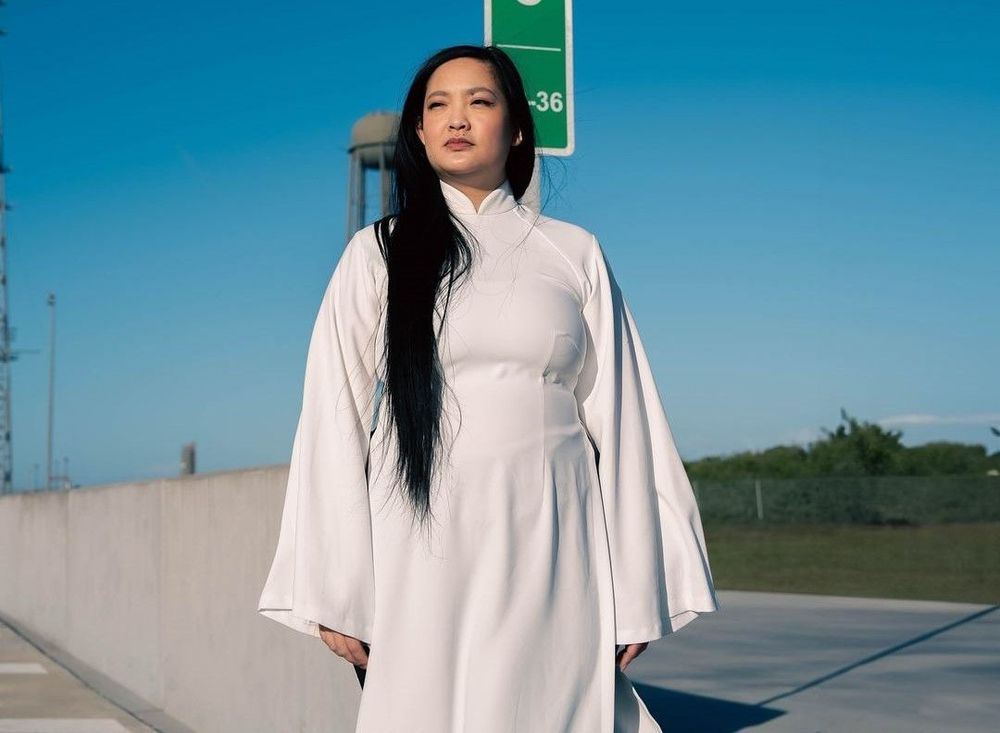
Despite the trauma she endured, Amanda never let go of her childhood dream of becoming an astronaut. Now, at 32, she will finally see that dream take flight as she joins Space for Humanity’s Citizen Astronaut Program, making her the first Vietnamese American woman to fly into space.

Amanda Nguyen (Image source: Her.vn)

According to Space for Humanity, the mission aims to “empower each citizen astronaut to address global challenges with a broader outlook.” Amanda will launch aboard a New Shepard rocket by Blue Origin, a U.S.-based aerospace company and spaceflight provider.

In a heartfelt video shared by the U.S. Embassy in Vietnam, Amanda spoke in Vietnamese:

“I am Vietnamese. I’m flying to space so that young Vietnamese women can see themselves among the stars. What’s important for me is that I can carry my community by my side. I might be the first, but I will not be the last.”