Awaken* newsletter

March 15, 2024

SHARE:

Edwin Ong

2024.03.06

翻译:田头草

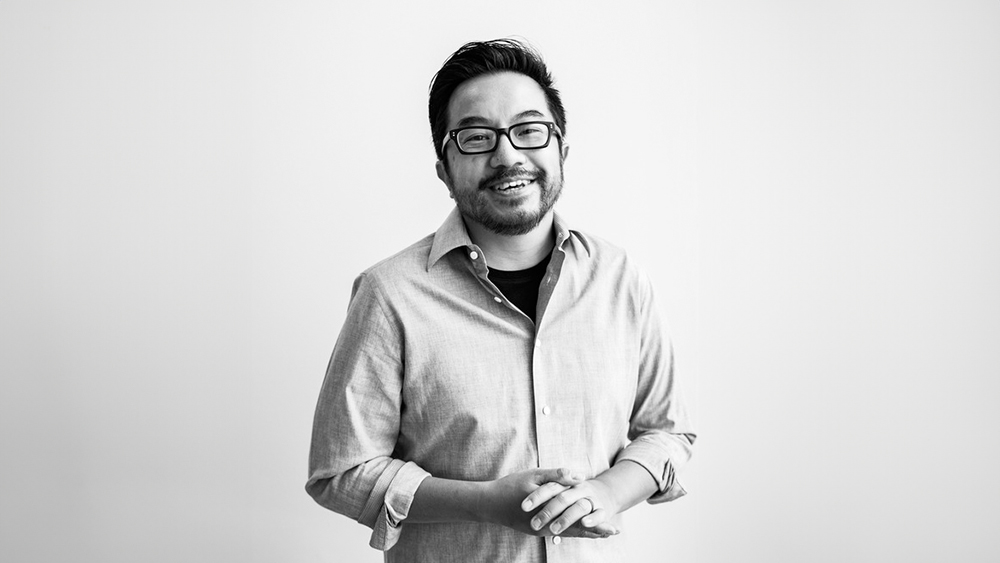
在硅谷,极少有人能像 Y Combinator 的总裁兼首席执行官 Garry Tan (陈嘉兴) 那样高调。Garry在其辉煌的职业生涯中担任过许多不同的职务。

除了领导世界上最成功的创业加速器(Y Combinator) 之外,Garry 是 Palantir (帕浪)的第 10 名员工,共同创立了 Posterous(最早的博客网站之一),创立了 Initialized Capital(管理规模超过 32 亿 美元的风险投资基金),甚至还由投资而步入政界,成为旧金山当地政治的杰出活动家。

(译者注;Palantir 帕浪公司基本上没有中文的介绍,帕浪服务的用户牛气冲天)

(译者注:Posterous 被Twitter 于2012 年收购)

我有幸有机会了解Garry 的亚裔身份如何影响他的生活,我希望他的答案能够帮助和启发我们的读者。言归正传:

一、克服有害的心态

1. 因稀缺环境而诱发稀缺的粘性心态

Ong: 

我的经验是,工薪阶级父母(尤其是亚洲移民)的孩子往往有一种因稀缺环境而诱发稀缺的粘性心态——即使他们的社会经济地位已经有所提高。加里此前曾谈到过他的“价值 2 亿美元的错误”。也就是说,他拒绝了 Peter Thiel 成为 Palantir 创始成员的邀请。对我来说,这似乎是这种心态的体现,所以我问Garry他是如何克服的:

(译者注:Peter Thiel,“奇葩的牛人,自由穿梭于法律、金融、投资及创业之间。”)

(译者注:当时Garry 是微软高薪稳定的员工)。

Tan: 

我能够意识到这些东西是双向门。以良好的条件退出一家大型科技公司实际上意味着你可以随时回去。有单向门和双向门之分。

对于与我们一样环境长大的人来说,一切都感觉像是一扇单向门。但如果你什么时候能意识到这是错误的,那么你就改造了那些有钱人默认拥有的一些特权。

Ong: 

亚马逊创始人杰夫·贝索斯(Jeff Bezos)多次谈论单向门与双向门框架。你可以在这里听到他更深入的阐述。https://m.youtube.com/watch?v=VFwCGECvq4I&ab_channel=LexClips

(译者注:单向门VS双向门,贝佐斯认为决策有两种。一种决策是单向门(one-way door),不可逆转而且非常重要。另一种决策是双向门(two-way door),90%以上的决策都属于此。也就是说,可以制定决策并执行,一旦事实证明决策错误,马上可以推倒重来,损失不大。)

2. 亚裔社区对心理健康的耻辱感

Ong: 

亚裔社区对心理健康的耻辱感,是另一种越来越受到关注的心态。就我个人而言,因为我的移民父母为了生存而拼尽全力,我觉得我没有权利抱怨我的心理健康,因为我的生活相对安逸。我问Garry这是否引起他的共鸣以及他如何克服这种心理障碍:

Tan: 

我假装自己没有任何问题,花了很多时间试图融入其中。但最终,有关我童年的事情或不寻常的留下创伤的反应,会在我的职业生活中突然出现。在某个时候,我开始单独接受治疗,这对我帮助很大。

所有这些我无法控制的事情突然变成了我可以整合和意识到的事情,并做出更好的选择。卡尔·荣格说:你未觉察到的潜意识决定着你的人生,你却将其称之为“命运”。(译者注:荣格是瑞士心理学家、精神科医师,分析心理学的创始人。)

3. 第三种常见心态是低着头,避免搅局

Ong:

我在亚裔美国人中看到的第三种常见心态是低着头,避免搅局,即使这意味着抑制自己的想法。鉴于Garry是一个非常直言不讳的人,我问他是如何培养自信的:

Tan:

我记得在高中时,我是校报的编辑,注意到我们在比较贫困高中的学生因为同样的违规行为而受到严厉的判决和开除,而在富人区的学校则仅会受到不痛不痒的轻罚。我对此非常生气,我写了一篇文章揭露它,但被我的高中指导报纸的老师审查(没过)了。我已经快毕业,并已被斯坦福大学录取了,所以我就顺其自然了。

但在我内心深处,有一种对被压制的愤怒,我永远不会忘记。

在出报纸之前,我会使用 Pagemaker (译者注:一款页面排版软件)出版“地下”报纸,而我的英语老师会为班级复印报纸 – 这给了我一种我永远不会忘记的力量。因为否则我就是角落里骨瘦如柴的亚洲书呆子,但是当我可以传达我社区的声音,我有了立足点。我从未忘记过这一点。

二、关于亚裔社区

Ong:

关于社区的话题,我问Garry 是什么促使他成为亚裔社区的积极倡导者:

Tan: 

我对旧金山的亚裔美国人社区有强烈的团结感。我们是这座城市的重要组成部分,但我们却没有被看到。我们没有被听到。

当地领导人甚至会诋毁我们为确保亚裔美国长辈安全所做的努力。现在我知道我需要为那些没有发言权的人而战。

我发现的最酷的事情之一是一个名为“亲爱的社区”的非营利组织,它将刚新到旧金山的亚裔美国人(通常是年轻的专业人​​士)以及传统的旧金山唐人街社区联系起来。看到聪明的人们聚集在一起,为这座城市的人民而战,真是太棒了。

(译者注:了解旧金山的严重的社会现状的读者,就能更深入理解Garry 的这段话)。

Ong:

我还提到他最近去新加坡参加一个名为SWITCH的创业活动,并问他对亚洲国家涌现的创业场景有何感想:

Tan:

初创公司正在世界各地涌现。您可以从 YouTube 和网络上学习。 YC 校友遍布世界各地。我很高兴看到从湾区开始的事情现在已经成为一种全球现象,而且还在不断增长。

三、亚裔创始人经验

Ong:

在朋友的建议下,我问Garry:“我可以向哪些非技术性的亚洲创始人榜样学习?对于在初创公司作为非技术员工而言,最有价值去学习的技能是什么?” Garry的回答有点挑战了我问题的前提:

Tan:

在初创公司和技术领域,技术是关键优势。如果可以的话,请更重于科技。然后成为一名博学者:科技人员掌握软技能比反过来要容易得多。

Ong:

事后看来,我承认,如果你不愿意付出努力来成为技术人才,那么期望在科技行业获得优异成果似乎很愚蠢。他给我上了一课。

四、如何看待自己的亚裔身份

Ong:

最后,我问了Garry,和我问所有受访人的问题一样——作为创始人,他如何看待自己的亚裔身份:

Tan:

直到很晚我才想到这一点。坦白说,我试图假装这不是问题,虽然绝对存在“竹制天花板”- 既使对我来说。我没有获得晋升和/或人们认为我没有能力做我所做的事情。我会愤怒地辞掉工作,这是解决问题的一种方式,但我看到事情可以有不同的解决方式。

作为一名创始人,我发现我需要提高自己畅所欲言的能力,尤其是当我知道自己绝对正确时,要尽可能自信。

我有一种隐而不发的心理,我甚至没有意识到这是为了和谐。在没有意识到的情况下,我有时会自我放弃,然后又被动地攻击它。我不再这样做了,这是我作为领导者发展的关键一步。我希望我早点发展这种能力,这都是因为我童年时无意识的编程。

(译者注:Garry 在 14 岁时开始编程,他通过制作网页和网站的互联网部分获得每小时 7 美元的报酬。这笔收入帮助他的父母支付了买房的第一笔首付。)

Ong:

我从这次采访中得到的最大收益是,“永远正确、直言不讳”的 Garry Tan 并不总是如此,而且在某一时刻,他非常像典型的亚裔孩子。Garry 的故事证明,只要有自我意识和决心,任何人都可以实现巨大的成长并成为行业领导者。

呼吁

Ong:

如果您有一个雄心勃勃的创业想法,并希望成为一个令人惊叹的创始人社区的一部分,请申请 Y Combinator! Y Combinator 每年运行两次批次——冬季和夏季。 

2024年夏季批次的申请已开放,您可以通过 https://www.ycombinator.com/apply 进行申请

感谢Garry 接受采访!

照片来源:Y Combinator

英文采访链接

Garry Tan on Startups, Advocacy, and Overcoming Cultural Mindsets

附:福布斯中国对陈嘉兴的介绍
https://www.forbeschina.com/billionaires/61673

Related Articles

Image Source: The Sacramento Bee

News

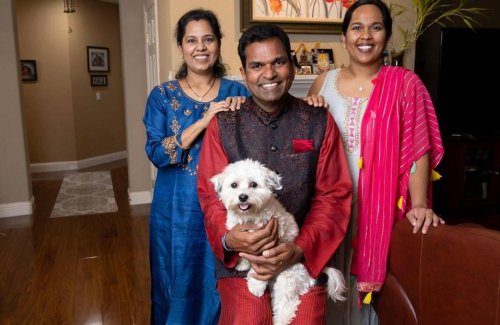
Asian American Community Is Prospering In Folsom Sacramento County

The number of Asian American immigrants in Folsom multiplied five-fold from 2000 until last year as found out by the US Census Bureau.

Among them are Chalamcherla of India, Steven Wang of China, and Marcus Yasatuke of Japan.

51-year-old Chalamcherla long decided to come to Folsom after falling in love with the city while attending the birthday celebration of a friend’s son, but it wasn’t until 2006 that he actually did so after spending two years in Singapore and the Bay Area.

Nearly ten years after arriving in the country, Steven Wang, who is currently Folsom’s city attorney, became a citizen.

Back then, it was hard for tourists to enter the US but Wang, together with her brother and mother, swiftly passed the immigration after saying that they would be visiting Disneyland, the only place he knew. 

Wang, who is now a lieutenant colonel, has been a member of the US Army Reserve since 2004. During that time, many of his fellow soldiers were losing their lives while serving, and Wang felt in danger.

Because of this, he worked in Folsom city before finishing the necessary time to serve in his Afghanistan deployment, and he told The Sacramento Bee, “I don’t know if every company is like this, but Folsom has been quite supportive of the military.”

Additionally, in 2003, Marcus Yasutake, 45, moved to Folsom with his wife after receiving job offers from Placerville and Roseville. They were able to reside there and raise a family of three children.

Communications director Christine Brainerd of the city of Folsom said that Asian Americans are likely attracted to the area on the same note as why many citizens choose to call Folsom home.

The head of the Sacramento Asian Pacific Chamber of Commerce’s economic development team believes that the tech-based companies in Folsom may be one factor for the recent increase in Asian residents.

Marcus cited the excellent school system in Folsom as one of the reasons why he came there, whilst Chalamcherla claimed that technology plays a significant role in the city’s increasing Asian population.

Racial discrimination is far from nonexistent in Folsom. That’s why Chalamcherla urges other Asians to immerse them in Asian culture.

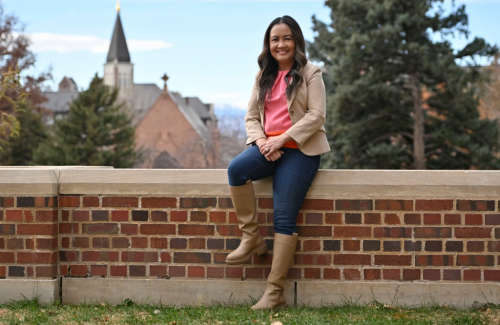
Image Source: The Denver Post

News

Denver’s Vietnamese Refugees Share New Life While Keeping Family’s Heritage

Because of the chaos that was happening in their homeland in the 1970s, thousands of Vietnamese fled and some, later on, found a home in Colorado.

The melancholic memory is still fresh for Nga Vương-Sandoval, who, at the age of three, had to temporarily stay in refugee camps in the Philippines, Guam, and Arkansas.

She was with the about 2 million people who were unhoused and still have from within the shock of their suffering. 

It had been very challenging for them as they had to leave behind the good life they have in Vietnam and even depart from their relatives in order for them to leave safely.

Starting their life all over again, Denver has become a home to the 24,000-man Vietnamese Americans.

After being able to establish their community and found a home in the place, Nga said “I’m proud to say that it’s the city that I love, it’s the state that I love.”

Meanwhile, Vo, a 21-year-old grandchild of a Vietnamese who grew up in Aurora after his grannies and parents left Vietnam in the 1990s to seek a better life, had the experience of living in “a very diverse place.”

Knowing very little about his family’s past in Vietnam, he conducted a research project to unleash an “inherently American story,” according to him. 

Enabling people to have a glimpse of the refugees from a different perspective, Vo made use of his relatives as objects of his photography.

“Even though we moved here, they still lived a very Vietnamese life,” Vo said in Denver Post, 

It was also in his research that he found out how the majority of his family members were able to escape Vietnam while being robbed of cash and gold on their way.

He also mentioned how his family kept their culture by still practicing them in Denver which contributed to what America is, a place with diverse cultures. 

Despite having to start from scratch, they were able to begin life anew and even owned an Asian supermarket, Asian cinema, and Truong An Gifts.

His family also started the Far East Center shopping mall in 1987, home to him and his cousins and even to the Asian community.

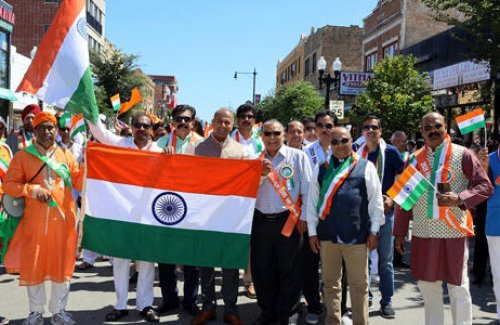
Image Source: Silicon India

News

South Asians Found Second Home in Devon Avenue’s “Little India”

At Devon Avenue in Chicago, immigrants from India discovered a taste and comfort of their home country.

The area, commonly referred to as “Little India,” has served as a shelter for Indians who miss their culture.

Finding a home in it, Indians such as National Indo-American Museum board member Beverly Kumar, go there every now and then, especially when she craves Kalakand, a traditional Indian fudge.

According to Kumar, “It’s very comforting knowing that just 14 miles away from my house, there is an essence of Little India.” She also mentioned how reminiscing it is to see familiar sights, sounds, scents, and flavors when visiting Devon Avenue since it makes her feel as though she has never left home.

The area not only became a haven for Indians, but also for other South Asians who opened grocery stores, sari and jewelry stores, as well as many other enterprises in addition to food stores.

In the middle of 1960s, the place it became the second and fourth-largest enclave for Indian and Pakistani Americans, respectively.

The Federal Immigration and Naturalization Act of 1965 ushered in the first wave of South Asian immigration, which established settlements for South Asian professionals in Chicago, while the second phase arrived in the 1980s and 1990s.

Psychotherapist Ranjana Bhargava was one of the first immigrants who yearned for vegan food and searched for spices to sate her craving for Indian cuisines, which she found at Mexican places.

Between the first and second waves, businesses such as The Sari Palace sari store and Indian grocery stores began to thrive there.

Since then, a new community has been created where Indians continue to practice their culture through activities like viewing Indian movies, getting together, playing instruments, performing traditional dances, and eating.

The once Jewish-dominated place became a mainly Indian community which captivated more visitors where one can meet not only Indians but people of different races.

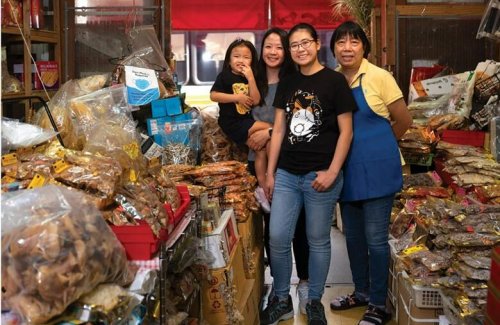
Image Source: Olivier Koning / Honolulu Magazine

Stories

Chinatown’s Oldest and Most Respected Businesses Proudly Carried On By Next Generation

The blood of entrepreneurship runs through the veins of Chinatown’s Chinese food business owners, as three of the longest-running businesses have their children enter the management fields of their family business.

Tony and Selina Chun, together with Alan and Helen Chun, who have been in the business for decades, fully trusted their children to run the meat market company they bought in the 1980s.

The older generation passed it down to their children believing that they would treat it the same way they had after 40 years of building and creating the Chinatown cornerstone with crispy roast pigs, burnished roast ducks, and glazed char siu along with butcher store and seafood vendor.

Frankie, 35, and his cousins are now in charge of running the company that they established through diligence and thrift. Given that they have a family business to manage, Frankie has known since then that he won’t take long in any career.

He was reported in Honolulu magazine as saying, “I knew that anything I was going to pursue wasn’t going to be lengthy, because the family would always ask us back for support.”

He and his cousins learned the operations as a result of early exposure to the business and used them as a means of support, which pleased their parents, especially when they took their first vacation in four decades.

Meanwhile, Liana Fang, whose parents Wesley and Jie Mei Fang founded Sing Cheong Yuan Bakery, assists in running the business.

The pair bought the bakery from its original owners and then expanded it by bringing in more goods. The homemade goods were prepared using original family recipes that they later improved.

The 27-year-old claims she adores Chinatown but acknowledges that she is more passionate about cooking than baking. “It’s so authentic. I love Asian food, the fresh markets, the mom-and-pop shops,” she said.

Completing the list, the 33-year-old daughter of Sun Chong supermarket co-owner Ann Sung also contributes to management of the business.

Sun helps them sell their products and other items by marketing it online and by helping accomplish other stuff needed in the business.

Sun, who grew up at the shop with her cousins, said that their business is like a thread that can connect generations. She also claimed that coming home after studying abroad was like paying back her mother, who had done everything for her. Sun plans to update and improve her mother and aunt’s traditional business structure.