Awaken* newsletter

March 15, 2024

SHARE:

Edwin Ong

2024.03.06

翻译:田头草

在硅谷,极少有人能像 Y Combinator 的总裁兼首席执行官 Garry Tan (陈嘉兴) 那样高调。Garry在其辉煌的职业生涯中担任过许多不同的职务。

除了领导世界上最成功的创业加速器(Y Combinator) 之外,Garry 是 Palantir (帕浪)的第 10 名员工,共同创立了 Posterous(最早的博客网站之一),创立了 Initialized Capital(管理规模超过 32 亿 美元的风险投资基金),甚至还由投资而步入政界,成为旧金山当地政治的杰出活动家。

(译者注;Palantir 帕浪公司基本上没有中文的介绍,帕浪服务的用户牛气冲天)

(译者注:Posterous 被Twitter 于2012 年收购)

我有幸有机会了解Garry 的亚裔身份如何影响他的生活,我希望他的答案能够帮助和启发我们的读者。言归正传:

一、克服有害的心态

1. 因稀缺环境而诱发稀缺的粘性心态

Ong: 

我的经验是,工薪阶级父母(尤其是亚洲移民)的孩子往往有一种因稀缺环境而诱发稀缺的粘性心态——即使他们的社会经济地位已经有所提高。加里此前曾谈到过他的“价值 2 亿美元的错误”。也就是说,他拒绝了 Peter Thiel 成为 Palantir 创始成员的邀请。对我来说,这似乎是这种心态的体现,所以我问Garry他是如何克服的:

(译者注:Peter Thiel,“奇葩的牛人,自由穿梭于法律、金融、投资及创业之间。”)

(译者注:当时Garry 是微软高薪稳定的员工)。

Tan: 

我能够意识到这些东西是双向门。以良好的条件退出一家大型科技公司实际上意味着你可以随时回去。有单向门和双向门之分。

对于与我们一样环境长大的人来说,一切都感觉像是一扇单向门。但如果你什么时候能意识到这是错误的,那么你就改造了那些有钱人默认拥有的一些特权。

Ong: 

亚马逊创始人杰夫·贝索斯(Jeff Bezos)多次谈论单向门与双向门框架。你可以在这里听到他更深入的阐述。https://m.youtube.com/watch?v=VFwCGECvq4I&ab_channel=LexClips

(译者注:单向门VS双向门,贝佐斯认为决策有两种。一种决策是单向门(one-way door),不可逆转而且非常重要。另一种决策是双向门(two-way door),90%以上的决策都属于此。也就是说,可以制定决策并执行,一旦事实证明决策错误,马上可以推倒重来,损失不大。)

2. 亚裔社区对心理健康的耻辱感

Ong: 

亚裔社区对心理健康的耻辱感,是另一种越来越受到关注的心态。就我个人而言,因为我的移民父母为了生存而拼尽全力,我觉得我没有权利抱怨我的心理健康,因为我的生活相对安逸。我问Garry这是否引起他的共鸣以及他如何克服这种心理障碍:

Tan: 

我假装自己没有任何问题,花了很多时间试图融入其中。但最终,有关我童年的事情或不寻常的留下创伤的反应,会在我的职业生活中突然出现。在某个时候,我开始单独接受治疗,这对我帮助很大。

所有这些我无法控制的事情突然变成了我可以整合和意识到的事情,并做出更好的选择。卡尔·荣格说:你未觉察到的潜意识决定着你的人生,你却将其称之为“命运”。(译者注:荣格是瑞士心理学家、精神科医师,分析心理学的创始人。)

3. 第三种常见心态是低着头,避免搅局

Ong:

我在亚裔美国人中看到的第三种常见心态是低着头,避免搅局,即使这意味着抑制自己的想法。鉴于Garry是一个非常直言不讳的人,我问他是如何培养自信的:

Tan:

我记得在高中时,我是校报的编辑,注意到我们在比较贫困高中的学生因为同样的违规行为而受到严厉的判决和开除,而在富人区的学校则仅会受到不痛不痒的轻罚。我对此非常生气,我写了一篇文章揭露它,但被我的高中指导报纸的老师审查(没过)了。我已经快毕业,并已被斯坦福大学录取了,所以我就顺其自然了。

但在我内心深处,有一种对被压制的愤怒,我永远不会忘记。

在出报纸之前,我会使用 Pagemaker (译者注:一款页面排版软件)出版“地下”报纸,而我的英语老师会为班级复印报纸 – 这给了我一种我永远不会忘记的力量。因为否则我就是角落里骨瘦如柴的亚洲书呆子,但是当我可以传达我社区的声音,我有了立足点。我从未忘记过这一点。

二、关于亚裔社区

Ong:

关于社区的话题,我问Garry 是什么促使他成为亚裔社区的积极倡导者:

Tan: 

我对旧金山的亚裔美国人社区有强烈的团结感。我们是这座城市的重要组成部分,但我们却没有被看到。我们没有被听到。

当地领导人甚至会诋毁我们为确保亚裔美国长辈安全所做的努力。现在我知道我需要为那些没有发言权的人而战。

我发现的最酷的事情之一是一个名为“亲爱的社区”的非营利组织,它将刚新到旧金山的亚裔美国人(通常是年轻的专业人​​士)以及传统的旧金山唐人街社区联系起来。看到聪明的人们聚集在一起,为这座城市的人民而战,真是太棒了。

(译者注:了解旧金山的严重的社会现状的读者,就能更深入理解Garry 的这段话)。

Ong:

我还提到他最近去新加坡参加一个名为SWITCH的创业活动,并问他对亚洲国家涌现的创业场景有何感想:

Tan:

初创公司正在世界各地涌现。您可以从 YouTube 和网络上学习。 YC 校友遍布世界各地。我很高兴看到从湾区开始的事情现在已经成为一种全球现象,而且还在不断增长。

三、亚裔创始人经验

Ong:

在朋友的建议下,我问Garry:“我可以向哪些非技术性的亚洲创始人榜样学习?对于在初创公司作为非技术员工而言,最有价值去学习的技能是什么?” Garry的回答有点挑战了我问题的前提:

Tan:

在初创公司和技术领域,技术是关键优势。如果可以的话,请更重于科技。然后成为一名博学者:科技人员掌握软技能比反过来要容易得多。

Ong:

事后看来,我承认,如果你不愿意付出努力来成为技术人才,那么期望在科技行业获得优异成果似乎很愚蠢。他给我上了一课。

四、如何看待自己的亚裔身份

Ong:

最后,我问了Garry,和我问所有受访人的问题一样——作为创始人,他如何看待自己的亚裔身份:

Tan:

直到很晚我才想到这一点。坦白说,我试图假装这不是问题,虽然绝对存在“竹制天花板”- 既使对我来说。我没有获得晋升和/或人们认为我没有能力做我所做的事情。我会愤怒地辞掉工作,这是解决问题的一种方式,但我看到事情可以有不同的解决方式。

作为一名创始人,我发现我需要提高自己畅所欲言的能力,尤其是当我知道自己绝对正确时,要尽可能自信。

我有一种隐而不发的心理,我甚至没有意识到这是为了和谐。在没有意识到的情况下,我有时会自我放弃,然后又被动地攻击它。我不再这样做了,这是我作为领导者发展的关键一步。我希望我早点发展这种能力,这都是因为我童年时无意识的编程。

(译者注:Garry 在 14 岁时开始编程,他通过制作网页和网站的互联网部分获得每小时 7 美元的报酬。这笔收入帮助他的父母支付了买房的第一笔首付。)

Ong:

我从这次采访中得到的最大收益是,“永远正确、直言不讳”的 Garry Tan 并不总是如此,而且在某一时刻,他非常像典型的亚裔孩子。Garry 的故事证明,只要有自我意识和决心,任何人都可以实现巨大的成长并成为行业领导者。

呼吁

Ong:

如果您有一个雄心勃勃的创业想法,并希望成为一个令人惊叹的创始人社区的一部分,请申请 Y Combinator! Y Combinator 每年运行两次批次——冬季和夏季。 

2024年夏季批次的申请已开放,您可以通过 https://www.ycombinator.com/apply 进行申请

感谢Garry 接受采访!

照片来源:Y Combinator

英文采访链接

Garry Tan on Startups, Advocacy, and Overcoming Cultural Mindsets

附:福布斯中国对陈嘉兴的介绍

https://www.forbeschina.com/billionaires/61673

Related Articles

unnamed

Stories

How Christopher Thang Juggles Medical School and Entrepreneurship With Time Optimization Strategies

You don’t really need to feel motivated to start — you just need to start! (easier said than done, right?)

While it’s also important to understand why you put off doing something and what causes it, what’s even more important is overcoming it.

Christopher Thang is a medical student at the University of Texas Medical Branch. He is also an Online Fat Loss Specialist certified by the National Academy of Sports Medicine.

His current mission is to help busy working professionals lose 15+ lbs in 60 days with his Progressive Eating Strategy and fitness-lifestyle optimization systems.  

Read through as Christopher shares how he manages his time as both a full-time medical student and entrepreneur.

The Chronic Procrastinator

Now, I am not saying I have the busiest schedule out there, and I definitely do not. But, I’ve included a breakdown of my time-saving strategies below that help me find time to work on my business, study for medical school exams, and travel across the US to meet clients.

My deep dive into time management started in college. I was a chronic procrastinator and always rushed to meet deadlines the night before they were due. This left me super anxious and my disorganized tendencies, unfortunately, caused me to arrive late to almost everything. It got so bad that I showed up late to or forgot about work meetings, social events, and even important family gatherings.

Eventually, I had enough of winging my schedule every day (some days I didn’t even know I had tasks due). I tried countless things to improve my time management, and after a few years of trial and error (still ongoing), I came up with these 3 approaches that helped.

I was a chronic procrastinator and always rushed to meet deadlines the night before they were due. This left me super anxious and my disorganized tendencies, unfortunately, caused me to arrive late to almost everything.

-Christopher Thang

Strategy 1: Time Block Everything

Simply put, I time block my entire day out on Google Calendar as the day goes along. It may sound intense, and it honestly is… But, after I delegate tasks, meetings, and other life events, I gain structure and peace of mind for the day. I’m also able to look back at each day to see what I can be more efficient on.

Now, I don’t time block out every single minute of each day a week in advance (would be overwhelming), but I plan ahead for important events. By including things such as meal prep, working out, and business meetings, I can make a micro-commitment beforehand to fit these things into my schedule.

On the day of such events, I time block my day in 15, 30, or 1 hour+ chunks. Once I gain control and understanding of my time, I leverage it to do more work in less time throughout the day (of course, I have to be realistic when time blocking out tasks). I’m also able to enjoy social events, family time, and travel without worrying about work which brings me to Strategy 2.

Strategy 2: 100% Work or 100% Relaxation

Building off of Strategy 1, I stick to a hard rule of either working 100% or relaxing 100%. I take every effort to avoid the gray area in between, where I’d end up working inefficiently or trying to relax (and failing) because work is on my mind.

So, on my calendar, I include 15-minute blocks labeled “Break” (when I’m dividing up work into several chunks using the Pomodoro Method) and long hours blocked off for “Social Events” or “Family Time.”

Of course, life happens frequently, and sometimes events may take longer/shorter than expected or something may come up that interrupts my entire schedule. This brings me to Strategy 3 below.

Strategy 3: Plan Ahead, But Be Flexible

Whenever something unexpected happens, I time block it out in my calendar and shift everything down (Google Calendar lets me click and drag events around on my phone really easily).

Sometimes I shift down tasks so much that I have to move them on to the next day (if possible), but I remind myself to stay realistic if life suddenly hits on some days.

Connect with Christopher 

Now, I didn’t develop these approaches overnight, and they took time to develop into daily habits.

However, I hope my strategies would be able to inspire others to stay mindful of their time and perhaps try some of my approaches to elevate their personal lives and hustles.

Linkedin: Christopher Thang

Instagram: @christopher.thang

Website: https://www.hgbtconsulting.com/free-case-study

Image Source: CBS

News

Eric Kim To Lead CBS Entertainment and Studios As New Executive Vice President

Eric Kim has been recently promoted as CBS’ Executive Vice President for Current Programs after serving as Senior Vice President in the same company where he worked for 11 years.

He succeeds Amy Resisenbach who has just advanced as President of CBS Entertainment.

Kim will now be functioning in his new position to oversee the primetime and daytime programs.

Reisenbach mentioned in Deadline that in working with Kim for more than ten years, she has always been amazed by the latter’s remarkable expertise in programming, in working with showrunners, and in dealing with people whom he works with.

While still the SVP, Kim supervised comedy and drama series production in Blue Bloods, FBI: Most Wanted, FBI: International, and CSI.

Kim had a strong background in the field working in live-action series for Nickelodeon and Teen Nick for two years and was the then-VP for Current Programming at the CW for 3 years.

Moreover, Kim has been a part of the creative team that launched the new network when The WB and UPN networks merged as well as the executive at UPN from 2004 to 2006.

Kim entered the world of the entertainment industry by working for Jonathan Demme on the Academy Award-winning Philadelphia. 

He is a graduate of the University of Pennsylvania where he took a Bachelor of Arts in English Literature.

CBS TV Studios President David Stapf said, “His (Eric’s) leadership has earned the trust and respect of both the industry and his colleagues at the Studio and Network. As Eric steps into this new role, I’m looking forward to seeing the impact he makes both within the creative community and on our series that are enjoyed by global audiences.”

Image Source: Tammy Sun Linkedin

Stories

Through Personal Experience, Tammy Sun Starts Up Carrot Fertility Company To Help Women Start Families

At 34, Tammy Sun went looking for egg fertilizing services as she thought of starting a family of her own someday. But in her quest, she, unfortunately, found out that she has “premature ovarian failure.”

The mysterious disorder indicated negative effects on Tammy’s fertility that she had to go through several egg-freezing cycles which cost her $40,000.

Working in Evernote tech company that did not have fertility treatment benefits, the medication was very costly for her.

With this in mind, Sun put up Carrot Fertility, a fertility care provider, in 2016.

Carrot Fertility partnered with different companies to include fertility services in their health coverage where employees can avail of egg freezing, IVF, adoption, pregnancy, menopause treatments, and others.

In MSNBC, the CEO and founder stated that “The company was born out of a desire to make sure that every single person, regardless of their age, their sex, their sexual orientation, gender identity, marital status, race or geography would have equal access to high-quality care.”

Not only did the service provider address women’s concerns but also men’s as according to her, fertility is a human health issue for both sexes.

A year after Carrot’s onset, it has already acquired over $200 million in investments from first-class firms and is now a partner of above 800 companies.

Supporting millions of workers, including their families, Carrot is set to process claims worth $500 million.

Tammy also revealed that 95% of their clients remain in their respective jobs because of Carrot.

Unlike other businesses which declined during the pandemic, more than a three-fold increase in the use of the platform was observed during the time and up until now as many availed of mental and emotional health services.

Many companies partnered with Carrot to encourage employees to stay especially during the Great Resignation period.

Now, Carrot Fertility is the leading global platform for fertility healthcare and family-forming benefits.

Image Source: Richie Fernandez Facebook

News

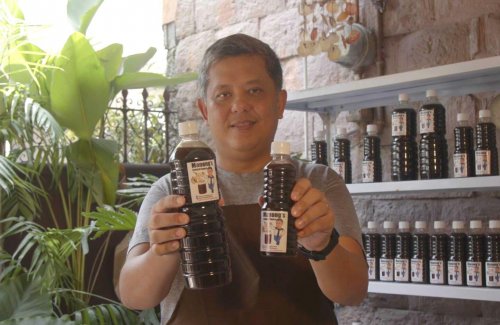
Filipino Family Grows COVID Financial Aid From Government Through Fishball Sauce Business

Filipino Richie Fernandez, a new entrepreneur, was able to launch a business venture that now generates a five-digit income with the help of $100 in financial aid from the government.

During the height of the pandemic lockdowns, Richie and his family chose to grow the help by opening Manong’s Fishball Sauce, “We thought of how to grow and prolong the money,” Richie said.

With his family’s fondness of eating street food fish balls but at the same time considering the limitations posed by the pandemic at that time, the family decided to sell bottled fishball sauce so people could just enjoy it at home with their own-cooked fish balls.

The modest family business prospered through hard work and perseverance. Not only do they sell their product in the Philippines but they now also export to Japan, Australia, Austria, and the US.