Awaken* newsletter

March 15, 2024

SHARE:

Edwin Ong

2024.03.06

翻译:田头草

在硅谷,极少有人能像 Y Combinator 的总裁兼首席执行官 Garry Tan (陈嘉兴) 那样高调。Garry在其辉煌的职业生涯中担任过许多不同的职务。

除了领导世界上最成功的创业加速器(Y Combinator) 之外,Garry 是 Palantir (帕浪)的第 10 名员工,共同创立了 Posterous(最早的博客网站之一),创立了 Initialized Capital(管理规模超过 32 亿 美元的风险投资基金),甚至还由投资而步入政界,成为旧金山当地政治的杰出活动家。

(译者注;Palantir 帕浪公司基本上没有中文的介绍,帕浪服务的用户牛气冲天)

(译者注:Posterous 被Twitter 于2012 年收购)

我有幸有机会了解Garry 的亚裔身份如何影响他的生活,我希望他的答案能够帮助和启发我们的读者。言归正传:

一、克服有害的心态

1. 因稀缺环境而诱发稀缺的粘性心态

Ong: 

我的经验是,工薪阶级父母(尤其是亚洲移民)的孩子往往有一种因稀缺环境而诱发稀缺的粘性心态——即使他们的社会经济地位已经有所提高。加里此前曾谈到过他的“价值 2 亿美元的错误”。也就是说,他拒绝了 Peter Thiel 成为 Palantir 创始成员的邀请。对我来说,这似乎是这种心态的体现,所以我问Garry他是如何克服的:

(译者注:Peter Thiel,“奇葩的牛人,自由穿梭于法律、金融、投资及创业之间。”)

(译者注:当时Garry 是微软高薪稳定的员工)。

Tan: 

我能够意识到这些东西是双向门。以良好的条件退出一家大型科技公司实际上意味着你可以随时回去。有单向门和双向门之分。

对于与我们一样环境长大的人来说,一切都感觉像是一扇单向门。但如果你什么时候能意识到这是错误的,那么你就改造了那些有钱人默认拥有的一些特权。

Ong: 

亚马逊创始人杰夫·贝索斯(Jeff Bezos)多次谈论单向门与双向门框架。你可以在这里听到他更深入的阐述。https://m.youtube.com/watch?v=VFwCGECvq4I&ab_channel=LexClips

(译者注:单向门VS双向门,贝佐斯认为决策有两种。一种决策是单向门(one-way door),不可逆转而且非常重要。另一种决策是双向门(two-way door),90%以上的决策都属于此。也就是说,可以制定决策并执行,一旦事实证明决策错误,马上可以推倒重来,损失不大。)

2. 亚裔社区对心理健康的耻辱感

Ong: 

亚裔社区对心理健康的耻辱感,是另一种越来越受到关注的心态。就我个人而言,因为我的移民父母为了生存而拼尽全力,我觉得我没有权利抱怨我的心理健康,因为我的生活相对安逸。我问Garry这是否引起他的共鸣以及他如何克服这种心理障碍:

Tan: 

我假装自己没有任何问题,花了很多时间试图融入其中。但最终,有关我童年的事情或不寻常的留下创伤的反应,会在我的职业生活中突然出现。在某个时候,我开始单独接受治疗,这对我帮助很大。

所有这些我无法控制的事情突然变成了我可以整合和意识到的事情,并做出更好的选择。卡尔·荣格说:你未觉察到的潜意识决定着你的人生,你却将其称之为“命运”。(译者注:荣格是瑞士心理学家、精神科医师,分析心理学的创始人。)

3. 第三种常见心态是低着头,避免搅局

Ong:

我在亚裔美国人中看到的第三种常见心态是低着头,避免搅局,即使这意味着抑制自己的想法。鉴于Garry是一个非常直言不讳的人,我问他是如何培养自信的:

Tan:

我记得在高中时,我是校报的编辑,注意到我们在比较贫困高中的学生因为同样的违规行为而受到严厉的判决和开除,而在富人区的学校则仅会受到不痛不痒的轻罚。我对此非常生气,我写了一篇文章揭露它,但被我的高中指导报纸的老师审查(没过)了。我已经快毕业,并已被斯坦福大学录取了,所以我就顺其自然了。

但在我内心深处,有一种对被压制的愤怒,我永远不会忘记。

在出报纸之前,我会使用 Pagemaker (译者注:一款页面排版软件)出版“地下”报纸,而我的英语老师会为班级复印报纸 – 这给了我一种我永远不会忘记的力量。因为否则我就是角落里骨瘦如柴的亚洲书呆子,但是当我可以传达我社区的声音,我有了立足点。我从未忘记过这一点。

二、关于亚裔社区

Ong:

关于社区的话题,我问Garry 是什么促使他成为亚裔社区的积极倡导者:

Tan: 

我对旧金山的亚裔美国人社区有强烈的团结感。我们是这座城市的重要组成部分,但我们却没有被看到。我们没有被听到。

当地领导人甚至会诋毁我们为确保亚裔美国长辈安全所做的努力。现在我知道我需要为那些没有发言权的人而战。

我发现的最酷的事情之一是一个名为“亲爱的社区”的非营利组织,它将刚新到旧金山的亚裔美国人(通常是年轻的专业人​​士)以及传统的旧金山唐人街社区联系起来。看到聪明的人们聚集在一起,为这座城市的人民而战,真是太棒了。

(译者注:了解旧金山的严重的社会现状的读者,就能更深入理解Garry 的这段话)。

Ong:

我还提到他最近去新加坡参加一个名为SWITCH的创业活动,并问他对亚洲国家涌现的创业场景有何感想:

Tan:

初创公司正在世界各地涌现。您可以从 YouTube 和网络上学习。 YC 校友遍布世界各地。我很高兴看到从湾区开始的事情现在已经成为一种全球现象,而且还在不断增长。

三、亚裔创始人经验

Ong:

在朋友的建议下,我问Garry:“我可以向哪些非技术性的亚洲创始人榜样学习?对于在初创公司作为非技术员工而言,最有价值去学习的技能是什么?” Garry的回答有点挑战了我问题的前提:

Tan:

在初创公司和技术领域,技术是关键优势。如果可以的话,请更重于科技。然后成为一名博学者:科技人员掌握软技能比反过来要容易得多。

Ong:

事后看来,我承认,如果你不愿意付出努力来成为技术人才,那么期望在科技行业获得优异成果似乎很愚蠢。他给我上了一课。

四、如何看待自己的亚裔身份

Ong:

最后,我问了Garry,和我问所有受访人的问题一样——作为创始人,他如何看待自己的亚裔身份:

Tan:

直到很晚我才想到这一点。坦白说,我试图假装这不是问题,虽然绝对存在“竹制天花板”- 既使对我来说。我没有获得晋升和/或人们认为我没有能力做我所做的事情。我会愤怒地辞掉工作,这是解决问题的一种方式,但我看到事情可以有不同的解决方式。

作为一名创始人,我发现我需要提高自己畅所欲言的能力,尤其是当我知道自己绝对正确时,要尽可能自信。

我有一种隐而不发的心理,我甚至没有意识到这是为了和谐。在没有意识到的情况下,我有时会自我放弃,然后又被动地攻击它。我不再这样做了,这是我作为领导者发展的关键一步。我希望我早点发展这种能力,这都是因为我童年时无意识的编程。

(译者注:Garry 在 14 岁时开始编程,他通过制作网页和网站的互联网部分获得每小时 7 美元的报酬。这笔收入帮助他的父母支付了买房的第一笔首付。)

Ong:

我从这次采访中得到的最大收益是,“永远正确、直言不讳”的 Garry Tan 并不总是如此,而且在某一时刻,他非常像典型的亚裔孩子。Garry 的故事证明,只要有自我意识和决心,任何人都可以实现巨大的成长并成为行业领导者。

呼吁

Ong:

如果您有一个雄心勃勃的创业想法,并希望成为一个令人惊叹的创始人社区的一部分,请申请 Y Combinator! Y Combinator 每年运行两次批次——冬季和夏季。 

2024年夏季批次的申请已开放,您可以通过 https://www.ycombinator.com/apply 进行申请

感谢Garry 接受采访!

照片来源:Y Combinator

英文采访链接

Garry Tan on Startups, Advocacy, and Overcoming Cultural Mindsets

附:福布斯中国对陈嘉兴的介绍

https://www.forbeschina.com/billionaires/61673

Related Articles

Rosemead_Key-Still

Stories

Lucy Liu Stars in “Rosemead,” a True Story of Immigrant Mothers Facing Fear and Mental Health Challenges

Lucy Liu is once again bringing us a powerful performance with Rosemead, a film that has been picked up by Vertical for a December theatrical release. The story follows a mother who begins to see troubling changes in her teenage son, opening the door to a deeper look at fear, love, and mental health.

Recently, the film gathered strong early interest after drawing a full audience at a special screening held at the Metreon in San Francisco. Hosted by Dave Lu, the event sparked conversations about topics often avoided in public spaces, especially within immigrant communities. 

With its growing list of festival honors, positive reviews, and a narrative inspired by real events, Rosemead is already being recognized as one of Liu’s most powerful and personal performances to date.

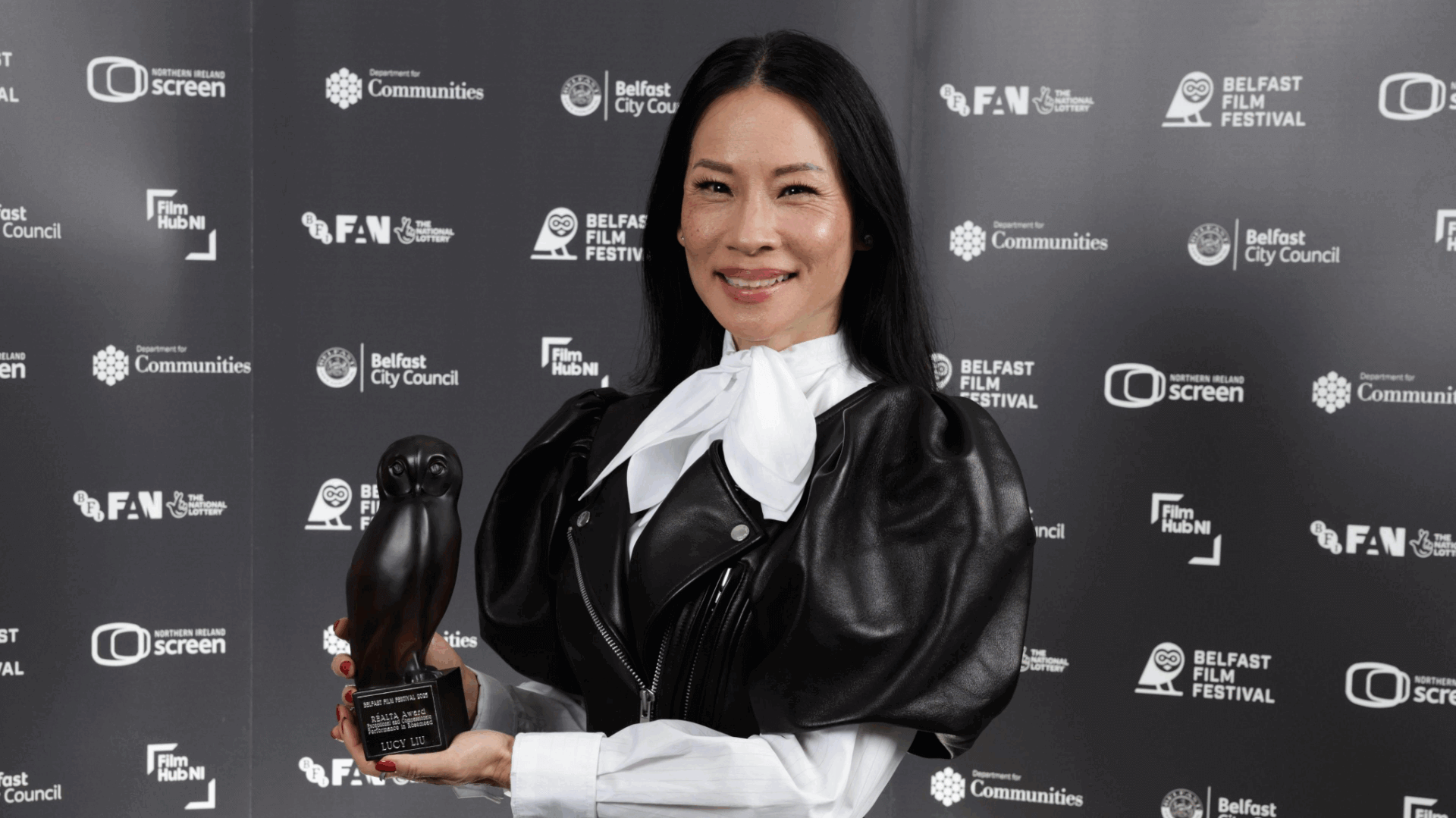
                                                                          Image Source: BBC

A Story Built on Fear and Family Pressure

At the heart of Rosemead is a mother who becomes concerned as her son’s behavior shifts in unsettling ways. What begins as quiet anxiety slowly grows into a frightening urgency as she realizes the situation may be more dangerous than she imagined.

As her fear rises, she faces the painful question of how far a parent can go to protect the child they love. The tension builds with each scene, making her inner struggle feel both real and universal.

The story takes place within a Chinese American household where cultural expectations and unspoken worries create additional layers of pressure. Lucy Liu captures these emotions with precision, while newcomer Lawrence Shou brings a raw, unpredictable intensity that deepens the film’s emotional impact.

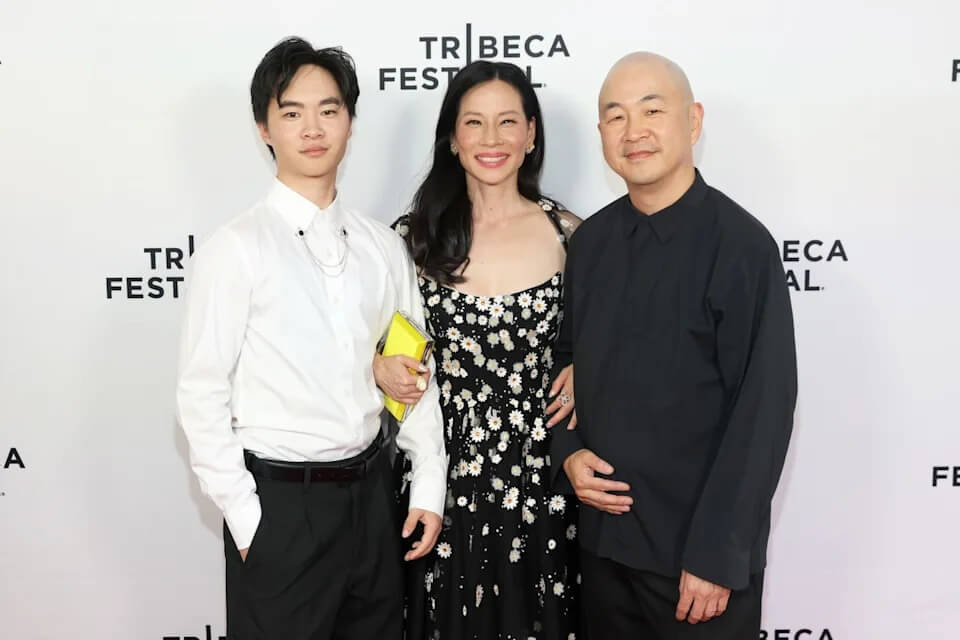
                                                        Image Source: The Traveler’s Take

Building Momentum Through Festival Wins

Before reaching theaters, Rosemead had already made a strong impression on the festival circuit. Its premiere at Tribeca drew praise for its gripping approach to storytelling and its standout performances.

The film’s momentum continued as it won Best Narrative Feature at the Bentonville Film Festival, adding to its early recognition. It gained even more attention after earning the Prix du Public UBS audience award at the Locarno Film Festival.

During its time at Locarno, Lucy Liu also received a Career Achievement Award that highlighted her long-standing influence in the industry. Vertical’s Peter Jarowey praised her work for its emotional depth, while also recognizing director Eric Lin’s bold and confident vision in his feature debut.

                                                                     Image Source: Yahoo

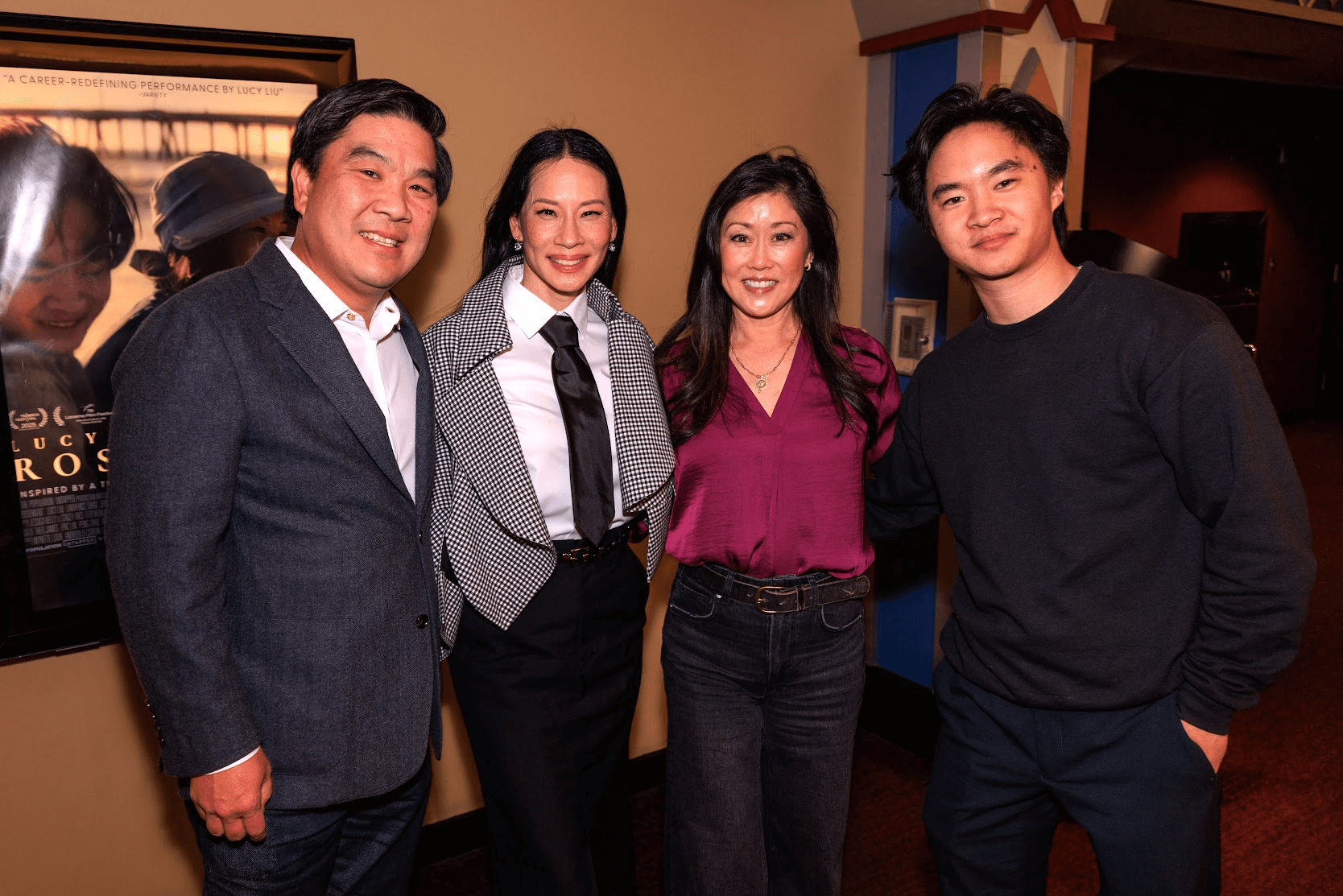
A Strong Screening at the San Francisco Metreon

The event at the Metreon brought together creators, film lovers, and local community members for an open discussion about the upcoming release. The gathering served as a space for people to share expectations, explore the film’s themes, and talk about the real-life issues it aims to portray.

The audience noted how the film reflects real family struggles, especially those found in immigrant households. Its grounded approach to fear and uncertainty sparked discussions about mental health and cultural expectations.

After the screening, conversations centered on Liu’s controlled yet deeply affecting performance. Lawrence Shou also drew attention for his breakout role, adding to the anticipation for the film’s one-week run in selected theaters this December.

Experience the film in theaters and see why it’s already drawing strong early interest. Rosemead is set to premiere in select theaters on December 5, 2025 in New York City; December 12, 2025 in Los Angeles, and more cities to follow on January 9, 2026.

                                                               Image Source: Nikolas Liepens

2647f4a1-07b8-4f94-8f7f-415ae5d0eeae-jpeg

Stories

The Story Behind Inspire To Create Media: How Trysen Kaneshige Uses Art to Heal and Connect Community

Born and raised in Kauaʻi, Hawaii, Trysen Kaneshige never imagined that a series of brain injuries would redirect the course of his life. Art, which had once been a hobby, became his lifeline—a way to heal, process, and reconnect with the world around him.

What began as a personal form of therapy soon turned into a mission: to use creativity not only for his own recovery but to uplift his community and share stories that mattered.

As he experimented with murals, branding, and design, Trysen discovered that each project could bridge culture, healing, and connection in ways he had never anticipated. Through perseverance and collaboration, he began working with brands like Volcom, Olukai, and Soulection Radio, while also leading projects for schools, nonprofits, and community organizations across Hawaii.

From these experiences, Trysen founded Inspire To Create Media, a healing-centered creative agency that blends streetwear aesthetics, cultural storytelling, and design to create work that resonates far beyond the islands.

Finding Inspiration in Adversity

Trysen’s path to entrepreneurship was shaped by necessity and resilience. “I wasn’t able to work a regular job since I would have a lot of migraines or dealt with depression etc. It’s been challenging but I’ve learned to be resilient and not give up. What also inspired me was to create something for my community and for the next generation that is after me,” he recalls. The setbacks could have ended his creative ambitions, but Trysen chose to focus on what he could control: his art and his recovery.

Instead of succumbing to frustration, he saw opportunity in every challenge. He began creating small pieces, testing ideas, and using art as a method to regain focus, confidence, and purpose. These early efforts helped him realize that healing and creativity could coexist and even amplify one another.

What started as a personal journey of recovery soon became a mission to uplift others. Trysen wanted to leave something meaningful for his community and for the next generation, showing that creativity could transform not only individual lives but also the cultural landscape of Kauaʻi.

Overcoming Challenges Without a Safety Net

The road to building a creative business was far from smooth. Trysen faced difficult challenges that he considered walking away from everything, grappling with both the physical and emotional toll of head injuries. Each day was a battle between self-doubt, pain, and the desire to keep moving forward.

Beyond personal health struggles, he had no investors, no team, and no corporate backing. Every decision, every financial risk, and every project came solely from his determination and willingness to learn through trial and error. “If I had someone that saw what I was creating in the beginning, it would’ve been easier,” he admits.

Gratitude and persistence became his anchors. By embracing the lessons from failures and small victories alike, Trysen built a foundation that was resilient, flexible, and authentic. This mindset allowed him to continue pursuing his vision even when support was scarce and the path ahead was uncertain.

Turning Achievements Into Community Impact

Despite obstacles, Trysen’s journey is marked by achievements that combine personal growth with community recognition. He takes pride in consistently showing up, even on days when recovery felt impossible, and in taking creative risks that shaped the identity of his agency.

Inspire To Create Media has earned acknowledgment on multiple levels—from Proclamations by Mayor Derek Kawakami highlighting community murals and workshops to features in local newspapers chronicling his evolving projects. These recognitions validate his belief that creativity paired with purpose resonates far beyond personal satisfaction.

For Trysen, the real measure of success is impact. Each mural, logo, or art initiative tells a story and strengthens the connection between people and place, leaving a lasting mark on Kauaʻi’s cultural and creative landscape.

Building a Healing-Centered Creative Vision

At the heart of Inspire To Create Media is a philosophy that creativity can heal, connect, and inspire simultaneously. From large-scale murals to branding and apparel, every project is designed with intention, reflecting local culture while appealing to a global audience.

Trysen explains, “Art became my way to rebuild, reconnect, and serve. What began as personal recovery grew into a mission: to use art as a tool for transformation for myself, for my community, and for the next generation of island creatives.”

Today, Inspire To Create Media continues to expand its reach, bridging art, healing, and business. Trysen’s story proves that even the toughest setbacks can spark the most powerful creativity—turning personal recovery into a force that inspires communities, cultivates connection, and demonstrates that a small island studio can have a big global impact.

Follow Trysen’s journey:

📍 @trys.creates | @inspiretocreate.media

{"ARInfo":{"IsUseAR":false},"Version":"1.0.0","MakeupInfo":{"IsUseMakeup":false},"FaceliftInfo":{"IsChangeEyeLift":false,"IsChangeFacelift":false,"IsChangePostureLift":false,"IsChangeNose":false,"IsChangeFaceChin":false,"IsChangeMouth":false,"IsChangeThinFace":true},"BeautyInfo":{"SwitchMedicatedAcne":false,"IsAIBeauty":false,"IsBrightEyes":false,"IsSharpen":false,"IsOldBeauty":false,"IsReduceBlackEyes":false},"HandlerInfo":{"AppName":2},"FilterInfo":{"IsUseFilter":false}}

Stories

Building Meraki: How Vivian Kwan Turned Passion into Purpose

The first time Vivian Kwan realized she could build something on her own terms was during her college years in the U.S. — a time that completely shifted her perspective on what a career could be.

She found herself surrounded by students who were running side hustles, freelancing, and starting companies before graduation. It was a stark contrast to her upbringing in Hong Kong.

“Back home in Hong Kong, the path was pretty clear: study hard, land a stable job, and climb the corporate ladder,” she recalls. “But in the U.S., I met people who were building something entirely their own. That inspired me to think differently.”

Curious and driven, Vivian began experimenting — running a small photography business and creating content for fun. That experiment grew into Meraki Group, a boutique talent management agency representing a diverse roster of lifestyle creators — and now a 7-figure business built entirely from the ground up.

Redefining Success as a First-Generation Founder

When Vivian launched Meraki Group in 2021, she had no network, no outside funding, and no PR machine behind her, just the belief that creators deserved better representation.

As a first-generation Asian immigrant, Vivian was raised to stay quiet and keep her head down. “But entrepreneurship requires something different,” she says. “I had to learn to advocate for myself and my talents loudly and unapologetically.”

Without big teams or resources, she leaned into what she could control: being hands-on, transparent, and relationship-driven. That boutique approach became Meraki’s unique selling point: brands and creators know they can reach Vivian directly, and that trust has allowed Meraki to thrive against the odds. Today, Meraki has closed 300+ brand campaigns with brand partners like HOKA, REI, Shark, Columbia Sportswear, Libman, Google, and UGG.

The Challenge of Balance

Motherhood has always run parallel to Vivian’s entrepreneurial journey — two worlds that demand her heart in equal measure. In the early years of Meraki, she often found herself caught between deadlines and bedtime stories, client calls and school drop-offs. The guilt was relentless: every hour spent growing the business felt like time borrowed from her children.

But over time, her perspective shifted. She began to see that showing her kids what fulfillment looked like was one of the greatest gifts she could give them. Building Meraki wasn’t just about proving something to the industry — it was about showing her children what resilience, purpose, and self-belief looked like in real life.

“My kids deserve a mother who’s confident and happy,” she says simply. “That thought keeps me grounded when things get hard.”

A Year of Growth and Gratitude

In October, the Meraki community came to life in a way that no Zoom call ever could. Vivian and her team hosted their annual NYC dinner — an intimate gathering of creators, brand partners, and friends who had helped shape the agency’s journey. The room buzzed with laughter, warm reunions, and stories that stretched back to Meraki’s earliest days.

For Vivian, it was a full-circle moment. Many of the guests were creators she had signed during the uncertainty of the pandemic — people she had championed from afar before ever shaking their hands in person. Watching them share a table, swapping stories and ideas, felt like witnessing the agency’s spirit materialise in real life.

It wasn’t a night of flashy sponsors or curated photo ops, but of genuine connection — the kind that has quietly fueled Meraki’s success from day one. “What I’m most proud of isn’t the growth,” Vivian reflects. “It’s loyalty. Many of my creators have been with me for three or four years. In an industry where talent often comes and goes, that kind of long-term commitment means everything.”

What Comes Next

As Meraki continues to grow, Vivian is laying the groundwork for a new chapter — one that strengthens the agency’s foundation while amplifying its impact. She’s focused on expanding her team and refining systems to preserve Meraki’s signature boutique quality, even as it scales.

“I’m being intentional with this next chapter,” she says. “Before stepping deeper into consulting and mentorship, I want to make sure the agency continues to run with the same care and creative integrity it was built on.”

With that foundation in place, Vivian plans to open limited consulting slots and launch educational programs for creators and emerging talent managers. Her goal is to nurture the next generation of creative leaders — empowering them to build with heart, purpose, and the courage to redefine what success can look like.

Follow Vivian’s journey:
📍 LinkedIn | Instagram

Color - Anise Health 27710_2 (1)-jpg

Stories

The Founders Behind Anise Health: How Two Women Are Reimagining Mental Health for the Asian Community

When Nisha Desai and Alice Zhang met at Harvard Business School, neither of them expected that a casual conversation about their frustrations with therapy would spark the idea for something much bigger.

As they juggled graduate school and their own mental health, they often felt therapy wasn’t built for people like them – they spent more time explaining their background to their therapists than actually healing. 

They realized it wasn’t just them – there’s a gap in mental healthcare that left many in the Asian and multicultural community feeling unseen and misunderstood.

That shared realization became the seed for Anise Health: a platform built to make therapy culturally attuned, accessible, and truly effective for the AAPI community.

A Problem They Both Knew Too Well

Before their paths crossed, both founders had already seen the same issue from different directions.

Nisha, who grew up in Florida in a family of healthcare entrepreneurs, had always been drawn to questions of access and equity in care. After studying finance and marketing at the University of Pennsylvania’s Wharton School and earning her MBA from Harvard, she worked in healthcare investing and later in digital product management at Humana. It was there, while helping build a mental health app, that she started hearing a troubling pattern from thousands of users – the same barriers she had personally faced.

Nisha recalls that people weren’t saying therapy didn’t work. They were saying it didn’t fit, that they didn’t feel understood.

Alice, meanwhile, came to the same conclusion through her own deeply personal experiences. Born in China, raised across Japan and Canada, and now based in New York, she calls herself a “third culture kid.” Her multicultural background gave her adaptability, but also a sense of never fully belonging anywhere.

That feeling resurfaced when she sought therapy during business school. Despite being fluent in English, she found herself translating her own emotions for her therapist – explaining why criticism from parents felt like love, or why pursuing excellence felt non-negotiable.

Alice remembers feeling exhausted after each session, explaining her background again and again, and leaving each time feeling unseen.

Alice Zhang (left) and Nisha Desai (right)

Building a Culturally Grounded Model of Care

After that pivotal conversation at Harvard, the two women began mapping out what culturally attuned mental health care could look like. They spoke to clinicians, patients, payors and community leaders, testing how cultural nuance could be integrated into evidence-based therapy and coaching.

They envisioned a new kind of care model: one that didn’t require clients to educate their therapists or set aside their cultural identity at the door. Instead, therapy would start from a place of understanding.

“Alice and I really built Anise to be what we believe our community has needed during our upbringing. What we kind of wished for ourselves through our own personal journeys with therapy.”

But building what didn’t yet exist came with challenges. They had to prove — to investors, clinicians, and even the broader healthcare system — that cultural context wasn’t just a “nice to have,” but essential to effective care. Many mental health professionals hadn’t been trained to deliver culturally adaptive therapy, so Anise Health had to design that framework from the ground up: provider training programs, accurate diagnostic tools, tailored care plans, curated resources and a scalable model for personalized, culturally attuned care.

Their persistence paid off. What started as late-night brainstorming sessions between classes evolved into a fully fledged mental health platform that blends clinical rigor with cultural empathy.

Growing the Movement

Since its founding, Anise Health has facilitated over 10,000 paid appointments and built a network of 60+ licensed providers across multiple states. The company is now expanding through insurance partnerships that make culturally attuned care more affordable and accessible.

Behind the scenes, Nisha leads operations and product design, while Alice drives partnerships and provider training.

Their complementary strengths, coupled with a shared sense of purpose, have helped Anise Health raise $6.4 million in funding and gain recognition as one of the top 10 most innovative Asian Pacific-led companies to watch by NYSE, Y Combinator, and Gold House.

Redefining the Future of Mental Health for Asian Communities

For both founders, Anise Health’s success goes beyond numbers. It’s about shifting how mental health is understood and delivered, starting with a community that has long been underserved and stigmatized.

“Our goal isn’t just to make care available,” Nisha says. “It’s to make it effective, culturally relevant, and sustainable within the healthcare system.”

By creating a new gold standard of culturally attuned care, Nisha and Alice aren’t just helping Asian Americans access therapy that finally feels like it speaks their language – they’re reimagining what inclusive mental health care can look like for everyone.

Learn more about Anise Health at anisehealth.co