Awaken* newsletter

March 15, 2024

SHARE:

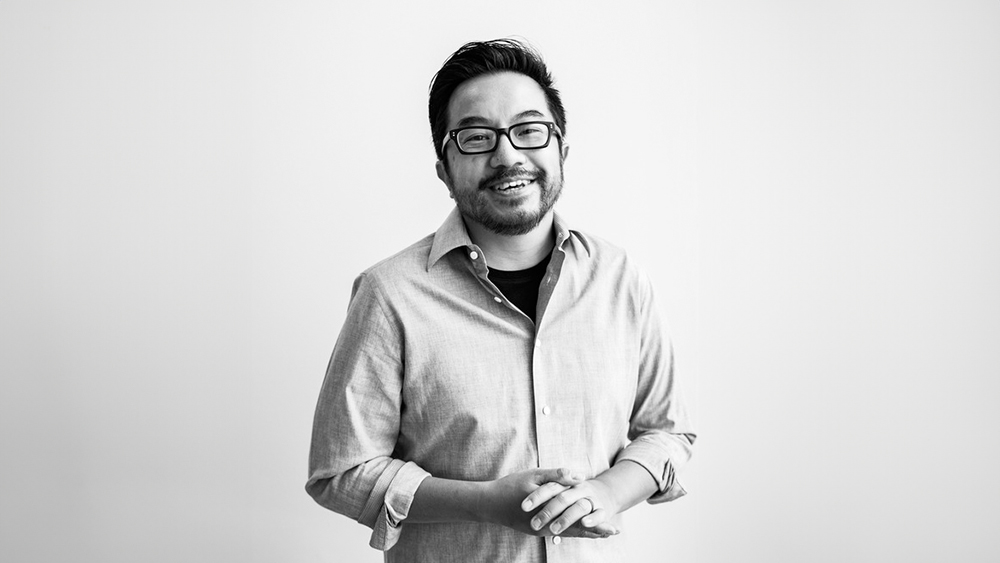
Edwin Ong

2024.03.06

翻译:田头草

在硅谷,极少有人能像 Y Combinator 的总裁兼首席执行官 Garry Tan (陈嘉兴) 那样高调。Garry在其辉煌的职业生涯中担任过许多不同的职务。

除了领导世界上最成功的创业加速器(Y Combinator) 之外,Garry 是 Palantir (帕浪)的第 10 名员工,共同创立了 Posterous(最早的博客网站之一),创立了 Initialized Capital(管理规模超过 32 亿 美元的风险投资基金),甚至还由投资而步入政界,成为旧金山当地政治的杰出活动家。

(译者注;Palantir 帕浪公司基本上没有中文的介绍,帕浪服务的用户牛气冲天)

(译者注:Posterous 被Twitter 于2012 年收购)

我有幸有机会了解Garry 的亚裔身份如何影响他的生活,我希望他的答案能够帮助和启发我们的读者。言归正传:

一、克服有害的心态

1. 因稀缺环境而诱发稀缺的粘性心态

Ong: 

我的经验是,工薪阶级父母(尤其是亚洲移民)的孩子往往有一种因稀缺环境而诱发稀缺的粘性心态——即使他们的社会经济地位已经有所提高。加里此前曾谈到过他的“价值 2 亿美元的错误”。也就是说,他拒绝了 Peter Thiel 成为 Palantir 创始成员的邀请。对我来说,这似乎是这种心态的体现,所以我问Garry他是如何克服的:

(译者注:Peter Thiel,“奇葩的牛人,自由穿梭于法律、金融、投资及创业之间。”)

(译者注:当时Garry 是微软高薪稳定的员工)。

Tan: 

我能够意识到这些东西是双向门。以良好的条件退出一家大型科技公司实际上意味着你可以随时回去。有单向门和双向门之分。

对于与我们一样环境长大的人来说,一切都感觉像是一扇单向门。但如果你什么时候能意识到这是错误的,那么你就改造了那些有钱人默认拥有的一些特权。

Ong: 

亚马逊创始人杰夫·贝索斯(Jeff Bezos)多次谈论单向门与双向门框架。你可以在这里听到他更深入的阐述。https://m.youtube.com/watch?v=VFwCGECvq4I&ab_channel=LexClips

(译者注:单向门VS双向门,贝佐斯认为决策有两种。一种决策是单向门(one-way door),不可逆转而且非常重要。另一种决策是双向门(two-way door),90%以上的决策都属于此。也就是说,可以制定决策并执行,一旦事实证明决策错误,马上可以推倒重来,损失不大。)

2. 亚裔社区对心理健康的耻辱感

Ong: 

亚裔社区对心理健康的耻辱感,是另一种越来越受到关注的心态。就我个人而言,因为我的移民父母为了生存而拼尽全力,我觉得我没有权利抱怨我的心理健康,因为我的生活相对安逸。我问Garry这是否引起他的共鸣以及他如何克服这种心理障碍:

Tan: 

我假装自己没有任何问题,花了很多时间试图融入其中。但最终,有关我童年的事情或不寻常的留下创伤的反应,会在我的职业生活中突然出现。在某个时候,我开始单独接受治疗,这对我帮助很大。

所有这些我无法控制的事情突然变成了我可以整合和意识到的事情,并做出更好的选择。卡尔·荣格说:你未觉察到的潜意识决定着你的人生,你却将其称之为“命运”。(译者注:荣格是瑞士心理学家、精神科医师,分析心理学的创始人。)

3. 第三种常见心态是低着头,避免搅局

Ong:

我在亚裔美国人中看到的第三种常见心态是低着头,避免搅局,即使这意味着抑制自己的想法。鉴于Garry是一个非常直言不讳的人,我问他是如何培养自信的:

Tan:

我记得在高中时,我是校报的编辑,注意到我们在比较贫困高中的学生因为同样的违规行为而受到严厉的判决和开除,而在富人区的学校则仅会受到不痛不痒的轻罚。我对此非常生气,我写了一篇文章揭露它,但被我的高中指导报纸的老师审查(没过)了。我已经快毕业,并已被斯坦福大学录取了,所以我就顺其自然了。

但在我内心深处,有一种对被压制的愤怒,我永远不会忘记。

在出报纸之前,我会使用 Pagemaker (译者注:一款页面排版软件)出版“地下”报纸,而我的英语老师会为班级复印报纸 – 这给了我一种我永远不会忘记的力量。因为否则我就是角落里骨瘦如柴的亚洲书呆子,但是当我可以传达我社区的声音,我有了立足点。我从未忘记过这一点。

二、关于亚裔社区

Ong:

关于社区的话题,我问Garry 是什么促使他成为亚裔社区的积极倡导者:

Tan: 

我对旧金山的亚裔美国人社区有强烈的团结感。我们是这座城市的重要组成部分,但我们却没有被看到。我们没有被听到。

当地领导人甚至会诋毁我们为确保亚裔美国长辈安全所做的努力。现在我知道我需要为那些没有发言权的人而战。

我发现的最酷的事情之一是一个名为“亲爱的社区”的非营利组织,它将刚新到旧金山的亚裔美国人(通常是年轻的专业人​​士)以及传统的旧金山唐人街社区联系起来。看到聪明的人们聚集在一起,为这座城市的人民而战,真是太棒了。

(译者注:了解旧金山的严重的社会现状的读者,就能更深入理解Garry 的这段话)。

Ong:

我还提到他最近去新加坡参加一个名为SWITCH的创业活动,并问他对亚洲国家涌现的创业场景有何感想:

Tan:

初创公司正在世界各地涌现。您可以从 YouTube 和网络上学习。 YC 校友遍布世界各地。我很高兴看到从湾区开始的事情现在已经成为一种全球现象,而且还在不断增长。

三、亚裔创始人经验

Ong:

在朋友的建议下,我问Garry:“我可以向哪些非技术性的亚洲创始人榜样学习?对于在初创公司作为非技术员工而言,最有价值去学习的技能是什么?” Garry的回答有点挑战了我问题的前提:

Tan:

在初创公司和技术领域,技术是关键优势。如果可以的话,请更重于科技。然后成为一名博学者:科技人员掌握软技能比反过来要容易得多。

Ong:

事后看来,我承认,如果你不愿意付出努力来成为技术人才,那么期望在科技行业获得优异成果似乎很愚蠢。他给我上了一课。

四、如何看待自己的亚裔身份

Ong:

最后,我问了Garry,和我问所有受访人的问题一样——作为创始人,他如何看待自己的亚裔身份:

Tan:

直到很晚我才想到这一点。坦白说,我试图假装这不是问题,虽然绝对存在“竹制天花板”- 既使对我来说。我没有获得晋升和/或人们认为我没有能力做我所做的事情。我会愤怒地辞掉工作,这是解决问题的一种方式,但我看到事情可以有不同的解决方式。

作为一名创始人,我发现我需要提高自己畅所欲言的能力,尤其是当我知道自己绝对正确时,要尽可能自信。

我有一种隐而不发的心理,我甚至没有意识到这是为了和谐。在没有意识到的情况下,我有时会自我放弃,然后又被动地攻击它。我不再这样做了,这是我作为领导者发展的关键一步。我希望我早点发展这种能力,这都是因为我童年时无意识的编程。

(译者注:Garry 在 14 岁时开始编程,他通过制作网页和网站的互联网部分获得每小时 7 美元的报酬。这笔收入帮助他的父母支付了买房的第一笔首付。)

Ong:

我从这次采访中得到的最大收益是,“永远正确、直言不讳”的 Garry Tan 并不总是如此,而且在某一时刻,他非常像典型的亚裔孩子。Garry 的故事证明,只要有自我意识和决心,任何人都可以实现巨大的成长并成为行业领导者。

呼吁

Ong:

如果您有一个雄心勃勃的创业想法,并希望成为一个令人惊叹的创始人社区的一部分,请申请 Y Combinator! Y Combinator 每年运行两次批次——冬季和夏季。 

2024年夏季批次的申请已开放,您可以通过 https://www.ycombinator.com/apply 进行申请

感谢Garry 接受采访!

照片来源:Y Combinator

英文采访链接

Garry Tan on Startups, Advocacy, and Overcoming Cultural Mindsets

附:福布斯中国对陈嘉兴的介绍
https://www.forbeschina.com/billionaires/61673

Related Articles

A Test-jpg

News

Chicago’s Gangnam Market Rings in Lunar New Year With Food and Tradition

Year of the Snake has arrived, and Chicago’s Gangnam Market slithered into the year with an exciting two-day celebration on January 25 and 26. Since its launch in December 2024, Gangnam Market has quickly established itself as one of Chicago’s go-to spots for Asian culinary delights. This event further solidified Gangnam Market’s vision of bringing Asian culture forward.

The 28,000-square-foot “American-Asian hybrid” grocery store has gathered communities of diverse backgrounds into one place, all honoring and embracing the rich traditions of the Lunar New Year. The weekend celebration offered attendees an exciting lineup of activities, from electrifying cultural performances to mouthwatering food.

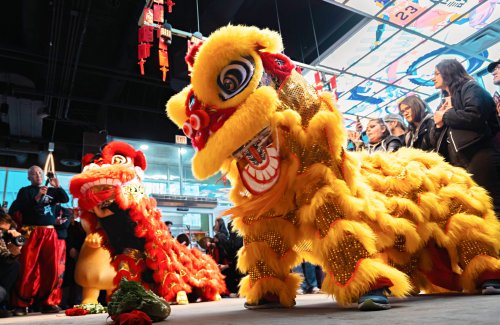
One of the event’s prominent features is the lion dance and drumming performance by Yu’s Lion Dance Sports Association of Chicago, captivating audiences with an energetic and meaningful display of fortune and prosperity. Adding a playful touch, Pokémon characters also held special meet-and-greets that attracted children and fans alike. (Who doesn’t love Pokémon anyway?) Guests also received lucky red envelopes with coupons for exclusive prizes at the event.

Lion dancers, drummers, and Pikachu captivate the crowd at Gangnam Market’s Lunar New Year celebration.

Food lovers were definitely not left out, with live demonstrations of Tanghulu-making (Chinese candied fruit skewers) and more than a dozen market vendors offering a taste of classic and contemporary Asian delights, with free food and drink samplings.

One of the event’s sweet treats is Tanghulu – candied fruit on skewers with a crispy sugar coating.

Reflecting on the successful turnout, Gangnam Market owner Kenny Yang expressed his gratitude for the community’s eager participation and commitment to heritage preservation. “We were overwhelmed and humbled by the incredible response, and thank all who came out to celebrate Lunar New Year with us.”

Elegant Cinematic Wedding Thumbnail HD 169 (1)-png

News

GoldenTV Brings More AAPI Stories to Screen With New and Returning Shows

New series and movies are constantly getting announced—GoldenTV, the premier streaming platform dedicated to Asian American Pacific Islander (AAPI) stories, also joined the fun, announcing its highly anticipated 2025 programming lineup. According to an exclusive from Variety, the upcoming slate introduces a series of original content while offering a mix of returning favorites, and special holiday programming.

Exciting New Originals

“Stir the Pot” – Premiering February 7. Hosted by “Bling Empire” star Kelly Mi Li, this one-hour talk show features a hot pot session where AAPI celebrities and notable figures gather and engage in discussions about culture, good, and entertainment. 

“Crossing Over” – Premiering May 1. This docuseries focuses on an aspiring AAPI boy band from Hawaii on their recent journey of breaking into the mainstream as “H-Pop” (Hawaii Pop) artists.

“Follow Me Around” – Premiering Summer 2025. Following emerging creatives on their journey towards major career achievements, this series of both narrative and documentary offers audiences an exclusive sneak peek into their journeys. 

“Golden Made” – Premiering Summer 2025. This documentary series highlights AAPI professionals across different industries, exploring their origin stories and the creative process that brings them to their current success. 

Returning Fan Favorites

“The Takeaway” (Season 2) – Returning Fall 2025. Hosted by Michelle Park, this weekly entertainment news show delivers the latest in AAPI pop culture, including trending stories in film, television, and music.

Special Holiday Programming

In celebration of Lunar New Year, GoldenTV and its sister cable channel ChimeTV present the audience with exclusive holiday programming:

  • Unforgettable Gala – Weekly re-runs of the prestigious gala that spotlights AAPI talents in entertainment, art, and culture. 
  • Unforgettable Gala Red Carpet Special – A behind-the-scenes look at the 22nd Annual Unforgettable Gala, featuring red carpet hosts Jennifer Paz and Jannelle So.
  • “Iron Chef” All-Day Marathon – Classic episodes airing weekly on GoldenTV.
  • Martial Arts Marathon – Action-packed films airing weekly from the Shaw Brothers studio.

Exclusive Licensed Content

GoldenTV and ChimeTV will continue to feature a lineup of fan-favorite licensed programming, including “BTS Global Takeover,” “Cross My Mind,” “Iron Chef,” “Maker Nation,” “Matched,” “Nippon Professional Baseball,” “The Uncle Roger Show,” and “What’s on the Menu?”

A Bold Year for AAPI Representation

“Our Lunar New Year lineup exemplifies our commitment to delivering compelling, diverse, and fresh AAPI stories,” said Golden Media CEO Takashi Cheng. “We are excited to offer a broader variety of content, from talk shows and documentaries to major cultural events. It’s an incredible time for AAPI representation, and we are proud to be at the forefront of this movement.”

With its 2025 slate, GoldenTV continues to push boundaries and amplify AAPI voices, solidifying its place as a premier destination for authentic and impactful storytelling.

Featured Image: GoldenTV

donald-trump-trade-war-founder-focus-inc-2196825126-png

News

Tariffs and Trade Shifts: The Ripple Effect on Asian and Global Economies

The Ascension to Power

As Trump is re-elected, new reforms and policies are taking shape. Among them is his threat to impose a 25% tariff on Mexico and Canada, alongside a 10% tariff on China—claiming these countries allegedly failed to address illegal immigration and co-conspirators for illegal fentanyl distribution in the United States (US). 

Yet the article is not to stir political debate but to explore the ramifications of these tariffs on consumers and Asian countries. While many news outlets have focused on the potential setbacks in the affected countries, few have explored how others might either suffer or benefit from the situation. Hence, this piece shall highlight how Trump’s ascension to power might become the best opportunity for some Asian economies.

The Price of Tariffs

The Guardian defines a tariff as a tax imposed on foreign goods entering a country. As the world’s largest importer, the US brought in $3.2 trillion worth of goods in 2022, with imports from Canada, Mexico, and China totaling $1.2 trillion in 2023. Trump takes pride in this idea, believing the US government would receive more revenue through these tariffs, coining tariffs as the “most beautiful word in the dictionary” in an interview with Bloomberg. 

Brown University Professor of Economics Şebnem Kalemli-Özcan disagrees by arguing, “For many economists, tariff is actually the worst word in the dictionary.” She explains that ultimately American consumers and businesses will pay the price. As a trade-deficit nation, the US imports more than its exports. According to the Tax Policy Center, a 60% levy on Chinese goods accompanied by a 20% worldwide tariff could raise the costs for the average US household to up to $3,000 in 2025.

As companies face higher costs for goods, they often transfer those expenses to consumers through price increases. This can reduce consumer spending, which in turn lowers business investment and may lead to job losses.

Jason Miller, a professor of supply chain management at Michigan State University reaffirms such claims stating, “Because of the combination of these three countries, it’s going to be difficult to go down an aisle of a grocery store and not see some sort of inflationary effect.” Capital Economics projected that the newly announced tariffs could drive annual inflation up from 2.9% to as much as 4%.

Products affected by Trump’s Tariffs (Image source: BBC)

Nevertheless, Trump’s tariff threats carry weight, as they could impose significant economic pressure on targeted countries, prompting businesses to relocate. According to the BBC, Chinese factories with 500 workers have shrunk to just 200 employees, while American buyers are already exploring alternative manufacturing hubs in neighboring regions outside of China.

Business owner Huang Zhaodong, who recently relocated his factory, told the BBC that customers had pressured him to move production overseas. He agrees with their concerns, estimating that a 10% tariff increase could cost him an additional $800,000 in earnings. “Manufacturing clothes in China under these tariff conditions is simply unsustainable,” he said.

A Victor Emerges

Cases like Mr. Huang’s have proved the challenges that Trump’s tariff has imposed on countries like China. The beginning of the Trump trade war has led businesses to flee to Southeast Asian nations, most notably Vietnam. 

While other Southeast Asian nations also benefit from shifting supply chains, Vietnam has emerged as a top destination due to its growing industrial capacity and strategic location. The country recently rose to become the Association of Southeast Asian Nations (ASEAN) champion with an estimated 40% of all ASEAN exports to North America being from the country alone. Though it is difficult to quantify how many businesses have relocated from China, BBC reports that major brands like Puma, Nike, and Adidas have already moved production to Vietnam. Sources from Vietnam Briefing indicate Intel and Samsung have rapidly ramped up their investment in Vietnam and are projected to reach $100 billion in revenue by 2050. Propelled by robust exports and foreign investments, Vietnam’s economy has recently grown by 7.09%, reaching $476.3 billion—outpacing the 5.05% expansion seen in 2023.

It is debatable whether Trump’s glare will graze upon this nation. Experts debate whether he will target Vietnam with tariffs, as his trade policies often focus on countries with a trade surplus. In 2024, Vietnam held the third-largest trade surplus with the United States at $104.6 billion, accounting for nearly 30% of its total exports. This substantial trade imbalance makes Vietnam a potential target for Trump’s tariff threats. In this scheme, the nation might experience radical changes due to trade balances, exchange rates, supply chains, and foreign direct investment (FDI). However, Vietnam is more likely to benefit from US-imposed tariffs. This prediction is supported by trends from Trump’s first term when the country experienced significant economic growth due to an influx of manufacturers and factories relocating to Vietnam. 

Despite lingering skepticism, Trump has maintained a favorable view of Vietnam. As early as 1980, Trump publicly opposed the Vietnam War and visited the country twice during his first term. His business ventures have also extended to Vietnam, with his organization partnering with Kinh Bac City Development Holding Corporation (KBC) to develop a $1.5 billion complex in Hung Yen Province. Meanwhile, his new confidante, Elon Musk, has positioned Vietnam a key production hub for SpaceX’s Starlink satellite internet project, shifting suppliers and manufacturing from Taiwan to Vietnam to reduce geopolitical risks.

Reversing these investments may be impractical or simply too late. The confidence that both Trump and Musk have placed in Vietnam highlights the country’s growing role in global supply chains. Amid rising geopolitical tensions, Vietnam’s diplomatic strategy—often referred to as the “bamboo policy” for its balance of resilience and adaptability—has strengthened its international position. As long as the country continues to wisely navigate political and diplomatic negotiations and steer clear of populist pitfalls, Vietnam is well-positioned to sustain its economic growth and global influence.

1image001-png

News

How a Cambodian American Entrepreneur Founded a Long-Term Care Platform

Most people often overlook long-term care until they are older or faced with no other choice. Unfortunately, by that point, it may already be too late. Lily Vittayarukskul was pursuing a degree in aerospace engineering when she witnessed both her oldest brother and mother battle with an illness that required extensive long-term care. The situation became even more challenging when her aunt was later diagnosed with terminal colon cancer. The seek for quality care became daunting, even for those fortunate enough to have some form of insurance.

As a member of a Cambodian immigrant family, Lily experienced the challenges of caregiving firsthand, but the financial burden became unbearable. In a recent interview with TechCrunch, she exclaimed,  “It wiped us out financially.” The profound emotional and financial impact of the experience ultimately led her to shift her focus to genetic and data science.

Finally, in December 2021, she decided to take action by founding Waterlily, a San Francisco-based startup aimed at helping individuals and financial advisors navigate long-term care planning through cost modeling and funding strategies. Using artificial intelligence (AI) to forecast a family’s future long-term care needs and expenses, Waterlily predicts a family’s future long-term care needs and expenses, guides them in creating a care plan, and identifies the most suitable ways to finance it. Options may include purchasing life insurance with a long-term care rider, investing in a dedicated LTC policy, utilizing annuities, or self-funding.

Lily explains, “Most people begin thinking about long-term care between the ages of 65 and 70, or only when they need it, but by then, it can be too late.”

Leveraging more than 500 million data points and machine learning algorithms, Waterlily delivers highly personalized care and cost predictions. The platform forecasts when long-term care may be required, how it will unfold, and the potential expenses involved. Lily proudly states, “We have formal data-sharing agreements with long-term care providers, government databases, academic research studies, and individual users.”

Waterlily’s vision is undeniably compelling, and Lily isn’t the only one who sees its potential. She initially launched the company as a solo founder, but it soon caught the attention of angel investor Evan Ehrenberg, the former founder of Clara Health. Evan became intrigued by Waterlily’s early research and the industry’s reaction. Curious, he tested the platform himself and was stunned by its long-term care predictions—so much so that he hired a personal trainer, adjusted his diet, and revised his financial plans. Impressed by its impact, Evan, who became MIT’s youngest neuroscience PhD, officially joined Waterlily as a co-founder.

Evan Ehrenberg [left] and Lily Vittayarukskul [right] together (Image Source: Evan Ehrenberg)

Lily believes Waterlily differentiates itself from competitors by providing a more personalized experience through deep predictive modeling integrated into a user-friendly platform. Although it only launched in March 2024, the company’s monthly recurring revenue (MRR) has already grown to more than 22 times its initial level. Waterlily now serves eight major clients, including several Fortune 100 insurance carriers and Prudential.

Looking ahead, Waterlily aims to expand its services to include disability, critical illness, hospital indemnity, and Medicare planning, enabling families to make more informed health coverage decisions. Additionally, the company is exploring opportunities for international growth, with plans to enter markets in Asia, Canada, and the U.K.

John Kim, former president of New York Life and investor of Waterlily, sees the platform as the first AI-native guidance tool addressing one of the most pressing challenges of an aging American population.

Kim concluded, “Long-term care insurance is a growing and largely underserved need among trusted advisors today. Waterlily’s guidance tool stands alone in its ability to provide customized, personalized recommendations for long-term care needs. I believe it will be a game changer for the LTC insurance marketplace.”