Uncategorized

August 15, 2022

SHARE:

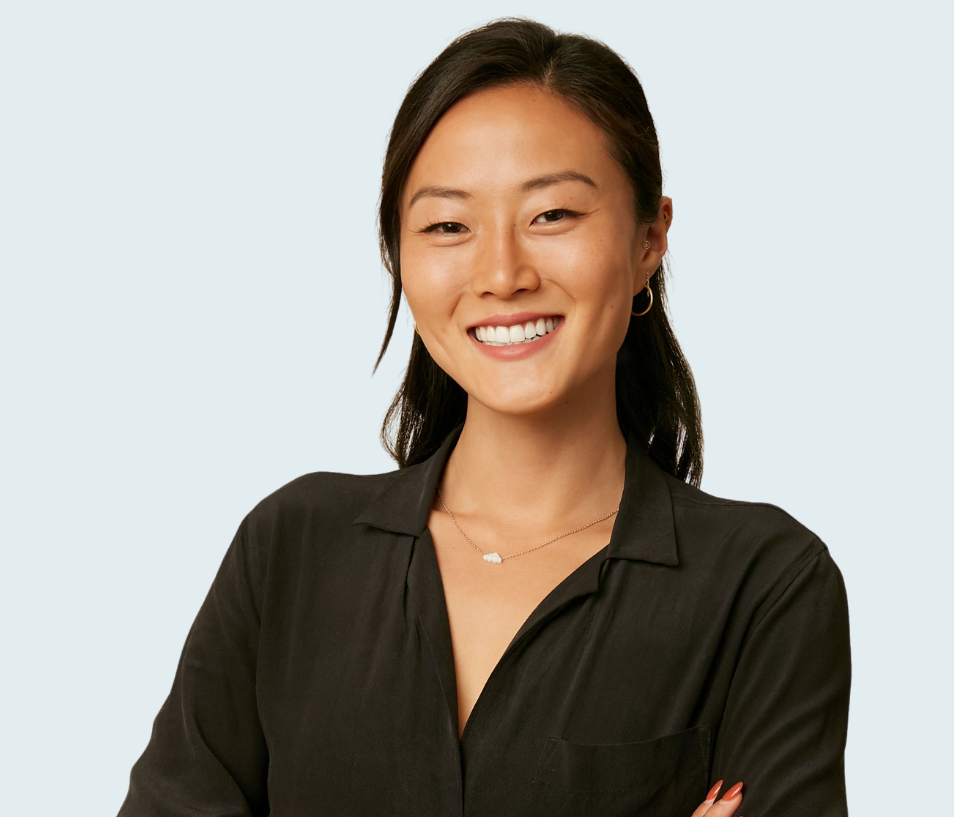
Melody Hahm has held many roles as an acclaimed business journalist for CNBC and Yahoo Finance and a platform and community manager for venture capital firm Harlem Capital. But her Twitter bio begins with “unapologetically Korean.” That’s a good indicator of the kind of person Melody is. 

In her interview with AHN, Melody is unapologetically honest about her experiences as, often, the only Asian in the room. She shares her journey of finding value in her work and, as a result, recognizing her self-worth to advocate for herself in traditionally male-dominated newsrooms. 

Since joining Harlem Capital in July 2021, she has helped female entrepreneurs and people of color make their mark in history. She leads off-site and operator networking events and content strategy for the firm’s portfolio companies. But she’s doing so much more for the BIPOC community of entrepreneurs by giving them the resources and platform to succeed. 

A CHILD OF KOREAN IMMIGRANTS FINDING HER PASSION FOR JOURNALISM

I was born in New York City and raised in the tri-state area in Connecticut and Jersey. I was a lifelong east coaster. My parents are Korean immigrants who met in the States, and I’m their only child. It became my passion early on to become a journalist. 

I had a dream of telling international stories, given my background as a child of Korean immigrants. Starting in elementary school, I took a liking to my Spanish class, and I performed the best in English reading and comprehension. So, pairing those things together, I was like, I’ll think I’ll figure out what this journalism thing is. It was after a journalism and writing summer program that I did after eighth grade that I realized this is the area I want to focus on. 

I started to write for my school newspaper and contributed to my local newspaper, the New Haven Register. There weren’t necessarily Asian bylines I could look to. There was Connie Chung and a few token Asian women on TV. But I could not envision what my career would look like. 

I’ll never forget what my mom said. She said, if you watch TV or go to a Broadway show and see someone that looks like you, it’s probably the stereotypically nerdy character who has a line or two, but you’ll never see someone who looks like you as the main character. She didn’t mean to discourage my dreams, but I think it was a reality check that perhaps it wasn’t the most practical route. 

“There weren’t necessarily Asian bylines I could look to…I could not envision what my career would look like.” 

-Melody hahm

FROM PRE-LAW TO BUSINESS JOURNALISM AND VENTURE CAPITAL

I went into college pursuing pre-law, but all my internship interests were in journalism. Then, I got a grant through school to go to New Delhi, India, for two months on a broadcast journalism internship. That was a turning point for me. Until that point, I didn’t understand what a real career in journalism could look like. When I got back, I tapped into any potential connection I had in the journalism world. It was through an alum of my school, who was the managing editor of Fortune magazine, who connected me to a couple of folks, and one of his contacts at CNBC reached out to me in my senior year. 

They said a news associate position was open and asked if I wanted it. I had no idea what financial and business journalism was, but it seemed like an opportunity I couldn’t pass on. So, I began my career in financial journalism on CNBC’s flagship morning show, Squawk Box. I produced segments and pitched ideas for startups to be featured on the show. At the time, it was very markets-driven, and I carved a niche for myself. 

I recognized that there wasn’t a platform for women and people of color running interesting startups to share their stories in a mainstream way. I took it upon myself to prove that these companies were going to be meaningful one day. I also wanted more experience on-air and I ended up finding an opportunity as an on-air reporter for Yahoo Finance. It was a great transition because Yahoo Finance is all digital. I got the chance to create content in a medium that I consumed. I hosted a show called Breakouts, which focused on entrepreneurship, especially among women and people of color. 

In July 2021, I left traditional media to join an early-stage venture fund called Harlem Capital which invests in diverse and women entrepreneurs. I lead their community and platform, which essentially means working with the portfolio companies and founders. As well as expanding our purview and reach as we think about democratizing venture capital for people who deserve it. It shouldn’t matter what you look like. 

It’s been a wild journey so far. There are a lot of different hats I wear. Some of my media expertise and savviness does play a role at Harlem, but I’m getting to flex my muscles to help entrepreneurs in a different realm and world, which I’m excited about. 

“I recognized that there wasn’t a platform for women and people of color running interesting startups to share their stories in a mainstream way. I took it upon myself to prove that these companies were going to be meaningful one day.” 

-melody hahm

TAKING STEPS TOWARD WHERE SHE IS TODAY

I would love to say it was well-thought-out, squarely defined, and manifested, but it wasn’t and never is. It’s always messy. Oftentimes, there are little signals along the way that remind you maybe this is not where my attention should be. I initially did not pursue a business or financial journalism career, the opportunity found me. I recognized that it was not my passion to report on the market’s daily moves. I can talk about it, but did I feel like I was getting value? Probably not. Making the 1% richer was never part of my mission. I obviously never went into journalism to make money. 

Being in that corner of media made me reconsider and reflect on who my audience was. Both Yahoo Finance and CNBC served the investor class, which tends to be more affluent and privileged. During COVID, I started excavating a bit. I asked myself how I could play a role in helping entrepreneurs, especially people who look like me, succeed. 

If you wanted to cover a startup in mainstream media, it was always about who backed them. That’s when I first started covering venture capitalists. I interviewed a lot of VCs and participated in conferences to interview VCs and the startups they funded. My mind was open to the opportunity to work at a venture capital firm where I could play a role in the process of helping entrepreneurs and equipping them with tools so they can have a fighting chance in making their mark on history. 

RECOGNIZING SELF-WORTH IN TRADITIONALLY MALE-DOMINATED WORK ENVIRONMENTS

I think my experience working in two traditionally male spaces has only fueled my fire to identify opportunities where I can change the narrative. I am very fortunate to have had mentors and direct bosses sticking their necks out for me, including the person who connected me to CNBC. I met him when I was a college student in 2011, and he ended up becoming my boss at Yahoo Finance. I’ll never forget this one conversation we had. It was our mid-year check-in, and I was so nervous. I knew I deserved a raise, but I didn’t want to be disappointed if I didn’t get it. 

I even went to seminars coaching women on negotiations. So, I was like, “Melody, you can do it. He’s always believed in you.” During the conversation, he gave me a 24% raise. I was going to ask for a third of that. My walkaway number was going to be 8%. That illustrated to me: Why was I valuing myself so little? Part of it is systemic, but I was selling myself short. That was an inflection point for me to recognize that even if this macrosystem is stacked against me, I know my worth, I know my strengths, and I know that I work hard. There are very clear and measurable things to show that makes you believe you deserve more. I recognized that even if the landscape is so male-dominated, that will not deter me. 

Tying it back to the venture capital world, so much it is bleak. Very few top-tier firms have BIPOC partners at all levels. Then, I joined Harlem Capital, which is founded by Black men. We have three Black men who are partners, and four of us are women of color, which is unheard of. You don’t see that in venture capital. I’m the only Asian woman, so it empowers me to know that they value and invest in people of color. I have a seat at the table, and I recognize my fight for my community. 

Our tagline is that we want to invest in 1,000 diverse entrepreneurs over the next 20 years. I think the only way you can do that is if the investor class and the people in the firm reflect the type of people you want to empower. We have the upper hand in understanding the problems and queries facing diverse founders. We’re the ones trying to solve the issues and provide the resources to feel the gap. It feels like a unique position to be in the venture landscape. 

“Even if this macrosystem is stacked against me, I know my worth, I know my strengths, and I know that I work hard. There are very clear and measurable things to show that makes you believe you deserve more.”

-melody hahm

NAVIGATING THE NEWSROOM AS AN ASIAN WOMAN

There were so many incidents of micro and clear aggressions from my colleagues, especially at Yahoo Finance, where I was, for a long time, the token Asian. Over the nearly six years I was at Yahoo Finance, our newsroom really blossomed. We had a flurry of people of color and lots of Asian women who joined the team. But the first couple of years were really difficult. If there was news related to ongoing issues in the Asia continent, I was expected to know the answer. I’m like, I was born in New York. I’m connected to my Korean heritage, but I don’t know the ins and outs of the dynamic of Japan and Korea. The assumption that I would have these answers definitely messed me up a little bit. 

In light of the hate crimes facing Asians, it was difficult for me during the work day because we wouldn’t cover that news. It was only when there was a business angle or organizations pledged tens of millions of dollars that it became a story in the business world. I understood that we weren’t working under a general news system, but at the same time, the lack of care felt disappointing to me. I felt I had to advocate for myself and the Asian community. 

In my current role in the venture world, it’s night and day because my colleagues are all people of color. Even when Michelle Go passed, against this influx in hate crimes was happening, they would check in on me, asking how I was doing on a personal level. To be honest, Harlem Capital has grown over the last couple of years, alongside the deaths of Black Americans like George Floyd and Breonna Taylor. My colleagues recognize how hard it is to compartmentalize pain and trauma as you experience professional success, trying to reconcile the two. I think there’s empathy in my current role and organization that gives me a little bit more strength and hope. 

THE FUTURE OF VCS

I think 20 years from now, we’ll see a magnificent diaspora of Asian, African, and Latino founders who go on to raise future rounds of capital, take their companies public, maybe start their own VCs, and become angel investors. It’s beyond my wildest dreams to think about what that diaspora looks like. Tier one VCs are already investing in Africa and Latin America. We’re seeing people choose to operate in international landscapes, and they’re all contributing to changing the face of entrepreneurship. 

I have no doubt in my mind that when hopefully my child is growing up that if they were an entrepreneur, they could look at the options and say, ‘There’s a partner who looks like me and understands my story.’ It won’t be tokenization as a poster child of diversity. It will be an integration as the DNA of up-and-coming VCs, VCs that have yet to be created, and existing firms where it won’t be an option anymore to not be diverse. This is a one-way street, and if you don’t buy into it, you will get left behind.

“It will be an integration as the DNA of up-and-coming VCs, VCs that have yet to be created, and existing firms where it won’t be an option anymore to not be diverse.”

-melody hahm

HOW TO REACH OUT

You can reach me on Twitter @melodyhahm, on Instagram @melhahm, and on LinkedIn. If you want to learn more about Harlem Capital, or if you want to learn more about my journey, I’m always excited and happy to chat with folks. If anyone is contemplating a move, career or otherwise, feel free to hit me up because I love to talk about those kinds of transitions. 

Interview credit: Tiff Soga

Related Articles

image

Development

Mastering SEO: Tips to Elevate Your Business Game With AHN

SEO can be a tad bit difficult, especially when you have to worry about your business as well. We understand and have prepared some valuable tips to improve your SEO game!

Use an Advanced Keyword Glossary

Creating a keyword glossary can be a game-changer for your business. With 52% of Google searches being informational, a well-crafted glossary helps you plan content strategically and stay ahead of the curve.

Find the Question Behind the Query

Keywords are crucial, but thinking ahead is key. Consider your buyers’ needs and how your chosen keywords can provide the solutions they’re searching for.

Publish Optimized Content

Impactful content resonates with both search engines and audiences. Focus on relevance and depth, and use your keyword glossary to solve your customers’ problems effectively.

Why AHN Solutions?

While these tips are extremely valuable for improving your SEO game, having a professional handle will not only save resources but also boost results. AHNS’ services in branding, SEO, and website development will take care of the technical details, so you can focus on growing your business.

If you want to learn more about our services, visit the AHN Solutions website at asianhustlenetwork.com/services/

{"ARInfo":{"IsUseAR":false},"Version":"1.0.0","MakeupInfo":{"IsUseMakeup":false},"FaceliftInfo":{"IsChangeEyeLift":false,"IsChangeFacelift":false,"IsChangePostureLift":false,"IsChangeNose":false,"IsChangeFaceChin":false,"IsChangeMouth":false,"IsChangeThinFace":false},"BeautyInfo":{"SwitchMedicatedAcne":false,"IsAIBeauty":false,"IsBrightEyes":false,"IsSharpen":false,"IsOldBeauty":false,"IsReduceBlackEyes":false},"HandlerInfo":{"AppName":2},"FilterInfo":{"IsUseFilter":false}}

Stories

Beyond Fashion: JINZA Oriental Couture’s Journey of Empowerment

“What fuels my passion is the personal stories of each of my clients. They teach me something new every day—whether it’s their high standards, attention to detail, or unique perspectives on the world,” states Grace Pei, founder of JINZA Oriental Couture.

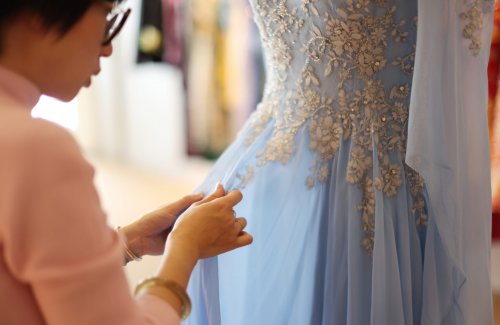
Recognizing the power of handcrafted wedding dresses to connect people with their cultural heritage and express their unique stories, Grace is on a mission to highlight the beauty and sophistication of Chinese culture through JINZA Oriental Couture. 

The First Threads

Initially, JINZA Oriental Couture specialized in Western wedding dresses and custom evening gowns at Jinza Couture Bridal. But one fateful day, Grace was approached by a third-generation Asian American bride who wanted a custom Qipao for her wedding reception. 

Grace recalls, ‘This request sparked my journey into researching the Qipao and uncovering what had been lost over the years. Through this process, I discovered that my grandmothers used to wear tailored Qipaos in their time, and I began exploring my family roots.’ 

This reflective journey ignited a new passion in Grace: creating hand-embroidered designs that reflect her client’s unique family histories, cultural heritage, and personal stories. 

With a decade of expertise in bespoke fashion, JINZA Oriental Couture now specializes in handcrafted Chinese wedding dresses, Qipaos/Cheongsams, and Tang suits – all designed and made locally in Los Angeles for weddings and cultural celebrations.

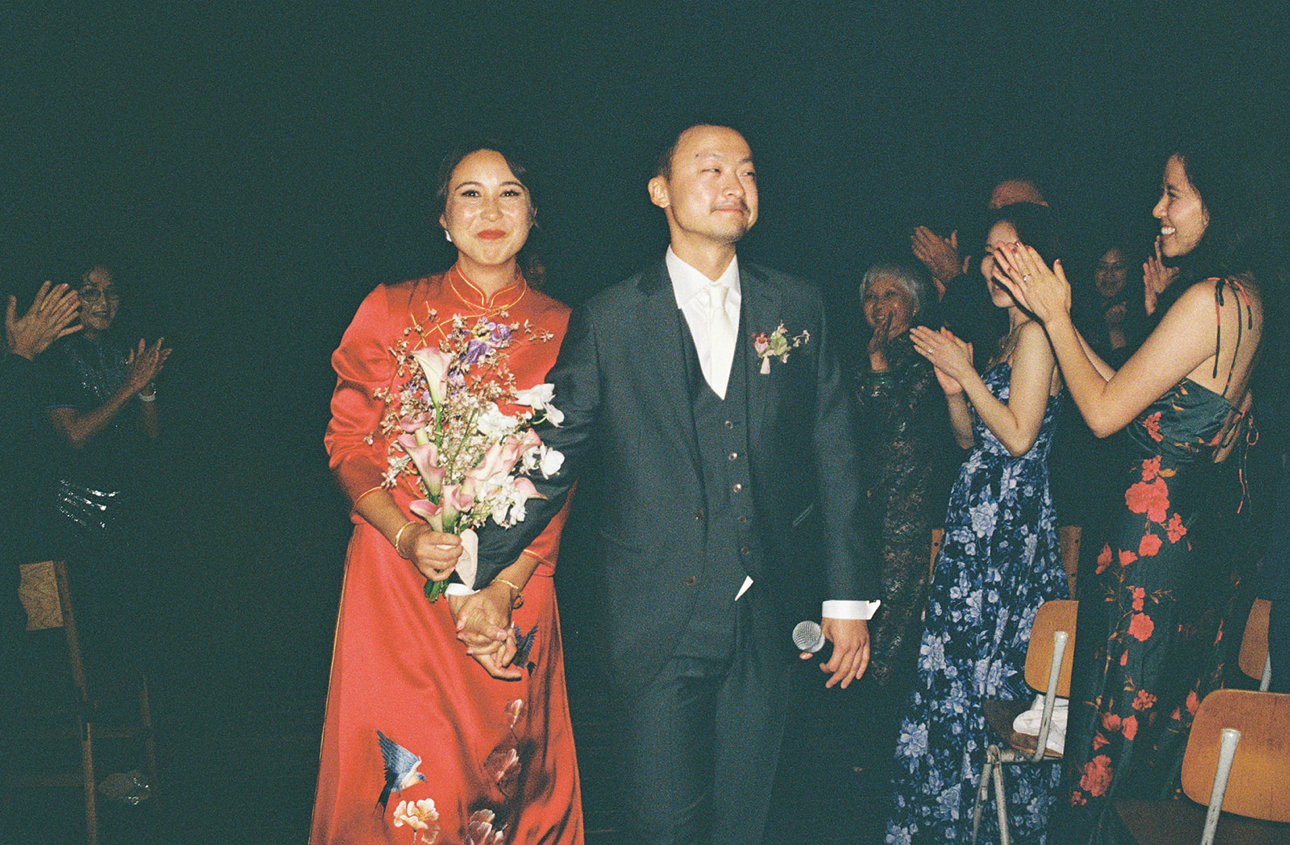
Qipao Wedding Dress at Modern Tea Ceremony (Image source: JINZA Oriental Couture)

Qipao Wedding Dress at Modern Tea Ceremony (Image source: JINZA Oriental Couture)

Unraveling Tangles

Asian fashion has evolved dramatically over the years, with many traditional elements fading from modern designs. As a result, much of this cultural heritage has been lost or overlooked.

“One of the biggest challenges I’ve faced in my business journey is overcoming the misconception that Qipao and Cheongsam should be inexpensive or easily replaceable. Many people ask, “Why should I invest in something I can buy on Amazon or Etsy for $200?” Grace explains.

As the gap between mainstream fashion and Asian fashion narrows, Grace points out that these traditional dresses have become occasional pieces—costumes for special events rather than meaningful, handcrafted works of art. 

To address this, Grace focuses on educating her clients about the value of bespoke fashion: the intricate embroidery, high-quality fabrics, and cultural heritage woven into every piece.

“At Jinza Oriental Couture, we see our mission as both an artistic pursuit and a learning journey alongside our clients. Every client brings a unique story, and we don’t aim to replicate what was done centuries ago but instead incorporate meaningful elements that speak to their identity today.” 

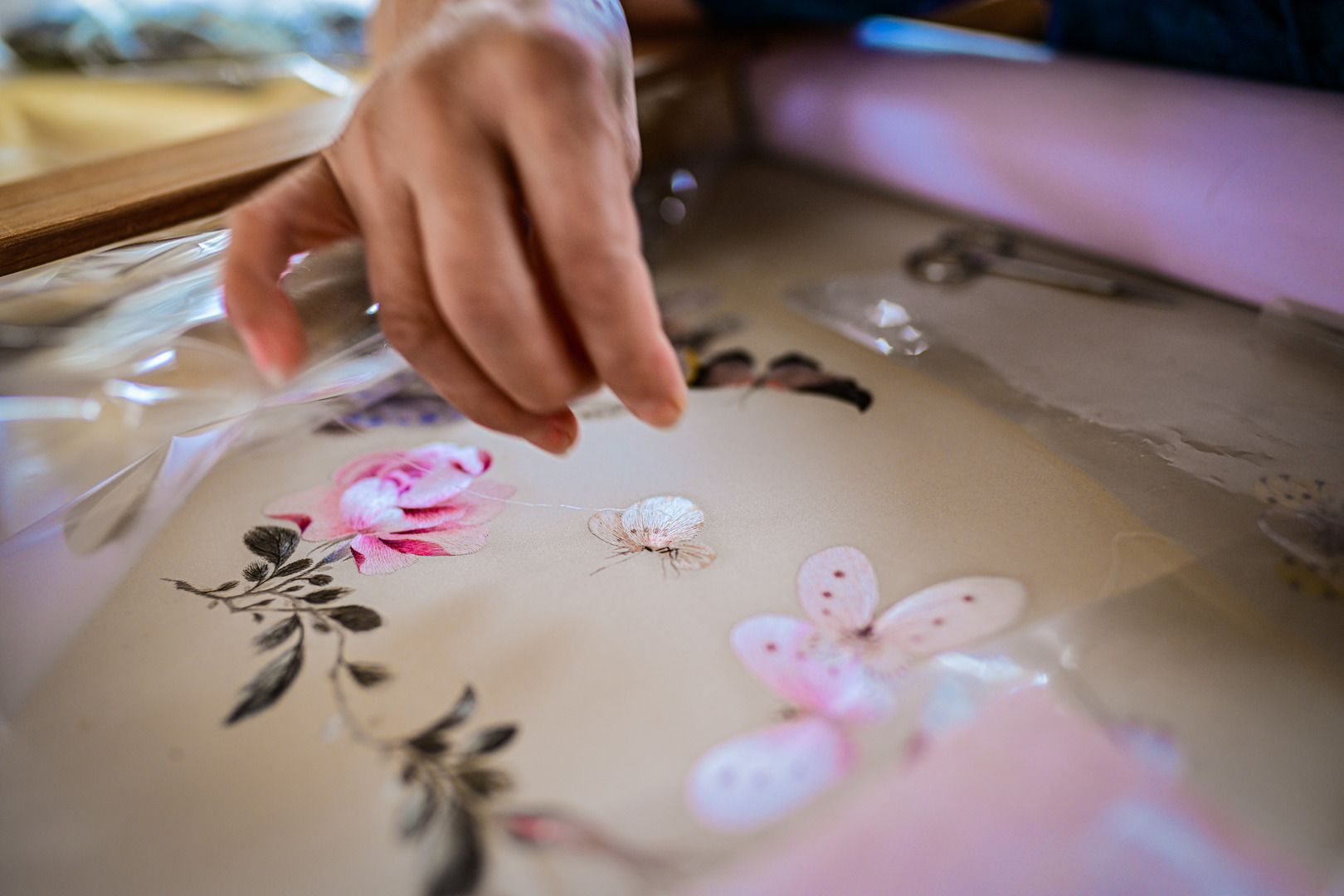
Artisan hand stitching embroidery (Image source: JINZA Oriental Couture)

Artisan hand stitching embroidery (Image source: JINZA Oriental Couture)

Threads of Resilience

“As a mother of two and a first-generation immigrant, I am most proud of the resilience I’ve shown throughout my journey,” Grace exclaims.

Whether overcoming depression or battling an avoidant mindset, Grace’s resilience has transformed JINZA Oriental Couture into more than a fashion brand, but a place for preserving culture and identity.

Grace’s resilience wasn’t built overnight but grew through her passion for helping her community. By preserving cultural heritage through bespoke fashion, she tirelessly designs intricate dresses that tell the unique stories of her clients’ identities.

Grace happily recalls, “Hearing their stories, especially when they share old family albums of grandmothers wearing Qipao, often brings tears to my eyes. The hand stitches, still vibrant and beautiful after 100 years, remind me that clothing can carry a story all on its own.”

From custom Qipaos and Cheongsams to Chinese wedding dresses, each piece reflects the personal histories of her clients. Grace’s vision for JINZA Oriental Couture extends beyond fashion—it’s about supporting female leaders, uplifting the Asian community, and ensuring these cultural treasures are passed down to future generations.

When asked which Asian or Asian American—real or fictional—she’d invite to wear one of her dresses, Grace responds, “Lisa Ling (a previous client) and Ronny Chieng are both role models for me due to their commitment to telling powerful stories, standing up for their communities, and offering true support. Phillip Lim is also a successful example of an Asian American designer who has carved out his own voice in the fashion world, and his influence and individuality would be a perfect match for the ethos of Jinza Oriental Couture.” 

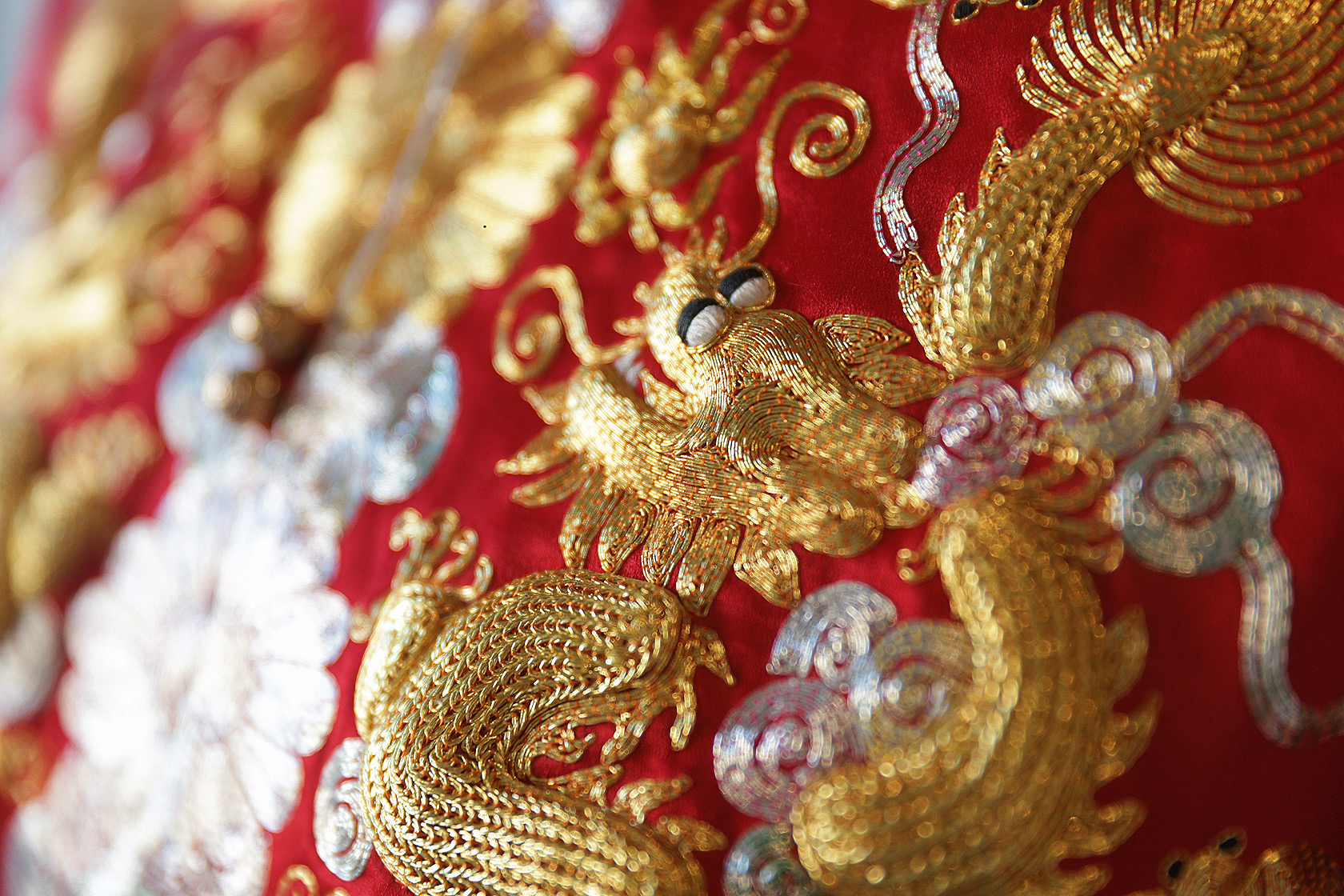
A piece from JINZA Oriental Couture (Image source: JINZA Oriental Couture)

Lessons in Resilience and Unity

The two most important lessons Grace has learned from her entrepreneurial journey with JINZA Oriental Couture are authenticity and community.

“My advice to Asian creatives, founders, and entrepreneurs is to always be authentic. There were times when I wanted to take shortcuts or find quicker ways to get things done, but I learned that staying true to who you are and doing the right things, even if they take longer, is what truly matters. Another important piece of advice is to belong to a community you truly believe in. It will make things a lot easier, even when things don’t go as expected. When we, as a community, stay true to our values and support each other, we can create a stronger and more united future,” Grace affirms.

When asked about her future plans, Grace excitedly shares that she’s honing her storytelling skills to speak more boldly about heritage, culture, and community. She’s also open to collaborations, partnerships, and creating more content to amplify her mission.

Grace concludes, “Together, we are stronger, and by working together, we can have a greater impact. I look forward to the possibilities that lie ahead and the opportunities to connect with like-minded individuals and organizations.”

Please Include Contact

Website: JINZA Oriental Couture

Instagram: @jinzaoriental

Linkedin: Grace Pei

Facebook: Jinza Oriental Couture

ObFgA9tc-jpeg

Stories

Eunice Chen’s Táng Transforms Childhood Night Market into a Moving Animated Story

After transitioning from her career as a teacher to an animation artist and illustrator, the talented Eunice Chen once again decided to test her abilities by creating an animated short film project called Táng (糖).

“人算不如天算” — in Chinese belief, every encounter is predestined and our current state is the fruit of past karma. One life ago, we were somehow, unknowingly, cultivating our karmic connections, which ultimately led to this present life’s encounters or coincidences.

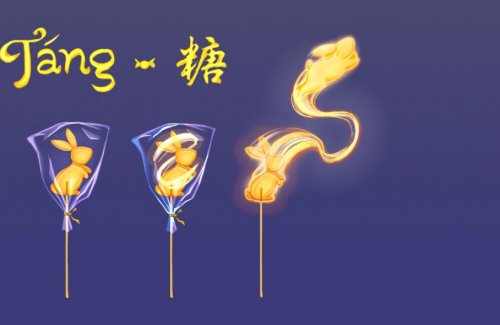
Táng is a movie about one of those by-chance encounters as well that integrates the art of 糖画 (tánghuà). Through the lens of tánghuà – a traditional Chinese sugar-painting art, this unexpected relationship arrives and flourishes into a confounding yet paramount work of fatherhood, family, and fate. 

THE INSPIRATION BEHIND TÁNG

Growing up between the U.S. and Taiwan, Eunice developed deep-rooted cultural memories that shaped her appreciation for her heritage. In this new venture, she continues exploring culture—this time, through nostalgia.

Where should we begin? Back to her childhood in Taiwan, like every other child, Eunice loved going out and visiting open-air markets. Bustling lines of food vendors, jittery echoes of chatters, and also a rare occasion when one can play games without their parents’ side eyes, open markets are the idols of many young children in Taiwan. It is also where she was introduced to the art of sugar-painting.

Reflecting on this memory, Eunice shares:

Yes, the idea of this story first came from my childhood memories of visiting open-air markets and night markets in Taiwan. Whenever I visited those markets, I would always make sure to visit the candy stalls, where master candy makers sculpted these lollipops that were amazing pieces of art and also very tasty confections. And I’ve always had a giant sweet tooth, so I started my film out of a place of joy.

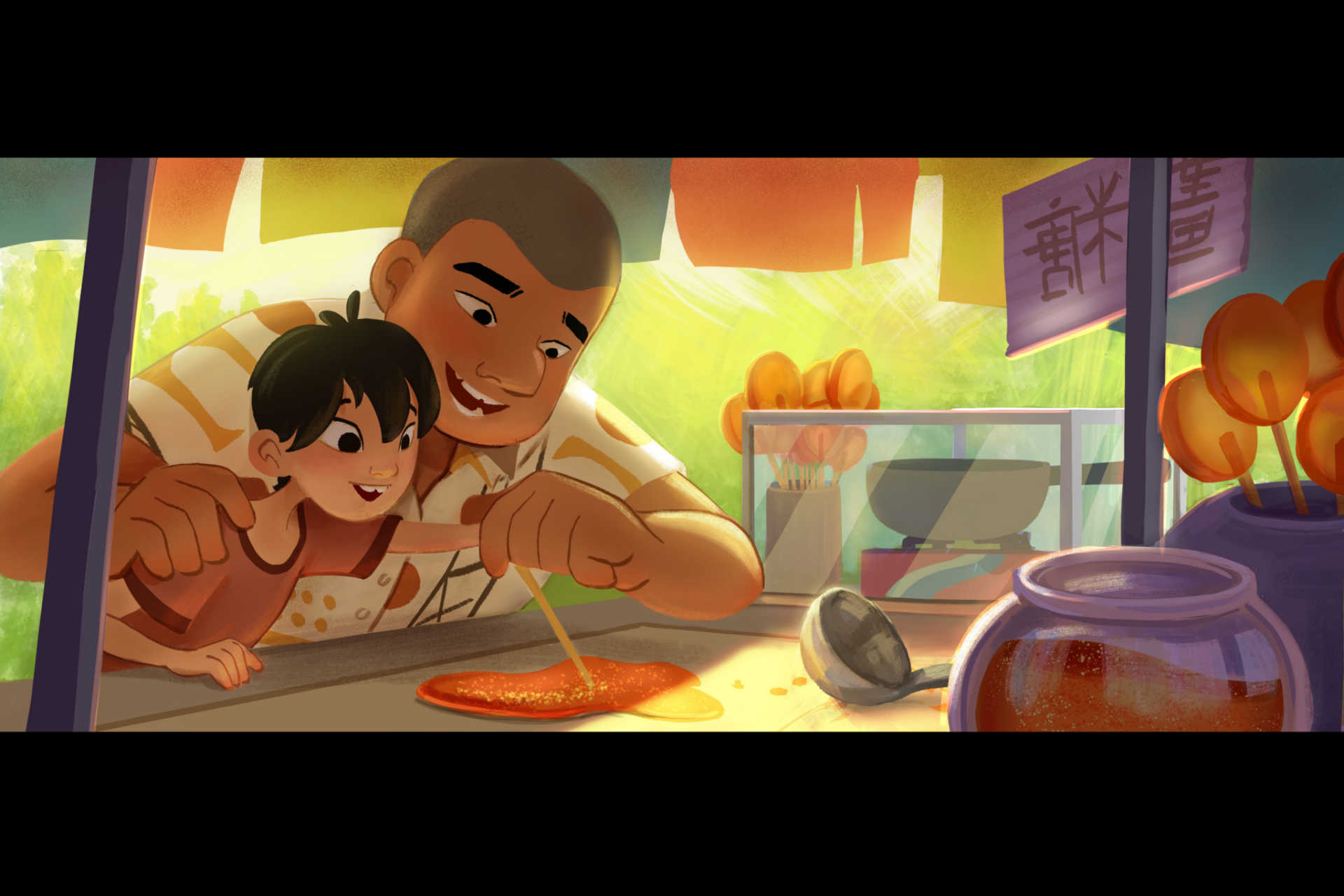
The short film centers around the meaningufl connection between a sugar-painting street vendor (left) and a student.
The short film centers around the meaningful connection between a sugar-painting street vendor (left) and a student.

A REFRESHING TAKE ON FATHERHOOD AND FAMILY

In Chinese families, “血浓于水” (Blood is thicker than water) has long been a staple for centuries—that family is of utmost importance, and the bloodbound places more value than strangers. It is only natural that the concept of a “chosen family” may irk some, who put a sense of filial piety and duty in high regard.  

Of course, it feels almost peculiar for Eunice Chen – the eldest child, who has switched careers, from landing a “safe” job at teaching to taking a more off-the-beaten-path direction towards doll-making and now…animation artist and now…film director!! So expect the unexpected layers and nuances Eunice has painted Táng. Táng is more than just a love letter to Taiwanese night markets. It’s one that Eunice picks up the lack of positive portrayals of father-and-son relationships in the Asian community.

“When someone makes art or a film, sometimes they are painting a world they wish they had or would like to see in the future. I wish I had seen more strong bonds between Asian fathers and sons as I grew up,” Eunice shares. 

While Táng’s messaging can cover this complex matter only to a certain extent; here, Eunice is after something more personal for many Asians: “a healing balm” for those with similar experiences. However, Eunice adds that she’s been seeing a lot of change in parenting recently. She says, “I am super proud of how intentional and hands-on Asian fathers from my generation (and beyond) have been with their children!”

Now, Eunice is bringing Táng to life, but she needs our support.

A scene involving the art of sugar-painting.

JOIN THE JOURNEY: SUPPORT TÁNG

The idea for Táng came to Eunice during a storyboarding class, when asked to create quick story concepts. Táng was one of the ideas she came up with, leading her to develop a script—her first ever. While world-building and character design might be her forte, the real challenge followed: securing funding. Facing multiple rejections, it took one “yes” from what she thought would be her final meeting to reignite her determination. 

The initial funding allowed her to assemble a small but passionate team, who have since created the film’s first three minutes. Now, they need additional support to complete the project, leading to the launch of their Kickstarter campaign.

But independent films—especially ones that bring forward Asian heritage and underrepresented narratives—need tremendous community support. 

Supporting the Táng crowdfunding campaign is a step forward to preserving a piece of cultural heritage while amplifying nuanced Asian fatherhood stories, and ensuring that art like this can continue to thrive. 

Donate NOW and be part of this journey!

CONNECT WITH EUNICE CHEN

“Keep working on your art and portfolio. Get to know people already working in the industry and learn from them. And make art that comes from the heart and makes you happy. It’s going to be very difficult, especially given the current state of things in the animation industry as a whole, but if this is truly what you want, then don’t give up!”

Instagram: @eunicesketches

Website: eunicesketches.com 

Duolingo Shares Climb 7% as Users Swarm to App to Learn Mandarin-png

News

Love, Bonito x Asian American Girl Club Present the ‘TrailBlazer’ Collaboration

Love, Bonito and Asian American Girl Club have joined forces to launch the TrailBlazer Collaboration—a tribute to Asian American women breaking barriers, redefining leadership, and inspiring future generations. This campaign celebrates five extraordinary women, each donning a unique limited-edition Love, Bonito x Asian American Girl Club blazer that serves as a true reflection of their confidence, resilience, and identity.

Meet the Trailblazers:

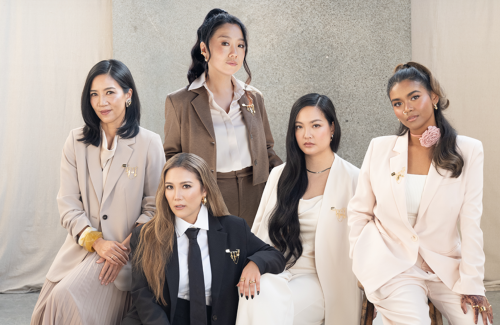
  • Ally Maki – Actress, Advocate, and Founder of Asian American Girl Club, Ally embodies power and purpose in the RuchedReady® Rachel Blazer—made for the woman who rolls up her sleeves and gets things done
  • Sherry Cola – Comedian, Actress, and Storyteller, Sherry embodies authenticity in the Alya Boxy Crop Blazer, a reflection of her bold humor and vibrant energy.
  • Amanda Nguyen – Astronaut and Founder of Rise, Amanda exudes resilience and advocacy in the RuchedReady® Lapelles Soft Blazer, a symbol of strength and justice.
  • Michelle Kwan – Olympic Figure Skater and Diplomat, Michelle showcases her grace and determination in the RuchedReady® Classic Regular Fit Blazer, a nod to her unwavering spirit both on and off the ice.
  • Paravi – Popstar and Actress, Paravi brings her dreamy vibes and fearless creativity to the RuchedReady® Aera Slim Blazer—because bold artistry deserves a bold fit.
The Trailblazers (from left to right): Michelle Kwan, Ally Maki, Sherry Cola, Amanda Nguyen, Paravi

A Mission-Driven Collaboration

“At Love, Bonito, we share a common mission with Asian American Girl Club—to champion and uplift Asian American women in spaces where they have long been underrepresented,” said Dione Song, CEO of Love, Bonito. “This Trailblazers collaboration is a tribute to the trailblazers shaping industries, breaking barriers, and inspiring communities worldwide.”

A Pin with Purpose

Every detail in this collection carries a deeper meaning. Each blazer from the collaboration comes with a custom pin set representing a trailblazer’s journey:

  • The Phoenix – A symbol of resilience and rebirth, reminding women of their power to rise after every challenge.
  • The Sakura – Representing renewal and growth, celebrating transformation and new beginnings.
  • The Ginkgo – A timeless emblem of endurance and strength, honoring those who stand firm in adversity.

Now More Than Ever

“Asian American women have always driven powerful change, though our stories have often gone untold,” said Ally Maki, Founder of Asian American Girl Club. “Through Trailblazers, we’re affirming that our impact and leadership across all industries has always been—and will continue to be—undeniable.”

Join the Movement

Discover the TrailBlazer Collection at https://www.lovebonito.com/us/global/trailblazers-aagc 

About Love, Bonito: 

Love, Bonito is the leading female-founded fashion brand in Southeast Asia, dedicated to empowering women through thoughtful, versatile designs. With a deep understanding of the modern woman’s needs, Love, Bonito creates timeless and functional pieces that blend style with confidence. More than just a fashion brand, Love, Bonito is committed to fostering a strong, supportive community—championing women in every stage of their journey through representation, storytelling, and purpose-driven initiatives.

About Asian American Girl Club: 

Asian American Girl Club (AAGC) is a cultural force and community-driven brand dedicated to amplifying the voices and experiences of Asian and Asian American women. Founded by actress Ally Maki, AAGC creates space for connection and representation through fashion, media, and storytelling. With a mission to break stereotypes and celebrate identity, AAGC is more than a brand—it’s a movement empowering the next generation to be seen, heard, and unapologetically themselves.

Credits: Love, Bonito x Asian American Girl Club