Uncategorized

August 15, 2022

SHARE:

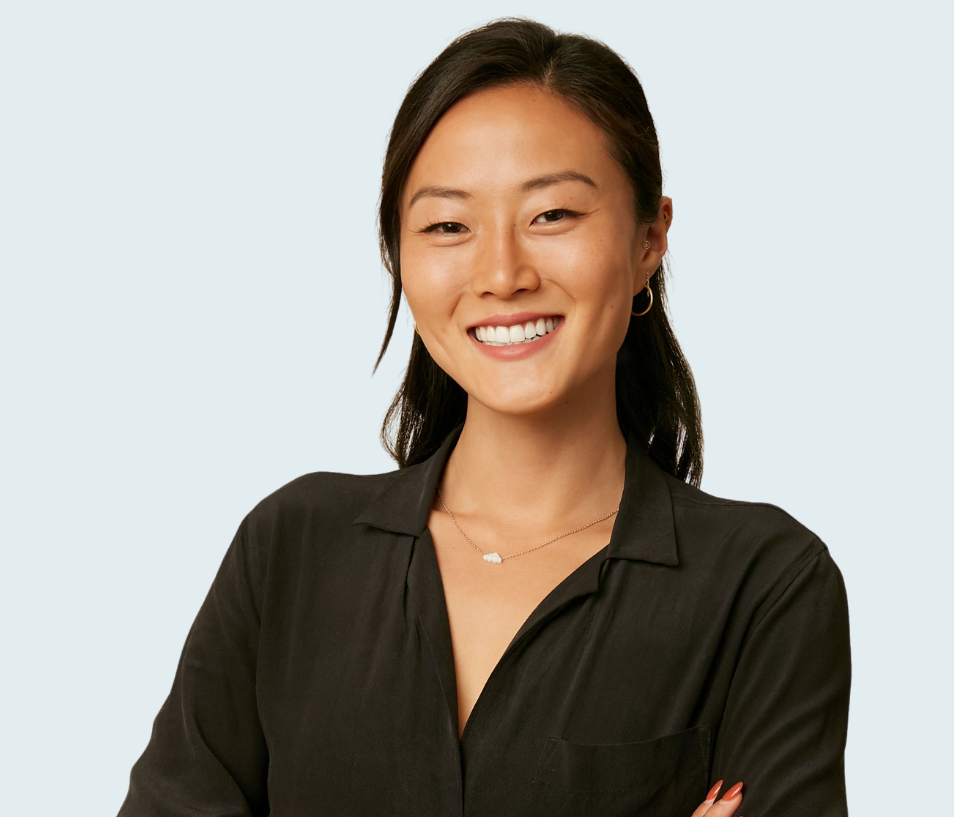
Melody Hahm has held many roles as an acclaimed business journalist for CNBC and Yahoo Finance and a platform and community manager for venture capital firm Harlem Capital. But her Twitter bio begins with “unapologetically Korean.” That’s a good indicator of the kind of person Melody is. 

In her interview with AHN, Melody is unapologetically honest about her experiences as, often, the only Asian in the room. She shares her journey of finding value in her work and, as a result, recognizing her self-worth to advocate for herself in traditionally male-dominated newsrooms. 

Since joining Harlem Capital in July 2021, she has helped female entrepreneurs and people of color make their mark in history. She leads off-site and operator networking events and content strategy for the firm’s portfolio companies. But she’s doing so much more for the BIPOC community of entrepreneurs by giving them the resources and platform to succeed. 

A CHILD OF KOREAN IMMIGRANTS FINDING HER PASSION FOR JOURNALISM

I was born in New York City and raised in the tri-state area in Connecticut and Jersey. I was a lifelong east coaster. My parents are Korean immigrants who met in the States, and I’m their only child. It became my passion early on to become a journalist. 

I had a dream of telling international stories, given my background as a child of Korean immigrants. Starting in elementary school, I took a liking to my Spanish class, and I performed the best in English reading and comprehension. So, pairing those things together, I was like, I’ll think I’ll figure out what this journalism thing is. It was after a journalism and writing summer program that I did after eighth grade that I realized this is the area I want to focus on. 

I started to write for my school newspaper and contributed to my local newspaper, the New Haven Register. There weren’t necessarily Asian bylines I could look to. There was Connie Chung and a few token Asian women on TV. But I could not envision what my career would look like. 

I’ll never forget what my mom said. She said, if you watch TV or go to a Broadway show and see someone that looks like you, it’s probably the stereotypically nerdy character who has a line or two, but you’ll never see someone who looks like you as the main character. She didn’t mean to discourage my dreams, but I think it was a reality check that perhaps it wasn’t the most practical route. 

“There weren’t necessarily Asian bylines I could look to…I could not envision what my career would look like.” 

-Melody hahm

FROM PRE-LAW TO BUSINESS JOURNALISM AND VENTURE CAPITAL

I went into college pursuing pre-law, but all my internship interests were in journalism. Then, I got a grant through school to go to New Delhi, India, for two months on a broadcast journalism internship. That was a turning point for me. Until that point, I didn’t understand what a real career in journalism could look like. When I got back, I tapped into any potential connection I had in the journalism world. It was through an alum of my school, who was the managing editor of Fortune magazine, who connected me to a couple of folks, and one of his contacts at CNBC reached out to me in my senior year. 

They said a news associate position was open and asked if I wanted it. I had no idea what financial and business journalism was, but it seemed like an opportunity I couldn’t pass on. So, I began my career in financial journalism on CNBC’s flagship morning show, Squawk Box. I produced segments and pitched ideas for startups to be featured on the show. At the time, it was very markets-driven, and I carved a niche for myself. 

I recognized that there wasn’t a platform for women and people of color running interesting startups to share their stories in a mainstream way. I took it upon myself to prove that these companies were going to be meaningful one day. I also wanted more experience on-air and I ended up finding an opportunity as an on-air reporter for Yahoo Finance. It was a great transition because Yahoo Finance is all digital. I got the chance to create content in a medium that I consumed. I hosted a show called Breakouts, which focused on entrepreneurship, especially among women and people of color. 

In July 2021, I left traditional media to join an early-stage venture fund called Harlem Capital which invests in diverse and women entrepreneurs. I lead their community and platform, which essentially means working with the portfolio companies and founders. As well as expanding our purview and reach as we think about democratizing venture capital for people who deserve it. It shouldn’t matter what you look like. 

It’s been a wild journey so far. There are a lot of different hats I wear. Some of my media expertise and savviness does play a role at Harlem, but I’m getting to flex my muscles to help entrepreneurs in a different realm and world, which I’m excited about. 

“I recognized that there wasn’t a platform for women and people of color running interesting startups to share their stories in a mainstream way. I took it upon myself to prove that these companies were going to be meaningful one day.” 

-melody hahm

TAKING STEPS TOWARD WHERE SHE IS TODAY

I would love to say it was well-thought-out, squarely defined, and manifested, but it wasn’t and never is. It’s always messy. Oftentimes, there are little signals along the way that remind you maybe this is not where my attention should be. I initially did not pursue a business or financial journalism career, the opportunity found me. I recognized that it was not my passion to report on the market’s daily moves. I can talk about it, but did I feel like I was getting value? Probably not. Making the 1% richer was never part of my mission. I obviously never went into journalism to make money. 

Being in that corner of media made me reconsider and reflect on who my audience was. Both Yahoo Finance and CNBC served the investor class, which tends to be more affluent and privileged. During COVID, I started excavating a bit. I asked myself how I could play a role in helping entrepreneurs, especially people who look like me, succeed. 

If you wanted to cover a startup in mainstream media, it was always about who backed them. That’s when I first started covering venture capitalists. I interviewed a lot of VCs and participated in conferences to interview VCs and the startups they funded. My mind was open to the opportunity to work at a venture capital firm where I could play a role in the process of helping entrepreneurs and equipping them with tools so they can have a fighting chance in making their mark on history. 

RECOGNIZING SELF-WORTH IN TRADITIONALLY MALE-DOMINATED WORK ENVIRONMENTS

I think my experience working in two traditionally male spaces has only fueled my fire to identify opportunities where I can change the narrative. I am very fortunate to have had mentors and direct bosses sticking their necks out for me, including the person who connected me to CNBC. I met him when I was a college student in 2011, and he ended up becoming my boss at Yahoo Finance. I’ll never forget this one conversation we had. It was our mid-year check-in, and I was so nervous. I knew I deserved a raise, but I didn’t want to be disappointed if I didn’t get it. 

I even went to seminars coaching women on negotiations. So, I was like, “Melody, you can do it. He’s always believed in you.” During the conversation, he gave me a 24% raise. I was going to ask for a third of that. My walkaway number was going to be 8%. That illustrated to me: Why was I valuing myself so little? Part of it is systemic, but I was selling myself short. That was an inflection point for me to recognize that even if this macrosystem is stacked against me, I know my worth, I know my strengths, and I know that I work hard. There are very clear and measurable things to show that makes you believe you deserve more. I recognized that even if the landscape is so male-dominated, that will not deter me. 

Tying it back to the venture capital world, so much it is bleak. Very few top-tier firms have BIPOC partners at all levels. Then, I joined Harlem Capital, which is founded by Black men. We have three Black men who are partners, and four of us are women of color, which is unheard of. You don’t see that in venture capital. I’m the only Asian woman, so it empowers me to know that they value and invest in people of color. I have a seat at the table, and I recognize my fight for my community. 

Our tagline is that we want to invest in 1,000 diverse entrepreneurs over the next 20 years. I think the only way you can do that is if the investor class and the people in the firm reflect the type of people you want to empower. We have the upper hand in understanding the problems and queries facing diverse founders. We’re the ones trying to solve the issues and provide the resources to feel the gap. It feels like a unique position to be in the venture landscape. 

“Even if this macrosystem is stacked against me, I know my worth, I know my strengths, and I know that I work hard. There are very clear and measurable things to show that makes you believe you deserve more.”

-melody hahm

NAVIGATING THE NEWSROOM AS AN ASIAN WOMAN

There were so many incidents of micro and clear aggressions from my colleagues, especially at Yahoo Finance, where I was, for a long time, the token Asian. Over the nearly six years I was at Yahoo Finance, our newsroom really blossomed. We had a flurry of people of color and lots of Asian women who joined the team. But the first couple of years were really difficult. If there was news related to ongoing issues in the Asia continent, I was expected to know the answer. I’m like, I was born in New York. I’m connected to my Korean heritage, but I don’t know the ins and outs of the dynamic of Japan and Korea. The assumption that I would have these answers definitely messed me up a little bit. 

In light of the hate crimes facing Asians, it was difficult for me during the work day because we wouldn’t cover that news. It was only when there was a business angle or organizations pledged tens of millions of dollars that it became a story in the business world. I understood that we weren’t working under a general news system, but at the same time, the lack of care felt disappointing to me. I felt I had to advocate for myself and the Asian community. 

In my current role in the venture world, it’s night and day because my colleagues are all people of color. Even when Michelle Go passed, against this influx in hate crimes was happening, they would check in on me, asking how I was doing on a personal level. To be honest, Harlem Capital has grown over the last couple of years, alongside the deaths of Black Americans like George Floyd and Breonna Taylor. My colleagues recognize how hard it is to compartmentalize pain and trauma as you experience professional success, trying to reconcile the two. I think there’s empathy in my current role and organization that gives me a little bit more strength and hope. 

THE FUTURE OF VCS

I think 20 years from now, we’ll see a magnificent diaspora of Asian, African, and Latino founders who go on to raise future rounds of capital, take their companies public, maybe start their own VCs, and become angel investors. It’s beyond my wildest dreams to think about what that diaspora looks like. Tier one VCs are already investing in Africa and Latin America. We’re seeing people choose to operate in international landscapes, and they’re all contributing to changing the face of entrepreneurship. 

I have no doubt in my mind that when hopefully my child is growing up that if they were an entrepreneur, they could look at the options and say, ‘There’s a partner who looks like me and understands my story.’ It won’t be tokenization as a poster child of diversity. It will be an integration as the DNA of up-and-coming VCs, VCs that have yet to be created, and existing firms where it won’t be an option anymore to not be diverse. This is a one-way street, and if you don’t buy into it, you will get left behind.

“It will be an integration as the DNA of up-and-coming VCs, VCs that have yet to be created, and existing firms where it won’t be an option anymore to not be diverse.”

-melody hahm

HOW TO REACH OUT

You can reach me on Twitter @melodyhahm, on Instagram @melhahm, and on LinkedIn. If you want to learn more about Harlem Capital, or if you want to learn more about my journey, I’m always excited and happy to chat with folks. If anyone is contemplating a move, career or otherwise, feel free to hit me up because I love to talk about those kinds of transitions. 

Interview credit: Tiff Soga
Related Articles

Founder-Images_3-2-scaled-jpg

Stories

Singapore’s Snack Revolution: How The Golden Duck Turned Salted Egg Yolk Into a Premium Global Phenomenon

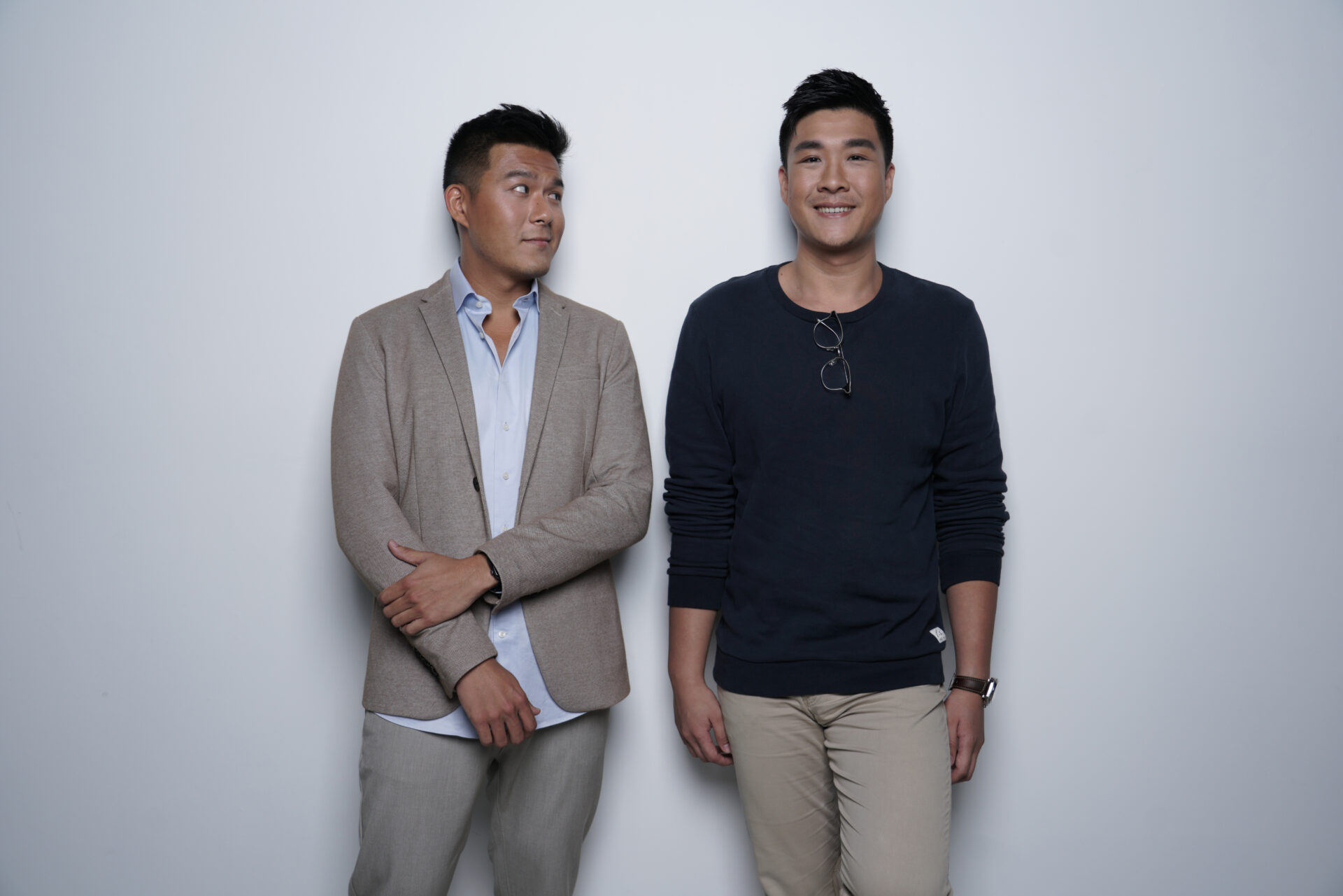
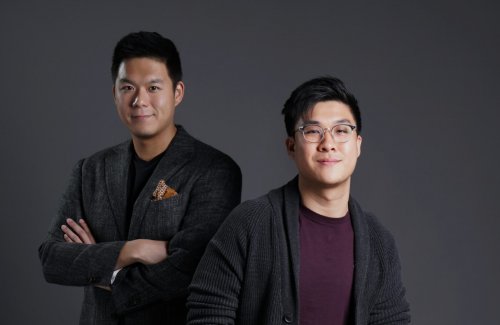
Chris Hwang (left) and Jonathan Shen (right) – founders of The Golden Duck

Growing up with Asian snacks like salted egg yolk chips meant savoring flavors that felt both comforting and unforgettable. Yet when Jonathan Shen and Chris Hwang turned their eyes to the global market, they saw a different reality: these beloved treats were undervalued, underpriced, and largely overlooked by international consumers.

Back in 2015, Singapore’s FMCG market was crowded, dominated by established Western brands. Asian flavors were largely seen as niche, affordable snacks rather than premium products you’d gift or showcase in events.

Jonathan and Chris quickly recognized a gap: millennial consumers craved adventurous, culturally rooted flavors, but no brand was presenting them in a way that made people proud to share them.

They founded The Golden Duck with a vision to elevate Asian snacking to a globally aspirational experience.

Today, The Golden Duck has sold over 20 million packs worldwide, and is stocked in 650+ Woolworths and Metro stores.

How It Began: Inspiration from a Familiar, Unlikely Flavor

Jonathan Shen and Chris Hwang didn’t start with a massive budget or fancy offices. What they had was complementary expertise, and a shared passion for snacks. 

Jonathan, with a keen eye for branding and marketing, looked at salted egg yolk and asked: what if salted egg yolk could feel luxurious? 

While ubiquitous in Asia, it was rarely found outside hawker stalls or home-cooked dishes.

Chris, a stickler for quality and craftsmanship, understood that getting the recipe and packaging right could make all the difference.

When it launched, crowds queued for hours, wanting to get their hands on chips that tasted like home but looked like luxury. The Golden Duck’s Salted Egg Yolk later earned Jonathan & Chris recognition on Forbes 30 Under 30 Asia.

How It Went: Bold Flavors, Relentless Hustle

Entering a competitive FMCG market without big funding meant bootstrapping everything—from sourcing ingredients to hand-packing orders. They had to balance daring flavors with high-quality production, ensuring every snack met premium standards.

It wasn’t just about product innovation. Breaking into a market dominated by Western brands meant shifting perceptions: convincing consumers that Asian snacks could be modern and premium. Every unconventional pairing, every new flavor, was a calculated risk.

Chris ensured every ingredient and recipe exceeded expectations, while Jonathan told the story in a way that resonated with millennial snack enthusiasts.

They launched pop-ups, engaged directly with customers, and refined details one by one. Salted egg yolk became their signature flavor, but it was only the beginning. The Golden Duck now offers a growing range of gourmet Asian-inspired snacks, from Chilli Crab Seaweed to Tom Yum Goong and Spicy Mala Hot Pot.

What’s Next For The Golden Duck?

The Golden Duck isn’t slowing down. In 2025, the brand launched a new line of canister chips for Western markets including Australia, the United States, and Canada, with bold flavours like bold flavours like Truffle Wagyu, Kombu Seaweed Butter, and Sour Cream & Sriracha. At the same time, the company is actively entering new markets such as the UK, Europe, and China.

Innovation and sustainability remain at the heart of The Golden Duck’s strategy. The company continues to explore new flavors and formats while sourcing real ingredients to deliver premium, authentic taste experiences.

With every new flavor and product, Jonathan Shen and Chris Hwang are proving that Asian snacks can be premium and globally celebrated. Every bite is a story of heritage, innovation, and taste waiting to be told.

Connect With The Golden Duck

Website: https://www.thegoldenduck.co/

IG: @thegoldenduck.sg

@thegoldenduck.au

IMG_6214 (1)

Stories

From Prison to Purpose: How Tuan Huynh Brewed Redemption Into VietFive Coffee

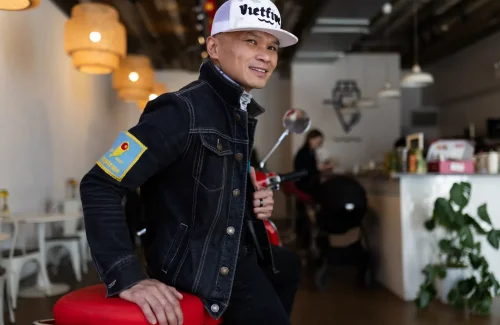
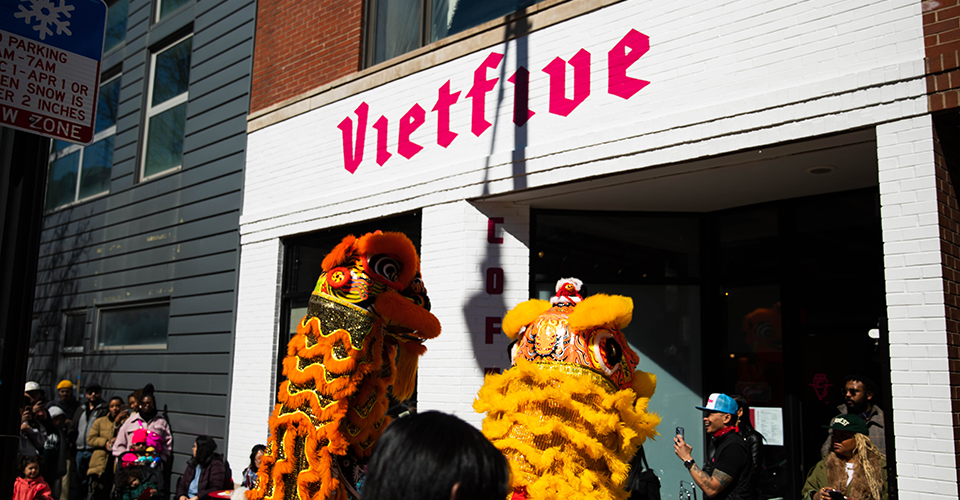
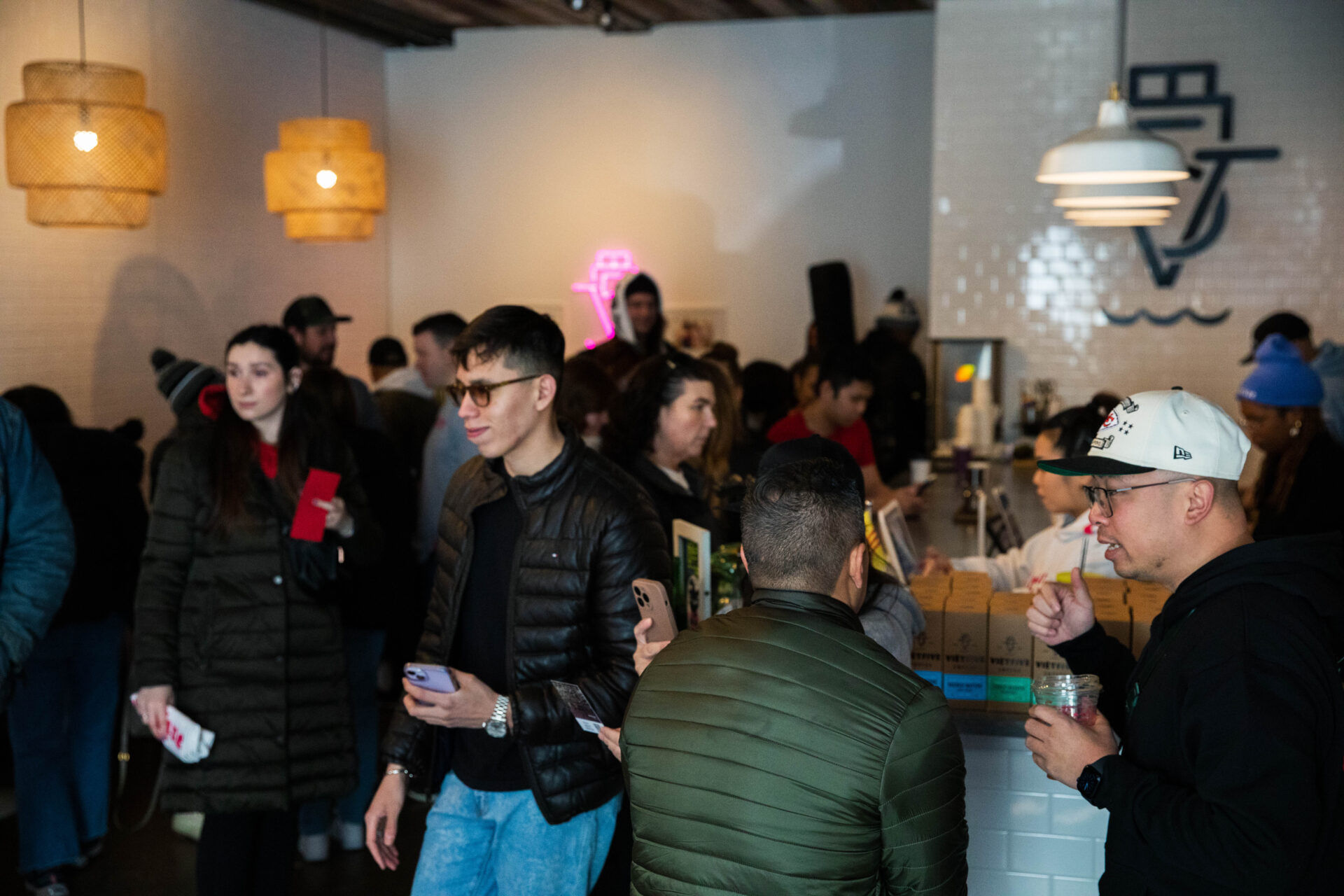
When you walk into VietFive Coffee in Chicago’s West Loop, the first thing you notice isn’t the rich aroma of Vietnamese Robusta beans. It’s the energy. Strangers sit shoulder-to-shoulder, conversations spark, and a sense of belonging fills the air. For founder Tuan Huynh, this space is far more than a café. It’s proof that redemption is real.

Tuan didn’t set out to build a coffee brand. He set out to rewrite a life story that once seemed destined to end behind prison walls. Today, he’s not just serving bold coffee; he’s serving hope, heritage, opportunity, and community.

The Darkest Chapter

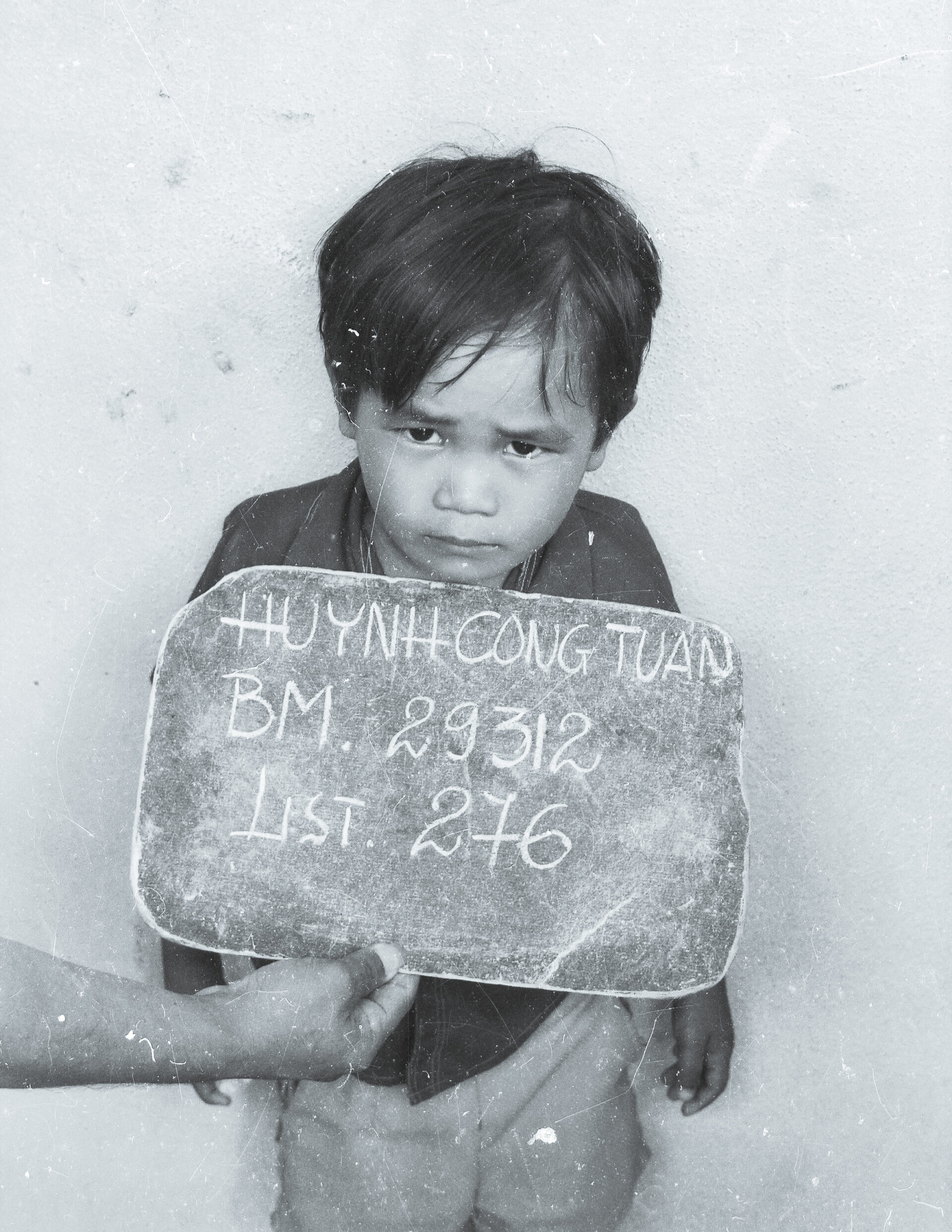
Tuan’s early life was marked by conflict. Born in Vietnam, his family fled to the U.S. when he was just three years old, carrying little more than hope for a better future. They settled in government housing, where poverty pressed down on daily life. Like so many kids searching for belonging, Tuan got swept into the culture of gangs and drugs. At just 18 years old, barely an adult, his life took a devastating turn.

Convicted of first-degree murder, Tuan was sentenced to life in prison with the possibility of parole after 15 years. He spent the next decade and a half in Lansing Correctional Facility, one of the country’s maximum-security prisons.

Prison has a way of stripping people of their identity. For many, it cements a cycle of despair. But for Tuan, it became the crucible where transformation began. “Even in the darkest places,” he says, “I knew my story wasn’t finished.”

Choosing Creativity Over Despair

Inside those walls, during the latter half of his prison experience, Tuan chose to reimagine his life. He leaned into art and design, creative outlets that gave him purpose and revealed a talent for visual storytelling. Every sketch, every concept was an act of defiance against the idea that his future had already been written.

When he was finally paroled on June 21st, 2011, a date and time he still recalls with reverence, Tuan stepped into a world that had changed beyond recognition. He was a free man, but freedom didn’t come with an instruction manual. He carried the stigma of incarceration, the weight of lost time, and the daunting task of rebuilding from scratch.

A Door Opens in the Most Unexpected Place

Determined not to waste his second chance, Tuan pursued higher education, earning a Bachelor of Fine Arts in Conceptual Design. His portfolio caught the attention of the world’s largest advertising agency, which offered him a role in Chicago. For a refugee kid who had once been told he would never amount to anything, it was validation.

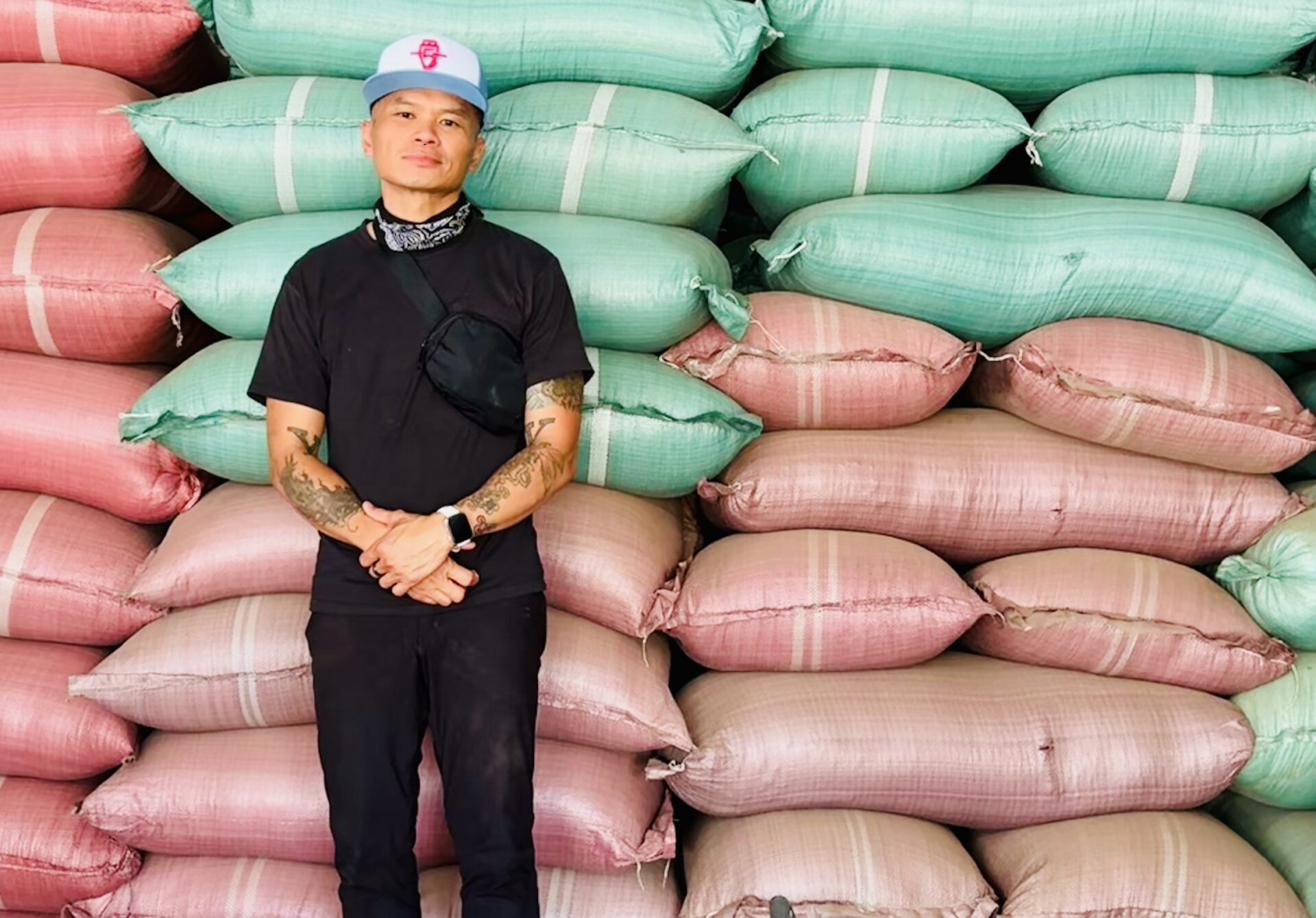
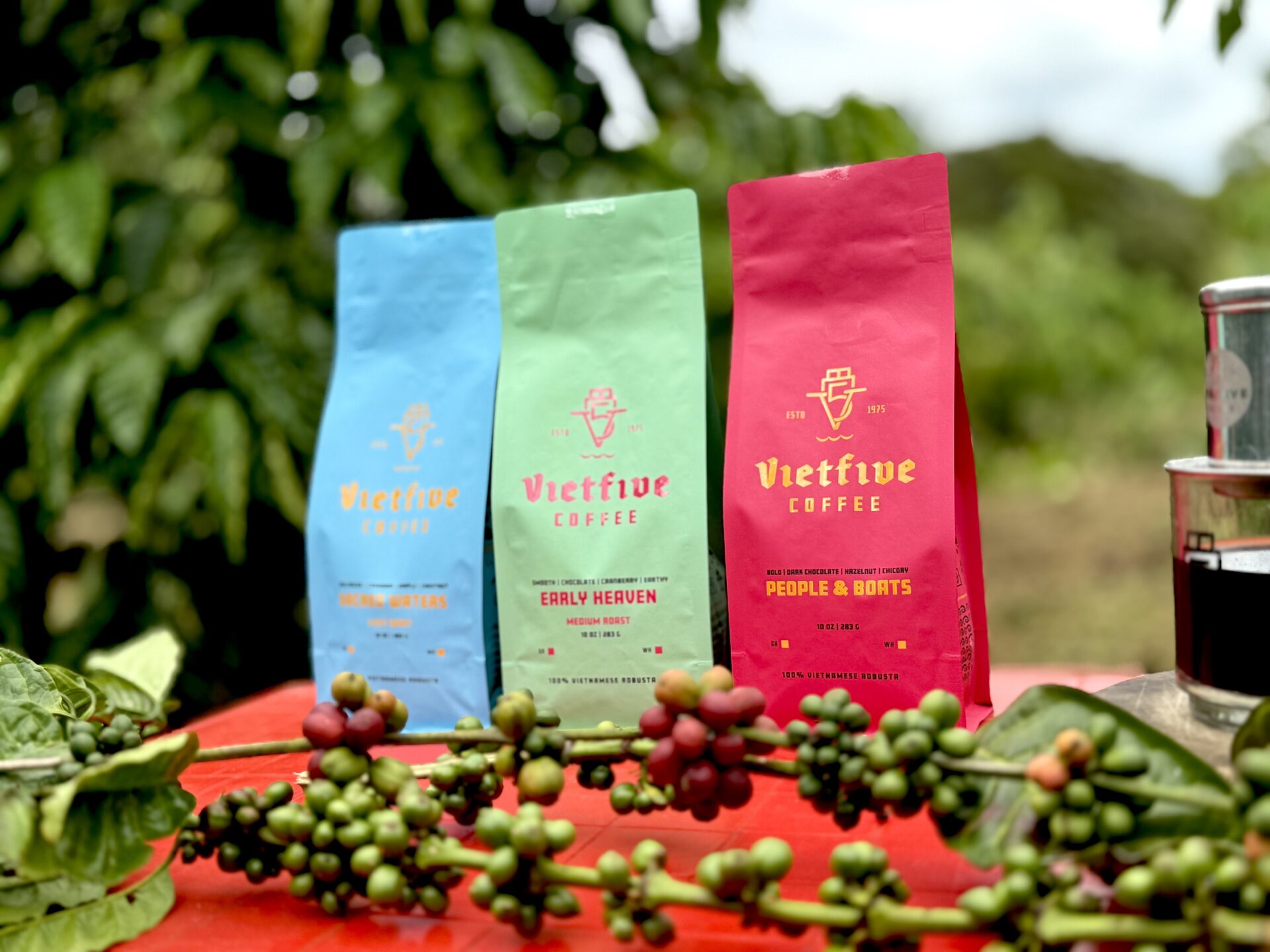
But something was still missing. After eight years in advertising, Tuan felt the pull of something deeper, something personal. On a trip back to Vietnam, the first since leaving as a child, he discovered his family’s legacy: generations of farmers cultivating Robusta coffee. That revelation ignited a vision.

Coffee, he realized, could be the perfect medium. It wasn’t just a drink. It was heritage, resilience, and connection poured into a cup. And with that, VietFive was born.

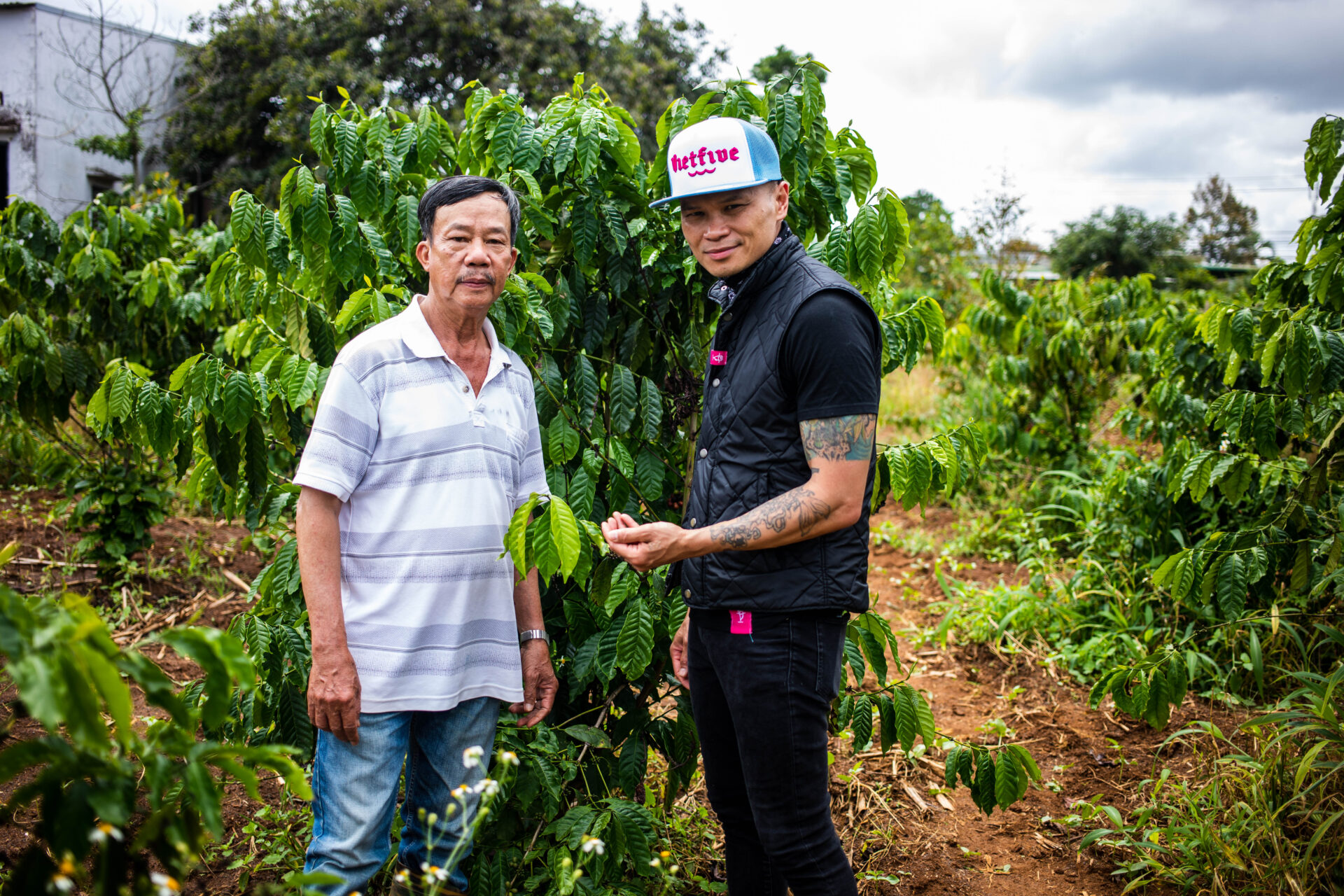
Tuan Huynh (right) with his uncle

Building VietFive Against All Odds

Launching a business as a formerly incarcerated person was no small feat. Doors closed before Tuan could step through them. Banks hesitated, investors doubted, and skeptics assumed his past would define his future. But Tuan refused to let rejection write his story.

Instead, he built VietFive from the ground up, importing beans from his family’s farm, shaping the brand through design, and pouring his heart into creating not just a business, but a movement.

VietFive is vertically integrated, meaning Tuan controls the process from farm to cup. That ensures authenticity, quality, and fair practices. But more than that, it provides every sip tells a story. A story of Vietnamese resilience. A tale of personal redemption.

The Power of Representation

For Tuan, VietFive is not just about coffee. It’s about representation. Too often, the stories of immigrants, refugees, and formerly incarcerated people are missing from mainstream narratives. By building VietFive, Tuan created a stage where those voices can’t be ignored.

“When people drink our coffee,” he says, “I want them to taste more than flavor. I want them to taste legacy, survival, and pride.”

That representation extends to the community VietFive has built. Walk into the café, and you’ll see it as a true “third space” where all are welcome. From business leaders to students, from immigrants to lifelong Chicagoans, VietFive has become a gathering point for connection.

Turning Pain Into Purpose

Tuan’s proudest achievement isn’t revenue numbers, though VietFive is on track to approach seven figures this year. His real pride is seeing familiar faces return, watching conversations unfold, and knowing that his café has become a home for many.

The struggles he faced, incarceration, rejection, and underrepresentation, didn’t vanish. But he reframed them. Each obstacle became a stepping stone, each “no” a chance to persist, each bias an opportunity to prove that transformation is possible.

In Tuan’s words, “VietFive is not just about beans. It’s about belonging.”

A Vision for the Future

Tuan’s mission is clear: to elevate Vietnamese Robusta on the global stage, to create spaces of connection, and to rewrite narratives that society often overlooks. He envisions VietFive not only as a coffee brand but as a global movement rooted in heritage and social impact.

For the Asian community, VietFive stands as an affirmation, proof that their culture, history, and voices belong at the table. For those who carry the weight of incarceration or failure, it’s a beacon of hope that broken beginnings can lead to beautiful new chapters.

Redemption in Every Cup

At its core, VietFive is more than coffee. It’s a story of redemption steeped into every brew. It’s the story of a refugee child who stumbled, a prisoner who refused despair, and an entrepreneur who now builds bridges where walls once stood.

When you sip VietFive, you’re not just tasting Robusta, you’re tasting resilience. You’re part of a narrative that proves our past does not define our future.

As Tuan Huynh himself puts it: “VietFive is my second chance in a cup. And I want every person who walks through our doors to feel that same possibility, that no matter where you’ve been, there’s always a way forward.”

Connect with Tuan Huynh

AHS EMAIL ANGLE (5)

Blogs, Development

Understand Conversions with Attribution

To win your customers, you need to run many marketing activities across multiple channels. And then those conversions came pouring in, but you don’t exactly know where those conversions come from since there are too many ongoing activities. That’s what marketing attribution does. By assigning credit to touchpoints, you can gauge how effective each touchpoint is to the conversion.

There are two types of Attribution:

  • Single-source attribution: Credits are given fully to one touchpoint, assuming that is the most effective one at driving conversion.
  • Multiple-source attribution: More complex models. This type of attribution model acknowledges that multiple touchpoints contribute to the buying decisions and gives partial credit to each.

Understanding attribution will help you to know where the revenue comes from so you can optimize your budget and gain more from your spending. to said touchpoint makes it more effective and less costly. Understanding the journey can help you win the race.

Why Asian Hustle Solutions?

At AHS, we specialize in helping brands capture attention and inspire action — whether you’re launching a new product or scaling your business, we’ll guide you to marketing that resonates and delivers results.

If you want to learn more about our services, visit the Asian Hustle Solutions website at asianhustlenetwork.com/services/

AHS EMAIL ANGLE (4)

Blogs, Development

Know Your Value Proposition

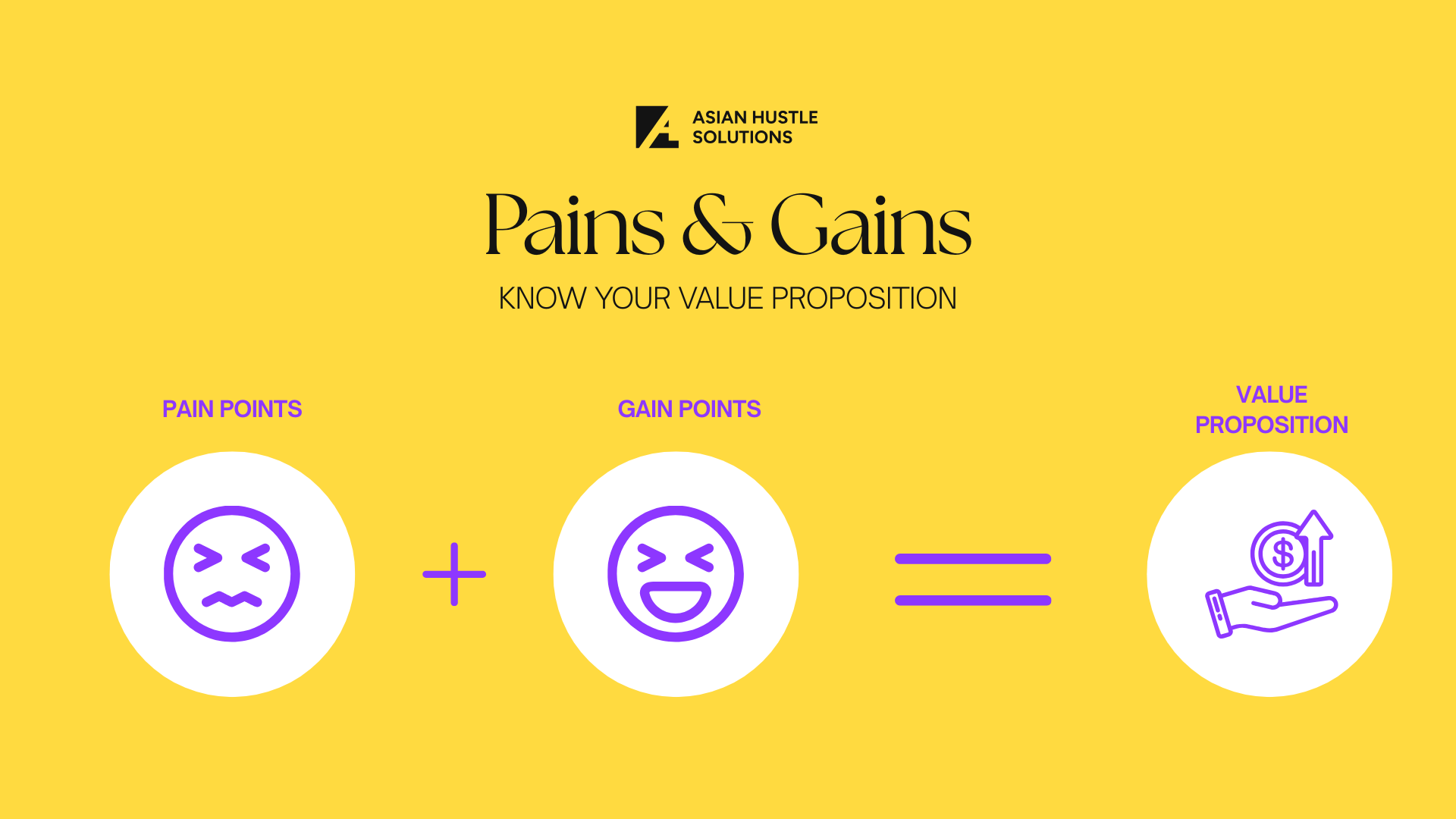
Pain points and gain points are not necessarily new concepts, but some might think they are opposing concepts, when in contrast, the two complement each other. Through customer pain and gain points, you can get a better understanding of your customers’ needs, and offer a unique value proposition.

  • Pain point: As the name suggests, it’s something that “pains” your customers; an issue that they have that needs to be addressed; a challenge that they need to overcome.
  • Gain point: Gain point, on the other hand, is more about you. What can your product or service do for the customers; what can they gain from using your service; what can you help them with?

The two are extremely simple and are a good place to start when you’re trying to advertise your product or service since they consider both your and your customer’s sides to offer a value proposition that is valuable. 

[Book a FREE call with us]
If you want to explore our services more, visit the Asian Hustle Solutions website at AHS.