Uncategorized

November 25, 2022

SHARE:

Capitalizing on her 14-year-old self’s science enthusiasm 12 years ago, Cathy Tie, transformed herself into a successful bioinformatician and entrepreneur.

At 18, the young Canadian became the co-founder of the $1 million dollar worth Ranomics company, a health risk prediction provider. While she co-founded Locke Bio, an e-commerce platform for pharmaceutical and other FDA-approved product suppliers when she was 23.

Today, the 26-year-old sci-entrepreneur shares that having a broader view is her key to being integrative and cross-disciplined in the many fields she is engaged in, as art and creativity are easier said than done.

During an interview with CNBC, Tie mentions her ability to connect ideas and see them far differently from how others perceive, including how science can grow and expand for beginners which she thinks is more artistic and creative than technical. 

This skill, however, is uncommon among teenagers. Yet, Tie’s innate dexterity manifested in her secondary years as she reserved a special place for science and relevant practical activities in her heart ever since a kid. 

Discontented with the standard curriculum, she wrote unsolicited letters to her professors seeking to tour the school labs, perform studies, and assist in their scientific projects, which taught her a lot until she had her first paper published in a peer-reviewed journal at age 16. 

However, she realized that getting entrepreneurial financing is better than relying on academic allowances since she could do more research. She applied to entrepreneur programs to assist her in the startup world.

Upon getting acquainted with Leo Wan who was then a Ph.D. student at the school where she was a neophyte, they worked together and were admitted into IndieBio, a startup platform that finances and mentors science entrepreneurs.

With Tie having prime knowledge on how to figure out issues on genetic trial precision, she subsequently co-founded Randomics with Wan after quitting college and leaving for San Francisco where she became the CEO for the three early years.

Thereafter, she was asked to apply and was accepted to The Thiel Fellowship, which aids a $100,000 subsidy to out-of-college inexperienced entrepreneurs.

A year following her collaboration with Cervin Ventures, she founded Locke Bio, which currently has three U.S. and Canadian business resources.

Tie’s business is nonexempt to challenges that a company experiences, yet, hard work and reflection make it possible for her to always “see the bigger picture. In this light, she and her team have a lot ahead for the company.


Related Articles

250428 (2)-jpg

Blogs, Ideas

Turn Clicks Into Customers: 3 Essential Tips With Asian Hustle Solutions

Creating a website is an easy task, but turning the visitors into loyal customers may take more than that. Here are three tips to help you bring in more customers.

Build Trust Fast

“Show, don’t tell.” People are not going to believe you just because you say big words. Actions matter. Include your portfolios, testimonials, or reviews. People buy from brands they trust.

Build your brand symbol.

Capture Leads Immediately

“Seize the moment.” When leads show any initial interest, don’t just sit still and do nothing. Offer them a freebie (discount or resource) in exchange for their email. Stay in touch and build a fun process to guide them towards a purchase.

Capture Leads Immediately

Make Buying Easy

Simplicity is key. Clear calls-to-action, smooth checkout processes, and multiple payment options make it easy for visitors to say “yes.” Don’t expect leads to commit if the purchase process lasts over three working days.

Why Asian Hustle Solutions?

Getting traffic is just the start—we help you turn visitors into loyal customers. With smart strategies, optimized designs, and proven tools, Asian Hustle Solutions empowers your business to grow faster and stronger online.

If you want to learn more about our services, visit the Asian Hustle Solutions website at asianhustlenetwork.com/services/

250423-jpg

Blogs, Development

Search Intent: The Overlooked SEO Metric That Beats Algorithm Updates

Before choosing SEO keywords, you’ve likely considered high-volume terms and difficulty metrics. But to weather never-ending algorithm updates, search intent might be your golden ticket. Here’s why:

Customer Intention

The most critical factor in keyword selection—it ensures your content aligns with what customers actually need (not just what they search).

customer_intention

Relevance

A keyword may be popular but irrelevant to your brand. Focus on phrases that mirror your customers’ pain points and your solution.

relevance

Existing Ranking

Overlapping words can lead to cannibalization. For every new content, use fresh keyword sets to re-optimize existing assets and further align with customer needs.

existing_ranking

Why AHN Solutions?

Matching keywords to customer search intent requires strategy. We craft bulletproof SEO plans to ensure your success.

If you want to learn more about our services, visit the Asian Hustle Solutions website at asianhustlenetwork.com/services/

Luxury Goods

News

The Price of Perception: What You’re Paying for in Luxury Goods

What makes a luxury product cost so much? The short answer is perceived value. But perception is a fragile thing: it shifts, it evolves, and when it does, things begin to get complicated.

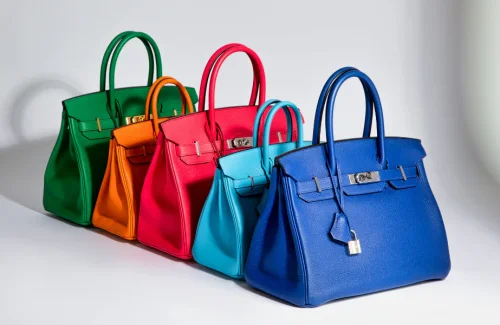
Take a luxury handbag, for example. Whether it’s Gucci, Prada, Louis Vuitton, or Hérmes, many of us are willing to spend thousands for that one beautifully crafted accessory. Why? Because we associate these brands with European sophistication, centuries of artisanal craftsmanship, and impeccable quality. We buy more than a bag; we buy into a story.

Now, imagine buying a bag labeled Made in China. If it’s affordable, you might not care. But if it has a luxury price tag? You might pause. The label alone could influence how you value the item.

The kicker is: Remember the bag you treasure from your favorite luxury brand? Based on the claims of factory workers and viral TikTokers, many high-end luxury products are manufactured in China, then shipped to Europe, to be relabeled and sold as European-made.

This controversial debate has sent the internet into a tailspin, asking: Are we paying for craftsmanship or the illusion of origin?

This is where soft power comes into play. It shapes how we see the world. We look at Hollywood movies and see the U.S. as a place filled with great dreams. We see the beautiful K-pop stars and K-drama idols, and we want Korean beauty products to fulfill our desire to be pretty like them. Customers don’t crave an expensive handbag because it’s objectively better; they buy it because of what luxury products emotionally and symbolically mean to them.  

But in the wake of trade wars and rising consumer awareness, people are beginning to question the true value behind the price tag. Is it about where the product is made, or where we believe it’s made?

Whether this TikTok trend is a fleeting controversy or a wake-up call, one thing is certain: when perception changes, so do buying habits. And that could reshape the entire future of an industry.

https://www.tiktok.com/@sen.bags_/video/7494196205917097262?q=made%20in%20china&t=1745296877126
grateful-being-me-cover-jpg

Stories

How Deena Kong Is Rewriting Representation in Children’s Literature

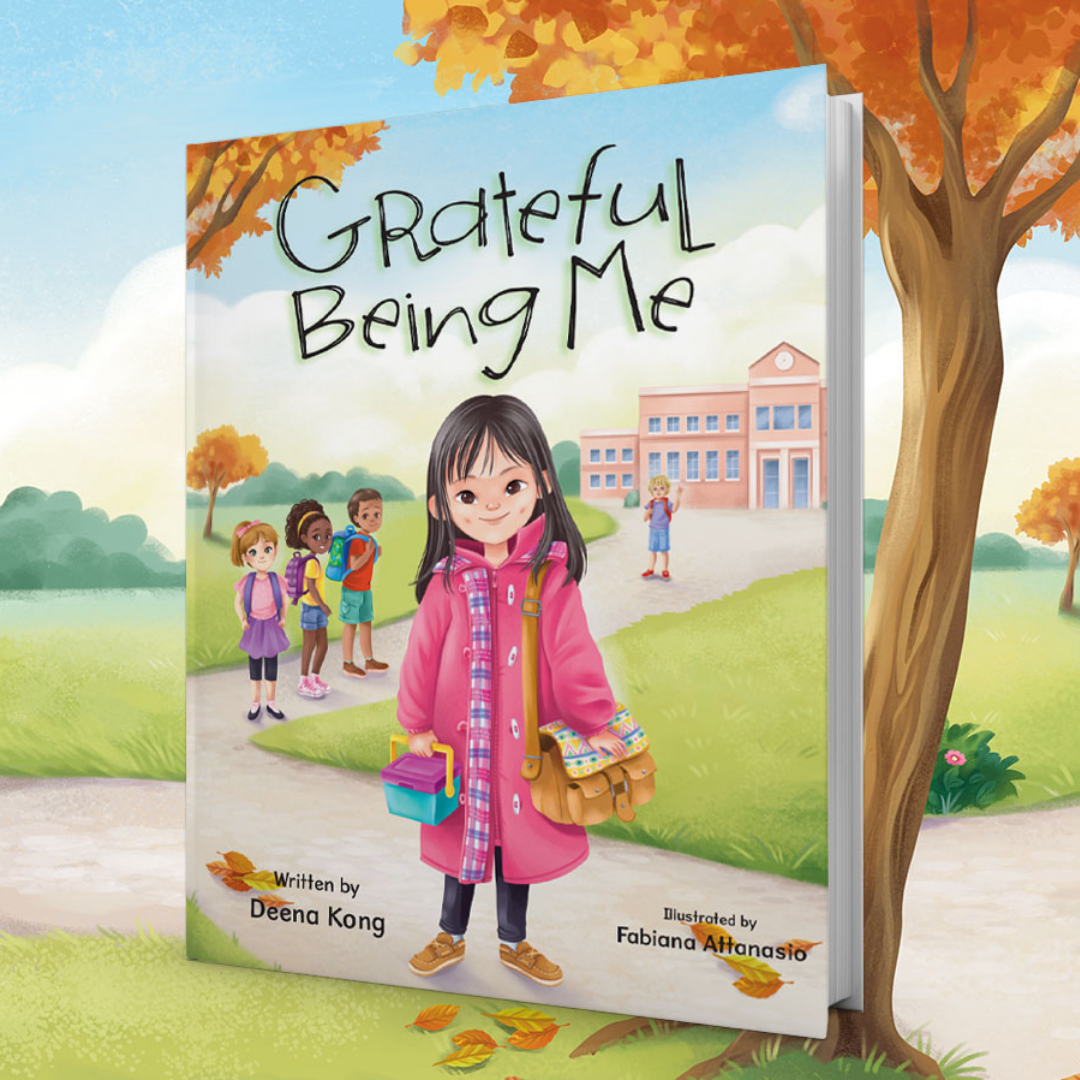
Growing up Cambodian in North America, Deena Kong often felt invisible—a feeling that followed her from Canada to the U.S. and ultimately inspired her to write Grateful Being Me, a book to help children understand representation matters.

Deena Kong with her book Grateful Being Me (Photographed By: Jamie Sutera)

Seeing Herself in Stories

Growing up Cambodian in North America, Deena often felt invisible. 

“I truly believed as a child that no one else could relate to these feelings I was experiencing,” she shares. “That’s why I wanted to share my story with others.” 

Raised by supportive parents, Deena became a passionate reader, ultimately leading her to create a book that would help children from similar backgrounds see themselves represented.

“Representation matters,” Deena explains. “When a child wanders through a library or bookstore, they should be able to find themselves in the stories and pictures. I hope Grateful Being Me encourages self-acceptance, celebrates diversity, and promotes inclusion by empowering children to connect with one another.”

Grateful Being Me (Photographed By: Jamie Sutera)

The Making of Grateful Being Me

Finding time to write proved challenging while working full-time as a Government Contractor in Ethics & Compliance and raising a family. Yet Deena’s determination to promote diversity and inclusion kept her going until her book was ready for publication.

“Modeled after my real-life experiences, this book follows a young girl named Rosila on her adventure in an unfamiliar place,” Deena says proudly. 

The story chronicles Rosila’s first day at a new school in a new country, where she discovers what makes her unique and learns the power of self-love.

“Rosila’s first language isn’t English, so her vocabulary stands out,” Deena notes. “She brings ethnic foods that seem unusual compared to typical American cafeteria lunches. The story captures her nervousness about how classmates will react as she navigates this new environment and makes friends.”

Through Grateful Being Me, Deena offers a powerful tool to help children understand they belong anywhere. The book thoughtfully explores the complex emotions children face when encountering unfamiliar situations, ultimately showing them that their uniqueness is something to be celebrated.

Connect

Instagram: @bydeenakong

Website: Deena Kong

Purchase your copy of Grateful Being Me on Amazon, Barnes & Noble, Walmart, or Books-A-Million.