This Street Vendor Selling “Magic Water” Proves That No One Is Too Small To Be Successful
Stories
October 29, 2022
SHARE:
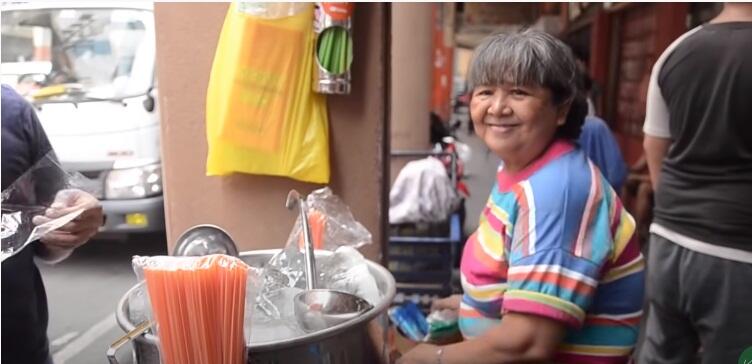
Priscilla Cornejo, better known as Nanay Bebe to the local people (“Nanay” means mother in Filipino), has been selling her magical water to the community since 1980 in the Philippines. She is convinced that her drink’s distinctive flavor is why so many customers seek out her business.
Magic Water, or known to be its local term “Samalamig” is also recognized as a leading refreshing drink in the Philippines. Despite coming from modest means, Nanay Bebe makes it her mission each day to quench the thirst of those hungry for success.
She explained that her drink is not just ordinary cold water. It has clear agar, sugar, mineral water, and tons of ice. When the agar hits the ice, it tends to melt, creating the ‘magic water,’ that will surely quench your thirst.
Her business may not look like much compared to big companies or restaurants, as she only sells on the street, but it has tremendous growth potential. Nanay Bebe sells her magic water for PHP5 or PHP10 ($0.08 or $0.17) in small plastic bags, cups or some customers even bring their own Aquaflask or tumblers. From what she described, weekly earnings for her business could reach PHP35,000 ($600).
An endless line of curious onlookers from the street awaits to sample Nanay Bebe’s magic water. Many online publications, including those dedicated to food and social news, have featured it. Even today, some people attempt to duplicate Nanay Bebe’s traditional drink formula.
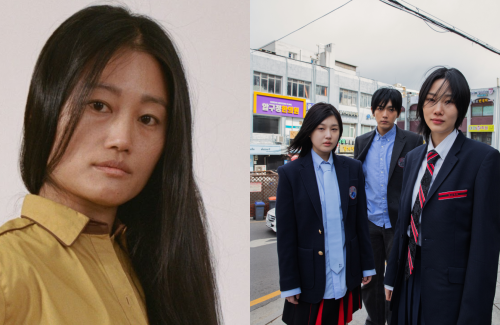
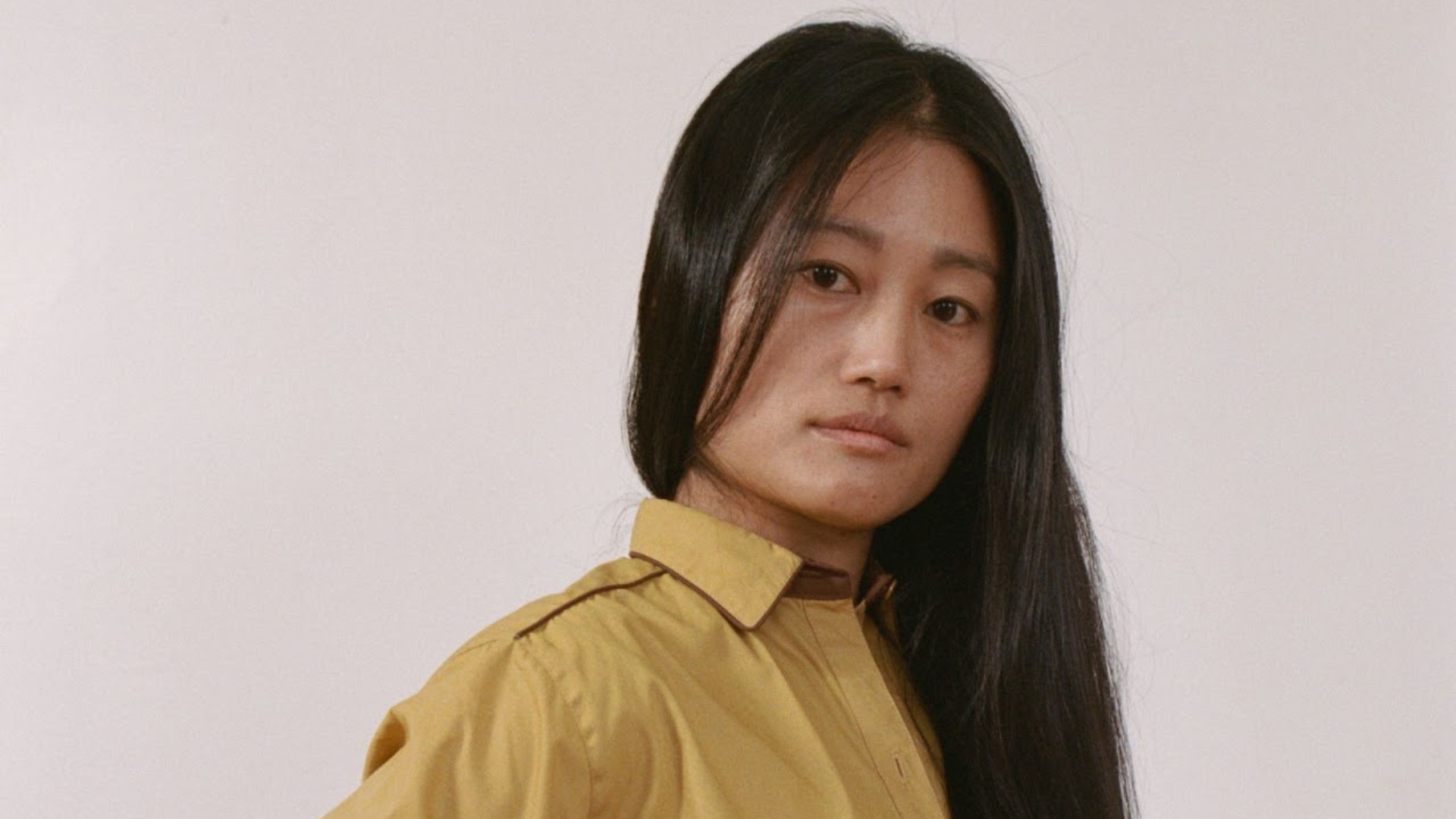
Jennifer Chun, Uniformed’s designer, brings a refreshing collaboration of Korean-American heritage and sustainability practices. Her story began during the pandemic, when she discovered traditional natural dyeing techniques. After connecting with experts and artisans, she came to Korea and got directly involved in the dyeing lessons. “I had no idea Korea had its natural dyeing traditions,” Chun shared.
Her collection is a celebratory integration of hand-dyed materials and fabrics from traditional markets to create a sustainable, limited-edition line.
Jennifer Chun blends her Korean heritage into her sustainable fashion line, Uniformed. (Photo credit: Wayn Ohara Reid)
Overcoming the Challenges of Slow Fashion
Amidst the growing world of fast fashion, it is clear that Chun’s main challenge lies in maintaining sustainability while navigating an industry deeply accustomed to mass production and fleeting trends.
Fashion has changed so much that consumers want items faster or cheaper because we have gotten used to mass production. I make such limited quantities that it can be a challenge working with factories that would rather produce en masse and do not want to make specialized pieces that take thought or time, as producing less can increase manufacturing prices. It’s difficult to educate consumers on this when even people in my industry aren’t aware of what goes into the whole process.
During the global lockdown, designer Jennifer Chun found an unexpected bridge to her Korean heritage through a chance encounter with an article on Korea’s natural dyeing traditions—an art form predating the country’s unification.
I came across an article about Korea’s natural dyeing and artisans. I had no idea Korea had its own natural dyeing traditions and techniques that predated the formal unification of Korea. In the article, they interviewed a natural dyer outside of Seoul, and I decided to just email her. My mother was in lockdown, living in LA, and like many senior citizens, the isolation was incredibly difficult. So I asked her to collaborate with me by helping me communicate with the natural dyer.
We all eventually became pen pals. Once travel restrictions were lifted, my husband and I visited my father, who was living in lockdown in Korea. We made arrangements to meet with the natural dyer and visited her indigo farm and studio. She taught me how to cut the indigo and showed me the basic process of her craft. She suggested we collaborate.
The line developed from there, eventually leading to a capsule collection, incorporating fabrics developed in Korea, including hand-dyed materials and fabrics purchased in traditional markets around the country. And constructed into limited edition pieces to ensure sustainability, and designed with a uniform aesthetic, in New York City’s garment district.
Working with Korean artists—who prioritize quality over quantity—has deepened her appreciation for true craftsmanship. ‘There is so much pride in the craft and process. They do not compromise sustainability at any cost, and I had to assure them that I wouldn’t either if we were to collaborate,’ she explains, highlighting Uniformed’s commitment to sustainability.
Jennifer, while in South Korea.
Integrating Heritage into Design
Jennifer is not one to shy away from how her heritage has a profound impact on her design. She takes great pride in how it informs her work, and she has learned to combine these cultural elements more skillfully as she refines her craft. “With Uniformed, I am really proud that I have been able to bring my Korean American heritage into my designs,” she shared. “None of this is easy or formulaic, but it is a new, interesting, and inspired challenge.”
The opportunities to reconnect with her roots, meet local artisans, and learn new techniques have been both humbling and transformative for Jennifer. “It can be a very humbling experience to adopt a new perspective and craft after working in this industry a certain way,” she reflected. “You’re almost starting over and sometimes have to prove yourself, but it’s all been worth it for the new experiences.” This humility and commitment to continuous learning form the foundation of her design philosophy and entrepreneurial values.
Fashion with a Global Vision
Jennifer’s ultimate goal for Uniformed is to collaborate with artisans around the world, incorporating the diverse experiences of Koreans globally. “I want to understand more about Koreans in different parts of the world,” she shared. By blending these cultural perspectives, she aims to create a brand that celebrates the universal appeal of the ‘uniform,’ merging tradition with modernity.
Jennifer Chun’s design (Photo Credit: Kim Jae Min)
Not every SEO win needs a click. With zero-click content, you can build visibility, authority, and trust—right from the search results. Here are 3 ways to make it work for you:
Answer Questions Directly
Create concise, clear answers to common search queries to increase your chances of landing in featured snippets.
Use Structured Data
Implement schema, a special code to help search engines understand your content better.
Prioritize Value Over Clicks
It’s not always about Google and clicks. Utilize your social content that gives immediate value to build authority and encourage users to seek you out.
Want your brand to show up, stand out, and stick—even without the click? At Asian Hustle Solutions, we create zero-click content that builds trust fast and keeps you top of mind. Let’s make your digital presence work smarter.
Creating a website is an easy task, but turning the visitors into loyal customers may take more than that. Here are three tips to help you bring in more customers.
Build Trust Fast
“Show, don’t tell.” People are not going to believe you just because you say big words. Actions matter. Include your portfolios, testimonials, or reviews. People buy from brands they trust.
Capture Leads Immediately
“Seize the moment.” When leads show any initial interest, don’t just sit still and do nothing. Offer them a freebie (discount or resource) in exchange for their email. Stay in touch and build a fun process to guide them towards a purchase.
Make Buying Easy
Simplicity is key. Clear calls-to-action, smooth checkout processes, and multiple payment options make it easy for visitors to say “yes.” Don’t expect leads to commit if the purchase process lasts over three working days.
Getting traffic is just the start—we help you turn visitors into loyal customers. With smart strategies, optimized designs, and proven tools, Asian Hustle Solutions empowers your business to grow faster and stronger online.
Before choosing SEO keywords, you’ve likely considered high-volume terms and difficulty metrics. But to weather never-ending algorithm updates, search intent might be your golden ticket. Here’s why:
Customer Intention
The most critical factor in keyword selection—it ensures your content aligns with what customers actually need (not just what they search).
Relevance
A keyword may be popular but irrelevant to your brand. Focus on phrases that mirror your customers’ pain points and your solution.
Existing Ranking
Overlapping words can lead to cannibalization. For every new content, use fresh keyword sets to re-optimize existing assets and further align with customer needs.