Stories

November 14, 2025

SHARE:

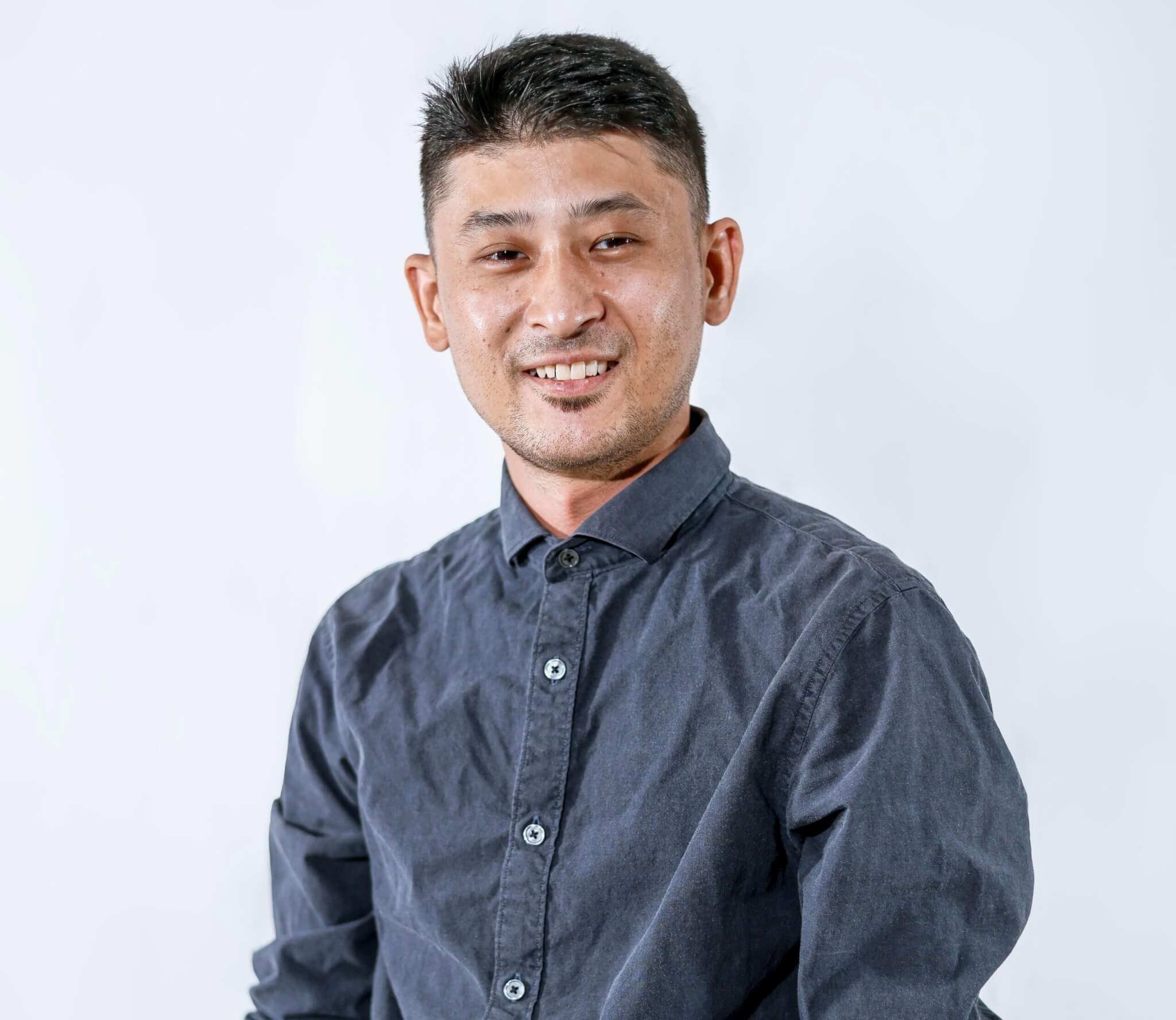
Born and raised in Kauaʻi, Hawaii, Trysen Kaneshige never imagined that a series of brain injuries would redirect the course of his life. Art, which had once been a hobby, became his lifeline—a way to heal, process, and reconnect with the world around him.

What began as a personal form of therapy soon turned into a mission: to use creativity not only for his own recovery but to uplift his community and share stories that mattered.

As he experimented with murals, branding, and design, Trysen discovered that each project could bridge culture, healing, and connection in ways he had never anticipated. Through perseverance and collaboration, he began working with brands like Volcom, Olukai, and Soulection Radio, while also leading projects for schools, nonprofits, and community organizations across Hawaii.

From these experiences, Trysen founded Inspire To Create Media, a healing-centered creative agency that blends streetwear aesthetics, cultural storytelling, and design to create work that resonates far beyond the islands.
Finding Inspiration in Adversity

Trysen’s path to entrepreneurship was shaped by necessity and resilience. “I wasn’t able to work a regular job since I would have a lot of migraines or dealt with depression etc. It’s been challenging but I’ve learned to be resilient and not give up. What also inspired me was to create something for my community and for the next generation that is after me,” he recalls. The setbacks could have ended his creative ambitions, but Trysen chose to focus on what he could control: his art and his recovery.

Instead of succumbing to frustration, he saw opportunity in every challenge. He began creating small pieces, testing ideas, and using art as a method to regain focus, confidence, and purpose. These early efforts helped him realize that healing and creativity could coexist and even amplify one another.

What started as a personal journey of recovery soon became a mission to uplift others. Trysen wanted to leave something meaningful for his community and for the next generation, showing that creativity could transform not only individual lives but also the cultural landscape of Kauaʻi.

Overcoming Challenges Without a Safety Net

The road to building a creative business was far from smooth. Trysen faced difficult challenges that he considered walking away from everything, grappling with both the physical and emotional toll of head injuries. Each day was a battle between self-doubt, pain, and the desire to keep moving forward.

Beyond personal health struggles, he had no investors, no team, and no corporate backing. Every decision, every financial risk, and every project came solely from his determination and willingness to learn through trial and error. “If I had someone that saw what I was creating in the beginning, it would’ve been easier,” he admits.

Gratitude and persistence became his anchors. By embracing the lessons from failures and small victories alike, Trysen built a foundation that was resilient, flexible, and authentic. This mindset allowed him to continue pursuing his vision even when support was scarce and the path ahead was uncertain.

Turning Achievements Into Community Impact

Despite obstacles, Trysen’s journey is marked by achievements that combine personal growth with community recognition. He takes pride in consistently showing up, even on days when recovery felt impossible, and in taking creative risks that shaped the identity of his agency.

Inspire To Create Media has earned acknowledgment on multiple levels—from Proclamations by Mayor Derek Kawakami highlighting community murals and workshops to features in local newspapers chronicling his evolving projects. These recognitions validate his belief that creativity paired with purpose resonates far beyond personal satisfaction.

For Trysen, the real measure of success is impact. Each mural, logo, or art initiative tells a story and strengthens the connection between people and place, leaving a lasting mark on Kauaʻi’s cultural and creative landscape.

Building a Healing-Centered Creative Vision

At the heart of Inspire To Create Media is a philosophy that creativity can heal, connect, and inspire simultaneously. From large-scale murals to branding and apparel, every project is designed with intention, reflecting local culture while appealing to a global audience.

Trysen explains, “Art became my way to rebuild, reconnect, and serve. What began as personal recovery grew into a mission: to use art as a tool for transformation for myself, for my community, and for the next generation of island creatives.”

Today, Inspire To Create Media continues to expand its reach, bridging art, healing, and business. Trysen’s story proves that even the toughest setbacks can spark the most powerful creativity—turning personal recovery into a force that inspires communities, cultivates connection, and demonstrates that a small island studio can have a big global impact.

Follow Trysen’s journey:

📍 @trys.creates | @inspiretocreate.media
Related Articles

Image Source: CBS

News

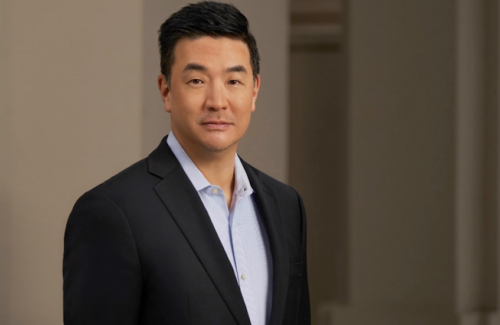
Eric Kim To Lead CBS Entertainment and Studios As New Executive Vice President

Eric Kim has been recently promoted as CBS’ Executive Vice President for Current Programs after serving as Senior Vice President in the same company where he worked for 11 years.

He succeeds Amy Resisenbach who has just advanced as President of CBS Entertainment.

Kim will now be functioning in his new position to oversee the primetime and daytime programs.

Reisenbach mentioned in Deadline that in working with Kim for more than ten years, she has always been amazed by the latter’s remarkable expertise in programming, in working with showrunners, and in dealing with people whom he works with.

While still the SVP, Kim supervised comedy and drama series production in Blue Bloods, FBI: Most Wanted, FBI: International, and CSI.

Kim had a strong background in the field working in live-action series for Nickelodeon and Teen Nick for two years and was the then-VP for Current Programming at the CW for 3 years.

Moreover, Kim has been a part of the creative team that launched the new network when The WB and UPN networks merged as well as the executive at UPN from 2004 to 2006.

Kim entered the world of the entertainment industry by working for Jonathan Demme on the Academy Award-winning Philadelphia. 

He is a graduate of the University of Pennsylvania where he took a Bachelor of Arts in English Literature.

CBS TV Studios President David Stapf said, “His (Eric’s) leadership has earned the trust and respect of both the industry and his colleagues at the Studio and Network. As Eric steps into this new role, I’m looking forward to seeing the impact he makes both within the creative community and on our series that are enjoyed by global audiences.”

Image Source: Tammy Sun Linkedin

Stories

Through Personal Experience, Tammy Sun Starts Up Carrot Fertility Company To Help Women Start Families

At 34, Tammy Sun went looking for egg fertilizing services as she thought of starting a family of her own someday. But in her quest, she, unfortunately, found out that she has “premature ovarian failure.”

The mysterious disorder indicated negative effects on Tammy’s fertility that she had to go through several egg-freezing cycles which cost her $40,000.

Working in Evernote tech company that did not have fertility treatment benefits, the medication was very costly for her.

With this in mind, Sun put up Carrot Fertility, a fertility care provider, in 2016.

Carrot Fertility partnered with different companies to include fertility services in their health coverage where employees can avail of egg freezing, IVF, adoption, pregnancy, menopause treatments, and others.

In MSNBC, the CEO and founder stated that “The company was born out of a desire to make sure that every single person, regardless of their age, their sex, their sexual orientation, gender identity, marital status, race or geography would have equal access to high-quality care.”

Not only did the service provider address women’s concerns but also men’s as according to her, fertility is a human health issue for both sexes.

A year after Carrot’s onset, it has already acquired over $200 million in investments from first-class firms and is now a partner of above 800 companies.

Supporting millions of workers, including their families, Carrot is set to process claims worth $500 million.

Tammy also revealed that 95% of their clients remain in their respective jobs because of Carrot.

Unlike other businesses which declined during the pandemic, more than a three-fold increase in the use of the platform was observed during the time and up until now as many availed of mental and emotional health services.

Many companies partnered with Carrot to encourage employees to stay especially during the Great Resignation period.

Now, Carrot Fertility is the leading global platform for fertility healthcare and family-forming benefits.

Image Source: Richie Fernandez Facebook

News

Filipino Family Grows COVID Financial Aid From Government Through Fishball Sauce Business

Filipino Richie Fernandez, a new entrepreneur, was able to launch a business venture that now generates a five-digit income with the help of $100 in financial aid from the government.

During the height of the pandemic lockdowns, Richie and his family chose to grow the help by opening Manong’s Fishball Sauce, “We thought of how to grow and prolong the money,” Richie said.

With his family’s fondness of eating street food fish balls but at the same time considering the limitations posed by the pandemic at that time, the family decided to sell bottled fishball sauce so people could just enjoy it at home with their own-cooked fish balls.

The modest family business prospered through hard work and perseverance. Not only do they sell their product in the Philippines but they now also export to Japan, Australia, Austria, and the US.

Image Source: The Sacramento Bee

News

Asian American Community Is Prospering In Folsom Sacramento County

The number of Asian American immigrants in Folsom multiplied five-fold from 2000 until last year as found out by the US Census Bureau.

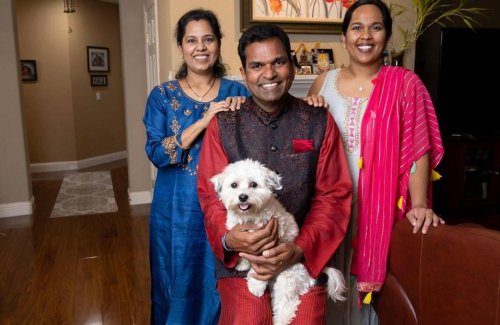
Among them are Chalamcherla of India, Steven Wang of China, and Marcus Yasatuke of Japan.

51-year-old Chalamcherla long decided to come to Folsom after falling in love with the city while attending the birthday celebration of a friend’s son, but it wasn’t until 2006 that he actually did so after spending two years in Singapore and the Bay Area.

Nearly ten years after arriving in the country, Steven Wang, who is currently Folsom’s city attorney, became a citizen.

Back then, it was hard for tourists to enter the US but Wang, together with her brother and mother, swiftly passed the immigration after saying that they would be visiting Disneyland, the only place he knew. 

Wang, who is now a lieutenant colonel, has been a member of the US Army Reserve since 2004. During that time, many of his fellow soldiers were losing their lives while serving, and Wang felt in danger.

Because of this, he worked in Folsom city before finishing the necessary time to serve in his Afghanistan deployment, and he told The Sacramento Bee, “I don’t know if every company is like this, but Folsom has been quite supportive of the military.”

Additionally, in 2003, Marcus Yasutake, 45, moved to Folsom with his wife after receiving job offers from Placerville and Roseville. They were able to reside there and raise a family of three children.

Communications director Christine Brainerd of the city of Folsom said that Asian Americans are likely attracted to the area on the same note as why many citizens choose to call Folsom home.

The head of the Sacramento Asian Pacific Chamber of Commerce’s economic development team believes that the tech-based companies in Folsom may be one factor for the recent increase in Asian residents.

Marcus cited the excellent school system in Folsom as one of the reasons why he came there, whilst Chalamcherla claimed that technology plays a significant role in the city’s increasing Asian population.

Racial discrimination is far from nonexistent in Folsom. That’s why Chalamcherla urges other Asians to immerse them in Asian culture.