Stories

July 30, 2023

SHARE:

The effects of climate change are becoming increasingly evident today. This is why three visionary individuals came together to address one pressing issue: the unsustainable practices in our food system, particularly regarding seafood.

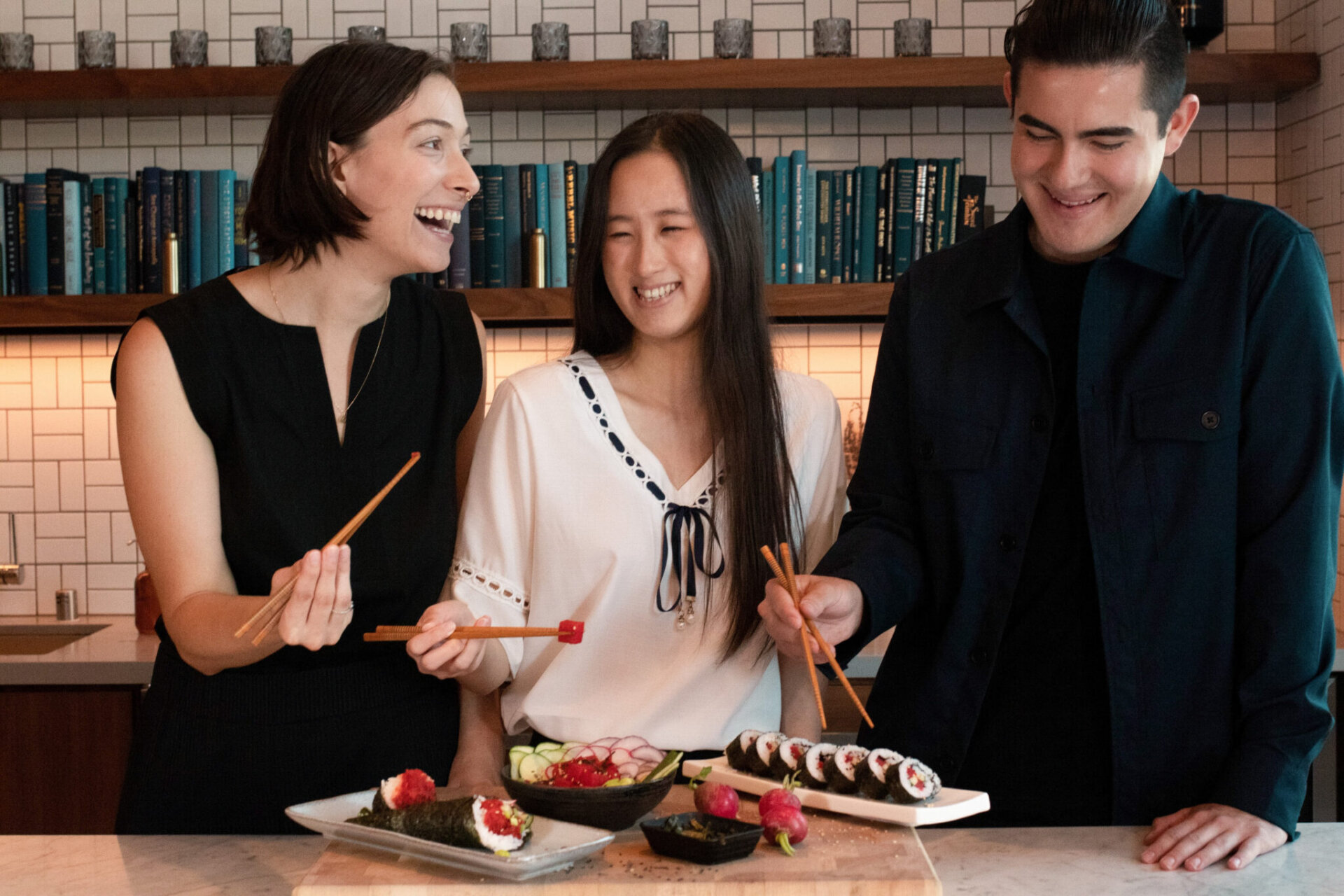
Kelly Pan, Adrian Miranda, and Stephanie Claudino Daffara, the founders of Impact Food, combined their diverse expertise and unwavering commitment to create a positive impact.

Driven by a shared passion for food innovation and ocean sustainability, they embarked on a journey to revolutionize the concept of seafood. Through meticulous research and cutting-edge technology, by studying the composition of animal-based seafood and leveraging their knowledge in food science and molecular biology, they developed their first product, Impact Tuna.

With Impact Food, Kelly, Adrian, and Stephanie strive to redefine the way we approach food. By choosing plant-based seafood, individuals not only enjoy a delectable culinary experience but also contribute to a healthier future for our planet, our oceans, and ourselves.

Read through as we learn more about the remarkable journey of Impact Food and its founders, Kelly, Adrian, and Stephanie, through an exclusive interview with Asian Hustle Network.

IMPACT FOOD’S DYNAMIC FOUNDER TRIO

In January 2020, we met while studying at UC Berkeley in renowned scientist and entrepreneur Dr. Ricardo San Martin’s Alternative Meat Challenge Lab, a product-design-based entrepreneurship course that examines how food is made and why alternative meats are a key solution to creating a more sustainable food system.

A passionate foodie-business student (Kelly), a vegan home chef-computer science student (Stephanie), and a scientist-biochemistry student (Adrian) found each other and decided to combine their fields of expertise to work towards a shared passion for food innovation and ocean sustainability. 

REDEFINING SEAFOOD SUSTAINABILITY

We were inspired by the innovative solutions we saw in terrestrial meat products like beef and chicken, and the science behind creating them. As we brainstormed in class for a protein alternative that could become the center of the plate, we realized that seafood was a wide white space in dire need of new solutions.

With an ever increasing global population, the conventional seafood industry (e.g. commercial fishing and aquaculture) continues to overfish and deplete our oceans but is still unable to keep up with rising seafood demand. 90% of fish stocks have been used up, and we’re rapidly losing biodiversity and destroying marine ecosystems which support all life on our planet, so we need to take action now before it is too late.

This is when we knew we were on a mission to reimagine a more sustainable food system through delicious and nutritious seafood created using plants and scientific innovation. Through Impact Food, we would be able to do our part in alleviating pressure on our oceans and transform our global food system to be better for our people, planet, and animals.

OVERCOMING OBSTACLES IN PLANT-BASED SEAFOOD INNOVATION

At Impact Food, one of our core values is “Delicious Innovation” – to always develop the tastiest, high-quality food.

All seafood species have a very unique, complex taste and texture profile, so we knew that it would be challenging to recreate the sensory experience of conventional seafood. To overcome the challenge of developing realistic seafood texture, we focused heavily on R&D and consulted with industry experts from chefs to scientists and seafood purveyors to truly understand the composition of fish. This knowledge combined with a lot of experimentation allowed us to match the subtle ocean flavor, nutritional profile, and delicate texture of species like bluefin tuna.

Another challenge we faced was scaling our proprietary seafood texturization technology. We were very fortunate to bring on a talented bioprocess engineer last fall, who helped us scale our process and significantly accelerate our commercialization timeline.

IMPACT FOOD’S UNIQUE SEAFOOD PRODUCTION PROCESS

The process of making our first flagship product (raw sushi-grade Impact Tuna) began with extensively studying the scientific composition of seafood and developing a proprietary production process using plants and biotechnology.

Our novel food technology platform relies on our unique texturization process that optimizes and transforms our seafood base (a blend of plant ingredients such as pea protein, algae, & vegetable juice) into a whole-muscle structured seafood product.

In addition to completely removing animal fish from the seafood supply chain, our plant-based seafood is a more sustainable food choice that can always be consistently supplied with exceptional quality. Due to supply chain volatility, the quality and pricing of animal-based seafood products are constantly in a state of uncertainty and harm the entire food system. 

Therefore, we developed a craveable, true replacement for sushi-grade tuna with under 10 plant ingredients and a longer shelf life than conventional tuna. Our product is also high in omega 3, protein, fiber, and potassium with none of the negative consequences such as overfishing and mercury contamination.

IMPACT FOOD’S EFFORTS IN RAISING AWARENESS

Since food is a very social and cultural experience, we realized that we needed to collaborate with the food service industry to reinvent the seafood consumption experience while remaining authentic to traditional cuisines.

Restaurants, chefs, and cafeterias (e.g. corporate and college campuses) play a critical role in introducing customers to new culinary experiences, encouraging trial, and familiarizing them with plant-based seafood and its benefits. By adding these sustainable options to their menus, they are also able to influence a wider audience and drive market demand for seafood alternatives.

Recently, we launched Impact Tuna in Southern California at Pokeworks and became the first fish-free seafood ever offered at the world’s leading poke chain with 65+ locations across the US and internationally. Pioneering this novel dining experience with Pokeworks is a major step for us in creating large-scale demand for sustainable eating and bringing plant-based seafood to the masses.

In addition to our food service partnerships, we also utilize channels such as social media to raise awareness about the benefits of plant-based seafood. Although we only sell our plant-based seafood ingredients to food service, we still prioritize connecting with end consumers via the visual and informational content we share on channels such as Instagram and TikTok.

Recent media coverage about the unsustainable and inhumane practices involved in commercial fishing such as the Seaspiracy documentary has also been immensely helpful in generating awareness about an obscure and complex seafood industry.

SCALING WITH QUALITY AND ENVIRONMENTAL CARE

We have begun commercial production and are currently building out our own manufacturing pilot plant to ensure high-quality control and consistency of our food innovations.

Because our proprietary process can use standard equipment that is traditionally used in other industries, we can reach price parity with conventional seafood and scale to high volumes very quickly. We are continuously investing our resources into R&D and optimizing our supply chain so that we can constantly innovate, and maintain product quality while scaling our production.

To meet increasing market demand while ensuring the quality and sustainability of our products as we scale in the US and soon internationally, we are also building strategic partnerships with and collaborating with other companies (e.g. foodservice distributors, suppliers, restaurants, startups, etc.) to strengthen the ecosystem for sustainable protein solutions. Together, we’ll be able to develop and scale products with better taste, texture, and nutritional value.

IMPACT FOOD’S FUTURE OF DELICIOUS PLANT-BASED SEAFOOD

Our primary driver at Impact Food is to make a positive global impact by creating a future of food that can sustainably feed the world while protecting our oceans and marine life.

We strive to create a global impact and movement of consumers eating more consciously and sustainably. To do this, we need to make our innovations available and accessible everywhere our consumers eat, around the globe.

Today, we’re excited to continue scaling our production, onboard more food service partners, and expand distribution to major markets for seafood such as Japan. Our goal is to reconstruct the center of the plate with a new, tastier whole-muscle seafood experience that is healthier for you and the planet without harming any animals.

Impact Tuna is just the beginning, and we’re excited to leverage our seafood technology platform to expand our product pipeline and recreate various other seafood species using plants. Stay tuna’ed and join us on our voyage to revolutionize the global seafood system. 

CONNECT WITH IMPACT FOOD

Website: eatimpactfood.com

Linkedin: Impact Food

Tiktok: @eatimpactfood

Instagram: @eatimpactfood

Facebook: Impact Food

Twitter: @eatimpactfood
Related Articles

image

Stories

The Fighter Mentality Driving Anthony Kwok, CEO and Co-Founder at ZILIO, to Fix Fashion’s Most Overlooked Problem

Anthony Kwok’s journey didn’t begin in a boardroom. It began in places that demanded discipline, resilience, and the ability to keep going when things got uncomfortable. First in the ring as a professional fighter, and later through a medical crisis that reshaped how he approached both life and leadership.

Those experiences now shape how Anthony runs ZILIO, a fashion tech company building AI-powered sizing solutions for brands and uniform providers. What looks like a startup on the surface is really the result of years spent learning how pressure exposes real problems, and how frustration often points to what needs fixing most.

At ZILIO, Anthony brings that mindset to one of fashion’s most overlooked challenges: the perfect fit. Not just as a sizing issue, but as a confidence issue that affects how people show up, move through their day, and feel in their own skin.

The Lessons That Carried Him Through

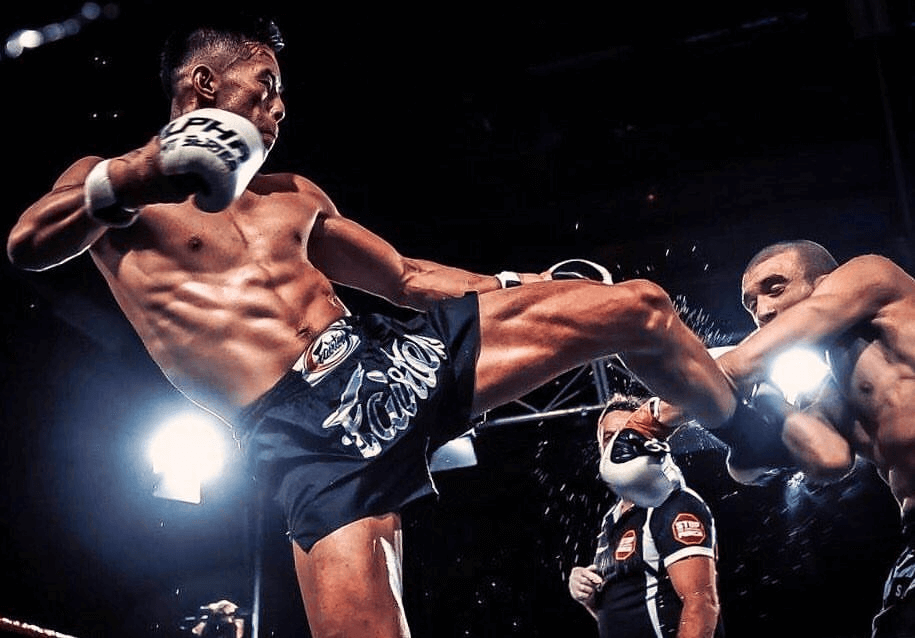
Before stepping into the tech world, Anthony spent his years as a professional fighter competing on FoxSports. Growing up Asian in a predominantly white environment, he felt he had to work twice as hard to be seen. This drive eventually led him to the ISKA Victorian Title. However, his toughest fight came outside the ring when he suffered two strokes the same year he founded ZILIO.

Walking away would have been understandable. Instead, Anthony leaned into the discipline he learned as a fighter. As he puts it, “Being a professional fighter taught me one non-negotiable principle: Never quit. No matter what. That philosophy carried me through recovery and continues to guide how I build today.”

Solving the “Booty Short” Problem

The idea for ZILIO was born from personal frustration. As an athlete with a specific build, Anthony found online shopping to be a constant gamble. He still remembers ordering gym shorts that arrived fitting like “booty shorts,” an experience that made him wonder why we can dress video game avatars perfectly but struggle to do the same in real life.

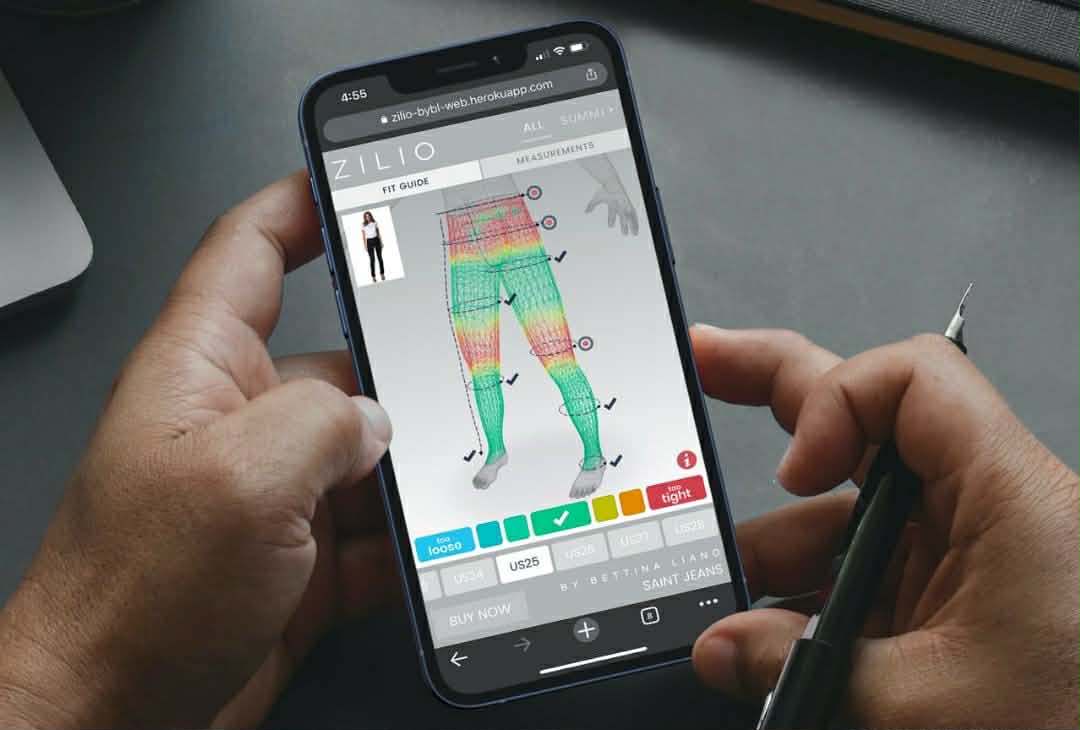
ZILIO solves this by replacing confusing size charts with accurate AI recommendations. The company started with corporate uniforms, where poor fit creates massive operational headaches for brands like Coles and Australian Unity. The impact was immediate. ZILIO has helped partners cut returns by 40% and significantly boosted customer engagement by giving them a fit they can trust.

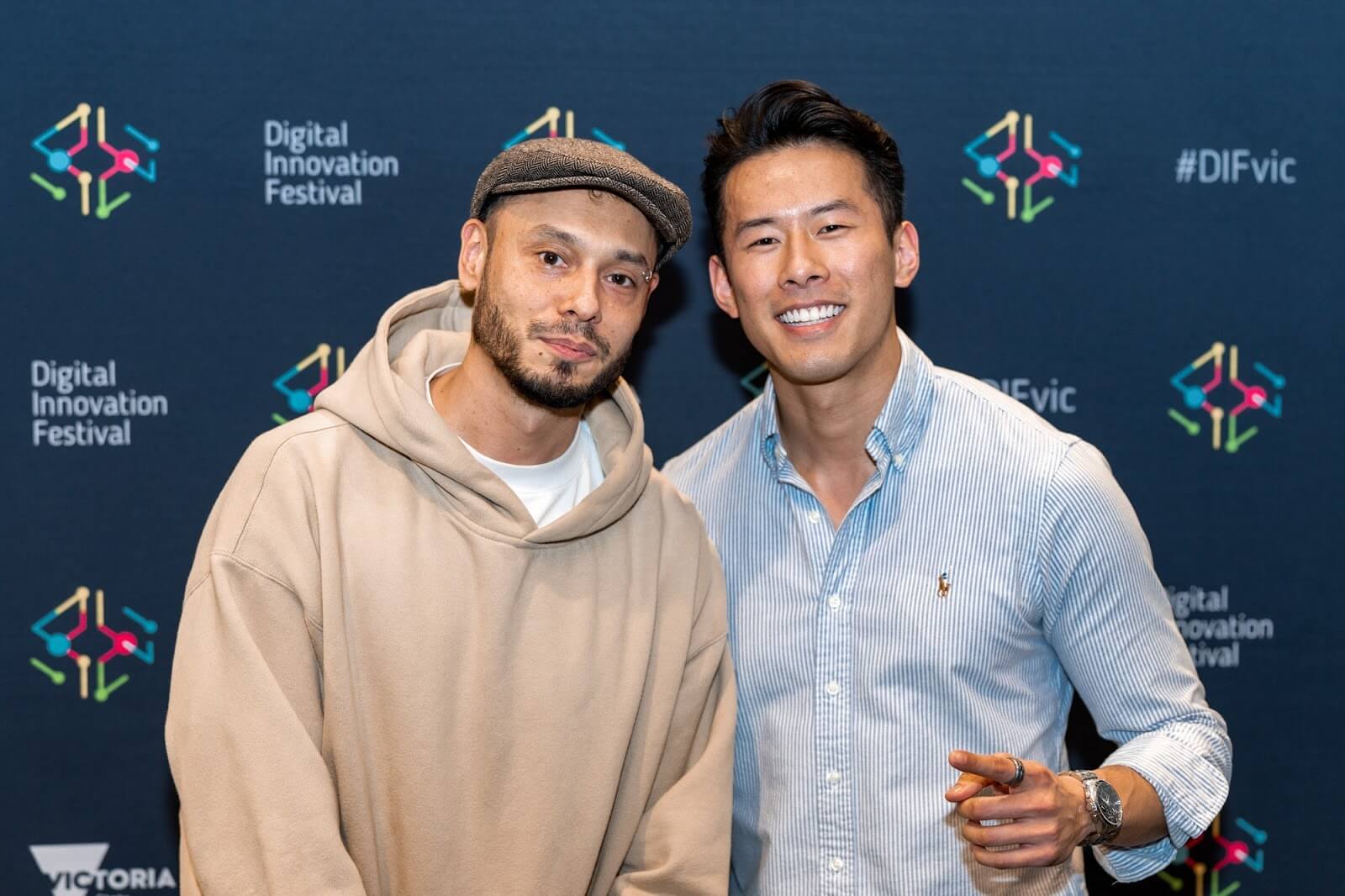
Anthony Kwok (right), CEO and Co-Founder of ZILIO

Helping People Stop Second-Guessing Their Bodies

For Anthony, this mission is personal. He knows that standard size charts often fail people with diverse backgrounds and body types, including many in the Asian community. His goal is to make sizing “invisible” so that people can focus on their style instead of their anxiety.

“Fashion is deeply emotional, and a bad sizing experience can stop someone from exploring style altogether,” Anthony explains. “ZILIO exists to navigate that complexity and give people clarity and confidence, regardless of body type or background.”

With $500,000 in funding and awards like the B&T 30 Under 30, Anthony is proving that a kid with a big imagination can change a global industry. Whether it’s through his upcoming 3D virtual fitting rooms or his work with major brands like Rebel Sport, he is making sure that the next time you shop online, you’re buying a piece of clothing that actually fits your life.

Discover more about Anthony Kwok here:

📍LinkedIn📍Instagram

Learn more about ZILIO here:

📍Website📍Instagram

5fb9cf02-106f-4637-a666-2db06176ce94-jpeg

Stories

From War Survivor to Literary Leader: The Remarkable Rise of Amy M. Le, CEO of Quill Hawk Publishing

Amy M. Le, CEO of Quill Hawk Publishing, has built her life around stories that matter. Not the polished kind that skip the hard parts, but the honest ones shaped by loss, survival, and growth. Her journey reflects how personal history can quietly become a source of strength.

Every stage of Amy’s life pushed her to adapt and redefine what success looked like. She learned early that resilience is not loud or dramatic, but steady and intentional. Over time, those lessons shaped the way she approaches both writing and leadership.

Today, Amy’s work centers on creating space for voices that are often overlooked. Through publishing and community-building, she helps others turn lived experience into stories that resonate far beyond the page.


Photo courtesy of Amy M. Le, CEO of Quill Hawk Publishing

Born in War, Saved by Courage

Amy M. Le was born during the final months of the Vietnam War, a period defined by intense fear and systemic instability. As an infant, she faced a life-threatening heart condition that put her future in jeopardy before it had truly begun. Because medical resources were scarce in a war zone, her survival was never a guarantee.

Driven by a mother’s fierce love, her family made the harrowing choice to flee Vietnam in search of safety and essential medical care. This escape carried enormous risks, yet it was fueled by an unwavering hope for a life free from conflict. That courageous decision ultimately changed the trajectory of Amy’s life, setting her on a path toward a new world.

Photo courtesy of Amy M. Le (far right), CEO of Quill Hawk Publishing

A New Life and a Turning Point

Their journey eventually led them to Seattle, where Amy underwent the life-saving heart surgery she so desperately needed. This successful procedure gave her much more than physical health; it provided a second chance and a profound sense of purpose. With this renewed vitality, she grew up determined to make the most of every opportunity her new home provided.

Following this recovery, Amy spent over twenty years navigating the high-pressure tech industry to build a stable and successful career. However, the trajectory of her life shifted once again when she faced the devastating loss of her mother. In the wake of this grief, she turned to writing as an essential lifeline to heal her heart and rebuild her sense of identity.

Photo courtesy of Amy M. Le, CEO of Quill Hawk Publishing

Turning Story into a Mission

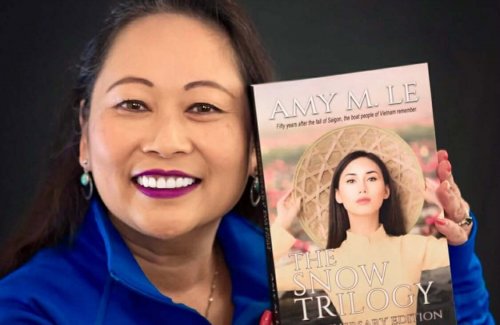
That personal healing became The Snow Trilogy, a powerful book series telling the true story of her family’s escape from Vietnam and their new life in America. The books resonated deeply with readers who saw their own stories reflected in its pages. What began as personal healing became a collective connection.

Inspired by that impact, Amy founded Quill Hawk Publishing, a hybrid company built to empower authors without stripping away their creative freedom. In just three years, the company has grown to support 70 authors from Seattle to Sydney, proving that no matter where you begin, you can always rewrite your story and help others tell theirs too.

Discover more from Amy M. Le here:

📍Instagram

Learn more about Quill Hawk Publishing here:

📍Website

40748b69-2f96-4629-bbbe-b024579ea217-jpeg

Stories

4 Creative Ways Trysen Kaneshige Uses Art to Keep Aloha Alive

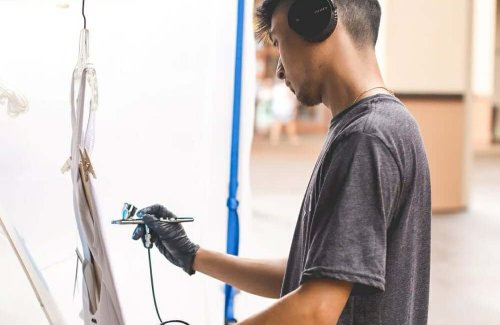
Some artists create for attention or fleeting trends, but Trysen creates with intention, guided by a deep sense of responsibility to the culture that shaped him. Growing up in Hawaiʻi, he learned that Aloha is not just a feeling, but a way of living rooted in care, respect, and connection.

That belief now guides both his art and his creative studio, Inspire to Create Media. Through murals, design work, and storytelling projects, Trysen uses his business as a platform to protect culture while helping others share their stories with intention.

1. Reviving Local Stories Through Murals


Photo courtesy of Trysen Kaneshige, Founder of Inspire to Create Media

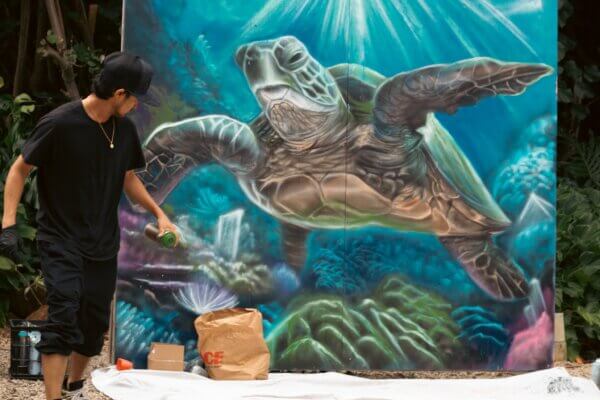
At the core of Trysen’s work is listening. On Kauaʻi, he spends time learning from residents about their histories, struggles, and sources of pride before creating any artwork. This approach reflects the values he also brings into Inspire to Create Media, where storytelling always begins with people.

The murals that follow are rooted in real voices. They transform blank walls into visual records that help locals feel represented and allow visitors to understand the island through the community’s lived experience.


2. Designing With Aloha in Mind


Photo courtesy of Trysen Kaneshige, Founder of Inspire to Create Media

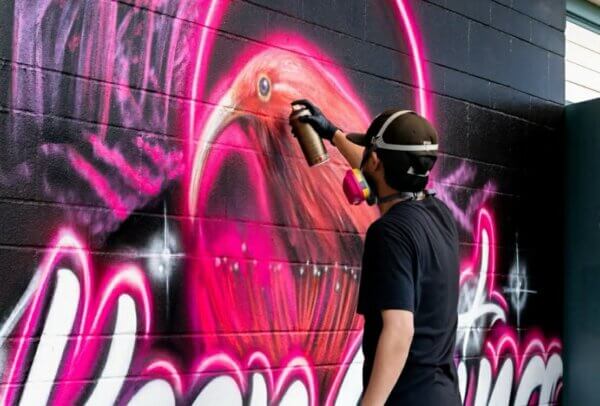
Aloha influences how Trysen collaborates, how carefully he considers each element, and how much intention goes into every decision. Design, for him, is about respect as much as aesthetics. That same mindset shapes the design work produced through Inspire to Create Media. 

Whether creating branding, apparel, or custom visuals, his goal is to make work that feels warm and grounded. Each piece is designed to reflect care, balance, and a sense of home rather than fleeting trends.


3. Empowering Youth and Community Spaces


Photo courtesy of Trysen Kaneshige (fourth from left), Founder of Inspire to Create Media

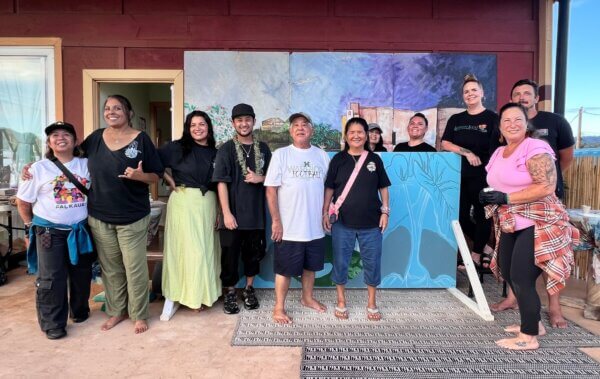
Beyond client work, Trysen uses both his art and his studio to invest in the next generation. Through partnerships with schools and wellness programs, Inspire to Create Media supports projects that turn shared spaces into places for expression and growth.

By involving young people in the creative process, he helps build confidence and identity. These initiatives focus less on the final product and more on giving youth a voice and a stronger connection to their roots.


4. Building a Global Bridge From Island Roots


Photo courtesy of Trysen Kaneshige, Founder of Inspire to Create Media

While his work is deeply rooted in Hawaiʻi, its reach continues to grow beyond the islands. Through collaborations with global brands like Volcom and OluKai, Trysen shares an authentic island perspective with a wider audience.

These partnerships amplify his message without compromising its foundation. By staying grounded in culture, he shows that it is possible to connect with the world while remaining true to where you come from.


Photo courtesy of Trysen Kaneshige, Founder of Inspire to Create Media


Carrying Aloha Forward

At its core, Trysen’s work—through his art and his studio, Inspire to Create Media—is an ongoing act of care. Through each project, he honors his home, uplifts his community, and uses creativity as a way to carry Aloha forward with intention, respect, and lasting impact.

More than anything, his work reflects a belief that culture is something you actively protect and pass on. By choosing collaboration over ego and meaning over trends, Trysen ensures that Aloha is not only preserved, but lived, felt, and shared with future generations.

Discover more from Trysen Kaneshige here:

📍Facebook

📍Instagram

Learn more about Inspire to Create Media here:

📍Website

📍Instagram


01-png

Stories

From Jackie Chan’s Assistant to Building Paire: How Nathan Yun’s Vision for Better Essentials Became a $15M a Year Brand

Nathan Yun did not start his career thinking he would one day build a consumer brand. His early years were spent on film sets and in editing rooms, learning how stories are shaped and how audiences respond to them. Working as an assistant to Jackie Chan gave him a front-row view of storytelling at its highest level. He watched how a single film could reach millions of people and create a shared emotional moment across cultures.

Yet over time, he noticed something that stayed with him. The inspiration was real, but it faded quickly. Once the credits rolled, people returned to their usual routines. That contrast made him question what lasting influence really looked like. Was it found in big, unforgettable moments, or in the small things people interacted with every day?

Paire grew out of that question, built not around trends or marketing tactics, but around everyday essentials, starting with socks. If stories could move people for a moment, Nathan believed products could shape how they lived every day.

From Film Sets to Daily Habits

Nathan came to understand that while stories stay with people selectively, habits are formed through repetition. Clothing, especially everyday essentials, plays a quiet but constant role in daily life. When something feels uncomfortable or wears out too quickly, people notice it immediately, even if they never say it out loud.

This insight marked a turning point. Nathan no longer wanted to create something people felt for a moment. He wanted to build something they could rely on every day. From the beginning, Paire was shaped around that idea.

Instead of chasing trends, the brand focused on fit, fabric, and longevity. The goal was simple: to make essentials people would reach for again without thinking.

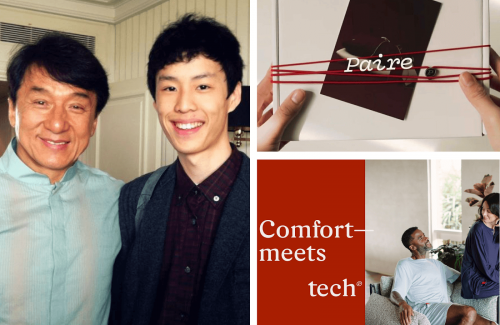
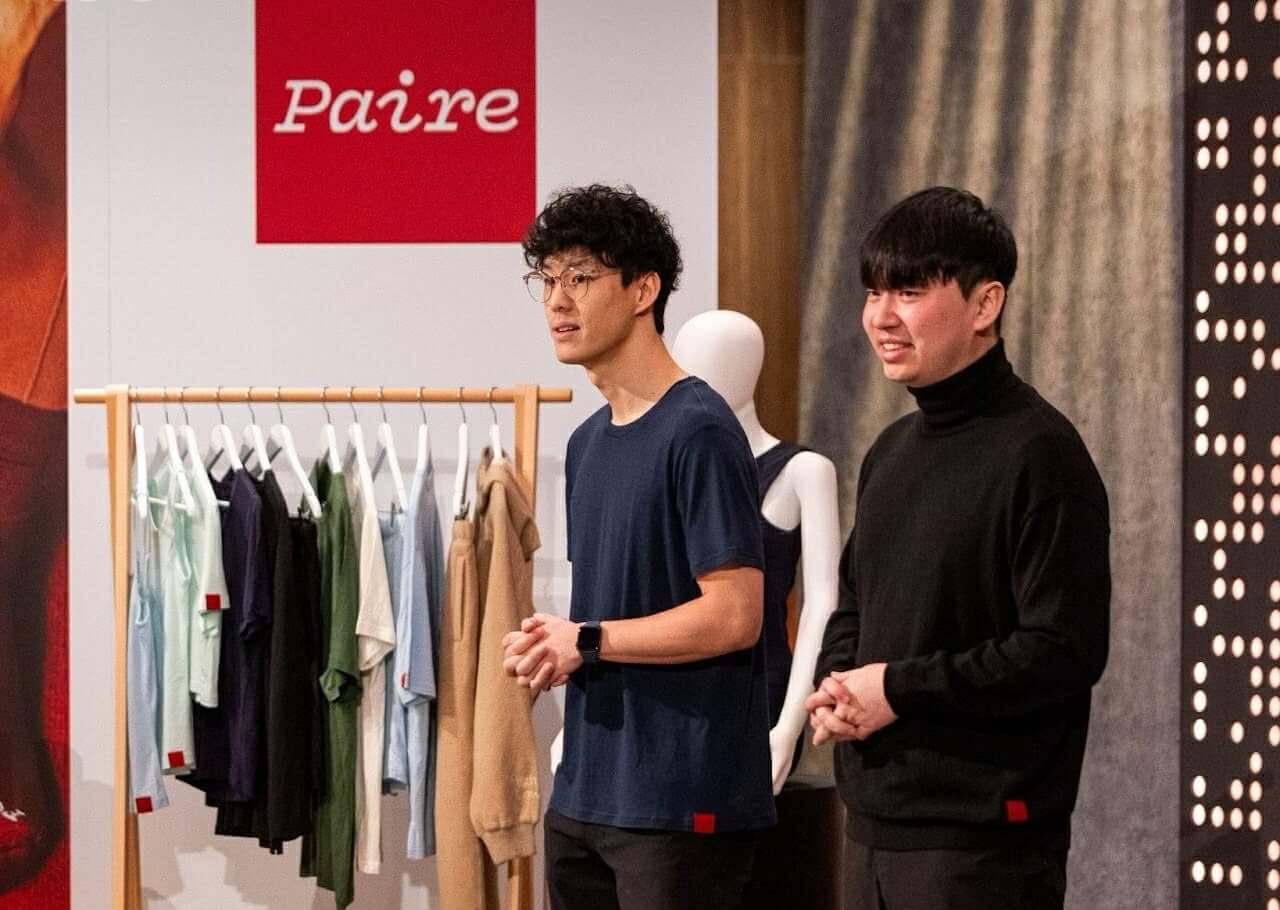
Nathan Yun (right), Founder of Paire

Learning How to Build Before Building His Own

Before launching Paire, Nathan spent five years at furniture startup Brosa, where he learned what it takes to grow a business beyond an idea. As the company expanded from a ten-person team to more than one hundred employees, his role evolved from content creation to leading brand and marketing.

During that time, he saw how forecasting affected inventory, how data guided growth, and how pressure increased as operations scaled. He also witnessed what happened when demand moved faster than systems, and how costly it could be to build those systems too late.

Those experiences shaped how Nathan approached entrepreneurship. He did not want to build Paire on instinct alone. He wanted a clear understanding of supply chains, margins, logistics, and customer behavior before committing to his own brand.

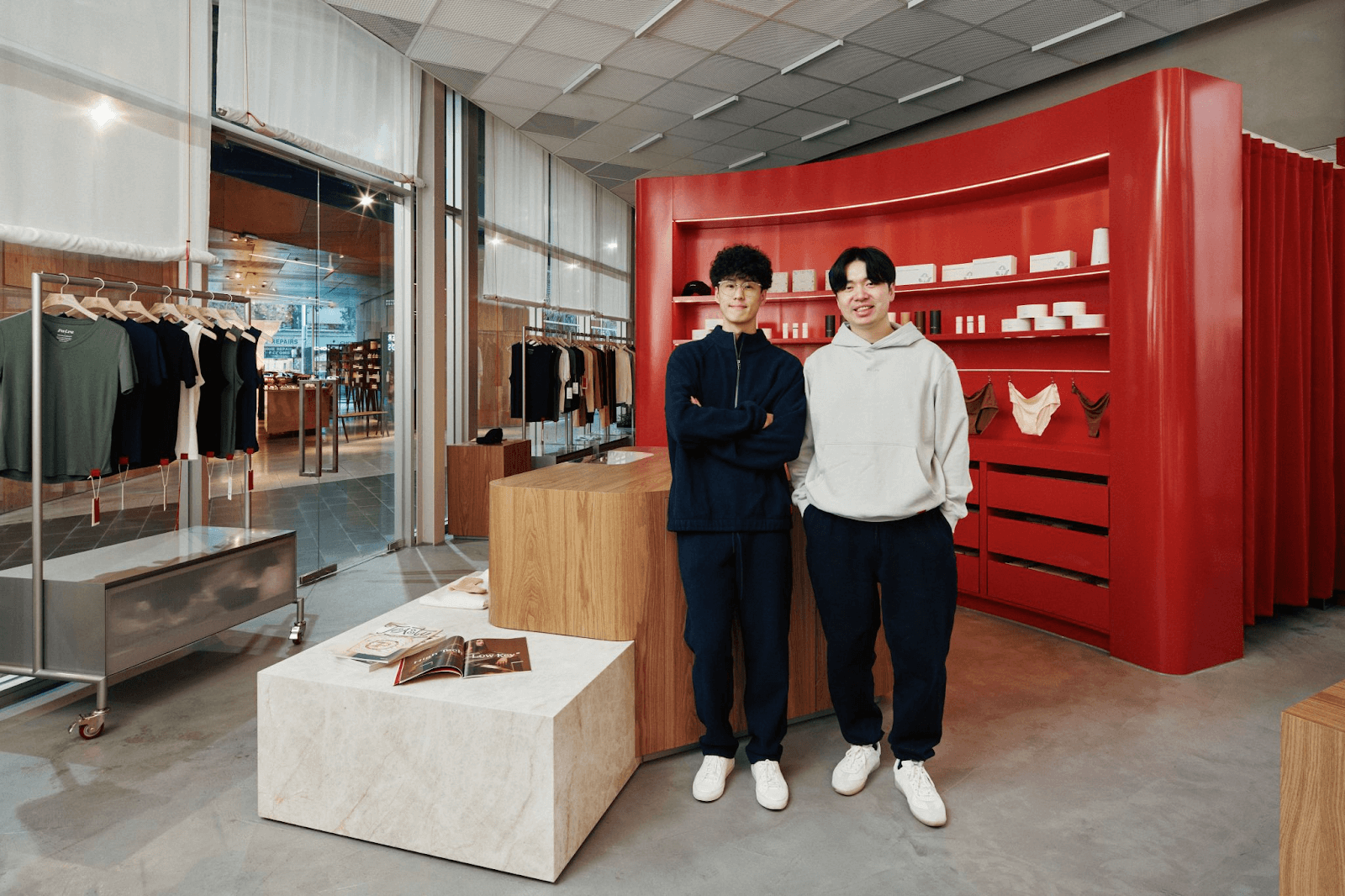
Nathan Yun (far right), Founder of Paire

The Trip That Made the Mission Personal

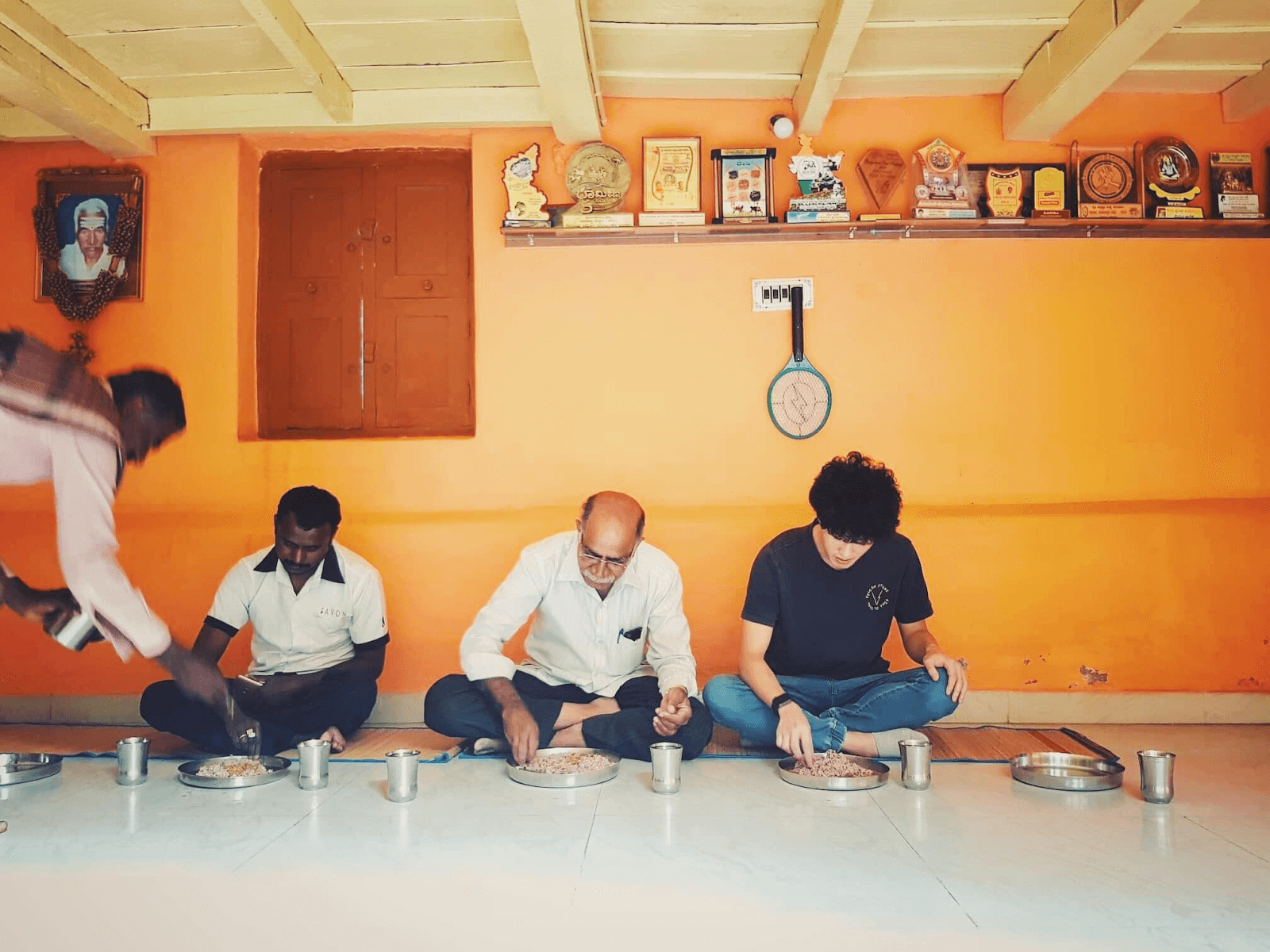
The purpose behind Paire became clear during a trip to India. Away from polished storefronts and online campaigns, Nathan saw the fashion industry in a very different light. He witnessed environmental damage near production sites and spoke with workers whose livelihoods depended on high-volume manufacturing.

“That experience made it clear something needed to change,” Nathan explains. What stayed with him most was how disconnected these realities were from everyday shopping habits.

Much of the damage he saw came from clothing treated as disposable. When he returned home, Nathan reached out to his longtime friend Rex, a textile expert. Instead of launching a wide range of products, they chose to start small. The focus was on improving a single item and making it last.

Nathan Yun (left), Founder of Paire

Earning Trust Through the Product Itself

Nathan understood that values alone would not earn loyalty. The product had to prove itself in everyday life. The team spent months refining fabric blends, improving breathability, and testing durability through repeated wear and wash cycles.

Pricing a pair of socks at twenty-four dollars came with risk. Most consumers were used to buying socks cheaply and replacing them often. But once people tried Paire, many returned. Nearly seventy percent became repeat customers, not because of marketing, but because the product became part of their routine.

By focusing on quality and longevity, Nathan Yun built a $15M-a-year brand that shows meaningful change does not always arrive loudly. Sometimes, it begins quietly, through the simplest things we rely on every day.

Follow Nathan’s journey:

📍 Website
📍 Instagram | LinkedIn