Stories

October 8, 2026

SHARE:

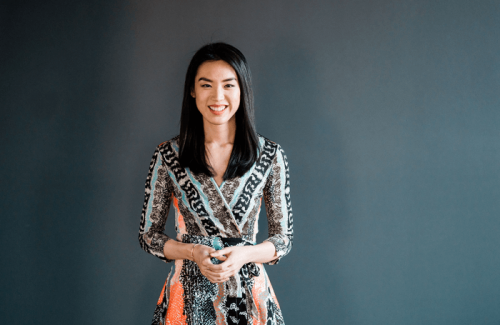
Vietnam is one of the world’s biggest coffee-producing countries, yet Thomas Vu rarely saw Vietnamese coffee given the same attention in North America’s specialty coffee scene.

That gap became the idea behind Hanoi Drip Coffee, a Vancouver-based Vietnamese specialty coffee brand that has grown into a multi-million-dollar cafe business in just over two years.

For Vu, the goal goes beyond opening more cafes. He wants people to see Vietnamese coffee differently and prove that a brand deeply rooted in culture can belong on a global stage.

Giving Vietnamese Coffee the Spotlight It Deserves

Vu grew up around the flavors and rituals that make Vietnamese coffee instantly recognizable, from strong Robusta to condensed milk and the slow drip of a phin. Yet despite Vietnam’s rich coffee history, he felt much of that story was still missing from mainstream specialty coffee culture.

That became the opportunity behind Hanoi Drip. Rather than recreate a traditional Vietnamese cafe, Vu and his team asked a bigger question: What could a global Vietnamese coffee brand look like today?

Their answer was to keep the parts of Vietnamese coffee they loved while presenting them for a new generation. Hanoi Drip serves coffee grown in Vietnam, including coffee from Đà Lạt, and puts Robusta, Vietnamese flavors, and phin brewing at the center of the experience.

Learning How to Grow Without Losing the Brand

Building the brand was one challenge. Learning how to grow it without losing what people connected with was another.

When Hanoi Drip was smaller, Vu and the other founders could be involved in nearly every part of the business. As more locations followed, they had to learn how to train teams, develop leaders, manage costs, maintain product consistency, and make sure customers still had a strong experience even when the founders were not there.

Mistakes have been part of that process, and Vu does not pretend otherwise. His approach is to treat them as useful information: fix the problem, build a better system, and move forward, a mindset that has helped Hanoi Drip expand into multiple locations alongside retail coffee, wholesale, and membership offerings.

Taking Vietnamese Coffee Beyond Vancouver

For Vu, some of Hanoi Drip’s most meaningful wins happen when someone tastes Vietnamese coffee for the first time and wants to know more. It also means hearing Vietnamese customers say the brand reminds them of home while still feeling like it belongs to their generation.

That connection has extended beyond coffee. During KOOLFEST 2025, customers purchased more than 1,600 Ube Coconut Coffee and Ube Milk drinks, helping Hanoi Drip raise over $5,500 for a local charity, while the company has also created jobs and collaborated with Asian-owned businesses and creators.

And Vu is still thinking much bigger. He hopes to bring Hanoi Drip beyond Vancouver to markets such as Toronto and Los Angeles, while showing other Asian founders that building something modern does not mean leaving their culture behind.

Learn more about Hanoi Drip and follow the brand as it works to take Vietnamese coffee from Vancouver to a wider global audience.
📍Website

Related Articles

IMG_9529-jpeg

Stories

Jonathan Quach Was Told He Was Too Young and Too Asian to Lead—Now He’s Built Team Quachro Into One of California’s Largest Youth Basketball Platforms

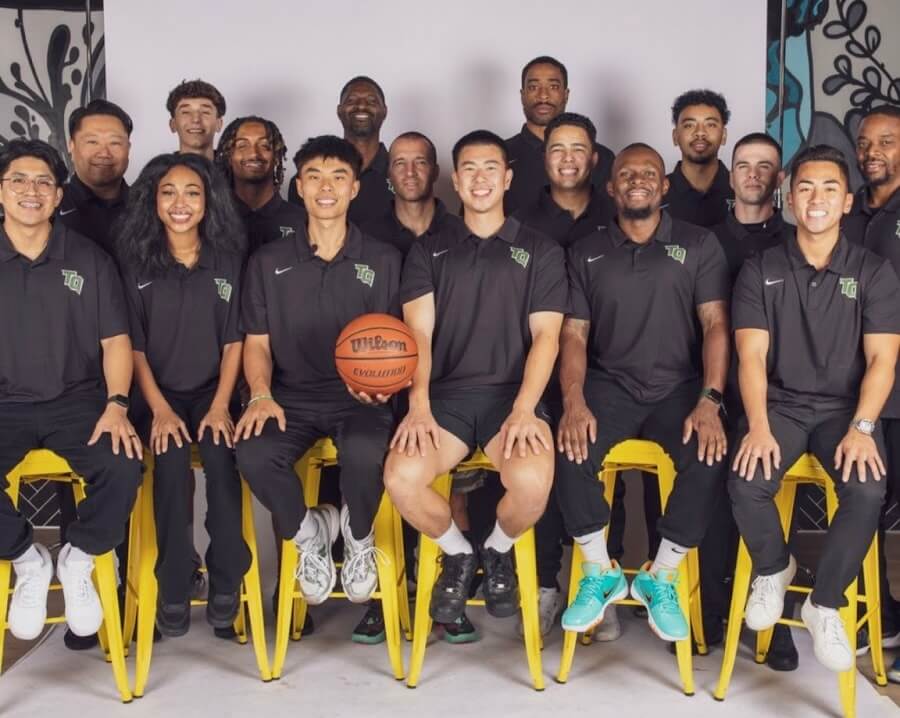
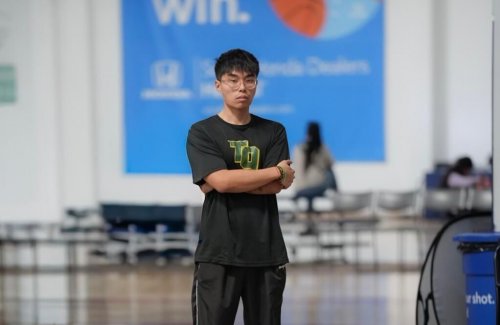
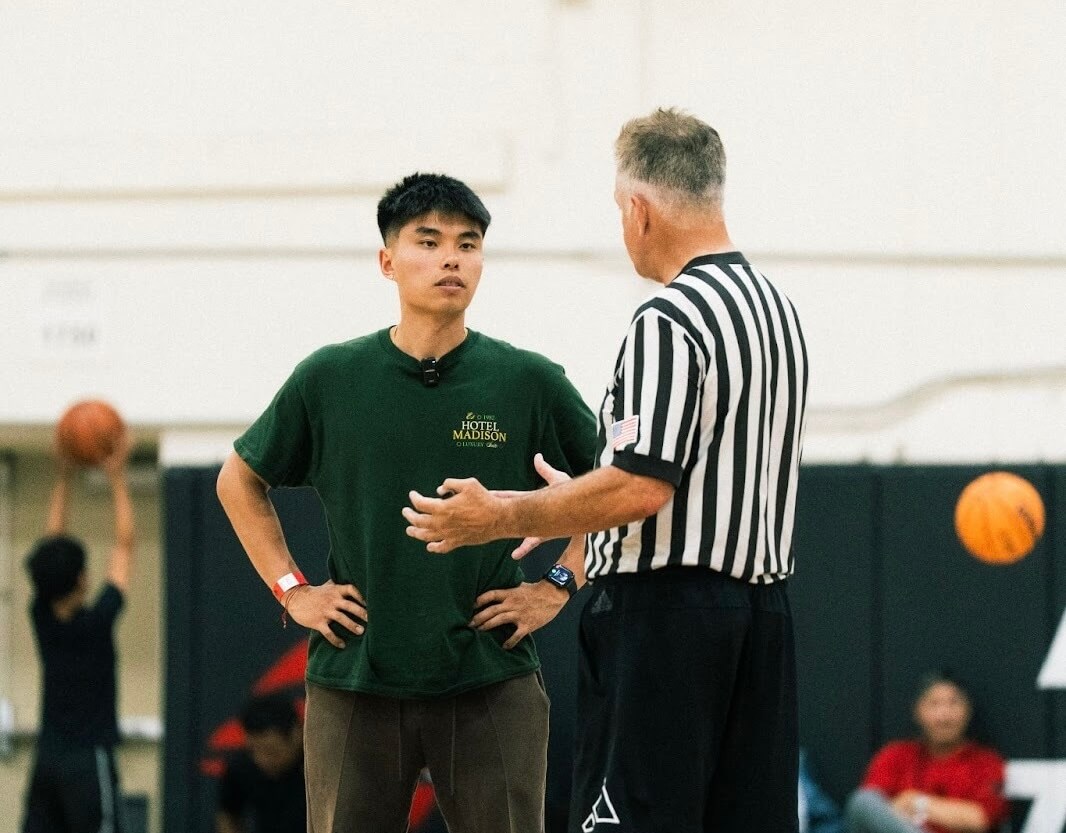
At 19 years old, most people are still trying to figure out who they want to become. Jonathan Quach, who also goes by Johny, was already thinking about how he could create space for others to grow.

He did not have investors backing him or access to elite facilities. What he had was a deep love for basketball and a growing frustration with how many talented kids were being left out of high-level programs simply because they lacked money, connections, or visibility. 

The name Team Quachro (TQ) was originally created just to enter his first eight kids into a local youth league. What started as a play on words from his last name, ended up becoming a staple in the Orange County Basketball community, competing with the other heavy hitters in the industry.

Starting at 19 with Nothing but Belief

Starting a program at 19 meant stepping into rooms where almost everyone was older. Johny had to lead coaches and speak with parents who had decades more life experience than he did. When he had only 50 kids in the program, a handful of larger, established programs recognized the early growth and tried to buy him out from the start.

As Team Quachro began gaining attention and players began leaving other programs to join his team, some competing coaches sent negative emails to others behind his back. Instead of responding with arguments, Johny chose to respond with action. He focused on developing his athletes and strengthening the culture of the program.

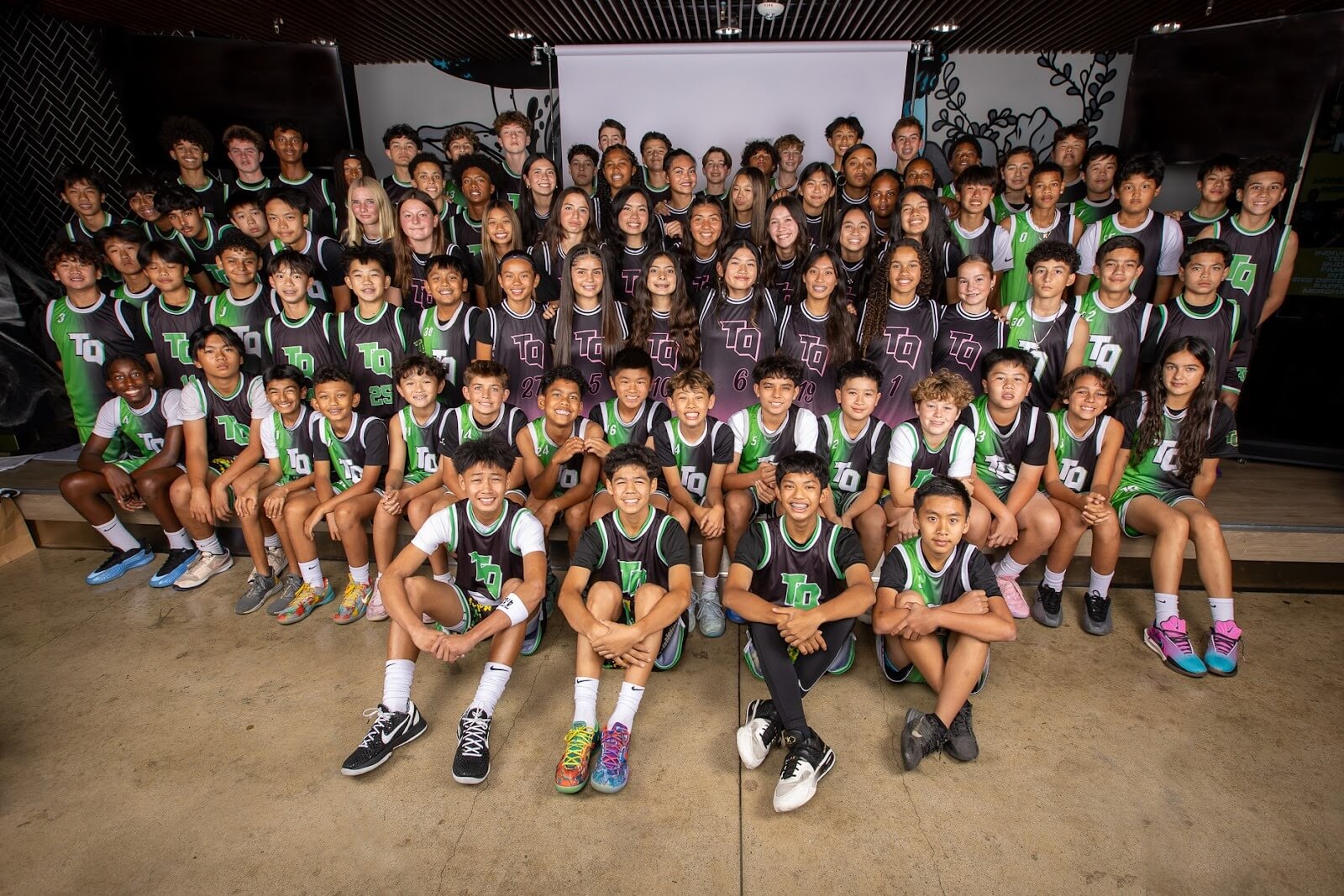
Now 26 years old, Johny has built one of the largest basketball programs and tournament operations in California. By remaining consistent and treating every family with respect, he gradually turned early skepticism into long-term trust. Team Quachro now serves more than 300 athletes, with thousands of families having come through the program over the years.

Carving a New Lane for Asian Leadership

Building one of California’s largest platforms by age 26 is a feat in itself, but doing so as an Asian founder carries even more weight. In the youth basketball world, Asian founders are rarely seen in leadership roles. Johny understood that reality and wanted younger players to see someone who looked like them leading from the front.

Representation, for him, was not about making statements. It was about building something real and lasting that could create opportunity for others. Every partnership and every opportunity had to be earned through persistence and relationship building.

Over time, that work transformed a small training group into one of the most respected sports organizations in California. Johny proved that leadership is not determined by age, background, or stereotype. It is shaped by commitment, integrity, and care for the people you serve.

Leaving a Legacy Bigger Than Trophies

What began as a handful of local training sessions has grown into a thriving ecosystem of teams, tournaments, and mentorship. The results of that dedication are visible at the next level, with TQ athletes playing at the Division I college level, as well as at JUCO and NAIA programs.

Despite that growth, Johny has worked intentionally to keep the heart of the program intact. He continues to cover costs for athletes who cannot afford to participate and organizes free clinics to make the game more accessible. He believes that financial limitations should never be the reason a child cannot pursue their potential.

Johny did not inherit a platform, and he did not receive a head start. Today, the program stands as more than a basketball organization. It stands as a family built on loyalty, mentorship, and shared belief. For him, that culture is the greatest achievement of all, far greater than any trophy or tournament win.

Discover more from Johny Quach here:

📍Instagram

Learn more about Team Quachro Basketball here:

📍Website

image (1)-png

Stories

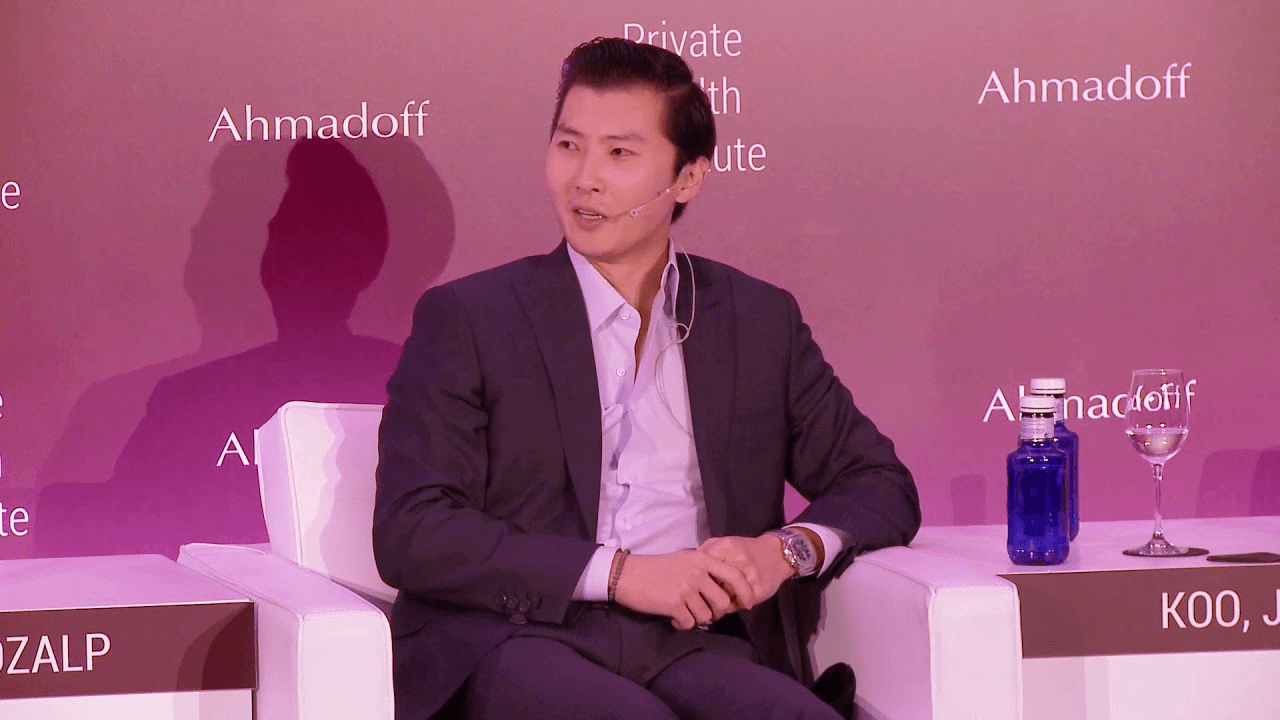
Taiwan Heir Andre Koo Jr. Steps Beyond a $6.3B Dynasty to Build the Future of AI in New York City

Andre Koo Jr. was born into one of Taiwan’s most influential business families, where legacy and leadership have shaped industries for more than a century.

As a fifth-generation heir to a $6.3 billion empire, he had every reason to remain within the comfort and stability of an established dynasty.

Yet instead of staying home, he chose to build something new in New York, placing a focused bet on the future of artificial intelligence.

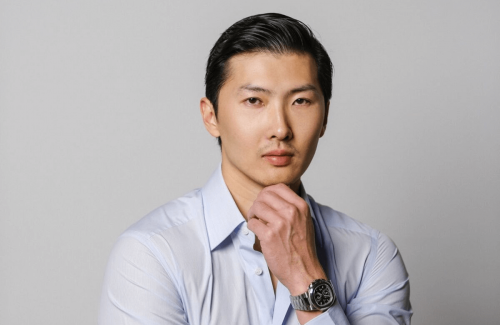
Image Source: NYU Stern

Honoring a 130-Year Legacy While Charting His Own Path

For generations, the Koo family has played a defining role in Taiwan’s business landscape, building institutions that span finance, infrastructure, and beyond. Growing up within that environment meant understanding both the privilege and the responsibility tied to the family name. Legacy, in this case, was not just inherited wealth but a long-standing commitment to growth and impact.

Still, Andre Koo Jr. believed that honoring tradition did not require standing still. While remaining actively involved in the Koo Family Office, he set his sights on expanding the family’s global footprint. His move to Manhattan marked a deliberate step toward independence, signaling a desire to test his vision in one of the world’s most competitive markets.

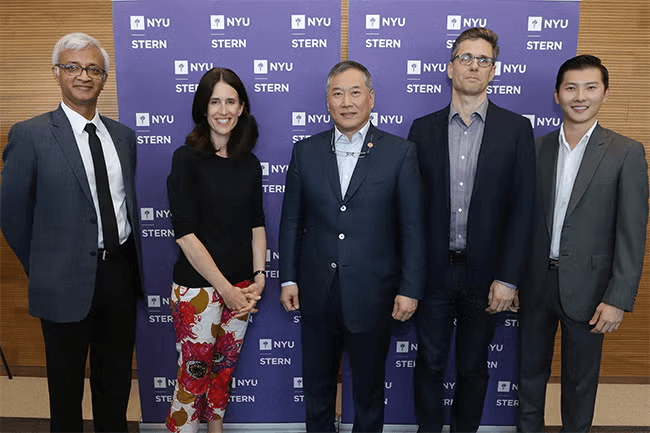
Image Source: Private Wealth Institute

Building K8 Capital for the AI Era

That vision took shape through K8 Capital, a firm designed to invest in artificial intelligence and enterprise software. Rather than following typical venture capital models, Andre structured a hybrid strategy that blends private credit with venture investments. This approach allows him to pursue innovation while maintaining disciplined risk management.

The strategy is already delivering results, with gains of over 50 percent achieved through carefully structured short-term loans. K8 Capital has secured five major investors and is actively deploying capital into promising technology companies. By combining the prudence of established wealth with the speed of modern tech investing, Andre Koo Jr. is building a bridge between a historic dynasty and the next generation of innovation.

image-png

Stories

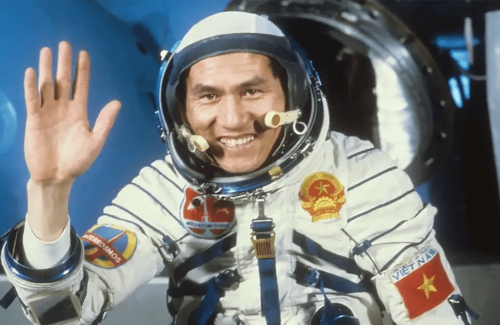
Asia’s First Person to Reach Space Was Vietnamese Fighter Pilot Pham Tuan, Who Continues to Inspire a New Generation

In 1980, a Vietnamese fighter pilot from a small rural province made history by becoming the first person from Asia to travel into space.

Long before rockets and research labs, Pham Tuan grew up in the rice fields of Thái Bình, far from the world of astronauts and orbiting stations.

Today, his journey beyond Earth remains a powerful story of courage, discipline, and possibility for young people across Asia.

Image Source: Saigoneer

From Rural Fields to the Edge of Space

Before he ever saw space, Pham Tuan built his career as a fighter pilot in the Vietnamese Air Force. His skill and discipline eventually led to his selection for an international space program, a rare opportunity at the height of global political tension. It was a dramatic shift from flying combat missions to preparing for a journey beyond Earth.

The transition demanded years of intense physical and technical training. He had to master new systems, adapt to life in zero gravity, and prepare for risks no one from his continent had faced before. Each step brought him closer to a milestone that would place his name in history.

Image Source: Saigoneer

Seven Days That Changed Asia’s Story

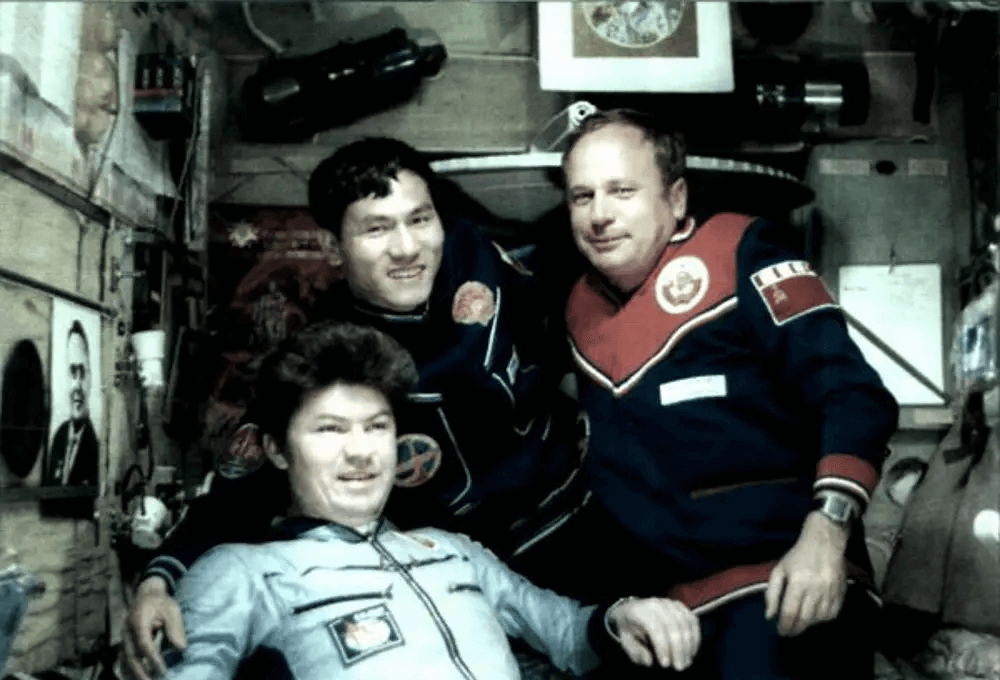
On July 23, 1980, Pham Tuan launched aboard a Soyuz spacecraft and became the first Asian to reach space. He spent seven days aboard the Salyut 6 space station, conducting scientific research and observing Earth from orbit. During that time, he captured images of Vietnam from above, offering a view of his homeland few had ever seen.

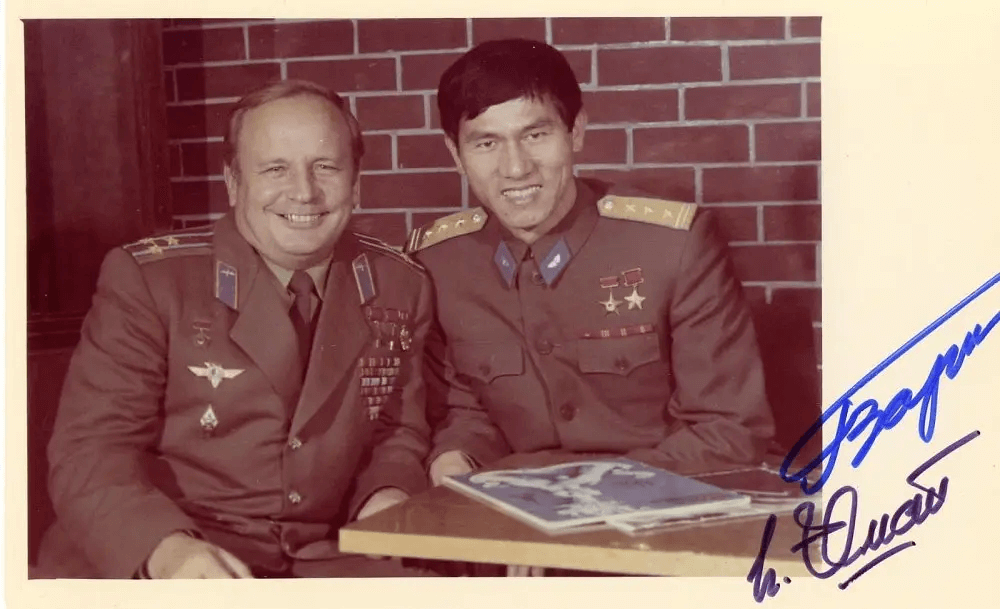
After returning to Earth, he resumed life in Hanoi with his family, carrying memories of a journey that reshaped regional history. He continues to reconnect with former crew mates and remains one of only three people of Vietnamese descent to have traveled beyond Earth’s atmosphere. Decades later, his achievement still stands as a symbol of how far determination can take someone, even from the most humble beginnings.

image-png

Stories

Princeton Engineer Luisa Zhou Left Corporate Life to Build a Million-Dollar Business on Her Own Terms

Luisa Zhou once believed that a Princeton degree and a prestigious engineering title were the ultimate markers of a secure and successful life. However, that sense of safety evaporated the moment her family faced a health crisis and she realized her “perfect” job offered no room for her to actually be there.

She learned the hard way that even a massive salary is a poor substitute for the freedom to prioritize your family during their darkest hours. That realization sparked a fire within her to stop trading her presence for a paycheck and to start building a life where she held the keys.

Image Source: Forbes

Engineering a Great Escape

Luisa did not leave her career on a whim because she understood that true freedom requires a foundation built on more than just hope. She spent two long years working on her consulting business during every stolen lunch break and late night while her colleagues were resting. By applying her logical engineering mind to the world of entrepreneurship, she proved that you can build a bridge to a new life without burning the one you are currently standing on.

This methodical approach allowed her to test her ideas in the real world while the safety of her corporate salary was still intact. She advocates for the slow build because it removes the desperation that often leads new founders to make short-sighted decisions for quick cash. When she finally stepped away from her desk for the last time, she was not taking a leap of faith but rather walking through a door she had already unlocked.

Image Source: Business Insider

Redefining the Million-Dollar Life

By the time Luisa officially left the corporate world, her “side project” was already generating over a million dollars in annual revenue. Now at 36, she has designed a lifestyle where four hours of focused work allows her to sustain a million-dollar business on her own terms. Her daily schedule is no longer a list of demands from a manager but a reflection of the people and passions that she values most in the world.

The most inspiring part of her journey is the fact that her bank account is secondary to the absolute control she now has over her time. Wealth for Luisa is the quiet confidence of knowing she can close her laptop whenever a loved one needs her without seeking anyone’s permission. She has proven to the world that the most valuable thing you can ever own is the right to decide exactly how your day unfolds.