Stories

July 25, 2023

SHARE:

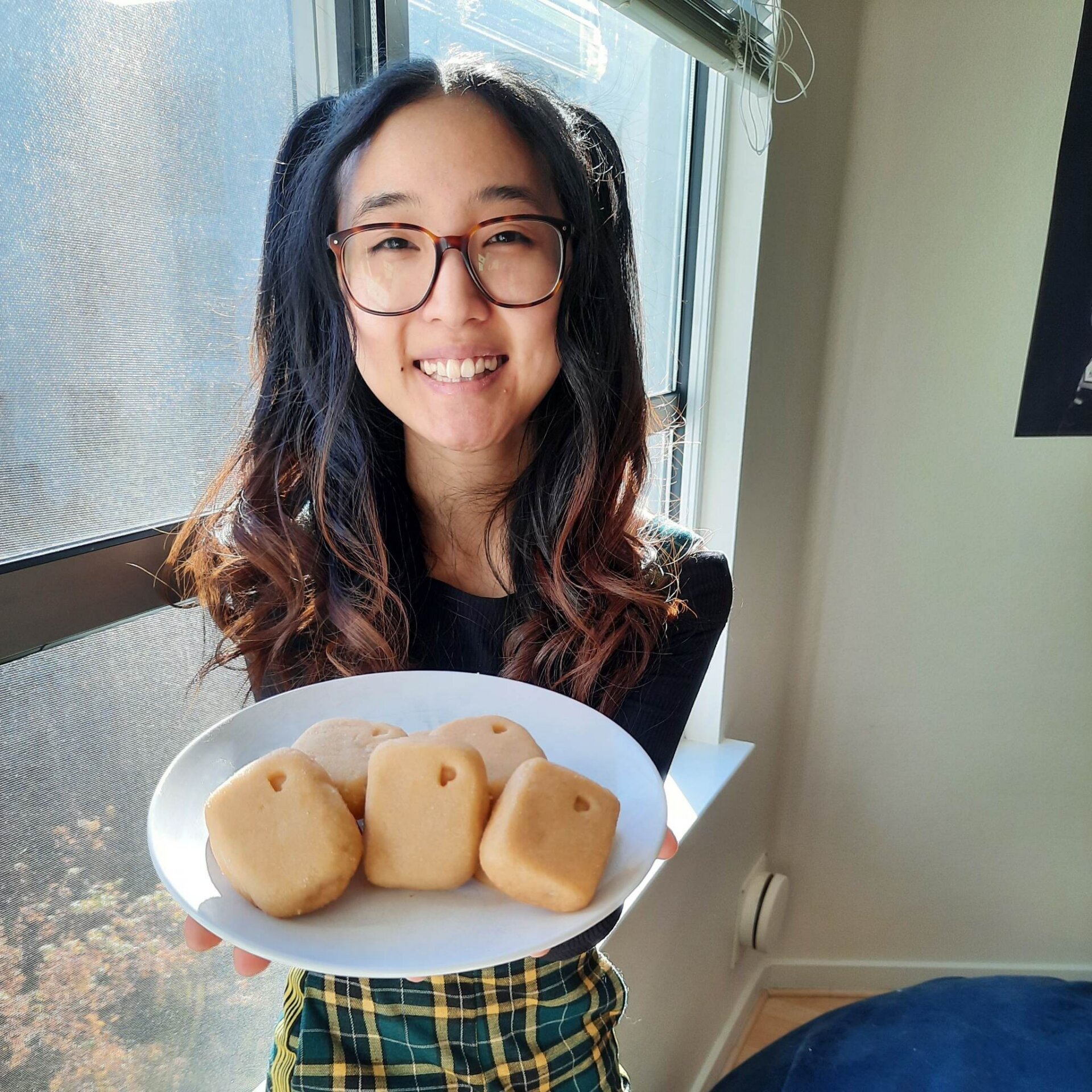
Annie Wang, a baker from Oakland, recently had the opportunity of making custom almond cookies for the premiere of Everything Everywhere All At Once.

Made from only the freshest, high-quality ingredients and created with sustainability in mind, Annie’s vegan, gluten-free, and upcycled Taiwanese Pineapple Cakes are perfect for anyone who cares for the environment and their taste buds.

In this interview, Annie shares her experience of growing up in rural towns in America, where she witnessed firsthand the harsh realities of food production, her journey of developing her recipes, her passion for reducing the use of animal products, and her experience of baking for the premiere of Everything Everywhere All At Once.

SEEING THE HARSH REALITIES OF HOW FOOD WERE BEING PRODUCED WHILE GROWING UP

I was born in New York City, but growing up, my family and I moved every three years. The towns we moved to in the later years were smaller and more rural than the others. During the time I lived in these states, I saw the harsh realities of how we produce and handle food in America.

In one town in Illinois, my classmates and I had to plug our noses to guard against the toxic smell wafting towards us from a nearby pig farm. When we lived in Arkansas, we lived 15 minutes away from a Tyson chicken factory where runoff from the factory sat in huge silos. Ironically, these rural towns where I got to school by walking through crop fields were the towns where neighbors often struggled the most with unstable access to nutritious and responsibly grown food.

These towns were also where I first learned about the enormous harm inflicted on people and animals by our current agricultural system and decided to adopt a plant-based diet. That decision meant a lot of the staples I grew up eating with my family were no longer an option.

After working at environmental nonprofits and food tech companies, I decided to start Annie’s T Cakes to help myself and others once again partake in culturally important foods while also helping to improve the food system.

MY DREAM AS A KID WAS TO OPEN A BAKERY

The first thing I ever cooked was a scrambled egg in fifth grade. I forgot to oil the pan so you could say the first go was a fail. I didn’t really bake growing up unless it was a box of brownie mix or Pillsbury cookies. Most of my time in the kitchen was spent working the stovetop via stir-frying, steaming, and boiling.

I’d watch my mom cook traditional dishes like tomato and scrambled eggs with noodles or filled buns. As I got older, I started taking on more responsibilities in the kitchen and would cook tea eggs, and steamed bread on my own. I loved getting experimental. I always made my bread and dumplings in unique shapes.

Last year, my dad told me that my dream as a kid was to open a bakery. It was news to me since the one fleeting dream I can remember was about being a vet. But hey, here we are! Definitely much further than my first failed scrambled egg.

The base of the Taiwanese pineapple cake recipe only took me three tries to make (the fastest I’ve yet to develop a recipe). I started by making milk bread and buns but I remembered how much I used to love Taiwanese pineapple cakes growing up and took a crack at it. A friend of mine in Oakland runs a business upcycling tofu fiber into flour (Renewal Mill). Since the pineapple cakes didn’t need to rise as the bread did, I thought it would be a perfect way to create a gluten-free option for customers and support her business as well. 

VEGAN-IZING ASIAN SNACKS AND FOODS

I started to dig deep into climate change, including the impact of animal agriculture on the environment, when I was in college. At the time, I got involved in our school’s student-led fossil fuel divestment campaign (our school divested in 2020!).

I was taking classes and reading about all the intersections between society, the food system, policies, etc. with our environment. I also learned so much from the other passionate student activists I worked with. To this day, I still draw from the incredible strength and compassion I felt from the student leaders I worked with in those days as I think about how to build a team and partnerships. 

A couple of years after I graduated college, I started working in food tech. I was interested in the field for its vast potential to positively impact the climate by shifting our food systems. I wanted to start a business ‘vegan-izing’ the Asian snacks and foods I grew up eating for years.

When the pandemic hit and I was laid off along with half of my team, I took the plunge. Building the business now, I think really deeply about sourcing ingredients and how to make things sustainable. In addition to building a vegan brand, I also use compostable packaging and try to reuse shipping materials to reduce waste. 

We see more food products on the market these days that do not use animal products. Heavily reducing the use of animal products as a society would be huge for reducing our negative impact on the environment and taking care of all living things on our planet.

THE ‘EVERYTHING EVERYWHERE ALL AT ONCE’ EXPERIENCE

My experience baking for the premiere of Everything Everywhere All At Once was a whirlwind!

The week before the premiere, I was put in touch with A24. In each of the markets the studio had launched the movie in, they’d worked with local bakers to create the smiley face cookie that appeared in the movie, and they still needed someone for the San Francisco premiere.
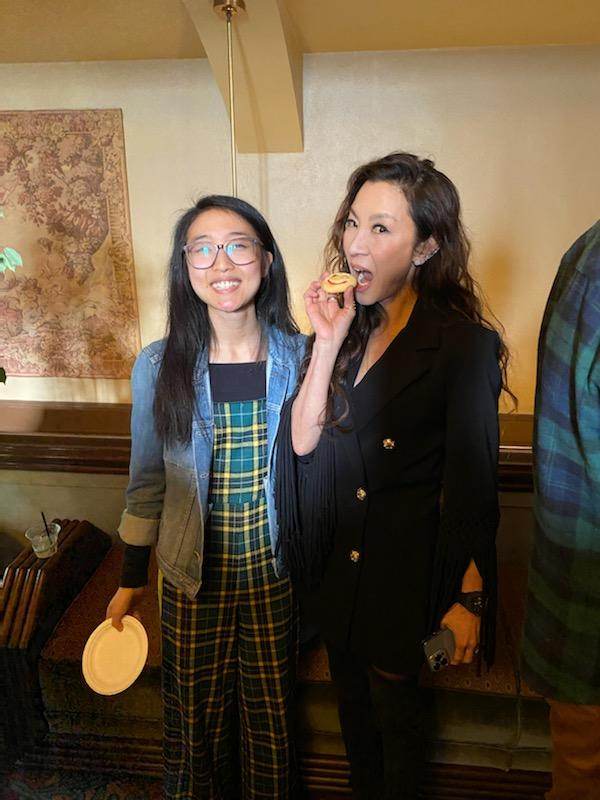
When they reached out to me, I actually didn’t have my almond cookie recipe finalized yet. I had been working on the recipe for a year at that point and felt like I just had a couple of days to nail it. So, I told the studio I would get back to them, and I cranked out test batch after test batch over the weekend.

After a couple of days, I finally had it done! And just like that, the next week, I took the recipe I had just finalized, made and packed 800+ cookies for the premier. Two nights before the premiere, I had started baking at around 7 am and continued into the night packing half of them. I thought it wasn’t that late but when I looked at the time it was 4 am! Thankfully the next day my boyfriend and two of our close friends came and helped me pack the other half of the cookies and it only took us only a few hours.

To see a cookie I made in the hands of hundreds of people, including the cast and directors of a movie that has touched so many lives was a once-in-a-lifetime event, to say the least. At the premiere, one of the directors expressed his happiness to me. He told me I had been the only baker that had made an actual almond cookie. Remembering that moment, and countless others throughout the week, I am so grateful that I got to be a part of such a special event with incredible changemakers. 

ADVICE TO BUSINESS OWNERS TOWARD SUSTAINABILITY

As small business owners, most of the time we’re just running around trying to get products out the door. Compromise happens daily because bandwidth is limited and nothing ever happens in an ideal way. 

For those that are trying to find ways to be more sustainable, take small steps toward a long-term plan of sustainability. Take note of things like the ingredients you use, where you source everything from, the amount of packaging you use, etc. and make changes where and when you can to reduce your footprint. Start small and intentionally design your business in a way where you are putting yourself on the road toward your ultimate, climate-friendly operation. 

WHAT TO EXPECT FROM ANNIE’S T CAKES 

My vision for Annie’s T Cakes is to bring these nostalgic vegan treats to people across the globe, starting first in California. I also aim to support local agricultural efforts by donating profits to organizations focused on sustainable agriculture in their communities.

In the near term, I’ll be in my kitchen, continuing to bring delicious and culturally relevant foods to our community!

Website: www.anniestcakes.com

Instagram: @anniestcakes
Related Articles

01-png

Stories

From Jackie Chan’s Assistant to Building Paire: How Nathan Yun’s Vision for Better Essentials Became a $15M a Year Brand

Nathan Yun did not start his career thinking he would one day build a consumer brand. His early years were spent on film sets and in editing rooms, learning how stories are shaped and how audiences respond to them. Working as an assistant to Jackie Chan gave him a front-row view of storytelling at its highest level. He watched how a single film could reach millions of people and create a shared emotional moment across cultures.

Yet over time, he noticed something that stayed with him. The inspiration was real, but it faded quickly. Once the credits rolled, people returned to their usual routines. That contrast made him question what lasting influence really looked like. Was it found in big, unforgettable moments, or in the small things people interacted with every day?

Paire grew out of that question, built not around trends or marketing tactics, but around everyday essentials, starting with socks. If stories could move people for a moment, Nathan believed products could shape how they lived every day.

From Film Sets to Daily Habits

Nathan came to understand that while stories stay with people selectively, habits are formed through repetition. Clothing, especially everyday essentials, plays a quiet but constant role in daily life. When something feels uncomfortable or wears out too quickly, people notice it immediately, even if they never say it out loud.

This insight marked a turning point. Nathan no longer wanted to create something people felt for a moment. He wanted to build something they could rely on every day. From the beginning, Paire was shaped around that idea.

Instead of chasing trends, the brand focused on fit, fabric, and longevity. The goal was simple: to make essentials people would reach for again without thinking.

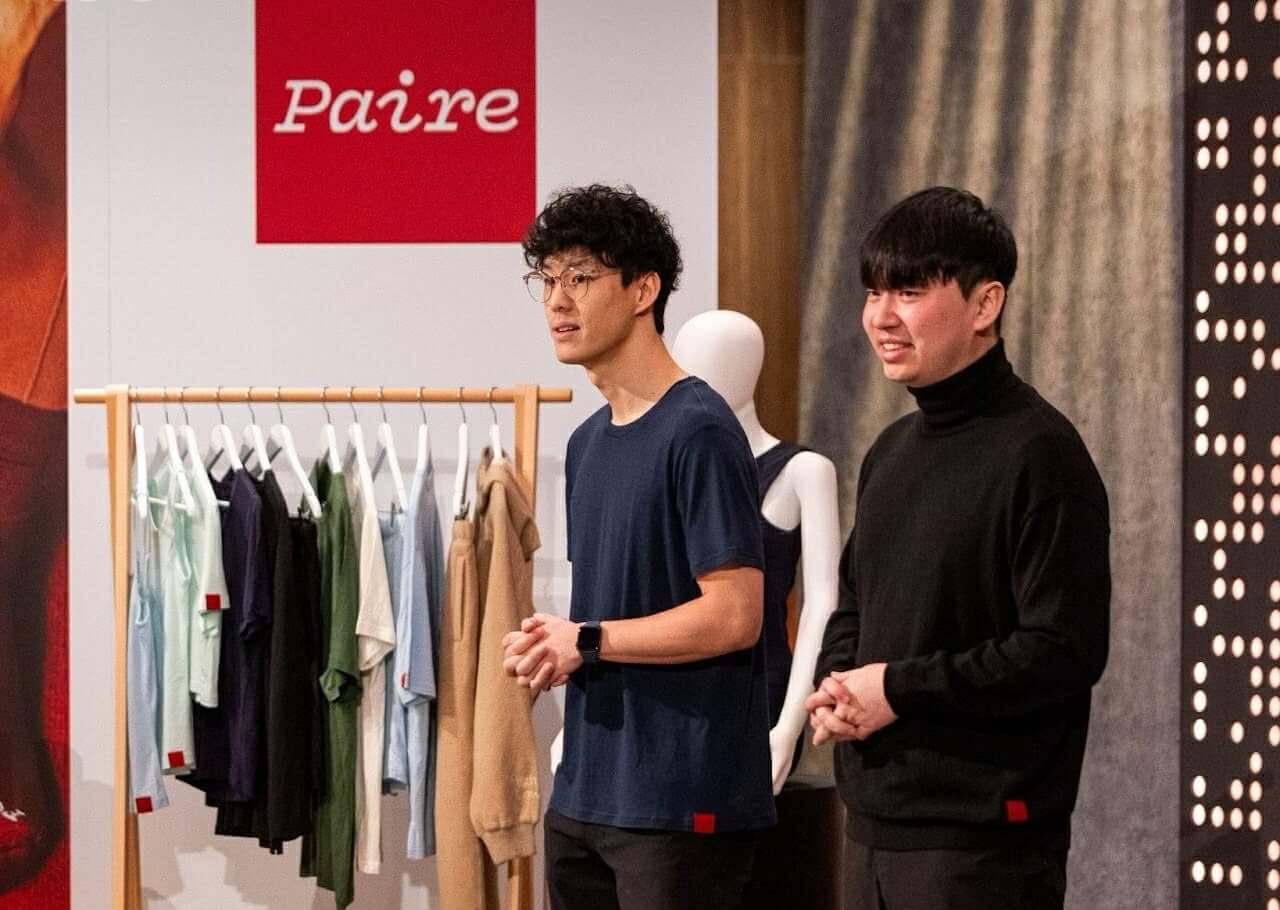
Nathan Yun (right), Founder of Paire

Learning How to Build Before Building His Own

Before launching Paire, Nathan spent five years at furniture startup Brosa, where he learned what it takes to grow a business beyond an idea. As the company expanded from a ten-person team to more than one hundred employees, his role evolved from content creation to leading brand and marketing.

During that time, he saw how forecasting affected inventory, how data guided growth, and how pressure increased as operations scaled. He also witnessed what happened when demand moved faster than systems, and how costly it could be to build those systems too late.

Those experiences shaped how Nathan approached entrepreneurship. He did not want to build Paire on instinct alone. He wanted a clear understanding of supply chains, margins, logistics, and customer behavior before committing to his own brand.

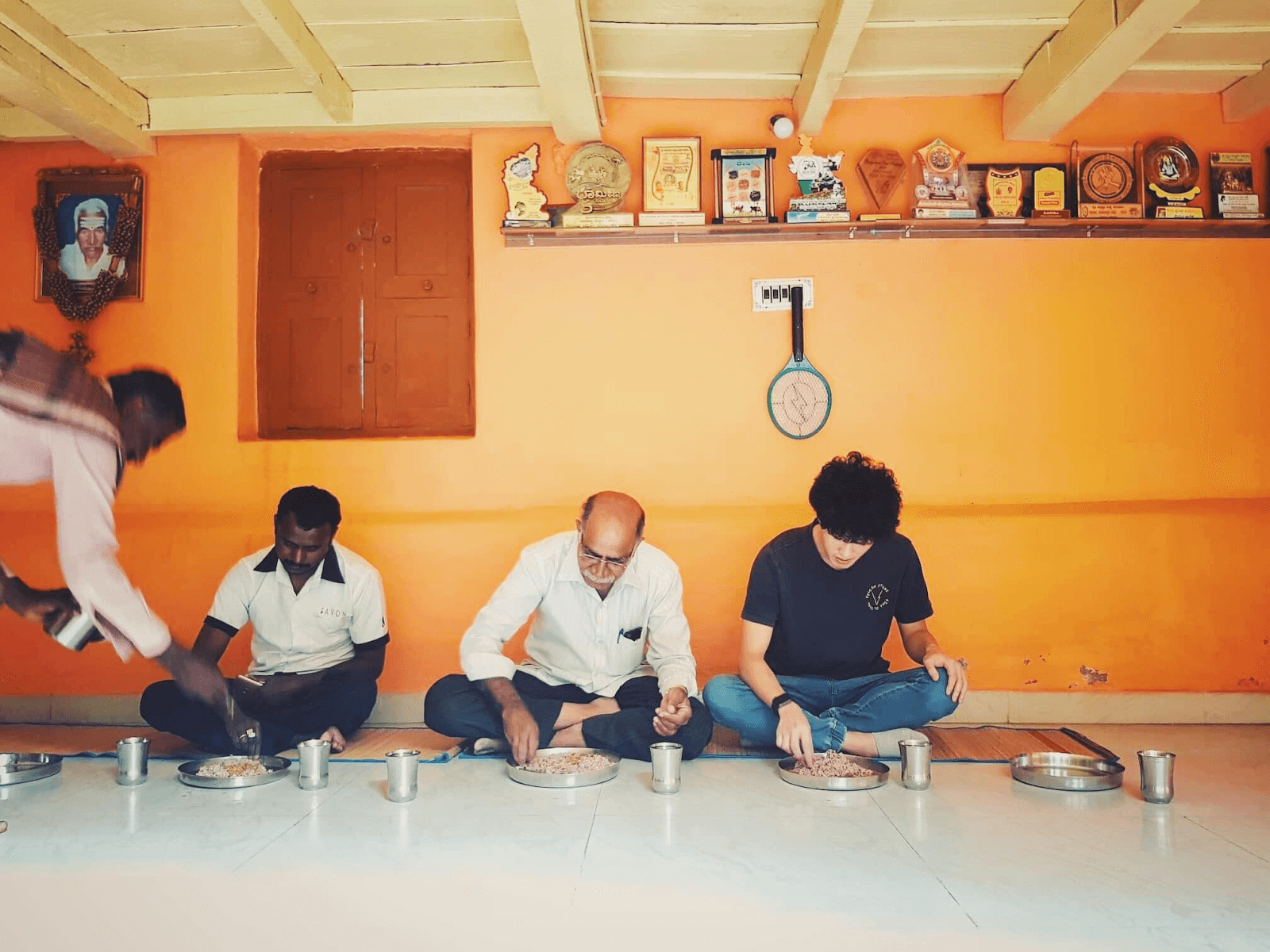
Nathan Yun (far right), Founder of Paire

The Trip That Made the Mission Personal

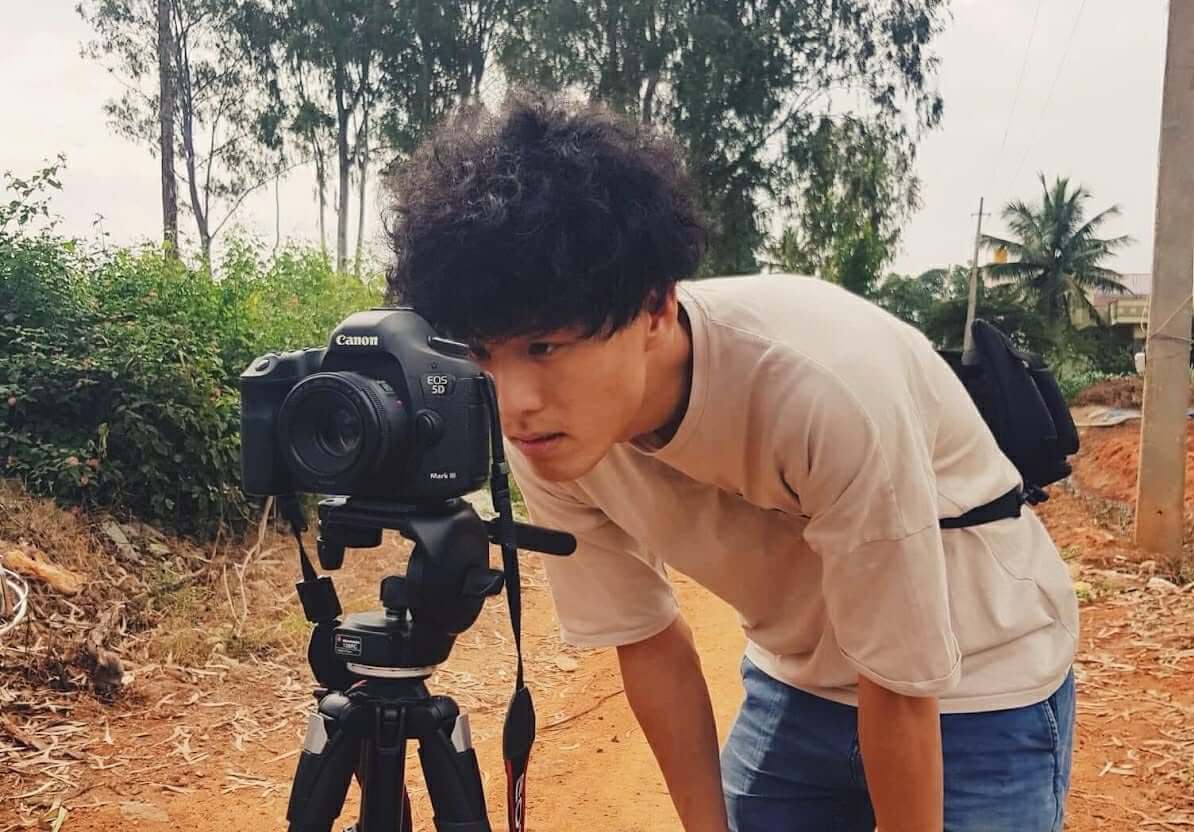
The purpose behind Paire became clear during a trip to India. Away from polished storefronts and online campaigns, Nathan saw the fashion industry in a very different light. He witnessed environmental damage near production sites and spoke with workers whose livelihoods depended on high-volume manufacturing.

“That experience made it clear something needed to change,” Nathan explains. What stayed with him most was how disconnected these realities were from everyday shopping habits.

Much of the damage he saw came from clothing treated as disposable. When he returned home, Nathan reached out to his longtime friend Rex, a textile expert. Instead of launching a wide range of products, they chose to start small. The focus was on improving a single item and making it last.

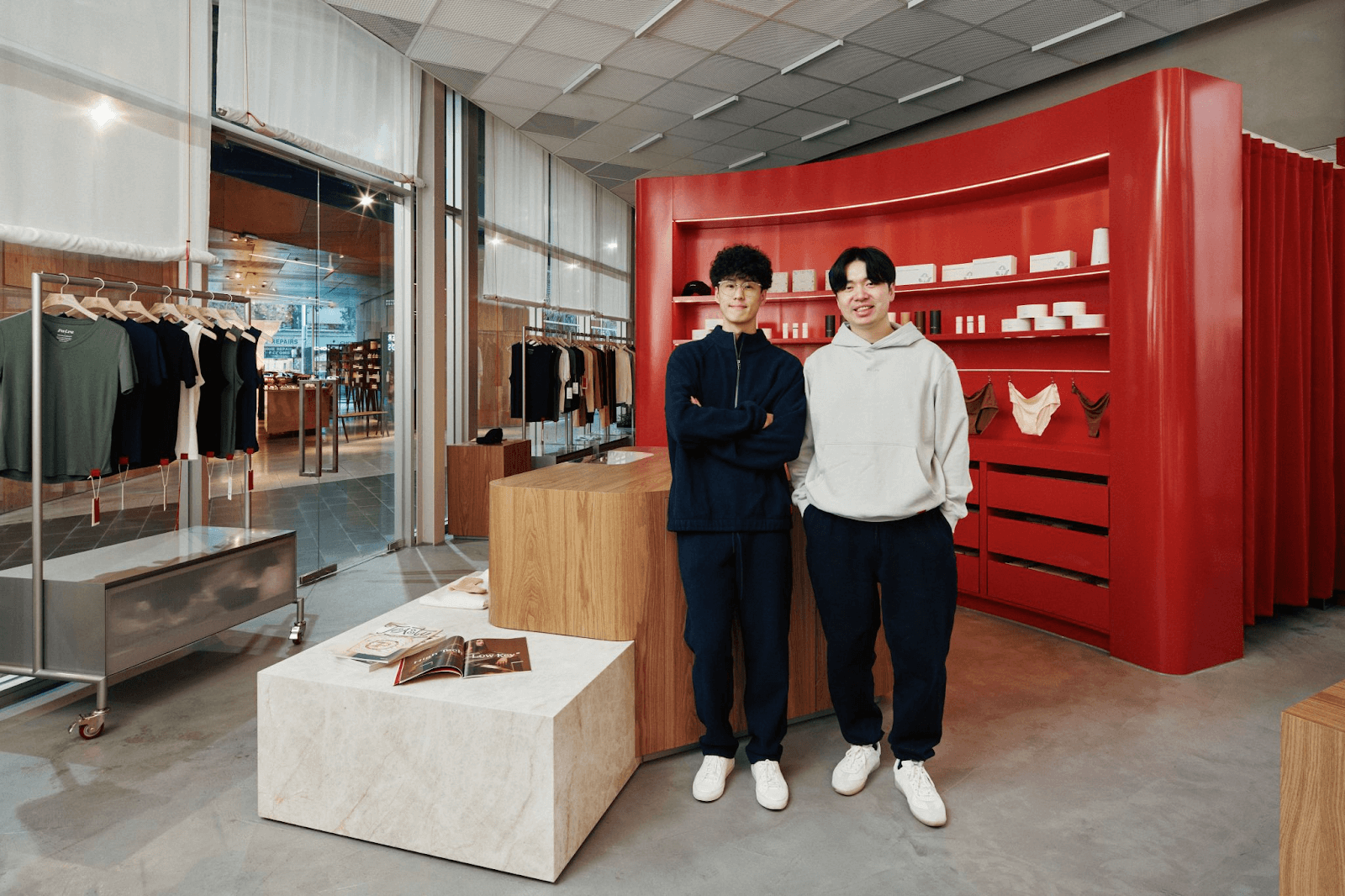
Nathan Yun (left), Founder of Paire

Earning Trust Through the Product Itself

Nathan understood that values alone would not earn loyalty. The product had to prove itself in everyday life. The team spent months refining fabric blends, improving breathability, and testing durability through repeated wear and wash cycles.

Pricing a pair of socks at twenty-four dollars came with risk. Most consumers were used to buying socks cheaply and replacing them often. But once people tried Paire, many returned. Nearly seventy percent became repeat customers, not because of marketing, but because the product became part of their routine.

By focusing on quality and longevity, Nathan Yun built a $15M-a-year brand that shows meaningful change does not always arrive loudly. Sometimes, it begins quietly, through the simplest things we rely on every day.

Follow Nathan’s journey:

📍 Website
📍 Instagram | LinkedIn

image (1)

Blogs, Development

What the Creator Economy Really Needs in 2026

The creator economy is no longer a niche corner of the internet. It is a $250 billion industry, powering modern marketing, culture, and commerce. Yet for the creators at its core, the experience often remains unstable and fragmented. Inconsistent rates, shifting platform demands, and “gifting” budgets paired with outsized expectations have left many navigating an ecosystem that hasn’t caught up to their value.

As we look toward 2026, the industry is approaching a tipping point. Growth alone is no longer enough. What creators need now are standards, systems, and support that allow them to build sustainable careers—not just viral moments.

Below are five critical shifts shaping the future of creator work, and the standards Meraki is building to support a stronger, more intentional industry.

1. Stronger Structure for a Growing Industry


Photo courtesy of Vivian Kwan (center), Founder of Meraki Group

While creator content has never been more polished, the backend of the industry remains disorganized. Uneven pay scales, scope creep mid-campaign, and unclear paths to professional growth are still common. Creators are often met with constant brief changes or “gifting” requests that require high-level deliverables without fair compensation.

The gap: There is no shared structure defining fair rates, clear deliverables, or realistic timelines across the industry. Expectations are often implied rather than stated, leaving creators to absorb last-minute changes, unpaid revisions, and expanded usage. Over time, this places most of the financial and emotional risk on creators instead of being shared evenly with brand partners.

The Meraki solution: Meraki builds every partnership on clarity. Terms and rates are established upfront, expectations are clearly defined, and communication stays transparent throughout the process. By setting strong boundaries early, creators are protected from underpayment, and brands begin each project with a shared roadmap for success.


2. Education That Powers Careers, Not Just Content


Image Source: Pexels

The biggest challenges creators face are rarely creative. They are structural. Pricing work correctly, understanding usage rights, and identifying harmful contract clauses remain major pain points—even for experienced creators.

Too often, creators are expected to learn these lessons the hard way.

The gap: Most creators enter the industry without access to professional guidance that supports long-term career growth. Knowledge around contracts, licensing, and negotiation is often gatekept or learned through costly mistakes. As a result, many creators stay stuck in short-term cycles instead of building sustainable paths forward.

The Meraki solution: Meraki focuses on training ethical, creator-first managers who act as true career partners. Through negotiation support and education around contract red flags, creators are equipped to think beyond the next deal and toward sustainable, multi-year growth.


3. Standards in Negotiation and Contracts


Image Source: Pexels

A significant number of creators still undercharge for their work, and 26% report needing help navigating contracts. Without standardized deal benchmarks, creators are often left guessing their worth—leading to pay gaps, rights misuse, and legal risk.

The gap: Negotiation norms vary widely, with no clear benchmarks for fair compensation or usage terms. Many contracts are written in dense legal language that creators are expected to sign without full understanding. This imbalance leaves creators vulnerable to losing control of their work and long-term earning potential.

The Meraki solution: Meraki empowers creators with defined negotiation standards and the confidence to secure fair, market-value deals. By demystifying contracts and usage terms, creators can focus on their craft knowing their income and intellectual property are protected.


4. Work Models That Protect Wellbeing


Image Source: Pexels

Burnout has become one of the industry’s most pressing issues, affecting more than half of full-time creators. The always-on model—driven by algorithm shifts and last-minute deadlines—is no longer sustainable.

Creativity cannot thrive under constant urgency.

The gap: Many campaigns are built around speed and volume rather than realistic creative timelines. Creators are expected to be constantly available, adapt instantly, and produce under pressure without recovery time. Over time, this erodes both creative quality and mental health.

The Meraki solution: Meraki advocates for structured planning and sustainable workflows. Campaign timelines are built to protect both creative quality and mental health, proving that high-level output does not require constant exhaustion.


5. Representation Rooted in Voice, Not Trends


Image Source: Pexels

Creators are increasingly resistant to being reduced to labels or treated as trend-driven checkboxes. True representation starts with understanding a creator’s voice—not forcing them into a predefined brand narrative.

The gap: Many partnerships remain transactional, prioritizing short-term relevance over genuine alignment. Creators are often selected to fill a category rather than for their perspective or long-term vision. This leads to inauthentic work that disconnects creators from their communities.

The Meraki solution: Meraki begins every partnership by listening. By understanding each creator’s goals and vision, Meraki aligns them with brands that share their values—fostering long-term relationships that feel authentic to both the creator and their community.


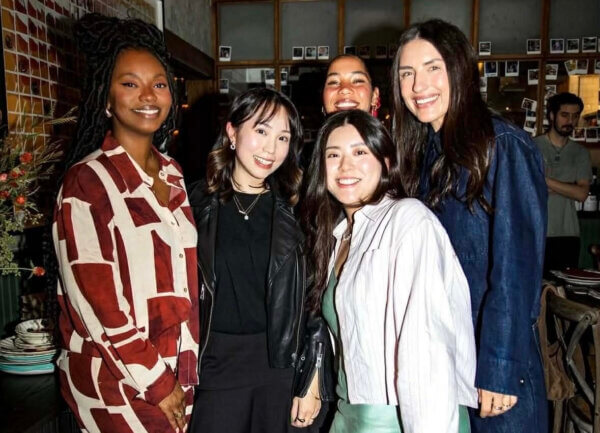
Photo courtesy of Vivian Kwan (second from left), Founder of Meraki Group


The Next Era: Purpose Over Pressure

As we look toward 2026, the transition from a “Wild West” to a professionalized industry requires more than just better tools—it requires a fundamental shift in how we value the humans behind the content. 

Meraki sits at the center of this new era, bridging creative passion with real professional growth. By pushing for fair standards, ethical representation, and sustainable careers, Meraki does more than manage creators; they help protect the future of creative work.wi

Learn more about Meraki Group:

📍Website

📍Instagram 

Joeydolls-Launch-Dolls-71-500px-jpg

Stories

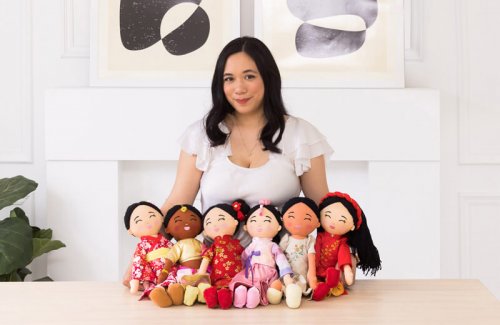
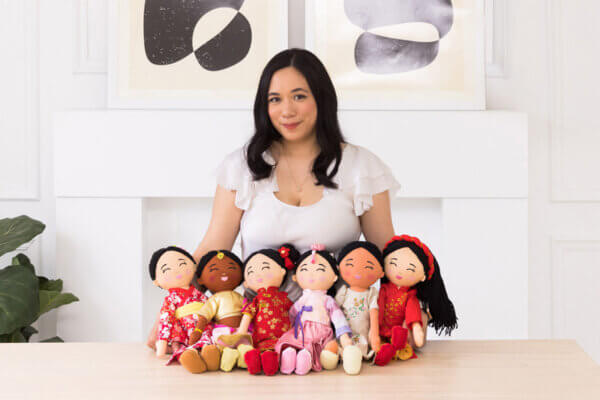
Joeydolls by Samantha Ong: A Story of a Daughter’s Search and a Mother’s Mission

Where Identity Begins

Growing up in Australia as part of a small minority shaped Samantha’s early understanding of identity. It taught her what it feels like to search for belonging, to look for pieces of yourself in the world and not always find them. Those early lessons sat quietly in the background as she moved into adulthood.

Her career began in finance, a path she chose for its stability and predictability. But creativity eventually led her in a different direction. She built a thriving wedding photography studio—one that grew from passion, long nights, and the joy of capturing love stories. It was a life she couldn’t have imagined at the start.

Then the pandemic arrived. Overnight, hundreds of thousands of bookings vanished. The business she had spent years building collapsed in an instant. And in that same period of loss, another reality weighed heavily on her: the rise in anti-Asian hate. As a mother, the headlines and the stories hit differently. Samantha began thinking deeply about the world she wanted for her daughters—what they would grow up seeing, feeling, and believing about themselves.

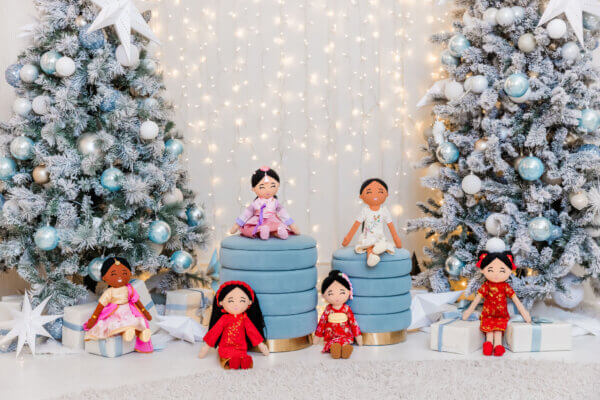
That led her on a simple search: dolls that reflected her daughters’ culture. But what she found were options that were limited, stereotypical, and often too expensive. It was a moment that crystallized something important. Realizing how quickly children learn about who they are, the idea for Joeydolls began to take shape—quietly, but powerfully.

Turning an Idea Into a Brand

An idea, however, is only the beginning. Turning it into a real toy brand meant stepping into a world Samantha knew nothing about. She had to learn everything from manufacturing to product design to e-commerce—starting from zero. There was no roadmap, just persistence and a mission that felt too important to abandon.

The timing made it even harder. Pandemic rules slowed communication. Shipping delays stretched out timelines from weeks to months. With very little funding, every decision mattered. Every misstep cost time she couldn’t afford to lose.

Then tariffs on goods from China jumped to 145%, and suddenly even the future of the business came into question. There were moments when it all seemed impossible—too expensive, too complex, too overwhelming for one person to navigate.

But Samantha kept going. She kept refining the vision, pushing through setbacks, and holding onto the mission that started it all. And she didn’t do it alone. Throughout the long nights and the uncertainty, she was supported by a husband working multiple jobs so she could stay focused on building the brand their daughters—and so many other children—deserved.

A Brand With a Bigger Purpose

Today, Joeydolls has sold over 15,000 dolls and earned major recognition. But those numbers only tell part of the story. At its heart, the brand is Samantha’s answer to a question that began during one of the hardest moments of her life: How do we help children grow up seeing their cultures celebrated, not erased?

Joeydolls stands as that answer—a way for children to see their cultures reflected with pride, dignity, and everyday joy. What started as a search for her own daughters became a mission to help thousands of children feel seen, valued, and connected to where they come from.

A single doll can seem small. But for many families, it’s a beginning. And for Samantha, it’s proof that representation—when created with care—can grow into something far bigger than one person’s story.

Learn more about her story here: https://www.joeydolls.com/

Rosemead_Key-Still

Stories

Lucy Liu Stars in “Rosemead,” a True Story of Immigrant Mothers Facing Fear and Mental Health Challenges

Lucy Liu is once again bringing us a powerful performance with Rosemead, a film that has been picked up by Vertical for a December theatrical release. The story follows a mother who begins to see troubling changes in her teenage son, opening the door to a deeper look at fear, love, and mental health.

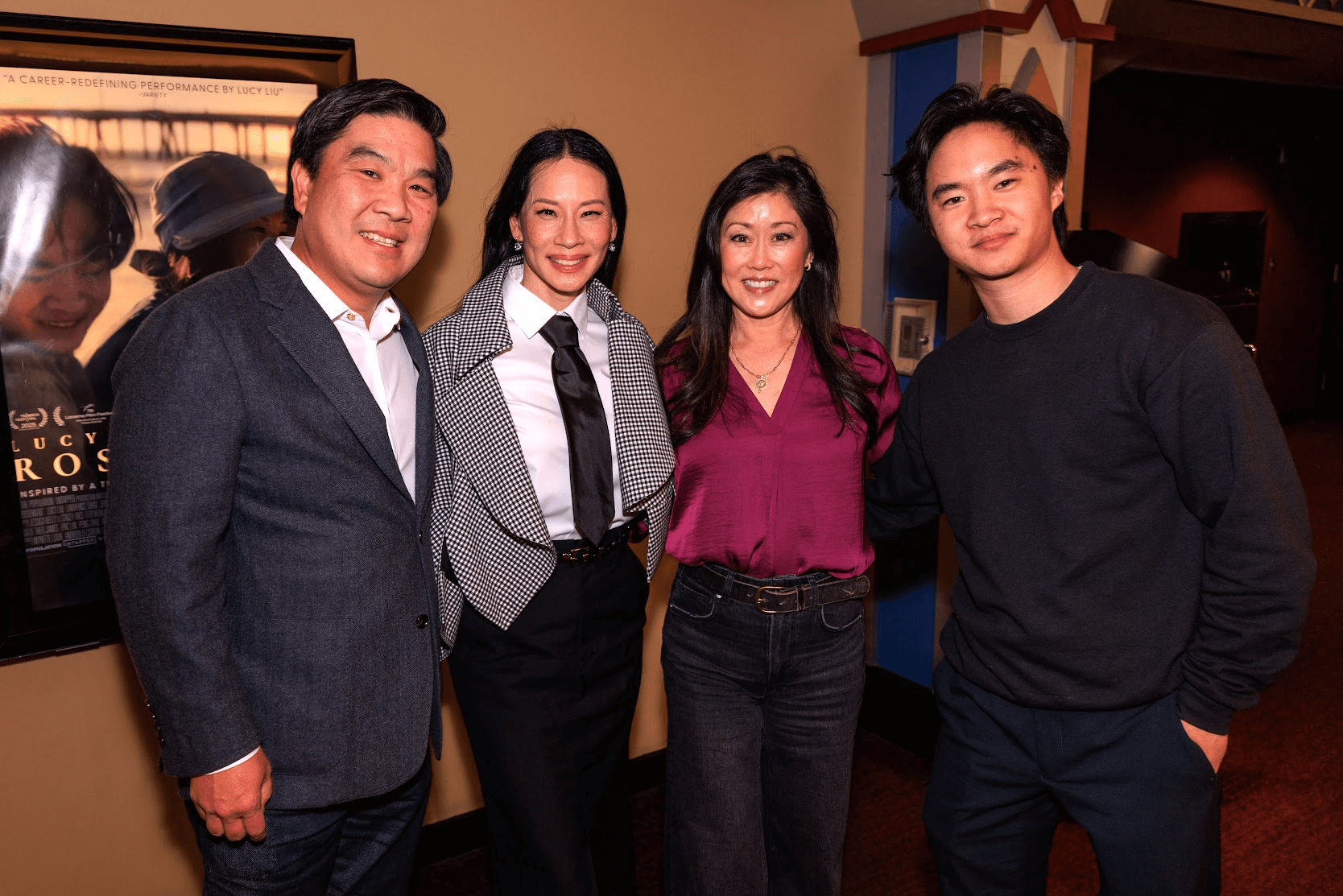
Recently, the film gathered strong early interest after drawing a full audience at a special screening held at the Metreon in San Francisco. Hosted by Dave Lu, the event sparked conversations about topics often avoided in public spaces, especially within immigrant communities. 

With its growing list of festival honors, positive reviews, and a narrative inspired by real events, Rosemead is already being recognized as one of Liu’s most powerful and personal performances to date.

                                                                          Image Source: BBC

A Story Built on Fear and Family Pressure

At the heart of Rosemead is a mother who becomes concerned as her son’s behavior shifts in unsettling ways. What begins as quiet anxiety slowly grows into a frightening urgency as she realizes the situation may be more dangerous than she imagined.

As her fear rises, she faces the painful question of how far a parent can go to protect the child they love. The tension builds with each scene, making her inner struggle feel both real and universal.

The story takes place within a Chinese American household where cultural expectations and unspoken worries create additional layers of pressure. Lucy Liu captures these emotions with precision, while newcomer Lawrence Shou brings a raw, unpredictable intensity that deepens the film’s emotional impact.

                                                        Image Source: The Traveler’s Take

Building Momentum Through Festival Wins

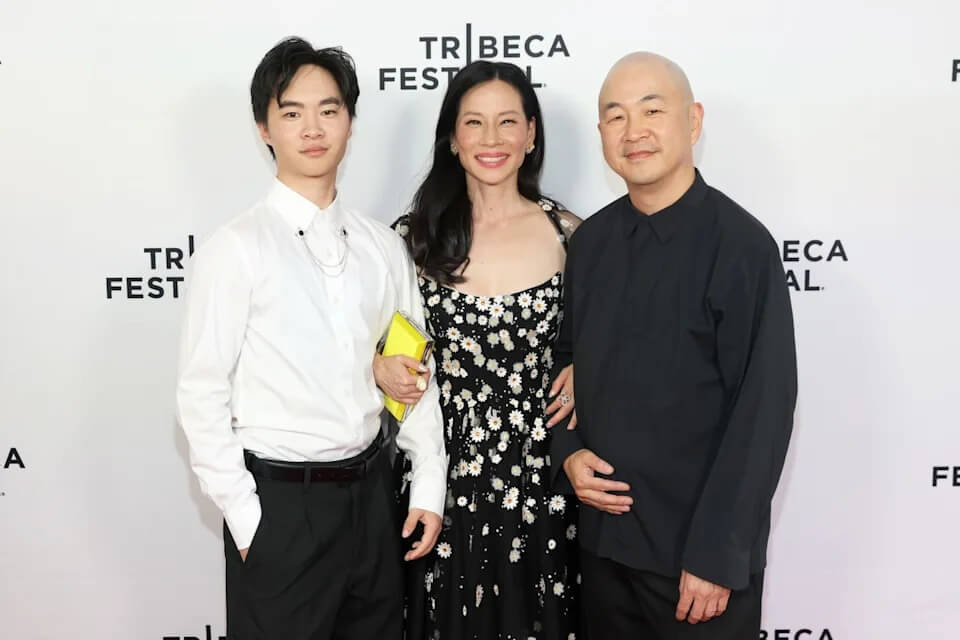
Before reaching theaters, Rosemead had already made a strong impression on the festival circuit. Its premiere at Tribeca drew praise for its gripping approach to storytelling and its standout performances.

The film’s momentum continued as it won Best Narrative Feature at the Bentonville Film Festival, adding to its early recognition. It gained even more attention after earning the Prix du Public UBS audience award at the Locarno Film Festival.

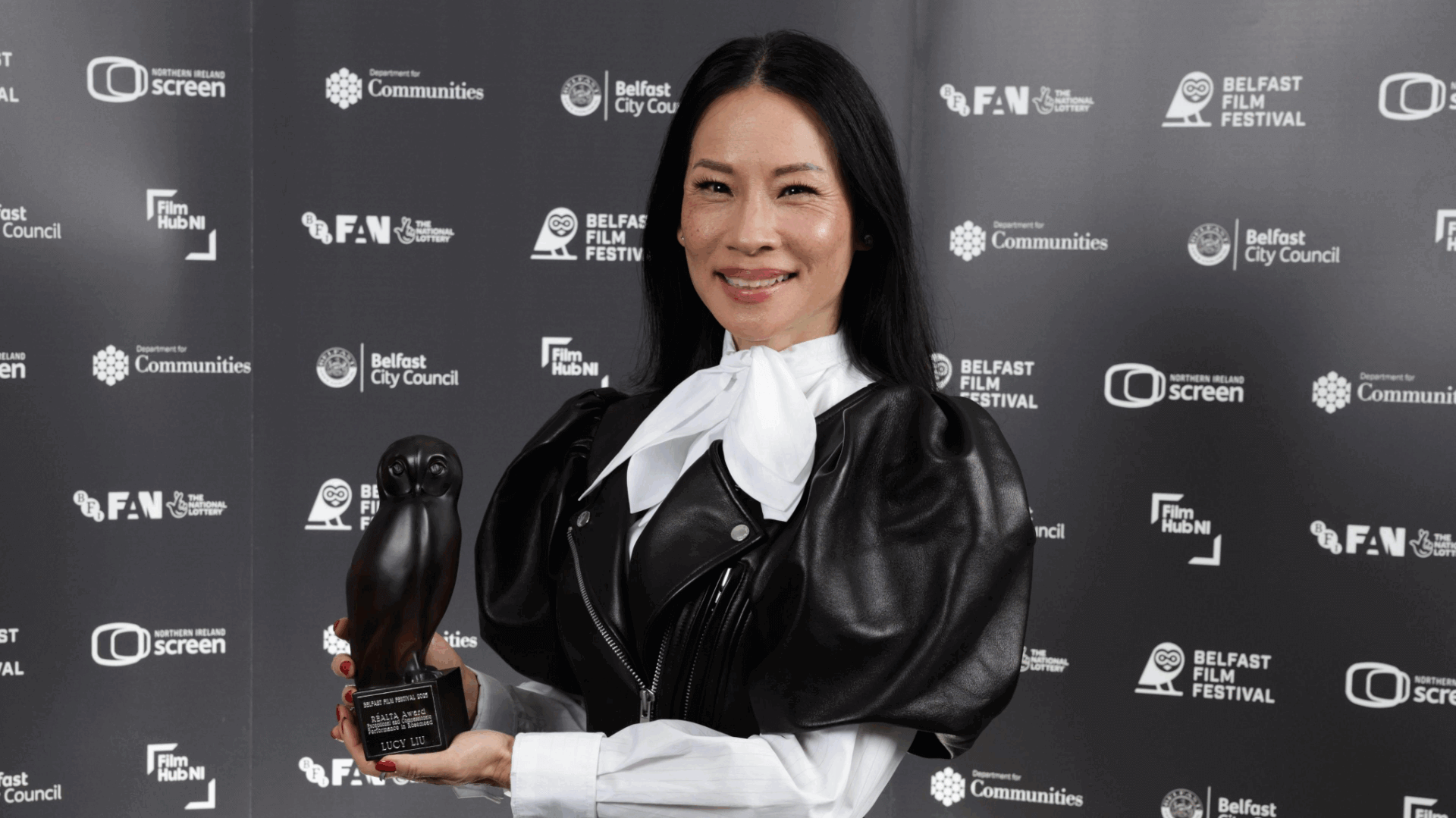
During its time at Locarno, Lucy Liu also received a Career Achievement Award that highlighted her long-standing influence in the industry. Vertical’s Peter Jarowey praised her work for its emotional depth, while also recognizing director Eric Lin’s bold and confident vision in his feature debut.

                                                                     Image Source: Yahoo

A Strong Screening at the San Francisco Metreon

The event at the Metreon brought together creators, film lovers, and local community members for an open discussion about the upcoming release. The gathering served as a space for people to share expectations, explore the film’s themes, and talk about the real-life issues it aims to portray.

The audience noted how the film reflects real family struggles, especially those found in immigrant households. Its grounded approach to fear and uncertainty sparked discussions about mental health and cultural expectations.

After the screening, conversations centered on Liu’s controlled yet deeply affecting performance. Lawrence Shou also drew attention for his breakout role, adding to the anticipation for the film’s one-week run in selected theaters this December.

Experience the film in theaters and see why it’s already drawing strong early interest. Rosemead is set to premiere in select theaters on December 5, 2025 in New York City; December 12, 2025 in Los Angeles, and more cities to follow on January 9, 2026.

                                                               Image Source: Nikolas Liepens