Stories

November 21, 2023

SHARE:

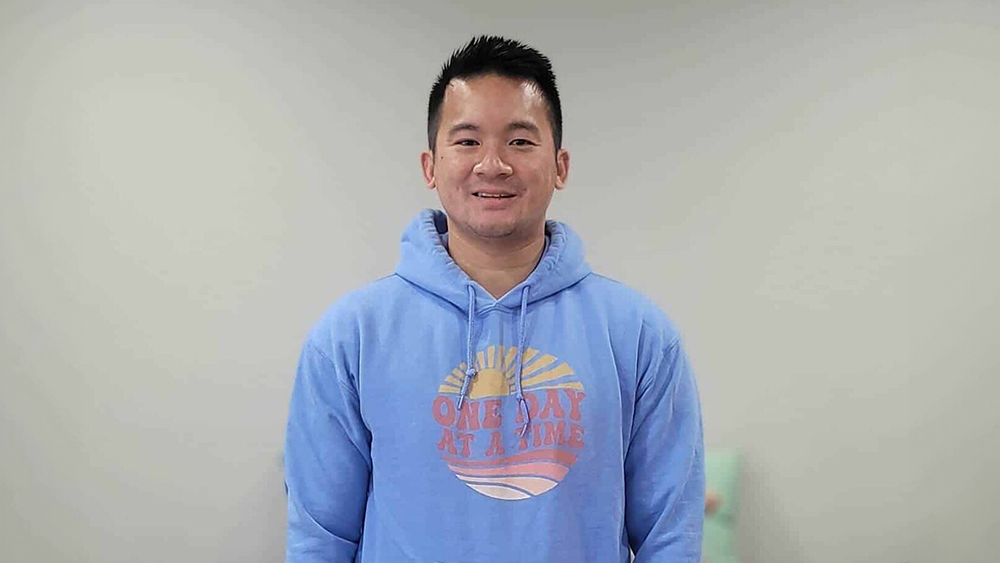
Having experienced homelessness himself, Alex Nguyen knows firsthand how challenging it can be to not have even the basic essentials.

Growing up as a first-generation Vietnamese child, raised by a single mother who had him at a young age, Alex faced many challenges that most of us can’t even imagine. But instead of letting his difficult past define him, he decided to take action. This is what inspired him to start Project Peace Clothing.

Alex admits that he has dealt with some trauma and mental health issues growing up, and for this he decided to undergo a three-and-a-half-year therapy. Now, Alex is a mental health nurse, slowly working towards his psychiatric mental health nurse practitioner degree. He’s passionate about helping people who struggle with mental health issues, especially those in the addiction population and the homeless community.

Through his clothing line, Alex is not only advocating for mental wellness and women’s empowerment, but he’s also helping the homeless community. For every purchase from Project Peace Clothing, Alex gives another homeless person not just the basic survival needs like food and water, but also a piece of clothing to help keep them warm on cold nights.

Alex’s past has made him more compassionate and empathetic towards homeless people, and he’s using his experiences to make a positive impact on the world. He believes that intentional acts of kindness, even if unnoticed, can cause a ripple effect that touches the lives of many.

Join us as we take a closer look at the inspiring story of Alex Nguyen and his mission to spread peace, love, and kindness through Project Peace Clothing.

MOVING FROM PLACES TO PLACES

Alex’s mother was only 17 years old when she became pregnant with him by his father, who fled the country when Alex was just one year old. Growing up was challenging for both Alex and his mother, as they never had a stable place to live. They frequently moved from place to place because the rent was difficult to pay, and there were times they slept in their car or rented a motel day by day. While his mother was at work, Alex was often left with other relatives, and she eventually dropped out of college to support him.

During his college years, Alex continued to face challenges. He lived in a garage at a friend’s house for several years and worked two jobs while studying. He even had to carpool with two friends because he didn’t have a car, and he didn’t have any support besides himself. Despite all of this, he persevered and graduated in 2017, hoping that his life would finally turn for the better.

A SENSE OF FULFILLMENT AND HAPPINESS

Growing up in an unstable household without a parental figure to guide him, Alex learned everything on his own and developed a survival mentality. He made friends and reached out to distant relatives for support, and started working at a young age to make ends meet. For a long time, he believed that money was the solution to all his problems.

After graduating and becoming a nurse in 2018, Alex began working over 60 hours a week. It was also around this time that he  realized he was suffering from mental illness. He had been independent for so long that he didn’t realize the toll it had taken on his mental health.

By 2021, Alex was working three jobs and neglecting his physical and mental health. One day, while at work, he permanently damaged his lower back when he tried to catch a falling patient. 

He was forced to leave two of his three jobs and had time to reflect on his life. It was during this period that he realized that caring for others, particularly those suffering from mental illness, gave him a sense of fulfillment and happiness. He realized that money did not bring him happiness.

Alex started transitioning to become a mental health nurse and is now pursuing a degree as a Psychiatric Mental Health NP. He finds peace and happiness in helping those in need and believes that this is his true calling in life.

PROJECT PEACE CLOTHING

Alex’s own experiences with homelessness growing up inspired him to start Project Peace Clothing. He remembers the freezing nights sleeping in his car and can empathize with those who are currently experiencing homelessness. He believes that his ability to put himself in other people’s shoes and feel their suffering comes from having experienced similar hardships himself. Alex cares deeply for those without housing and acknowledges that many people struggle to empathize with the homeless due to stereotypes and misconceptions.

While working as a nurse, Alex would create care packages for those without housing, which he would distribute during the day or at night. He would buy supplies from Costco and Walmart, put them together in bags, and leave a few in his car to hand out when he saw someone in need. However, he wanted to do more than just provide care packages. He wanted to provide clothes and warmth to those who need them, particularly at night when the temperatures drop.

This desire to make a bigger impact led Alex to start Project Peace Clothing. Through this initiative, he hopes to provide warmth and comfort to the homeless community by distributing blankets, jackets, hats, and other clothing items. Alex’s firsthand experience with homelessness has taught him the importance of basic necessities such as warm clothing, and he is passionate about helping those in need.

The Empower Women collection was inspired by Alex’s girlfriend of 10 years. “I wouldn’t be here today without her,” he said. This collection aims to promote positive messages that make women feel good and valued.”

THAT WAS PEACE

Project Peace Clothing has had a significant impact on the community so far, despite its small scale. As a nurse and student, Alex dedicates his time to helping people both at work and outside of work.

Alex also shares a heartwarming story about a recent encounter he had while ordering one of his favorite desserts called che, a Vietnamese dessert:

“I saw a young homeless Asian pacing back and forth in front of the shop. He reminded me of myself, and something deep inside me wanted to talk to him. I asked him, “Hey, are you hungry? Do you want anything?” He responded that he wished to have the Che 3 Mau, but here at the Hien Khanh, there are a few options, so I got all of the possibilities with some extra savory food for him to share with others.

As I gave him the food, I remember he told me, “How’s your day?” I responded, “It’s good, thank you.” I walked back to my girlfriend, and when I was about to reverse, I saw him in my mirror, looking up into the sky after sipping the dessert drink. To me, that was peace.”

ADVICE ON MAKING A POSITIVE IMPACT IN THE COMMUNITY

When asked for advice on how to make a positive impact on one’s community, Alex recommends following one’s passion and seeking to understand the specific community or population one wishes to help. This may involve volunteering and actively engaging with members of the community. Alex stresses the importance of being open-minded and actively listening, with the intention to both attend and talk. He believes that this approach can be life-changing and can make a meaningful difference in the lives of others.

CONNECT WITH ALEX

Website: projectpeaceclothing.com

Instagram: @projectpeaceclothing

Facebook: Project Peace Clothing
Tiktok: @projectpeaceclothing
Related Articles

OLYMPUS DIGITAL CAMERA

Stories

How Anise Health Addresses the Unique Mental Health Needs of the Asian Community

Anise Health is on a mission to improve mental healthcare for Asian Americans.

Recognizing the lack of health equity in the existing mental healthcare system, especially for people of color, Anise Health aims to create a positive change by offering culturally-responsive care.

Anise Health wants to make mental health care accessible and affordable for everyone. They work with different health plans and offer affordable plans for those who pay themselves. They have big plans to reach more people of color and support them in their mental health journey. 

Anise Health believes that everyone deserves the care and support they need to live a happier and healthier life. Read through the inspiring insights from Anise Health in an interview with Asian Hustle Network.

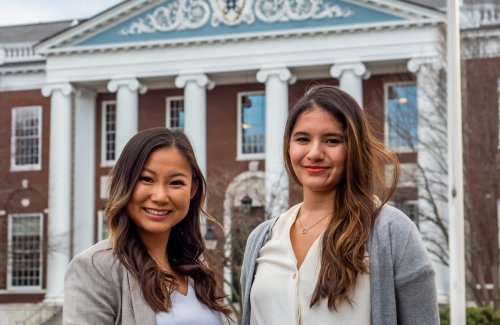
Alice and Nisha, founders of Anise Health

ADDRESSING THE UNIQUE MENTAL HEALTH NEEDS OF THE ASIAN COMMUNITY

Anise Health is building the gold standard of mental healthcare for Asian Americans because there is an urgent need to advance health equity.

People of color are extremely underserved by the existing mental health care system, with 50% dropping out of therapy after just the first session. Specifically, 41% of Asian Americans experience current symptoms of depression and anxiety, yet only 30% report feeling supported today. The sharp increase in anti-Asian hate crimes compounded with the model minority myth means that the Asian community often suffers in silence, leading to devastating consequences such as Asian young adults being the only ethnic group with suicide as the leading cause of death.

Anise is on a mission to change these trends by creating a culturally-responsive digital mental health platform built by and for the Asian community. We’re humbled by the incredible results our clients achieve on our platform, including:

  • 97% completion rate of the first 4 weekly sessions, which far exceeds the industry benchmark of outsized dropouts after the first session
  • 95% of our clients report feeling heard or understood by their provider, demonstrating a strong therapeutic alliance between providers and clients
  • Net promoter score of 84 (46 points above the industry average), indicating unparalleled satisfaction with our provider curation and training

SPECIFIC CHALLENGES THAT INDIVIDUALS FACE WHEN SEEKING MENTAL HEALTH SUPPORT

Asian Americans experience unique stressors such as collectivistic family dynamics, bicultural tension living as a minority in a majority culture, pressure to achieve and perfectionism from reinforced narratives of self-sacrifice, intergenerational trauma from unhealed historical wounds, excessive shame and guilt leading to internalized self-criticism, rigid gender norms and relationship expectations, to name a few. 

Our clinical advisory board comprises pioneering experts in the field who are leading evidence-based research to address these stressors and empower the well-being of the Asian community. We infuse their expertise into our care models and translate this information into digestible educational formats which are curated in our digital resource library.

DESTIGMATIZING MENTAL HEALTH

Anise normalizes mental health by delivering psychoeducational webinars and interactive workshops tailored to Asian Americans. Our clinicians lead these group services across a diverse range of topics for a variety of enterprise partners and schools, including Netflix, LinkedIn, Microsoft, and many more. We also host free community engagement programming with a large network of over two dozen nonprofit partners, as well as speaking at multicultural conferences and celebratory events.

For individuals seeking 1-on-1 services, Anise has developed care models that are clinically validated and culturally tailored, which research shows to be ~5x more effective than one-size-fits-all offerings. We are the only platform providing a holistic suite of services that integrate individual teletherapy, behavioral coaching, peer support groups, alternative medicine, and a curated library of self-service digital resources. Furthermore, our approach enables the accurate assessment of cultural stressors and personalization of care using machine learning technology. Anise’s proprietary clinical care model incorporates cultural adaptation along every step of the client’s journey from intake to blended treatment plans.

THE CULTURALLY-RESPONSIVE CARE MODEL

At Anise, culturally-responsive care means seeing a client as more than just a set of symptoms and diagnoses. Clients are seen as unique individuals whose racial and cultural contexts shape how they experience the world and how their needs are not being met.

Our providers are recruited for their deep expertise in culturally-responsive care and extensive experience supporting Asian clients. Once hired, providers are trained in our proprietary curriculum to explore clients’ intersecting identities and empowered in monthly consultation sessions, which offer providers their own space for connection and continued learning. In fact, our providers are diverse and maintain a wide range of ethnic backgrounds, sexual orientations, language capabilities, and therapy approaches.

Therapists and coaches work together as a dedicated team for clients, where the therapist helps the client navigate through psychological history and set concrete therapy goals, while the coach works with the client to achieve these goals. This empowers Asian clients to achieve lasting outcomes.

TESTIMONIALS

  • Anise Client – “Therapy had not worked for me before, but after meeting my Anise clinician I have regained confidence in the process and am excited to continue working with my therapist.”
  • Anise Clinician – “I found Anise’s clinical model to be such a culturally effective way to provide mental health services for clients and clinicians. Especially the way it incorporated coaching with therapy.”
  • Enterprise Partner – “I had never thought about burnout through the lens of cultural identity and how that may impact me. This session helped me understand deeper elements of what I was dealing with.”

ACCESSIBILITY AND AFFORDABILITY

Anise is in-network with Managed Health Network and Optum, and is in the process of contracting with several large health plans, in addition to accepting HSA and FSA benefits. For self-pay clients, Anise is affordable with subscription plans averaging $200 per month, nearly 1/4 the cost of average private practice rates in New York and California. For clients who want to supplement their holistic health, Anise offers clinician-led peer support circles along a variety of diverse themes at only $25 per week.

LOOKING IN THE FUTURE

We have ambitious growth plans to support the Asian community and people of color more broadly, which include expanding to more states, partnering with universities to support students, and offering our services as covered employee benefits for businesses. We are open to feedback and love piloting solutions with our community. Contact Anise Health’s Head of Growth, Angel Wang, for ideas at angel@anisehealth.co

CONNECT WITH ANISE HEALTH

Website: anisehealth.co

Instagram: @anisehealth

Linkedin: Anise Health

TikTok: @anisehealth

Facebook: Anise Health

the honeycombers-png

News

Samia Khan is Championing Modern South Asian Fashion Through Melange

Melange is a multi-label South Asian fashion platform that shares fashionable items from South Asia.

Samia Khan, who lives in Singapore but comes from Mumbai, started Melange in 2015. She wanted to bring attention to modern Indian designs for clothes, jewelry, and other accessories. She loves fashion that’s versatile, meaning you can wear it in different situations. She doesn’t think it’s just for Indian people – anyone can enjoy it.

During a virtual chat with The Peak, she talked about a special event she went to in Mumbai, India. It displayed how famous fashion companies like Yves Saint Laurent, Chanel, and Dior have used Indian fabrics for a long time. Samia was really impressed by this exhibition, and is excited about the growing interest in Indian fashion.

Because of the pandemic, Samia had to move Melange’s business online. This turned out to be good because more people from different countries like the US, UK, and Australia can now enjoy Indian fashion through her website.

Samia wants to keep sharing South Asian fashion and hopes to have a permanent showroom someday. “I want South Asian fashion to be accessible to many more people. I hope to be able to contribute to my heritage in this way,” Samia shares with The Peak.

Featured Image Source: The Honeycombers

ezgif.com-webp-to-jpg-jpg

News

Ghazal Alagh Wanted Safe Products for Her Baby and Built a Billion Dollar Business During Pregnancy

Ghazal Alagh is the co-founder of MamaEarth, a company worth $1.2 billion. She’s not a graduate from fancy colleges like IIT or IIM, but her story is remarkable and full of inspiration.

Ghazal’s journey began in Gurgaon, Haryana, where she grew up in a middle-class family. After finishing her studies in computer application from Punjab University in 2010, she explored her creative side by learning about design and art at the New York Academy of Art. These experiences laid the foundation for her entrepreneurial path.

In 2016, Ghazal and her husband, Varun Alagh, started MamaEarth because they wanted safe and natural products for their soon-to-arrive baby. They cared deeply about the environment, so they made sure their products were organic and packed in materials that could be recycled.

Like many business ventures, their journey wasn’t easy, but eventually, MamaEarth became Asia’s first brand to earn the MadeSafe label, showing that their products were free from harmful stuff. They started selling online but soon expanded to physical stores. They have their own place to create and test products, which helped them achieve big success.

Now, MamaEarth isn’t just about baby stuff; they offer all kinds of personal care items. Over 5 million people use their products in 500 cities. Last year, they made a profit of Rs 14 crores and became a unicorn, now worth $1.2 billion.

Featured Image Source: Fortune India

india today-jpg

News

Diganta Das’ Journey from being a Daily Wage Worker to Paratha Business Owner

Diganta Das’ journey to becoming a successful food entrepreneur in Assam from a humble beginning as a daily wage worker despite facing numerous hardships is a testament to the power of determination and perseverance.

Originally from Gohpur town in Assam, Diganta had different jobs to support his family. He worked as a cook, security guard, and even in a coal mine. But he didn’t give up on his dreams.

One of Diganta’s friends started a paratha business in Andhra Pradesh, and Diganta joined him to handle the marketing. Through hard work and dedication, he not only succeeded in the marketing venture but also helped expand the business.

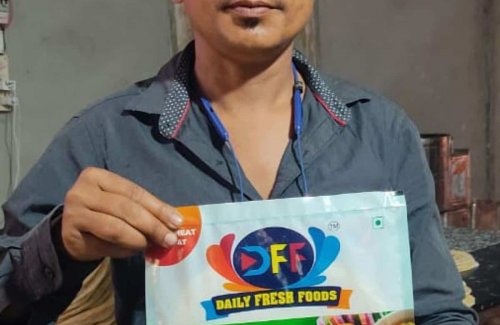
Eventually, with his love for travel and cooking, he was able to start his own paratha business. He created DFF (Daily Fresh Food), offering tasty parathas that people can enjoy on the go. Today, DFF is well-known for its delicious ready-to-eat parathas.

It was not an easy journey for Diganta. He faced financial struggles and at one point, even got partially paralyzed in an accident. But he didn’t lose hope and he kept going.

Diganta’s journey shows that with enough determination and courage, anyone can overcome challenges and achieve their dreams.

Featured Image Source: India Today