Stories

November 8, 2023

SHARE:

Postpartum care is a critical period for new mothers, yet it is often overlooked in our society.

Many women struggle with physical and emotional changes after giving birth, and the lack of support and attention to their needs can lead to postpartum depression and other health issues. This is why Dr. Kristal Lau’s book on postpartum care is a crucial addition to the conversation.

When Kristal joined the AHN community two years ago, she was still pivoting out of her medical career. She shared that her mom has been encouraging her to pursue her idea of writing a book on Malaysian Chinese postpartum confinement practices and include notes from her medical background.

During her confinement month after birthing her first child, Kristal compromised with her mother to modernize some of the confinement practices by medical logic. With a balance of traditional Chinese and modern postpartum care, her book provides a comprehensive guide for modern moms to take care of themselves during this important time while feeling connected to their Chinese roots.

In this article, we will dive into Kristal’s journey as an author. We will also explore why postpartum care should be a mainstream topic and why it is important to prioritize the health and well-being of new mothers.

BECOMING A MOTHER OF TWO

I practiced medicine in Australia as a Basic Physician Trainee before moving to the USA and would’ve chosen to specialize in geriatrics medicine if I hadn’t met my husband.

Ironically, I’ve chosen to work in the perinatal world now, because I used to actively avoid seeing pregnant women patients when I was a junior doctor. I felt intimidated by the responsibility of two lives and potentially more if the patient already had children.

Becoming a mother of 2 while facing the challenges of a modern immigrant from South East Asia to the West (and being a US military spouse) opened my eyes to the importance of postpartum care in setting mothers up to thrive in the postpartum year and beyond. Especially when I was planning for my first confinement practice and had to adapt things to where we were living in rural Alabama. From this experience, I decided that contributing to a small part of the perinatal industry was fitting.

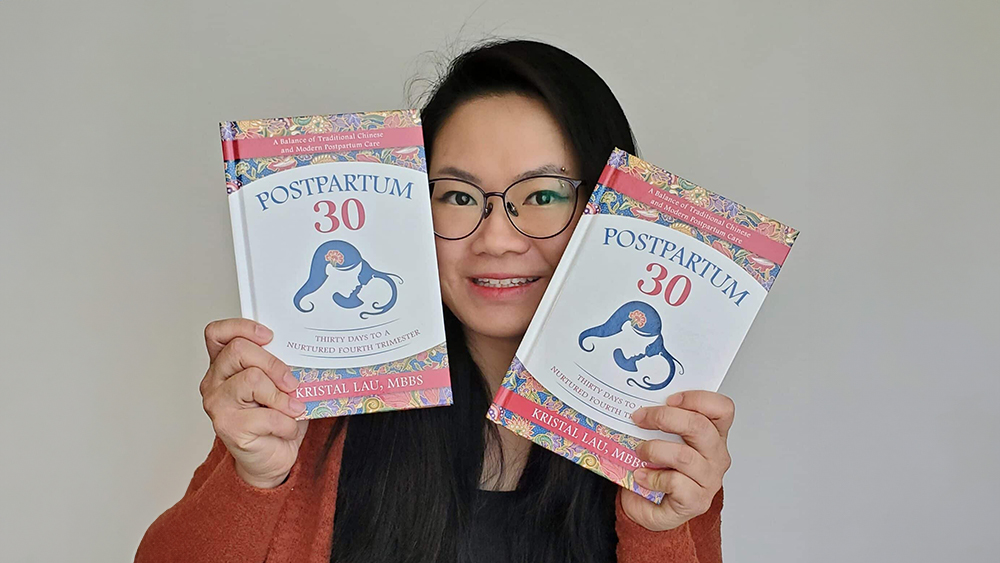
POSTPARTUM 30: THIRTY DAYS TO A NURTURED FOURTH TRIMESTER

The core message of my book entitled “Postpartum 30: Thirty Days to a Nurtured Fourth Trimester” is about preserving a traditional and cultural practice so that it remains relevant to current and future generations. Otherwise, we’d forget!

So, the key components of my book showcase the best of both worlds. I discuss postpartum physiology (what we know today about how the birthing body recovers after birth) and basic Traditional Chinese Medicine (TCM) principles around the postpartum body. 

I have chapters dedicated to adapting confinement practices to fit a modern mom and her family’s needs and lifestyle. I also guide readers on how to respectfully tell their mothers or mothers-in-law that they’d like to practice a modern version of confinement and include them in the picture.

MODERN MOMS WITH CHINESE ROOTS CAN EASILY BENEFIT FROM THIS BOOK

Firstly, it’s written in English! Readers don’t have to know any Mandarin or Chinese dialects (just like me!) to understand the TCM and confinement concepts I discuss in the book.

Secondly, I include historical references about the confinement practice and discuss why certain practices made sense to our ancestors. Finally, I challenge two aspects of the traditional confinement practice head-on. I encourage readers to embrace all the emotions that come with the chaos of the postpartum period instead of pushing them away. And I encourage spouses and partners to be the main confinement support person rather than another family member.

PUBLISHING MY BOOK HAS BEEN VERY SURREAL

I fully invested in writing this book after the overwhelming support from Asian Hustle Network group members when this book was just an idea. I also appreciated the nuances brought up by the AHN members in that defining post which added more to developing my book’s content. My first beta readers were also from the AHN community!

I’ve always wanted to be an author ever since I was a teen, so I can’t believe that I’ve done it! The book has also allowed me to represent a small part of Malaysian and Chinese culture to the world. Plus, it’s my biggest ticket away from medicine and into carving out an unconventional career that works for me!

Making time to write my book was the biggest challenge because I got pregnant with my second baby just after starting a 6-month book coaching program to develop my book. I’ve also been living in Germany since 2020 due to my husband being stationed here at a military base. So, I was writing on and off throughout my pregnancy and postpartum year while juggling our newborn, toddler, deployments, 2 dogs, and trying to thrive in a foreign country. The next biggest challenge was believing in myself, and that I have what it takes to write on this topic.

BALANCE AND EVOLUTION FOR POSTPARTUM CARE

To balance traditional Chinese practices of postpartum care with modern medical logic, I drew from my professional background as a medical doctor and a public health graduate, and my personal background as a Malaysian who grew up with both TCM and modern medicine. I also consulted with my medical peers and a TCM doctor (a connection I made through AHN too!) about how postpartum care from the East and West can meet in the middle.

An example of this balance is compromising on the hair-washing practice. Personal hygiene is a big part of the confinement practice. The strict traditional way is no hair washing for the entire confinement month. A modern compromise is to not wash the hair for the first 2 weeks and once you start washing your hair, make sure to dry it completely while in the warm bathroom before stepping out into a more chilly environment.

As more attention is given to the concept of matrescence, the transition a woman goes through to become a mother, it’s important to recognize the need for nurturing and support during this time.

Physical therapy should be a standard part of postpartum care, as many women suffer from pelvic floor and back pain issues after giving birth. Unfortunately, too many women are told that these issues are “normal” and should be lived with. Pain and discomfort should not be considered normal, and pelvic floor rehabilitation should be a global standard of care for all new mothers, rather than being limited to a few countries or requiring out-of-pocket expenses. The rest of us have to learn how to ask for pelvic floor rehabilitation referrals and likely pay out of pocket for it.

CARING FOR NEW MOTHERS

Two big areas where family members can help a new mother in the postpartum period are to help her feel seen and alleviate her mental load.

Unfortunately, new mothers frequently fade into the background as the newborn baby takes the spotlight. So, holding space for the new mother to grow into her new identity and showering her with attention reminds her that she’s still her own person and that she’s equally important as the baby!

Women and mothers are also commonly the main household manager in many families who do all the planning, troubleshooting, and preempting of troubles. This is the mental load of women and mothers. Alleviating this during the postpartum period isn’t just asking her what help she needs, it’s becoming the Project Manager at home while she recovers.

Asking her what she needs still requires her to plan and troubleshoot, and that doesn’t help lighten her mental load when she needs all the energy to recover from birth and care for the newborn.

MODERN MOTHERS HAVE DIFFERENT NEEDS THAN THE GENERATIONS BEFORE

First, society needs to accept that this generation and the upcoming generation of modern mothers have very different needs and challenges compared to the generation before us and not shame us for it. 

For example, many women in my generation (especially us Millennials in developing countries like Malaysia) have been conditioned to “do-it-all” i.e. excel at our careers and in being a mother. It’s ingrained in us to “mother like we didn’t have jobs and achieve in our career like we didn’t have children”. Why do moms today carry this burden? It’s likely because we were exposed to conflicting messages about womanhood and motherhood while growing up. We were empowered to be anything we wanted and that we could achieve anything we put our minds and hard work to i.e. embrace the modern woman identity. Yet, we’re still pressured to marry before 30 and start having kids while constantly reminded, “Don’t waste your education by becoming a stay-at-home mom!”. Balancing the identities of an empowered modern woman with the traditional (and biological) roles within motherhood is a unique challenge for many moms of our generation.

So, only when society is willing to empathize with this struggle, then they can provide the social, emotional, and mental support to help modern moms thrive as they go through matrescence.

My book normalizes the notion of nurturing mothers from the beginning of their motherhood journey; the postpartum year. I encourage mothers to prioritize themselves and not feel completely guilty about it. And to get comfortable with asking for help and accepting help before things get too overwhelming. It’s nice to be recognized as a SuperMom but it’s also nice to not have to live up to that image.

CONNECT WITH KRISTAL

Instagram: @mamaswingwoman

Facebook: @mamaswingwoman

Twitter: @drkristallau

LinkedIn: Kristal L.

Website: mamaswingwoman.com

Book webpage: tinyurl.com/pp30book

Author webpage: Kristal Lau – Mandala Tree Press
Related Articles

IMG_0192-jpeg

Stories

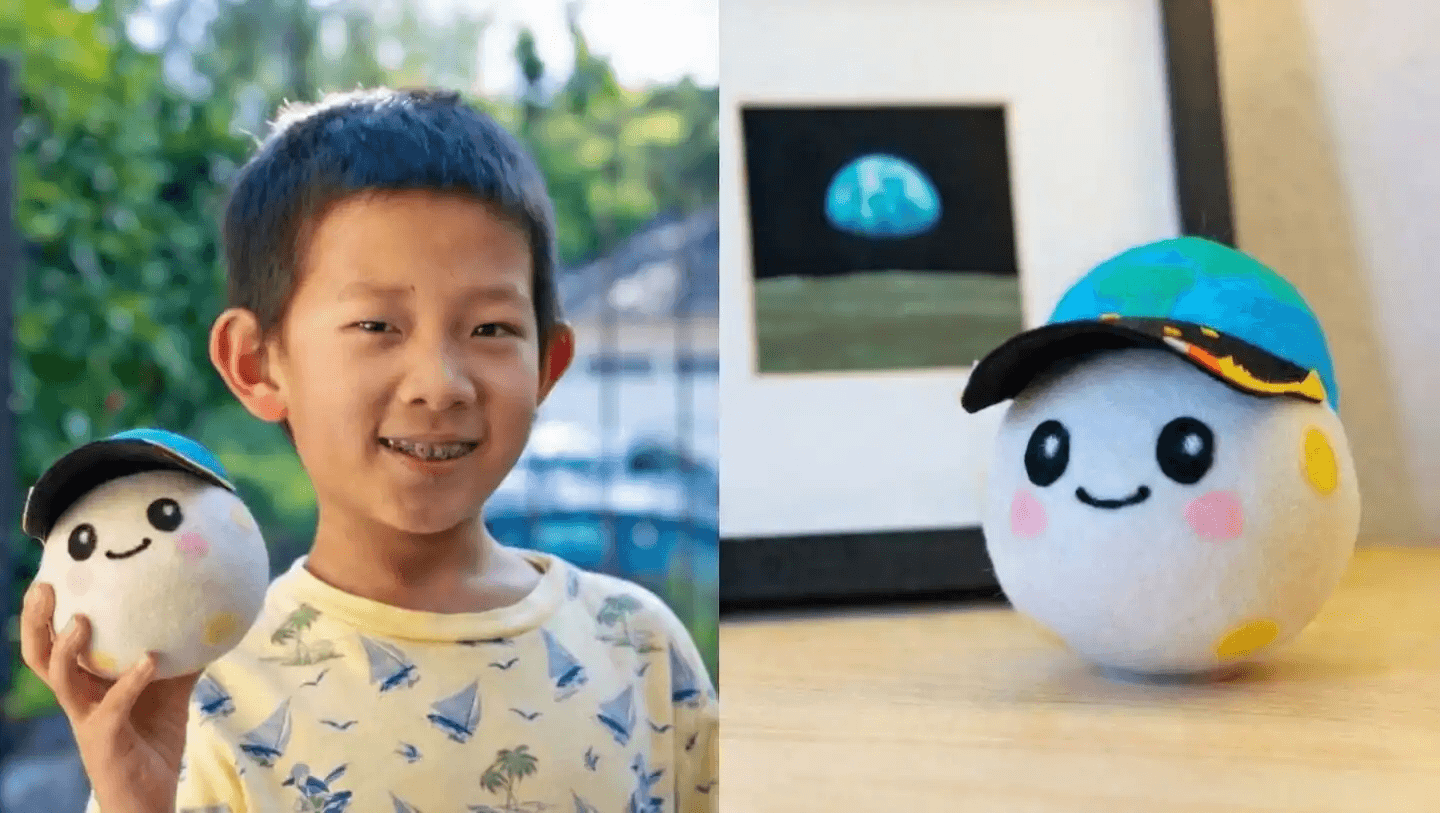
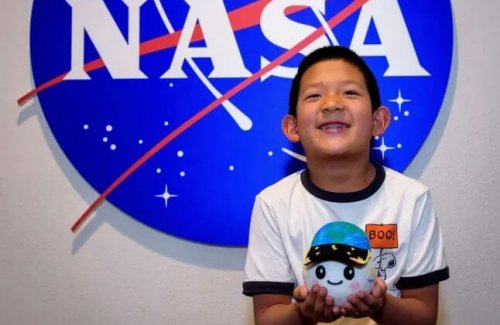
8-Year-Old Lucas Ye Designed a Mascot That Travels to Space With NASA’s Artemis II Crew

An eight-year-old in California turned a simple drawing into something that will travel beyond Earth.

Lucas Ye entered a global NASA contest and watched his idea rise above thousands of entries from around the world.

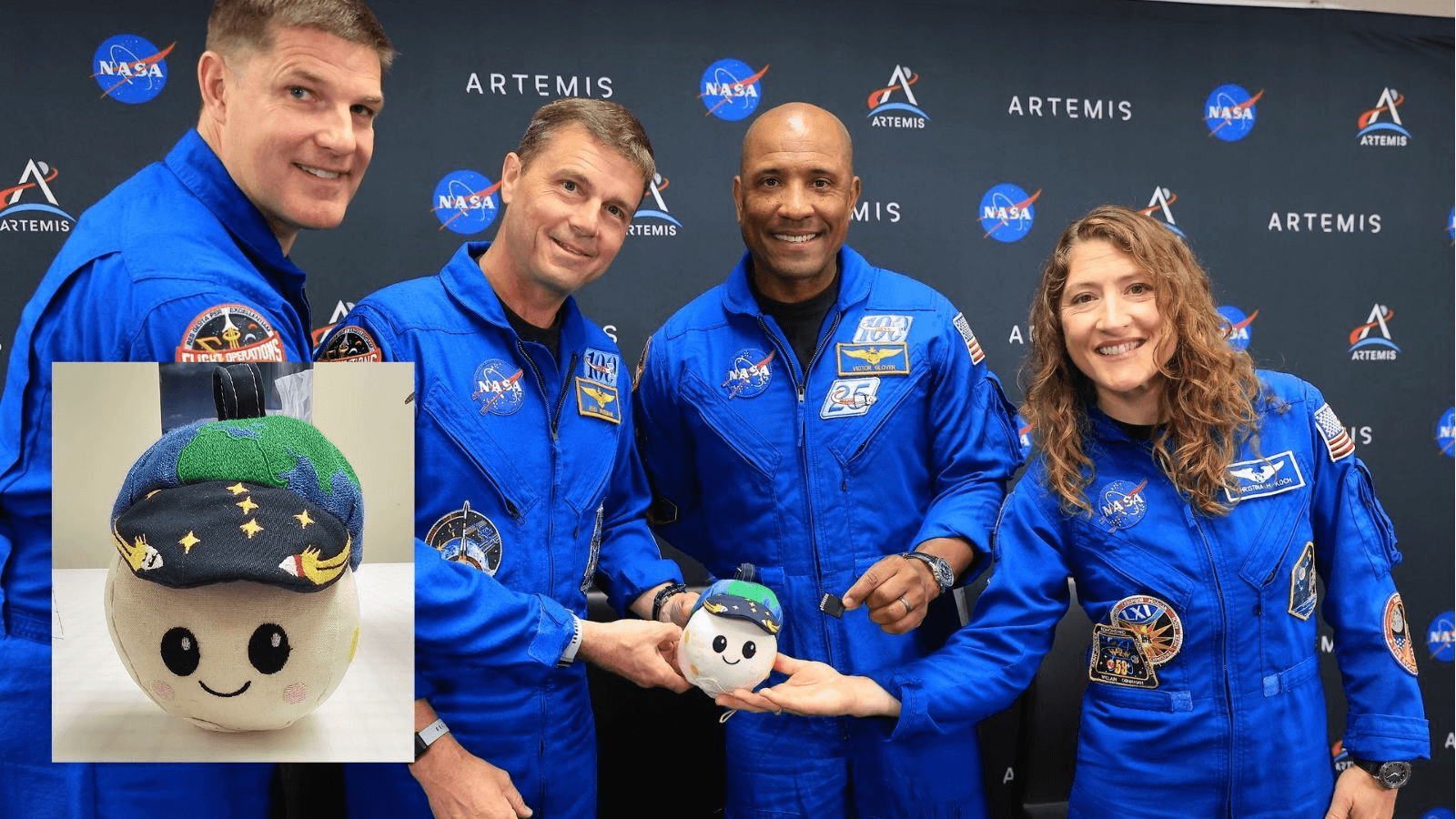
Now, his creation is not just a sketch, but a real mascot preparing to float alongside astronauts in space.

Image Source: NewsBytes

From Sketchbook to Spacecraft

Lucas Ye was just eight years old when he decided to draw a mascot for the Artemis II mission, not knowing it would become something much bigger. His design stood out in a global competition, eventually winning and being transformed into a plush named Rise. What started as a simple idea on paper quickly earned a place inside a real spacecraft.

The journey from drawing to physical mascot shows how ideas can move fast when they resonate. NASA took Lucas’s concept and turned it into something tangible, something that could sit beside astronauts on a real mission. It is a reminder that creativity does not need years of experience to matter, it just needs a starting point.

Image Source: Sally Ride Science

A Small Toy With a Big Role

Rise is not just there for the ride, it plays a meaningful role inside the cabin. As the spacecraft reaches orbit, the plush will begin to float, signaling that the crew has entered zero gravity. It is a simple but powerful way to show a major moment in the mission.

NASA has a long tradition of using mascots like this, but this one carries a different kind of weight. It represents a child’s imagination becoming part of a real scientific journey, blending emotion with exploration. Lucas now joins a legacy of space mascots, showing that even the smallest ideas can make it all the way to space.

6060_Simone Portraits_2259_01_Edited-jpg

Stories

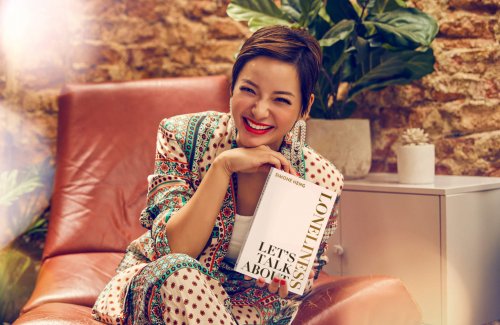
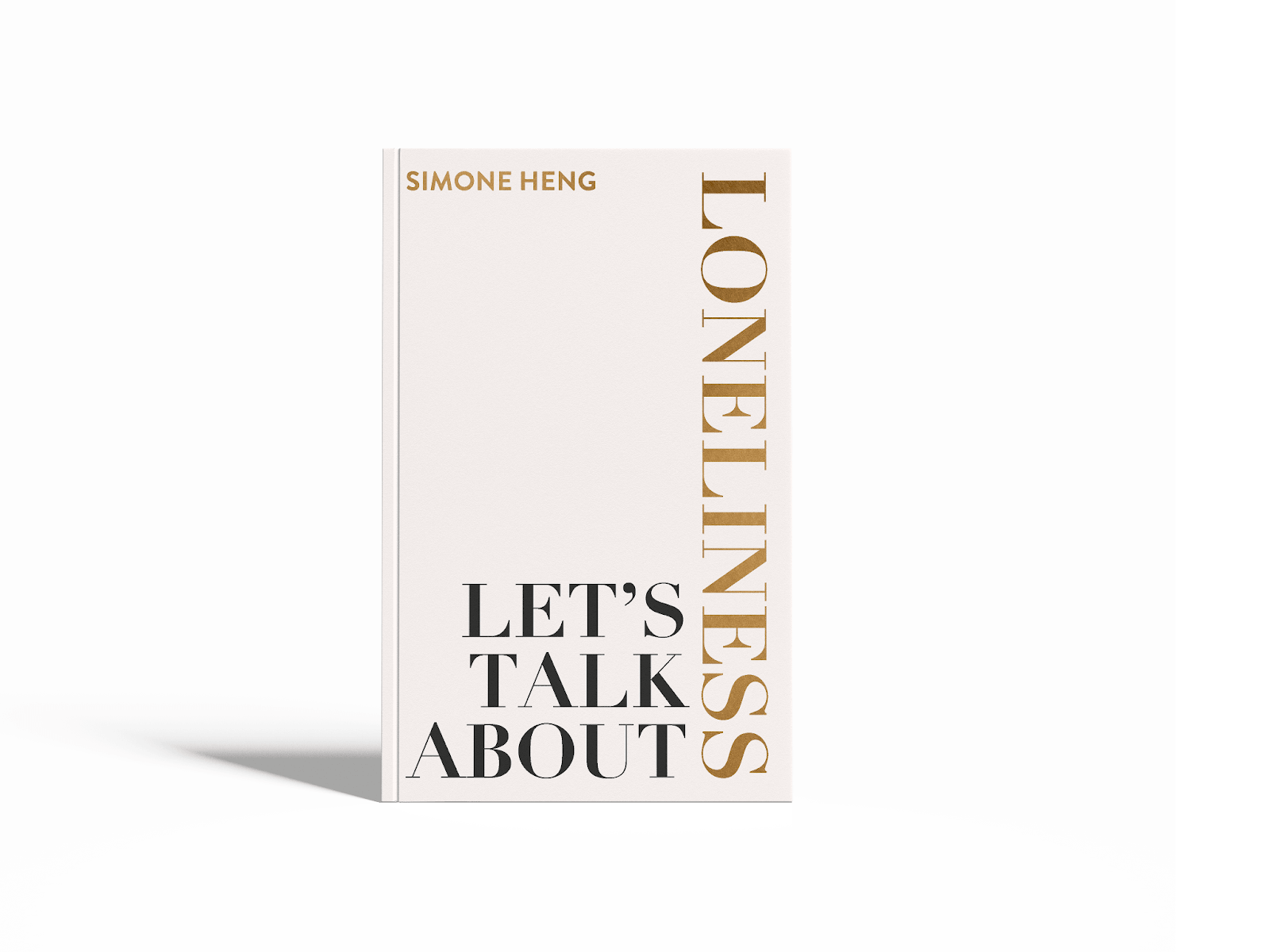
The Mission of Award-Winning Author Simone Heng and How Let’s Talk About Loneliness Expands Its Message Through Its Chinese Launch

Loneliness is often seen as a personal feeling, but for Simone Heng, it became a question worth exploring on a global scale.

Now, with the upcoming Chinese translation of her 2023 book, Let’s Talk About Loneliness, her message is reaching a new audience and entering a new chapter.

What began as a deeply personal experience has grown into a wider mission to make conversations about loneliness more accessible across cultures.

From Personal Isolation to a Written Voice

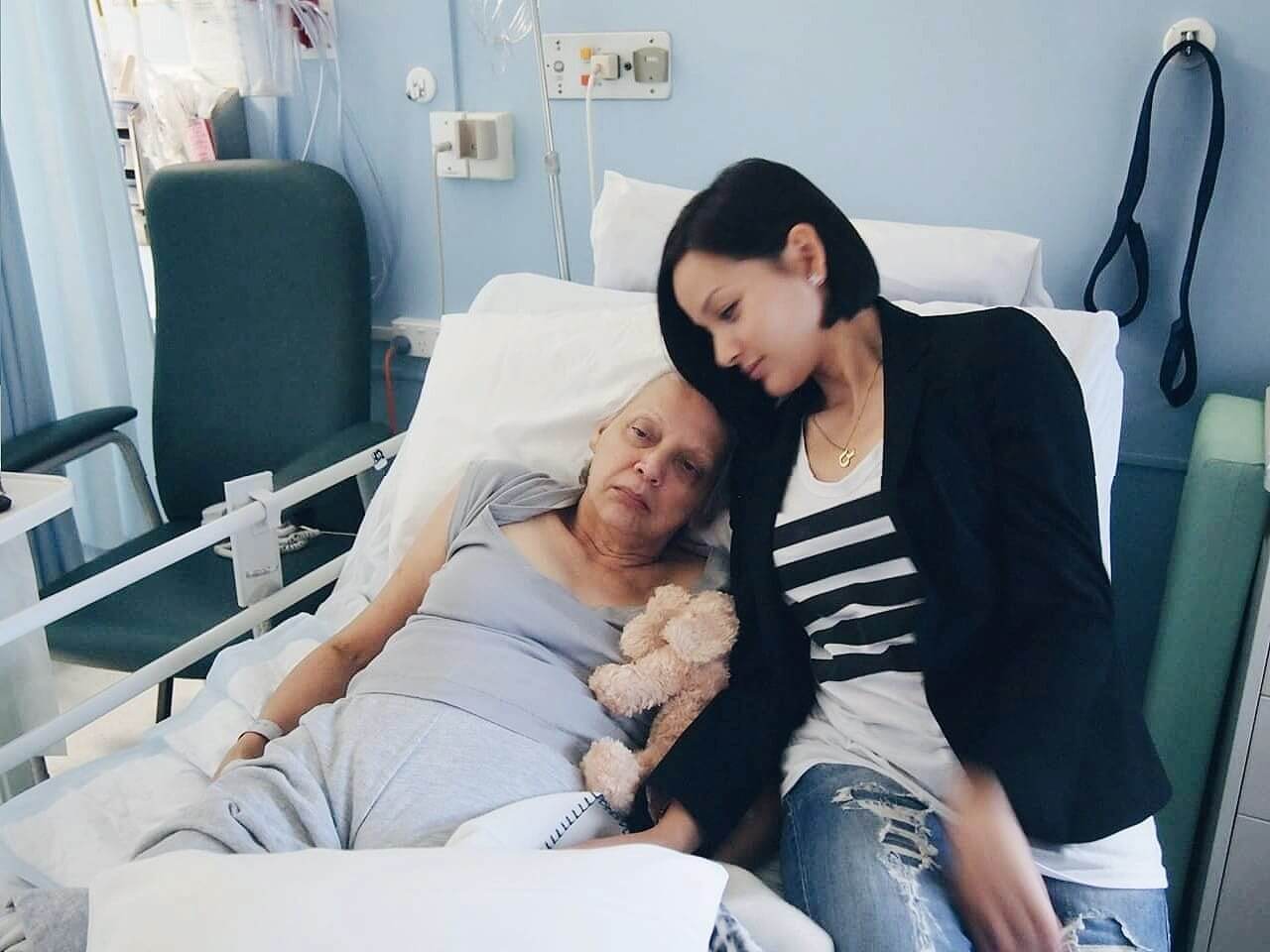
Simone Heng’s book Let’s Talk About Loneliness was born from a period of deep emotional isolation. After leaving her broadcasting career to care for her paralyzed mother, she found herself cut off from her social world. While others were building families and careers, she was navigating caregiving, grief, and isolation.

Before that chapter, her life had always been shaped by movement. She was born and is based in Singapore, grew up in Australia, studied in Switzerland, and worked in the UAE. Her background reflects a mix of cultures, even reflected in her DNA, which shows 11 different ethnicities.

But the defining moments were not just about where she had been, but what she had gone through. She lost her father at 19, and 10 years later, along with her sister, became the main support to her mother. Those experiences reshaped her priorities and slowly pulled her away from the life she was chasing.

In that quieter, more difficult season, she began asking questions she could not ignore. Why does loneliness feel so heavy, even when you are not physically alone? Why is it so hard to talk about?

Over time, Simone realized something that became central to her work. Loneliness is not simply about being alone. It is the gap between the kind and amount of connection a person wants and what they are actually experiencing.

A Book That Challenges Cultural Assumptions

Let’s Talk About Loneliness explores an idea many people overlook. Loneliness can exist even in collectivist societies. Simone highlights how cultural expectations, emotional restraint, and unspoken pressures can make it harder to express isolation. This perspective brought a diverse lens to the dialogue on loneliness often dominated by Western viewpoints.

She points out that in cultures where people are expected to always be surrounded by family, saying “I am lonely” can carry stigma. At the same time, many connections are shaped by obligation rather than genuine emotional closeness. These kinds of relationships do not always meet deeper emotional needs, and can leave people feeling alone even when they are not physically isolated.

Retitled in Chinese as “Anyway, I Am Just as Lonely,” it will be available in Xinhua, Sisyphus, and Yanijou bookstores in China. The book blends research with lived experience, making it both informative and deeply personal. With the release of the Chinese edition, the focus is on reaching Chinese-speaking communities where conversations around loneliness are often less visible.

Building a Mission Around Human Connection

Beyond the book, Simone Heng’s work continues to focus on one idea. Human connection is not just something we hope for, but something we absolutely must learn and build, particularly in the era of AI.

After spending 15 years in broadcasting, she chose to step away and start again in 2019. It was not an easy decision, and she built her career without financial backing, relying on persistence and clarity in what she wanted to create.

Today, she is a global speaker who works with leading organizations such as Google, Meta, Harvard University, and JPMorgan. She teaches audiences how to build meaningful connections both in and beyond the workplace.

Her message continues to resonate because it speaks to something many people are quietly experiencing. Without a sense of belonging and psychological safety, it becomes harder to think clearly, create, and show up fully.

At its core, her work is a reminder that connection is not about how many people are around us. It is about how understood we feel. And sometimes, putting that feeling into words is the first step toward changing it.

Learn more about Simone Heng here:

📍Website

Green Blue and White Minimalist Landscape Desktop Wallpaper-png

Stories

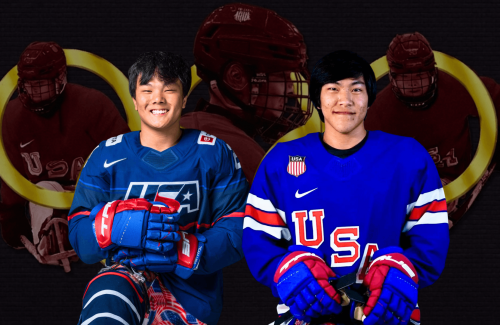
How Brett Bolton and Kayden Beasley Turned Adversity Into Triumph at the 2026 Paralympics

Two athletes, shaped by similar beginnings, turned personal challenges into a defining moment on the world stage.

Both were born in China and later adopted into the United States, where they grew up navigating identity, resilience, and belonging.

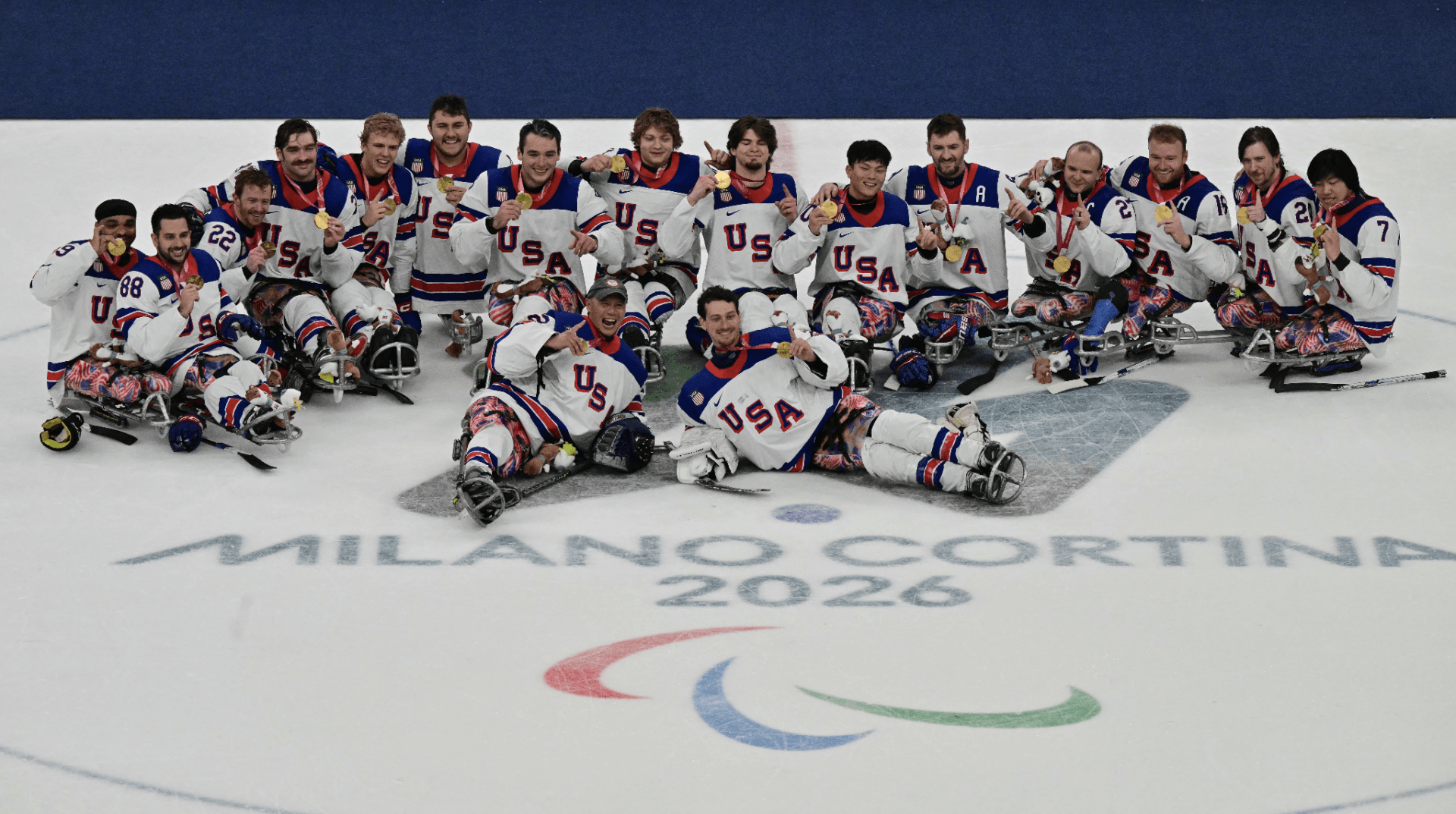
At the 2026 Winter Paralympic Games, their journeys came full circle as they helped lead Team USA to gold.

Image Source: Team USA Hockey

Brett Bolton’s Journey to the Top

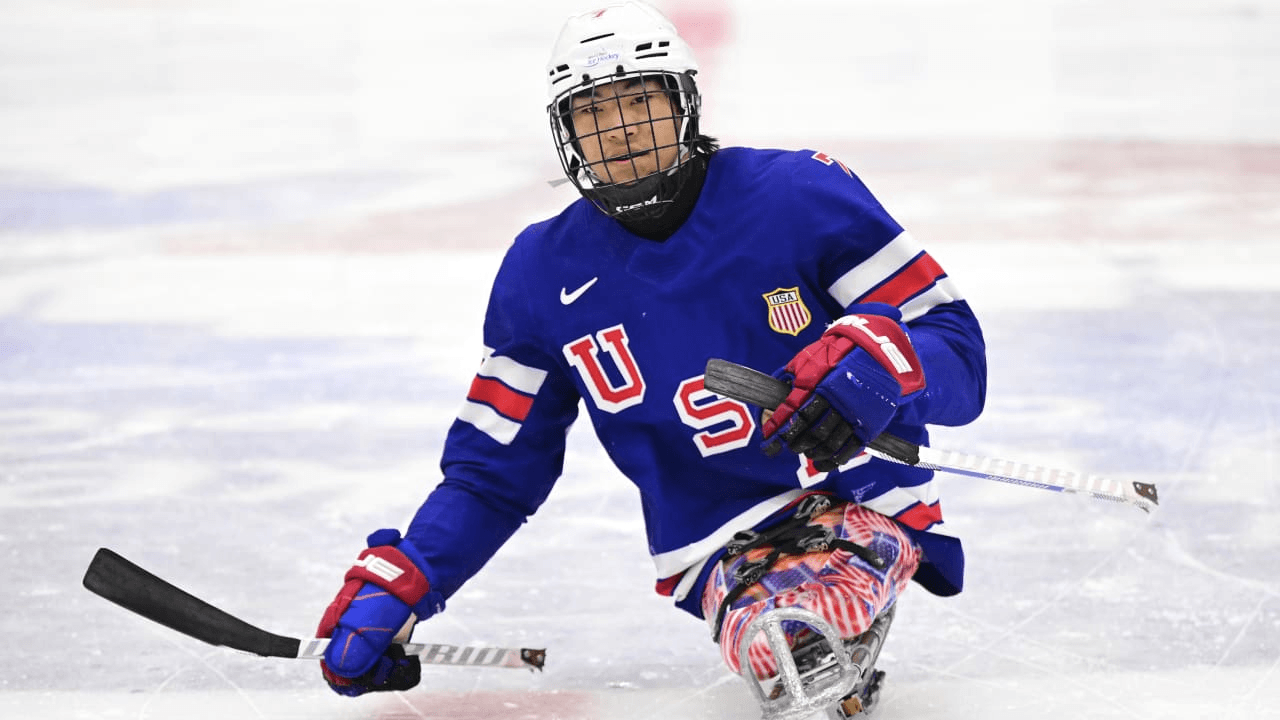
Born in China with a congenital limb difference, Brett Bolton was adopted into the United States at just three years old, growing up in an environment that pushed him to adapt early and often. What could have been limitations became the foundation for resilience, shaping how he approached both life and sport.

That same quiet determination followed him onto the ice, where he carved out a place as a rookie forward for the U.S. sled hockey team. At the 2026 Winter Paralympic Games, Bolton didn’t just participate, he rose to the top, helping secure a gold medal and marking a powerful arrival on the global stage.

Image Source: NHL

Kayden Beasley’s Defining Moment

Like Bolton, Kayden Beasley’s story began in China before being adopted into the United States, where he grew up navigating questions of identity alongside his development as an athlete. Over time, discipline on the ice became his anchor, helping him build both physical strength and self-belief.

Years of training led to a defining moment at the 2026 Winter Paralympics, when Beasley delivered a clutch goal in the final. That single play helped seal a gold medal for Team USA, turning years of preparation into a moment that will be remembered on one of sport’s biggest stages.

Image Source: NPR

More Than a Medal: A Shared Story of Representation

At the 2026 Paralympic Games, their journeys intersected in a space that celebrates ability in all its forms. Beyond the competition, their presence highlights a broader shift in how athletes with impairments are seen, valued, and represented.

Their victories go beyond the scoreboard, carrying meaning for communities that rarely see themselves reflected at the highest levels of sport. Together, their stories stand as a reminder that representation is not just about visibility, but about redefining what strength and success look like.

1

Stories

A $38M Startup Exit That Rarely Happens in Vietnam: How Skinetiq Founder Hannah Nguyen Built a Trust-First Beauty Brand and Landed a Deal with Marico

Big exits in Vietnam’s startup scene are rare, but Hannah Nguyen proved they’re possible with the right foundation.

Long before Skinetiq became a multi-million-dollar brand, her journey started with a simple curiosity for beauty.

What followed was a business built not just on products, but on trust, community, and systems that scale.

Image Source: The Business Times

Starting With Trust

Hannah Nguyen’s story began on a rural coffee farm, where she experimented with making lipstick from berries using whatever she had on hand. That early curiosity grew into a strong passion for beauty, shaping how she approached products and people. It became the foundation of how she would later build her brand.

As she shared her journey online, she built a loyal community that trusted her voice. In a market like Vietnam where counterfeit products are common, that trust became her biggest edge. Instead of following trends, she focused on being real, which helped her turn followers into customers.

Image Source: Vietnam Investment Review

Growing Into a Real Business

Rather than continuing to sell other brands, Skinetiq chose to create its own skincare line. By solving real customer problems, the brand reached $16.5 million in revenue and proved strong demand. This step helped shift the business from content-driven sales to a product-focused company.

At the same time, Skinetiq built systems that allowed the business to run without relying on Hannah every day. This made the company more stable and easier to scale over time. That independence attracted Marico, leading to a majority stake deal at a $38 million valuation and showing how creators can build businesses that last.