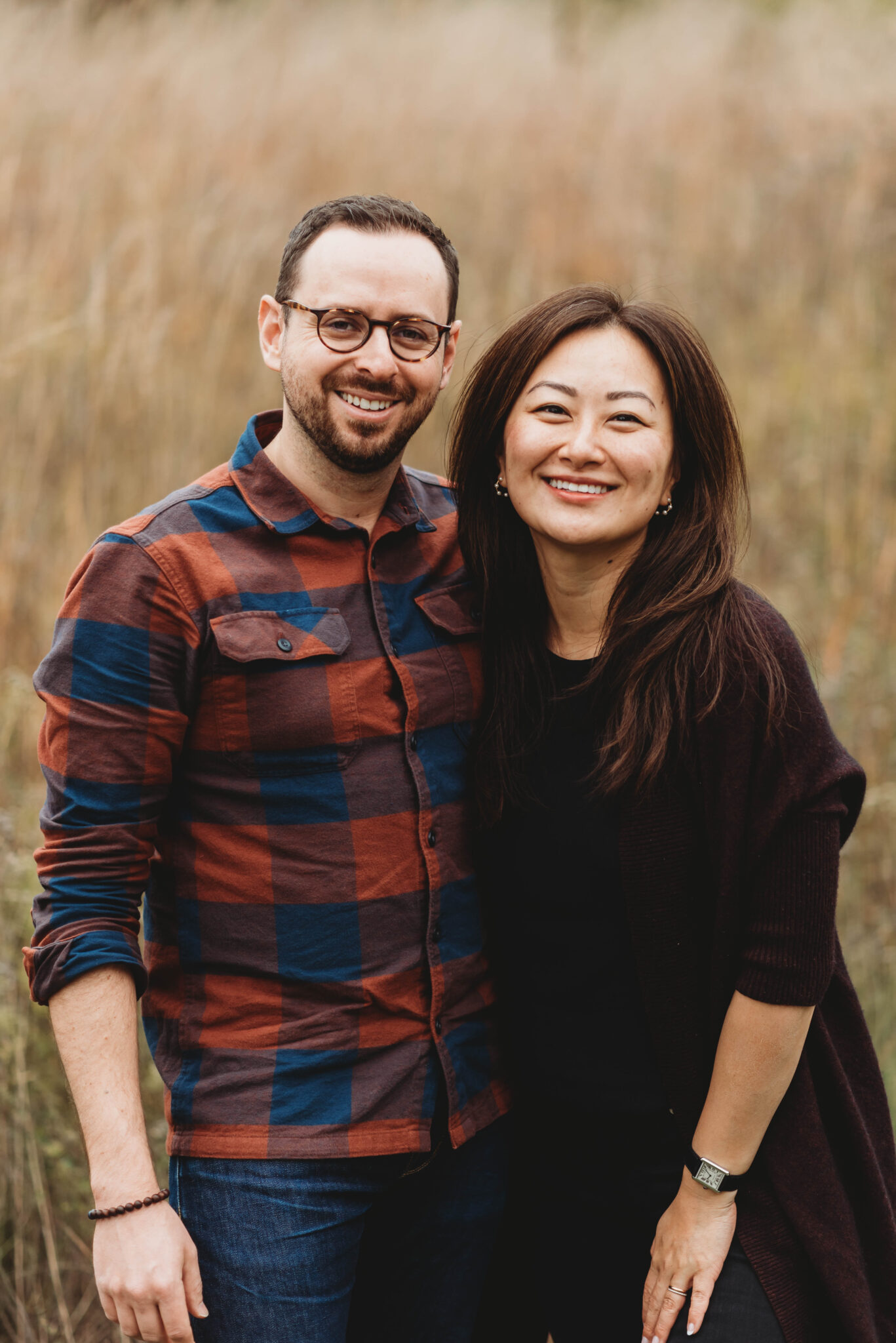
Meet Jennifer Guo and Adam Szakacs, a couple with a creative vision. They wanted their child to cherish both her Chinese and Jewish roots, despite living far from family. So, they invented something extraordinary.
Inspired by their grandmothers’ unexpected friendship over mahjong, they reimagined the game as “Not Your Ma’s Jong.” This isn’t just any game; it’s a lively card version of mahjong that celebrates their backgrounds. It carries a powerful message – embracing your heritage and sharing it with others is something to be proud of.
Through Not Your Ma’s Jong, Jennifer and Adam hope to bring people closer. By sharing traditions, they aim to show that understanding each other’s cultures can create harmony.
In an exclusive interview with Asian Hustle Network, Jennifer and Adam share their journey in creating “Not Your Ma’s Jong.” Read through as we get a glimpse of how this game could help forge connections and celebrate diverse cultures.

Whether celebrating certain holidays, traveling together to meaningful places, or simply making a memorable recipe together, spending quality time together is the most important thing – and playing a game like Not Your Ma’s Jong is one way to spend time together.
Jennifer Guo
Can you tell us about the inspiration behind creating Not Your Ma’s Jong and how it connects to your Chinese and Jewish heritage?
Jenn: I learned how to play mahjong as a kid by watching my grandma play in China. Mahjong was a part of our daily lives and at the center of every family occasion. For me, mahjong is a way to connect with those memories.
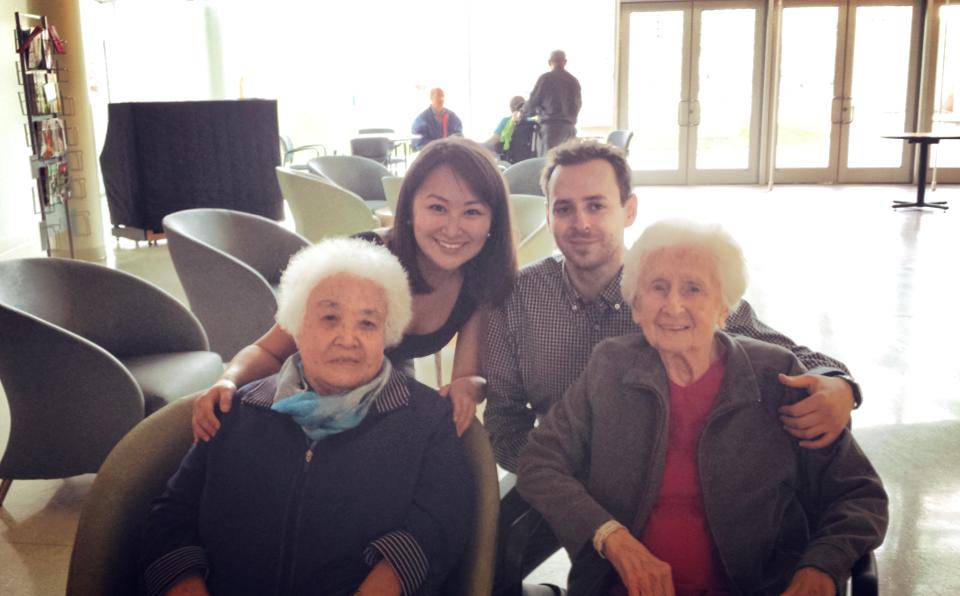
My grandma used to split her time between her home in Xi’an, China, and Toronto where she stayed with my parents. In 2014, we brought my grandma to visit Adam’s granny who was healing from a hip injury. My grandma speaks only Mandarin, so we started by translating some simple hellos and small talk. It was so special to have them meet and communicate with each other.
Adam: At one point, we were talking about their respective cultures and the things they enjoy. My granny plays a lot of card games and also mentioned mahjong. Jenn’s grandma’s eyes lit up, and she told us about playing throughout her life. Jenn’s grandma is certainly the more avid player, but once my granny’s hip recovered and she was back home, they were able to play together.
Jenn: When I was pregnant with our first daughter in 2018, we started thinking about how we could connect our children with their cultures and heritage. I realized that living in Canada, they would not have the same exposure to Chinese traditions like mahjong as I did growing up. We started thinking about ways to honor the memories we had of growing up with our parents and grandparents and decided to create a simplified version of mahjong, which became Not Your Ma’s Jong.
As an international card game played around the world, what do you believe makes Not Your Ma’s Jong unique and appealing to a diverse audience?
Adam: We realized that even though our grandparents played mahjong and we played with them, we never played with our friends. We started asking around and kept hearing the same thing–most of our friends had heard of mahjong or seen their families play, but few knew how to play themselves.
Jenn: Not Your Ma’s Jong is a simplified version of mahjong, using 75 cards as opposed to 144 tiles in the traditional game. The rules are also simplified to create a fast-paced and fierce game that anyone can pick up quickly. When we started playing test versions with our friends, the excitement showed us we were on to something!
Could you share some examples of how you incorporated Chinese and Jewish emblems into Not Your Ma’s Jong? How do these cultural elements enhance the gameplay experience and foster cultural understanding?
Jenn: We wanted to dedicate the game to our grandmas. Many of the cards are symbols from growing up with them – some with Adam’s Jewish granny, and some with my Chinese grandma. Some center around memories of family feasts we’d eat together, gifts they’d give us, or how they made us feel – and while the symbols are specific to our cultures, those memories and feelings are universal.
Other cards are a bit whimsical – we imagined what their friendship could have been if they had lived near each other earlier in their lives. Things like doing tai chi together in a park, or building a muscular snowman together! We wanted to make them relatable for people who grew up in any culture, with special winks for people who grew up Chinese or Jewish.
What are some of the challenges you faced while developing and popularizing Not Your Ma’s Jong? How did you overcome those challenges, and what lessons did you learn along the way?
We had a lot of fun creating Not Your Ma’s Jong – but turning it into a product and making people aware of it was hard! After the initial Kickstarter campaign, the remaining games sat in our home for over a year until we started to get some media attention. We were fortunate that a blog article turned into a newspaper feature which then got our story and the game featured on TV twice! Hasbro took an interest at that point, licensed the game and it’s now being sold around the world. This showed us that people love it once they hear about it! That initial exposure was the hard part.
Can you share any heartwarming stories or feedback you have received from players of Not Your Ma’s Jong?
Adam: The initial Kickstarter campaign was a very personal experience for us. We received stories and repeat orders from some of the earliest recipients of the game, sharing how they played with their parents, children, or nieces and nephews, and how it caused them to reminisce about their own family stories when they saw the illustrations on the cards. We still love getting emails and seeing reviews from people who feel a connection to the game.
What advice would you give to individuals or families who are seeking to explore and celebrate their own cultural heritage? How can games like Not Your Ma’s Jong play a role in this process?
Jenn: It was important to us to not let our families’ cultures and memories fade away for our daughters, and creating this game was one of our ideas to do that. I know it’s hard – especially with young kids – but I think it’s important for parents to think back on their childhoods and choose some of the traditions that they want to continue with their children. Whether celebrating certain holidays, traveling together to meaningful places, or simply making a memorable recipe together, spending quality time together is the most important thing – and playing a game like Not Your Ma’s Jong is one way to spend time together.
In conclusion, what message or lasting impact do you hope Not Your Ma’s Jong will leave on players and society as a whole?
Jenn: The world can sometimes feel so divided – we hope people see this game, and the story behind it, as a small example of how people with different cultural backgrounds and languages can find common ground and develop a friendship. We hope they get a glimpse into Chinese and Jewish cultural experiences and relate with their own experiences too!

CONNECT WITH NOT YOUR MA’S JONG
Instagram: @notyourmasjong
Threads: @notyourmasjong
Website: notyourmasjong.com