Stories

September 2, 2023

SHARE:

Meet Jennifer Guo and Adam Szakacs, a couple with a creative vision. They wanted their child to cherish both her Chinese and Jewish roots, despite living far from family. So, they invented something extraordinary.

Inspired by their grandmothers’ unexpected friendship over mahjong, they reimagined the game as “Not Your Ma’s Jong.” This isn’t just any game; it’s a lively card version of mahjong that celebrates their backgrounds. It carries a powerful message – embracing your heritage and sharing it with others is something to be proud of.

Through Not Your Ma’s Jong, Jennifer and Adam hope to bring people closer. By sharing traditions, they aim to show that understanding each other’s cultures can create harmony.

In an exclusive interview with Asian Hustle Network, Jennifer and Adam share their journey in creating “Not Your Ma’s Jong.” Read through as we get a glimpse of how this game could help forge connections and celebrate diverse cultures.

Whether celebrating certain holidays, traveling together to meaningful places, or simply making a memorable recipe together, spending quality time together is the most important thing – and playing a game like Not Your Ma’s Jong is one way to spend time together.

Jennifer Guo

Can you tell us about the inspiration behind creating Not Your Ma’s Jong and how it connects to your Chinese and Jewish heritage?

Jenn: I learned how to play mahjong as a kid by watching my grandma play in China. Mahjong was a part of our daily lives and at the center of every family occasion. For me, mahjong is a way to connect with those memories.

My grandma used to split her time between her home in Xi’an, China, and Toronto where she stayed with my parents. In 2014, we brought my grandma to visit Adam’s granny who was healing from a hip injury. My grandma speaks only Mandarin, so we started by translating some simple hellos and small talk. It was so special to have them meet and communicate with each other.

Adam: At one point, we were talking about their respective cultures and the things they enjoy. My granny plays a lot of card games and also mentioned mahjong. Jenn’s grandma’s eyes lit up, and she told us about playing throughout her life. Jenn’s grandma is certainly the more avid player, but once my granny’s hip recovered and she was back home, they were able to play together.

Jenn: When I was pregnant with our first daughter in 2018, we started thinking about how we could connect our children with their cultures and heritage. I realized that living in Canada, they would not have the same exposure to Chinese traditions like mahjong as I did growing up. We started thinking about ways to honor the memories we had of growing up with our parents and grandparents and decided to create a simplified version of mahjong, which became Not Your Ma’s Jong.
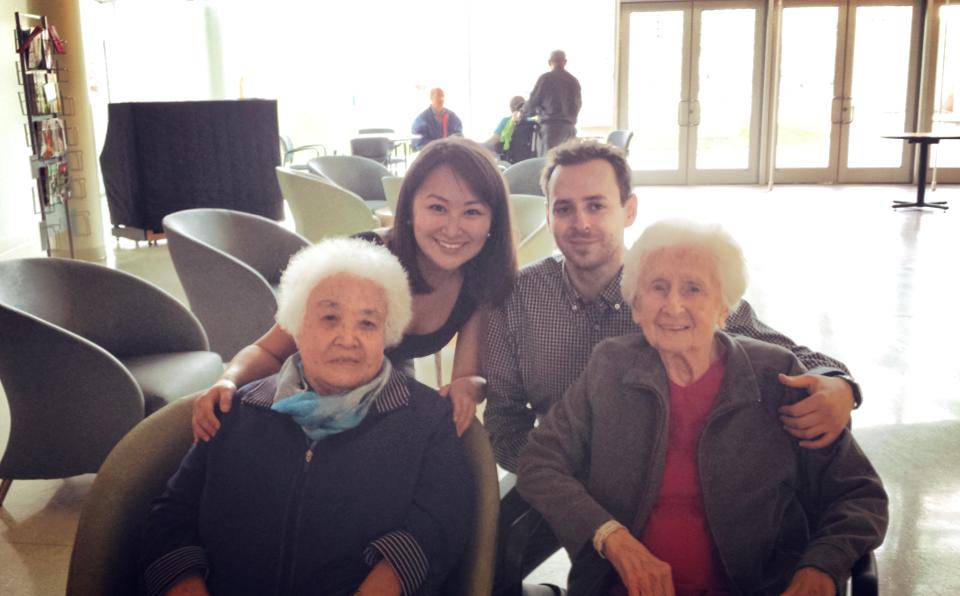
Jenn and Adam with their grandmas

As an international card game played around the world, what do you believe makes Not Your Ma’s Jong unique and appealing to a diverse audience?

Adam: We realized that even though our grandparents played mahjong and we played with them, we never played with our friends. We started asking around and kept hearing the same thing–most of our friends had heard of mahjong or seen their families play, but few knew how to play themselves.

Jenn: Not Your Ma’s Jong is a simplified version of mahjong, using 75 cards as opposed to 144 tiles in the traditional game. The rules are also simplified to create a fast-paced and fierce game that anyone can pick up quickly. When we started playing test versions with our friends, the excitement showed us we were on to something!

Could you share some examples of how you incorporated Chinese and Jewish emblems into Not Your Ma’s Jong? How do these cultural elements enhance the gameplay experience and foster cultural understanding?

Jenn: We wanted to dedicate the game to our grandmas. Many of the cards are symbols from growing up with them – some with Adam’s Jewish granny, and some with my Chinese grandma. Some center around memories of family feasts we’d eat together, gifts they’d give us, or how they made us feel – and while the symbols are specific to our cultures, those memories and feelings are universal.

Other cards are a bit whimsical – we imagined what their friendship could have been if they had lived near each other earlier in their lives. Things like doing tai chi together in a park, or building a muscular snowman together! We wanted to make them relatable for people who grew up in any culture, with special winks for people who grew up Chinese or Jewish.

What are some of the challenges you faced while developing and popularizing Not Your Ma’s Jong? How did you overcome those challenges, and what lessons did you learn along the way?

We had a lot of fun creating Not Your Ma’s Jong – but turning it into a product and making people aware of it was hard! After the initial Kickstarter campaign, the remaining games sat in our home for over a year until we started to get some media attention. We were fortunate that a blog article turned into a newspaper feature which then got our story and the game featured on TV twice! Hasbro took an interest at that point, licensed the game and it’s now being sold around the world. This showed us that people love it once they hear about it! That initial exposure was the hard part.

Can you share any heartwarming stories or feedback you have received from players of Not Your Ma’s Jong?

Adam: The initial Kickstarter campaign was a very personal experience for us. We received stories and repeat orders from some of the earliest recipients of the game, sharing how they played with their parents, children, or nieces and nephews, and how it caused them to reminisce about their own family stories when they saw the illustrations on the cards. We still love getting emails and seeing reviews from people who feel a connection to the game.

What advice would you give to individuals or families who are seeking to explore and celebrate their own cultural heritage? How can games like Not Your Ma’s Jong play a role in this process?

Jenn: It was important to us to not let our families’ cultures and memories fade away for our daughters, and creating this game was one of our ideas to do that. I know it’s hard – especially with young kids – but I think it’s important for parents to think back on their childhoods and choose some of the traditions that they want to continue with their children. Whether celebrating certain holidays, traveling together to meaningful places, or simply making a memorable recipe together, spending quality time together is the most important thing – and playing a game like Not Your Ma’s Jong is one way to spend time together.

In conclusion, what message or lasting impact do you hope Not Your Ma’s Jong will leave on players and society as a whole?

Jenn: The world can sometimes feel so divided – we hope people see this game, and the story behind it, as a small example of how people with different cultural backgrounds and languages can find common ground and develop a friendship. We hope they get a glimpse into Chinese and Jewish cultural experiences and relate with their own experiences too!

CONNECT WITH NOT YOUR MA’S JONG

Instagram: @notyourmasjong

Threads: @notyourmasjong

Website: notyourmasjong.com
Related Articles

la crosse tribune-png

News

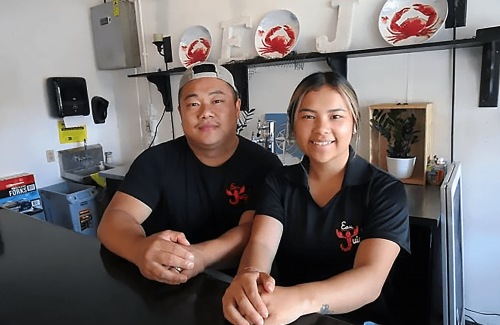
Couple Behind Eau Juicy-La Crosse Unveils Their Asian-inspired Menu

Bringing a delightful blend of Asian-inspired Cajun seafood to the city, Eau Juicy-La Crosse has been making waves since its opening on July 14. The minds behind this exciting venture are Xavier Yang and his fiancee, Yer Thao, who express their satisfaction with the positive response received from the community.

Through this venture, Yang and Thao have gained valuable insights into the preferences of local residents. Yang shares his observations with La Crosse Tribune, stating, “We’ve noticed that here, a lot of people like snow crab.” Located at 412 Main St. in downtown La Crosse, the restaurant has become a focal point after the closure of Soula’s Cuisina at the end of June.

Building on their prior experience, Yang and Thao operated their first Eau Juicy restaurant in Eau Claire from July 2021 to September 2022. Their success has paved the way for the next chapter, as they plan to open another Eau Juicy establishment in nearby Altoona come spring, according to La Crosse Tribune.

Unveiling the favorites on their menu, patrons are drawn to the head-off shrimp and the sumptuous Dillybob Special platter. This elaborate feast includes 4 to 5 pounds of shrimp, mussels, crawfish, and snow crab, complemented by four servings of corn, potatoes, and a generous portion of sausages. This feast is designed to cater to the appetites of two to four individuals.

Aside from seafood, the menu boasts a diverse array of options, ranging from wings and french fries to egg rolls and a variety of sides such as corn, potatoes, sausages, sticky rice, and sweet rolls. The dining experience is further elevated by an array of sauces, allowing patrons to tailor their meals to their preferences. Additionally, the restaurant offers catering services to ensure their delectable offerings are a highlight of special occasions.

Looking ahead, Yang and Thao are eager to expand their beverage options. Pending the acquisition of a city liquor license, they plan to introduce beer, wine, and cocktails to complement their culinary offerings, enhancing the overall dining experience.

Featured Image Source: La Crosse Tribune

Eater LA-jpg

News

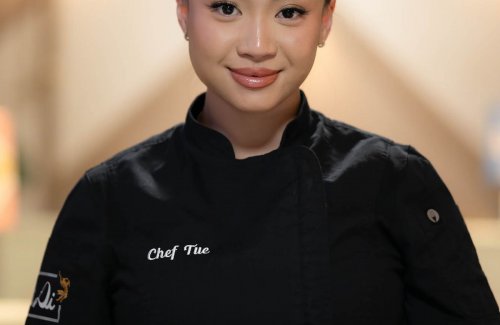
Tue Nguyen’s Journey from TikTok Stardom to Opening Her Own Restaurant

Tue Nguyen is a young cook who came to the US from Vietnam as a kid. She became extremely well-known on TikTok for demonstrating how to prepare Vietnamese food. She went from posting videos of her cooking Vietnamese dishes on TikTok during the pandemic to opening her own restaurant called Di Di near Los Angeles.

“I think that’s always kind of been like a dream. But… I honestly didn’t know that it would come this fast,” Nguyen shared in a recent interview with AFP.

She learned cooking in a special school, but her real talent came from her family’s way of cooking. Her mom and stepdad taught her how to make good food and trust her taste.

At first, Tue put videos online as TwayDaBae where she did mukbangs. People liked them, but they loved her cooking videos more. She saw that most of her audience didn’t just want to watch, they also wanted to learn how to make the delicious food themselves.

Tue didn’t start by making a big restaurant. She began with small places where she cooked for people. The first place where she did this is now her restaurant, called Di Di. Many people follow her on social media like Instagram and TikTok. They like her videos a lot, but Tue thinks that sharing recipes online won’t stop people from coming to her restaurant. She says her online recipes are simple, while her restaurant food looks and tastes more special.

Di Di, which means “Let’s go” in Vietnamese, is like a piece of Tue’s heart. It’s filled with comfy chairs, pretty lamps, and plants. It opened recently and is already making people happy. Tue mixes what she learned in cooking school with the flavors from her family.

Featured Image Source: Eater LA

The Fresno Bee-jpg

News

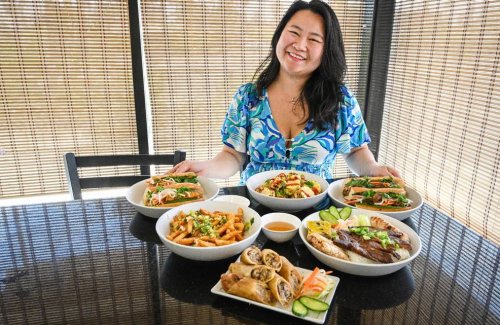
How Leila Jace Built a Thriving Street Food Joint Inspired by Childhood Memories in Vietnam

Growing up in Vietnam, Leila Jace cherished the simple joys of childhood, like the intoxicating aroma of smoky grilled corn wafting from street vendors as she walked home from school. She didn’t have much money, but she saved up her lunch money to buy a treat she loved – a slightly charred corn on the cob sprinkled with scallions for extra flavor.

Little did she know that this fond memory would become the star of her own restaurant in Fresno, California.

Just nine months ago, Leila’s dream came true as she opened the doors to Sizzle n’ Steam, a cozy spot at Maroa and Shields avenues in Fresno. This Vietnamese street food joint has quickly become a hit, boasting an impressive 4.5-star rating on Yelp.com and even snagging the third spot in The Bee’s poll for the most underrated restaurant in town.

Leila’s journey to becoming a food entrepreneur is quite a story. According to The Fresno Bee, Leila came to California at 14 without speaking much English. She pursued her studies and even built a successful career in retirement planning. But a longing for change and a desire to be close to her parents led her to Fresno, where she decided to give life a new flavor – by opening a restaurant.

What makes Sizzle n’ Steam so special? It’s all about fusing Leila’s unique style and travel adventures with the mouthwatering Vietnamese street food. Yes, the menu features well-known delicacies like pho, spring rolls, and bowls of vermicelli noodles. But the real magic lies in the lesser-known treats that Leila has added, like the Gilroy garlicky fries that pay homage to the place her family first settled when they came to the U.S. The restaurant also offers an array of vegan and vegetarian options, catering to a diverse clientele.

Aside from what her restaurant has to offer, Leila’s warm hospitality is outstanding, transforming her customers into friends, and turning Sizzle n’ Steam into a hub where diners feel right at home.

Featured Image Source: The Fresno Bee

gulf news-jpg

News

Filipino Entrepreneur’s Journey From Being an Employee to Owning Three Businesses in UAE

Dubai has long been known as a hub of opportunity, a place where dreams can flourish and aspirations come true. Frando Sarmiento’s journey from a regular worker to a successful entrepreneur is a great example of this. He now owns not one, not two, but three thriving businesses in the UAE. Let’s dive into his inspiring story and see how he made it happen.

Frando Sarmiento’s story began in a small fishing village in the Philippines. His parents worked hard to raise him and provide a good education. Even though life was simple, his parents’ efforts and support shaped his dreams of doing something big one day.

In 2005, Sarmiento came to Dubai to explore job options. He started with jobs like sales manager and gained experience in different companies. These experiences gave him insights into various industries and ignited his desire to run his own businesses someday.

The efficient process of setting up a company surprised him and made his entrepreneurial journey smoother. According to Gulf News, Sarmiento was amazed by how easy it was to start a business in the UAE, and this played a big role in his success.

“It is best to start while you’re young. Whatever happens, one is bound to learn something profound that will benefit him in many ways. When we are young, we are not afraid of making mistakes. There is a lot of time left to recover and learn. This is something I would have told myself during my younger years. But, as they say, it is never too late to start building what you want,” Sarmiento shared with Gulf News.

Featured Image Source: Gulf News