Stories

August 16, 2023

SHARE:

Pianpian’s own experience struggling with leadership and relationships in her professional life inspired her to create a solution that would help others facing similar challenges.

Amotions, founded by Pianpian Xu Guthrie, is a platform that aims to improve managers and hybrid teams’ productivity and connection by upskilling their soft skills such as emotional intelligence with AI-powered coaching.

Recognizing that not everyone can afford an executive coach or passively consume content to learn skills like emotional intelligence, interpersonal skills, and leadership skills, she set out to create an accessible and affordable platform that could provide people across various social-economic circumstances with the tools and support network they need to reach their potential.

At Amotions, they believe that each person has unlimited potential and can grow with the right support and encouragement, and with the right tools and support, anyone can achieve greatness.

COMING UP WITH THE IDEA OF AN AI VIRTUAL COACH

Growing up in a rural village house in Taishan, China, Pianpian’s parents worked tirelessly to provide her with education and opportunities. When she discovered the internet in high school, it opened up a world of possibilities for her, allowing her to connect with mentors and educators from around the world.

Pianpian received her master’s degrees in sociology from Yale University with a thesis on social mobility and psychological well-being. She was a teaching and research fellow in social science at Yale and Hong Kong University of Science and Technology. She then led product management and growth at multiple tech companies in hybrid and remote settings before founding Amotions, Inc.

Inspired by her own struggles with managing teams and relationships in the tech industry, Pianpian came up with the idea of building an AI virtual coach that could help people regulate their emotions in high-pressure situations, build better connection with their colleagues and people around them, and reach their full potential.

“I had the idea of building an AI virtual coach which can listen to me and give me tips when I am raising my voice and say “Seems like you are getting upset, take a deep breath, calm down first, so you are not getting into an argument with your coworkers and destroy your relationships.” Then as I discussed the idea with the team members and potential users and customers, I realized that we can also utilize the power of a human support system,” Pianpian shares.

Amotions uses technology to connect users with knowledgeable peers, coaches, advisors, and mentors, providing a powerful network of support for those looking to advance their careers and personal development. Amotions is poised to transform the way people learn and grow, empowering individuals to reach their full potential with the help of technology and human kindness.

WHERE AMOTIONS COMES IN

Millions of people struggle with emotion management and relationship issues in their personal and professional lives, but there are no accessible and affordable solutions. Executive coaches are expensive, and passive learning methods like books and videos are often ineffective in learning important skills like emotional intelligence and leadership.

As teamwork and collaboration become increasingly important in the modern workplace, there is a growing need for individuals to improve their interpersonal skills and develop emotional intelligence. This is where Amotions comes in.

Amotions aims to provide a platform and support network for everyone to continue to grow themselves both professionally and personally. Their solutions are designed to be accessible and affordable for people of all social-economic circumstances around the world.

“As a mother, I want my children to have the self-motivation and support network to grow themselves, and have great relationships in their professional and personal lives. I hope to create the kind of environment needed for them and many others. The world will be a better place when a lot of people are happy with their lives and care about each other,” Pianpian said.

IMPROVING THE PERFORMANCE OF MANAGERS AND HYBRID TEAMS

Amotions leverages AI-powered coaching to enhance the connection and performance of managers and hybrid teams.

Through daily practices, real-time insights, communities, and AI-powered coaching conversations, Amotions helps upskill people-facing roles, leading to improved employee efficiency and engagement.

With sentiment analysis and recommendations, powered by AI, and integration with calendars, Slack, and Zoom for context, Amotions provides a platform approach that allows companies, experts, and coaches to upload content. Users can also converse with an AI coach and participate in peer communities for support and practice. 

AMOTION-AL CHALLENGES

One of the biggest challenges that Pianpian faced in building Amotions was determining the best products and experience to address these challenges and acquire customers and users.

“We have been reaching out to people in our network, as well as reaching out to potential users and customers, and having lots of conversations with them. Support from people like the Asian Hustle Network founder Bryan Pham and members like Jenny He, Kerry Wei, Jane Lee and others helps too, as well from other founders, mentors, friends, alumni from Yale, Sun Yat-sen University, and other universities I attended, former colleagues, and kind people I encountered,” Pianpian shared.

THE FOUNDING TEAM

The founding team of Amotions is comprised of Pianpian Xu Guthrie, Jerry Hong, and a few other engineers and designers.

Pianpian has over ten years of experience as a product lead at various companies, including GoDaddy, Ticketmaster, Priceline, and several startups. She also earned a Master’s degree in Sociology from Yale University, providing her with a deep understanding of social science.

Jerry, on the other hand, has over 20 years of experience as a senior software engineer and manager, working for companies such as Ticketmaster and several startups.

With their extensive backgrounds in software product development and social science, the founding team brings a unique perspective to creating effective solutions for emotion management and relationship issues in professional and personal lives.

NOT YOUR ORDINARY WORKPLACE TRAINING SOLUTIONS

Amotions differentiates itself from other workplace training solutions in the market by offering an AI-powered coaching platform that provides quick solutions for users’ problems, available 24/7.

Unlike traditional corporate trainings, which are not effective for long-term learning, Amotions’ platform allows users to learn by doing, reflecting, interacting with others, and getting real-time feedback. Additionally, the platform is affordable and accessible for people from various socio-economic backgrounds, offering daily practices, peer communities, sentiment analysis, and recommendations powered by AI.

Amotions’ approach focuses on developing soft skills, such as emotional intelligence, interpersonal skills, and leadership skills, that are essential for success in the modern workplace, providing a comprehensive solution that goes beyond one-off training sessions.

THE FUTURE FOR AMOTIONS

Pianpian envisions the company as a tool to empower millions of individuals worldwide to reach their full potential and transform organizations through high-performing teams and next-generation leaders.

“We start with helping managers and teams develop soft skills and solve problems they face, and I can see that we expand to help employees upskills and reskills also technical skills and functional skills, and to be the biggest player in the professional development and personal development space,” she said.

As the company grows, it plans to continue leveraging technology to personalize the experience and provide real-time insights and recommendations to users.

We are looking to connect with founders and company leaders and angel/pre-seed/seed investors interested in innovation and building high-performing teams to get feedback on what we are building and learn more about their needs. Please let me know if you are interested in connecting with me for a 15-minute conversation, or if you know if anyone I should connect with.

What can you offer to this community?

Happy to help with manager training and leadership development, soft skills development, product management, emotional wellness, Chinese and Japanese cultures and markets, or any way I can. We also offer free trials and discounted access to our product.  

CONNECT WITH PIANPIAN

Website: amotionsinc.com

Linkedin: Pianpian Xu Guthrie

Twitter: @PianpianCarolyn

Related Articles

AHN_5

Stories

Designer Behind a 260,000-Follower Community Wins Four International Design Awards for a Social App Concept Where Communities Are Built to End

Vera Li, a Founding Product Designer at Gemini Legal and creator with over 260,000 followers, has won four international design awards for her social app concept, Season.

Inspired by her experiences across China, Singapore, and the United States, Season explores a different way of building online communities.

Unlike traditional social platforms, Season’s communities dissolve and re-form every 30 days, allowing connections to evolve as people do.

Building Communities Across Borders

Vera received Gold at the London Design Awards and Tokyo Design Awards, along with Silver at the MUSE Design Awards and NY Product Design Awards. Her concept, Season, challenges how traditional social platforms work. Instead of keeping people in the same online communities indefinitely, Season’s communities dissolve and re-form every 30 days, allowing users to connect with people who reflect who they are at that point in their lives.

The idea comes from Vera’s own experiences of moving between countries and building new connections.

She grew up in a small town in rural Henan, a farming province in central China, before her family moved to Zhengzhou, the provincial capital. At 15, she earned the Singapore government’s SM1 full-ride scholarship and spent four years studying abroad, far from home and everyone she knew. She later moved to the United States to attend UCLA, once again finding herself in a new environment where she had to build her own community.

Each move taught her something about belonging. The people and places around her changed, but she continued finding ways to connect with others.

Finding Connection Through Dance and Design

Dance became one of Vera’s earliest ways of bringing people together. At UCLA, she founded dance teams, organized dance camps across four international cities, and taught dance in Los Angeles.

She also performed as a backup dancer at major events, including the MAMA Awards and KCON, sharing stages with artists such as J.Y. Park, ITZY, IVE, and ZICO. She also shared the stage with AESPA at Long Beach Arena.

These experiences showed her how people from different backgrounds could come together through a shared interest, even if only for a short time.

Vera eventually brought that same experience online. Through @VeraLiStudio on YouTube and @vera_shalala on TikTok and Instagram, she built a community of more than 260,000 followers around dance and movement, connecting people across languages and cultures.

Her interest in building meaningful experiences later led her into product design. She moved to Pittsburgh to pursue a Master of Human-Computer Interaction at Carnegie Mellon University before returning to Los Angeles.

For the past three years, Vera has worked as the sole Founding Product Designer at Gemini Legal, a legal technology company. She has led design initiatives for several products from concept to launch, most recently the company’s legal drafting tool, DraftEngine.

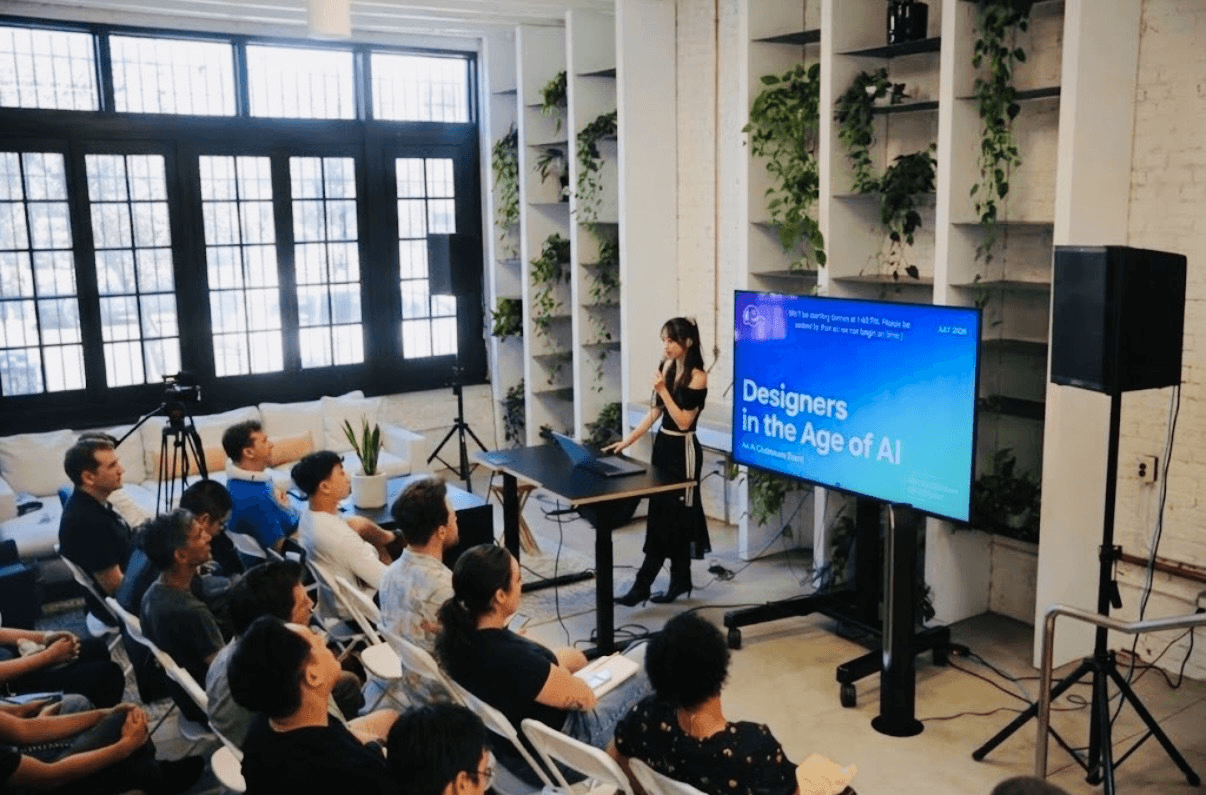
Working as a one-person design team also meant creating a design culture of her own. When she noticed a lack of opportunities for designers in Los Angeles to share their work and connect, she organized “Designers in the Age of AI,” an event that attracted hundreds of designers.

A New Approach to Online Communities

Vera’s experiences across different cities, dance communities, and product design eventually shaped Season.

The concept draws inspiration from the Japanese aesthetic principle Mono no Aware (物の哀れ), which recognizes the bittersweet beauty of things that do not last forever.

Rather than encouraging users to maintain permanent online communities, Season allows groups to naturally end and form again every 30 days. The idea reflects Vera’s belief that relationships and communities can remain meaningful even as they change.

“I have spent my whole life walking into rooms full of strangers and turning them into places where people belong,” Vera shares. 

“Every one of those communities had a season. Some friendships lasted, but the room itself always changed. Season is the first time I designed software that tells the truth about that instead of pretending the room is permanent.”

This fall, Vera moved to San Francisco, marking another chapter in her career. She has also begun a Doctor of Business Administration with a concentration in Applied Computer Science, focusing her research interests on human-centered design and how digital products can better serve their communities.

Her work in design is also opening new opportunities. Vera was recently invited to join the  International Academy of Digital Arts and Sciences (IADAS) and will soon begin judging the Webby Awards.

For Vera, the same principle continues to guide her work: great design is always intentional, and the people using it should be able to feel the difference.

Follow Vera’s journey in rethinking digital connections. 

📍 Connect with Vera

image

Stories

Steve Liu Knows How to Draw a Crowd. With TRI3E, He Wants to Help Communities Grow.

From producing shows with major artists to leading product design at Amazon and Palo Alto Networks, Steve Liu knows a thing or two about bringing people together.

With TRI3E, he’s using what he’s learned to help people, creators, businesses, and organizations build stronger communities.

Understanding What Brings People Together

Filling a venue is one thing. Getting people excited enough to bring their friends is another. Steve Liu learned that firsthand in San Francisco’s nightlife scene.

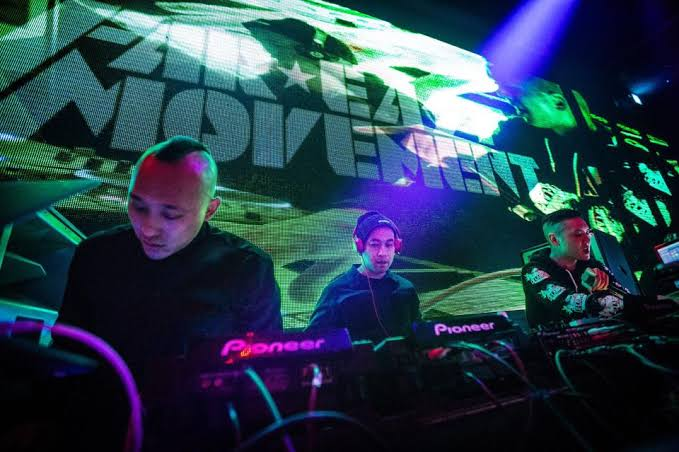
As a nightclub promoter and event producer, he helped organize shows featuring The Chainsmokers, Far East Movement, MC Jin, and comedian Ali Wong.

What stood out to Steve wasn’t just how people discovered events, but what happened when they came together. Friends brought friends, new connections formed, and people found a sense of belonging through shared experiences.

He realized that the most meaningful part of bringing people together wasn’t filling a room. It was creating experiences people genuinely enjoyed, felt part of, and wanted to share with others.

A Different Way of Looking at Problems

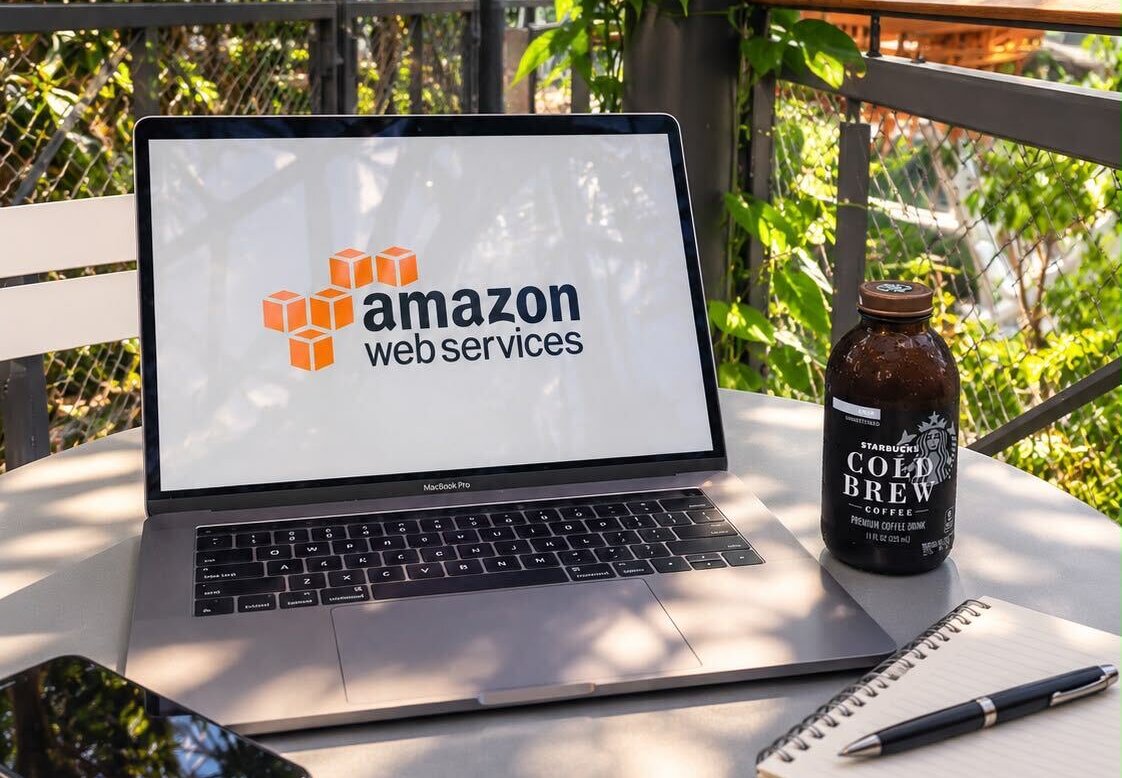
Outside entertainment, Steve was building a career in technology. He eventually led product design teams at Amazon and Palo Alto Networks, working on products involving cloud computing, global supply chains, and cybersecurity.

The work was different from organizing events, but it taught Steve how to approach complex, multidimensional problems. Working across technology, business, and human needs, he learned to connect different perspectives, navigate competing priorities, and turn complicated challenges into practical solutions.

His experience as an entrepreneur also gave him a firsthand understanding of how difficult it can be to grow a business, reach the right people, and keep them engaged.

Over time, those experiences started to come together. He had seen how people brought others into events and communities, and he understood how technology could help make those connections easier.

That got him thinking about what better community-building tools could look like.

Helping Communities Do More Together

Think about a restaurant planning an event, a creator looking to bring supporters together, or a community organizer trying to reach more people.

They already have people interested in what they do. The challenge is finding ways to get those people involved, keep them connected, and encourage them to bring others along.

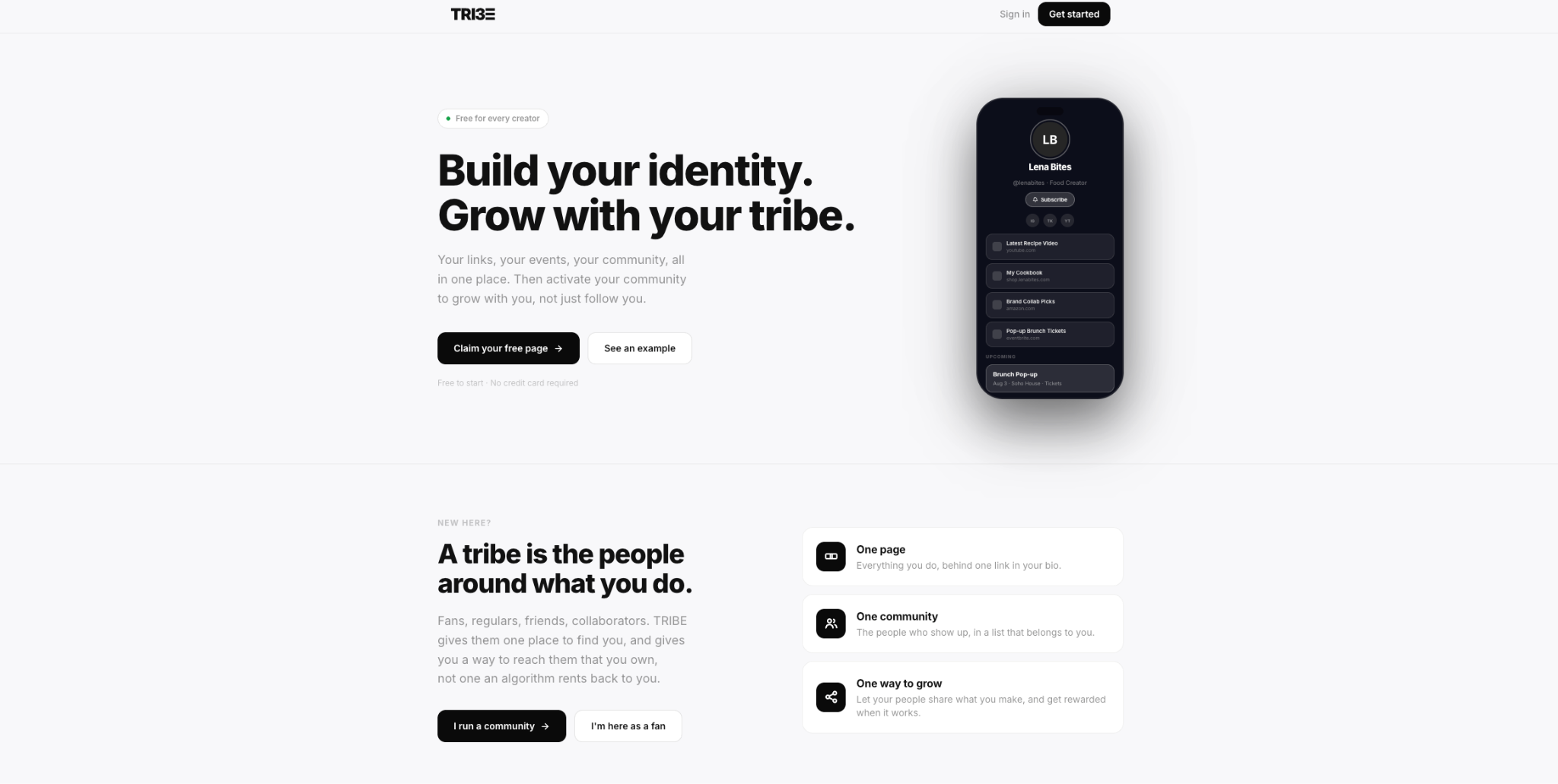
That’s the thinking behind TRI3E (Tribe), the platform Steve is building.

TRI3E aims to help individuals, creators, businesses, and organizations build and grow their communities. Through the platform, they can share events and opportunities, invite others to participate, and give members more ways to stay involved.

For a restaurant, that could mean inviting regular customers to an event and encouraging them to bring friends. For a creator, it could mean sharing a new project with supporters. For an organization, it could mean helping members discover opportunities and meet others with similar interests.

The goal is to make it easier for people to stay involved, bring others along, and create more opportunities within their communities.

Building What’s Next

For Steve, TRI3E is an opportunity to bring together years of experience in technology, entrepreneurship, and entertainment around an idea with much broader potential.

Whether it’s a neighborhood restaurant, an independent creator, or a network like Asian Hustle Network, communities already have people who want to see them succeed.

What if those people had better ways to make that happen?

That’s the vision behind TRI3E: helping people turn their existing connections into more opportunities for their communities.

Join TRI3E

Build your community. Activate your network. Grow together.

Explore TRI3E | Connect with Steve

image-png

Stories

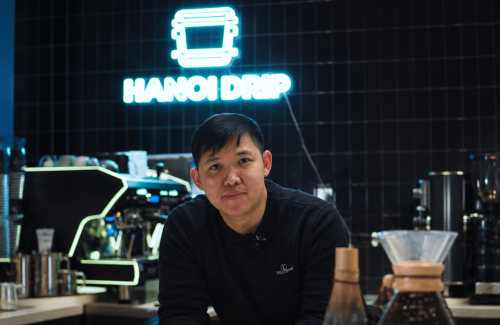
From Vancouver to the World: Thomas Vu’s Vision for Hanoi Drip Coffee

Vietnam is one of the world’s biggest coffee-producing countries, yet Thomas Vu rarely saw Vietnamese coffee given the same attention in North America’s specialty coffee scene.

That gap became the idea behind Hanoi Drip Coffee, a Vancouver-based Vietnamese specialty coffee brand that has grown into a multi-million-dollar cafe business in just over two years.

For Vu, the goal goes beyond opening more cafes. He wants people to see Vietnamese coffee differently and prove that a brand deeply rooted in culture can belong on a global stage.

Giving Vietnamese Coffee the Spotlight It Deserves

Vu grew up around the flavors and rituals that make Vietnamese coffee instantly recognizable, from strong Robusta to condensed milk and the slow drip of a phin. Yet despite Vietnam’s rich coffee history, he felt much of that story was still missing from mainstream specialty coffee culture.

That became the opportunity behind Hanoi Drip. Rather than recreate a traditional Vietnamese cafe, Vu and his team asked a bigger question: What could a global Vietnamese coffee brand look like today?

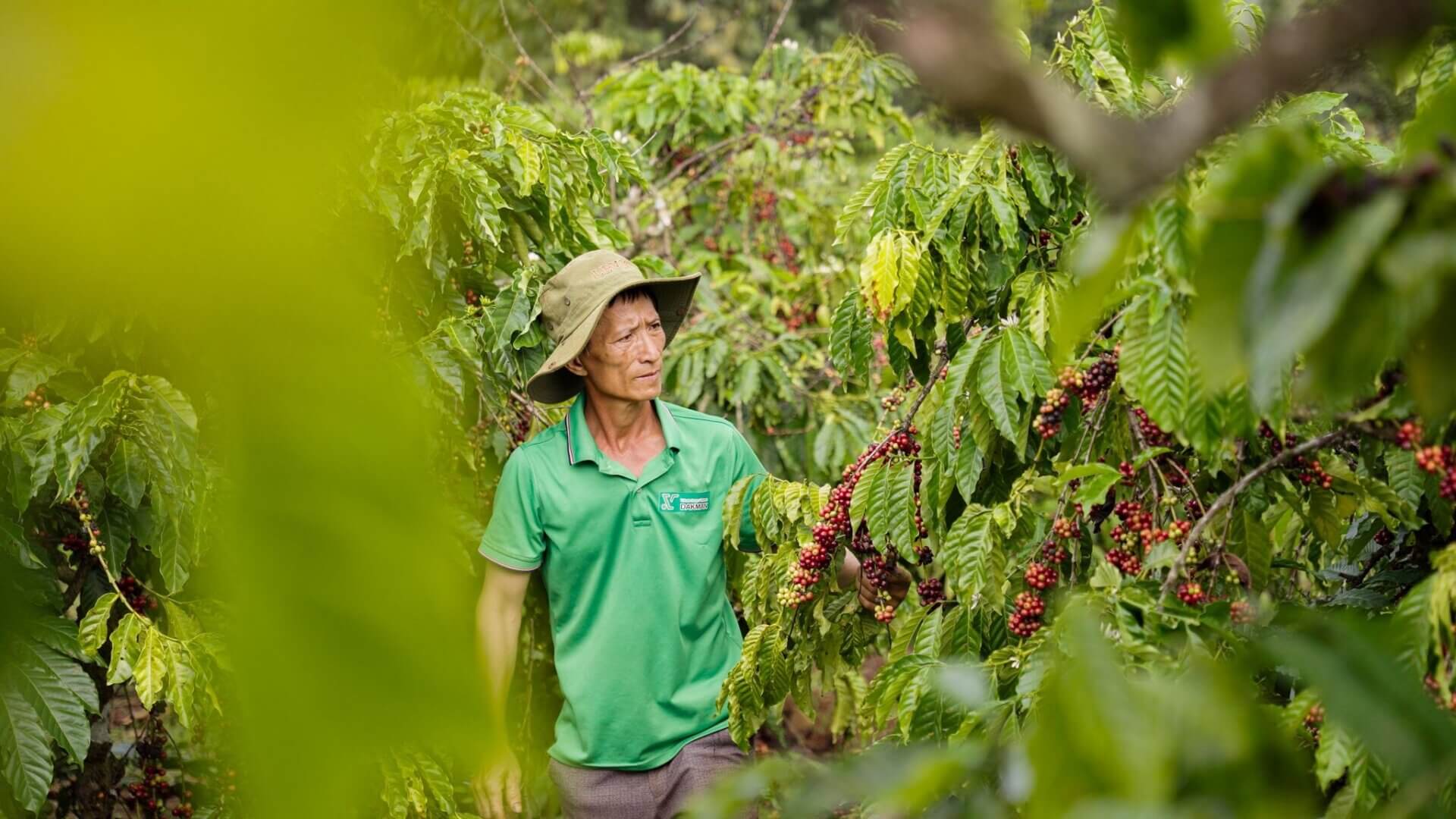
Their answer was to keep the parts of Vietnamese coffee they loved while presenting them for a new generation. Hanoi Drip serves coffee grown in Vietnam, including coffee from Đà Lạt, and puts Robusta, Vietnamese flavors, and phin brewing at the center of the experience.

Learning How to Grow Without Losing the Brand

Building the brand was one challenge. Learning how to grow it without losing what people connected with was another.

When Hanoi Drip was smaller, Vu and the other founders could be involved in nearly every part of the business. As more locations followed, they had to learn how to train teams, develop leaders, manage costs, maintain product consistency, and make sure customers still had a strong experience even when the founders were not there.

Mistakes have been part of that process, and Vu does not pretend otherwise. His approach is to treat them as useful information: fix the problem, build a better system, and move forward, a mindset that has helped Hanoi Drip expand into multiple locations alongside retail coffee, wholesale, and membership offerings.

Taking Vietnamese Coffee Beyond Vancouver

For Vu, some of Hanoi Drip’s most meaningful wins happen when someone tastes Vietnamese coffee for the first time and wants to know more. It also means hearing Vietnamese customers say the brand reminds them of home while still feeling like it belongs to their generation.

That connection has extended beyond coffee. During KOOLFEST 2025, customers purchased more than 1,600 Ube Coconut Coffee and Ube Milk drinks, helping Hanoi Drip raise over $5,500 for a local charity, while the company has also created jobs and collaborated with Asian-owned businesses and creators.

And Vu is still thinking much bigger. He hopes to bring Hanoi Drip beyond Vancouver to markets such as Toronto and Los Angeles, while showing other Asian founders that building something modern does not mean leaving their culture behind.

Learn more about Hanoi Drip and follow the brand as it works to take Vietnamese coffee from Vancouver to a wider global audience.

📍Website

1-png

Stories

From a $10 Craigslist Job to COO of a $300M Business Group: Richard Nguyen’s Road to E-XPIRE

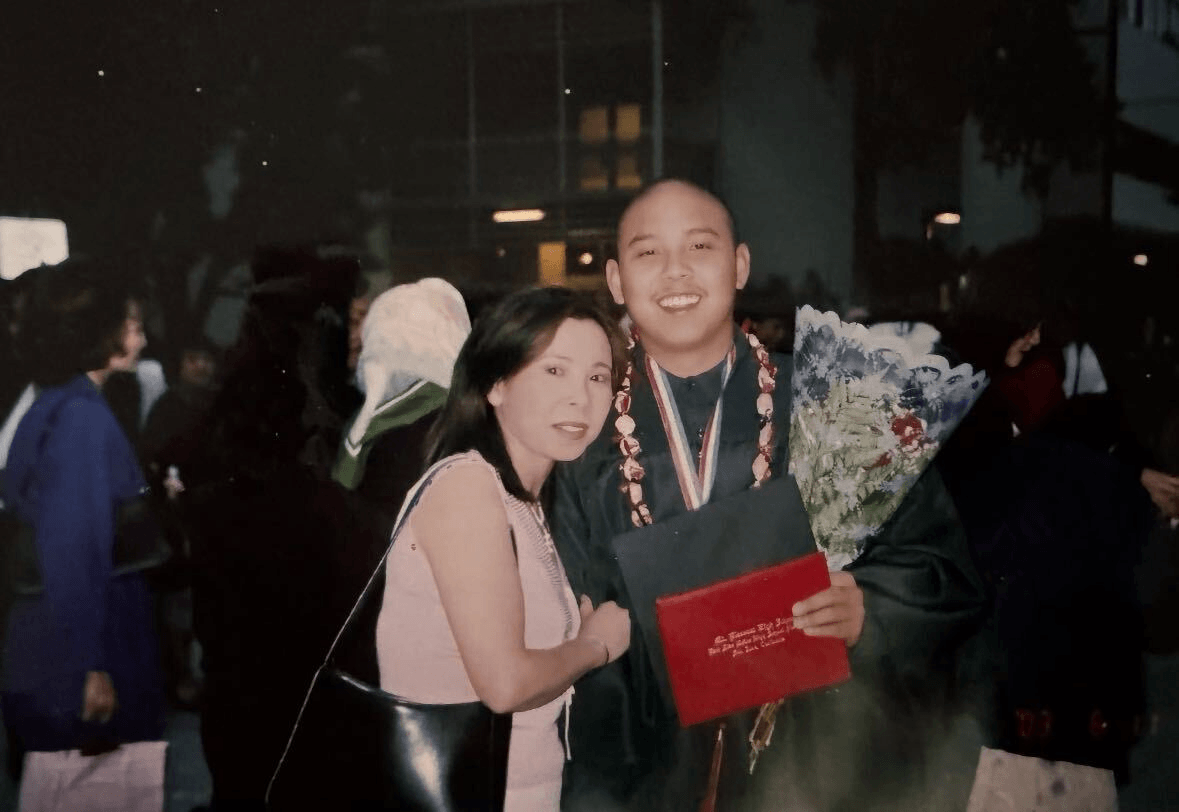
Richard Nguyen grew up on the east side of San Jose, where he became caught up in street life at a young age. Looking back, he believed the path he was on could have ended with either prison or an early death.

Then came the moment that made him reconsider where his life was headed.

He overheard his mother speaking with friends about their children. She talked about relatives who had graduated from college, while Richard felt she had little she could proudly say about him.

“She couldn’t say anything good about me,” Richard recalled.

His mother was raising the family on her own, and hearing her disappointment became a wake-up call. Richard knew he couldn’t continue down the same path and decided he needed to find a different direction.

He took a job he found on Craigslist for $10 an hour, unsure of where it would lead. It became his entry point into an industry where he would spend the next 15 years learning and building experience.

What started as a decision to change his life would eventually become the foundation for something much bigger.

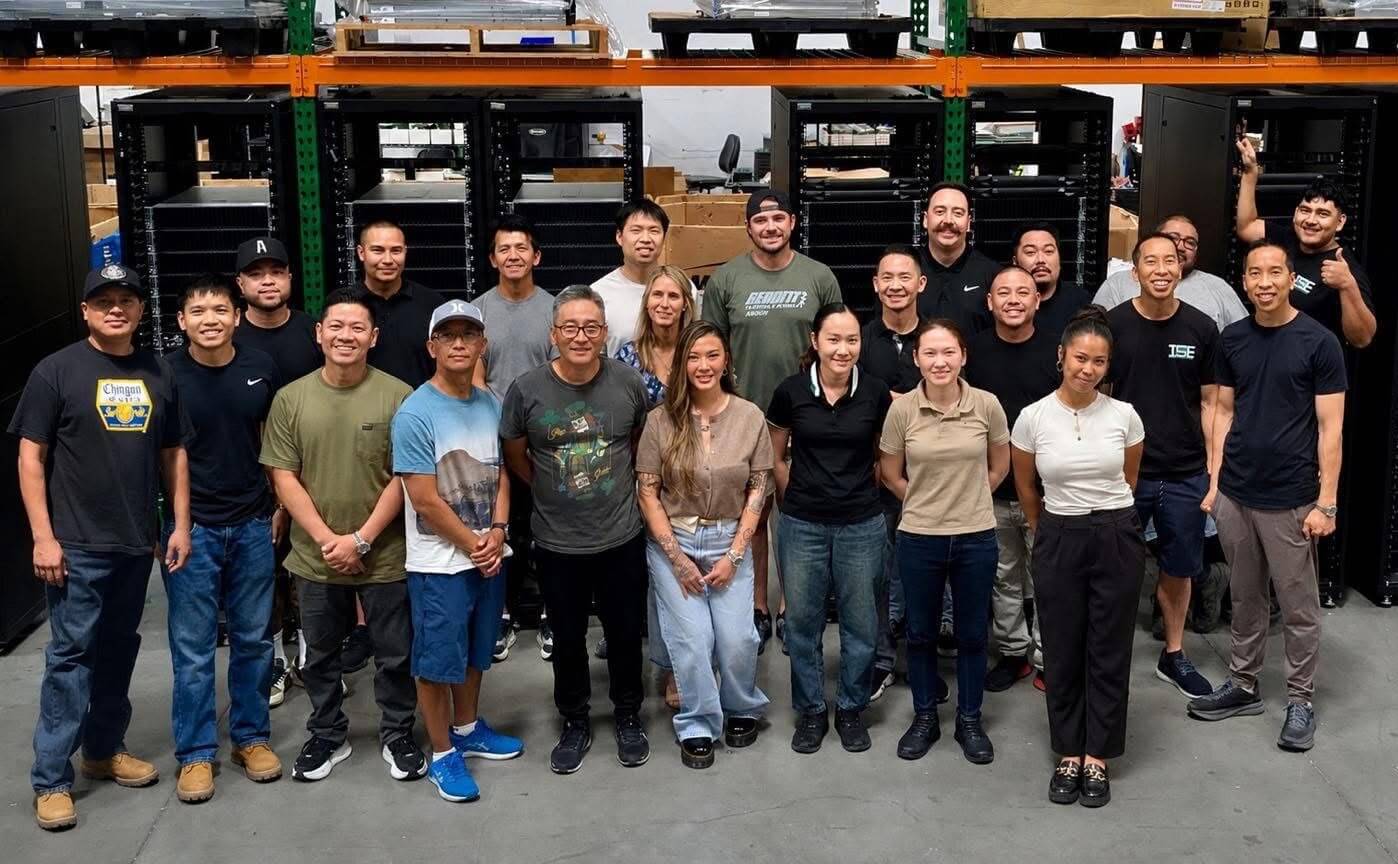
Years later, that experience would bring him together with Jack and David Nguyen and a growing group of IT hardware businesses.

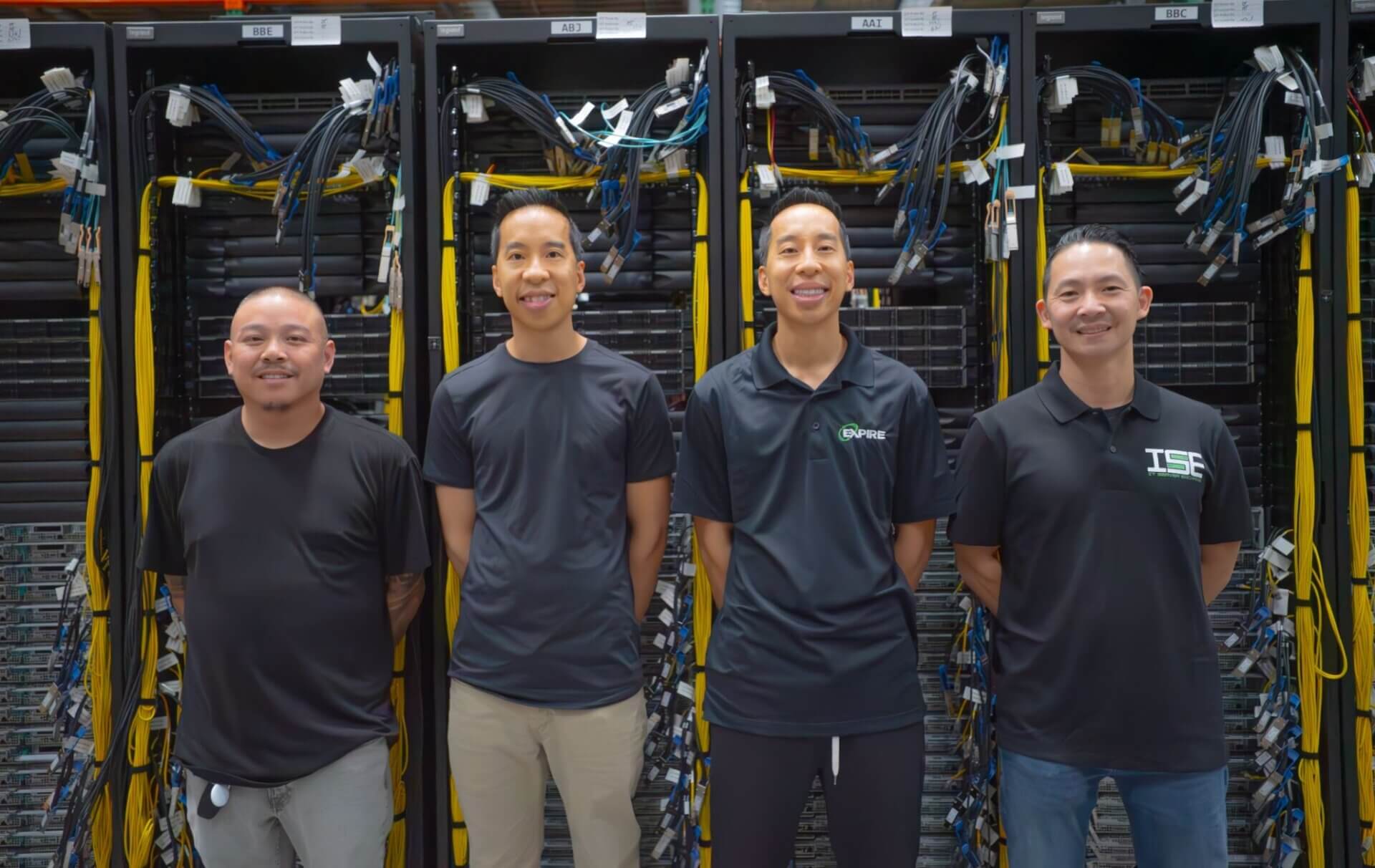
Twin brothers Jack and David Nguyen

The Brothers Behind the Business

Years before Richard partnered with them, twin brothers Jack and David Nguyen were already building their footprint in the IT hardware industry.

Around two decades ago, they saw an opportunity in used computer equipment and began reselling components, primarily semiconductors and RAM. That business became RAM Exchange, which eventually grew into what Jack described as a $50 million-a-year company.

From there, the brothers expanded into servers, networking equipment, drives, and other data center hardware through IT Server Exchange.

By then, Richard had spent years building his own expertise in the same industry. Their paths were about to come together.

Bringing Richard Into the Business

Richard was working for a competitor at the time, but his experience and reputation had already caught Jack and David’s attention. They knew his understanding of the IT hardware business and respected the grit, loyalty, and work ethic he brought to his work.

Eventually, Richard took a risk of his own and started E-XPIRE, focusing on IT asset disposition, secure data destruction, and electronics recycling.

As E-XPIRE grew, Jack and David saw more than Richard’s industry experience. They saw someone who could build a business, lead a team, and execute.

But Richard had already taken the risk of becoming an entrepreneur himself. Bringing him into their business would require more than offering him a position.

The opportunity became a partnership. E-XPIRE and IT Server Exchange merged, bringing Richard’s ITAD expertise together with Jack and David’s established hardware business. Richard became an equal partner in IT Server Exchange and took on the role of COO.

“We gave him the keys,” Jack said.

The merger brought together two complementary sides of the industry and created an opportunity to build something larger. Richard came in ready to rethink how the operation worked, and Jack and David gave him the freedom to make the changes he believed the business needed.

Their roles complemented each other. Richard took the lead on operations, execution, and building the team, while Jack and David provided the business foundation, resources, and support behind him. Jack described himself and David as Richard’s “pillars.”

Together, they continued growing RAM Exchange, IT Server Exchange, and E-XPIRE. Today, the partners say the three companies are on track for around $300 million in combined annual revenue.

What began with Richard taking a chance on himself and building E-XPIRE ultimately became the start of a partnership that would help reshape IT Server Exchange and support the growth of the wider business group.

Leading Through Culture

For Richard, how the team works is just as important as how the business grows.

He describes a culture built around speed, loyalty, and getting things done. Internally, the team uses the phrase “GSD,” short for “get stuff done.”

Richard also sees his employees’ livelihoods as a personal responsibility.

“I work 18-hour days because it’s for my team and my family,” he said.

David credits Richard with creating a culture where employees feel that same sense of loyalty toward the company.

That philosophy is shared by all three partners. Jack said one of their biggest sources of pride is not simply revenue growth, but the impact their businesses have had on employees and their families.

Finding a Reason to Keep Going

For Richard, success still traces back to the conversation he overheard more than two decades ago.

Today, David says Richard’s mother lights up when she talks about him.

“Every time I see her, she smiles,” he said. “She’s so proud of Richard.”

Richard’s advice for people who feel the odds are against them is simple.

“Anyone can make it,” he said. “You just gotta find a reason to do it.”

More than two decades after that conversation, Richard has given his mother plenty to be proud of. That same drive now carries into the work Richard, Jack, and David are building at E-XPIRE.

While companies race to adapt to AI, Jack, David, and Richard focus on what powers it: infrastructure. Their businesses support its lifecycle, from hardware to responsible decommissioning.

Today, E-XPIRE helps businesses securely destroy sensitive data and responsibly manage retired IT equipment. As technology continues to evolve, so does the need to handle what gets left behind.

Learn more about E-XPIRE and its work in IT asset disposition, data destruction, and electronics recycling.

📍Website