Stories

July 10, 2023

SHARE:

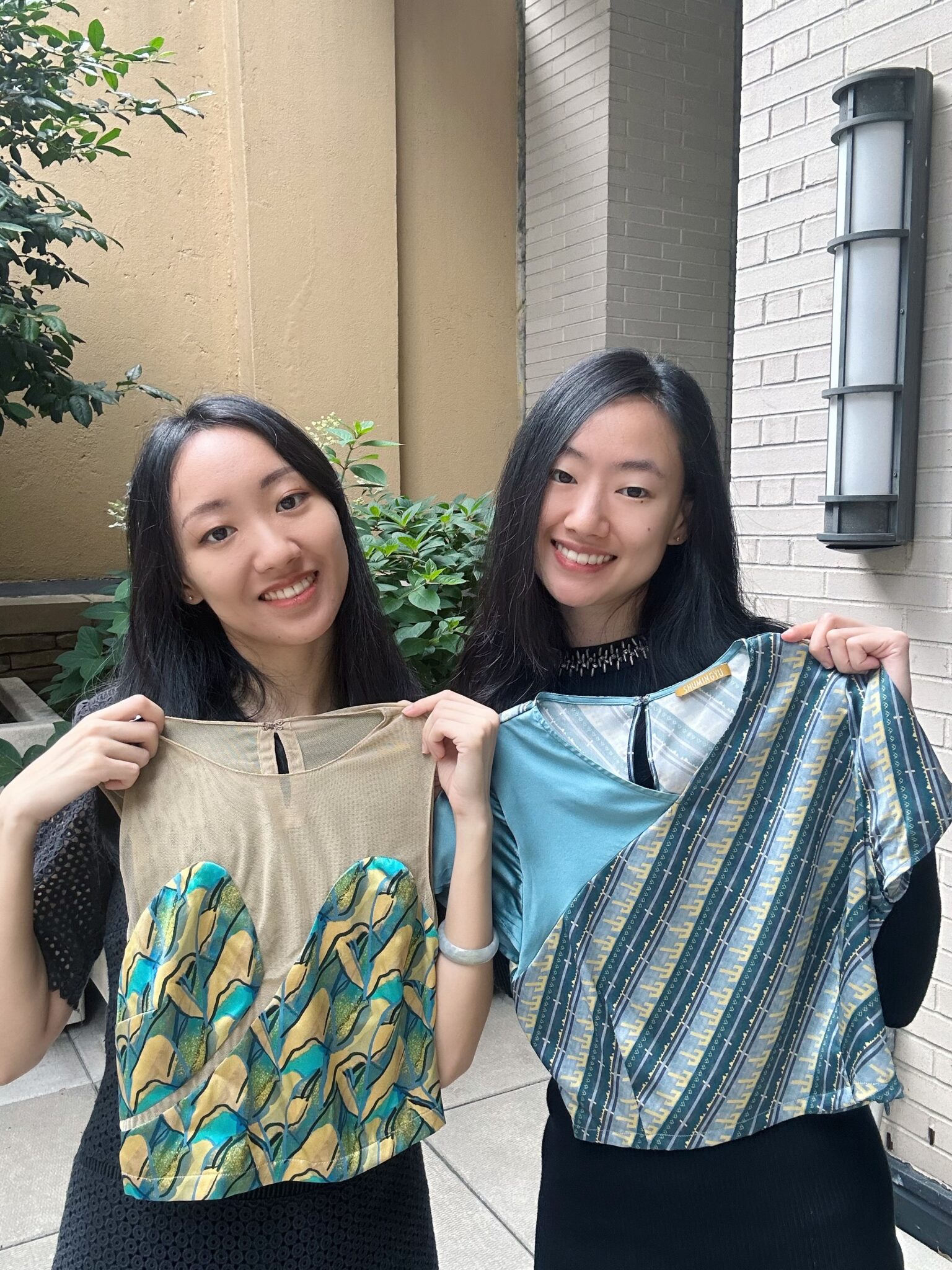
SHUMINGYU is an esteemed designer womenswear brand that finds its roots in the poetic essence of Chinese art.

Alvina Ding and Laura Ding, the talented sister team behind the brand, have embarked on a remarkable venture to preserve and interpret the artistic lineages of China through the medium of fashion.

With their deep personal connection to their heritage as second-generation Chinese Americans, their brand serves as a heartfelt expression of their cultural journey and a platform to share the cultural memories passed down through generations. The name SHUMINGYU holds great significance, as it pays tribute to the profound Chinese saying â€œèœć¶ćœ’æ č”, which invokes the powerful imagery of autumn leaves falling towards their roots, returning to the soil that once nurtured it.

Throughout history, Chinese artists have expressed their poetic selves through various art forms such as painting and poetry. SHUMINGYU draws inspiration from this legacy. Alvina, as the designer, and Laura, in charge of marketing, collaborate to create a collection that captures the elegant beauty inherent in Chinese aesthetics.

In an exclusive interview with Asian Hustle Network, Alvina and Laura walked us through their journey of preserving Chinese artistic lineages through fashion.

WHAT INSPIRED THEM TO CREATE SHUMINGYU

Alvina and Laura: We always had a passion for Chinese culture. As Chinese Americans, we were fortunate to grow up in a household that gave us exposure to the beauty of the culture such as its poetry and the arts, despite not being able to visit that often.

The fact that we were physically removed from the country of our cultural heritage, in many ways enabled us to appreciate the culture even more. We spent the next decade in between the U.S. and China, completing our undergraduate degrees in Beijing, kickstarting our early professional careers, and finishing graduate school in the U.S. It was during this time that the idea for SHUMINGYU was conceptualized. 

Alvina: The idea for SHUMINGYU was first planted in my mind in college, where I was formally introduced to the canon of Chinese artistic lineages as a Chinese art history major. I thought it was odd that despite the breadth and nuances of Chinese aesthetics that were crystalized over thousands of years, it was rarely reflected in modern fashion products. To me, culture should not be relegated to a museum. It has meaning only when it is a part of one’s daily life. While I was studying fashion design at Parsons and Laura was in business school, we began to turn this idea into reality. I want this type of beauty to be seen, not only in rarified spaces such as classrooms and museums but by more people through a medium such as fashion that can be a part of our everyday lives. This fuels me as a fashion designer. 

HOW SELF-DISCOVERY INFLUENCED THEIR AESTHETIC AND VISION

During our young adult years living between China and the U.S., we came to understand that identity is multifaceted.

There isn’t one way to be American, Chinese, or Chinese American. Cultural identity and heritage are not limited by where you were born or what period you are living in. It is something that is constantly evolving, passed down through generations, and shaped by the people who are currently living and breathing it.

This motivated us to combine the cultural fluency we gained over the years with design as a universal language to create SHUMINGYU. This is our way of sharing our perspectives on the beauty of Chinese aesthetics and the artistic lineages that have come before us with a global audience.

THE CREATIVE PROCESS

Alvina: I first decide on a particular theme, which is either a genre of Chinese art or a type of craft. Then I dive into research on the theme for a month or two. I read academic papers and art history books to understand the significance of this kind of genre, the elements that influenced its formation, what type of art it had an impact on later, its philosophical underpinnings, where the colors come from, and literary references. I look at the most representative pieces of art from the genre and identify the most distinctive characteristics that will define the overall feel of the collection.

During this process, I am looking at art objects that have graced the courts of emperors, the gaze of connoisseurs, and the hands of skilled artisans. From the free-spirited brushwork of ink paintings, the rhythmic flow of poetry, and the delicate luster of ceramics, all of this informs my final design decisions.

As I do the research, I see designs in my head. I visualize the images and colors and capture what I see into sketches, which I then translate into prints. Once I finish my prints, I think about what silhouettes they would work best on. From then on, it’s about deciding what fabrics work best for each design and seeing how different designs fit together into an overall collection.

SHOWCASING CULTURAL HERITAGE INTO THEIR DESIGNS

Each of our collections has a specific theme, and then we incorporate that theme into the custom prints that we develop, as well as the silhouettes of our designs. For example, our first collection ‘Of Blue Mountain and Verdant Forests’ was designed around the theme of Chinese landscape paintings. Therefore, each custom print that we developed is rooted in a piece of artwork, literature, or philosophy that is connected to landscape paintings. Our hope is that with each piece a customer wears, they can discover a new piece of culture.

Example 1:

The print of our Brushwork Dress is inspired by a brush stroke technique from the Southern Song Dynasty landscape painting The Joy of Harvest. Developed by the painter Li Tang from the Northern Song dynasty, the technique is called the “axe-cut stroke” and uses angular, staccato brushstrokes to depict the rocky surfaces of mountain peaks. The brush stroke derives its name from its visual resemblance to chopped wood and is one of two major brush strokes used to depict the texture of rocks in landscape paintings. The color of the dress is inspired by the golden brown hue of the painting scroll and the style lines are outlined in the shape of mountain ranges. The skirt hem shape is symbolic of the reflection of mountains in the water.

The Joy of Harvest is a masterpiece by Song Dynasty artist Ma Yuan (1160 – 1225), one of the most influential landscape painters of his time.

Example 2:

The print of our Spring Mountains Set is inspired by the mountain ranges from the Sui Dynasty painting Spring Excursion, widely cited as the earliest surviving work of Chinese landscape painting. The print traces the delicate, twisting brush strokes that outline the rise and fall of spring mountains in the distance. The colors are inspired by the luxurious powdered gold, malachite green, and azurite blue pigments used in the painting.

Painted by artist Zhan Ziqian, Spring Excursion was one of the first paintings to give prominence to mountains and rivers over human figures. It is considered a seminal work that marks the genesis of the most influential category of Chinese art for thousands of years to come.

FOSTERING A DEEPER APPRECIATION OF CHINESE AESTHETICS AMONG A GLOBAL AUDIENCE

We want to share the breadth, depth, and nuances of Chinese aesthetics with a global audience through our clothing. By offering an alternative aesthetic view to the exotified and caricatured version of Chinese fashion that has been perpetuated throughout the past century, we want to move beyond the set of narrow motifs that have defined what Chinese fashion can look like and open the door into a world where design is created by those who live and breathe the culture and comes from an informed and nuanced perspective.

Perhaps one of our prints will spark someone’s interest in understanding a particular artistic movement in history or thinking about how Chinese aesthetics is perceived today. If our pieces can inspire people to value culture more and spark conversations, then we’d consider that a success. 

WHAT LIES AHEAD FOR SHUMINGYU

We already have a lineup of themes for our future collections, and some designs are already in the works for our second and third collections. We also want to integrate more types of fabrics, silhouettes, and crafts into our designs.

In addition to clothing, we have future plans to expand into accessories, including handbags and fragrances. We are excited to bring our vision to life, step by step, and hope that others are excited to come along on this journey as well!

CONNECT WITH SHUMINGYU

Instagram: @shumingyuofficial

Website: shumingyu.co
Related Articles

medschoolboiz-png

Stories

Creators Podcast: Surya Chinamuthevi on the Journey of Medschoolboiz

AHN and Meta Prosper have partnered on a new podcast series highlighting API creators. Meta Prosper is dedicated to amplifying and supporting the API community and driving economic growth and equitable representation. The Creators Podcast series delivers stories on how creators achieved success and created impact through their platforms, serving as an inspiration for the community.

The journey through medical school is often depicted as one of relentless study and sacrifice, but the Medschoolboiz, a group of Texas A&M medical students, are flipping the narrative. With a mission to showcase the friendships, fun, and meaningful moments that make the medical journey worthwhile, Medschoolboiz has become a social media sensation.

Founded by a group of friends who bonded during a pre-medical school retreat, the Medschoolboiz started as an organic experiment. Their first video, a TikTok filmed at their white coat ceremony, captured their transition from casual attire to white coats. The video went viral overnight, and what began as a fun project evolved into a platform celebrating the lighter side of medical school.

Under the slogan “Camaraderie in Medicine” and the tagline “Excited for the journey, not just the destination,” the Medschoolboiz aim to highlight the importance of relationships and joy in what is often seen as a grueling profession.

In a recent episode of the Creators Podcast, hosted by Asian Hustle Network in partnership with Meta Prosper, Medschoolboiz member Surya Chinamuthevi shared insights into their journey. He discussed how the group balances medical school with content creation, the challenges of maintaining authenticity, and their vision for the future.

CONNECT WITH MEDSCHOOLBOIZ

Website: medschoolboiz.com
Instagram: @medschoolboiz
TikTok: @medschoolboiz

William Wang's

News

The Story Behind VIZIO Founder William Wang’s Lifetime Achievement Award

This October, William Wang was honored with Lifetime Achievement at the 75th Annual Technology & Engineering Emmy Awards. As the founder of VIZIO, Wang has revolutionized the television industry, shattering the cost-related concerns about whether quality and pricing can go hand in hand. From a Taiwanese immigrant to a trailblazer, his journey is one of innovation and persistence.

Humble Beginnings and Pursuit of the American Dream

Born in Taipei, Taiwan, William Wang immigrated to the United States as a teenager with his family. Settling in Southern California, cultural barriers arose as a major problem for an immigrant teenager like Wang. However, his persistence shone through: he excelled academically, leading him to pursue engineering at the University of Southern California (USC).

Image Soure: VIZIO

After graduation, Wang was on his way to materializing his dream: starting a company in the tech industry. Yet, he failed multiple times, draining his resources and budget. However, each failure gave him the opportunities and lessons to grow his entrepreneurial endeavors.

The Turning Point: A Life-Altering Experience

But life comes with unheralded events. In 2000, the Singapore Airlines Flight 006 that he was on encountered a crash, and he was one of the few survivors of that fatal incident.

This disastrous event completely altered his outlook on life: he became more grateful for his relationships and the comfort they provide, such as families spending cozy time together watching TV. This newfound perspective catalyzed his entrepreneurial shift into his next venture, fostering an idea that would transform the consumer electronics market. He envisioned a future where the gap between top-tier technology and affordability disappeared—a vision that soon became VIZIO. In 2002, he launched VIZIO. 

By 2007, just five years after its founding, VIZIO had become the top-selling LCD TV brand in the United States—a monumental achievement in an industry dominated by global giants like Sony and Samsung.

Wang’s Humble Reflections on the Achievement

William Wang's
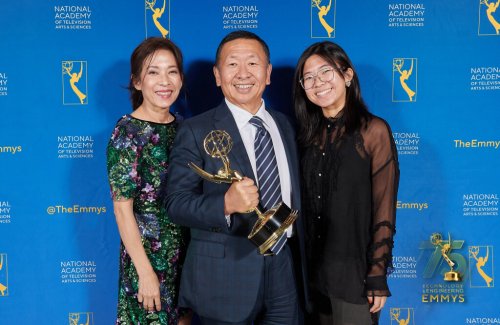
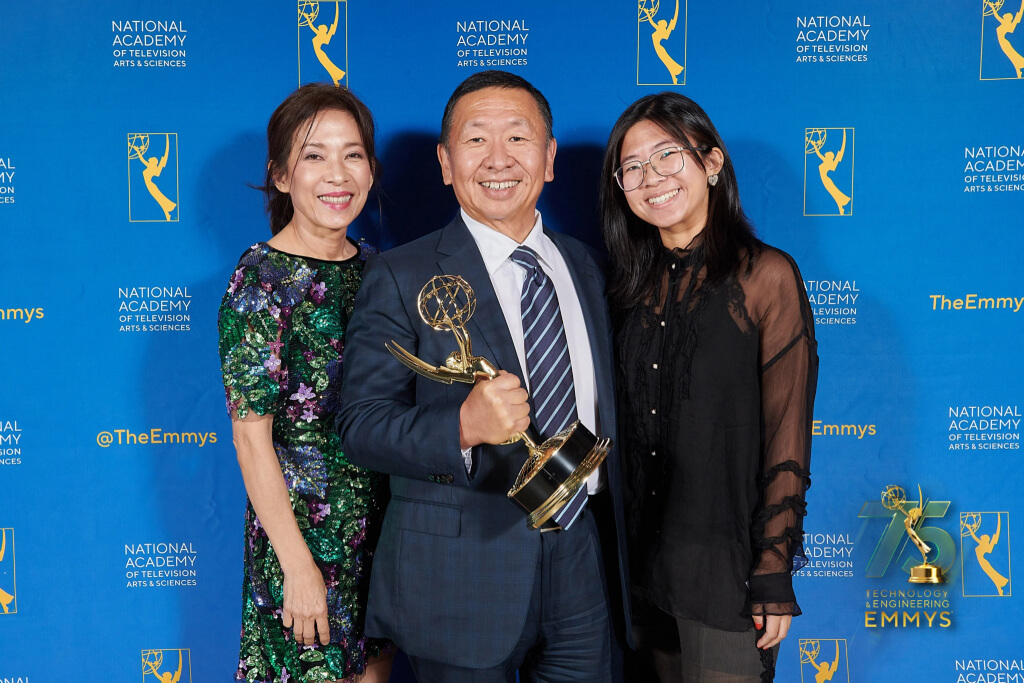
William Wang (center) with his family at the 75th Technology & Engineering Emmy Awards. (Image Source: VIZIO)

When receiving the prestigious Lifetime Achievement Award at the Emmy Awards, he couldn’t help but feel emotional about his near-death-inspired vision. At that moment, his survivor’s guilt had driven him to enrich lives, saying, “My life has been dedicated to bringing great technology to consumers in America.” As influential as he is, he expressed his gratitude for his team, stating, “This recognition is also a testament to the incredible team at VIZIO – it is our lifetime achievement. Together, we’ve challenged the status quo and have created new possibilities for the future of television. I’m proud of what we’ve accomplished and excited for the journey ahead as we continue to push the boundaries of technology and entertainment.”

Featured Image Source: VIZIO

2be9dbfe-8170-4a3a-8ef1-f1dd8a946db5 (1)-jpg

News

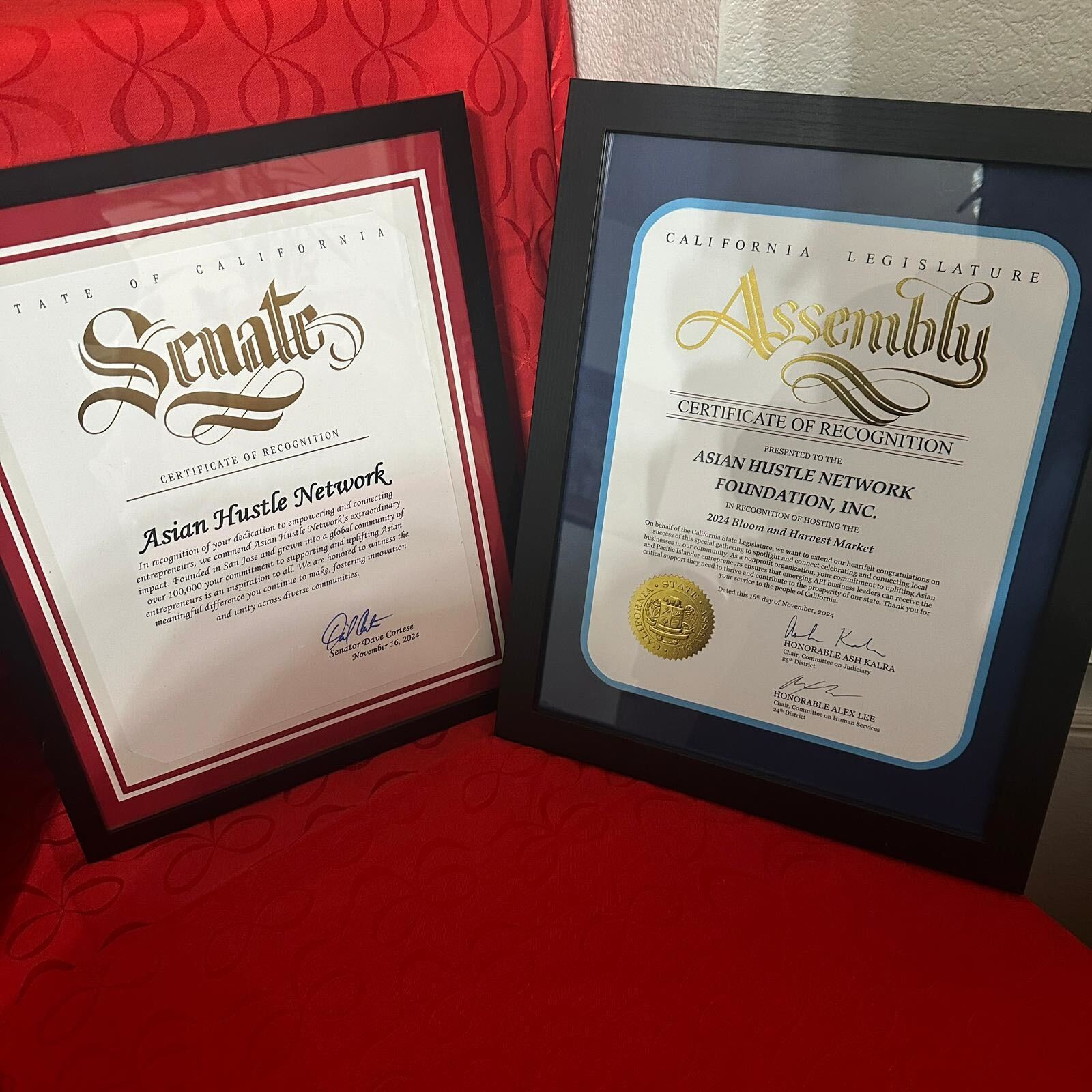
AHN and AHNF Celebrate Milestones with California Senate and Assembly Recognition

As an acknowledgment of Asian Hustle Network (AHN)’s contribution to the Asian and Pacific Islander (API) community, the California State Senate has extended its appreciation for AHN’s extraordinary efforts in fostering innovation and unity. Since its founding in 2019, AHN has continued to support and uplift the API community.

This year was a rewarding and progressive year for AHN, with numerous events and projects in the pipeline to build and strengthen the community while inspiring the next generation of future API leaders. 

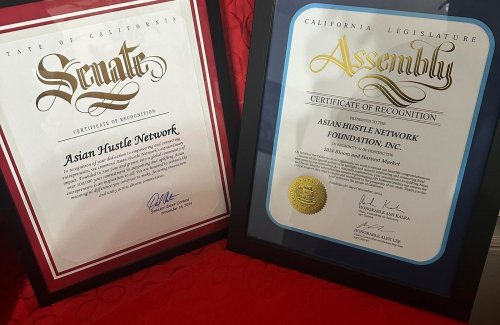
One of the highlights was having our executive director Tristan Paule, and the AHN organization honored with a Certificate of Recognition from the California State Senate and Assembly for successfully hosting the 2024 Bloom and Harvest Market in San Jose, CA. In partnership with SHOPLINE, Flora Haven, and Hot Boi Chili Oil, the event truly aligns with our vision, creating a vibrant marketplace for local AAPI vendors, entrepreneurs, creatives, and influencers. 

In addition, we want to extend our gratitude to those who have contributed to the event’s success:

Community Partners and Sponsors

@nestleusa, @yelpbayarea, @yelpsiliconvalley, @drinklunar, @banhmioven_ca, @andy_nguyen_photography, @lovemeknots_bridal, @varoundtable, @aodaifestival.sj, @vietsteps, @steph.eatsntravels, @amberkimv, @angelinahong_

Retail Vendors

@daesignstudio, @behabbi, @oyucosmetics, @shop_farols, @thebillyguan, @muzmak.official, @ajarofpickles_, @jhcandleco, @thehungryslothco

Prepackaged Goods

@chartruffles, @thepategirl, @thisisbabas.house, @bonjerksnacks, @nokkifarm, @drinklivingflora, @drinknarra, @hotboichilioil, @helladacbiet, @myjinka

Food & Drink

@nhathecafe, @_hetsay_

Beer Garden

@matchpointbrewing

As we look back on this incredible month, we are grateful for the support and excited for what’s coming. Thank you to the local legislation for believing in and enforcing our mission. 

Interior-Chinatown-e1729570164214

News

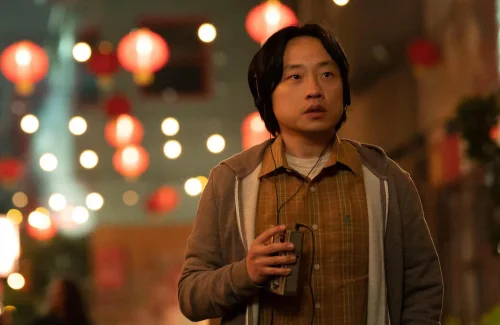
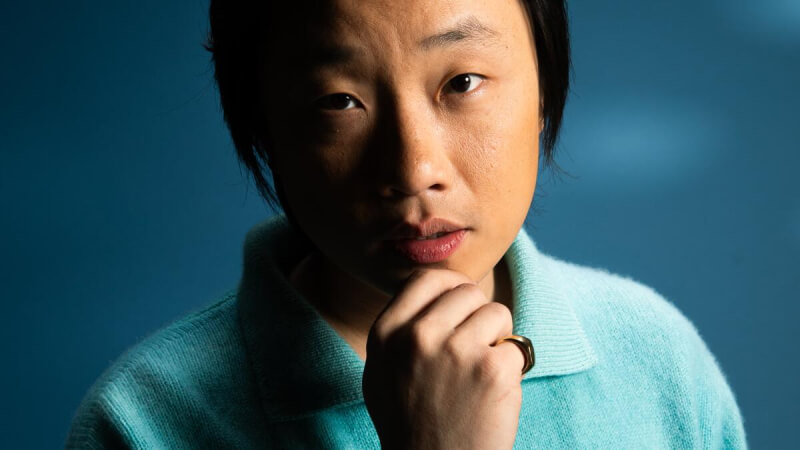
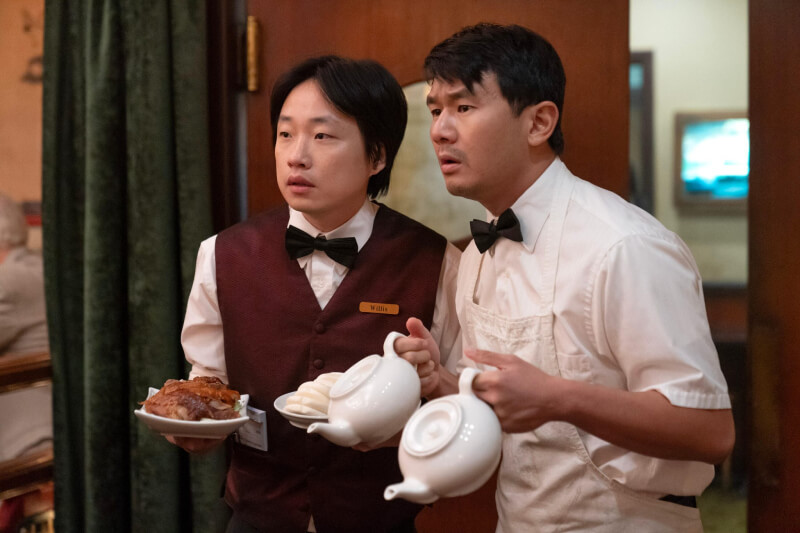
Jimmy O. Yang Finally Wins the First Lead Role in Charles Yu’s “Interior Chinatown”

After years of working at odd jobs, Yang has found his first lead role and left Yu knocked back in tears during his audition.

A Lemon. The $1,500 Toyota Corolla with no power windows, a busted side door, and poor brakes is what Jimmy O. Yang rode around Los Angeles to prepare for his role as Willis Wu, an overlooked Asian American everyman in the series “Interior Chinatown.” 

The result? “Pull over, call whoever got you in here. If you can’t, you gotta go
” A rude remark from the studio’s guard as Yang recalled in a Zoom with the Los Angeles Times (LA Times) even though he was No.1 on the call sheet. 

The experience reminded Yang of his life story as a Hong Kong immigrant moving to the United States. Yang stated in the interview, “Willis’ journey is such a metaphor for the Asian American experience because we are the model minority, but at the same time we are invisible. People talk about Black and white, but where do we fall? You’re just not seen for who you are.” In an article by SCMP, the actor-writer-comedian further exemplifies, “Willis laments feeling like a background actor in someone else’s story and longs to be in the spotlight, but that’s hard if you look like me.”

At the age of 13, Yang relocated to Los Angeles feeling the intense culture shock. “My goal was to just assimilate so I don’t get made fun of,” Yang recalled. In the school’s locker room, he was mocked for wearing whities instead of boxers. During 8th grade, his peers had mustaches and dunked basketballs while he barely hit puberty. Using a fake address, he enrolled in Beverly Hills High School and immersed himself in American pop culture. Unable to rap, Yang learned to incorporate his violin into the hip-hop beats he made through a software named Fruity Loops.

Despite his parents’ harsh opposition, Yang acknowledges, “I don’t think they were, like, anti-art by any means. My dad probably wishes he could have been an actor or a musician. It just truly wasn’t a real job for him. He wanted me to be financially stable, and not be homeless.” Yang started working at a string of odd jobs from selling used cars to DJing at strip clubs. Stand-up comedy, which Yang has now become notorious for besides acting, became his informal acting, writing, and directing school. 

Persistent in his passion, Yang landed small speaking roles in series like “Agents of S.H.I.E.L.D.,” where he was misunderstood as a background actor for his ethnicity, and “Silicon Valley,” originally a one-off guest role or a one-note clichĂ©. Yang’s fame finally came in Crazy Rich Asians. Yang claims, “If I botched an audition, I never blamed the fact that they weren’t looking for an Asian actor. It didn’t deter me. But looking back, we had very limited opportunities. Since ‘Crazy Rich Asians,’ I think there’s more.” The success has made Yang’s father, Richard Ouyang, proud – even helping him with commercial and acting gigs with his son. 

The series “Interior Chinatown” became an immediate connection to Yang. According to the LA Times, Charles Yu, creator of the series which was adapted from his National Book Award-winning novel of the same name, was inspired by, “people who have these backstories, but they don’t get to tell those stories”. He was astonished by Yang’s performance as he felt a connection between Yang’s multicultural background, multilingualism, and his natural ability for acting. 

Despite the grueling six months of shooting, doing comedy, drama, and Kung Fu every week, Yang happily states, “It was very grueling. But of course, it’s a beautiful story worth telling.” At the end of the day, whether it is for better or worse, Yang’s days of being a sidekick are finally over.

Featured Image Source: Mike Taing from The Wrap