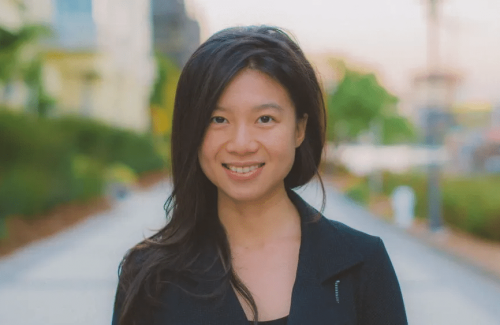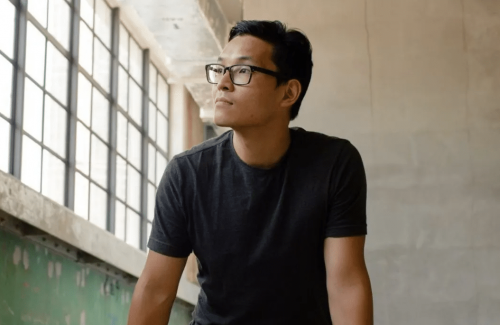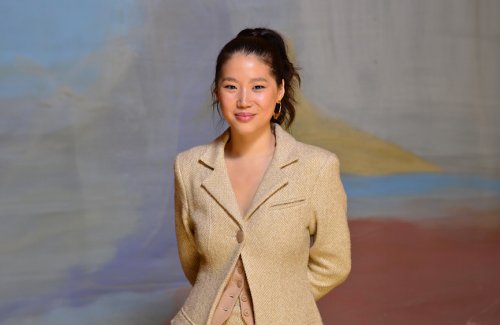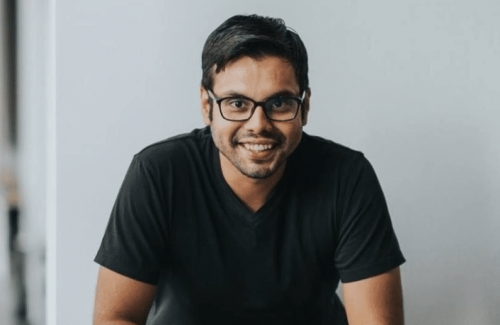
As we celebrate Asian Pacific American Heritage Month, we pay tribute to the Bill Imada Top 50 Unsung Heroes, individuals whose extraordinary acts of bravery, selflessness, and community service have often gone unnoticed.
Nominated by the community and acknowledged during the Uplifted Conference 2024, these heroes represent a diverse array of backgrounds and accomplishments, each leaving an indelible mark on the community.
Join us in honoring these Unsung Heroes, amplifying their remarkable achievements, and recognizing the profound impact they’ve had on shaping a more inclusive and empowered society.
The Bill Imada Top 50 Unsung Heroes 2024

Glenn Boulware
Sr. Director, Ethnic Expansion, Weee!
Glenn Boulware is the Senior Director, General Manager (Merchandising & Marketing) at Weee!, the premier online grocery platform serving Asian communities in the US. In this capacity, Glenn oversees the expansion of ethnic markets, including assortment management, supplier acquisition, category management, new user acquisition, content marketing, and user retention strategies.

Jess Choi
Asian Segment Lead, Northwestern Mutual
Jessica Choi is a dynamic and influential leader in the field of Diversity, Equity, and Inclusion and currently serves as the Asian Segment Lead at Northwestern Mutual. With over two decades of experience in corporate and nonprofit leadership, she empowers individuals to excel while fostering inclusive work environments. Jess has earned prestigious awards for her community engagement, leveraging her academic achievements and practical experience to drive business success.

jason chu
Idea Architect / Rapper, Team Not Lazy
Jason Chu is a prominent figure in the national Asian American scene, known as both a rapper and activist. With his high-energy performances and hard-hitting lyricism, Jason’s music has been featured in various mediums including video games, film, and TV shows like Valorant, Joy Ride, and Mayans MC. Beyond music, Jason is an activist educator, offering clarity and urgency on issues of history, racial justice, and Asian American political and social identity.

Andrew Dinh
Director of Talent, Clique-Now
Andrew Dinh serves as the Director of Talent at Clique-Now, a company focused on nurturing the careers of prominent Asian talent. He brings years of experience in influencer marketing and hosting webinars and workshops for platforms like TikTok and Vigo Video. Prior to talent management, he spent over a decade in education, teaching in various public and private schools in Los Angeles.

Joy Fan
Founder, CEO, re/tell
Joy Fan is a trailblazer in the retail and real estate sectors with over 15 years of experience. She recently launched a B2B booking platform using machine learning to match online brands with excess space in mixed-use storefronts, providing a solution to the evolving needs of the $17 trillion real estate industry. Additionally, she actively works with Mayor Eric Adam’s NYC Small Business Advisory Commission, ACE NEXT GEN, and NYC Chapter Lead of Stand with Asian Americans.

Christian Franz
Founder, Friends of Franz Podcast
Christian Franz is the driving force behind the Friends of Franz Podcast, a globally streamed platform aiming to debunk medical misinformation, humanize healthcare workers, and advocate for minority representation in medicine. As a registered nurse in New York City, Christian’s expertise spans cardiac surgery recovery, cardiology, and public health. He’s also the Creative Lead of “The Asian Care Unit,” promoting mentorship and activism within the API healthcare community. Beyond healthcare, Christian is a successful content creator with two YouTube Silver Creator Awards, focusing on lifestyle and entertainment topics.

Katsuhiro Furuyama
Co-President, Ascend NorCal
Katsuhiro Furuyama boasts over a decade of active involvement, starting as NorCal Co-Vice President in 2019 and currently serving as Senior HR Business Partner at Robert Half. Recognized on the DE&I Influencers list by Staffing Industry Analysts, he is committed to fostering diversity, equity, and inclusion (DE&I) in the workforce. Amidst evolving headlines, Katsuhiro remains steadfast in making DE&I a top priority, tirelessly working to transform the work environment into an inclusive space where everyone thrives.

Julia Gouw
Former President and COO of East West Bank
Julia Gouw, retired President and COO of East West Bank, is a five-time “25 Most Powerful Women in Banking” honoree. Recognized for her leadership, she champions Asian representation in entertainment, serving on the board of trustees for the Academy Museum of Motion Pictures and being honored as an “Entertainment Game Changer” at Asia Society Southern California’s 2021 U.S. She was also recently inducted into 2023 Outstanding 50 Asian Americans in Business by the Asian American Business Development Center (AABDC).

Peter Huang
Co-Founder, Golden Guide
With over two decades of experience, Peter Huang has provided leadership and operational oversight for various nonprofits, corporations, and startups, driving sustainable growth and maximizing revenue potential. Specializing in performance marketing, Peter excels in developing strategies for multi-channel marketing services, including go-to-market strategies, advertising campaigns, and lead generation.

Jane Hyun
Founder & CEO, Hyun & Associates Inc.
Jane Hyun is renowned as a leading authority in leveraging culture and diversity to drive business growth and innovation. She has worked with corporate clients worldwide, guiding leaders to bring their full selves to the workplace through her Cultural Fluency in Leadership program. With bestselling books like “Breaking the Bamboo Ceiling” and numerous media features including CNN and Harvard Business Review, Jane is committed to closing the Asian leadership gap in corporate America.

Ariba Jahan
Head of Transformation at Anomaly and Founder of Up Next In Tech
Ariba Jahan fosters change in the technology and creative sectors, using her voice to initiate vital discussions and create impact. As Head of Transformation for North America at Anomaly, she spearheads innovative solutions in digital products and organizational strategy. Ariba also founded Up Next In Tech, a podcast discussing emergent industries and responsible innovation. Her work tackles societal issues like mental health awareness and COVID-19 education.

Michelle MiJung Kim
Author & Activist, The Wake Up
Michelle MiJung Kim is the award-winning author of “The Wake Up: Closing the Gap Between Good Intentions and Real Change”. She is CEO and co-founder of Awaken, where she has consulted hundreds of giant organizations and executive leaders. Michelle also serves on the board of Asian Americans for Civil Rights and Equality (AACRE) and has been named LinkedIn’s Top Voice in Racial Equity, Fast Company’s Queer 50, and Medium’s Top Writer in Diversity three years in a row.

Jennifer Kong
Community Leader
Jennifer Kong is a powerhouse community leader known for her commitment to making a positive impact. As the Executive Director of Asians in Advertising and a member of TeachAAPI, she contributes her versatile skills to drive growth and empower others. Jennifer also supports Asian founders and community leaders through initiatives like ACE NextGen and AHN, using her warmth and approachability to foster collaboration and meaningful change.

Sumi Krishnan
Entrepreneur, Dream Life
Sumi Krishnan is an entrepreneur and artist most known for founding and building a 200-person IT and management consulting firm, which serves healthcare and national security solutions for 8 federal government agencies. With a Master’s from Harvard Kennedy School, she led growth for a civics-education platform called Resistance School and recently started pursuing her passion as a singer-songwriter in LA.

Natassia Kwan
Attorney & Activist, Sheppard Mullin LLP
Natassia Kwan, recognized by the American Bar Association as a “Top 40 Young Lawyer-On the Rise,” serves as National Alumni Co-Chair of the ABA Judicial Internship Opportunity Program (JIOP) and Co-Chair of the Minority Bar Coalition (MBC) and AABA Women’s Committee. As an immigrant and mother, Natassia is passionate about impacting positive change for future generations. Natassia also served as a Parliamentary Researcher in the United Kingdom House of Commons, culminating in a presentation to Prime Minister Gordon Brown.

Michael W. Lai
CEO & Co-Founder, AsianFeed
Michael W. Lai is the CEO and co-founder of AsianFeed, a leading Asian-centric digital media brand with over 500,000 followers and 25 million monthly reach. He also co-founded Century Glow, a skincare brand, and Potluck Showdown, an Asian-inspired entertainment brand, collaborating with major organizations like Netflix, Disney, and the White House. Michael’s innovative work has earned him a Long Island Innovator of the Year recognition, and a Clinton Foundation grant award.

David Lam
Founder, Tech2table
David Lam is the visionary behind Tech2table, leveraging his extensive experience as a Product Leader in big tech and startups. With over a decade of expertise advising and investing in various companies, David founded Tech2table as a social enterprise in April 2022. His mission is to foster a community-driven approach to empower individuals in the tech industry, ensuring everyone has a seat at the table. In less than a year, Tech2table has amassed over 500 members, established partnerships, and facilitated meaningful connections through innovative in-person dinners and experiences, with plans for global expansion underway.

Joshua Lee
Founder & CEO, Ardius
Joshua Lee is the Founder and CEO of Ardius, a SaaS platform acquired by Gusto for its expertise in tax credit optimization. With over 13.5 years of experience at Ernst & Young, Joshua led their West Coast Practice for Quantitative Services. He previously founded Two Coins Group and VentureTwelve, venture building studios that developed MVPs and spun out promising ideas into companies, resulting in over 8 exits. Currently serving as a venture partner/advisor/scout at multiple firms, Joshua’s family office invests in early-stage companies and advises startups like OrderGuru, Xrossworld, and ServiceMob.

Michelle Lee
Counsel, Stand with Asian Americans
Michelle Lee is a volunteer counsel with SwAA with a focus on supporting the Workplace Justice Initiative. Michelle most recently served as the General Counsel of Investments at Portfolio Advisors, a private investments firm with over $40 billion in assets under management during her nearly 15-year tenure. Prior to her role with Portfolio Advisors, she worked at Latham & Watkins as a corporate attorney. She graduated from Yale University and earned her law degree from Yale Law School. She is currently based in the New York area.

Soo Jin Lee
Executive Director, Yellow Chair Collective
Soo Jin Lee is a licensed marriage and family therapist, executive director of Yellow Chair Collective, and cofounder of Entwine Community. Integrating her background in fine arts, she emphasizes holistic healing and creativity in her work with individuals and groups. Furthermore, Soo Jin has co-authored a book, ‘Where I Belong: Healing Trauma and Embracing Asian American Identity,’ which provides a vital resource and healing guide for the Asian and Asian American community.

Amy Lew
API Community Supporter
Over the past decade, Amy Lew has dedicated her time to volunteer work, supporting various API non-profit organizations in the Los Angeles area. She has been actively involved with organizations such as CAPE, the Chinese American Museum, and East West Theater. Notably, she co-chairs the non-profit APA Holiday Toy Drive, which aims to provide toys to API beneficiary organizations in the LA area during the holiday season.

Helen Ma
National President, Project by Project
Helen Ma, a first-generation Chinese American born in Colombia, has dedicated herself to community service since middle school. With a background in Human Resources, she excels at aligning organizational goals with employee engagement objectives. Beyond her career, Helen serves as the National President of Project by Project, a volunteer-driven AAPI organization supporting underserved causes. She brings five years of experience in this role, previously serving as the San Francisco Chapter President.

Elenor Mak
Founder & CEO, Jilly Bing
Elenor Mak is a seasoned entrepreneur with a track record of success in both venture-backed companies and corporate innovation teams. She created Jilly Bing to break down stereotypes and provide a positive reflection of Asian-American girls through dolls. Prior to that, she co-founded Keaton Row, an e-commerce fashion company, and led the go-to-market strategy for Target’s Entrepreneur-in-Residence team. Elenor also played a pivotal role at Madison Reed, overseeing the opening of flagship locations on both the East and West coasts.

Tracey Nguyen Mang
Founder, Vietnamese Boat People Podcast & Nonprofit
Tracey Nguyen Mang left Vietnam at the age of three during the refugee exodus. In 2018, Tracey started Vietnamese Boat People (VBP), to preserve stories from her community and empower others to explore their family histories and personal narratives. Through VBP, Tracey transforms oral histories into accessible storytelling formats, lending VBP grants from institutions like the New Jersey Council for the Humanities, PRX/Google Podcast Creators Program, and NatGeo.

Jessica Millete
Founder, co-mrkt
Jessica Millete is the founder of co-mrkt, a community in Los Angeles empowering emerging AAPI creators through events and collaborations. Established in response to anti-Asian violence, co-mrkt spreads joy and supports small businesses while amplifying AAPI voices. Jessica, balancing her full-time job in music sync licensing, dedicates her free time to building and nurturing co-mrkt, driven by her passion for fostering creativity and community.

George Chunkau Mui (梅 振 球)
Founder, Asian American Executive Network
George Chunkau Mui is the Managing Partner of Global Consultants United and the Founder of the Asian American Executive Network (AAEN). He has 20 years of experience in R&D and Product Management at Lucent Technologies. In 2019, he retired from the U.S. Department of Commerce – Minority Business Development Agency. He’s dedicated to community service and has received numerous awards for his contributions. He founded AAEN in 2013 to bring executives and advocates together, organizing impactful events that benefit the community.

Linda Nguyen
Founder, The Ugly Bao
Witnessing her parents’ scarcity and career barriers, Linda Nguyen founded The Ugly Bao as a mission-driven, company focusing on hiring, training, and mentoring immigrant and first-American born folks. Her team embraces whatever life’s challenges and turns them into hopeful goals.

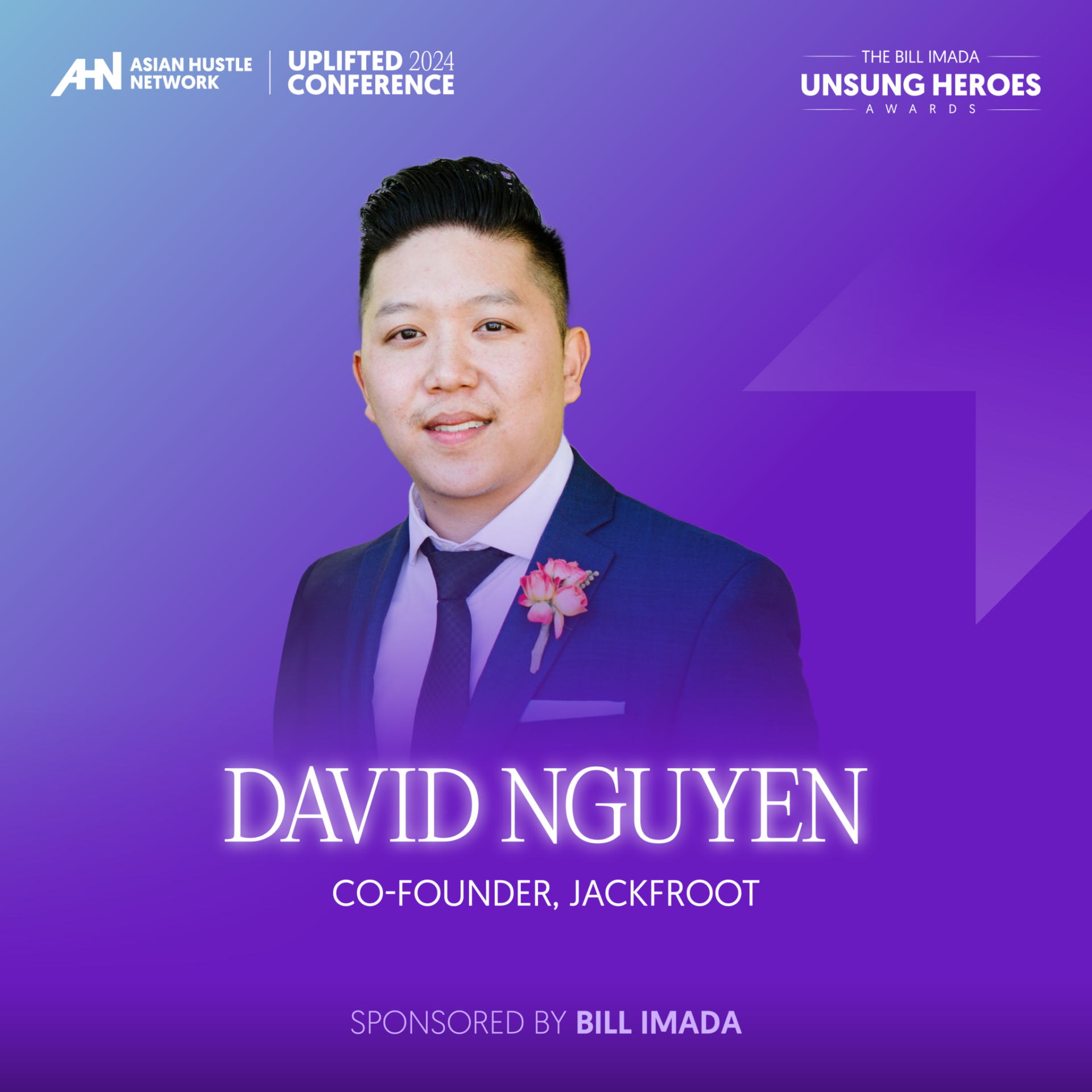
David Nguyen
Co-Founder, Jackfroot
David Nguyen was a beloved leader in the AAPI community, known for his mentorship, advocacy, and diverse talents. To many, he embodied kindness and inclusivity, having experienced the challenges of being a minority firsthand. David’s vision for Jackfroot was to create a platform where individuals could express themselves without fear of discrimination or bullying. Through his dedication to amplifying Asian American voices and championing social justice, David inspired countless individuals to stand up for what is right. Though he is no longer with us, David’s legacy lives on through Jackfroot and the lives he touched.

Anne Nguyen Oliver
Founder – CEO, House Of M Beauty
Anne Nguyen Oliver’s skincare line specializes in gentle treatments for sensitive and postpartum skin, using medicinal saffron as a key ingredient. She is passionate about inspiring the next generation of Vietnamese Americans and others to pursue their dreams and give back to the community through philanthropic endeavors.

Paige Park
Senior Loan Officer, CrossCountry Mortgage
As a dedicated loan officer, Paige Park specializes in transforming the dreams of homeownership into reality. With a track record of success, Paige takes pride in guiding individuals who have faced rejection by multiple banks to the coveted status of loan approval, empowering clients to overcome obstacles and secure the financing needed.

Esther Park
Content Creator
Esther Park, a Korean American content creator and mother, is deeply committed to the non-profit and social justice sectors. Beyond sharing motherhood and lifestyle content, she views her platform as an opportunity to effect positive change, advocating for justice and equity in a troubled world. Esther’s authentic, engaging, and down-to-earth content resonates with her followers, fostering genuine connections and meaningful engagement.

Kat Pham
Director of Partnerships & Marketing, ACE NextGen
Immigrating to the U.S. from Vietnam, Kat Pham navigated the challenges of being a first-generation immigrant and found her dream workplace in ACE NextGen, where she contributes in empowering women of color. Her contributions are proven by her work empowering AAPI millennial entrepreneurs. Beyond her career, Kat is also a yoga practitioner, mindfulness mediator, and nature lover, who strives for harmony in both physical and mental well-being.

Linda Phung
Founder, ImaginAsian Productions
With a background in events, public relations, fundraising, and youth mentorship, Linda Phung founded her own production company specializing in Asian Entertainment and promoting Asian artists. Her goal is to further uplift her community while encouraging others to get involved. Linda also volunteers her time to philanthropic causes that aim to serve underprivileged communities and advocates for the challenges the ethnic community faces.

Bhavani Rao
Founder, South Asian Women In Entertainment and Co Founder, South Asians in Entertainment
Bhavani Rao is a multifaceted entertainment industry expert known for her talents as a producer, writer, leader, and mentor. With a focus on integrating diverse cultural elements into storytelling, she has a broad range of experience in television programming, production, transmedia storytelling, and development. She is the founder of South Asian Women in Entertainment (SAWIE), dedicated to amplifying the voices of South Asian women in Hollywood to achieve greater representation and inclusion.

Stephanie Seow
Head of North America, LOVEBONITO USA LLC
Stephanie Seow is a seasoned marketing and retail strategist in the fashion eCommerce sector straddling Asia and the US. She has helped the marketing teams to foster cultural diversity and high growth of venture-backed companies. As the North American lead for Love, Bonito, Stephanie resonates with the brand’s story as a first-generation Asian American woman, making her the perfect fit to introduce Love, Bonito to the U.S. market.

Priya Shah
Founder & CEO, The Simple Good
Priya Shah, a catalyst for social consciousness, is breaking barriers and empowering communities as a Chicago-based artist, entrepreneur, and creative visionary. Through her non-profit, The Simple Good, she empowers youth globally, earning recognition from the Obama Foundation, Crain’s Business Magazine, and Forbes for her unique perspective on humanity.

Lakhi Mangahram Siap
Chief Community Connector, Chicago Asian Network
As the founder of the Chicago Asian Network (CAN), Lakhi Mangahram Siap has spent over 15 years volunteering & providing pro-bono marketing services to AAPI organizations. While his leadership within the Filipino Young Leaders Program (FYLPRO) as a founding member & Immersion Program Director has bridged the gap between the Philippines and the U.S., he also extends his commitment to other organizations such as ACENextGen, Node, Gold Futures, Kapwa Capital, & the CalAsian Chamber and the outsourcing consulting firm TAIO.CX that supports Philippine talents.

Quynh Chau Stone
President, The Source of Hope
Quynh Chau Stone, or QC, is a dynamic figure juggling roles as a minority business owner, CEO of Stone Construction Consultants, real estate strategist, devoted mother, and tireless advocate. Leading The Source of Hope, QC spearheads initiatives aiding underprivileged communities, distributing over 5000 meals monthly, mentoring, and promoting holistic health. QC embodies compassion, resilience, and unwavering dedication to service, serving as a beacon of hope and inspiration.

Chris Tashima
Co-Founder, Cedar Grove Productions
Chris Tashima, an LA-based actor and director, gained recognition as the Oscar® winning director of “Visas and Virtue,” where he also starred as Chiune Sugihara. He’s appeared in notable indie films like “Americanese” and received a Best Actor nomination for “No No Girl.” Chris began his career at East West Players and has directed stage plays such as “Nihonmachi: The Place To Be.” He’s a member of industry organizations including the Academy of Motion Picture Arts and Sciences and SAG-AFTRA.

Chris Truong
Founder – Firefighter, Ondori Hydration
Chris Truong is a firefighter/paramedic serving a large Asian community in Orange County, CA, driven by his passion to assist others and improve community engagement. Recognizing a communication gap between emergency services and the Asian community, he founded Ondori Hydration, offering the first electrolyte drink mix with authentic Asian flavors and no added sugar. In a similar way to how he became a firefighter, he started Ondori because of the need for more representation and a way to unite different communities and people.

Jeff Tsai
Founder, Operation Ninjas
Jeff Tsai specializes in empowering C-Level Executives and Business Visionaries to navigate challenges and achieve their goals. Currently serving as the National Operations Manager of ACE NextGen, Jeff is dedicated to enhancing infrastructure to meet community needs. His previous roles include Operations Director at Project by Project and Advisor at Sunny Side, focusing on mental wellness app development. With a background in Ecology & Evolution from UCSC, Jeff brings a unique perspective to creating functional workplaces in dynamic environments.

Tim Wang
Founder, TDW+Co
Tim Wang founded TDW+Co in Seattle’s Chinatown in 2004 with a vision of inspiring positive and social impact within diverse communities. Since its inception, TDW+Co has produced over 1,000 campaigns for 100 brands in 30 languages, including notable projects like the 2020 Census and COVID-19 public education campaigns. Beside TDW+CO, Tim maintains his voluntary duties for social justice and DEIB, serving as a board member for Asian Americans Advancing Justice, 4As, ThinkNW and LA, and St. Jude Children’s Research Hospital.

Wendy Wo ng
Founder, JuneAdaptive.com
Wendy Wong is a proud Chinese-Canadian female founder and first-generation immigrant from Hong Kong. Having close family members who live with disabilities and a background in Fashion and Tech, Wendy founded JuneAdaptive.com to help people who live with disabilities find easy-dressing clothing. Featured in various media outlets, JuneAdaptive.com has positively impacted hundreds of families and individuals living with disabilities.

Henry Wu
Founder / Editor in Chief, Timid Magazine
Henry Wu brought together his passions for design and photography to launch Timid Magazine. Serving as both founder and editor-in-chief, Henry leads a talented team in shaping the editorial and aesthetic direction of the magazine, which aims to uplift diverse voices and foster connections through impactful storytelling. Alongside his role at Timid, Henry is also a digital designer, focusing on product development and visual storytelling. As a self-taught fashion photographer, his work has been featured in esteemed publications such as Men’s Health, Elle Singapore, Vogue Italia, and People magazine.

Tara Yang
City Commissioner, The City of Green Bay
Tara Yang has dedicated over a decade to amplifying marginalized voices and fostering inclusivity. Recognizing systemic barriers, Tara secured her place at decision-making tables and supported the City of Green Bay Mayor, Eric Genrich, in developing GB’s first anti-discriminatory ordinance, and won an appointment as the first Asian American City Commissioner for Green Bay. In 2020, she founded Green Bay’s first Asian American Resource Center to ensure that the Asian community receives critical support.

Gloria Chang Yip
Managing Director, Head of Asian Wealth Initiatives, JP Morgan Private Bank
Gloria Chang Yip is the Managing Director and Head of Asian Wealth Initiatives at J.P. Morgan Private Bank. Specializing in assisting founders and entrepreneurs with wealth management, she oversees client relationships in lending, wealth planning, trust and estate planning, and charitable giving. Previously, Gloria held roles at Cartier and is actively involved in promoting Asian American interests and equal education opportunities. She serves in leadership positions for organizations like Asian Americans Advancing Justice Southern California and TeachAAPI, and provides executive advisory support to BrainTrust.

Linda Yoon
Founder & Co-Owner, Yellow Chair Collective
Linda Yoon is the founder, co-director, and licensed psychotherapist at Yellow Chair Collective, specializing in Asian mental health. With over a decade of experience, she has served Asian and immigrant communities in various mental health settings such as workshops on responsive care, wellness, and ADHD. She is also the co-author of “Where I Belong: Healing Trauma and Embracing Asian American Identity,” and co-founder of Entwine Community.

Michelle Yu
Emmy Award Winning Journalist, Law and Crime Trial Network
Michelle Yu is an Emmy Award-winning reporter and anchor having covered breaking news and sports for more than a decade. She is currently an anchor on Law & Crime Trial Network, founded by Dan Abrams Media. She is the first Asian female sportscaster in New York City and also travels around the country as a host for various tennis tournaments including the US Open. Before SNY, she was at NY1 News.

Carrie Zhang
Founder, Asian Mental Health Project
Carrie Zhang, activist and founder of the Asian Mental Health Project, advocates for mental health equity, focusing on AAPI and LGBTQIA+ communities and survivors of sexual violence. Established in 2019, her project aims to empower Pan-Asian communities in accessing mental healthcare. Carrie’s work has gained recognition in media outlets like Vogue and TIME, and was even featured in the Academy Award-winning movie “Everything Everywhere All at Once” by A24.

Tianyi Joe Zhu
Co-Chair, Leaders Forum
Tianyi “Joe” Zhu, the Co-Chair of Leaders Forum, was honored as one of the “Top 50 Outstanding Asian-Americans in Business” by the Asian-American Business Development Corporation in 2017 and as a Business Leader of Color by Chicago United in 2019. He was also named one of the “Top 40 Asian Pacific Americans Under 40 in Politics & Public Affairs” by NAAPPPA in 2020. Additionally, Joe serves on the Chinese Mutual Aid Association executive board, an immigrant organization that has served over 1.3 million people in its 40-year history.