Stories

August 21, 2023

SHARE:

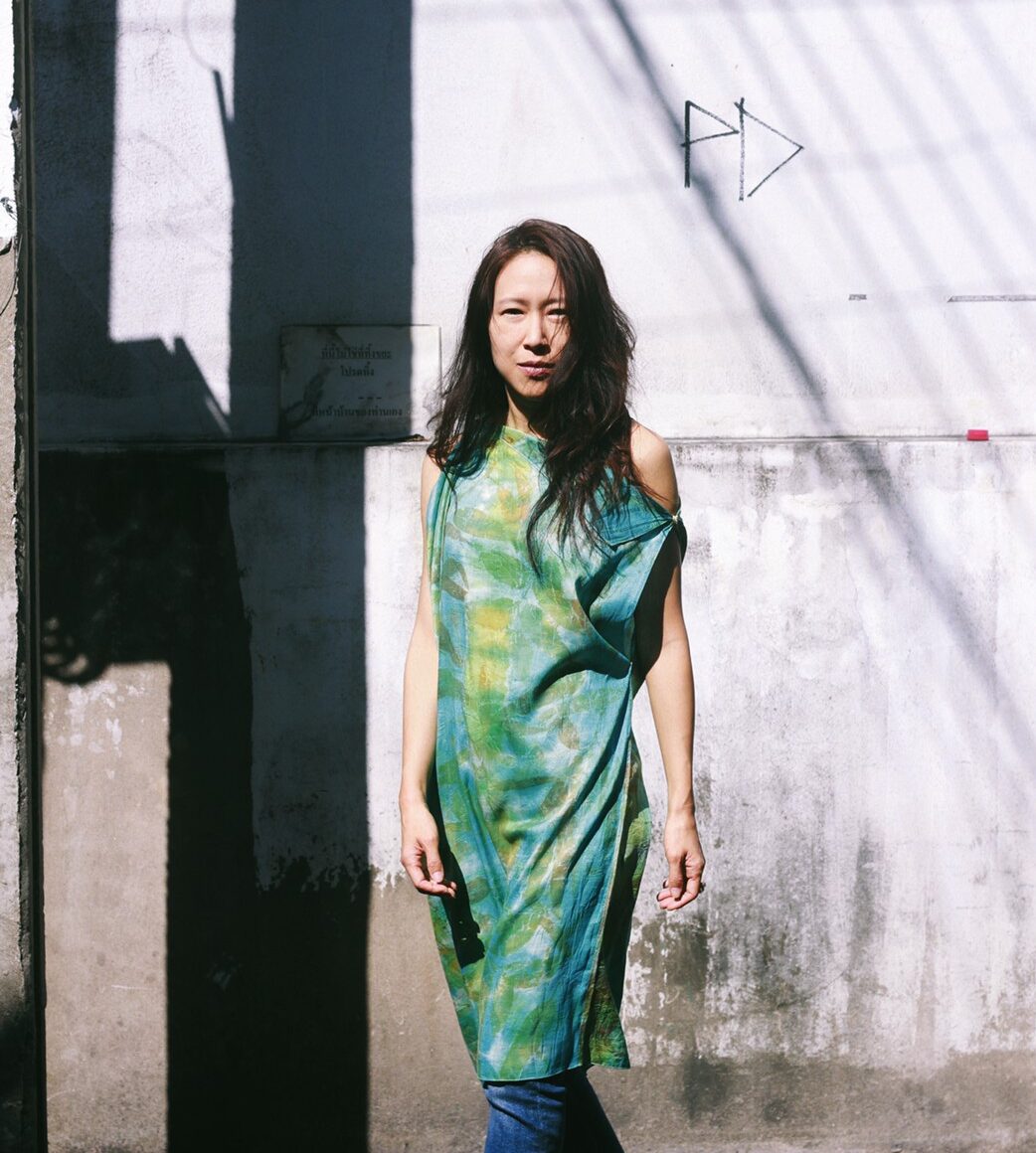
After decades of experience in the fashion industry in Paris, Pring Bunnag has embarked on a new venture that aims to revolutionize the perception of “made in Asia.”

Born in Thailand, she embarked on a transcontinental journey, spending her childhood in California, where her father owned a liquor store in Long Beach. Inspired by the rich heritage of Southeast Asia, Pring introduces “SIN-Dress” to the world, a brilliant reimagining of the classic sarong, or “sin” in Thai. This modern masterpiece skillfully blends elegance and adaptability, and it was created to enhance and appreciate the attractiveness of many body types.

What sets her creations apart is the meticulous attention to detail in the production process. Each piece of artisanal Thai silk undergoes individual hand printing and hand dyeing, resulting in wearable art that empowers women to embrace their unique beauty and personal style.

Pring aims to depart from fleeting trends, labels, and the unsustainable practices associated with fast fashion. By advocating for slow and mindful consumption, she aims to redefine luxury in the Asian fashion industry, proving that it can harmonize with ethical and sustainable principles while still delivering the highest quality.

In an exclusive interview with Asian Hustle Network, Pring delves into the depths of her brand Sucette and reveals the captivating story behind SIN-Dress.

HOW SIN-DRESS CAME TO LIFE

I was inspired by the Southeast Asian garment, the sarong, or “sin” in Thai, which is essentially a piece of fabric sewn into a tube, and traditionally worn as a skirt by both men and women. 

I actually started Sucette as an artisanal shoe brand during the pandemic. I arrived in Thailand in February 2020, was 7 months pregnant, and saw Covid hit the country right after China. I ended up giving birth during the first lockdown and saw the economic devastation hit Thai artisan communities and saw the rising trend of “fast fashion”.

I was still freelancing as a shoe designer part-time and was deeply saddened by how badly Thai craftspeople were suffering economically and having to accept very low-paying and demeaning jobs to survive and I felt compelled to do something about it. 

I started Sucette as an artisanal shoe brand featuring hand-woven Thai silks and hand-carved heels but due to the complexity of shoes and not wanting to have to invest in a ton of sizing and stock, I was playing around with the idea of the sarong in my head. I loved the idea of the garment and creating something that was at once truly “Thai/ Asian” but also contemporary and universal.

I also loved to collect vintage silk sarongs but never wore them as I didn’t have the skills of tying them. I also didn’t want to have to cut them into dresses as each silk was so perfect as it is and would be a shame to cut! 

So I started to play around with the way it wrapped and one day I came up with the first “SIN-Dress”! I remember draping the entire piece of Thai silk on a mannequin and with just 2 pins, saw it hang beautifully as a tunic dress. I then added 24k gold plated brass hoops, handcrafted by a local workshop here in Bangkok, because I wanted to add a subtly luxurious and unique artisanal element. 

From then, I worked on the longer version, which is also a single piece of silk without any cuts or complicated patterns, in keeping with the “essence” of the sarong. 

My biggest inspiration is probably the way Siamese and Southeast Asian women wore the sarong historically. I loved looking at archive images, especially 19th-century photographs of women draped in beautiful silk and looking so elegant. My goal is to showcase this heritage to the world but in a contemporary way.

My other inspirations are Japanese designers, especially Issey Miyake and his invention of Pleats Please which is a conceptual collection, now renowned worldwide, but based on very Japanese ideas. 

PRING’S EXPERIENCE IN THE PARISIAN FASHION INDUSTRY

Being in Paris taught me the value of heritage and know-how and combining that rich tradition with a contemporary twist.

In Paris, heritage is absolutely everywhere you look–from the architecture to the food to the fashion and the art, but creators aren’t afraid to take that heritage and give it a contemporary make-over, while still being respectful of tradition. I also learned the value of being unique and owning your individuality.

In Thailand and perhaps in Asia there is a tendency to “copy” what the West is doing, and I believe that we have so much wealth of culture and knowledge that it is much better to showcase our own identity than to try to be like someone else. 

THE CREATIVE PROCESS

I fell in love with hand printing and dyeing silks because I found it very empowering that I could create totally unique artistic prints without having to go through the industrial process. For me, it is a similar process as artisans would do in their local communities, and I thought there is such value in making something beautiful and one-of-a-kind, for both the client and the maker.

I use a technique called “eco printing” which uses leaves and plants to print onto the silk. I also experiment with making my own natural dyes, tie-dyeing, and shibori dyeing techniques. My goal is to create wearable works of art that my clients will feel good in and hopefully keep forever. 

WHAT MAKES THE SIN-DRESS UNIQUE

Unlike a typical fashion brand, I don’t create “collections”

The SIN-Dress comes in 2 variations only, the short and long versions, and fits most body shapes and sizes. However, each dress is made from a totally unique piece of hand-printed silk therefore each dress is unique. 

My goal is to create a garment that would always fit, feel amazing on, and that each woman can style her own way to suit her individual personality. Much like the traditional sarong, there is no “correct way” to wear a “SIN-Dress”!

I always encourage my clients to have fun expressing their unique styles and to let their personalities shine. I want to create forever pieces of wearable art that are also effortless and versatile and can be worn for multiple occasions.

I’d love to be an example that it is possible to build a strong brand while going against the fashion industry’s vicious cycle of the “constant chase for newness” and overproduction. I’d also love to prove that “Made in Thailand/Asia” can be synonymous with sustainably handcrafted luxury and artistry at the highest level! 

PRING’S GOALS AND ASPIRATIONS FOR SUCETTE

I would love for the SIN-Dress to become a household name worldwide, to prove that a garment based on Asian heritage can become universally appealing and desirable!

My goals for my brand Sucette is to create beautiful wearable art in a way that also contributes to positive change–for the environment by choosing sustainable and artisanal production methods, for local communities by providing highly paid and rewarding work, and for my clients by celebrating individual style and beauty. 

CONNECT WITH PRING

Website: sucetteofficial.com

Instagram: @sucetteofficial

Facebook Page: Sucetteofficial

Sucette FB Group: Sucette Silk Couture Club
Related Articles

Image Source: Korina Sanchez Youtube Channel

Stories

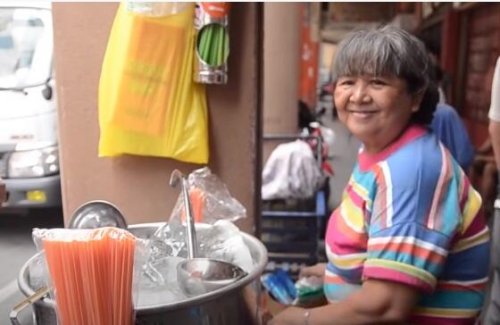
This Street Vendor Selling “Magic Water” Proves That No One Is Too Small To Be Successful

Priscilla Cornejo, better known as Nanay Bebe to the local people (“Nanay” means mother in Filipino), has been selling her magical water to the community since 1980 in the Philippines. She is convinced that her drink’s distinctive flavor is why so many customers seek out her business.

Magic Water, or known to be its local term “Samalamig” is also recognized as a leading refreshing drink in the Philippines. Despite coming from modest means, Nanay Bebe makes it her mission each day to quench the thirst of those hungry for success.

She explained that her drink is not just ordinary cold water. It has clear agar, sugar, mineral water, and tons of ice. When the agar hits the ice, it tends to melt, creating the ‘magic water,’ that will surely quench your thirst. 

Her business may not look like much compared to big companies or restaurants, as she only sells on the street, but it has tremendous growth potential. Nanay Bebe sells her magic water for PHP5 or PHP10 ($0.08 or $0.17) in small plastic bags, cups or some customers even bring their own Aquaflask or tumblers. From what she described, weekly earnings for her business could reach PHP35,000 ($600).

An endless line of curious onlookers from the street awaits to sample Nanay Bebe’s magic water. Many online publications, including those dedicated to food and social news, have featured it. Even today, some people attempt to duplicate Nanay Bebe’s traditional drink formula.

Image Source: Binance

Stories

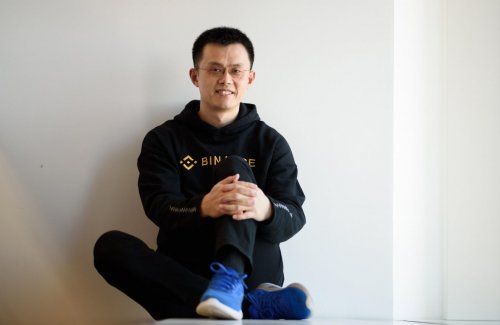
From Gas Jockey To Binance CEO: How Changpeng Zhao Became Richest Man In Cryptocurrency

Binance is one of the most valuable cryptocurrency exchanges in the world as of today, and its founder and current CEO is Changpeng Zhao, according to the Bloomberg Billionaires Index, had a net worth of approximately $30 billion, which placed him in 33rd spot on the list of the world’s richest people.

Early on in life, Zhao was born into a family of educators in a rural village in Jiangsu province, China. He claimed that as a child living in rural China, he had to endure food rationing. His family immigrated to Canada in the late 1980s and felt incredibly fortunate to have been able to leave China.

When Zhao and his family moved to Canada, he worked several part-time jobs, including one at McDonald’s. He attempted to earn money at 14 by working at a Chevron gas station and as a volleyball referee.

He studied computer science at McGill University in Montreal, where he developed an interest in technology similar to that of his father, a math prodigy and programmer in his teens.

Zhao began coding when he was only 16 years old and took programming classes in high school before enrolling at McGill University.  After finishing college, Zhao worked at the Tokyo Exchange and then at Bloomberg in the Tradebook department from 2001 to 2005. Zhao left his job in 2005 to become a partner at the Shanghai firm Fusion Systems, which developed software for the financial markets. 

After discovering Bitcoin in 2013 while playing poker, he went all-in on crypto and committed his life to it. He even gave up his home to fund his Bitcoin investment. He persisted, even as the value of bitcoin dropped from $600 to $200 after he bought it.

Being a tech leader at Blockchain, a cryptocurrency wallet provider, and OKCoin, a cryptocurrency marketplace, Zhao decided to create his exchange, combining the efficiency of high-frequency trading platforms he had previously developed with the potential of cryptocurrencies. Thus, he started Binance with a $15 million initial coin offering.

However, getting to the top is more complicated than it seems, especially for Binance. When Binance’s cryptocurrency, BNB, dropped in value below its ICO price, Zhao and his early colleagues were forced to adapt quickly to changing market conditions.

As a result, Zhao initiated the initiative to make Binance a distributed organization with a flexible international staff. He was also instrumental in growing Binance into a user-friendly platform with maximum bandwidth, low fees, and other benefits.

In a relatively short period, Binance’s offering became too attractive to the cryptocurrency community to be held back by persistent difficulties. Six months after its launch, Binance soared to the top of the cryptocurrency exchange rankings, which remains to this day.

He is now widely known by his alias CZ and is widely regarded as the cryptocurrency industry’s most influential and prosperous figure. His majority stake in the cryptocurrency platform is responsible for much of his wealth at around $30.6 billion. Since the exact value of Zhao’s cryptocurrency holdings is unknown, Bloomberg’s blog post reported that it did not factor them into his wealth.

Image Source: Harper's Bazaar Singapore

News

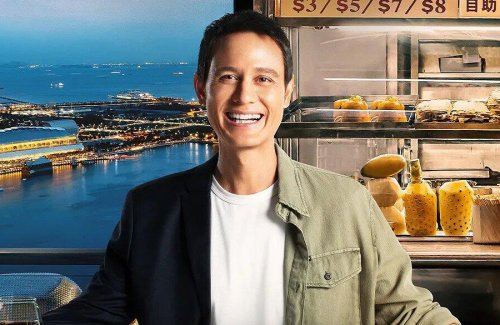
A Culinary Adventure With Mark Wiens On HBO Go To Debut This November

As the nation’s most famous foodie Mark Wiens is coming back to HBO Go with his very own show. He is currently located in Thailand and is a co-owner of Phed Mark, a popular Thai eatery known for its “very spicy” pad krapao.

A small look into the culture of Singapore will be presented in the Food Affair with Mark Wiens episode that will be made available on HBO GO on November 18th. Food is a serious matter; for Mark, it is not simply about consuming food; instead, he will bring each dish’s cultural and traditional elements to life.

The six-part series will feature him shooting the breeze up with everyone from Michelin-starred chefs to legendary street food vendors in Singapore.  He is impressed but used to being delighted by the city because it is home to more than fifty restaurants with Michelin stars and over sixty entries in the Bib Gourmand guide.

Mark found it inspiring to hear how the owners of different restaurants came to follow their dreams and create the unique cuisines they do today. ”It’s undeniable that food is at the center of all our lives, and that’s what brought us all together,” Mark shared.

The 36-year-old food enthusiast has persisted in pursuing his hobby of food vlogging, and he frequently takes the 9.3M audience of his YouTube channel around the world as he samples a variety of mouthwatering cuisines. The expressions on his face communicate to anyone who watches him exactly how delicious each dish is.

Follow Mark as he explores all aspects of Singapore’s food culture, from hawker centers and high-end restaurants.

Image Source: Open Table

Blogs, Development, Ideas

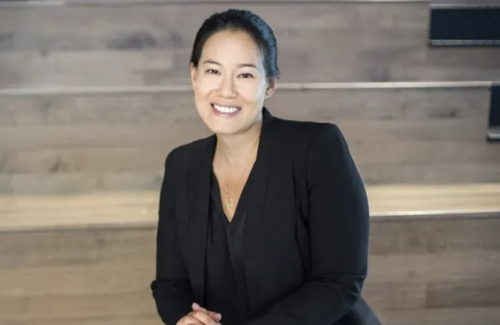
If You Are Doubting On Your Career Move, Take It From This CEO Who Made Corporate Twists and Turns

If you’re worried about making the wrong career move because you’ve started to second-guess yourself, keep in mind that there is no bad decision regarding your professional development. Debby Soo, CEO of restaurant reservation service OpenTable, can understand.

Consider Soo’s words carefully if you’re struggling to make a major career choice or feel paralyzed by uncertainty.

She eventually settled on a mantra that brought her peace. She struggled with worry and stress over her future career path and doubted her choices at each turning point. Eventually, things worked out for her. 

She realized that her work experience was valuable despite her dissatisfaction with her job. She knew that her decision which appeared disastrous at the time might ultimately result in professional success in ways she could never have imagined. Soo firmly believed there are no wrong turns in any career, “I didn’t have to spend so much time stressing about it,” she told CNBC Make It.

To maximize one’s employment as a learning opportunity, Soo suggested working diligently in any position. Soo advised, “Do the work, do the homework, and be prepared, even if it’s a boring and tedious task or position,” Soo explains to CNBC Make It, “If you put in the effort, something will come to fruition eventually.”

As a result of keeping an open mind and learning from her mistakes, she has come to appreciate the tasks she once found tedious. She has acquired knowledge in areas such as the types of work one never wants to do again and the best ways to handle problematic coworkers.

Soo was well aware that one choice regarding a job opportunity would not determine the course of the rest of her life. She may find that her definition of an ideal dream job shifts for the better due to the twists and turns she encounters along the way toward her goal of advancing her career. 

At the moment, Soo has continued to manage OpenTable since 2020. After more than a decade at the travel search company Kayak and work experience at Google that left her with a great deal of doubt about her professional future, Soo is now actively working to better herself and is successfully advancing her career as a CEO woman.