Stories

October 26, 2026

SHARE:

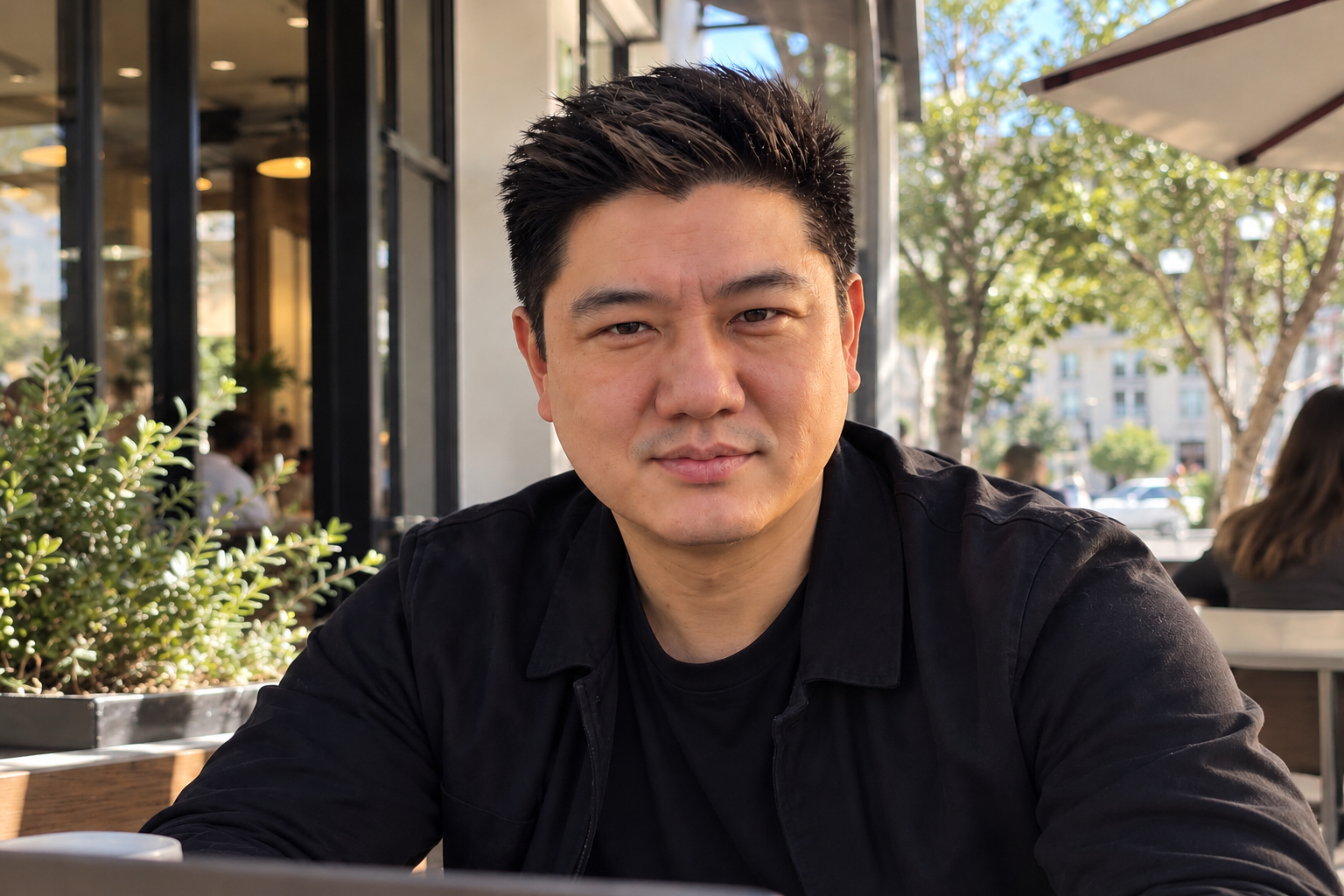
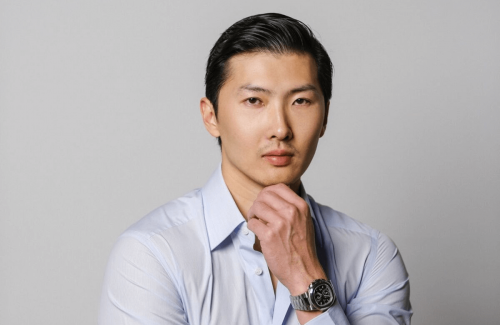
From producing shows with major artists to leading product design at Amazon and Palo Alto Networks, Steve Liu knows a thing or two about bringing people together.

With TRI3E, he’s using what he’s learned to help people, creators, businesses, and organizations build stronger communities.
Understanding What Brings People Together

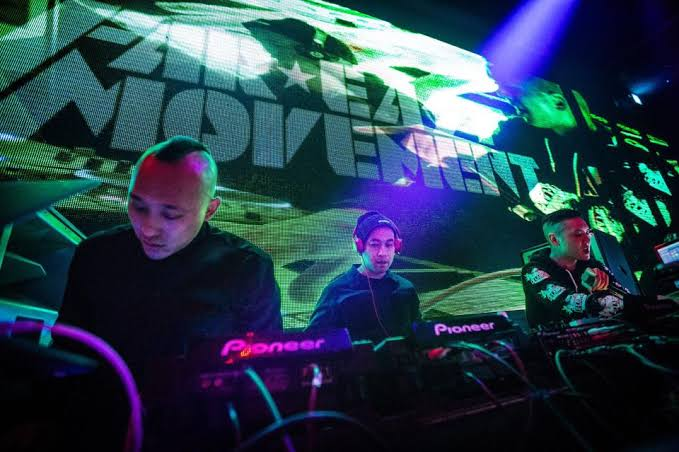
Filling a venue is one thing. Getting people excited enough to bring their friends is another. Steve Liu learned that firsthand in San Francisco’s nightlife scene.

As a nightclub promoter and event producer, he helped organize shows featuring The Chainsmokers, Far East Movement, MC Jin, and comedian Ali Wong.

What stood out to Steve wasn’t just how people discovered events, but what happened when they came together. Friends brought friends, new connections formed, and people found a sense of belonging through shared experiences.

He realized that the most meaningful part of bringing people together wasn’t filling a room. It was creating experiences people genuinely enjoyed, felt part of, and wanted to share with others.
A Different Way of Looking at Problems

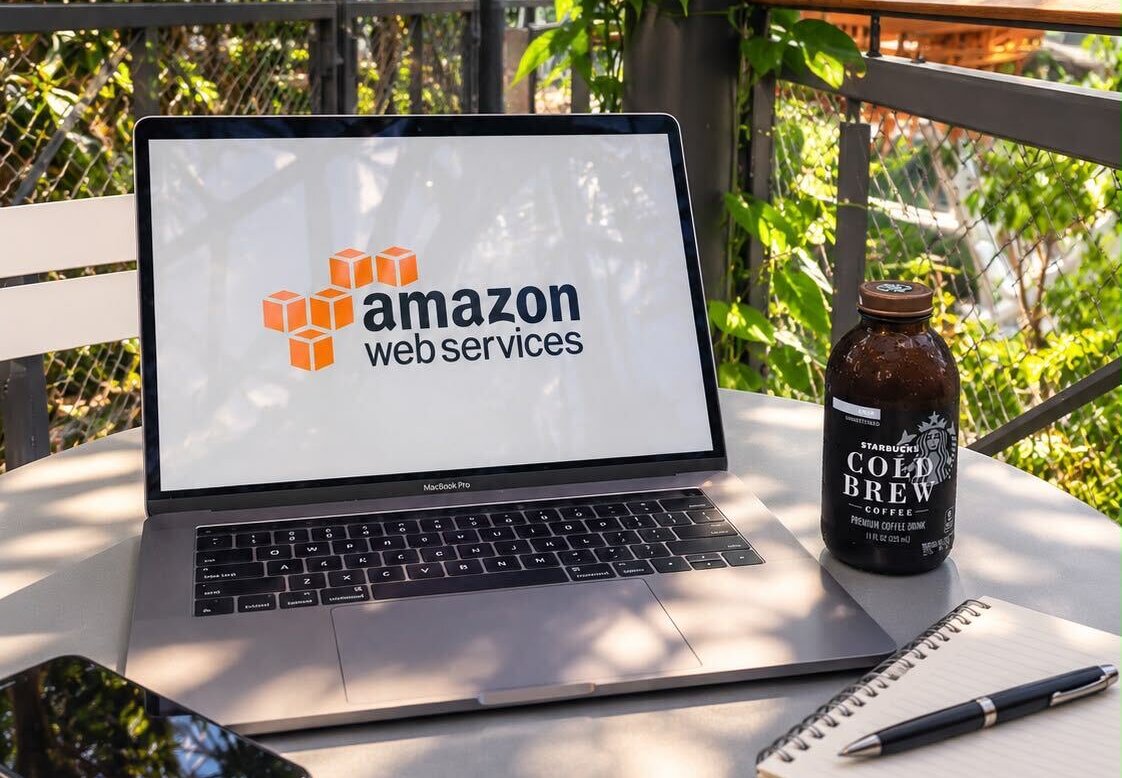
Outside entertainment, Steve was building a career in technology. He eventually led product design teams at Amazon and Palo Alto Networks, working on products involving cloud computing, global supply chains, and cybersecurity.

The work was different from organizing events, but it taught Steve how to approach complex, multidimensional problems. Working across technology, business, and human needs, he learned to connect different perspectives, navigate competing priorities, and turn complicated challenges into practical solutions.

His experience as an entrepreneur also gave him a firsthand understanding of how difficult it can be to grow a business, reach the right people, and keep them engaged.

Over time, those experiences started to come together. He had seen how people brought others into events and communities, and he understood how technology could help make those connections easier.

That got him thinking about what better community-building tools could look like.
Helping Communities Do More Together

Think about a restaurant planning an event, a creator looking to bring supporters together, or a community organizer trying to reach more people.

They already have people interested in what they do. The challenge is finding ways to get those people involved, keep them connected, and encourage them to bring others along.

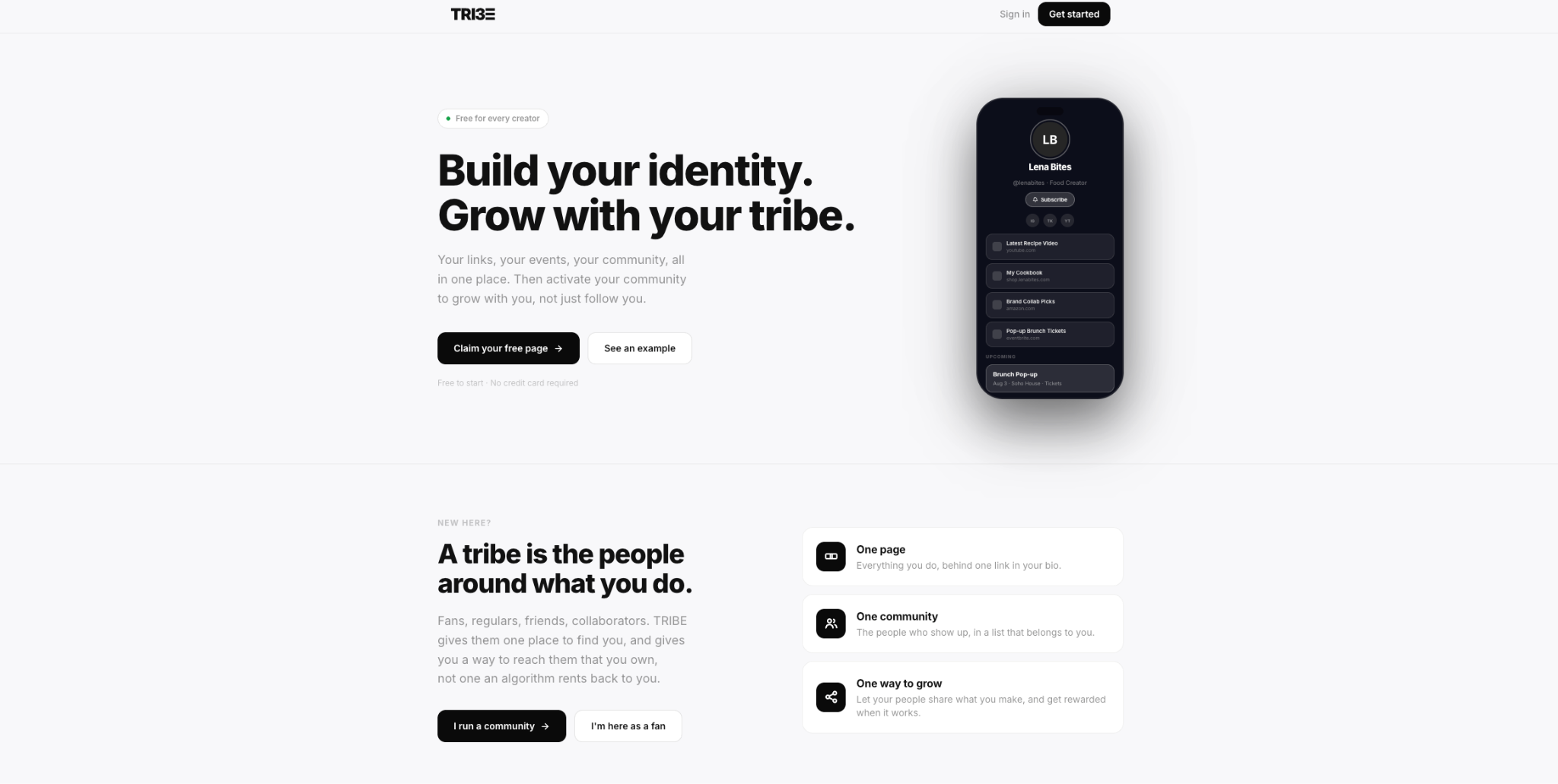
That’s the thinking behind TRI3E (Tribe), the platform Steve is building.

TRI3E aims to help individuals, creators, businesses, and organizations build and grow their communities. Through the platform, they can share events and opportunities, invite others to participate, and give members more ways to stay involved.

For a restaurant, that could mean inviting regular customers to an event and encouraging them to bring friends. For a creator, it could mean sharing a new project with supporters. For an organization, it could mean helping members discover opportunities and meet others with similar interests.

The goal is to make it easier for people to stay involved, bring others along, and create more opportunities within their communities.
Building What’s Next

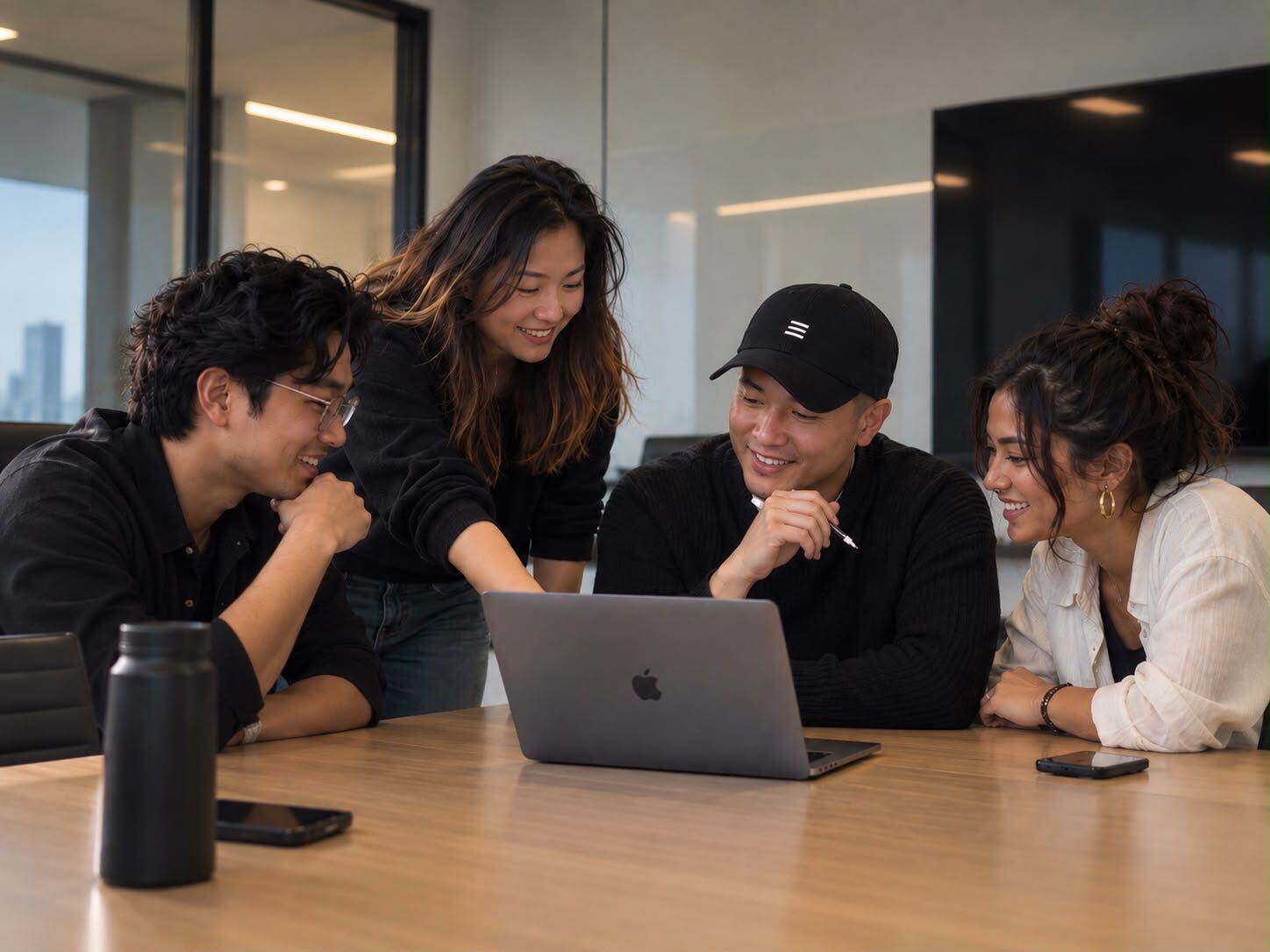
For Steve, TRI3E is an opportunity to bring together years of experience in technology, entrepreneurship, and entertainment around an idea with much broader potential.

Whether it’s a neighborhood restaurant, an independent creator, or a network like Asian Hustle Network, communities already have people who want to see them succeed.

What if those people had better ways to make that happen?

That’s the vision behind TRI3E: helping people turn their existing connections into more opportunities for their communities.

Join TRI3E

Build your community. Activate your network. Grow together.
Explore TRI3E | Connect with Steve

Related Articles

image (1)-png

Stories

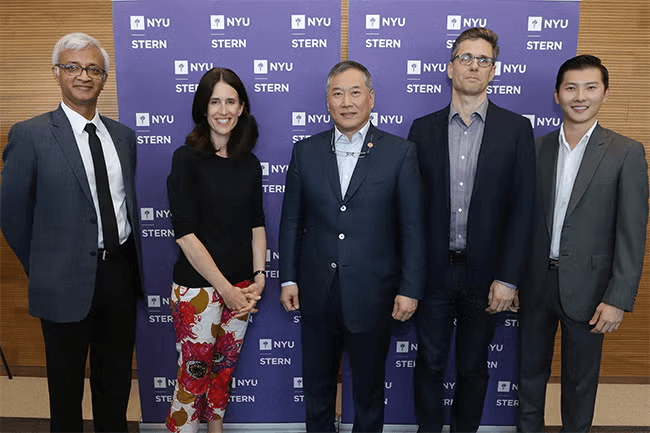
Taiwan Heir Andre Koo Jr. Steps Beyond a $6.3B Dynasty to Build the Future of AI in New York City

Andre Koo Jr. was born into one of Taiwan’s most influential business families, where legacy and leadership have shaped industries for more than a century.

As a fifth-generation heir to a $6.3 billion empire, he had every reason to remain within the comfort and stability of an established dynasty.

Yet instead of staying home, he chose to build something new in New York, placing a focused bet on the future of artificial intelligence.

Image Source: NYU Stern

Honoring a 130-Year Legacy While Charting His Own Path

For generations, the Koo family has played a defining role in Taiwan’s business landscape, building institutions that span finance, infrastructure, and beyond. Growing up within that environment meant understanding both the privilege and the responsibility tied to the family name. Legacy, in this case, was not just inherited wealth but a long-standing commitment to growth and impact.

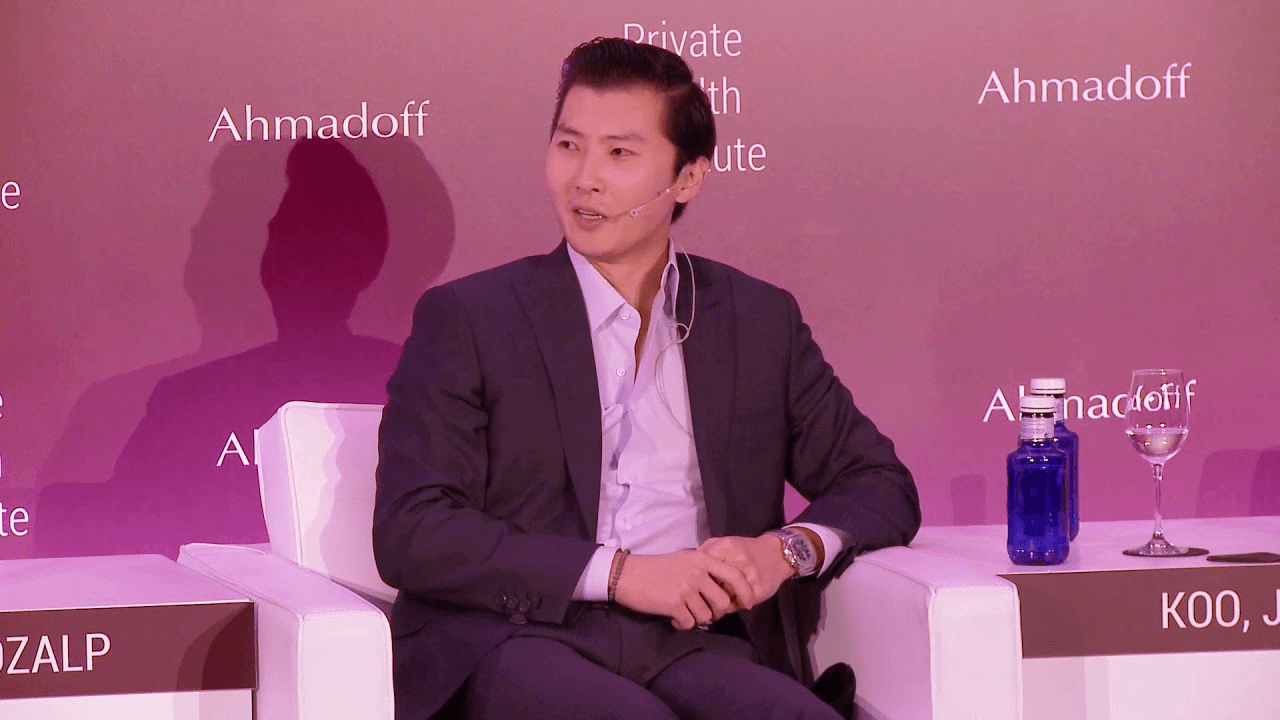
Still, Andre Koo Jr. believed that honoring tradition did not require standing still. While remaining actively involved in the Koo Family Office, he set his sights on expanding the family’s global footprint. His move to Manhattan marked a deliberate step toward independence, signaling a desire to test his vision in one of the world’s most competitive markets.

Image Source: Private Wealth Institute

Building K8 Capital for the AI Era

That vision took shape through K8 Capital, a firm designed to invest in artificial intelligence and enterprise software. Rather than following typical venture capital models, Andre structured a hybrid strategy that blends private credit with venture investments. This approach allows him to pursue innovation while maintaining disciplined risk management.

The strategy is already delivering results, with gains of over 50 percent achieved through carefully structured short-term loans. K8 Capital has secured five major investors and is actively deploying capital into promising technology companies. By combining the prudence of established wealth with the speed of modern tech investing, Andre Koo Jr. is building a bridge between a historic dynasty and the next generation of innovation.

image-png

Stories

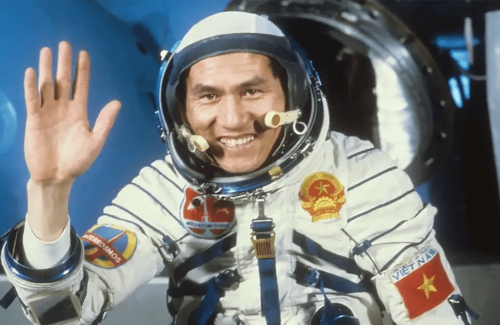
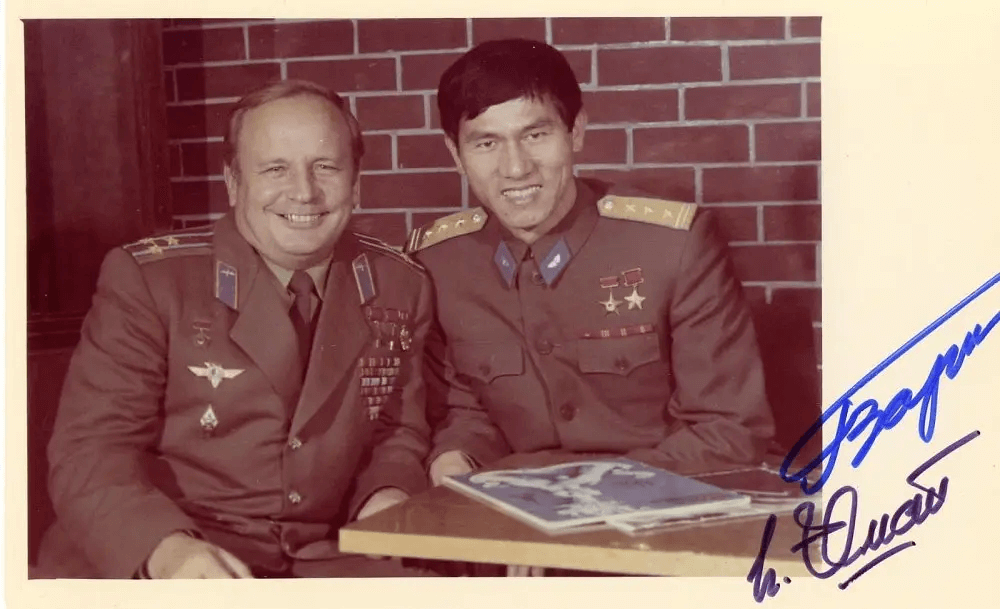
Asia’s First Person to Reach Space Was Vietnamese Fighter Pilot Pham Tuan, Who Continues to Inspire a New Generation

In 1980, a Vietnamese fighter pilot from a small rural province made history by becoming the first person from Asia to travel into space.

Long before rockets and research labs, Pham Tuan grew up in the rice fields of Thái Bình, far from the world of astronauts and orbiting stations.

Today, his journey beyond Earth remains a powerful story of courage, discipline, and possibility for young people across Asia.

Image Source: Saigoneer

From Rural Fields to the Edge of Space

Before he ever saw space, Pham Tuan built his career as a fighter pilot in the Vietnamese Air Force. His skill and discipline eventually led to his selection for an international space program, a rare opportunity at the height of global political tension. It was a dramatic shift from flying combat missions to preparing for a journey beyond Earth.

The transition demanded years of intense physical and technical training. He had to master new systems, adapt to life in zero gravity, and prepare for risks no one from his continent had faced before. Each step brought him closer to a milestone that would place his name in history.

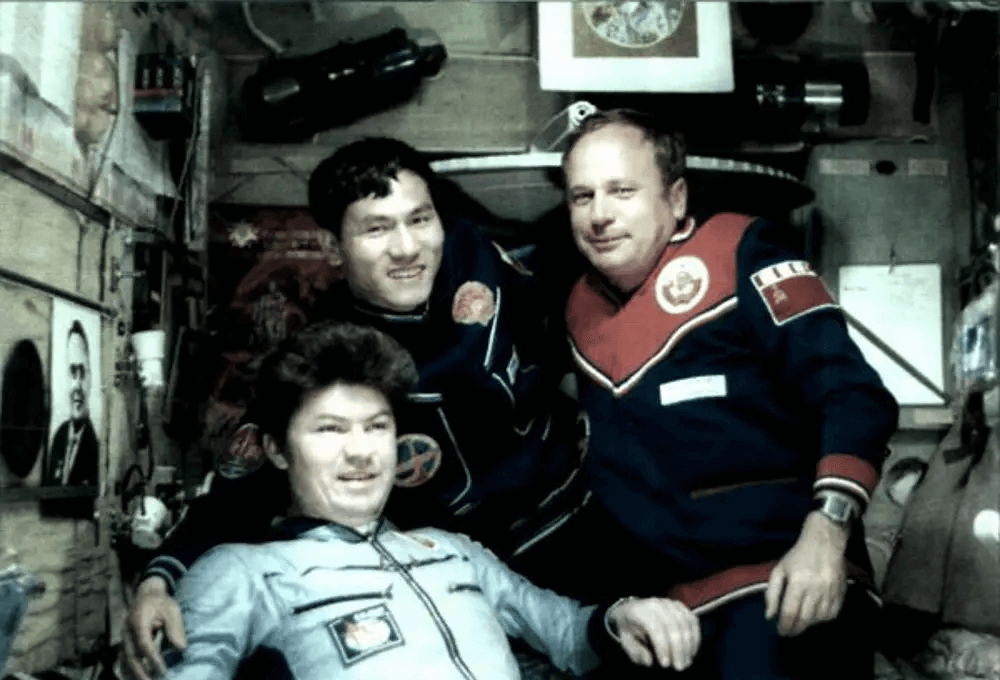
Image Source: Saigoneer

Seven Days That Changed Asia’s Story

On July 23, 1980, Pham Tuan launched aboard a Soyuz spacecraft and became the first Asian to reach space. He spent seven days aboard the Salyut 6 space station, conducting scientific research and observing Earth from orbit. During that time, he captured images of Vietnam from above, offering a view of his homeland few had ever seen.

After returning to Earth, he resumed life in Hanoi with his family, carrying memories of a journey that reshaped regional history. He continues to reconnect with former crew mates and remains one of only three people of Vietnamese descent to have traveled beyond Earth’s atmosphere. Decades later, his achievement still stands as a symbol of how far determination can take someone, even from the most humble beginnings.

image-png

Stories

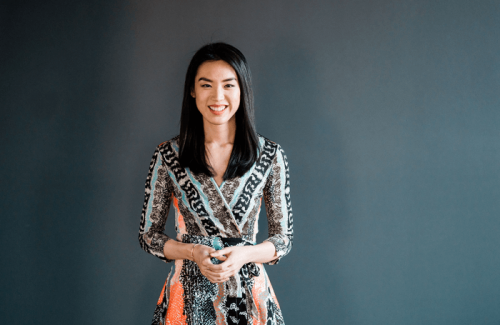
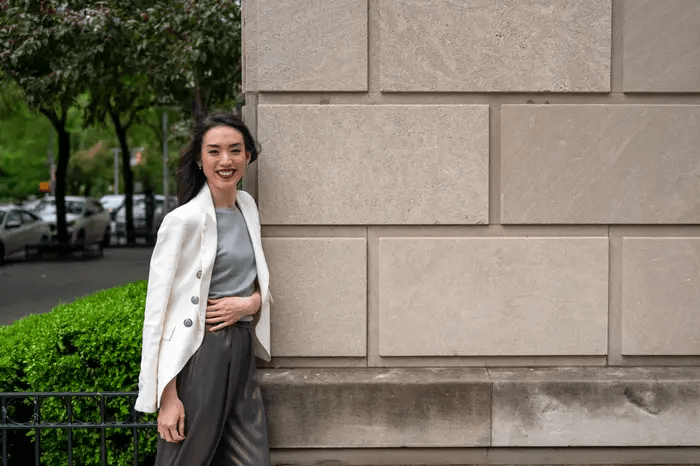
Princeton Engineer Luisa Zhou Left Corporate Life to Build a Million-Dollar Business on Her Own Terms

Luisa Zhou once believed that a Princeton degree and a prestigious engineering title were the ultimate markers of a secure and successful life. However, that sense of safety evaporated the moment her family faced a health crisis and she realized her “perfect” job offered no room for her to actually be there.

She learned the hard way that even a massive salary is a poor substitute for the freedom to prioritize your family during their darkest hours. That realization sparked a fire within her to stop trading her presence for a paycheck and to start building a life where she held the keys.

Image Source: Forbes

Engineering a Great Escape

Luisa did not leave her career on a whim because she understood that true freedom requires a foundation built on more than just hope. She spent two long years working on her consulting business during every stolen lunch break and late night while her colleagues were resting. By applying her logical engineering mind to the world of entrepreneurship, she proved that you can build a bridge to a new life without burning the one you are currently standing on.

This methodical approach allowed her to test her ideas in the real world while the safety of her corporate salary was still intact. She advocates for the slow build because it removes the desperation that often leads new founders to make short-sighted decisions for quick cash. When she finally stepped away from her desk for the last time, she was not taking a leap of faith but rather walking through a door she had already unlocked.

Image Source: Business Insider

Redefining the Million-Dollar Life

By the time Luisa officially left the corporate world, her “side project” was already generating over a million dollars in annual revenue. Now at 36, she has designed a lifestyle where four hours of focused work allows her to sustain a million-dollar business on her own terms. Her daily schedule is no longer a list of demands from a manager but a reflection of the people and passions that she values most in the world.

The most inspiring part of her journey is the fact that her bank account is secondary to the absolute control she now has over her time. Wealth for Luisa is the quiet confidence of knowing she can close her laptop whenever a loved one needs her without seeking anyone’s permission. She has proven to the world that the most valuable thing you can ever own is the right to decide exactly how your day unfolds.

image (1)-png

Stories

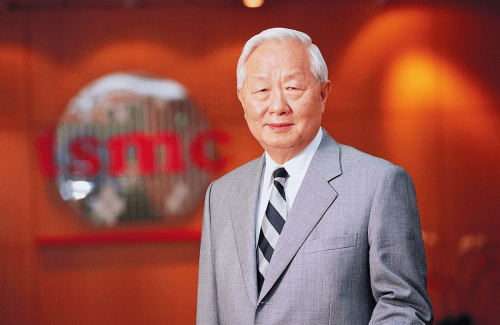
From Corporate Rejection to Global Power: The Story of Morris Chang Who Controls 90% of the World’s Advanced Chips

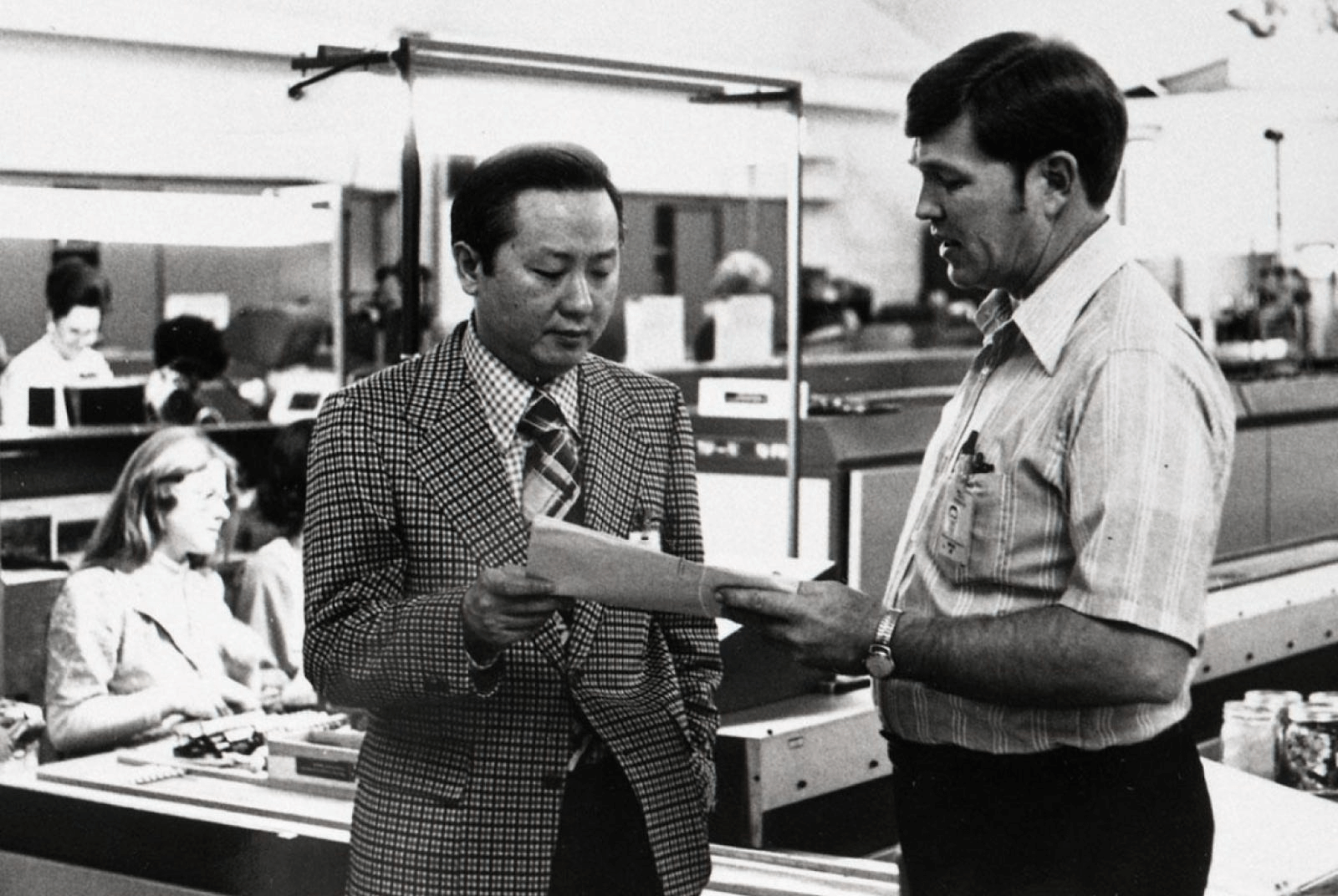
In 1985, Morris Chang reached a professional crossroads after being passed over for the top job at Texas Instruments. At 54 years old, he had a massive resume but felt there was nowhere left to go within the American corporate system. Instead of accepting a quiet retirement, he moved to Taiwan to build a business that addressed a major flaw in how computers were built.

This move was the first step in a journey that eventually placed him in control of the global tech supply chain. By choosing to solve a problem that many other executives ignored, he transformed a career setback into a global revolution. His transition from the United States to Taiwan set the stage for one of the most significant shifts in manufacturing history.

Image Source: Startup Synergy

The Career That Nearly Ended

Back then, if you wanted to design a chip, you had to spend billions to build the factory as well. Chang realized that this massive financial requirement was slowing down progress for everyone in the industry. He envisioned a new model that would allow innovators to focus on their designs while his company handled the heavy lifting of production.

He founded TSMC in 1987 with a disruptive promise that he would manufacture chips for others but never design his own. By refusing to compete with his customers, he gained the trust of global tech giants like Nvidia. This specialized approach allowed these companies to thrive and scale without the burden of owning their own factories.

Image Source: European Chamber of Commerce Taiwan

The Idea Everyone Doubted

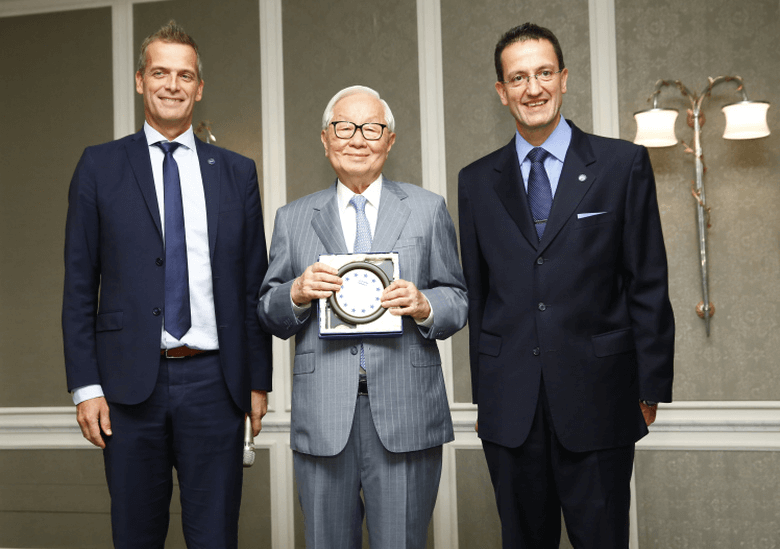
Decades of singular focus turned Chang into the most powerful man in tech, with his factories now producing 90% of the world’s advanced semiconductors. This level of market dominance makes TSMC the essential foundation for almost every modern electronic device we use. The sheer scale of his success proves that a single, well-executed idea can reshape the entire global economy.

The importance of his work is highlighted by the fact that if his production stops, the global supply of iPhones, Teslas, and AI systems stops with it. His legacy proves that the future isn’t just built in garages by young people, but by veterans with the grit to see opportunity where others see a dead end. Morris Chang didn’t just build a successful company; he built the infrastructure that the modern world depends on every day.