Stories

July 5, 2023

SHARE:

Christine Holmes grew up feeling different from her peers due to being a bi-racial Taiwanese-American.

Christine was often referred to as either the “Asian girl” by her non-Asian friends and the “White girl” by her Asian peers until eventually, they referred to her as “Whasian girl,” which she liked because it represented both of her ethnicities.

She struggled to embrace her cultural background and wished to be fully White. It took her long before she learned to love her identity and cultural heritage, but she did.

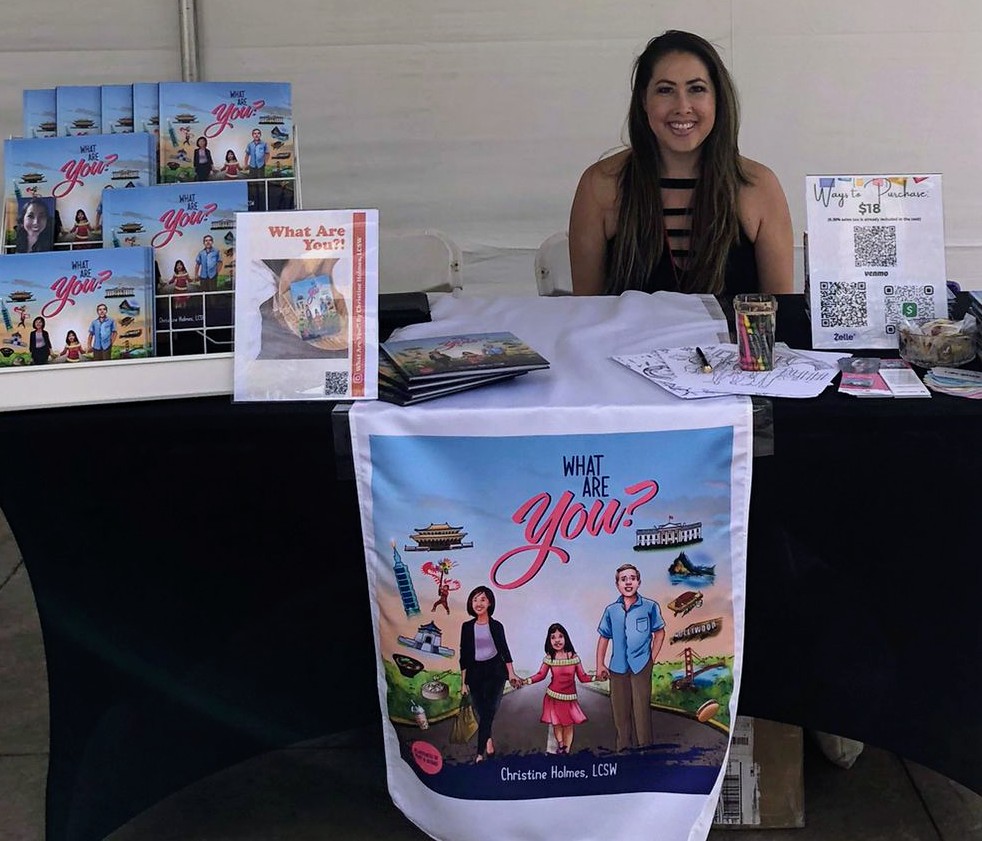
Inspired by her personal experiences, she wrote the book “What Are You?” to provide representation in children’s literature for mixed Asian children.

The book touches on her personal struggles with food and language, among other things, and highlights the importance of representation in literature for children who come from mixed cultural backgrounds.

GROWING UP WITH A TAIWANESE MOTHER AND AN AMERICAN FATHER

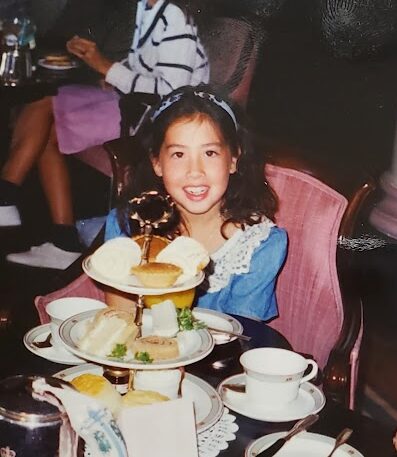
Christine grew up in Irvine, CA, where the population was predominantly white and Asian. However, there were very few mixed children, which made Christine feel very different from her peers, who were either fully White or fully Asian.

As a child, Christine was immersed in Chinese School, Chinese Choir, piano, and tennis, which made her feel even more different from her peers because most of them were fully Asian.

Christine’s dad, who is White but very much into Asian culture and a world-renowned Master of martial arts, made it very important for them that Christine knew her Taiwanese/Chinese culture. Christine’s mother cooked Chinese food for most dinners, and her first language was Mandarin.

Their home is filled with beautiful Chinese/Taiwanese antiques, and they used to visit Taiwan every year until Christine was in junior high/high school.

CHALLENGES OF BEING THE “WHASIAN” GIRL

“To my White friends, I was the Asian girl but to my Asian friends, I was the White girl until I got into high school and my friends decided to call me the “Whasian” girl which I preferred since it represented both of my ethnicities.”

Christine felt different from everybody growing up, which bothered her internally. In fact, she had a teacher in her Chinese school that wasn’t very nice to her because even though she can speak Chinese, she couldn’t write Chinese like the other children. This treatment left Christine feeling isolated and alone, until she eventually quit Chinese school altogether.

Her non-Asian friends also often made comments about the food her mom would bring to potlucks or the bags she would use to pack her lunch, making her feel ashamed of her culture. When her mom spoke Mandarin, her non-Asian friends would be offended and ask why she had to speak Mandarin in front of them. She would have to explain that it was sometimes easier for her mom to speak in her native language than speak English. This made her feel uncomfortable, and she would get angry at her mom for it.

At this point, she wished that she was fully White, perhaps because being White and blonde was considered the most beautiful when she was growing up. Her mom used to pinch her nose to make it look “taller” and less stubby like a typical Asian nose. Some of her Asian peers even told her that she was lucky to be at least half White compared to them being fully Asian.

THE TURNING POINT

It wasn’t until college that she fully embraced being mixed and started to love her identity. Christine found herself surrounded by a diverse group of friends who not only accepted her but celebrated her mixed heritage.

“In college, most of my friends were either mixed or of different ethnicities other than White or full Asian. And, they embraced me,” she said.

They appreciated the unique perspective she brought to the table and encouraged her to embrace her identity. For the first time in her life, Christine felt truly proud of her background and of who she is.

WRITING THE BOOK

Christine’s personal experiences served as the inspiration behind her book, “What Are You?” which is a story about her life growing up as a mixed-race individual in a predominantly white and Asian community.

Christine wrote the book when she realized there were no books that represented mixed Asian children. Despite being able to find books for her own children who are half Black, she couldn’t find any for children who were mixed Asian. So, she decided to create something that represented kids like herself.

“I think the part of the book that was most emotionally challenging was writing about the food and how embarrassed I was about my mom packing me Asian food even though I secretly loved it.” Christine admits to feeling a lot of guilt now as an adult for all the times she blamed and got mad at her mom as a child.

REPRESENTATION IN CHILDREN’S LITERATURE

Christine strongly believes in the power of representation and the need for diverse books that accurately reflect the experiences of mixed-race individuals. Having grown up without any books that reflected her own identity, she recognizes the importance of seeing oneself represented in literature.

She saw firsthand how much her own children appreciated books with characters that looked like them and had similar cultural backgrounds. Writing her book, “What Are You?”, she received overwhelming positive feedback from other mixed Asian individuals who wished they had a book like this when they were children.

Despite increased awareness and acceptance of mixed-race identities in modern times, Christine recognizes that children may still struggle with their identity and the pressure to choose one ethnicity over the other. Her book seeks to empower mixed-race children to embrace and celebrate all aspects of their identity.

OVERJOYED BY THE POSITIVE FEEDBACK

Christine initially had doubts about the book’s reception due to her own insecurities about putting herself out there. However, the encouraging and uplifting words from her readers have exceeded her expectations.

“I was featured on a TikTok page, twice, by someone with 1 million followers, who’s sister bought the book for her. She shared that my book had emotionally resonated with her in many ways. It was then that I realized the impact that my book has had on some people.”

HOPE FOR THE FUTURE

Christine hopes that her book will inspire readers to embrace their identity, no matter where they come from. She wants readers to know that they don’t have to choose between different cultural backgrounds and can be proud of their unique mix.

“I hope they embrace their cultural background, and they are proud of their roots.”

By highlighting her personal experiences, Christine hopes her book will contribute to a larger conversation about identity and belonging in our society today, and ultimately help break down barriers and build more inclusive communities.
CONNECT WITH CHRISTINE

Website: publishyourgift.lpages.co/christine/

Instagram: @whatareyoubook  

Facebook:  What Are You? Book

TikTok: @whatareyoubook 
Related Articles

News

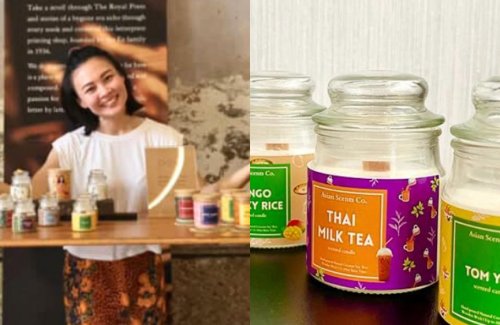
Candles with a Twist: Asian Scents Co. Delights with Asian-Inspired Fragrances

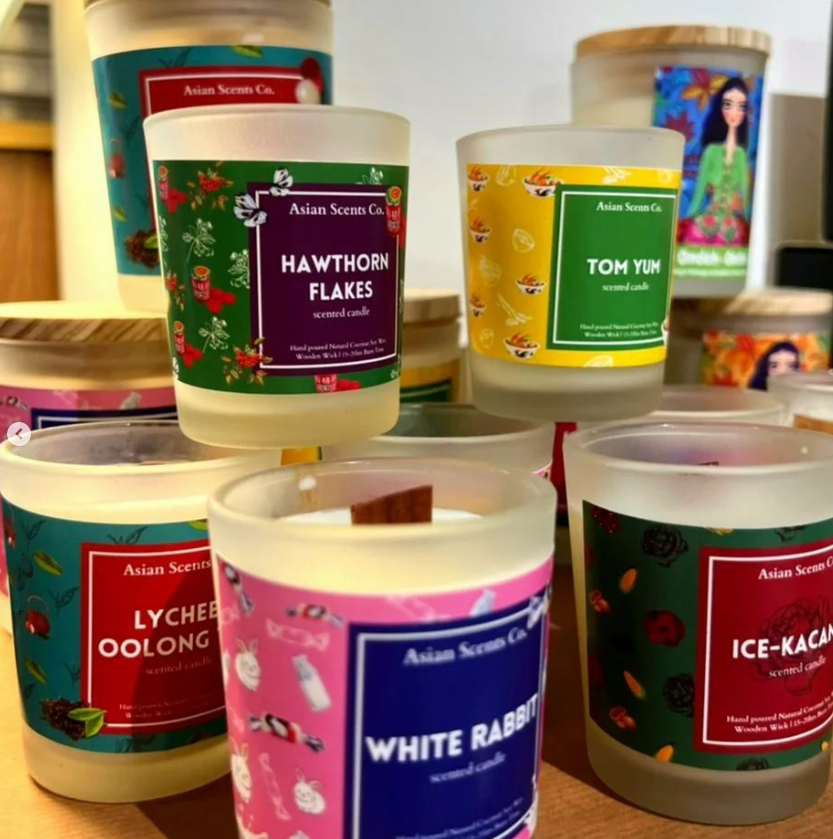
Candles have transcended their traditional use and have become a cherished everyday luxury in Malaysia. The candle-making industry has witnessed a surge in recent years, with numerous brands emerging across the country. Among these, one brand stands out for its unique twist on the classic candle experience – Asian Scents Co.

Unlike typical candle makers that focus solely on scents, Asian Scents Co. takes a novel approach. They offer a range of candles inspired by Asian culture and flavors that will tantalize not only your olfactory senses but also evoke a sense of nostalgia and wanderlust. From Boba Milk Tea to White Rabbit Candy, and even the distinctive Tiger Balm scent, Asian Scents Co. offers a diverse selection that goes beyond the ordinary.

Image Source: Asian Scents Co.

The brain behind this aromatic venture is Audrey Hon, whose journey began with homesickness while living in Melbourne, far from her Malaysian roots. As the pandemic kept her away from her homeland, she found solace in crafting scented candles. What started as a therapeutic hobby soon turned into a business, driven by the shared nostalgia her candles evoked among friends living abroad.

Audrey started with an initial investment of approximately $24,000, sourced from her personal savings and family support. The candles, crafted from premium natural coconut soy wax, wooden wicks, and high-quality fragrance oils, promise clean and toxin-free burning. She left her corporate job to devote herself fully to the brand, a bold move that paid off as international orders began pouring in from Europe and the US.

Asian Scents Co. has strategically positioned itself in the market by offering a unique blend of scents that celebrate Asian culture. Their portfolio includes a diverse range of options, available as candles, air fresheners, reed diffusers, and linen sprays, with prices ranging from $4 to $20. Customers can choose between travel-sized and full-sized candles, and the brand even offers gift sets.

As the global scented candles market continues to grow, with a projected value of $9.5 billion by 2028, the candle-making industry presents a promising avenue. However, with rising competition, brands need to differentiate themselves. Asian Scents Co. has done just that by tapping into the universal love for food and nostalgia, delivering a unique sensory experience that resonates not only with Malaysians but also with individuals worldwide who share an appreciation for Asian culture and flavors.

Featured Image Source: Asian Scents Co.

medium-jpeg

News

Phantila Phataraprasit: Embracing Thai Culture and Sustainability in Furniture

In the transition from dormitory living to her own apartment, Phantila Phataraprasit found herself grappling with a challenge familiar to many recent graduates: the quest for affordable, stylish, and eco-friendly furniture. Sustainability has played a significant role throughout her life due to her mother’s involvement in running eco-friendly lodges in Thailand.

Phataraprasit and her college friend Caitlin Ellen teamed up to start Sabai – a Thai word that means feeling comfortable and relaxed. Sabai is a direct-to-consumer furniture company that prioritizes sustainability without sacrificing affordability.

Sabai’s core mission revolves around empowering young professionals to align their values with their furniture choices. For them, achieving true sustainability involves more than using eco-friendly materials.

Their sofas, crafted in a family-owned North Carolina factory, feature Sustainable Forestry Initiative (SFI)-certified wood, recycled fiber fill, and upcycled fabrics, free from harmful chemicals. They introduced a “Repair Don’t Replace” program and a buyback initiative to ensure longevity and affordability.

After initially diversifying into various home furnishing categories, Sabai recognized that sustainability remained the driving force for their customers. They refocused their efforts on seating, catering to those with unique aesthetic preferences. This strategic shift enables them to deliver on their core sustainability promise while offering diverse design options.

Aside from this, Sabai also understands the importance of forming meaningful connections with customers. Furniture is intimate, and Sabai recognizes that today’s generation cares deeply about their living spaces.

By amplifying their sustainability initiatives and engaging with consumers, Sabai aims to inspire a lot of people to live a more sustainable lifestyle.

Featured Image Source: Medium

005_min_1_scaled.0-jpg

News

Trung Nguyên Legend Cafe Introduces Vietnamese Coffee From Saigon to U.S.

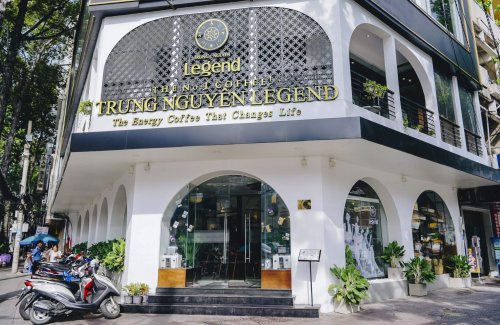
Adding a fresh chapter to its storied history, the esteemed Vietnamese coffee chain, Trung Nguyên Legend Cafe, has ventured across the Pacific to Westminster, Southern California.

With nearly three decades of experience and a robust presence in Vietnam comprising four factories and 110 stores, Trung Nguyên has also made its mark on the global stage, with distribution networks spanning over 60 countries.

Trung Nguyên Legend Cafe proudly serves phin- and espresso-based coffee drinks, crafted exclusively from 100-percent Vietnamese-grown Robusta and Arabica beans. The menu caters to diverse tastes, featuring an array of espresso-based classics such as lattes, mochas, and cappuccinos, alongside quintessential Vietnamese specialties like cà phê trứng (Vietnamese egg coffee) and cà phê chồn (civet coffee). Patrons can relish the brand’s signature dine-in coffee service, elegantly presented on ornate wooden trays, a unique experience now accessible in the U.S.

Jennie Tang, representing H & L Wholesale Food Corporation, the Los Angeles-based distribution company behind this franchise venture, underscores the essence of Vietnamese coffee culture. Beyond being a mere beverage, it embodies the art of connecting with one another while savoring the moment.

Trung Nguyên Legend Cafe is located at 9039 Bolsa Avenue #101, Westminster, CA 92683. The cafe welcomes visitors daily from 7 a.m. to 5 p.m., promising an authentic Vietnamese coffee experience.

Featured Image Source: LA Eater

337065635_5962298030490632_6699761041658586964_n-jpg

Stories

A Doctor’s Journey of Following His Passion and Becoming a Full-Time Comedian

In the world of comedy, they say that laughter is the best medicine, and for Dr. Jason Leong, this couldn’t be more true.

Up until 2010, Jason Leong’s life had followed the typical Asian narrative.

He had been a straight-laced kid, never earning anything less than an A in his exams. He secured a scholarship to pursue Medicine and eventually became a doctor in Malaysia.

Despite his initial success, the harsh reality of the workforce hit Jason hard. As a junior doctor, he endured grueling 36-hour shifts at least six times a month, with 100-hour workweeks becoming the norm. Sleep deprivation, constant hunger, overwhelming stress, and meager pay plunged him into the lowest point of his life. But things were about to change.

One day, he stumbled upon an opportunity for a monthly open mic show in Kuala Lumpur, the first of its kind in Malaysia. His wife encouraged him to try out. So he took 2 days off from work, drove 4 hours to the venue, and performed his first 5-minute standup. He left the stage saying to himself, “I want to do this forever.”

In 2011, Jason transferred to Kuala Lumpur and did regular gigs while being a full-time doctor. He loved being a doctor by day and a comedian by night, but it was still a lot of work for him. So in 2014, he made the big leap and did a not very Asian thing.

He quit being a doctor.

Having experience in the medical field not only informs Jason’s comedy, but it also makes his style a bit more unique. “The rigors of being a doctor made me all the more grateful to be able to tell jokes for a living,” he said.

At first, Jason didn’t tell his parents that he quit his job as a doctor. His parents now know of his career shift and support his journey wholeheartedly, with his mother saying, “If this comedy thing doesn’t work out, at least you have something to fall back on.” 

Jason’s comedy has since blossomed with two successful Netflix specials, “Hashtag Blessed” and “Ride With Caution.”

He boasts a portfolio of five solo one-hour specials, having graced stages at the Melbourne International Comedy Festival, featured on Comedy Central and Just For Laughs in Montreal, and won at the 7th Annual International Hong Kong Comedy Competition.

Jason is set to perform his solo show BRAIN DRAIN in Los Angeles on September 29 and San Francisco on October 4.

“Making a move to my passion and the arts is something that has allowed me to find real meaning in my work. I hope to inspire others within the Asian community to take the same risks and reach their real potential,” Jason shared with Asian Hustle Network.

CONNECT WITH JASON

Facebook: Dr. Jason Leong

Instagram: @drjasonleong

Tiktok: @drjasonleong