Stories

December 1, 2023

SHARE:

In a world where living spaces are getting smaller and furniture quality is declining, one entrepreneur is striving to make a difference.

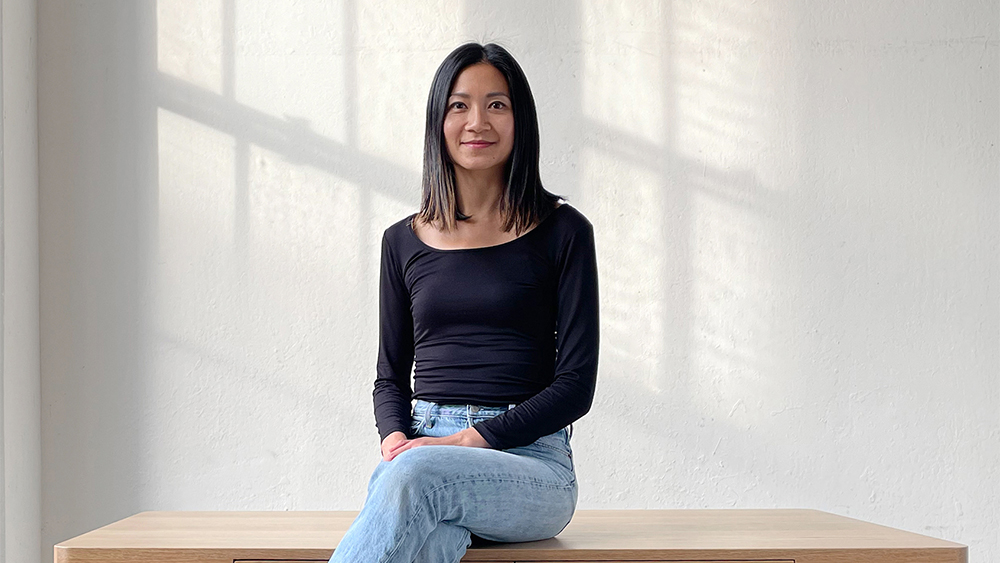
Yvonne Hung, a city-dweller who has lived in some of the world’s largest metropolitan areas, knows firsthand the challenges and constraints of living in small apartments. It can be difficult to have friends over because there isn’t enough space or seats.

For this reason, she founded Otelier in 2020, a San Francisco-based furniture studio with a focus on sustainability, and providing innovative products that are useful even for small spaces.

Yvonne believes that the home is the most intimate social space, and people shouldn’t have to sacrifice that due to a lack of space. Her latest project is called the Quartet, a multi-functional side table that unstacks into four stools.

While the retail industry and consumers have embraced fast furniture with low prices, poor construction, copied designs, and single usage, Otelier is committed to changing that. Yvonne and her team are determined to create sustainable, high-quality furniture that will stand the test of time. With Otelier, urban dwellers no longer have to choose between comfort and the environment, and Quartet is just the beginning of a new era in furniture design.

Quartet, a side table that transforms into four stools.

OTELIER STRADDLES BETWEEN A DESIGN STUDIO AND AN E-COMMERCE BRAND

I’ve always had an obsession with cities—the way they develop over time, how they are shaped by their geographies and industries, and of course how culture and way of life make each city unique.

In fact, I started my career in urban planning, which is what I studied at the Harvard Graduate School of Design. My goal, as cheesy as it sounds, has always been to make the world a better place to live for all. With Otelier, I’m trying to do it at a much smaller scale—the home—because that allows me to get up close and personal with users, and also be hands-on with the creative process.

So much of my design principles still go back to urban planning. For example, I chose to focus on apartment living because higher-density housing is a much more efficient and sustainable way to accommodate a growing population, as compared to single-family homes which encourage urban sprawl. Likewise, sustainability and the cradle-to-cradle approach is always a huge factor in the product design process because protecting the earth is always top of mind.

This generation is going through a lot of changes—higher housing prices, more frequent moving, and smaller apartments are some trends that make life different from what it was 20+ years ago. Activities that used to take place in person, such as work and meetings, now happen online. Social media is both hastening new ideas and increasing anxiety. I think there are many opportunities to address these issues. For me, it’s starting with the most intimate space, the home, and how we can make it a happy experience.

Otelier straddles between a design studio and an e-commerce brand. It’s rare to be both. Most consumer furniture brands aren’t strong on design—there’s a lot of copying of whatever’s trending—and most design studios don’t follow through with the manufacturing and sales process. 

I aspire to do both under Otelier. As a designer, I want to explore and experiment, whether it’s with product ideas, new materials, or collaborations with little constraint. And as an entrepreneur, I want to create an e-commerce brand whose products make an impact at scale.  I’m still figuring out how to do both with very limited resources as a solopreneur.

BIGGEST CHALLENGES AND OPPORTUNITIES IN SUSTAINABLE FURNITURE DESIGN

It seems there’s a race to the bottom in the consumer furniture industry—make it as cheap as possible, sell more, and maximize profits. It’s no wonder why the EPA says the US produces 12 million tons of furnishing waste a year. Not only are these items going into the landfill, but they also contain a lot of non-recyclable and/or non-biodegradable materials. The challenge is that now consumers are trained to believe their furniture should be dirt cheap and don’t realize these problems, similar to the case of fast fashion. 

There’s also a lot of greenwashing everywhere. For example, using recycled plastic bottles is great, but turning them into something that cannot be recycled again is worse than just making another plastic bottle from it because it could then be recycled several more times.

One of my pet peeves is when companies call plastic leather vegan leather. It’s just plastic! Otelier is far from perfect, but I am committed to being honest and looking for the best alternatives that are currently available and financially feasible.

Fortunately, I do think there is a subset of mindful consumers that want high-quality furniture that’s sustainably produced. There are several smaller independent brands, like Otelier, that are trying to address this problem in the furniture space, and a lot of material science and manufacturing companies exploring more sustainable alternatives.

That said, when it comes to innovation on the sustainability front, it’s easy to design or prototype a concept, but much harder to make it commercially viable. I’m fascinated by a lot of the new materials that are currently in development, such as bioplastics. I’m also interested in blockchain for tracking supply chains. But in reality, these ideas are far from being commercially available, especially to small companies like Otelier.

My long-term goal is to have two areas of focus: one for blue sky explorations, including the use of new materials, and a second for producing durable and commercially viable products for the masses. For now, since I’m bootstrapping, the current focus is more on commercially viable products using what’s available today.

There’s plenty we can do now to improve the furniture industry. Taking a methodical approach, I typically break down a product into its materials, manufacturing, logistics & transportation, usage, and end-of-life condition, and then minimize the footprint for each factor. 

MAKING SURE OTELIER PRODUCTS ARE SUSTAINABLE

I use materials that are biodegradable and/or recyclable and minimize the use of petroleum-based plastics for both our products and packaging. The Quartet, for example, uses wood and suppliers that are certified by the Forest Stewardship Council (FSC) to ensure that we’re sourcing from sustainably managed forests. I also use hardwood because it’s more durable since longevity is key to sustainability. Metals are also great for durability and recyclability. My hope is that we create zero landfill waste.  

Otelier is not perfect; I still rely on the existing transportation and energy systems that are available today. For what I cannot control, I use carbon offsets so that our products are carbon neutral. And I also plant trees to compensate for the wood used in our products.

If all businesses take responsibility for their own environmental footprint, we’d be in a much better place.

THE GOAL IS TO ENCOURAGE MENTAL AND PHYSICAL WELLNESS AT HOME

I’m still at a very early stage with Otelier, but I have so many ideas! It takes me a lot of time to develop each since I work alone. 

I think the way this generation lives, post-COVID, requires more flexibility from our home, no matter if you’re living alone or have a family with kids. Some recurring themes in my furniture are multi-functionality and space-saving features. I also am fascinated by objects that are interactive. In a way, I enjoy designing experiences enabled by an object rather than the object itself. For example, the Quartet is a side table that unstacks into four stools. But the goal is to encourage friendship and bonding at home. The furniture is a means to that end.

Eat-Work Table, designed for people working from their kitchen or dining rooms. The height-adjustable table can be used as a dining table.

LONG-TERM GOALS FOR OTELIER

The ultimate goal is to build a brand that creates beautiful and useful furniture that enriches the lives of urban citizens, while also being sustainable and accessible. I hope Otelier will be an international brand, given that apartment living is relevant everywhere. 

From a service perspective, my vision is to create a platform that sells both new and used Otelier furniture.Resale is really a key to countering the fast-furniture problem. Although our furniture is heirloom quality, I think most people of this generation would prefer to just sell their used furniture rather than passing it down to their kids and grandkids. So making resale easy is a service that could benefit everyone.

Innovation is really important to me. I’m not here to create what already exists. I really hope that Otelier can pioneer commercializing some of the sustainable materials that are currently in development. It’s still early days, so there are lots to explore, learn, and create.

CONNECT WITH YVONNE

Website: https://otelier.com

Instagram: @otelier_home

Facebook: @otelierhome

Tiktok: @otelier.com

Kickstarter: https://www.kickstarter.com/projects/otelier/quartet-a-side-table-that-transforms-into-four-stools?ref=8rnt6m


Related Articles

the business journals-jpg

News

Immigrant Entrepreneur JJ Xu Empowers Communication and Entrepreneurship

This series shines a light on accomplished immigrant entrepreneurs who have made significant contributions to the business landscape in the United States. Hailing from China, Xu’s journey from her homeland to becoming the founder and CEO of the award-winning tech startup TalkMeUp is a testament to the potential immigrants bring to the world of entrepreneurship.

EIG is a Washington, DC-based, bipartisan public policy organization that advocates for a diverse and innovative American economy. Since immigrants make up 14% of the US population, over 30% of US innovators, and 38% of Americans who have won the Nobel Prizes in physics, chemistry, and medicine since 2000, Xu’s story serves as a prime example of the importance of fostering an atmosphere that encourages immigrant talent and achievements.

According to Yahoo! Finance, Xu’s experiences in diverse roles, including positions at Groupon and Huawei, provided Xu with invaluable insights into effective communication and cross-cultural dynamics. Recognizing the gap in accessible communication training resources, she embarked on a mission to democratize communication skills through TalkMeUp.

TalkMeUp, Inc. is based in Pittsburgh with deep roots in Carnegie Mellon University. It has pioneered solutions that propel business success through the art of effective communication.

Driven by a mission to empower individuals and organizations worldwide, TalkMeUp’s AI-powered platform allows professionals to gauge their communication effectiveness and audience engagement during video interactions. Through personalized practice and training, TalkMeUp equips users with the essential communication attributes required for career advancement and seamless transitions.

Featured Image Source: The Business Journals

Luxe Du Jour-jpg

Stories

Luxe Du Jour is Making Luxury Fashion More Sustainable and Accessible and This is How

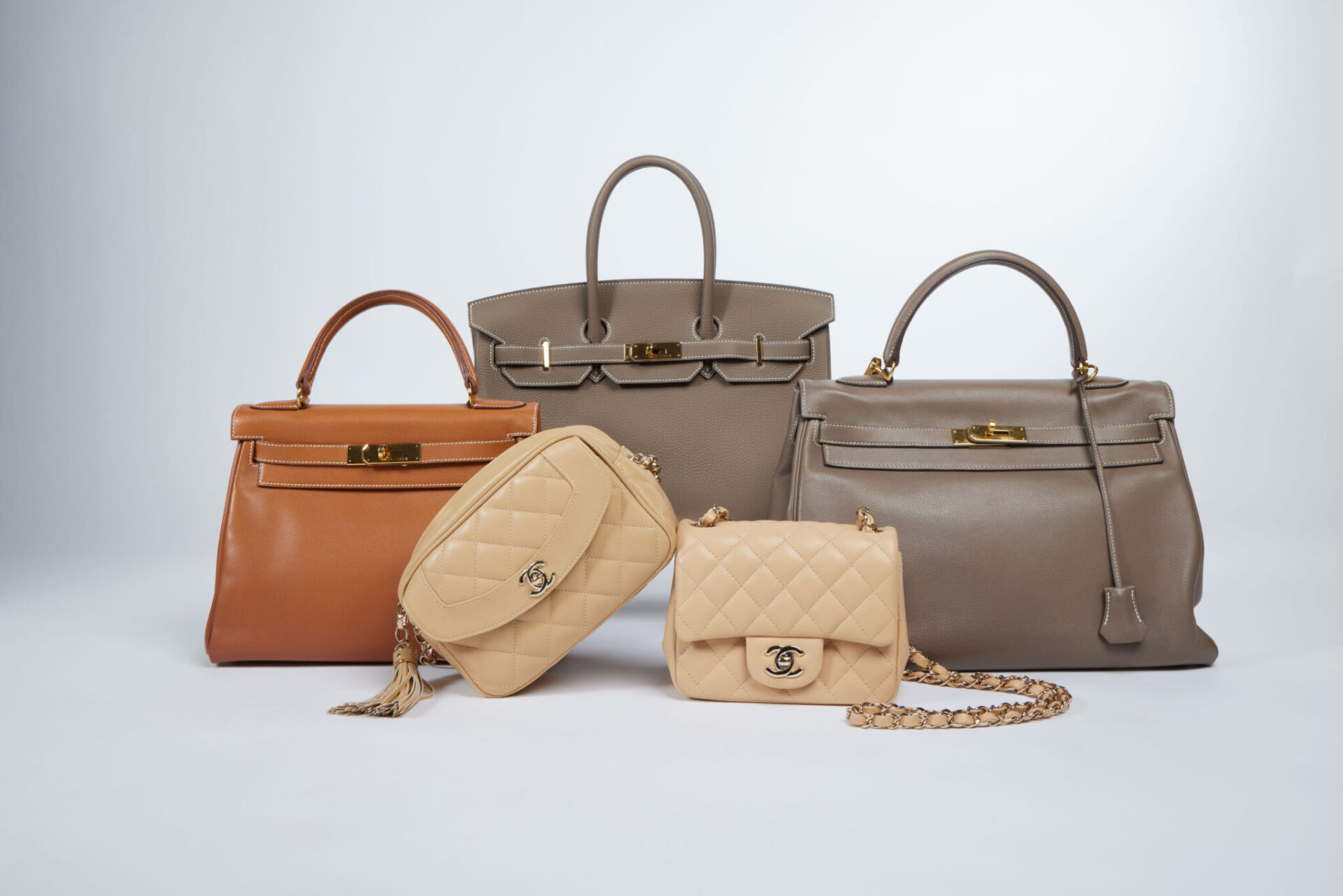
Luxury fashion gets a new face with Luxe Du Jour, a brand driven by innovation and purpose. Tammy Phan, the visionary behind the brand, embarked on this journey to bridge a gap in the market for selling high-end designer handbags. Her pursuit of accessible luxury has reshaped the industry.

Beyond fashion, Luxe Du Jour has redefined the concept of luxury itself. Through Luxe Bag Rental, they’ve unlocked a unique way to experience elegance without the hefty price tag. With a commitment to Recycle, Reuse, and Restore, they’re championing sustainability. Each pre-owned item holds a story of responsible consumption.

Luxe Du Jour’s journey has been marked by challenges, but their ethos remains unwavering. With education and community at the core, they’re leading the charge toward a future where luxury is synonymous with accessibility, ethics, and sustainability.

Join us as we delve deeper into their story.

HOW IT WAS FOUNDED

Luxe Du Jour all started with solving a problem for the founder, Tammy Phan, where she struggled to find a trustworthy place to sell high-end designer handbags. Back then, it was only eBay or your local clothing consignment shop. But eBay was a nightmare of dealing with lowballers, scam payments, and tie wasters and the local clothing consignment shops took 50-60% in commission.

Phan knew there had to be a better way so she started to sell her items on Instagram when the platform was peaking which was the start of the company. Luxe Du Jour ended up building a community on social media and the rest is history!

ABOUT THE FOUNDER

Phan grew up poor to immigrant parents. The typical expectations of her being a doctor or engineer were the only means of success in her parents’ eyes. However, life did not pan out that way for Phan, and she had to drop out of high school to get a job to help support herself, because she thought by doing this—it would be one less child for her parents to worry about financially. 

Phan’s strong desire for luxury stemmed from not growing up around it, and she made it her goal to one day be able to afford a designer handbag. She worked hard, saved enough money and did just that.

Discovering her one Chanel bag increased in value over time and being able to profit on it after she sold it years down the road sparked a joy that she knew she wanted others to experience. Thus beginning an interest in the value of the luxury designer resale market!

Her mission is to make designer luxury more affordable, accessible, and sustainable.

LUXE BAG RENTAL

Shopping for pre owned designer luxury has not changed in the last decade and the prices of designer luxury constantly keep increasing but the shopping experience in store hasn’t changed or evolved to make the price hikes worth it. 

Why are we able to test drive cars before committing thousands of dollars to it and not be able to do that with expensive designer handbags that also cost thousands of dollars even $10,000+?

Luxe Bag Rental saw a huge hole in the market that women wanted to constantly switch up their styles more often, try it before they buy it, or just wear an item once for a special event or photoshoot without the hassle of trying to sell it after. Luxe Bag Rental clients now get to experience a completely new way of shopping and trying out designer fashion. If they love the bag, they can opt for rent-to-own. It gives consumers a chance to really experience the items first-hand providing a smarter and more approachable way to shop. 

REDUCE, REUSE, RECYCLE

Everything done at Luxe Du Jour integrates the 3 R’s.

When you shop or sell preowned, you are RECYCLING that designer handbag. When you rent with Luxe Bag Rental you are REUSING that designer handbag and when you restore a bag back to life with Luxe Bag Spa you are REDUCING waste because a bag you were not going to wear anymore due to its damage now has a second chance at being worn and loved again!

It takes up approximately 629 kg of CO2 to produce one leather handbag so we are reducing a lot of carbon emissions every time a designer handbag is sold, rented, or restored! The fashion industry is so wrapped up in having everything brand new, Luxe Du Jour wants to focus on how to normalize pre-owned and continue to find ways to push for positive environmental impact. 

AUTHENTICITY AND SUSTAINABILITY

Authenticity is the core of Luxe Du Jour’s business. A 3-step authentication process is done to ensure authenticity for every item sold or rented out hence why Luxe Du Jour offers a lifetime guarantee or you get your money back.

A rise of counterfeits and fast fashion has flooded the market and Luxe Du Jour focuses on educating our community on the negative impacts of buying counterfeit and fast fashion by building a community and nurturing that community to  fulfill their needs.

LOOKING FORWARD

We aspire for Luxe Du Jour to be a huge disrupter in designer luxury fashion and want to lead the path so that the luxury giants follow and want to be a part of the positive impact we are making for those who love authentic designer luxury.

Luxe Du Jour will continue to be innovative and bring a new look to preowned.

CONNECT WITH LUXE DU JOUR

Website: luxedujour.ca

Instagram: @luxedujour

Tiktok: @shopluxedujour

Facebook: Luxe Du Jour

YouTube: Luxe Du Jour

Pinterest: Luxe Du Jour

Twitter: @luxe_dujour

ezgif.com-webp-to-jpg (4)-jpg

News

Carolyn Kan’s Impactful Journey in Crafting Stories through Jewelry Design

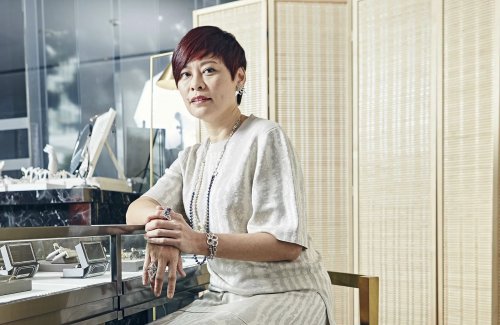
Carolyn Kan, the visionary behind Carrie K Jewellery, has left an indelible mark on Singapore’s creative landscape.

Known for her intricate fine jewelry reflecting Southeast Asian heritage, wit, and emotion, Carolyn’s influence transcends mere craftsmanship. Her unwavering commitment to the local creative community adds depth to her legacy.

To Carolyn, that means trying new things to make special jewelry. It’s not just about looking nice; it’s about making jewelry that has feelings and meaning, like a piece of art you can wear.

The pandemic made her think about why her jewelry matters. She realized her designs show love and comfort even when times are tough. “Our designs share messages of love,” she explains, showing how important her work is.

From fun accessories to really well-made jewelry with special metals and gems, Carrie K Jewellery shows how much Carolyn cares about celebrating life and love. She also focuses on being creative and making jewelry that fits different styles and moods.

Aside from the beautiful design, Carolyn’s jewelry is also good for the Earth. She makes pieces that you can use in lots of different ways, so you don’t need too many things. She also has a special service where she takes old family jewelry and makes it new again. This helps keep special memories alive.

Now that the pandemic is over, Carolyn wants to share her jewelry with more people and make different kinds of engagement and wedding pieces. She’s found new ways to work with people from far away, making special jewelry that tells their stories.

Featured Image Source: Her World SG

Mike Yam poses in the studio on Thursday, July 14, 2022 in Inglewood, California

Stories

Michael Yam’s Mission to Empower Readers with His Children’s Book ‘Fried Rice and Marinara’

Michael Yam, the host of NFL Total Access on NFL Network, has now ventured into the world of children’s books with his first-ever creation, “Fried Rice and Marinara.”

This heartwarming tale revolves around Mikey Yam, a character just like Michael, who cherishes both his Chinese and Italian heritage. Michael wrote this story to show young readers that it’s okay to have a diverse background and to be proud of who they are.

Drawing inspiration from his own life, Michael wanted to share the joy of embracing different cultures with children. In “Fried Rice and Marinara”, he uses the magic of food to bring the story to life and spark curiosity about diverse backgrounds. Through this delightful book, Michael hopes to encourage kids to learn about their own heritage and appreciate the uniqueness of others.

As a first-time children’s book author and illustrator, Michael faced some challenges, but his passion for storytelling and connecting with young readers drove him forward.

Read through as we learn more about Michael and how he aims to inspire all children to feel confident in their identities with his book “Fried Rice and Marinara”, through an interview with Asian Hustle Network.

BREAKING BARRIERS WITH “FRIED RICE AND MARINARA”

During the course of my career, I have been fortunate enough to speak to students about a path in broadcasting. I have always been disheartened by the lack of Asian representation in media classes. Aside from cultural factors, I believe the lack of widespread representation at high levels of sportscasting is a major reason why Asian American students are picking other career paths.

Strengthening the pipeline is one of the ways I think this changes. If young kids can see themselves in stories, I think it can spark an interest in storytelling. 

MIKEY YAM AS A MULTIETHNIC LEAD CHARACTER

As a kid, I didn’t think anything of the different cultures. I always knew I was Chinese and Italian, but as I got older, I realized that my friends didn’t have to think about or balance multiple cultural experiences that were very different.

Part of the reason I wanted to write “Fried Rice and Marinara” was to have young readers see a multiethnic character in a lead role. I also wanted to spark the thought that families with diverse backgrounds are normal.

At times in my childhood, I thought I had to “pick a side”, which is weird to think about now. I really want young kids to be able to embrace their heritage and be proud of their background. I know for my family, food was a backdrop to everything we did. I wanted to use cuisine as a vehicle to bring the story to life.

NAVIGATING BOTH SIDES OF HIS HERITAGE

First and foremost, it’s about embracing both cultures. I think many people focus on the differences between ethnicities, but we would all be in a better place if we gravitated to what’s the same.

Both my Chinese and Italian sides value family and the joy that comes from spending time with each other. I have fond memories of BBQs as a kid and my birthday parties having both Italian and Chinese food. 

CHALLENGES HE FACED IN THE WRITING PROCESS

I’ve spent my career telling the stories of athletes. I’m comfortable in that realm, but with “Fried Rice and Mariana”, it’s the first time I tried to connect with a young audience in a medium I’ve never worked in.

I have always loved having fun with my nieces and nephews, telling them crazy stories at home. I tried to imagine telling them this story as if we were in person. No, I can’t rhyme on the fly like in the book, but it’s about the tone.

I always love asking kids questions to see where their mind goes. If you notice at the back of the book, there is a page that gives kids an opportunity to write their funky food combinations with the ability to draw them, too. It’s really important to me that the experience with the book doesn’t end when they’re finished reading it. 

WHAT HE HOPES FOR READERS TO TAKE FROM HIS BOOK

I want young Asian readers to be able to see themselves as a main character in a story.

According to a study conducted by the University of Wisconsin (2022) you are nearly as likely (39% BIPOC/37% Animal/Object) to see a children’s story about an animal or object than you are to see a story depicting a character from a diverse background. I see that as a problem. 

I want all children to be exposed to various cultures. The child who doesn’t often get to see characters who look like them will hopefully feel confident and have more self-worth. My hope is other children will be exposed to other cultures and develop an appreciation for experiences different from their own.  

CONNECT WITH MIKE YAM

Instagram: @Mike_Yam

Twitter: @Mike_Yam

Threads: @Mike_Yam